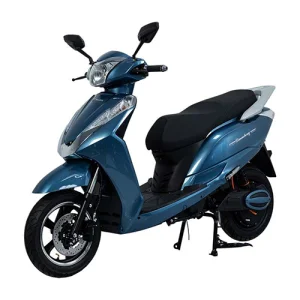
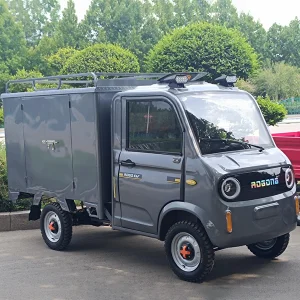
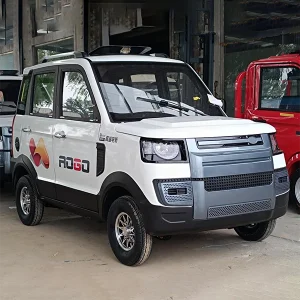
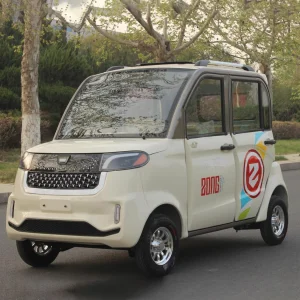
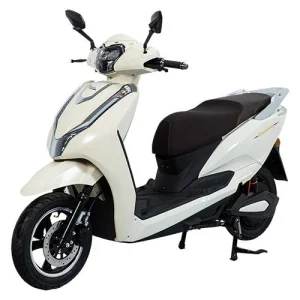
Explore our flagship three-wheeler models engineered for robust industrial performance, local micro-mobility, and efficient distribution operations.
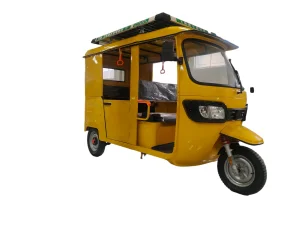
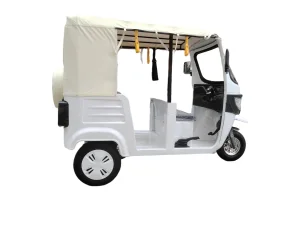
Analyzing the evolution of three-wheeler vehicles from simple utility trikes to cutting-edge smart transportation hubs.
Global regulatory push and zero-emission goals are driving commercial vehicle fleets toward electric variants. Lead-acid cells are quickly yielding to LFP (Lithium Iron Phosphate) technologies, boosting range limits and operating cycles.
Downtime is costly for logistics fleets. Battery swapping networks are emerging globally, allowing 3-wheel operators to replace depleted battery packs in under two minutes, maximizing daily uptime and operational efficiency.
Safety certifications like E-Mark and local directives demand heavy-duty chassis engineering. One-piece stamped structural layouts, hydraulic drum brakes, and cabin reinforcement structures have become essential market expectations.
Across urban centers and rural territories alike, the three-wheeler represents the backbone of economic mobility. Historically powered by small, internal-combustion engines, modern three-wheelers are undergoing a technological rebirth. Driven by the critical need to reduce Total Cost of Ownership (TCO) and satisfy strict environmental guidelines, fleet operators and delivery platforms are replacing conventional vans with agile, electric three-wheeled cargo trikes. These vehicles provide unparalleled maneuverability in narrow urban lanes, lower charging costs relative to larger commercial trucks, and high utility profiles. The integration of GPS tracking, IoT-driven fleet management systems, and thermal-regulated closed cargo compartments has transformed the three-wheeler from a simple transit mechanism into a highly digitized node of the global supply chain.
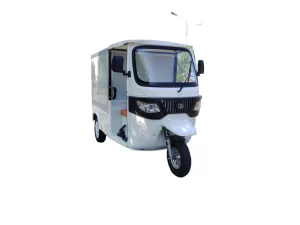
To endure the heavy duty cycles of industrial and passenger transport, modern manufacturers implement state-of-the-art chassis structural engineering. High-tensile carbon steel, treated with anti-corrosive cathodic electrophoretic coatings, ensures that vehicles can operate in coastal and high-humidity environments without premature material degradation. Stamped steel construction eliminates micro-fractures in welded joints, giving passenger variants like the 7-Seater Tuk Tuk and cargo versions like the Closed Cargo Box Trike the rigidity needed to handle variable road surfaces and heavy payloads day after day.
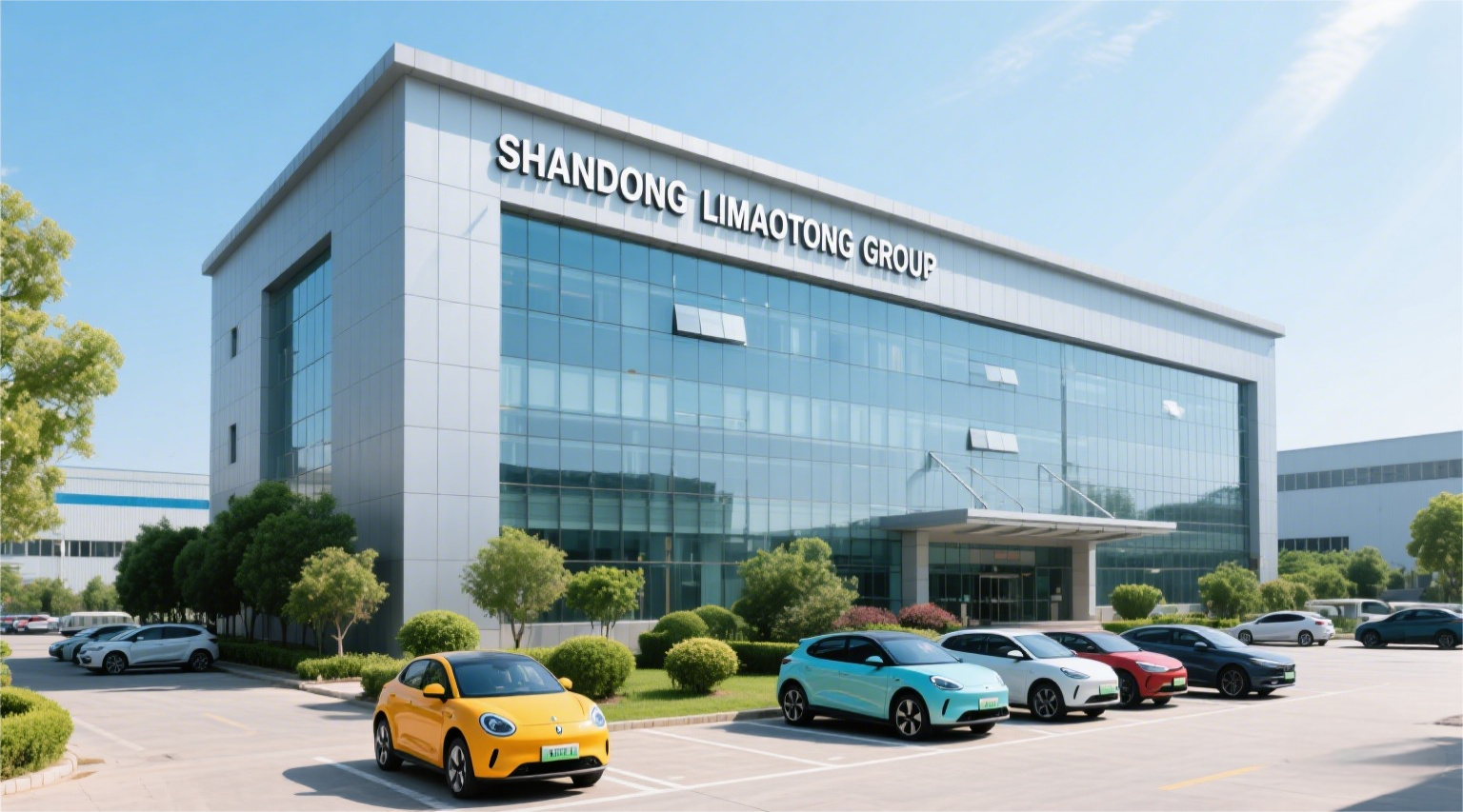
SHANDONG LI MAO TONG GROUP is a premier global manufacturer of high-end vehicular solutions, featuring a fully integrated industrial supply chain. We specialize in the advanced engineering, manufacturing, and global distribution of motor tricycles, heavy-duty cargo tricycles, and electric mini passenger cars.
Since our inception, our versatile vehicle lineups have served operators in over 120 countries and regions. Supported by 8 overseas production bases and a dedicated cross-border logistics network, we deliver customized localization options, immediate spare parts access, and professional field service support to commercial projects worldwide.
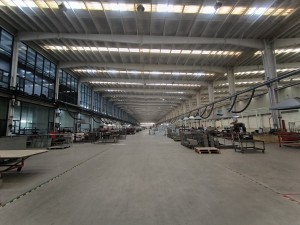
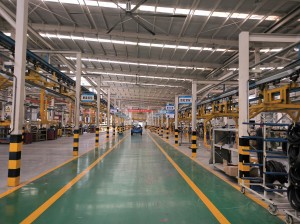
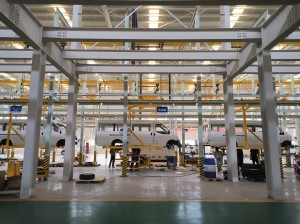
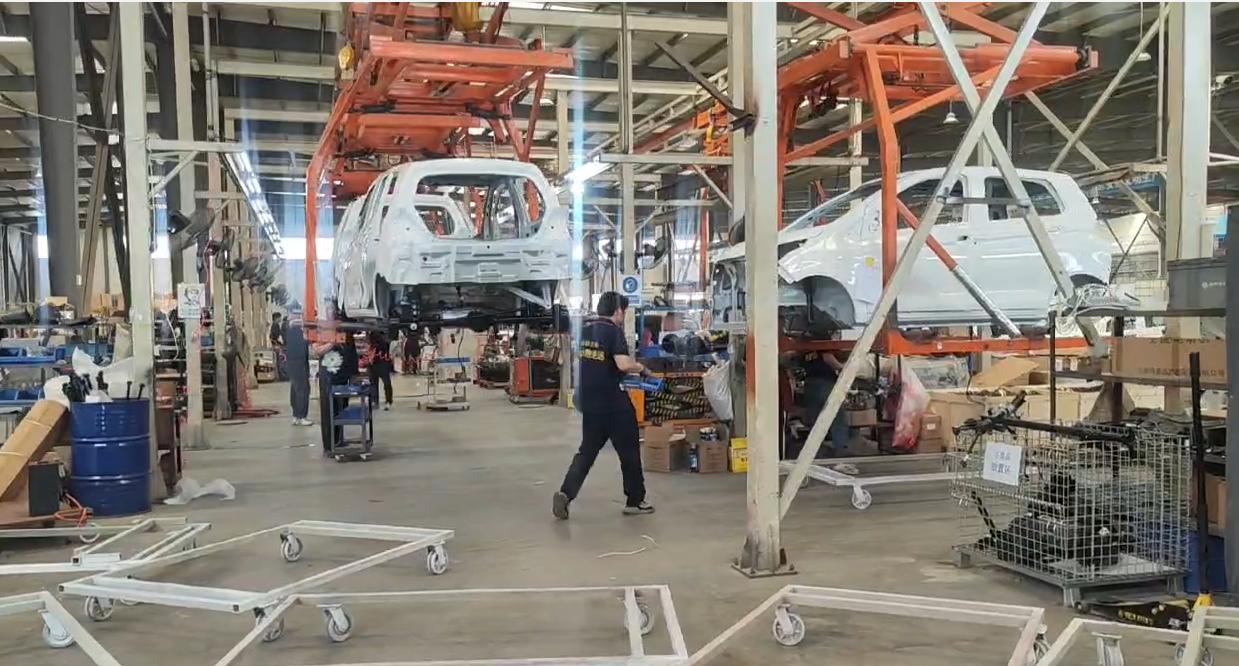
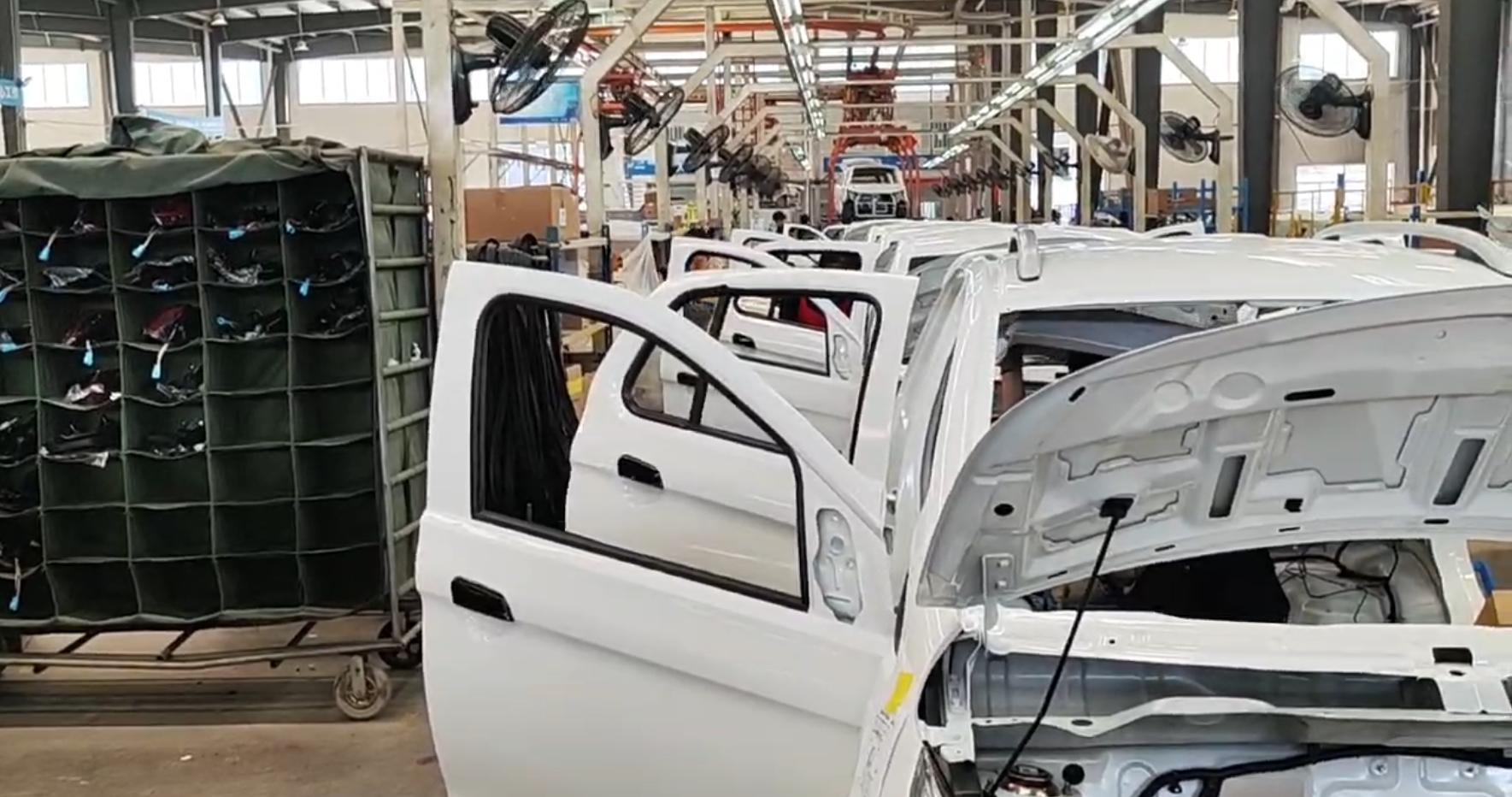
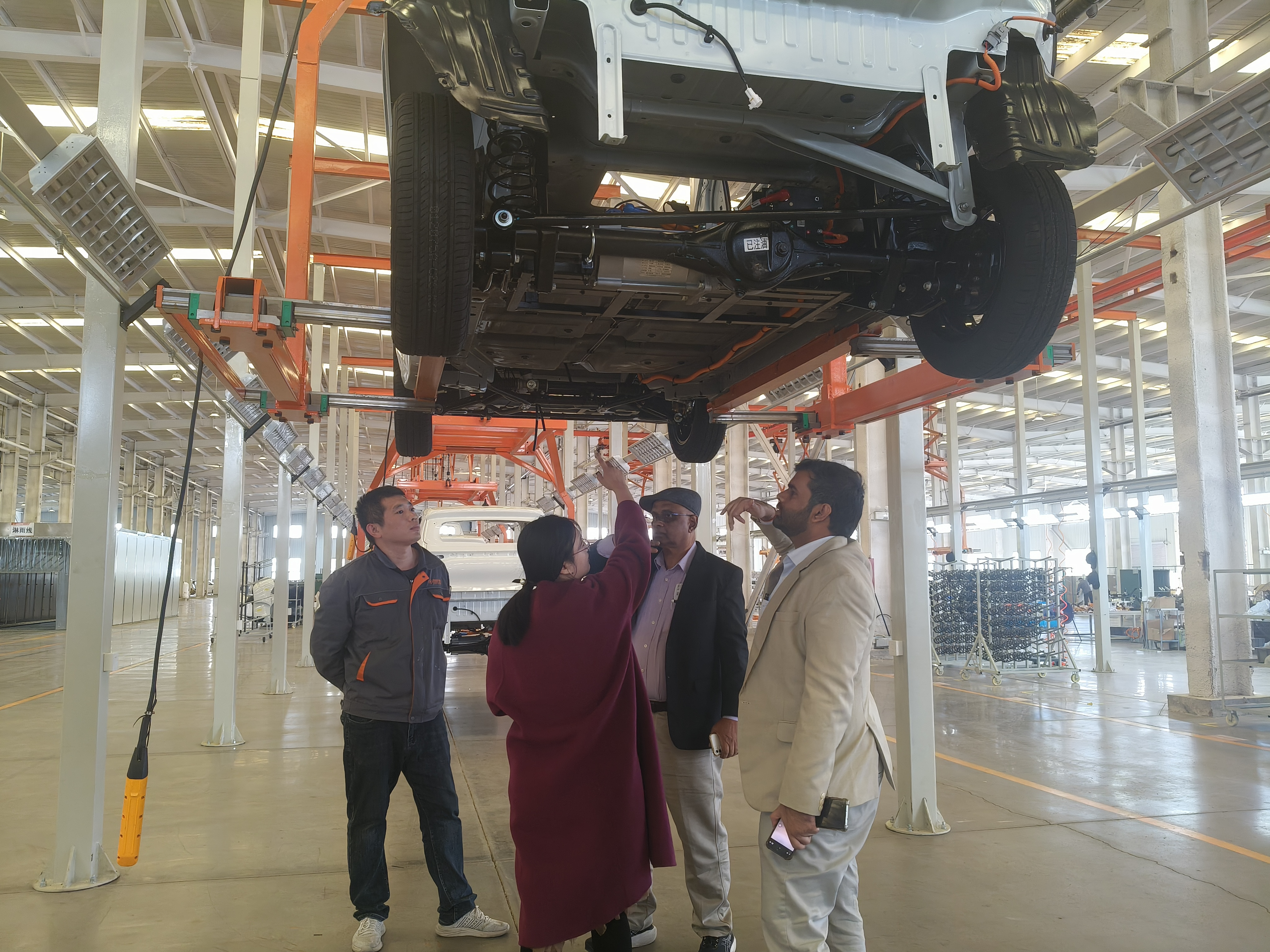
Combining heavy automation, high-precision robotic welding, and rigorous weather simulation tests to produce long-lasting utility vehicles.
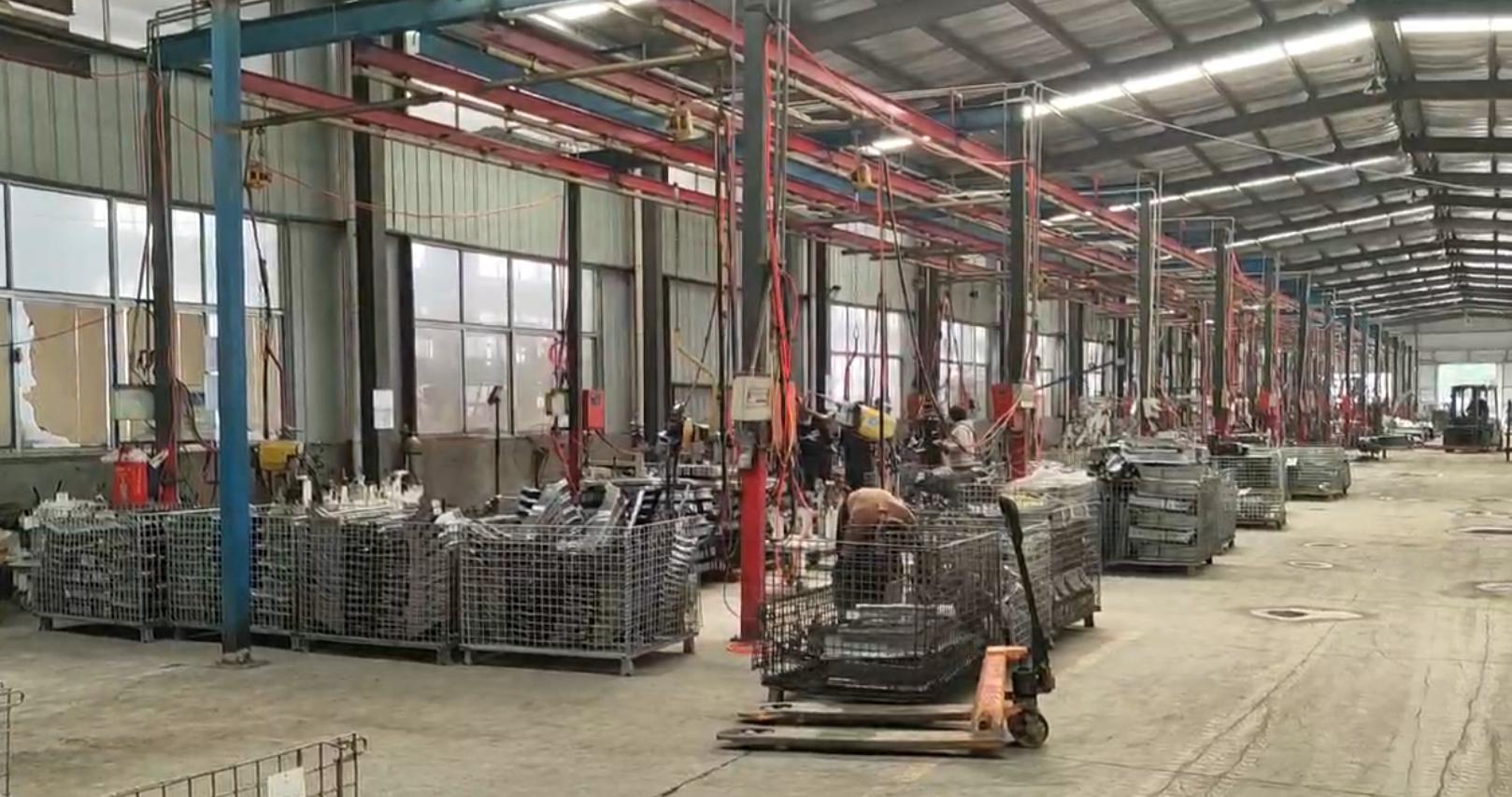
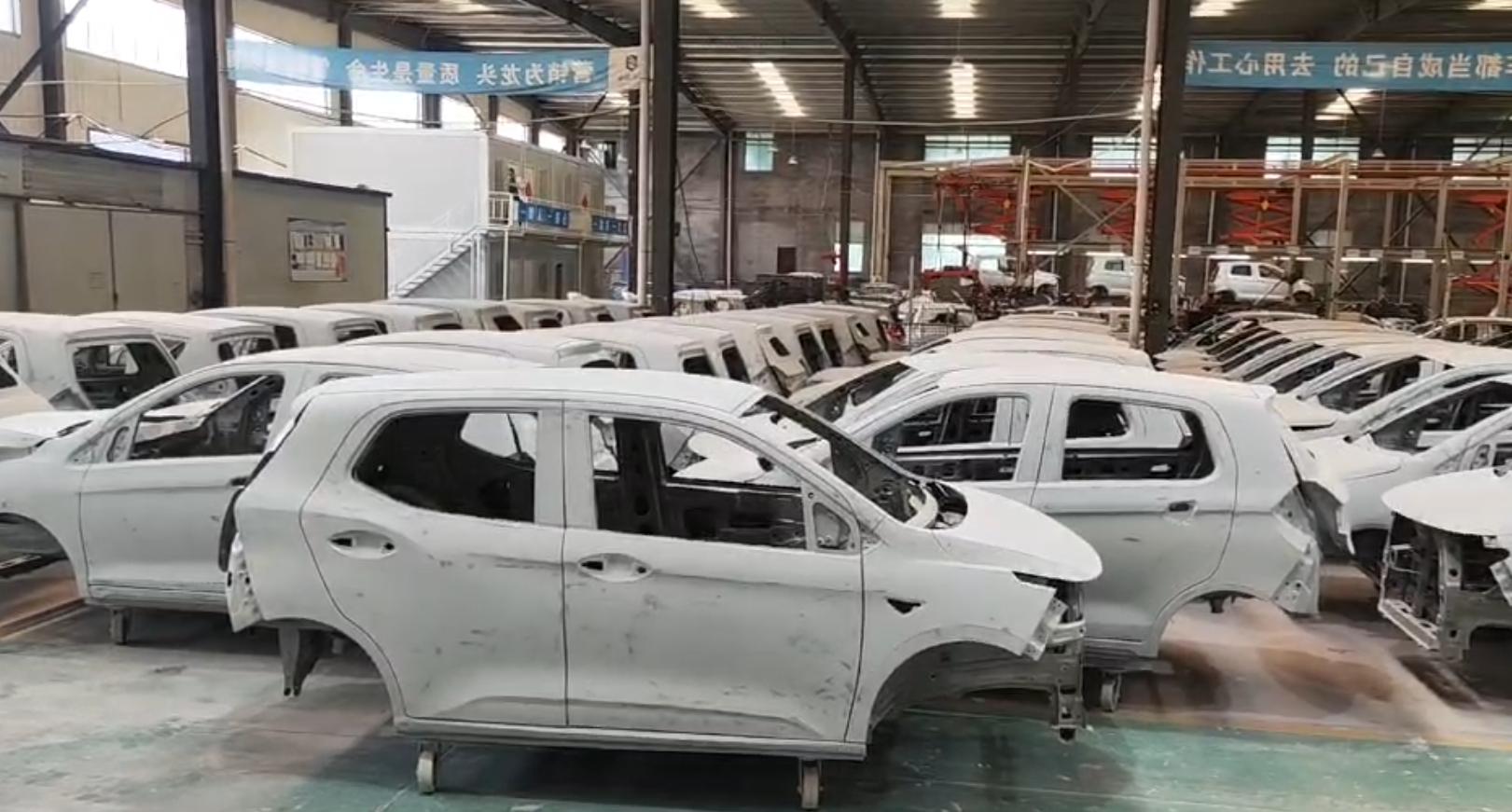
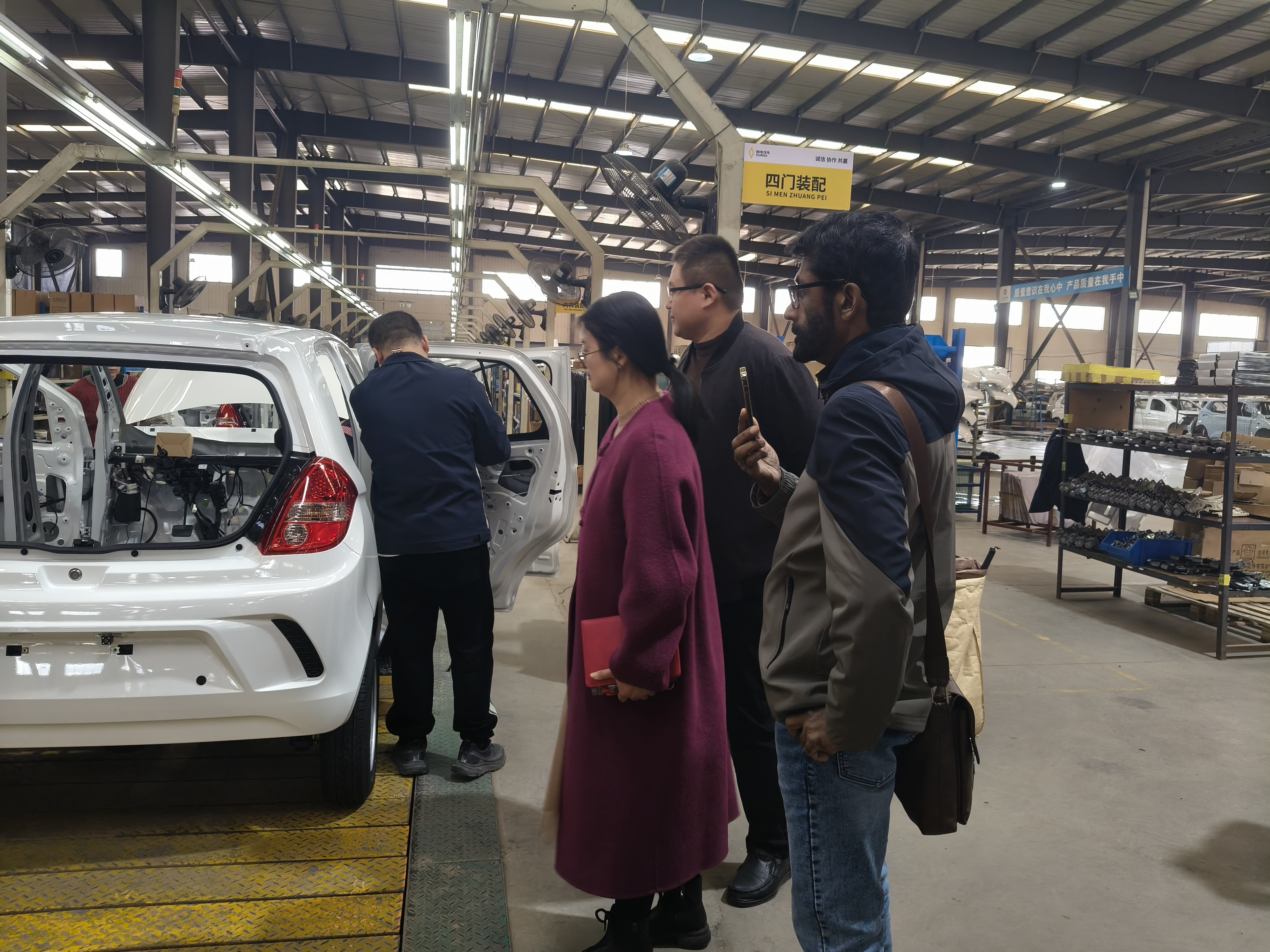
At our digitalized manufacturing facility, precision is integrated into every phase of production. We run advanced robotic welding bays that assemble steel frames within millimeter tolerances. Following assembly, each frame undergoes electrostatic paint processes, creating a durable barrier against rust and physical wear.
Our commitment to reliable performance extends to extreme environment testing. Every vehicle class is subjected to simulated downpours and off-road obstacle tracks to ensure reliable sealing of high-voltage wiring, cabin enclosures, and drivetrain assemblies under heavy loads.
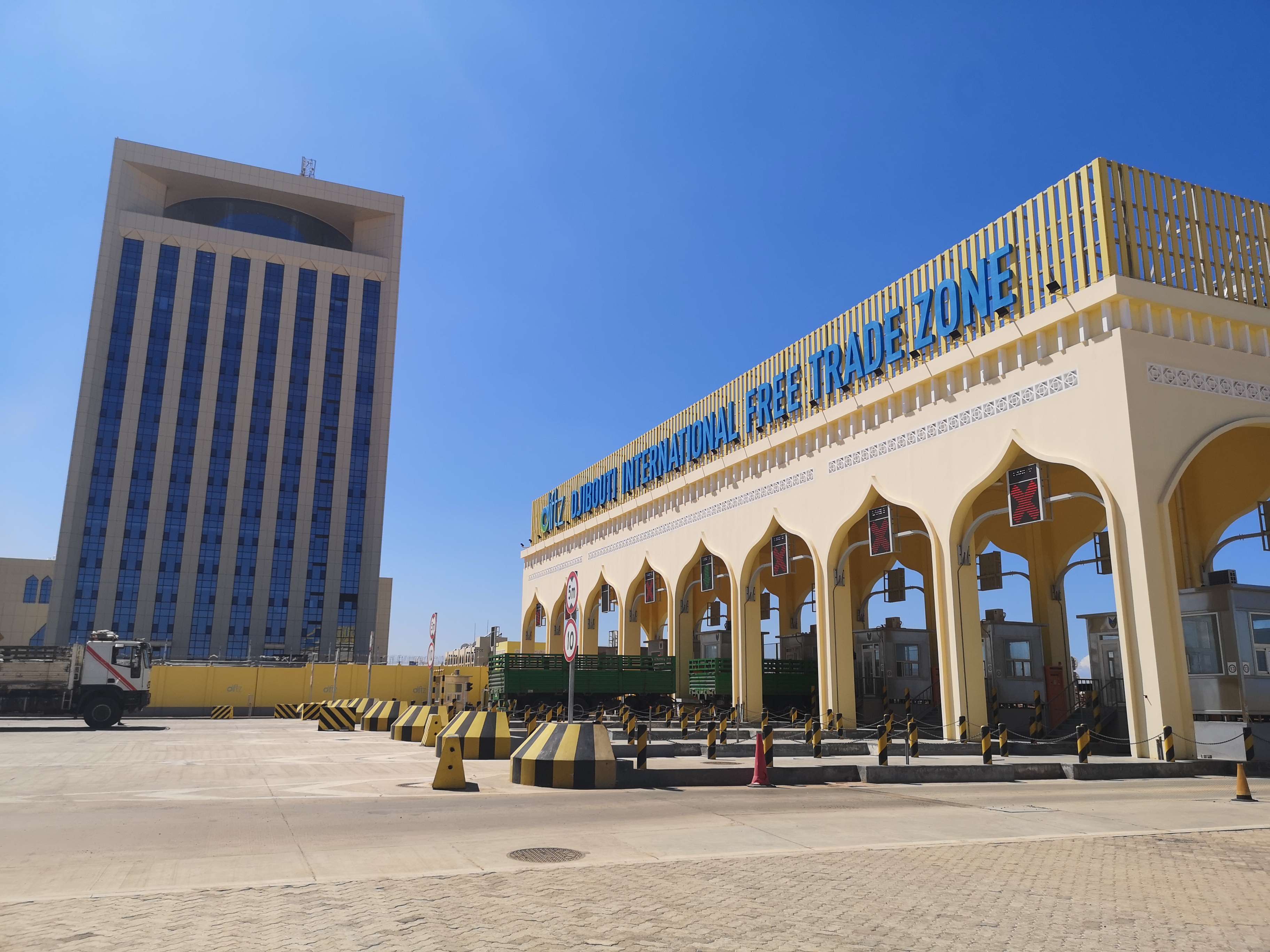
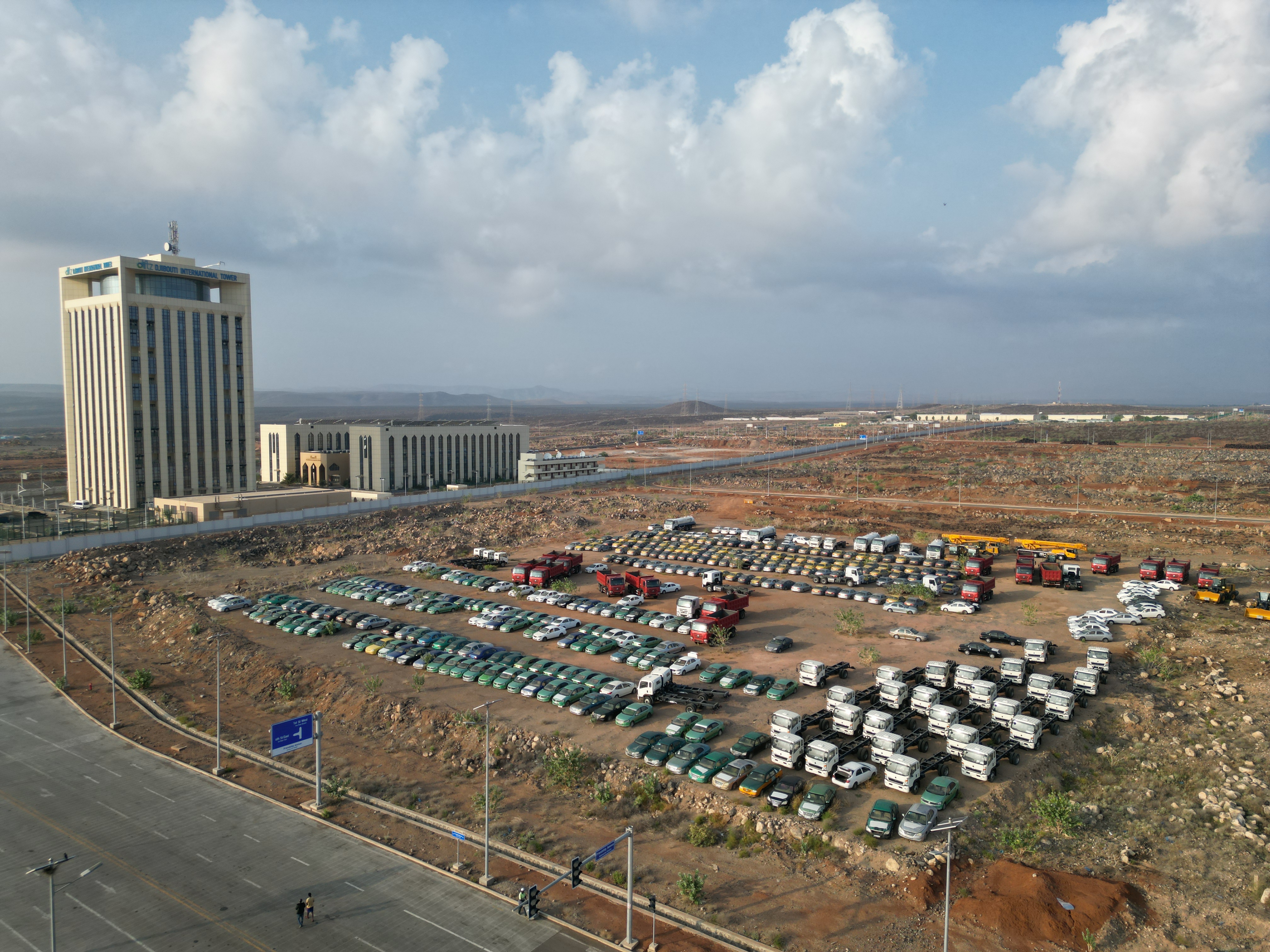
Djibouti Cross-Border E-Commerce Center (Est. 2023)
Located strategically in the East Africa free trade hub, our Djibouti distribution center functions as a primary logistics artery. By combining localized storage with responsive after-sales support, we dramatically reduce turnaround times for parts delivery and vehicle assembly across the continent. This infrastructure supports import clearance, duty processing, and provides direct technical services to regional operators.
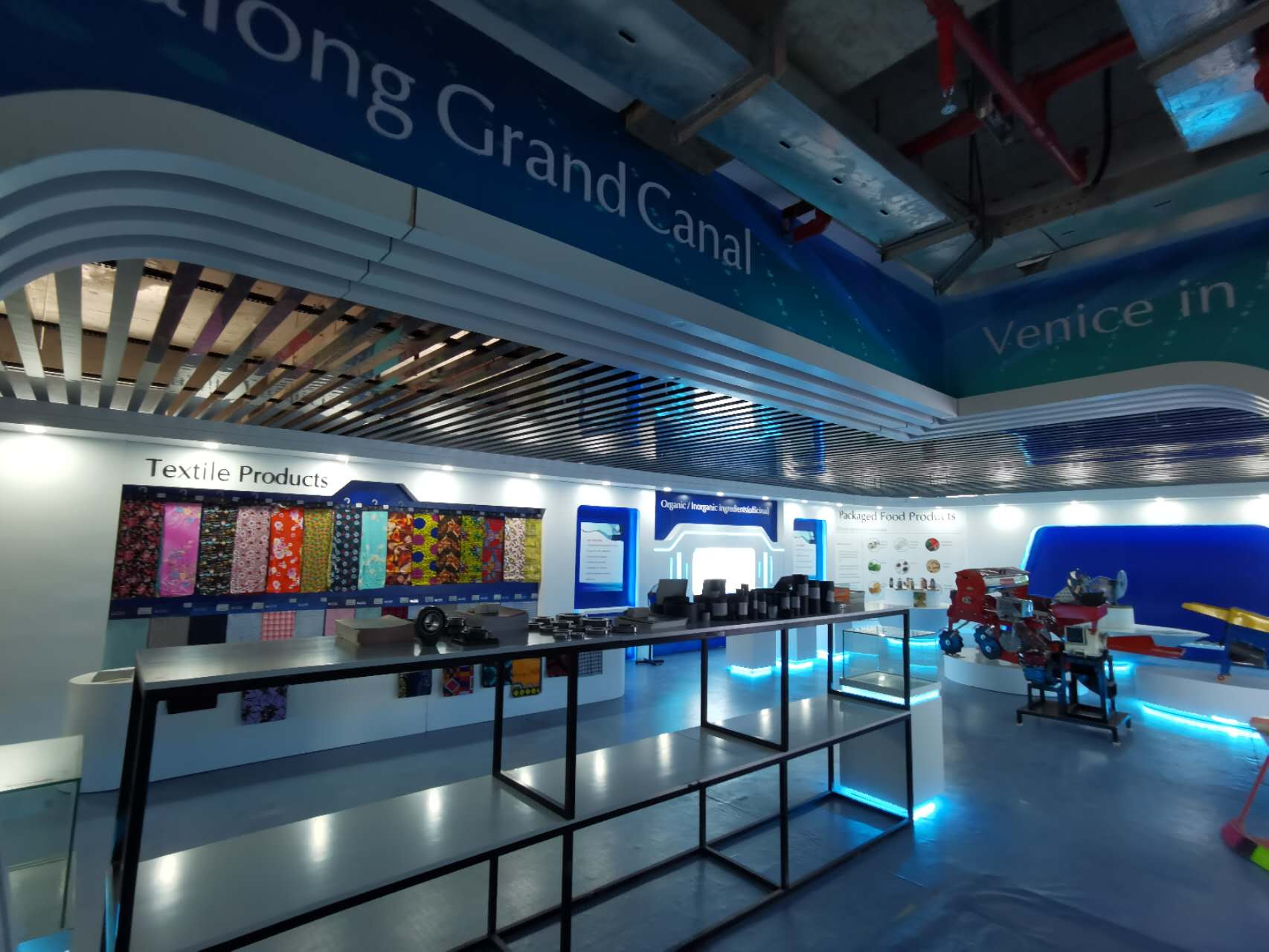
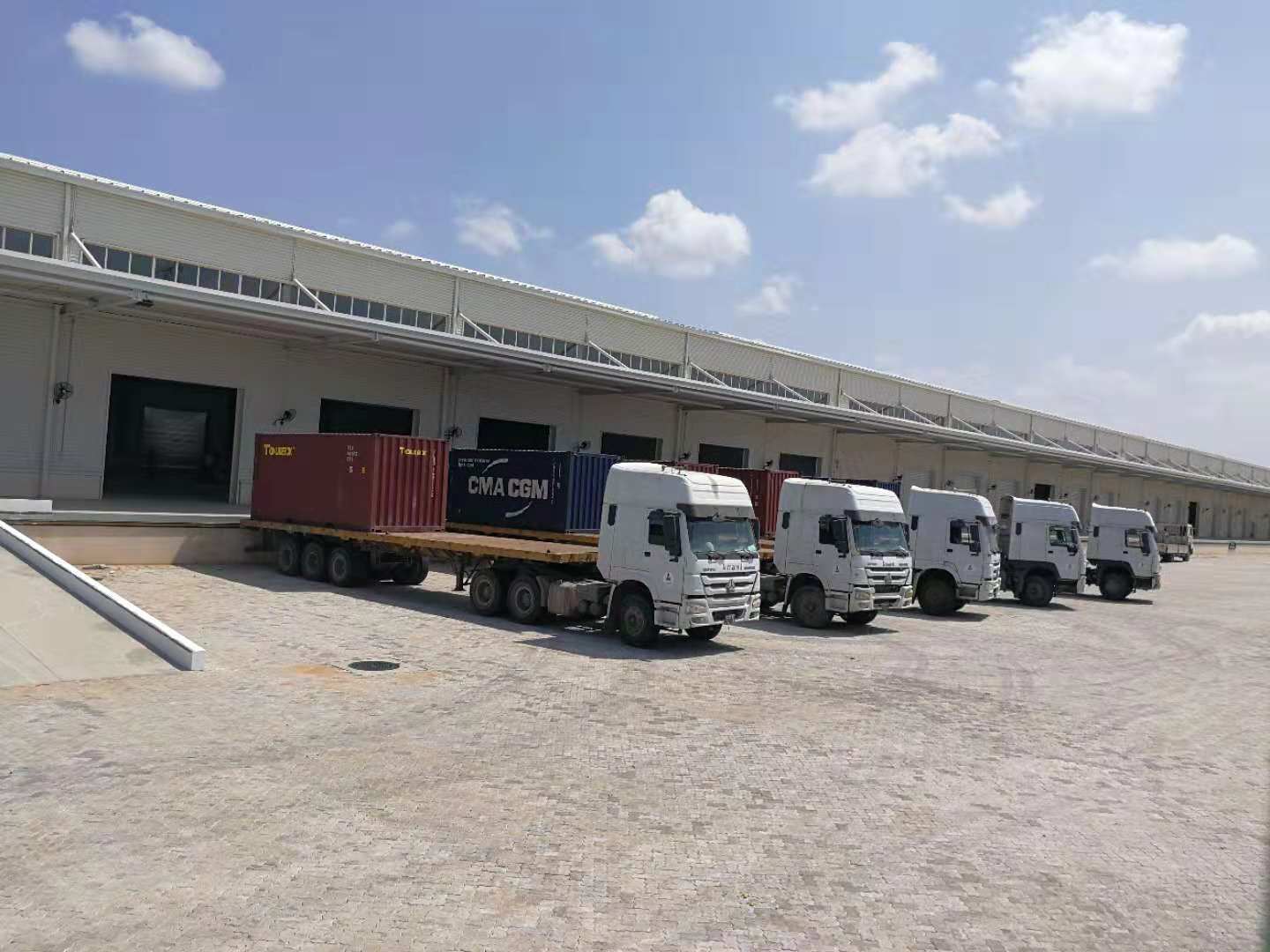
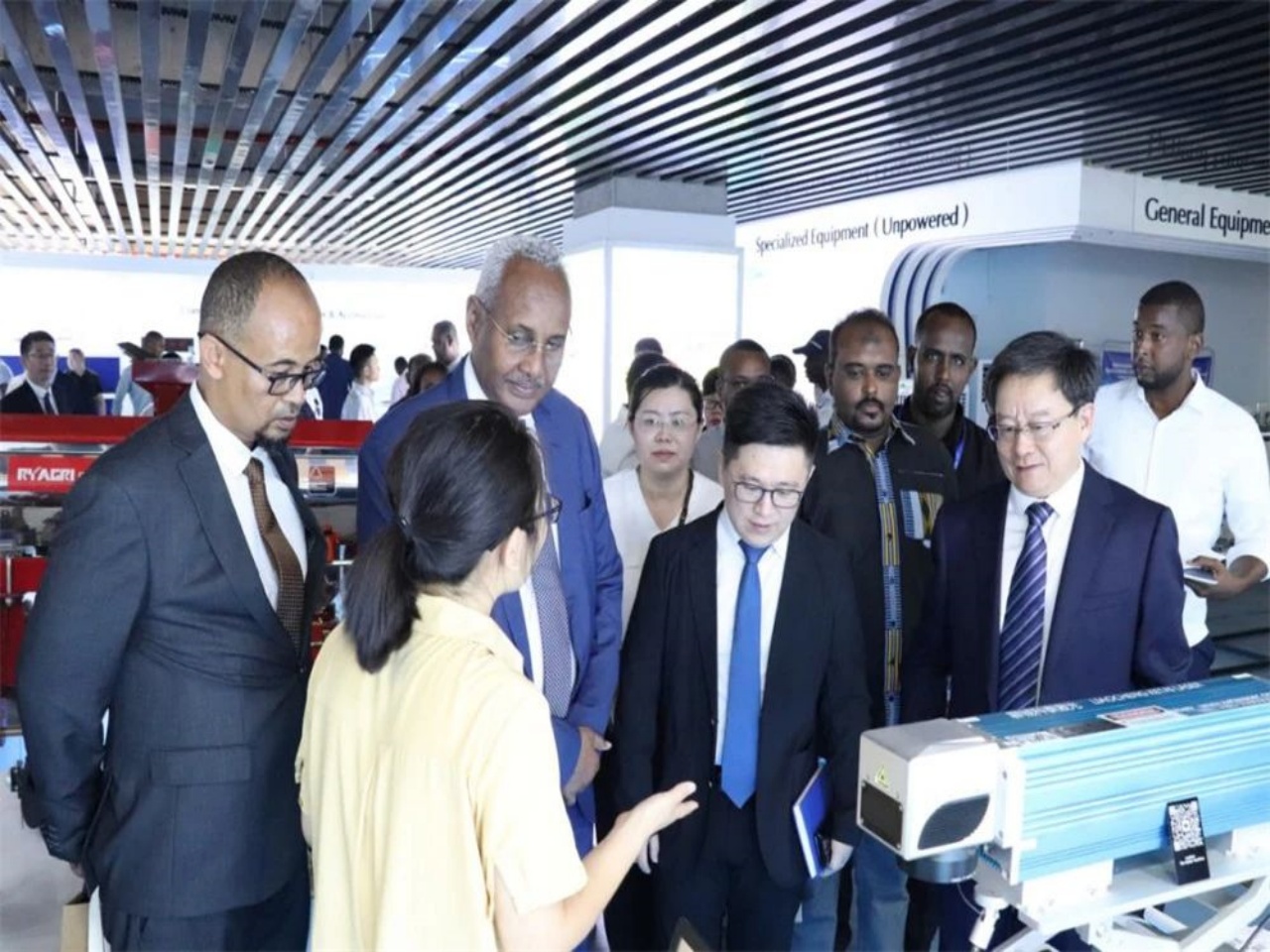
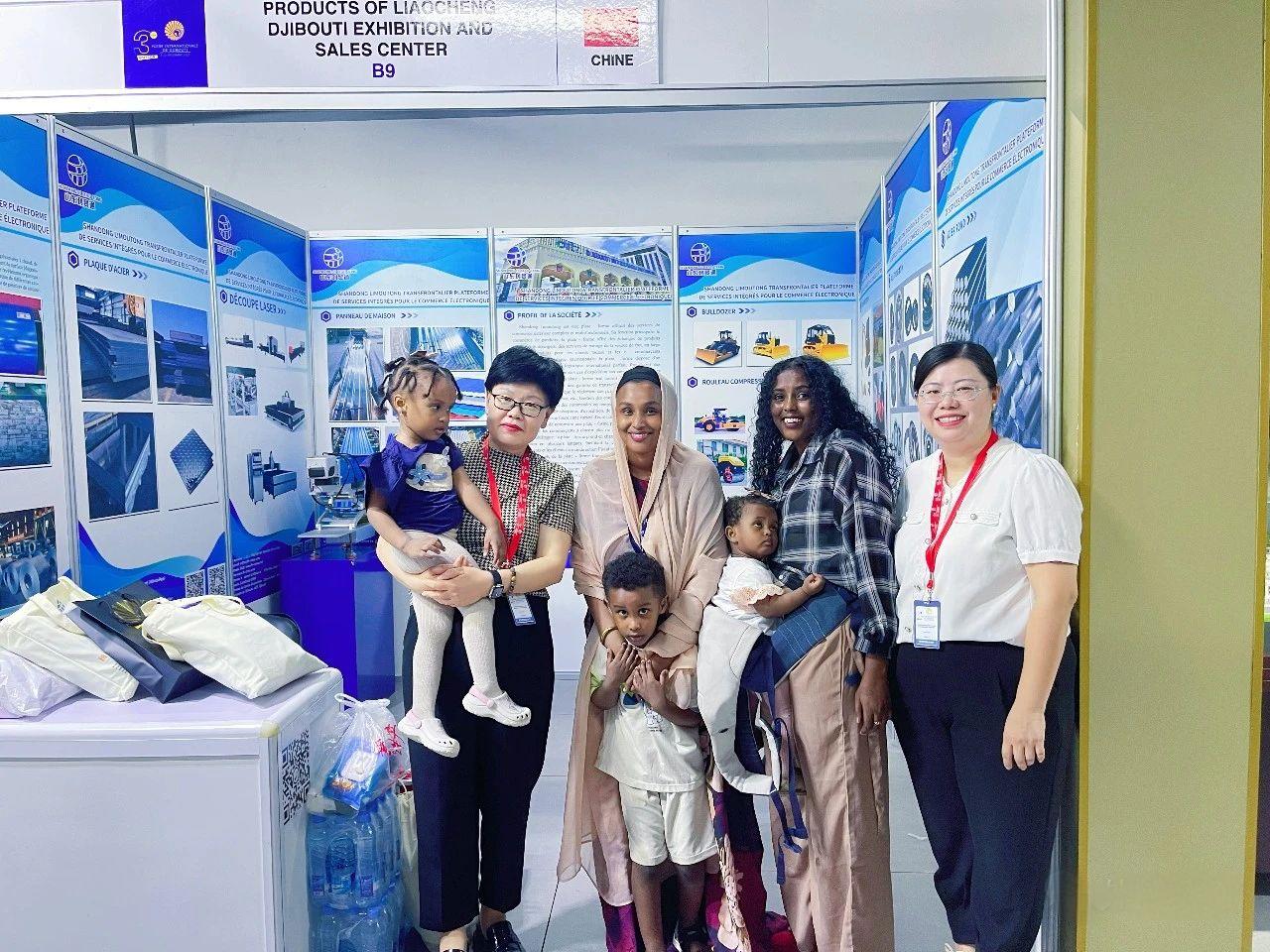
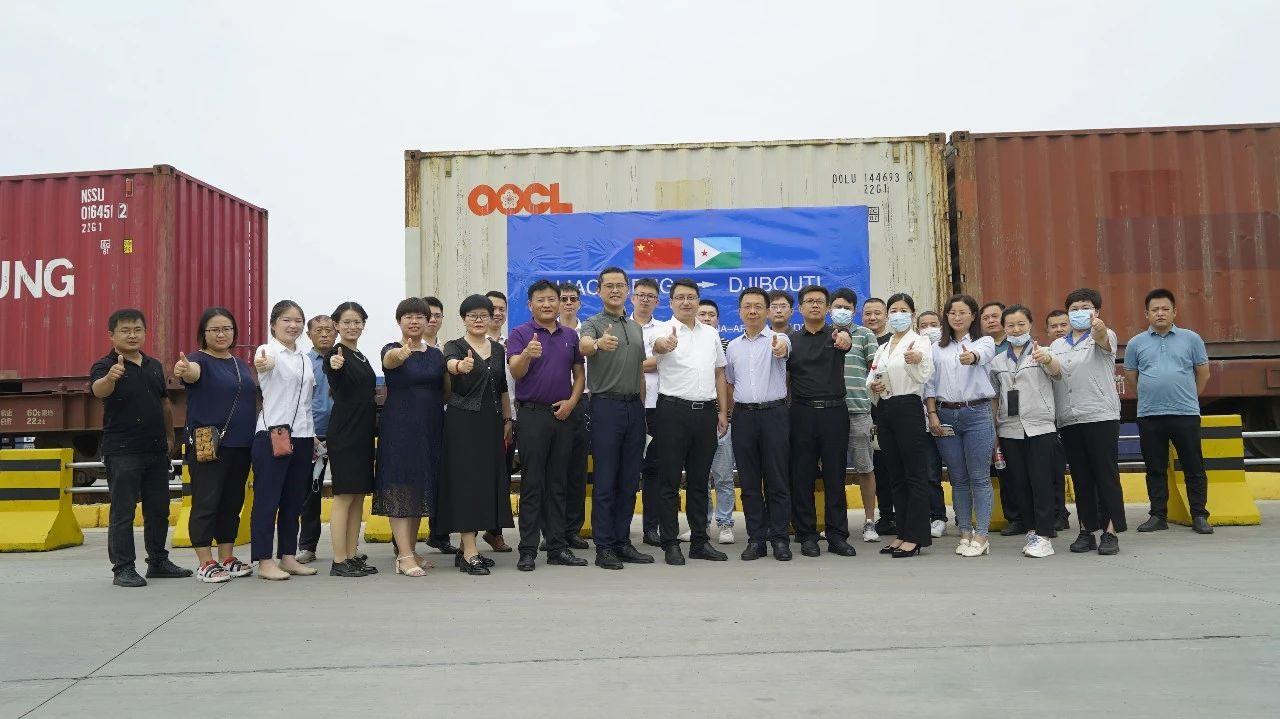
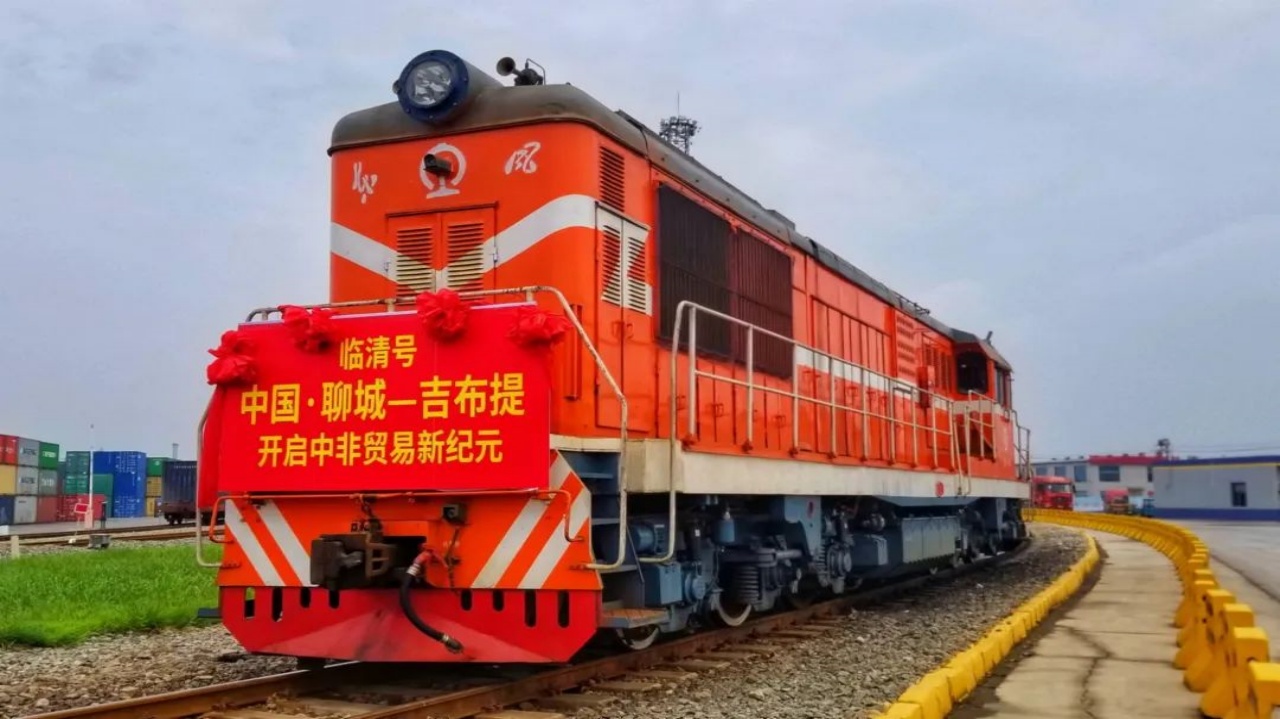
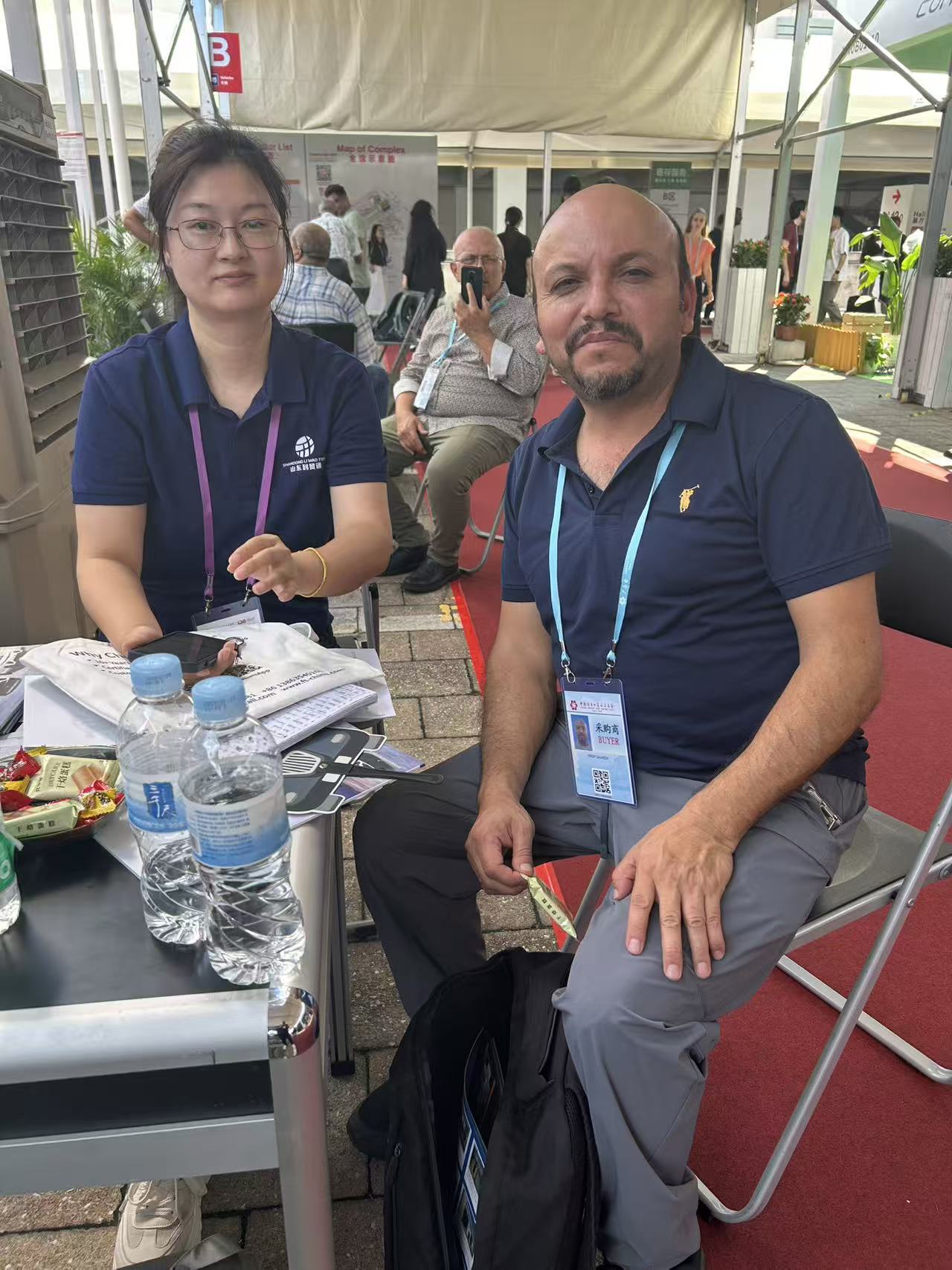
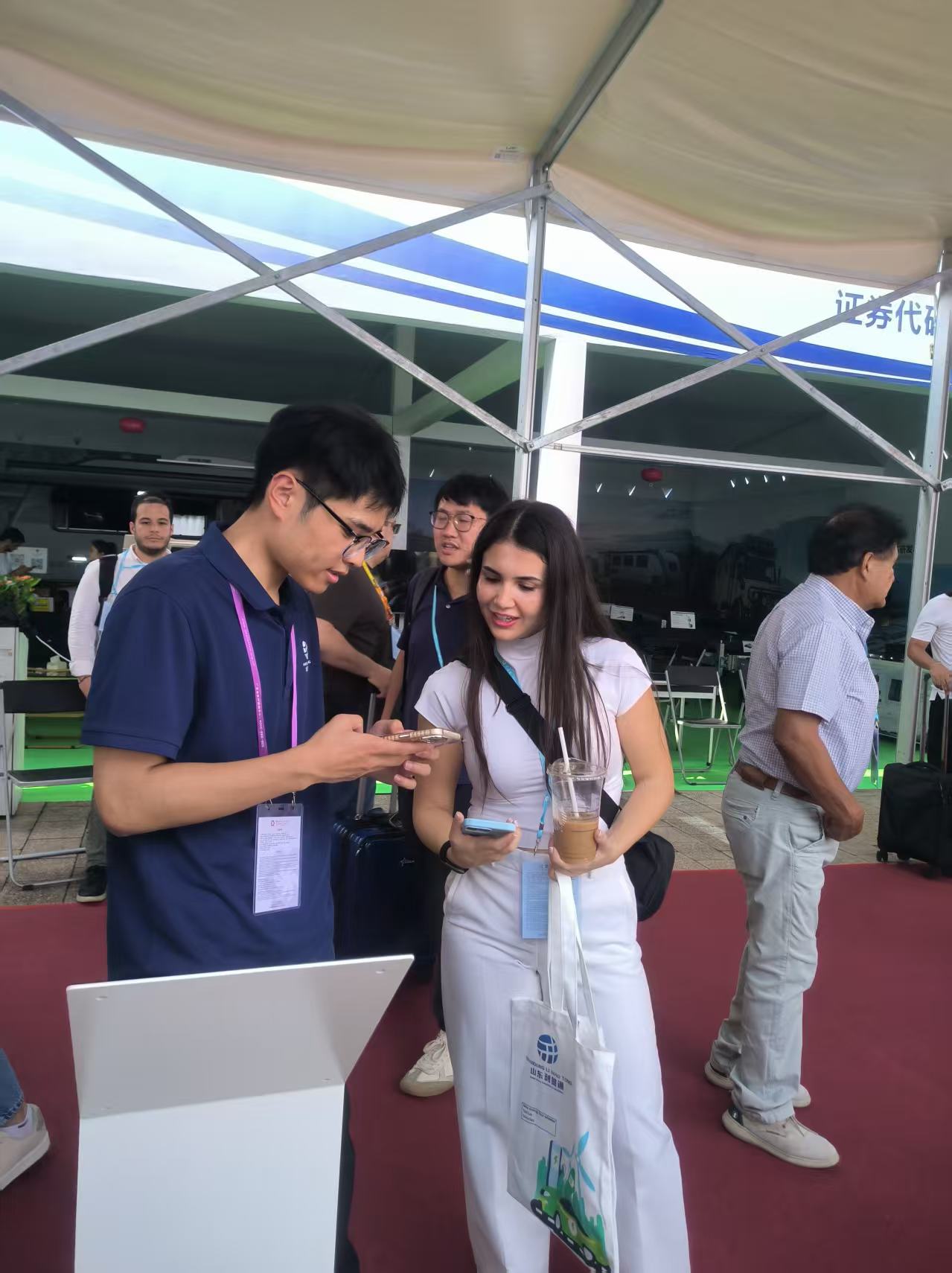
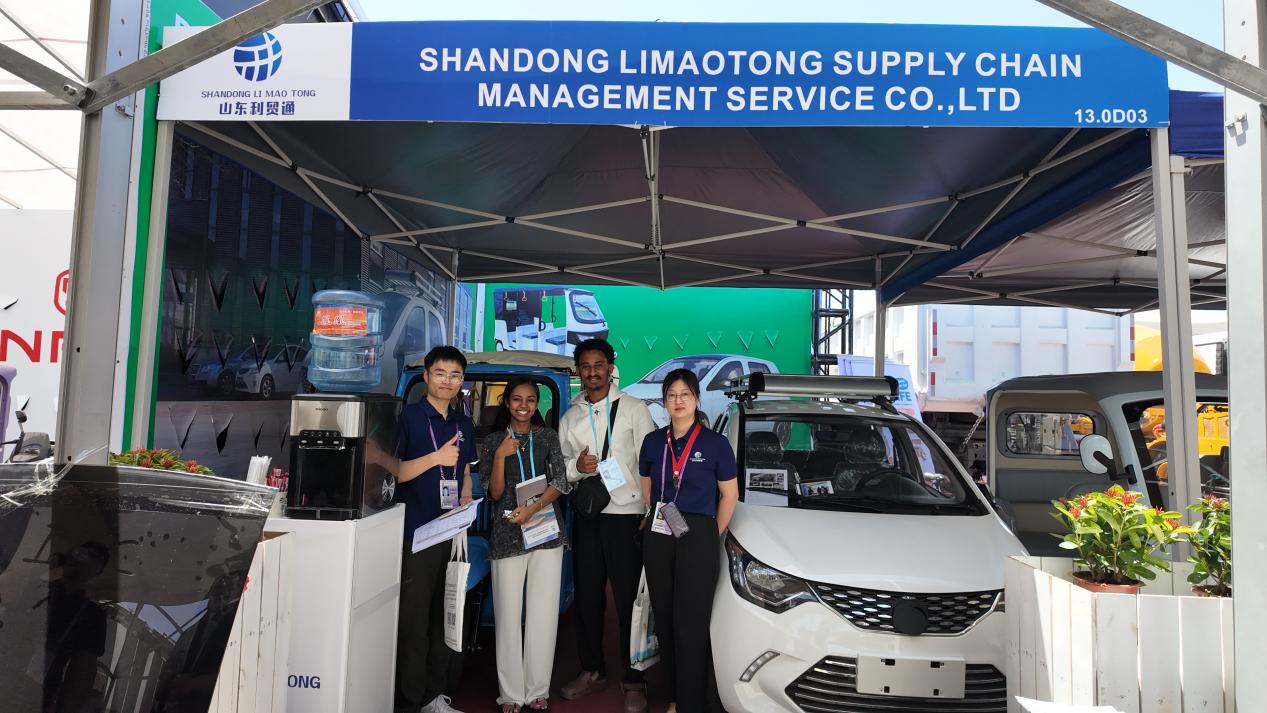
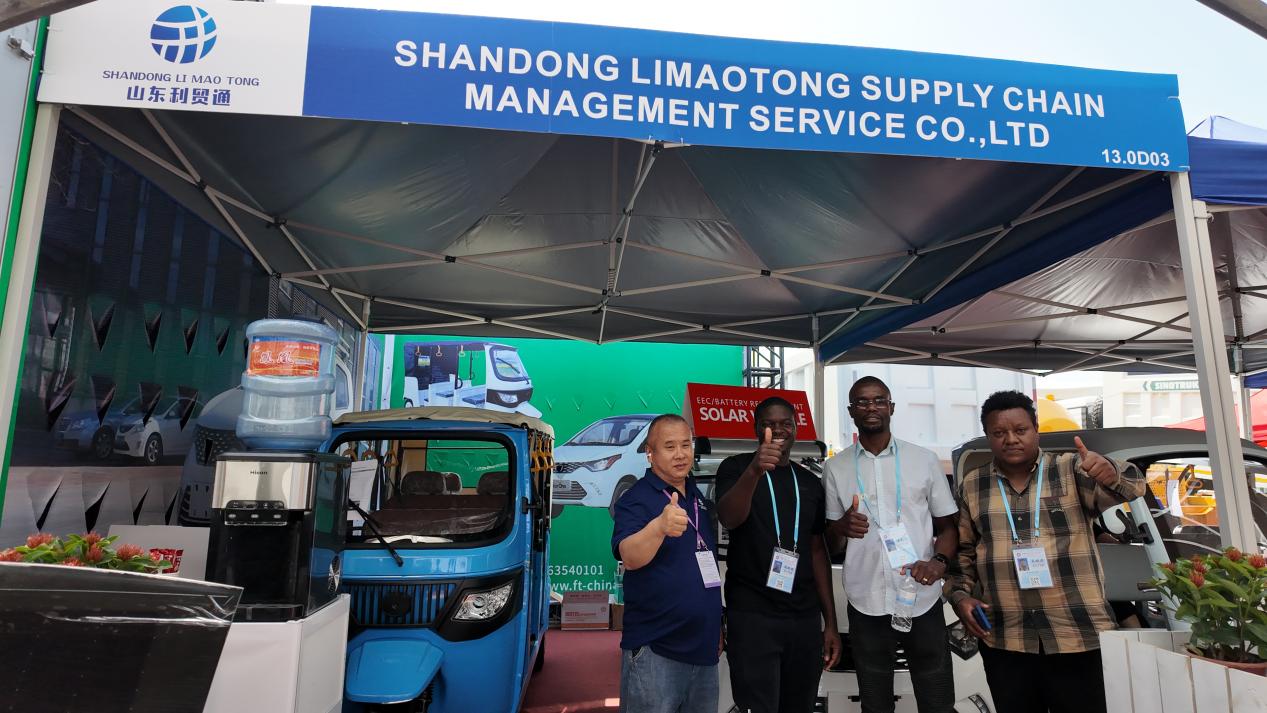
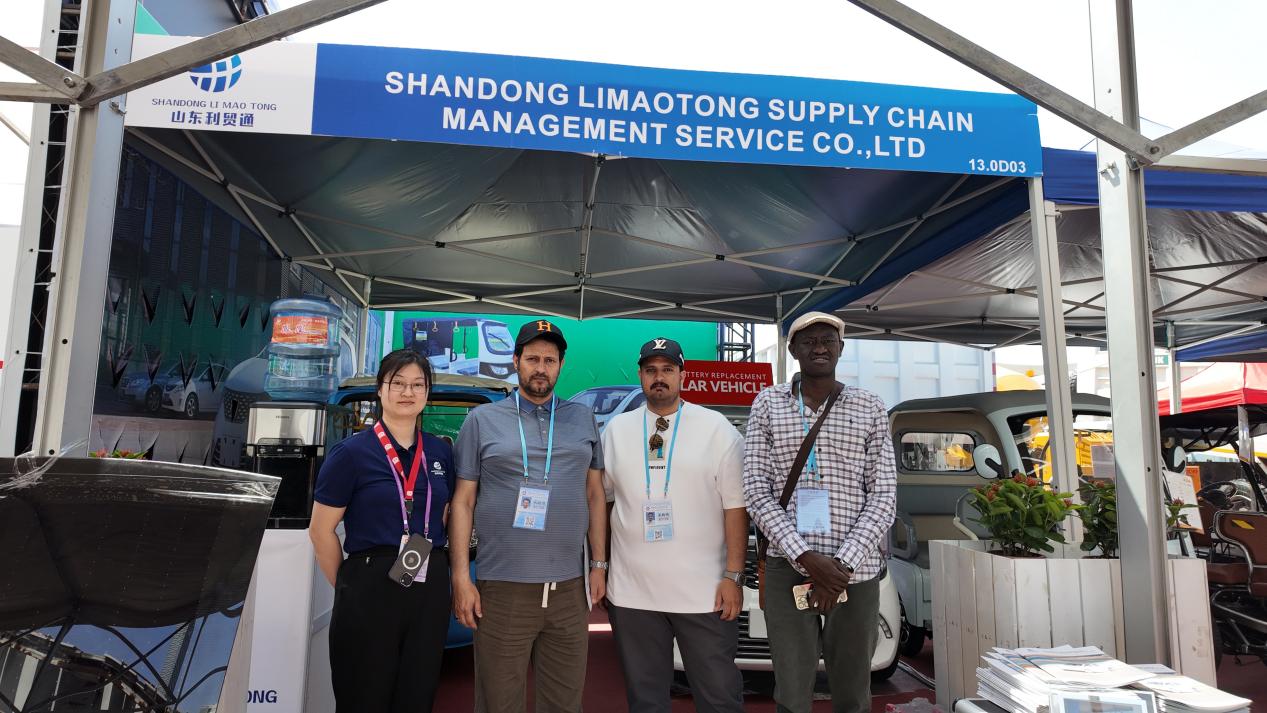
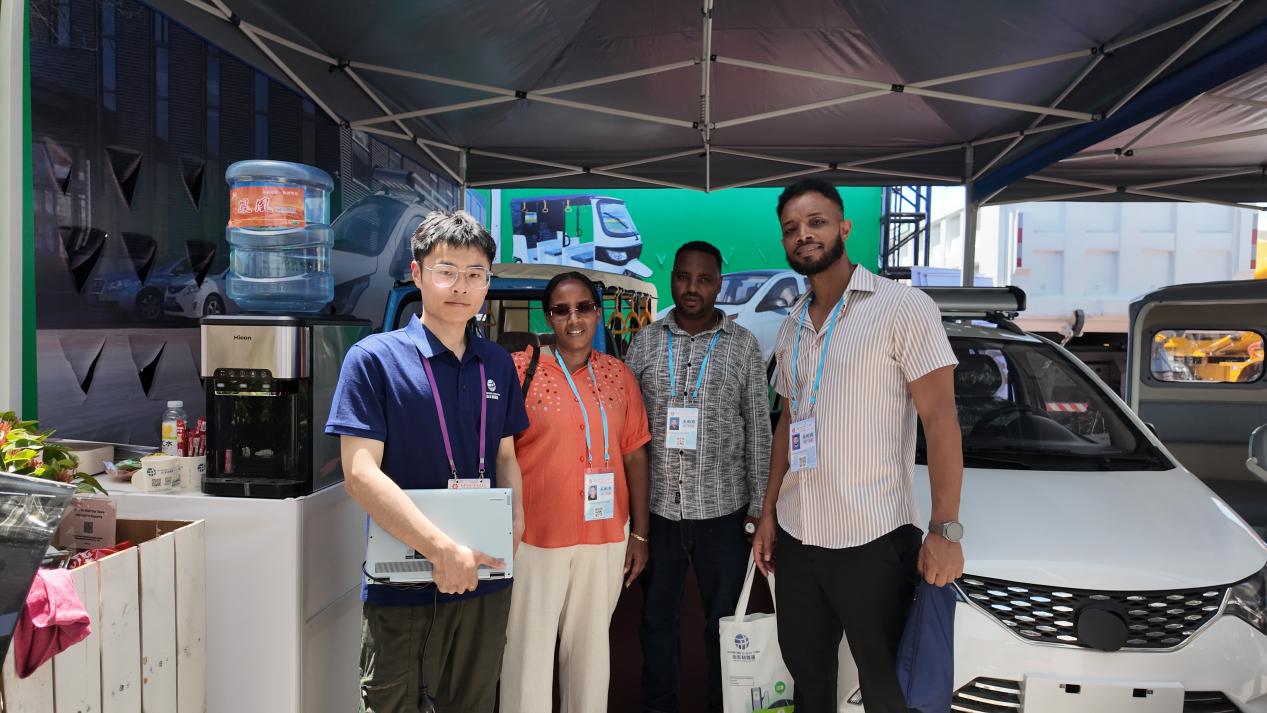
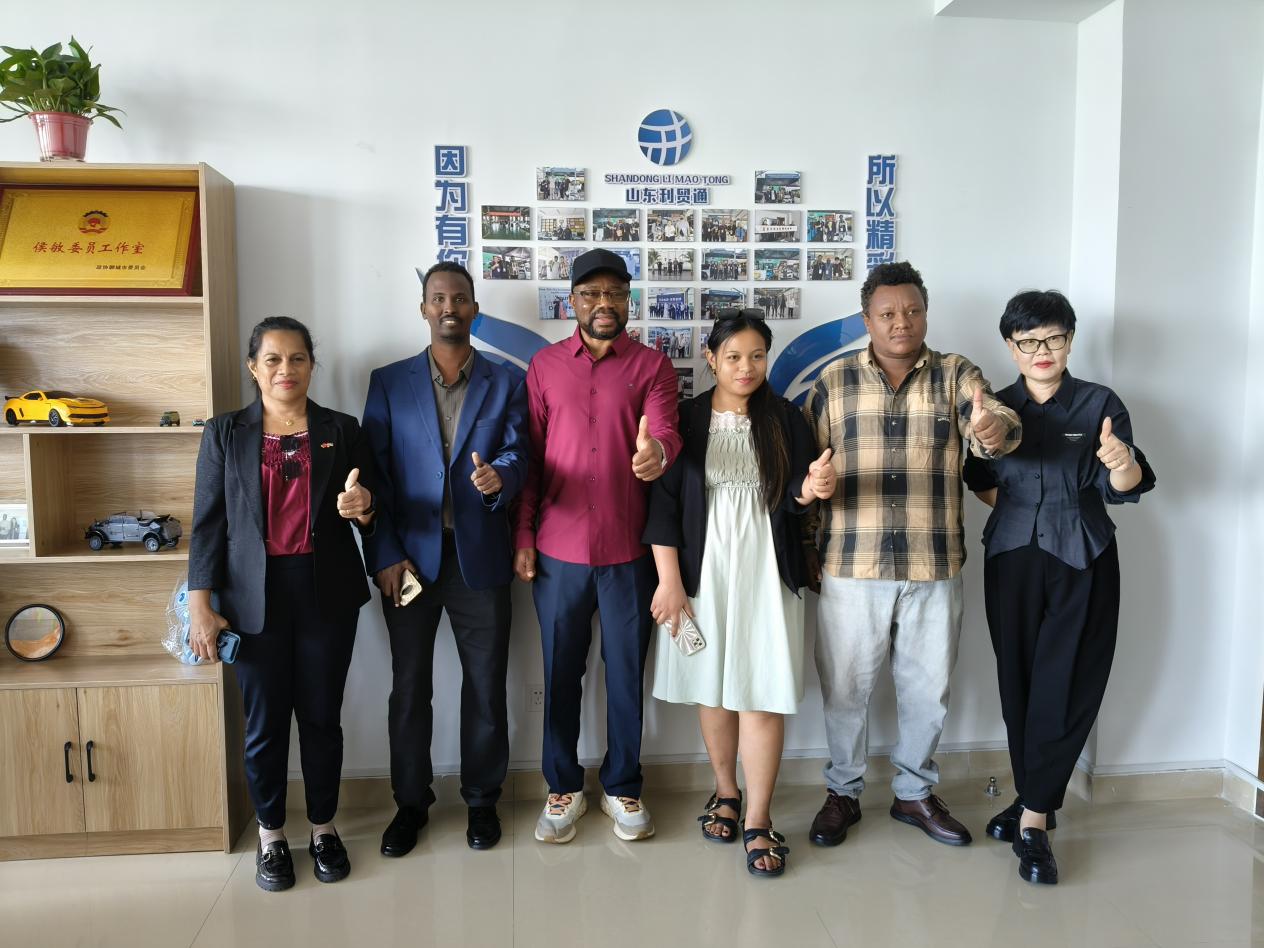
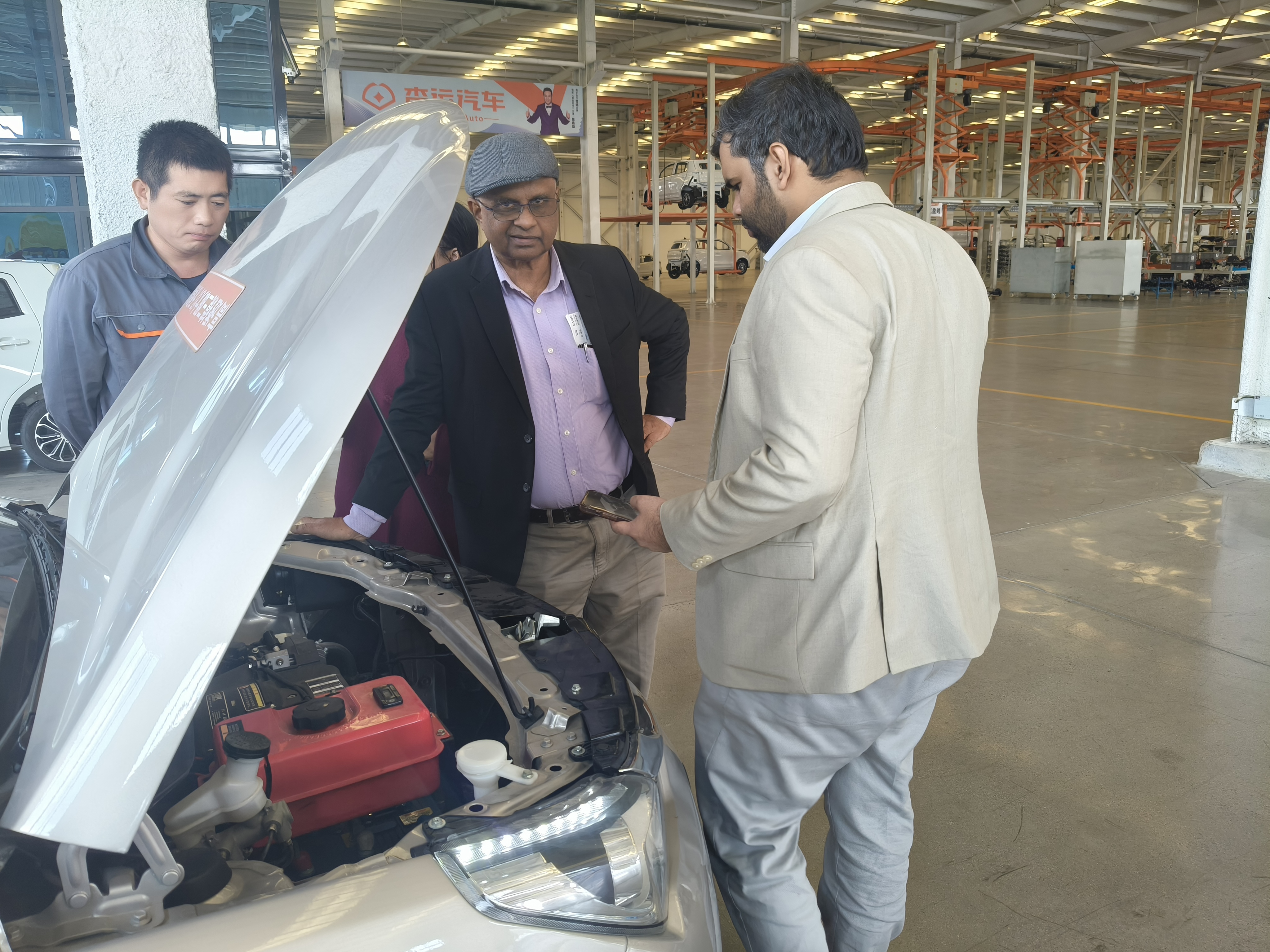
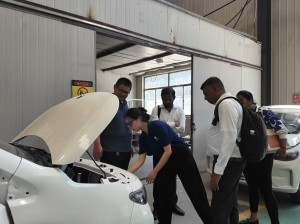
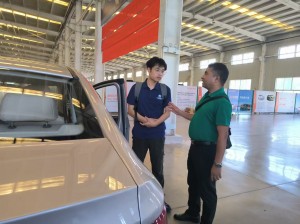
Tour our state-of-the-art facilities and follow international client delegations during quality control checks and customized design approvals.



High-end new energy vehicle designs, customized electric cars, and specialized solar-assisted transport options.
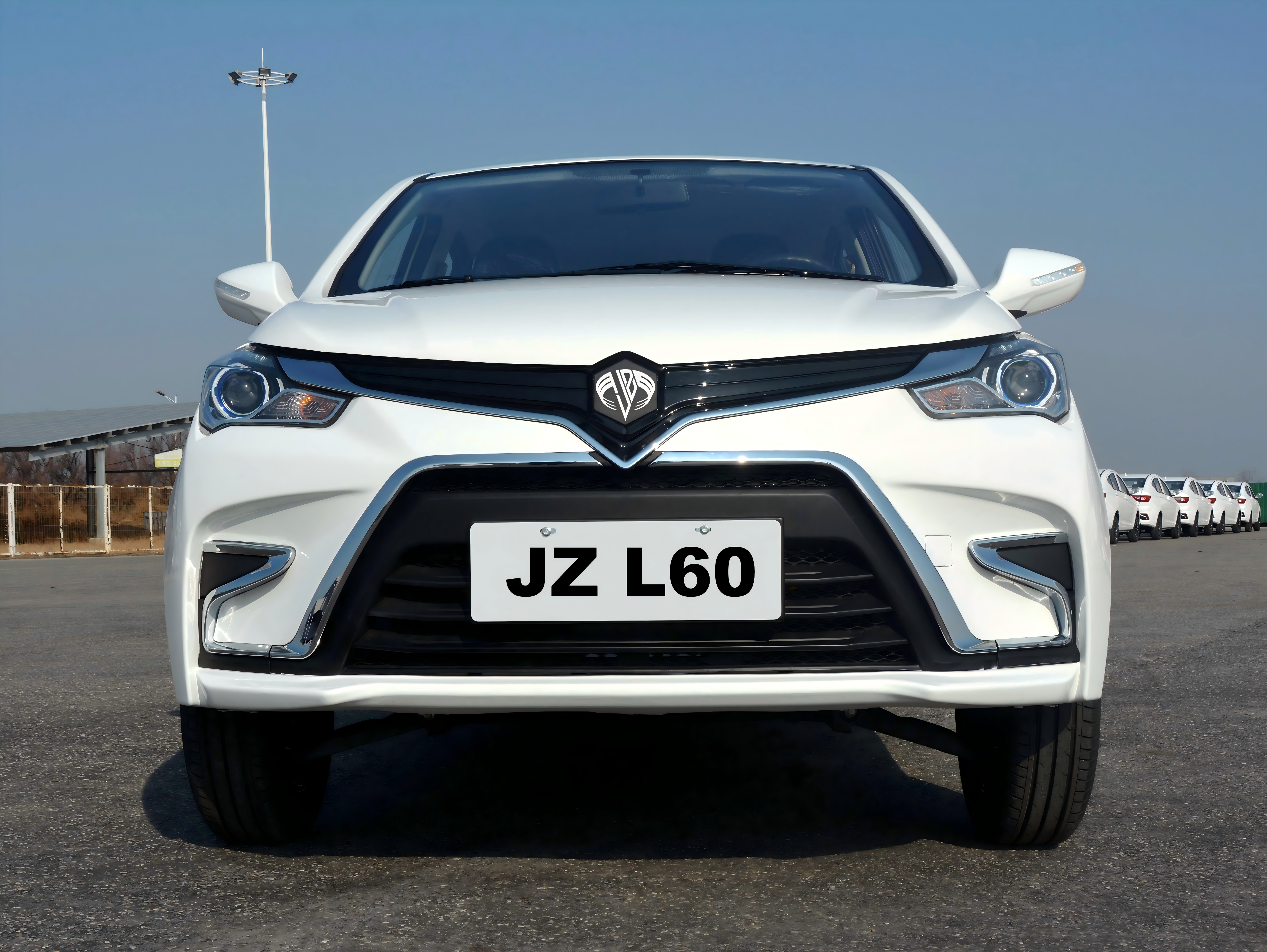
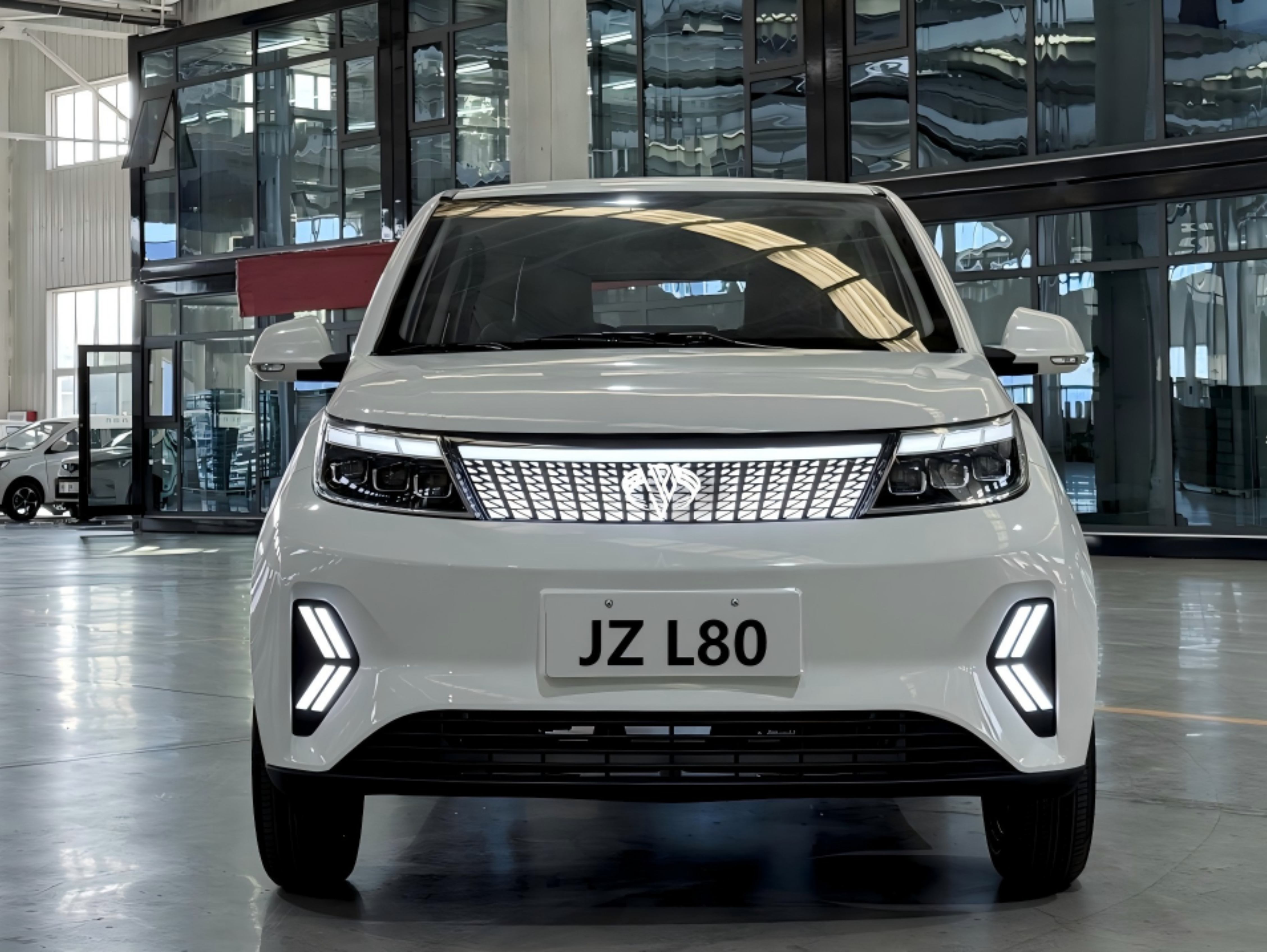
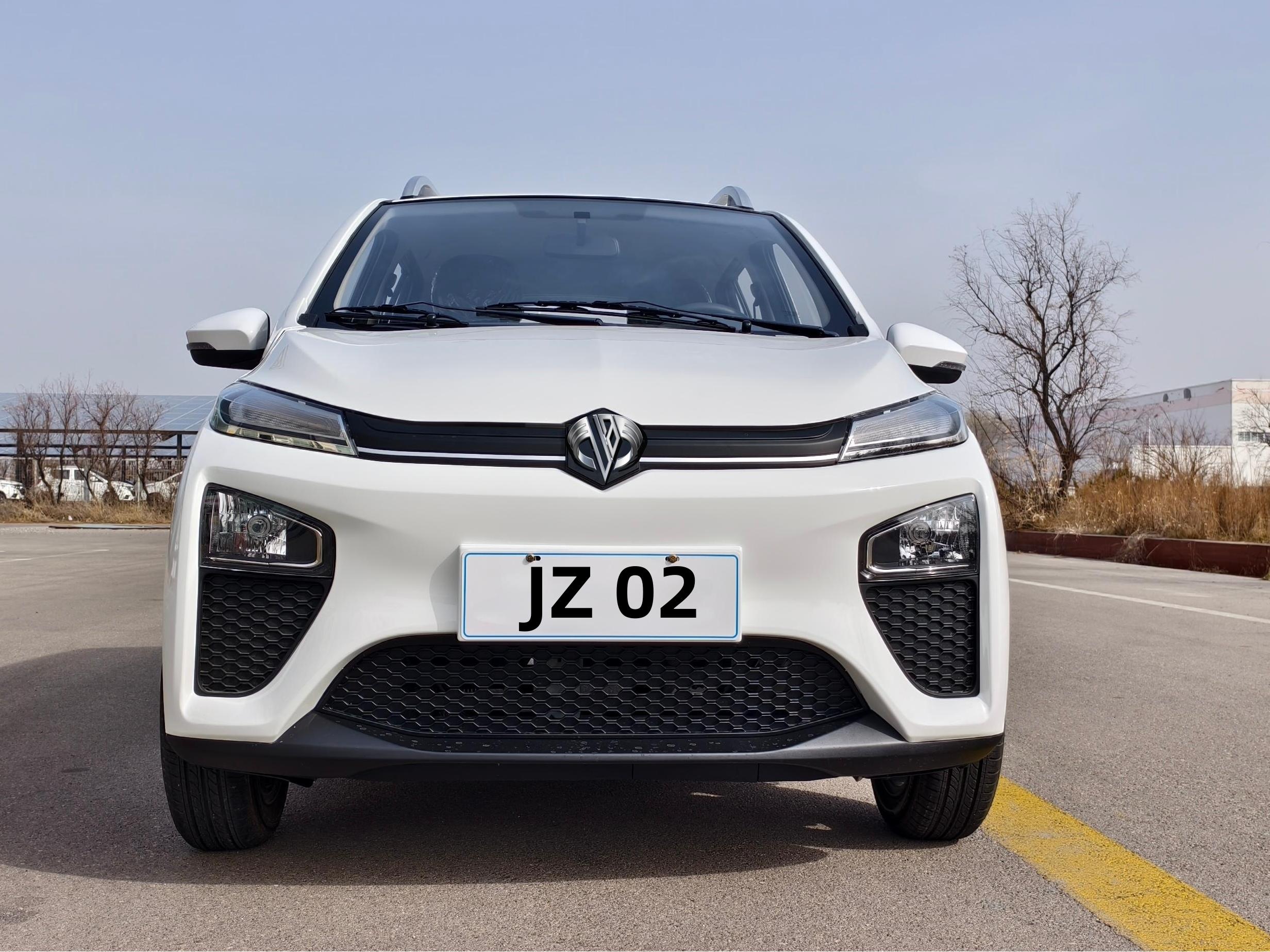
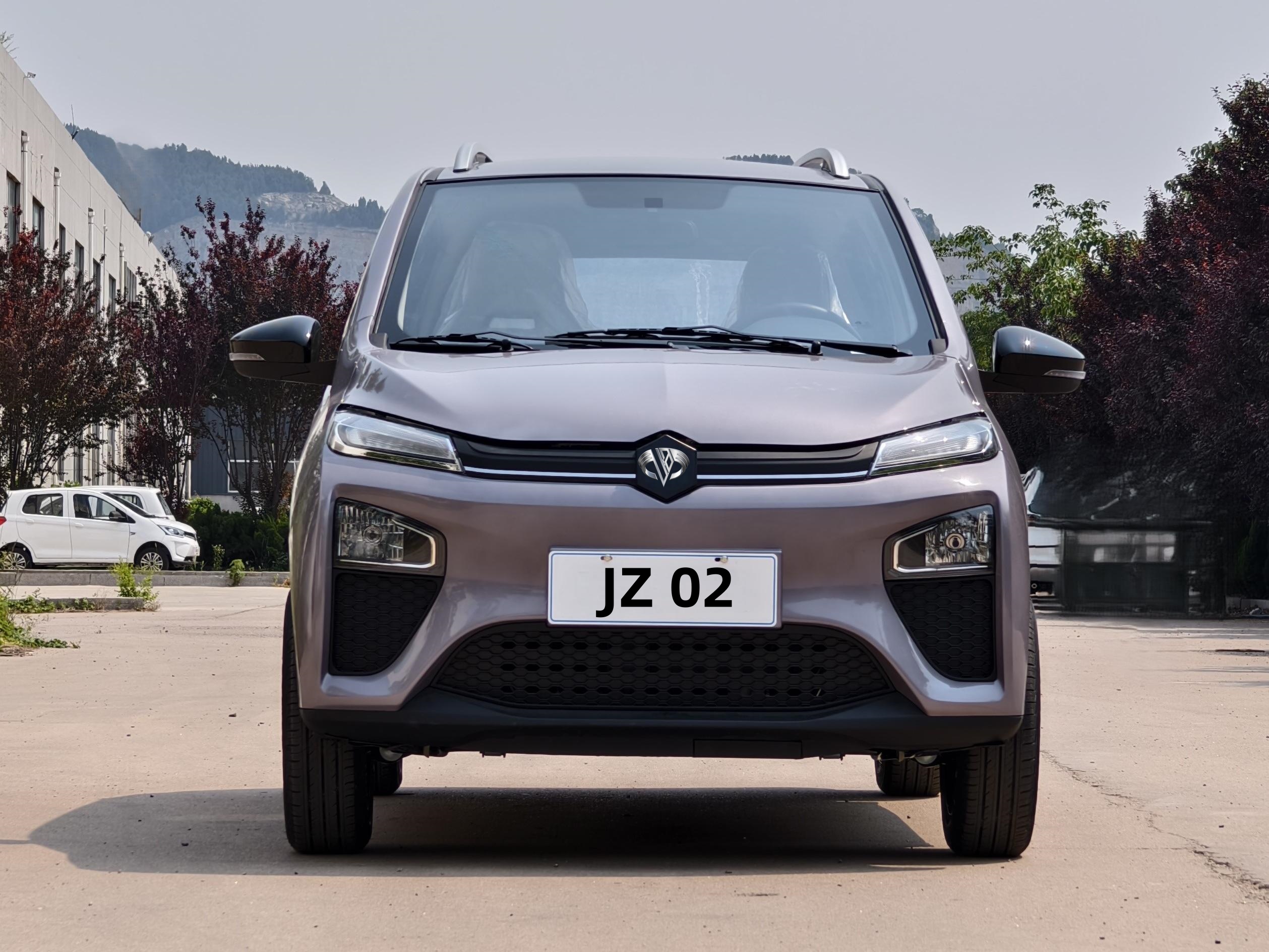
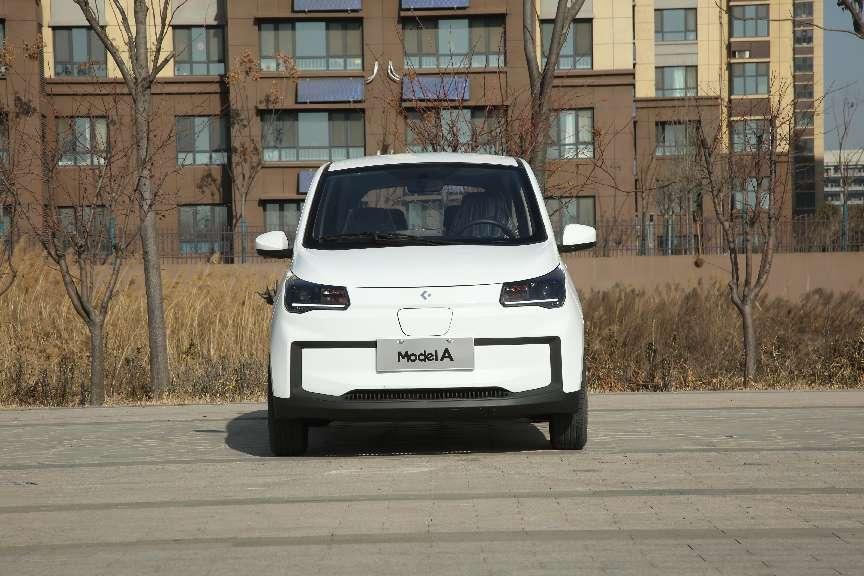
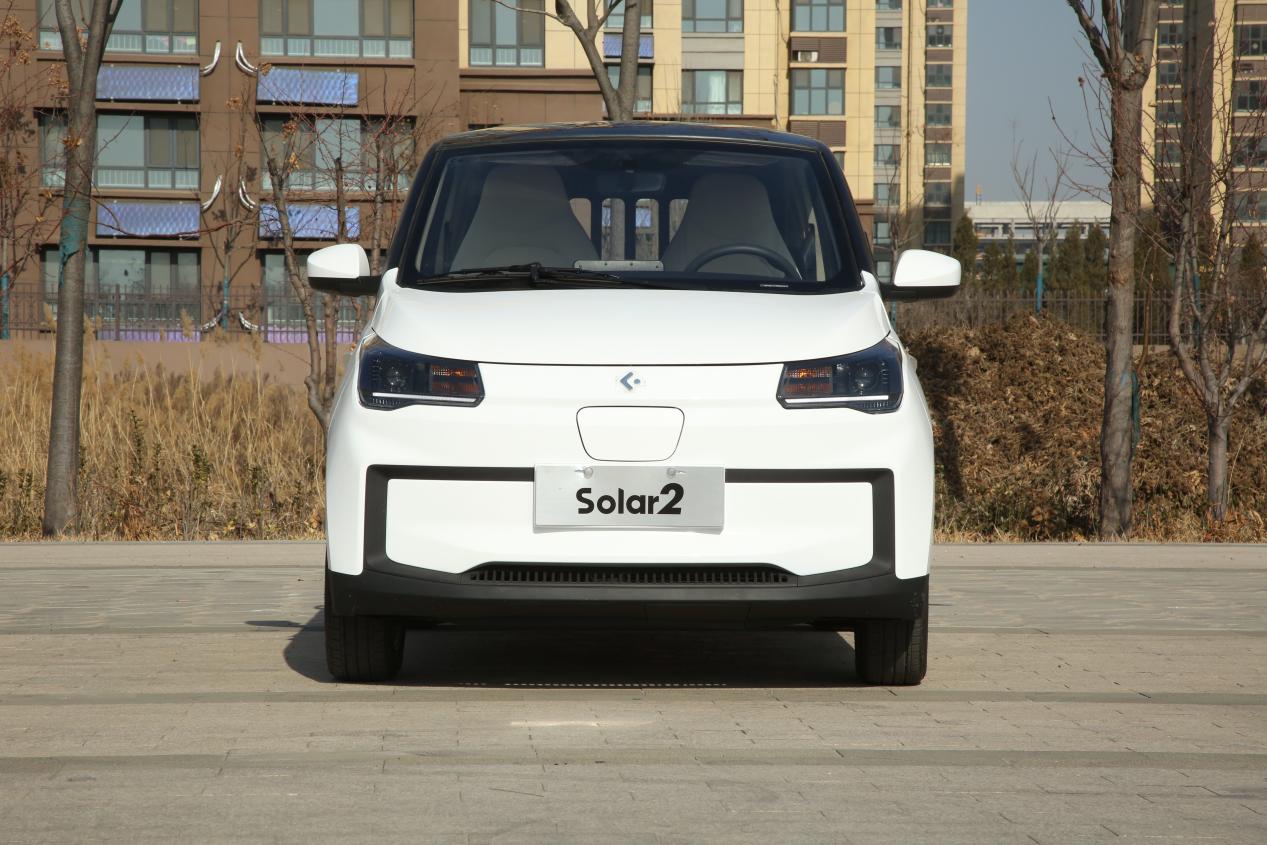
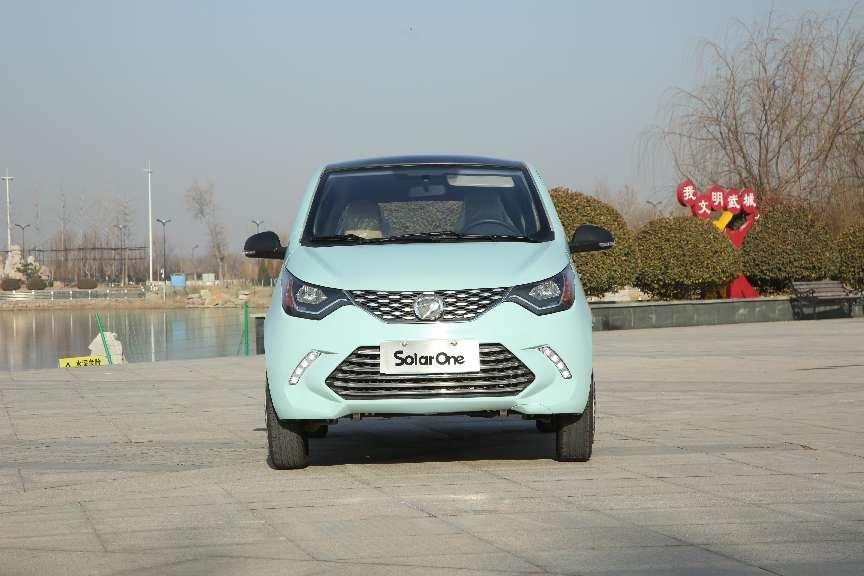
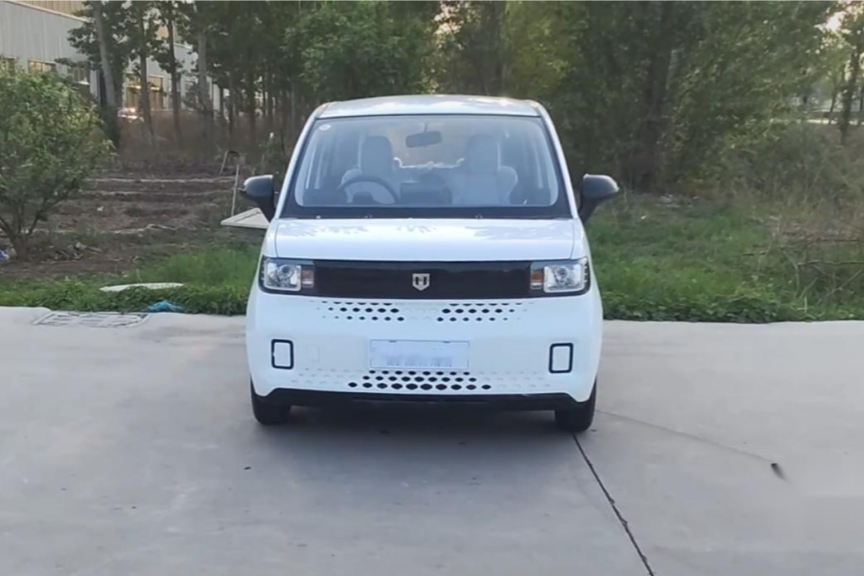
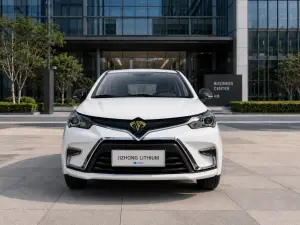
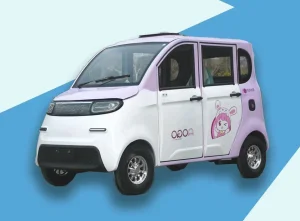
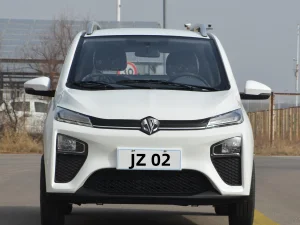
Compact electric commuter car designed for urban mobility with micro-footprint layout.
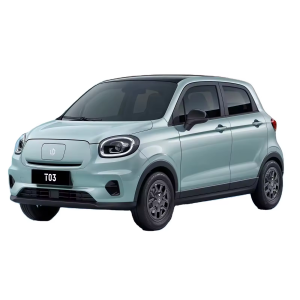
Modern electric hatchback featuring dynamic battery management systems and active cabin comfort.
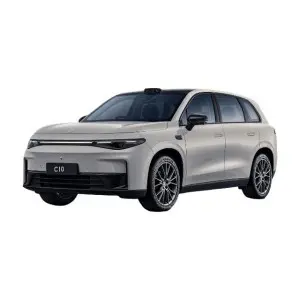
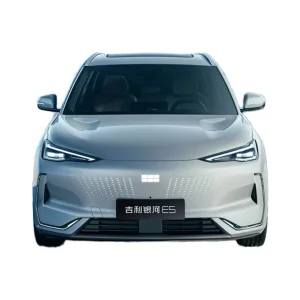
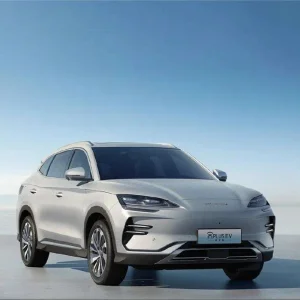
All-electric SUV built for smart city driving with high efficiency battery platforms.
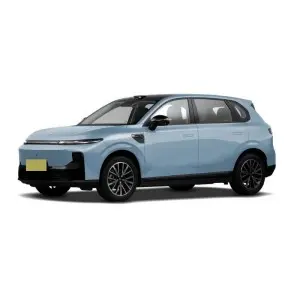
Next-generation intelligent passenger SUV incorporating autonomous assist features.
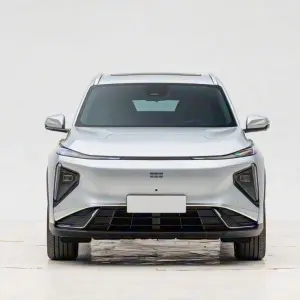
Plug-in hybrid platform pairing efficiency with extended driving ranges.
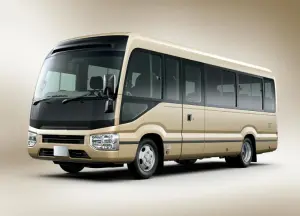
Luxury shuttle design optimized for resorts, airports, and urban historic zone transit.
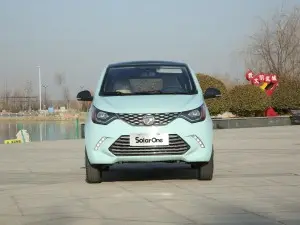
Photovoltaic integration technology offering real-time solar auxiliary charging.
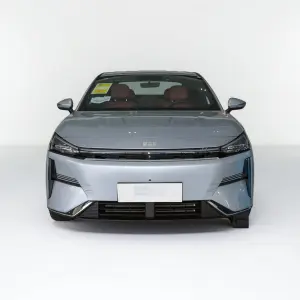
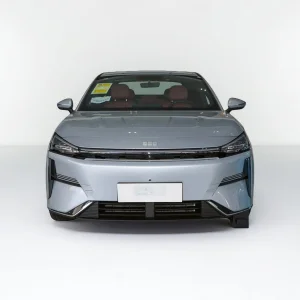
Aerodynamic design prioritizing comfort, safety, and modern connectivity.
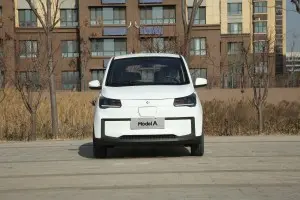
Extended-range urban commuter platform capable of covering 220-240km on a single charge cycle.
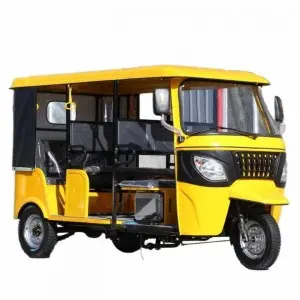
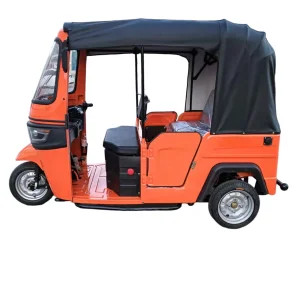
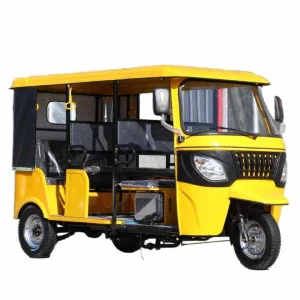
Tuk Tuk chassis built with high-tensile steel to support seven passengers reliably.
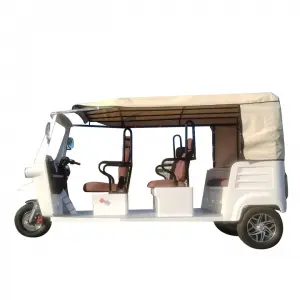
Premium styling package matching comfort with strong visual presence in urban passenger fleets.
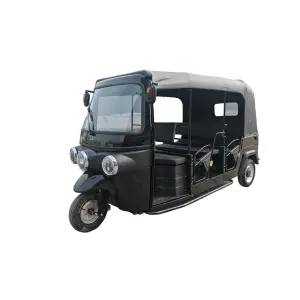
Tuk Tuk platform built to reduce energy consumption in high-demand taxi operations.
Addressing the specific compliance, performance, and durability requirements of industrial operations and distribution networks.
B2B fleet purchases demand high vehicle durability. Our engineering matches regional regulations, including E-Mark, CE, CCC, and ISO 9001 standards. Every batch leaves our facility with verified documentation, streamlining customs clearance and commercial licensing in regional markets.
Operating environments vary globally. In equatorial climates, we integrate active liquid cooling systems into our battery compartments to prevent thermal throttling. For high-altitude operation, we fit brushless permanent magnet synchronous motors (PMSM) that deliver sustained torque under steep inclines. Load capacities on our commercial cargo platforms are customizable up to 1,500 kg, utilizing progressive leaf-spring rear suspensions and dual hydraulic shock dampening layouts.
Review engineering insights, charging layouts, battery chemistry choices, and custom cargo capacities.
Our electric three-wheelers are equipped with advanced LFP (Lithium Iron Phosphate) battery chemistry, providing upwards of 3,000 charge-discharge cycles before dropping below 8% nominal cell health. When fully loaded to maximum cargo rating (e.g., 800kg for the Cabin Closed Cargo Box model), the typical range is between 120km to 150km. This range varies depending on vehicle design, topography, and the configuration of the integrated regenerative braking systems.
Yes. To minimize import tariffs and transport costs, we support CKD (Completely Knocked Down) and SKD (Semi-Knocked Down) shipping models. Components are carefully organized into heavy-duty transport crates alongside clear mechanical guides. This structure simplifies assembly in regional hubs, optimizing local labor and tax structures.
We maintain comprehensive spare parts inventory at our regional logistics facilities, including our main hub in the Djibouti Free Trade Zone. Component shipments can be dispatched quickly, and we supply localized distribution partners with routine service packages, including replacement brake assemblies, dampers, controllers, and charger modules.
Our passenger and cargo frames undergo deep immersion electrophoretic priming to coat internal surfaces. Electronics, including drive motors and battery enclosures, carry IP66 or IP67 ratings, ensuring reliability during heavy downpours, flooded roads, and high-pressure cleaning cycles.
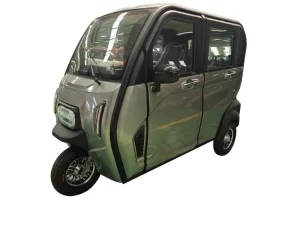
Browse our localized passenger and utility vehicles designed for urban cargo delivery, rural transport, and eco-friendly transit.
 Limaotong