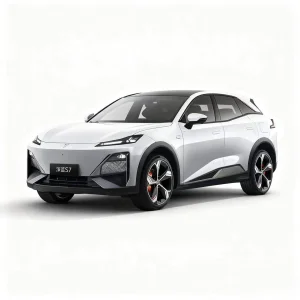
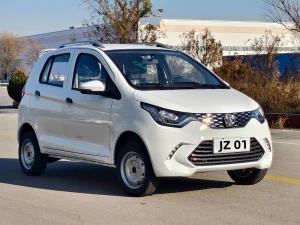
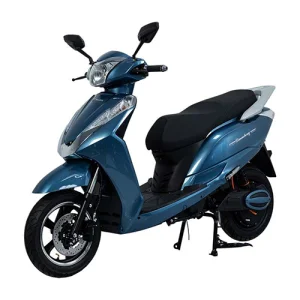
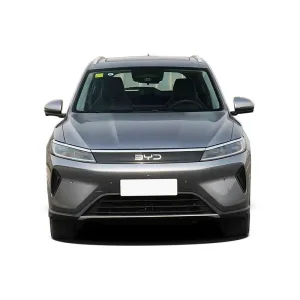
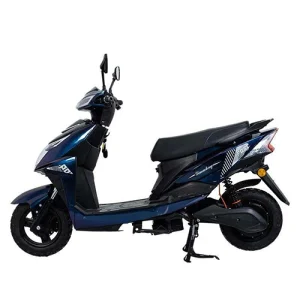
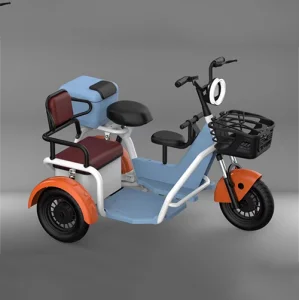
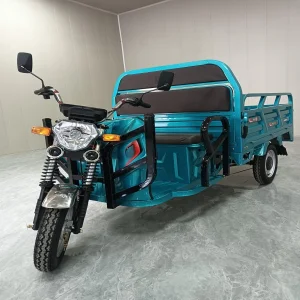
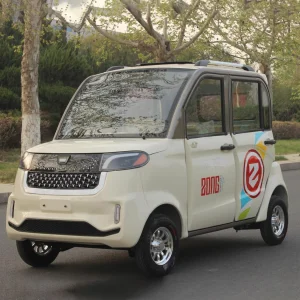
Premium micro-mobility and passenger transport vehicles certified for global deployment
A global shift in last-mile logistics and metropolitan transport optimization
In the contemporary landscape of international trade and green logistics, the demand for versatile, energy-efficient transportation has reached critical mass. Three-wheel electric and motor trikes have shifted from simple local tools to cornerstone assets in urban transit, agricultural distribution, and light-cargo supply chain networks. By integrating lower operational costs, structural durability, and high payload capacities, trikes provide key solutions to congestion, emissions regulations, and volatile fuel pricing.
As a leading exporter in the sector, Shandong Li Mao Tong Group operates at the center of this transformation. Utilizing China's extensive component ecosystem and specialized industrial facilities, the group designs, tests, and exports custom three-wheel vehicles that meet the unique compliance and structural demands of global buyers. This white paper highlights our technical approaches, global distribution networks, and industrial systems that ensure reliable support and operational efficiency for every vehicle we deliver.
Analyzing key market drivers and application dynamics across target regions
E-commerce growth has increased urban traffic congestion and micro-freight demands. Electric cargo trikes offer an agile alternative to standard vans. They can bypass congested lanes, park efficiently, and use zero-emission powertrains, helping delivery fleets lower total cost of ownership (TCO) while meeting strict municipal emissions standards.
In rural and semi-urban regions, smallholder farmers rely on robust cargo trikes to move fresh produce from farms to consolidation hubs. These vehicles feature reinforced leaf-spring suspensions, high-torque gearsets, and open cargo beds. They navigate rough, unpaved terrain at lower fuel costs compared to four-wheel utility trucks.
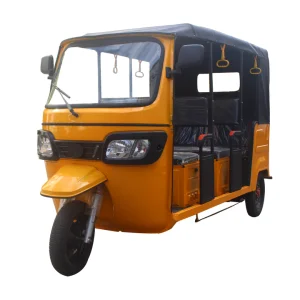
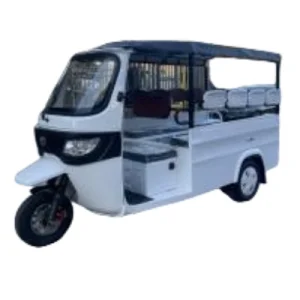
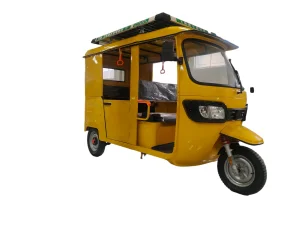
Three-wheel passenger vehicles, commonly called Tuk Tuks, are essential for urban transit across Latin America, South Asia, and East Africa. Modern fleets are shifting toward electric passenger trikes equipped with high-density lithium batteries. These e-trikes reduce air pollution and help local operators run cleaner, more cost-effective transit services.
Advancing structural integrity and powertrain performance for demanding applications
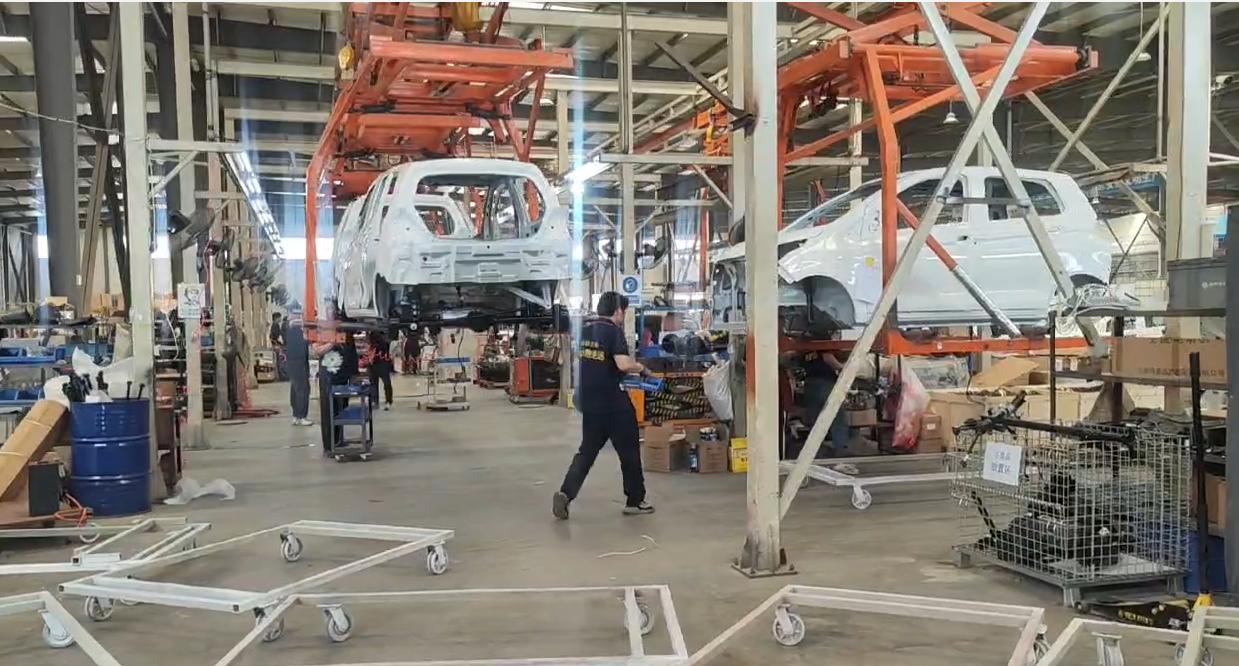
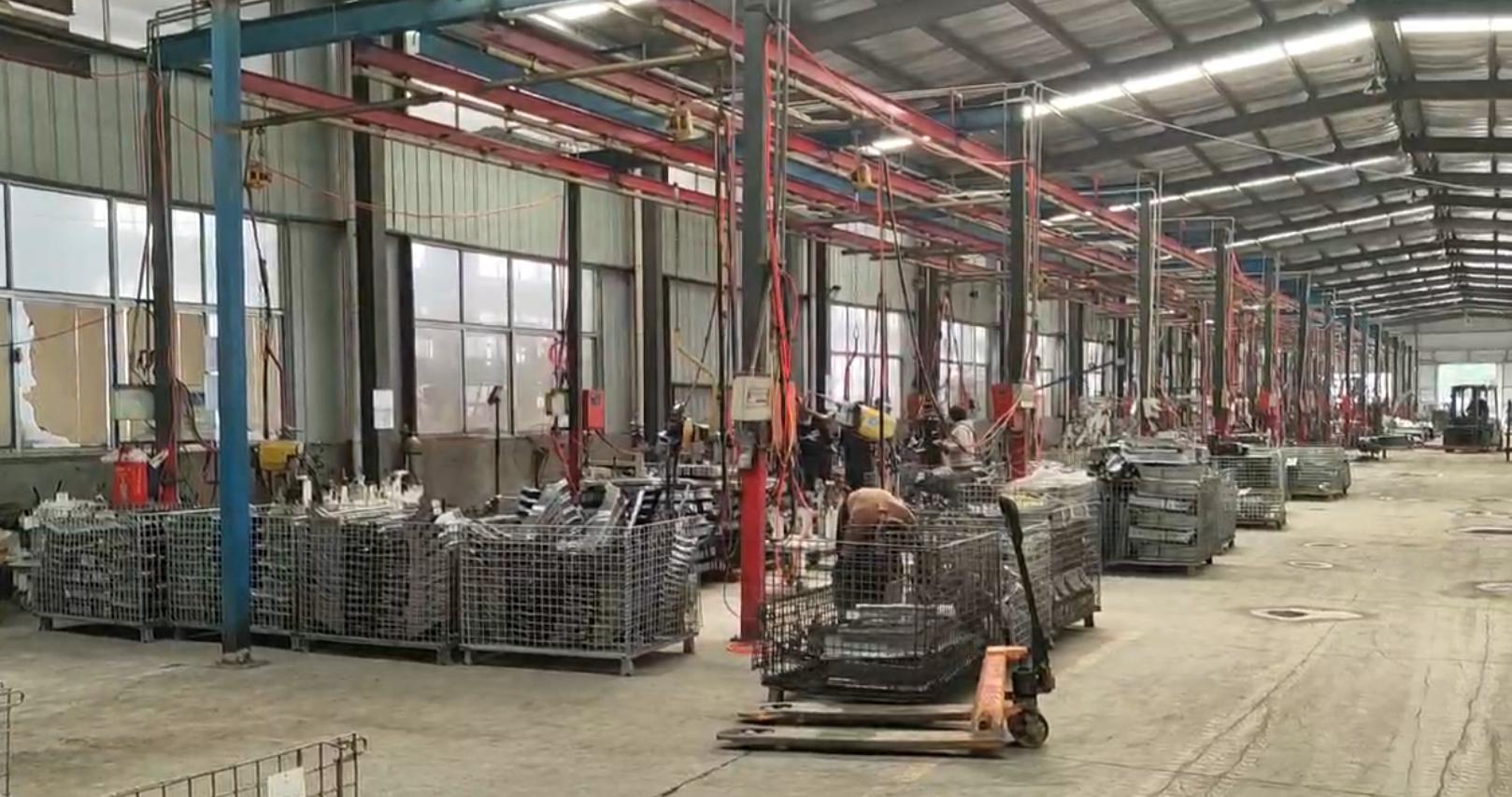
Our trike chassis are built using laser-cut, robotically welded high-strength steel. Single-piece stamped frames prevent stress cracking along join lines, maintaining alignment and structural integrity when hauling payloads over 1,000 kg.
We configure our trikes with Permanent Magnet Synchronous Motors (PMSM) paired with intelligent controller algorithms. This design delivers higher torque conversion at lower RPMs, improving incline climbing capabilities and energy efficiency during start-and-stop city deliveries.
Our custom Lithium Iron Phosphate (LiFePO4) battery packs include robust Battery Management Systems (BMS). The BMS manages cell-balancing, voltage levels, and thermal conditions, ensuring safe operation and long cycle lives in warm climates.
R&D Direction: Our technology roadmap focuses on integrating IoT fleet telemetry, smart diagnostic systems, and regenerative braking loops that recover energy during deceleration. These updates extend operational range per charge by up to 12% in urban logistics networks.
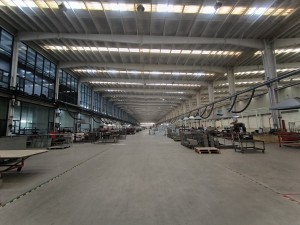
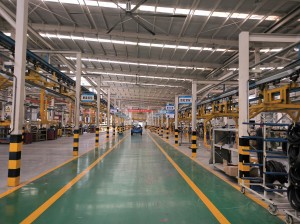
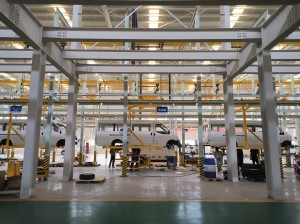
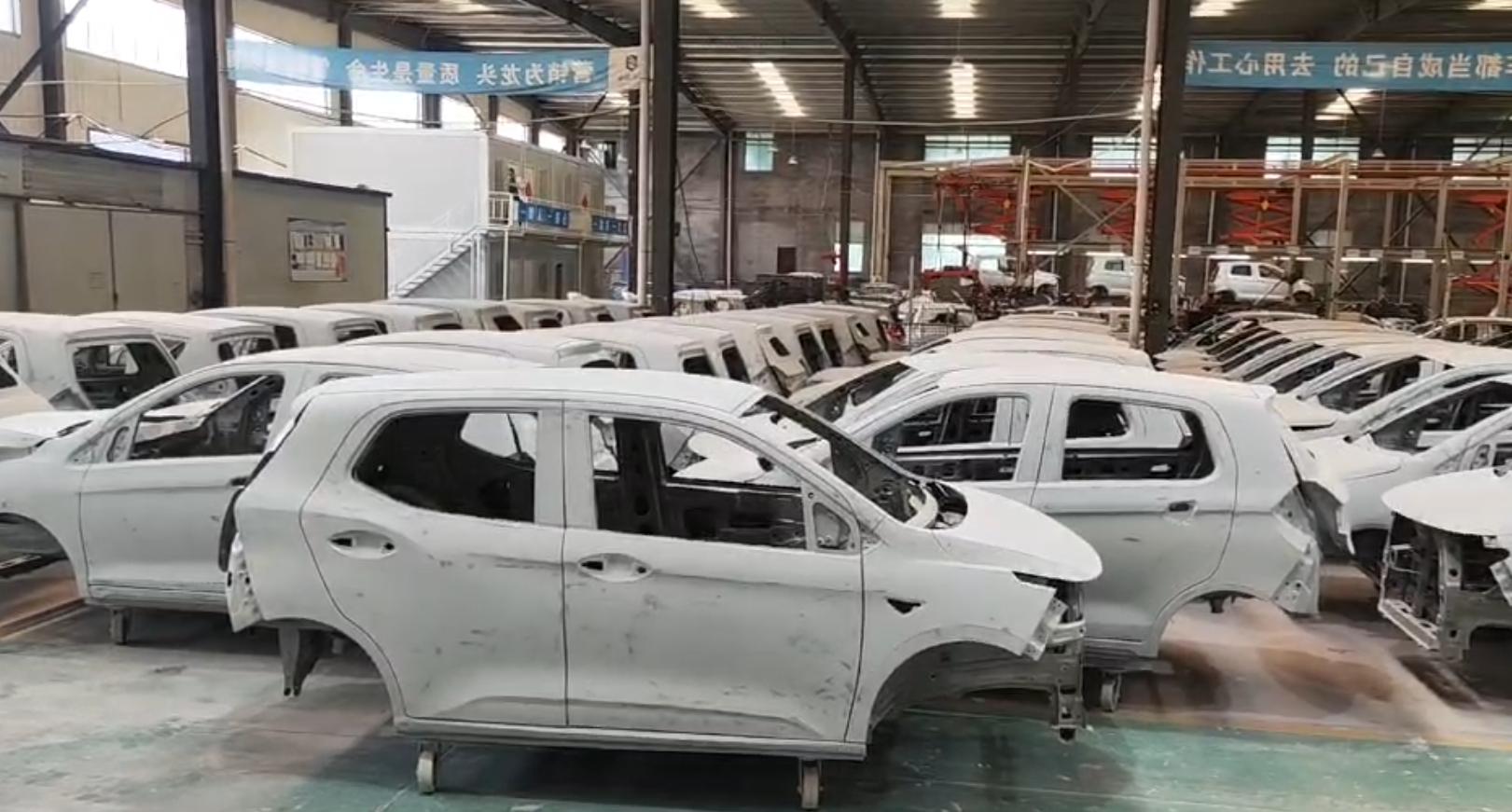
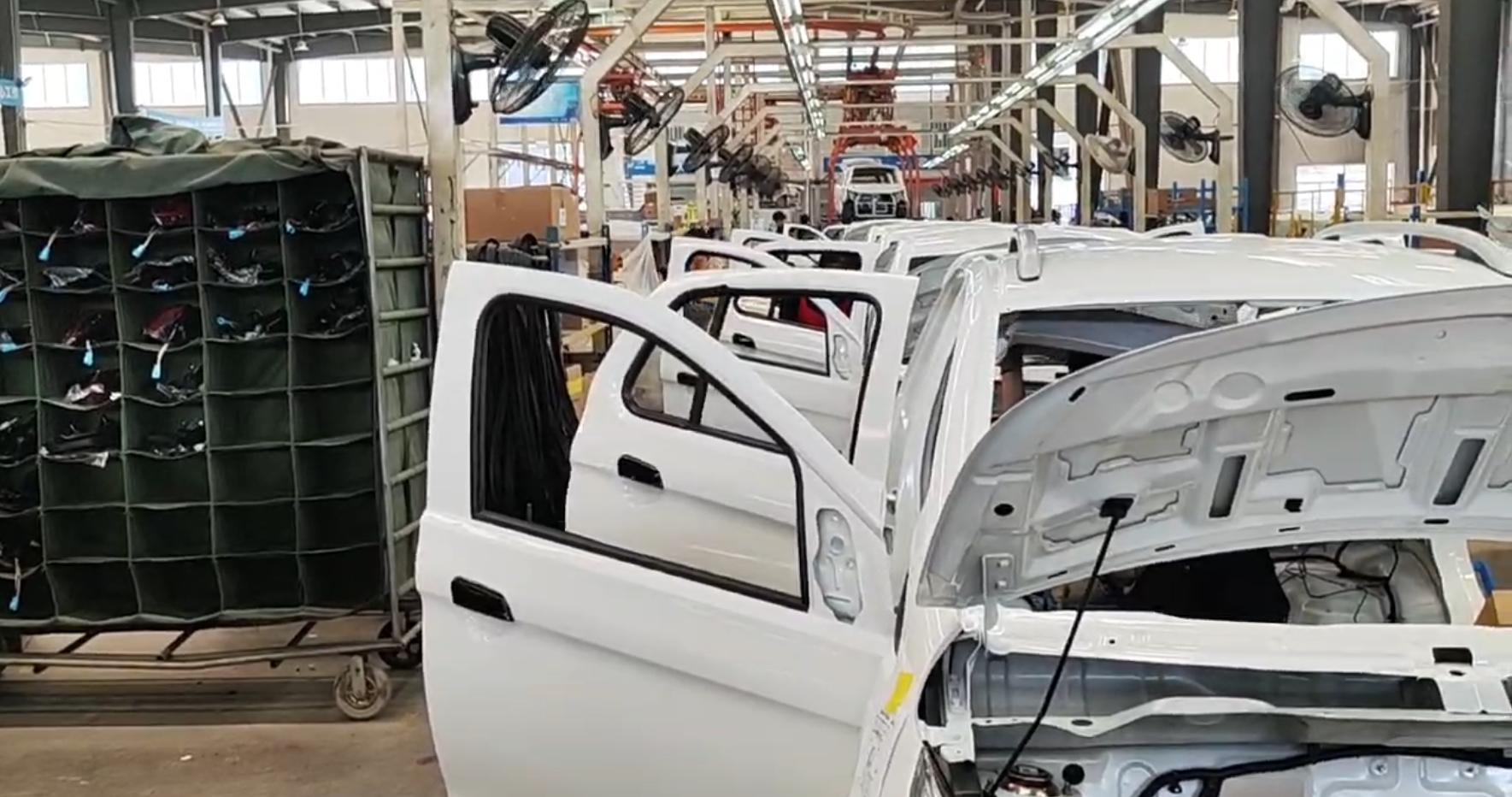
As global demand for clean energy transportation grows, Shandong Li Mao Tong Group delivers robust mobility solutions. With highly automated production lines and digital quality inspection systems, our manufacturing facility ensures each vehicle meets strict global performance and safety specifications.
Our battery packs and vehicle frames undergo rigorous environmental testing—including category-7 rainstorm simulations and high-temperature trials—to ensure durability in varied operational climates worldwide.
Reliable components and assembly processes designed to support global volume orders
From design drawings and custom steel stamping to our final vehicle testing yards, we manage the entire production cycle in-house. This complete oversight keeps parts quality consistent, reduces waste, and helps us pass savings directly to our distribution partners.
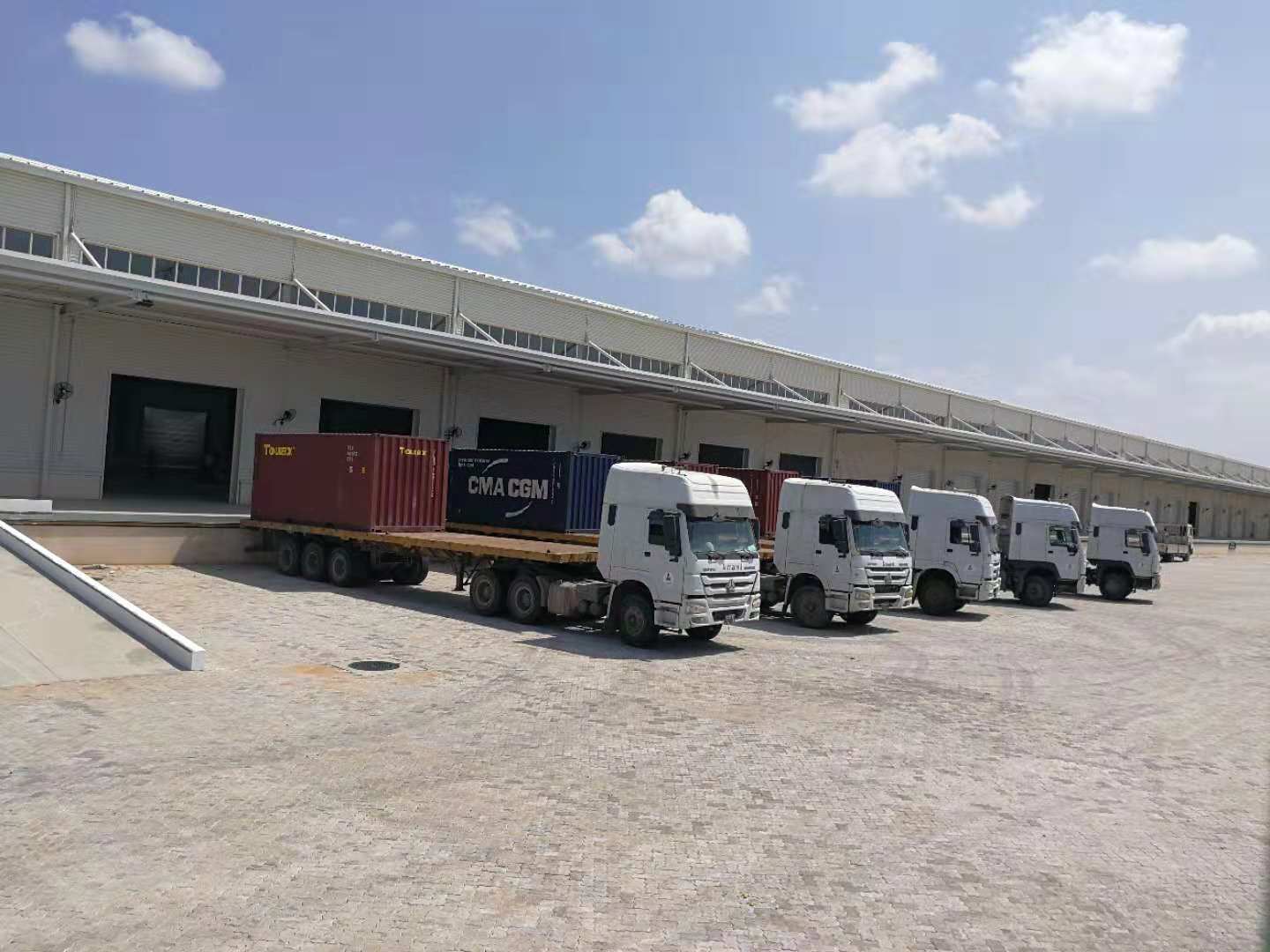
We ship vehicles in Semi-Knocked-Down (SKD) or Completely-Knocked-Down (CKD) configurations to reduce shipping costs and import duties. We also supply assembly diagrams and step-by-step videos to help local production teams get running quickly.
Supported by 8 overseas production bases, we customize frame dimensions, motor power, and weatherproofing options. This localized setup allows us to quickly align configurations with the unique climate and road conditions of each target market.
Custom vehicle configurations engineered for specific regional requirements
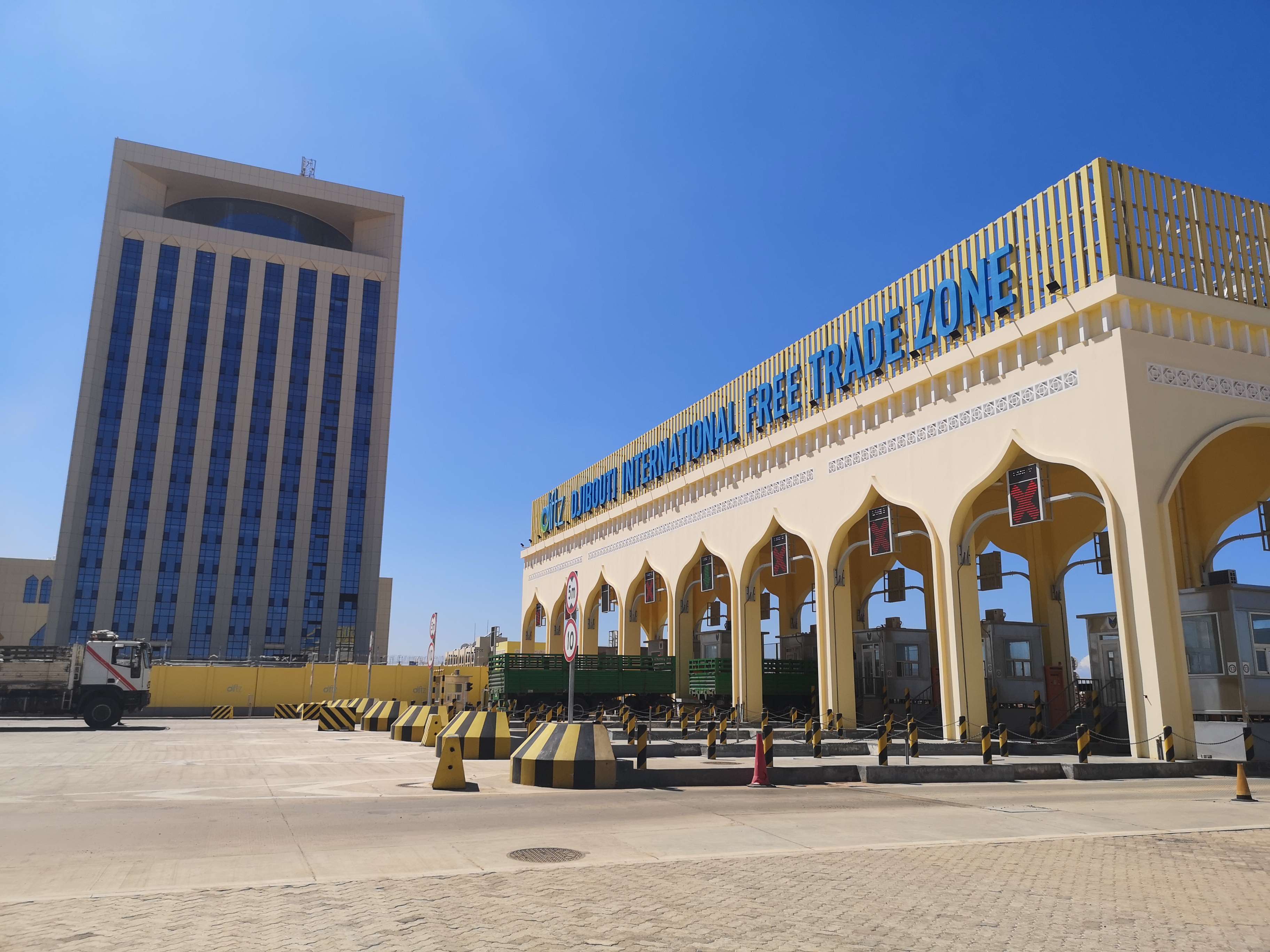
Our commercial trikes in Africa feature high-clearance frame designs and heavy-duty, double-acting shock absorbers to handle rough terrain. Our local parts warehouse in Djibouti ensures easy access to replacement spares, reducing fleet downtime for regional distributors.
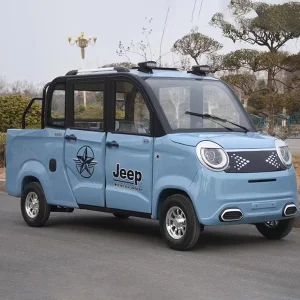
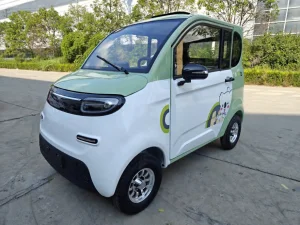
For Europe, we offer narrow-chassis electric trikes designed to navigate tight historic streets and pedestrian zones. These configurations feature closed, weatherproof cabins, hydraulic disc brakes, and speed limiters to comply with local traffic laws.
For the high-volume public transport routes of South Asia, we build electric passenger e-trikes. They feature high-durability vinyl seating, integrated roll-cages, and rain curtains to protect passengers, providing a safe, all-weather option for local fleet owners.
Exploring our automated factories, research centers, and global shipping operations
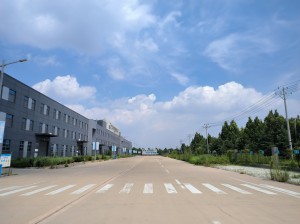
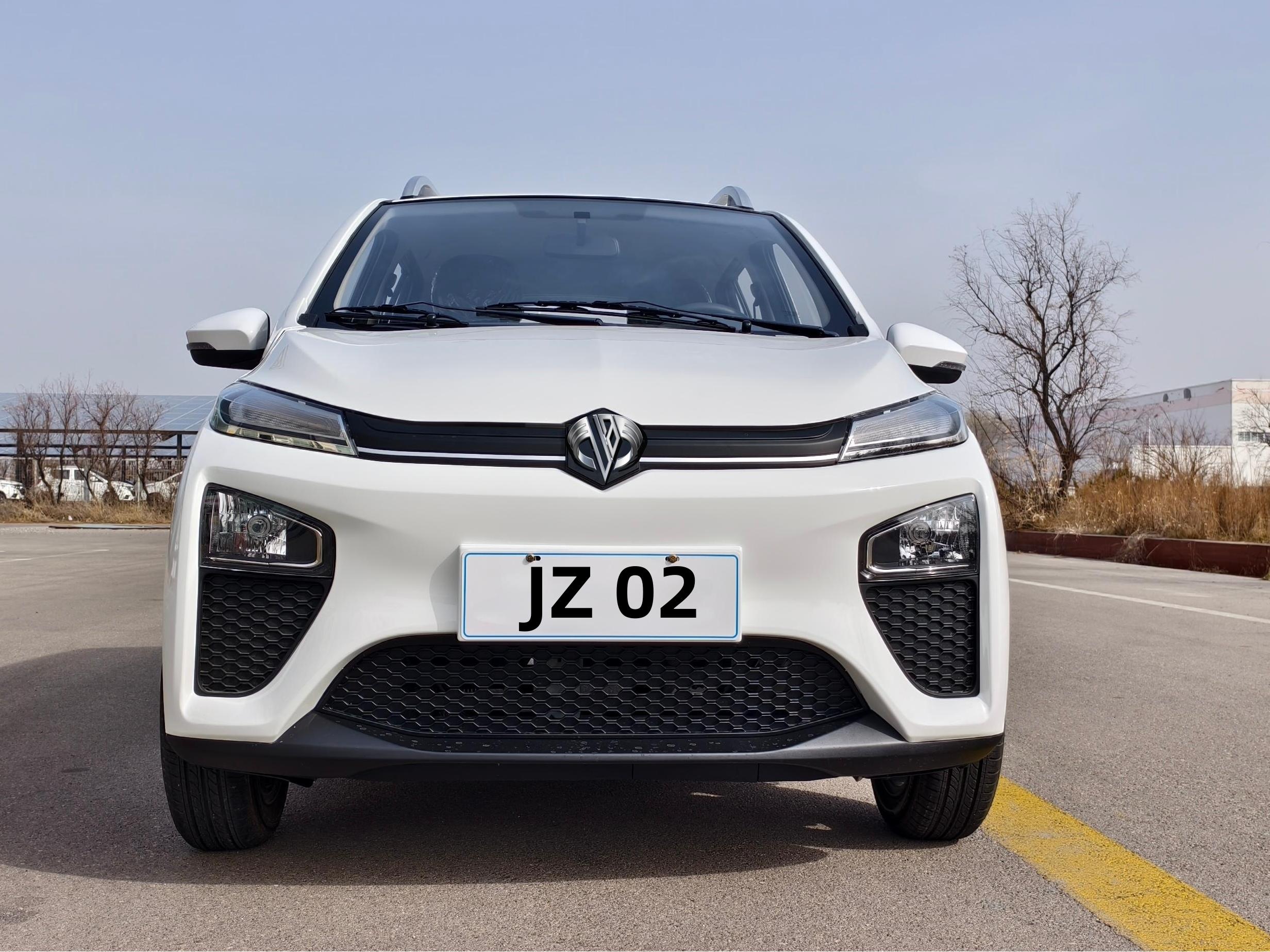
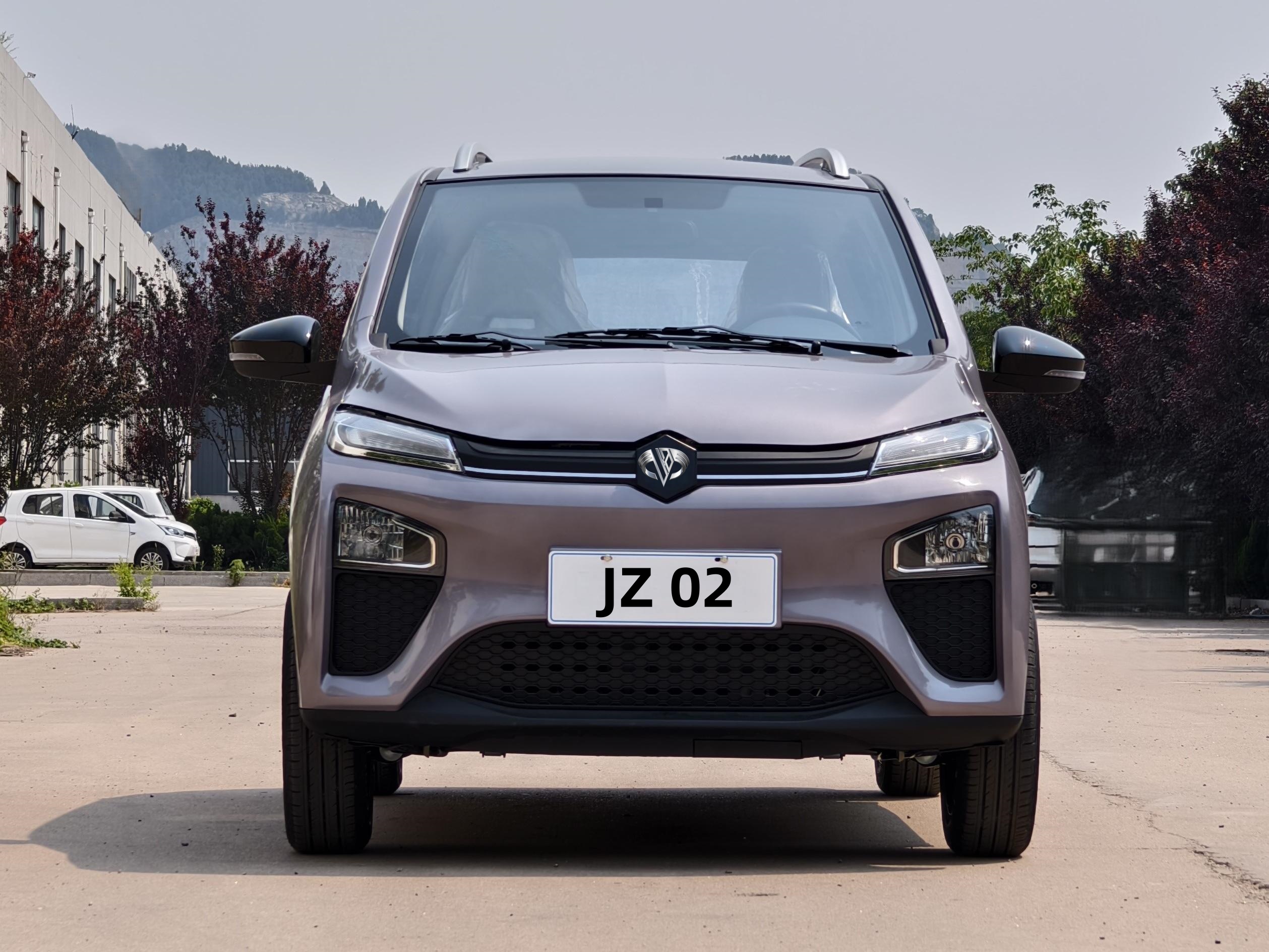

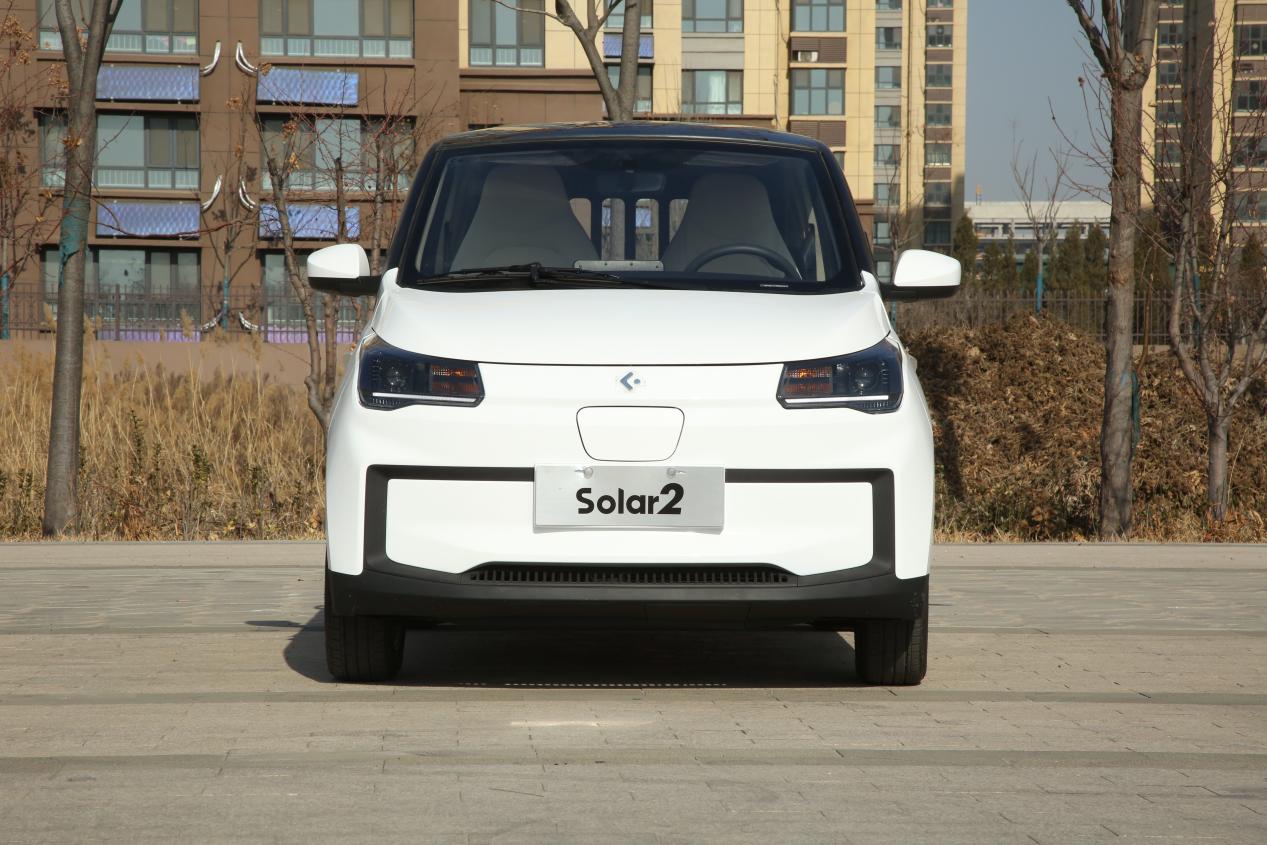
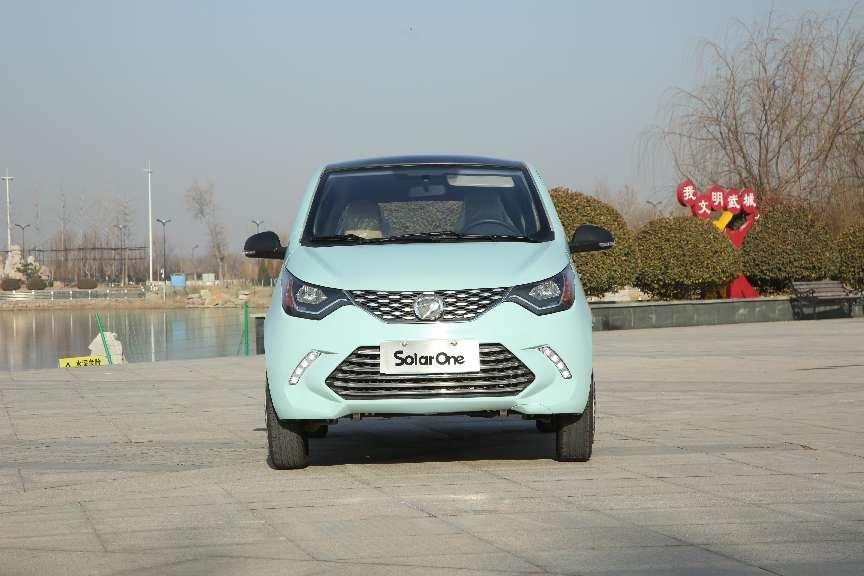
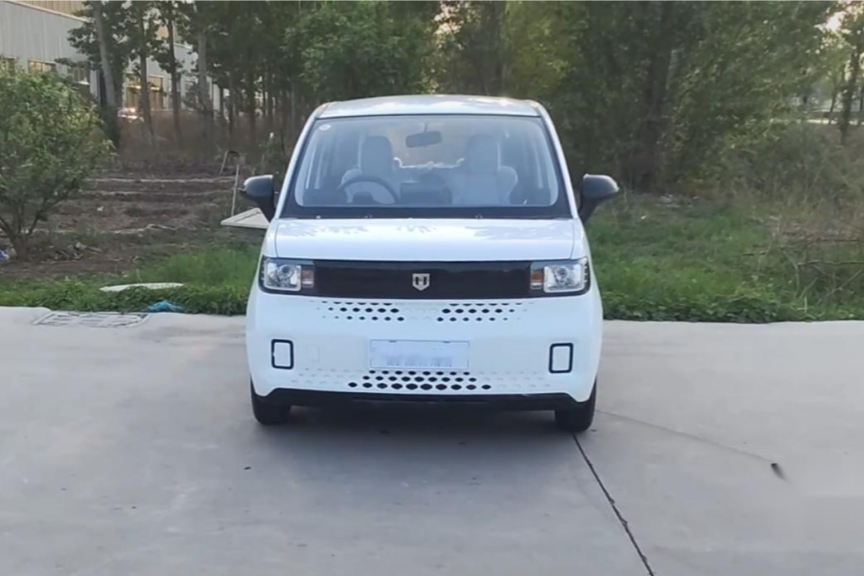

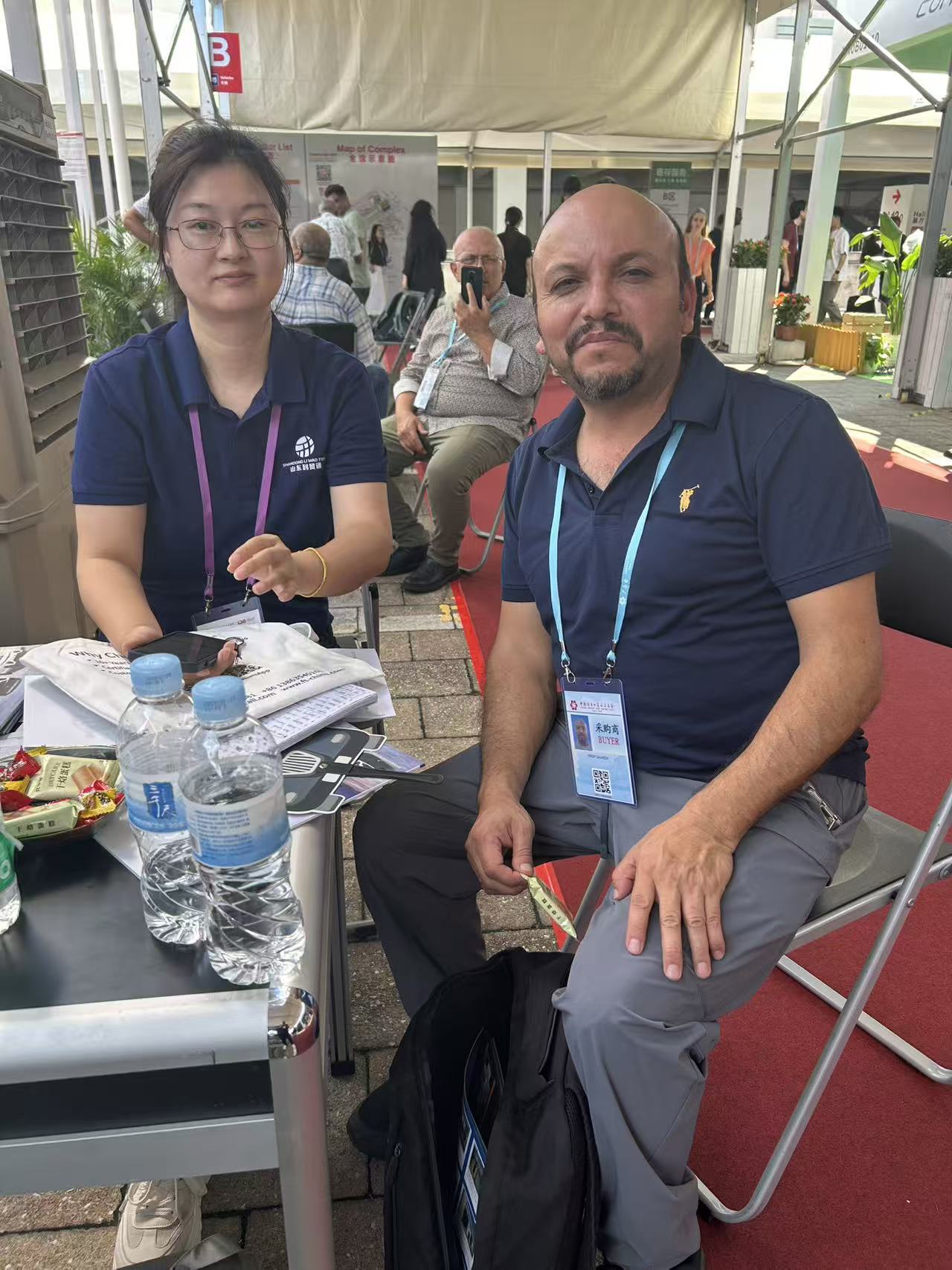
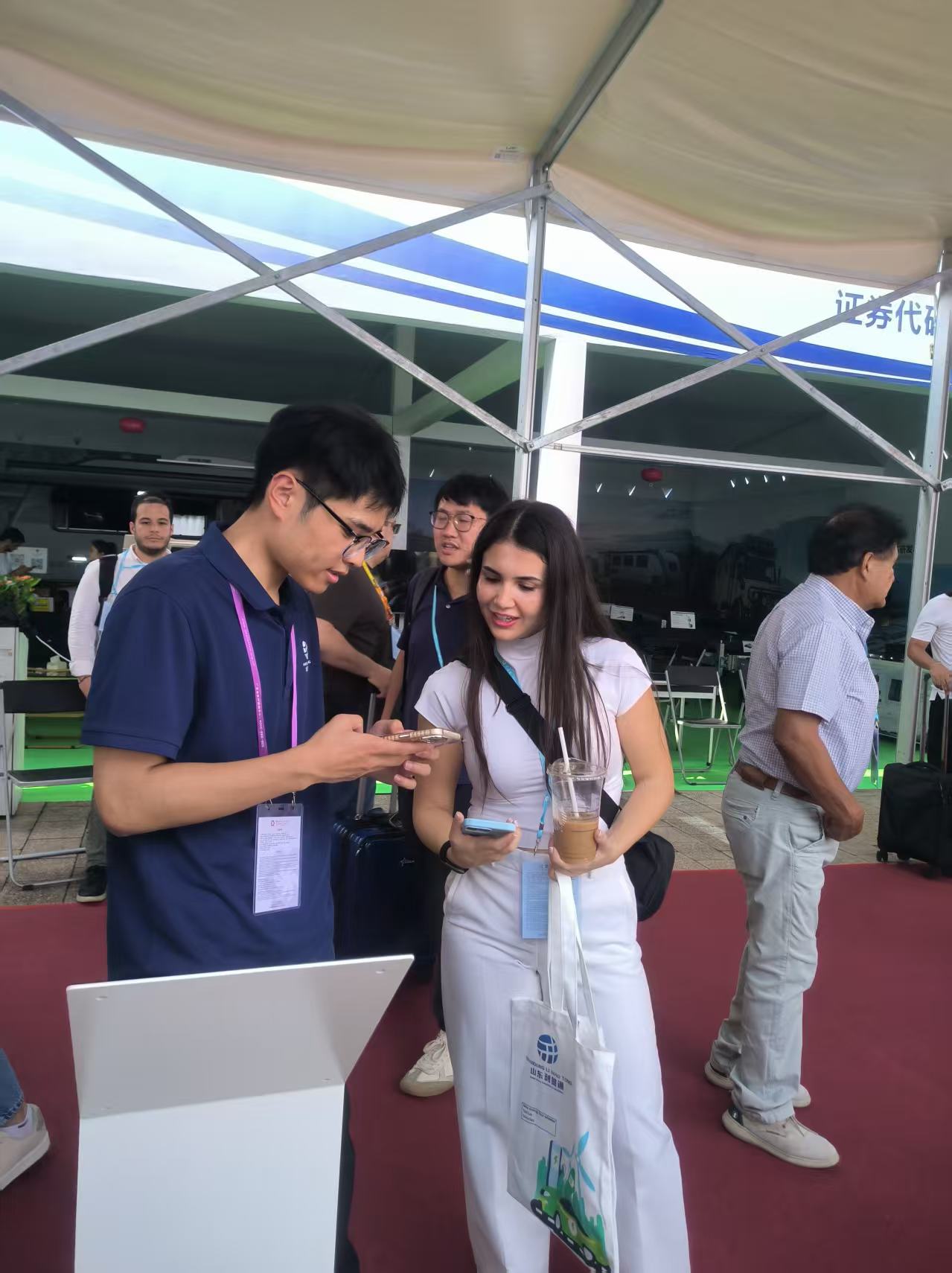

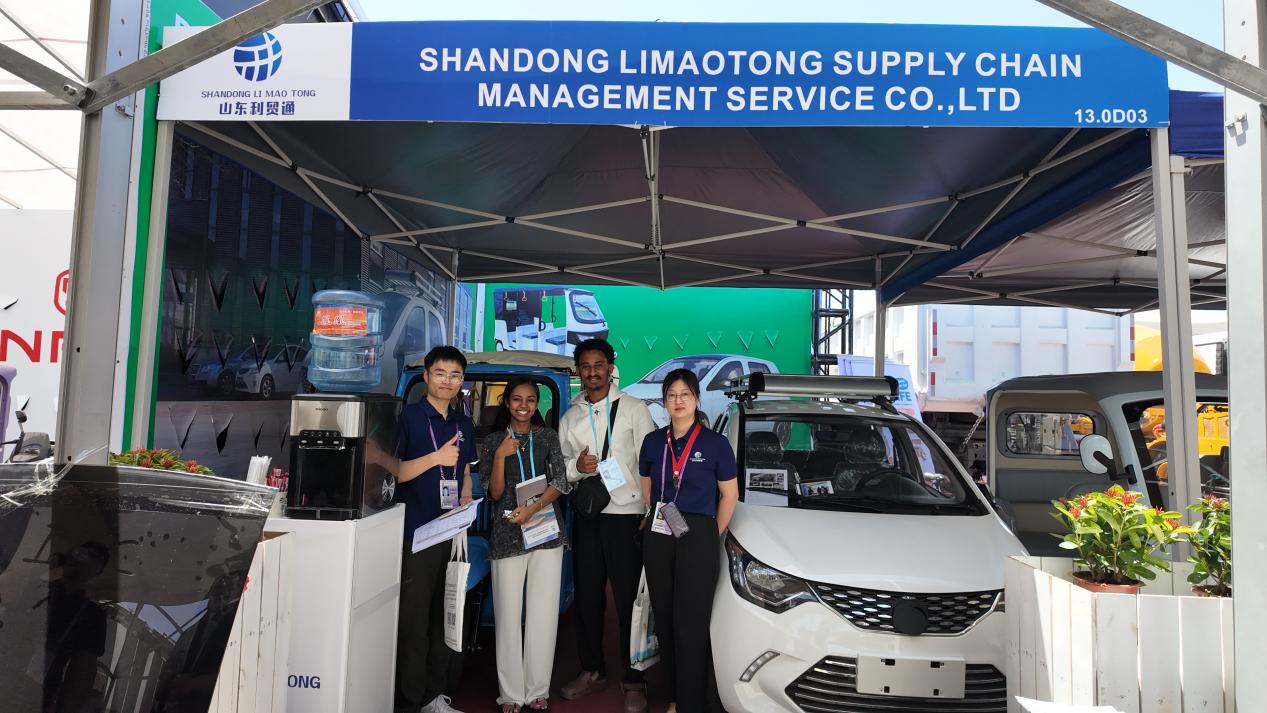
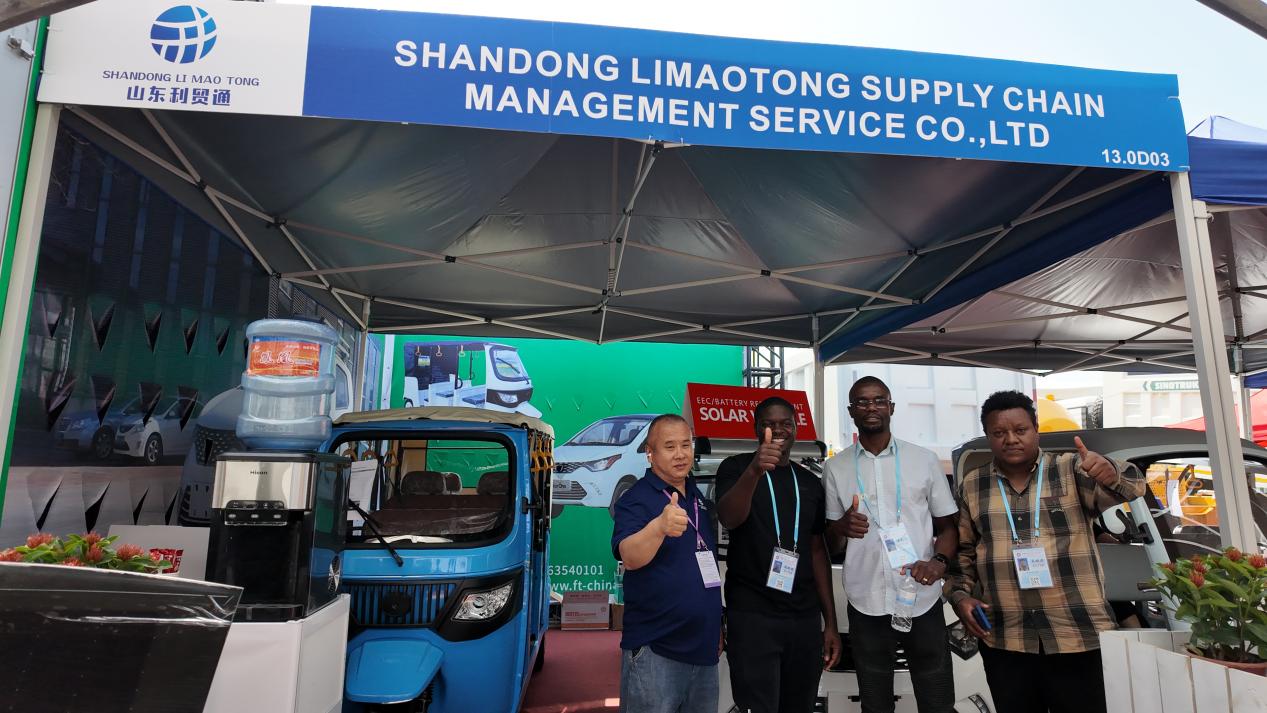
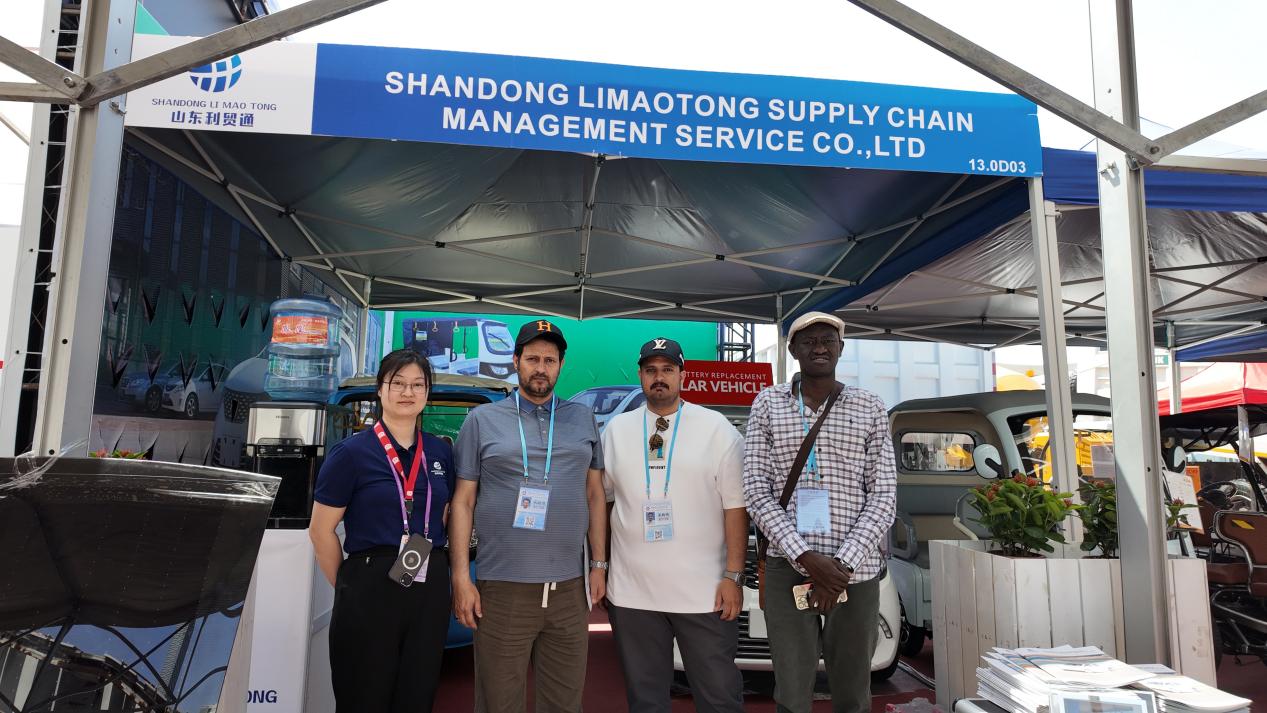
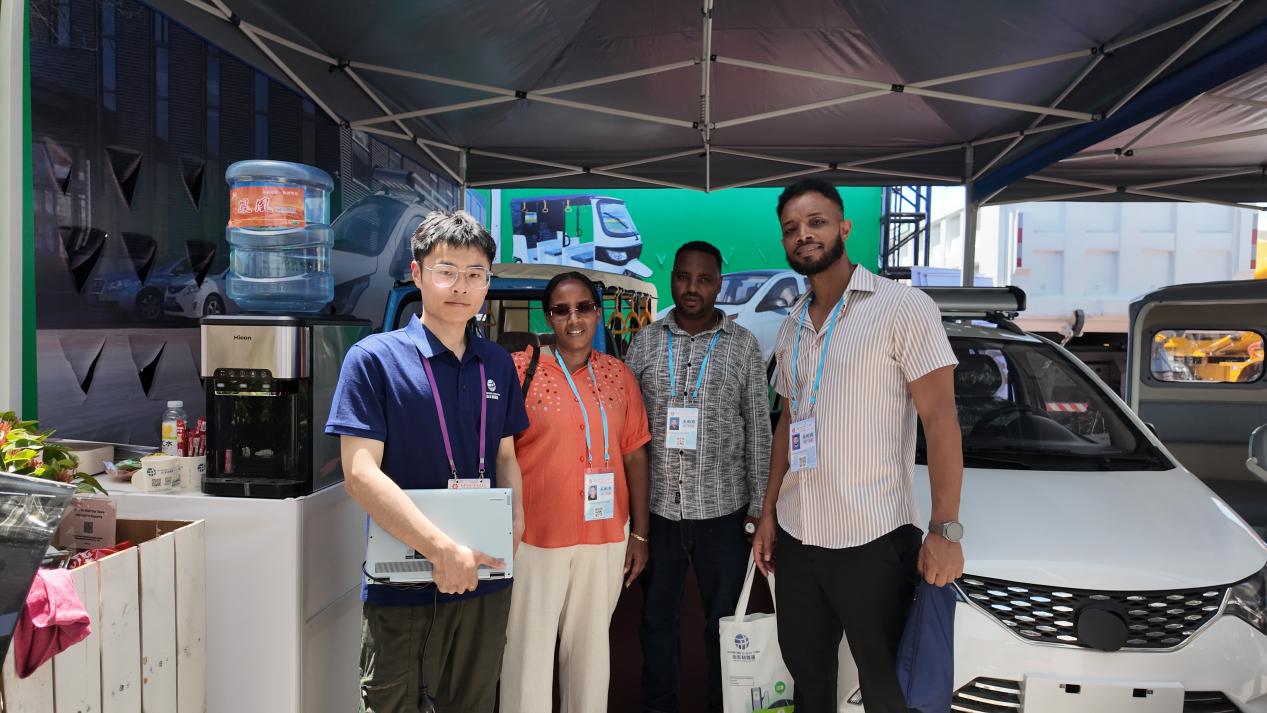
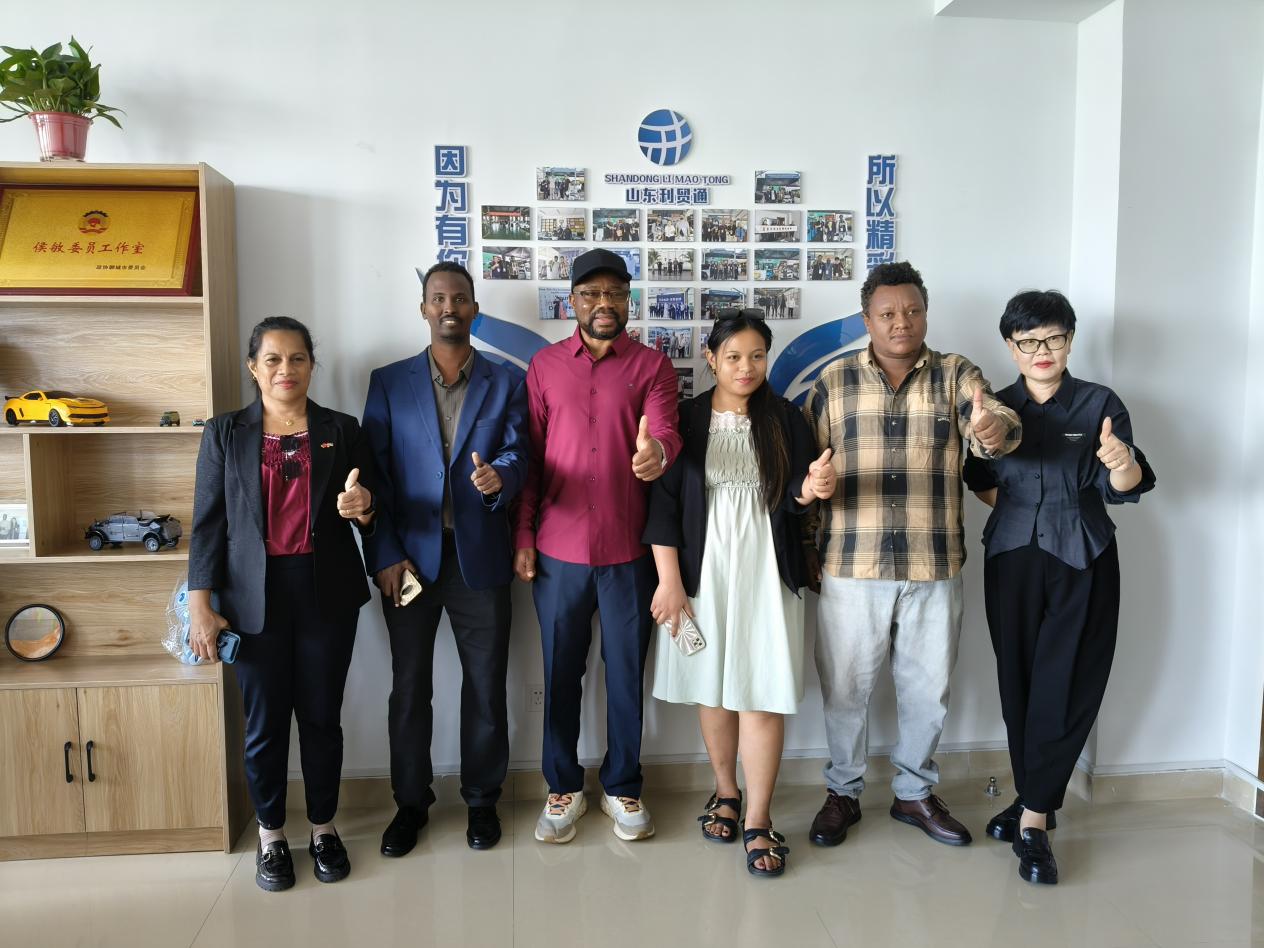
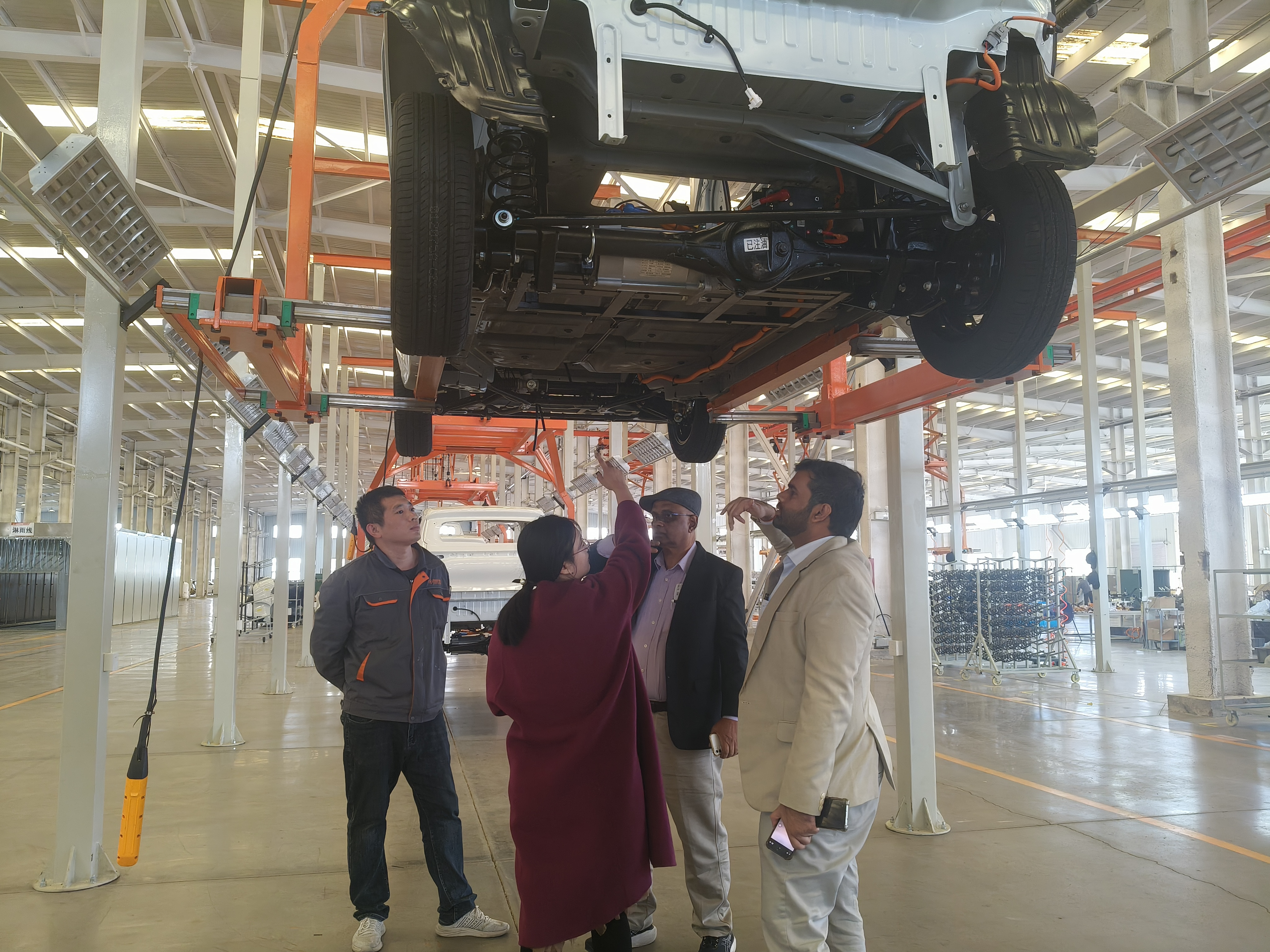
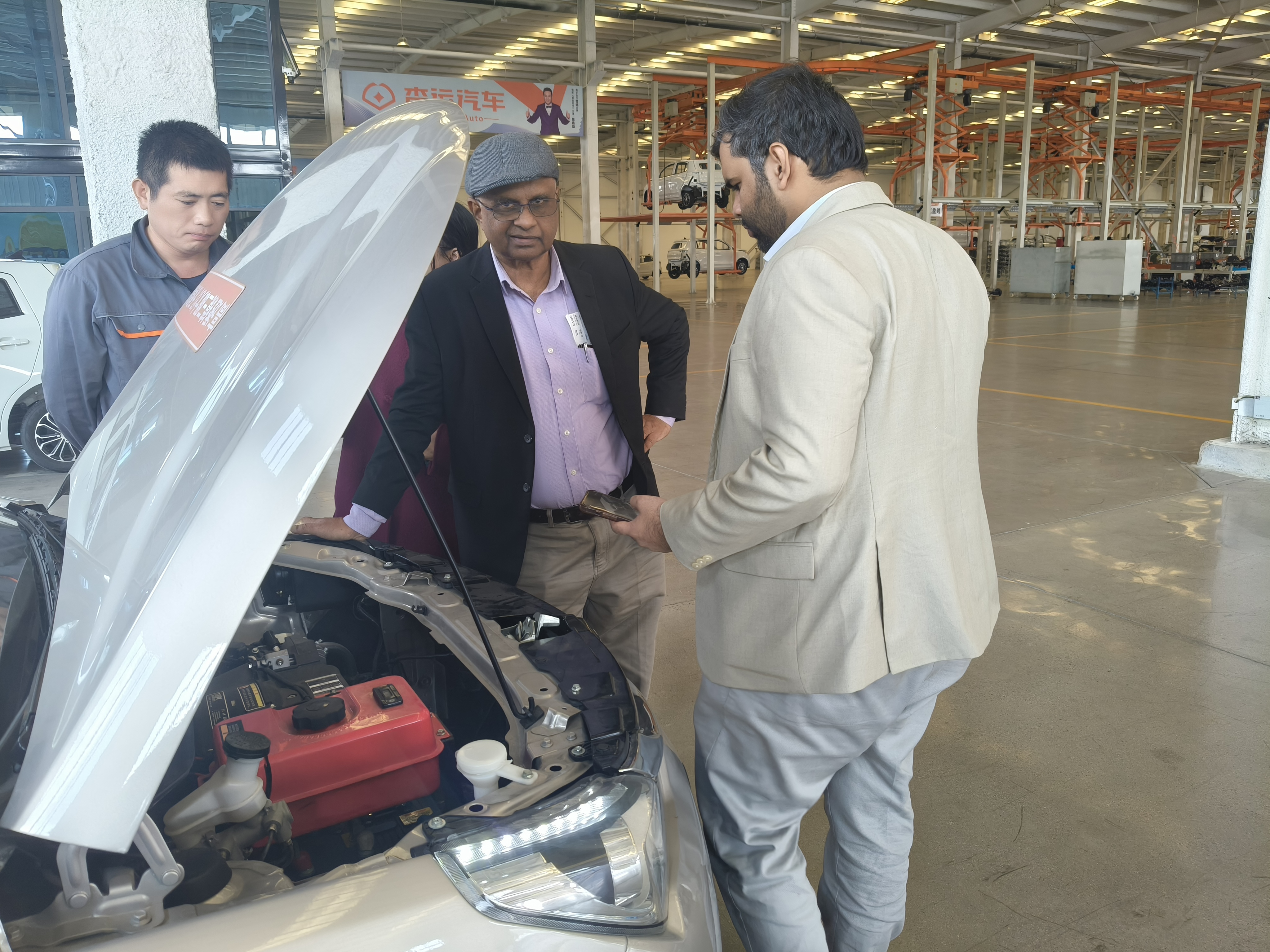
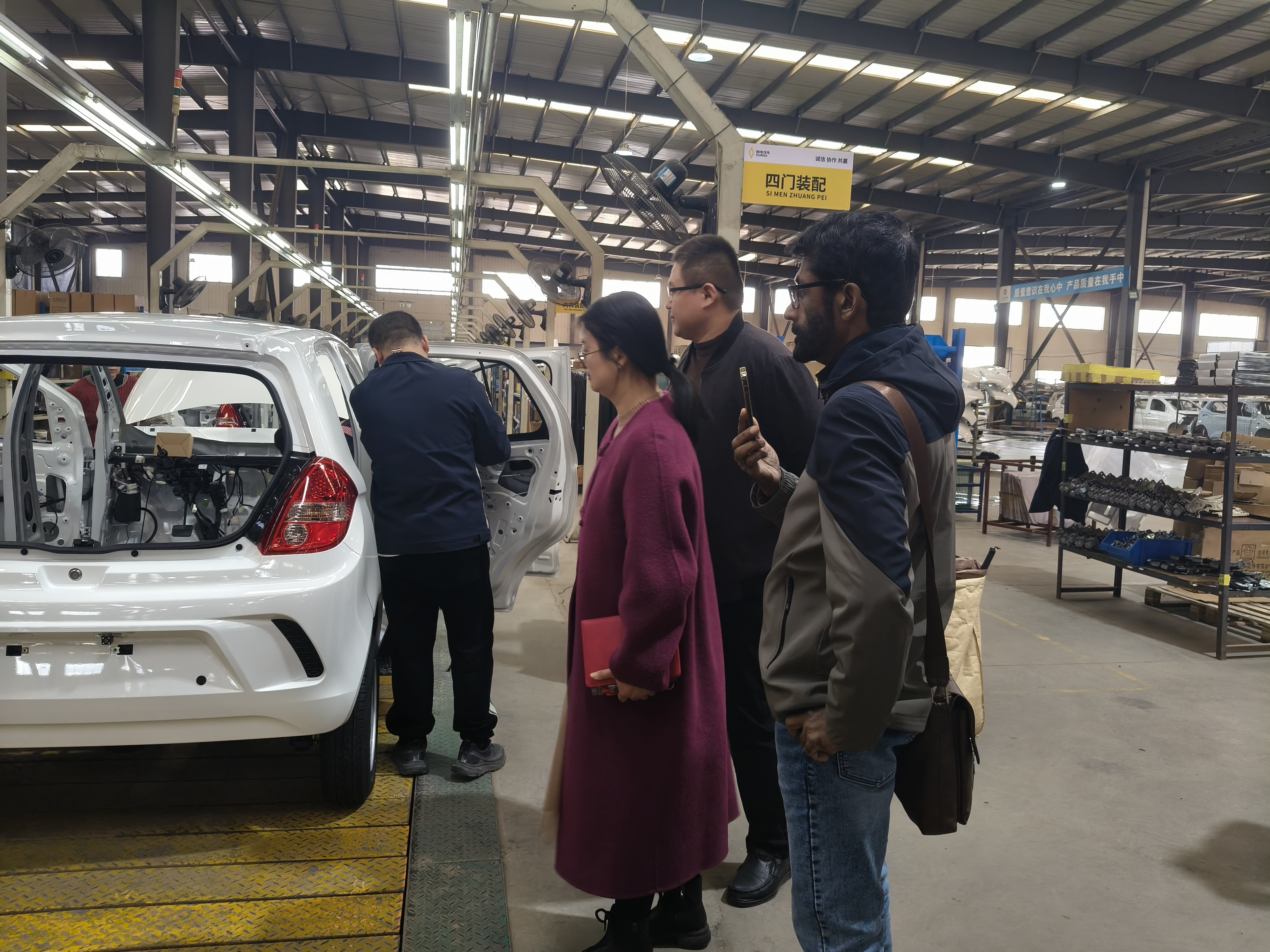
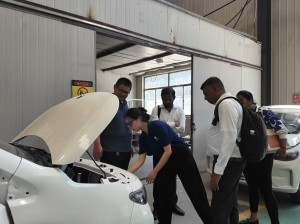

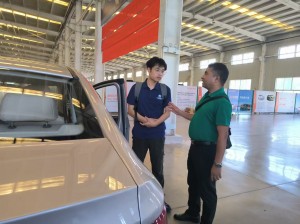
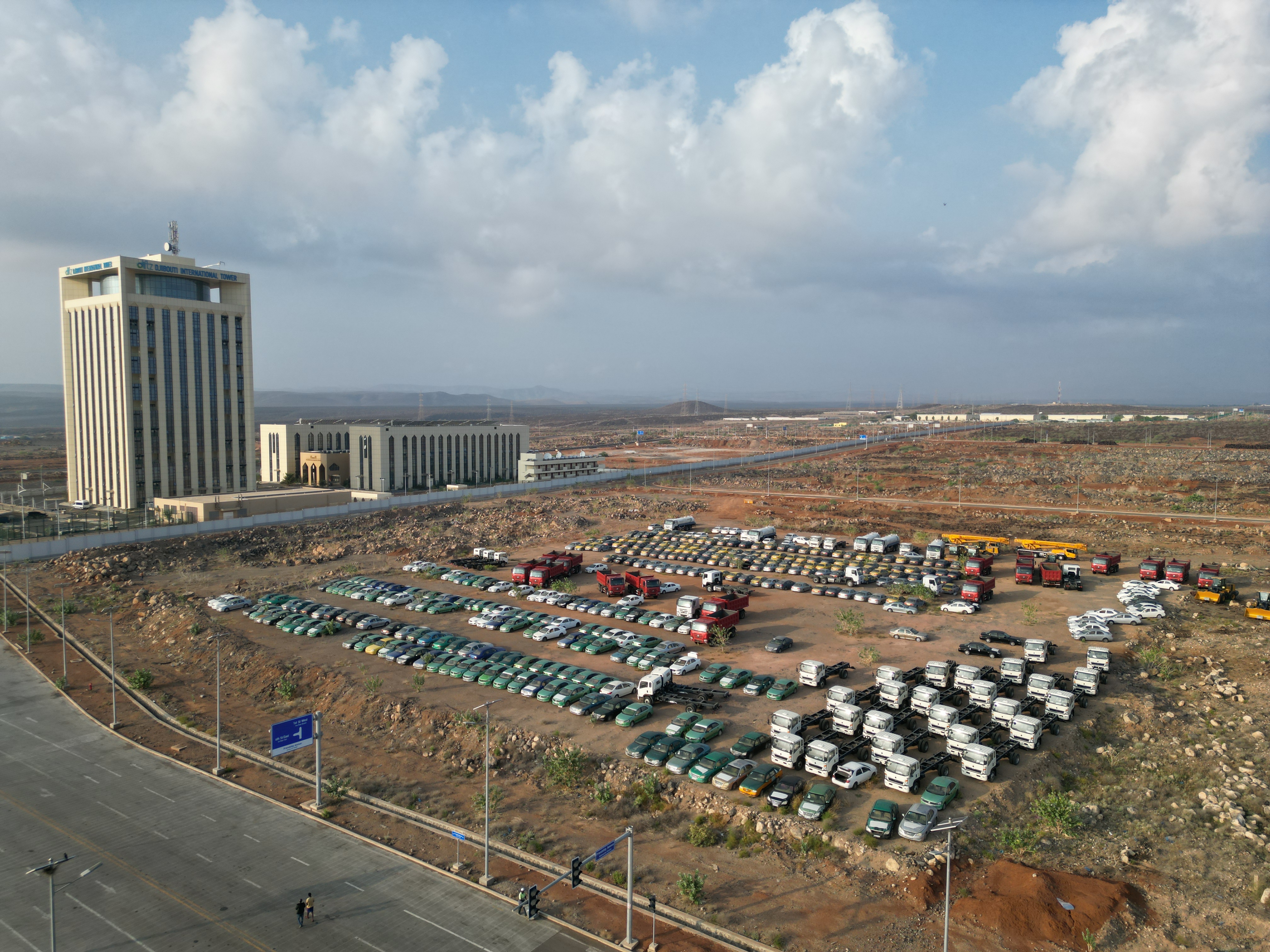
Established in 2023 inside the Djibouti International Free Trade Zone in East Africa, this hub serves as a regional sales and support center. By combining local front-end warehouses with sales, customs, and logistics support, the facility provides quick deliveries and technical service to operations across Africa.
Our exports comply with diverse regional import and road-worthiness rules, including EEC, CE, and DOT certifications. We coordinate with local inspection bodies and furnish all required technical documentation, wiring schematics, and material certificates to facilitate smooth customs clearance.
Our engineering teams also support distributors during local homologation testing. This ensures that chassis tracking, load distribution, and lighting arrays comply with the specific traffic safety laws of each target market.
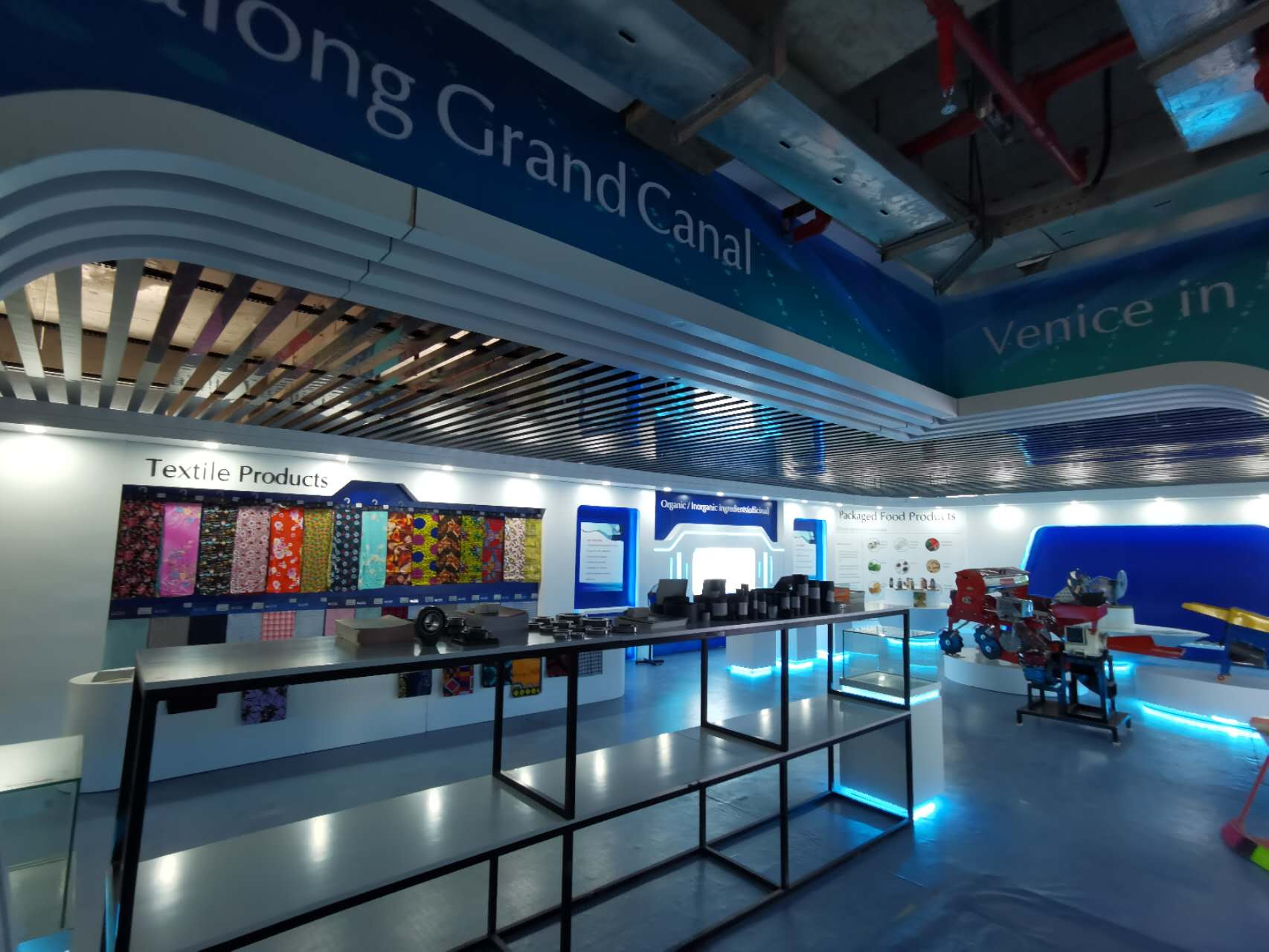
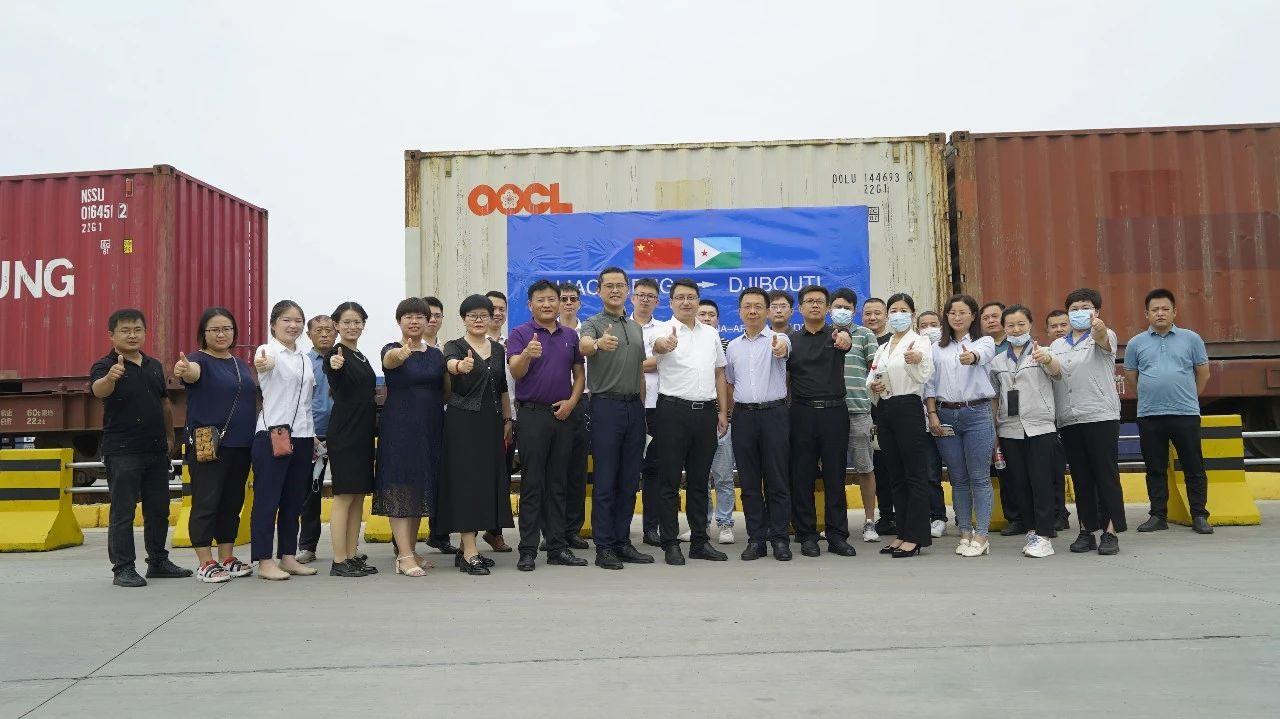
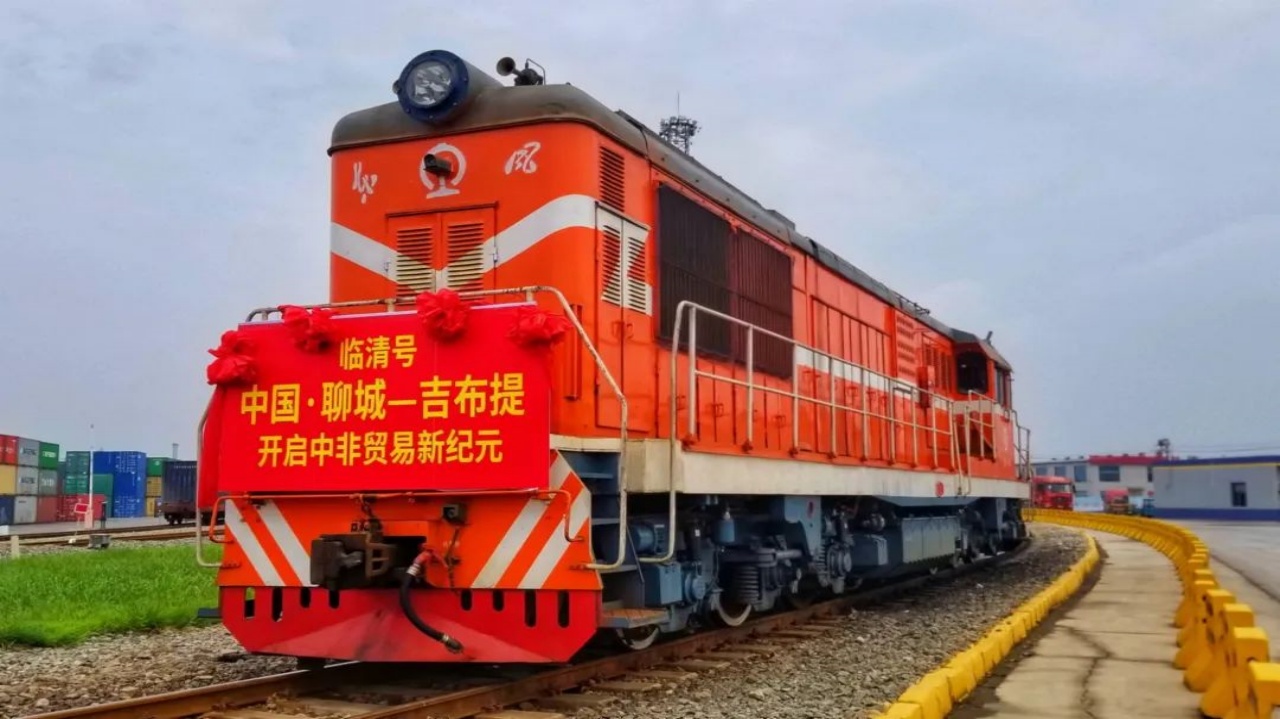
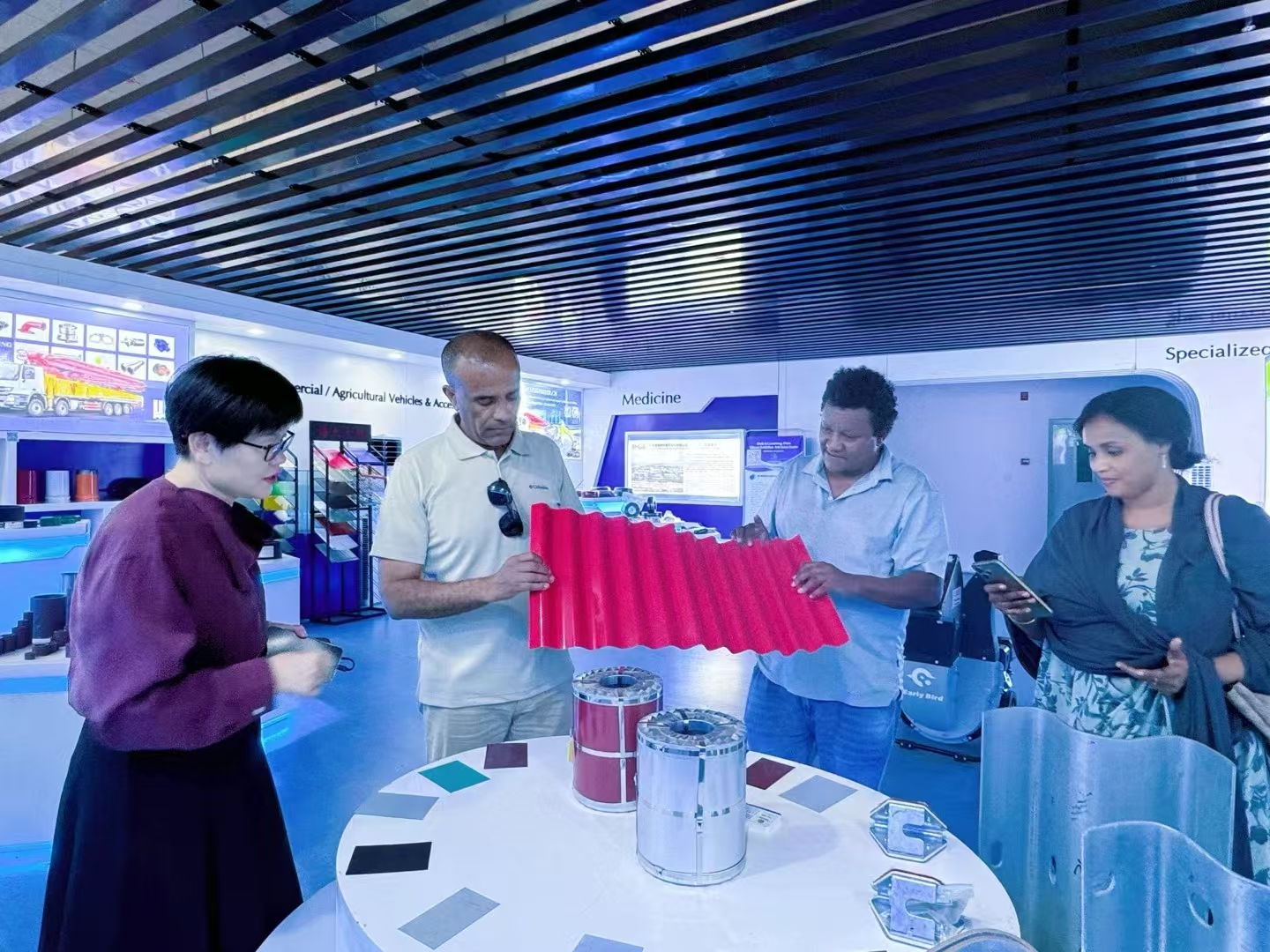
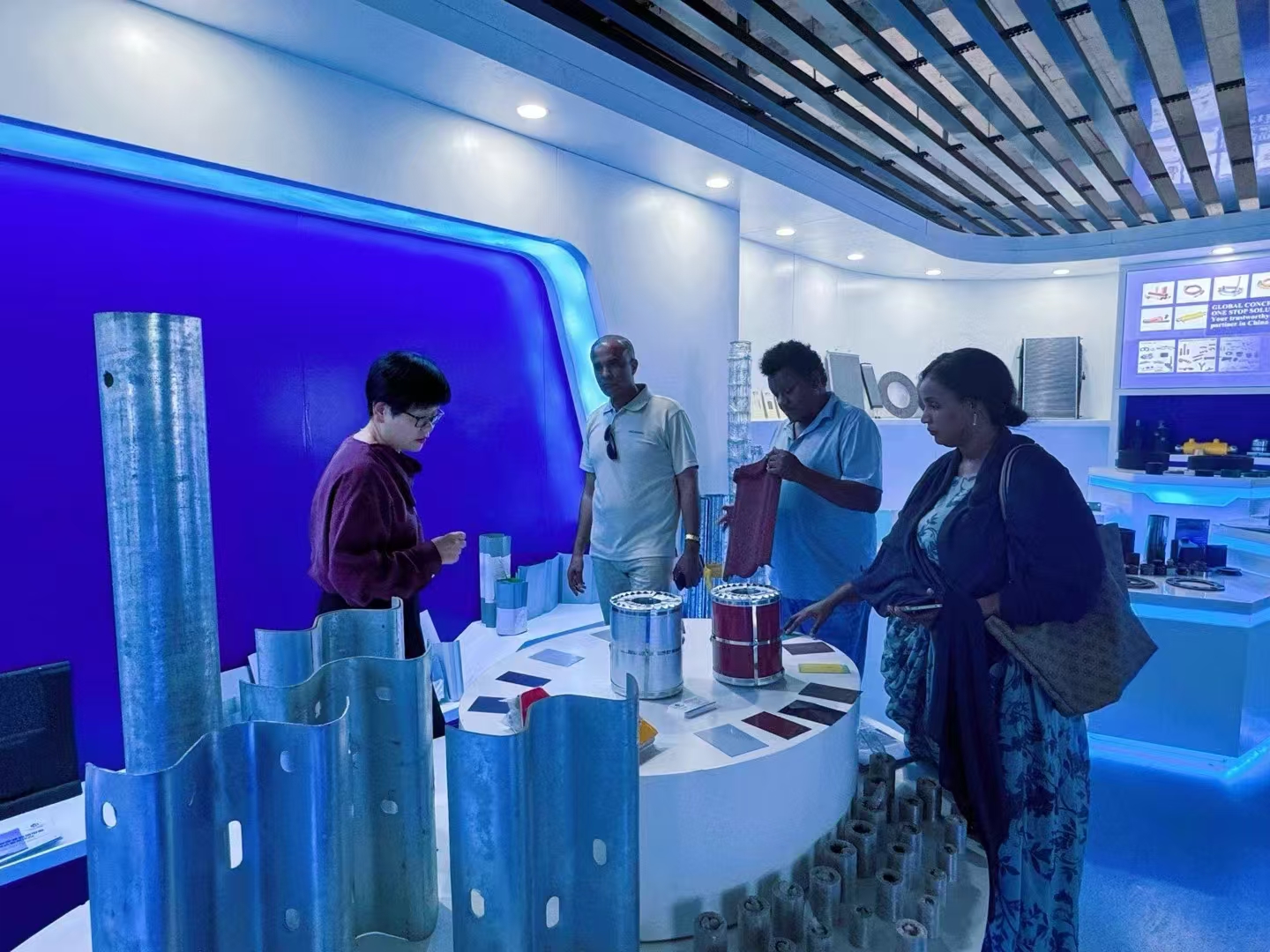
Demonstrating our professional shipping preparation and manufacturing processes
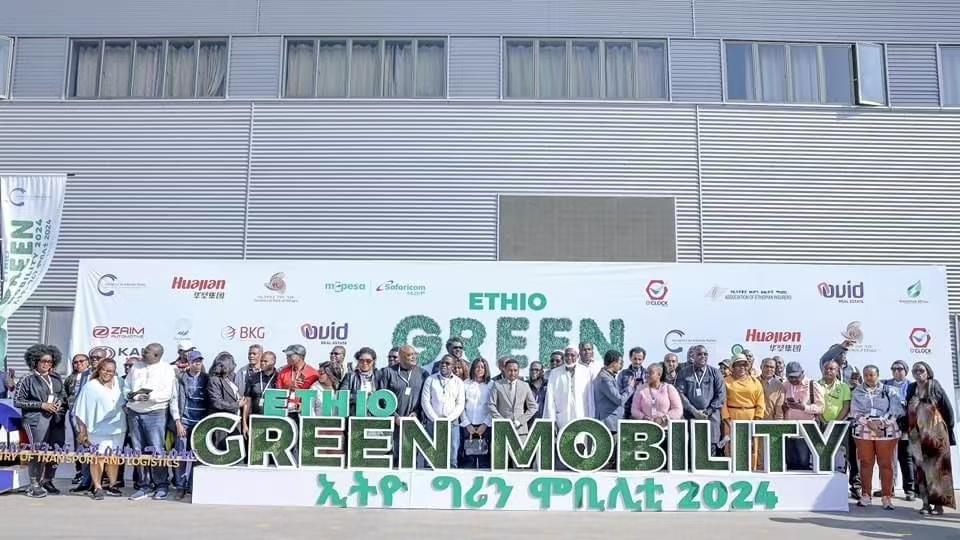
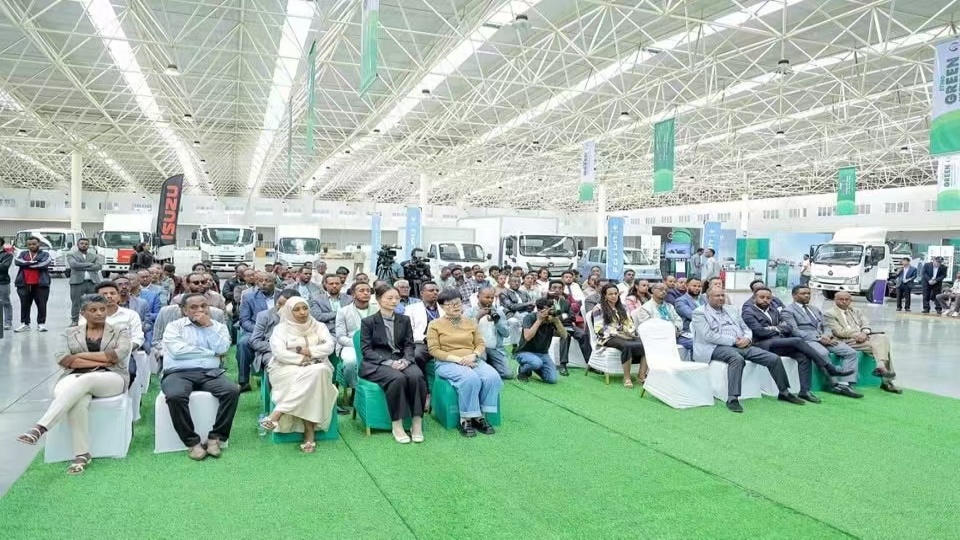


Addressing key technical and operational questions from fleet managers and international distributors
Comprehensive cargo, passenger, and alternative energy vehicles for global buyers
 Limaotong