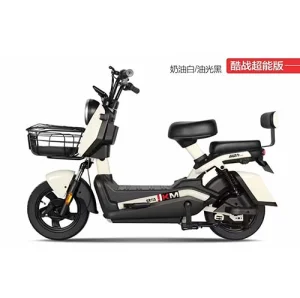
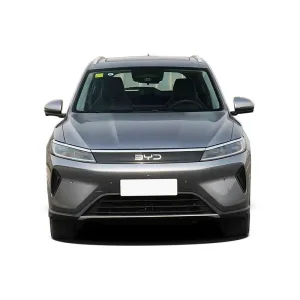
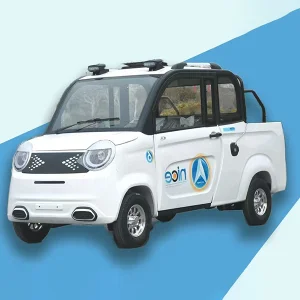
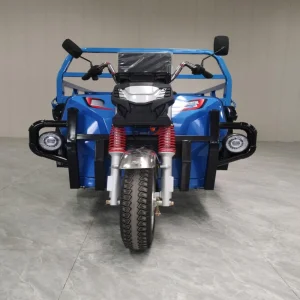
The global transportation ecosystem is undergoing an unprecedented structural transition. Industrial shifts driven by carbon neutrality mandates, volatility in fossil fuel markets, and urban planning reconfigurations have propelled New Energy Vehicles (NEVs) from localized consumer novelties into foundational economic infrastructure. Globally, the adoption of lightweight electric vehicles, passenger micro-mobility options, and efficient cargo delivery systems is accelerating, particularly across regions seeking high-efficiency cargo transit with minimal structural investment.
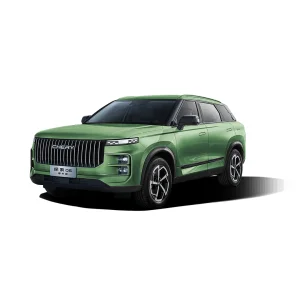
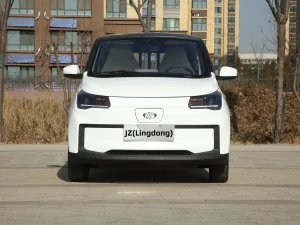
In mature and developing economies alike, the optimization of urban logistics—often referred to as the "last-mile delivery challenge"—requires a diverse array of platforms. These range from highway-capable hybrid SUVs and compact pure electric urban cars to multi-functional three-wheel electric trikes and cargo vehicles. By manufacturing and supplying high-quality, task-oriented electric mobility devices, suppliers bridge the gap between global carbon policies and the localized reality of daily transport operations.
China's preeminence as a manufacturer and supplier of EV cars and micro-mobility products stems from a comprehensive, integrated industrial supply chain. Leveraging unparalleled access to lithium-ion and sodium-ion battery chemistries, localized raw material refining, precision chassis stamping technology, and automated manufacturing pipelines, Chinese manufacturing facilitates the deployment of highly durable, cost-effective fleets globally.
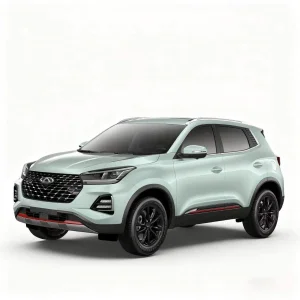
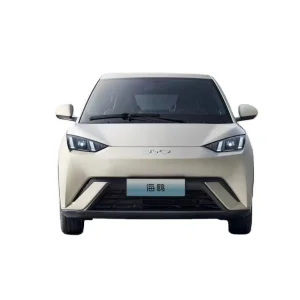
The synergy between Tier-1 global automotive brands (such as BYD, Geely, and Chery) and specialized micro-mobility enterprises creates a vast library of product configurations. This allows international buyers to source everything from high-performance consumer SUVs to localized utility vehicles from a single origin point.
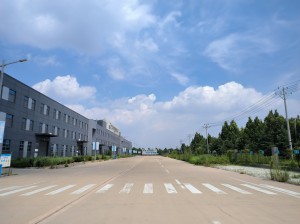
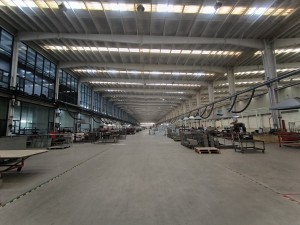
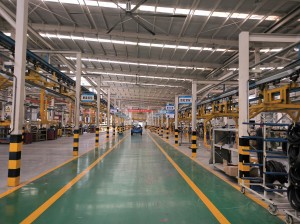
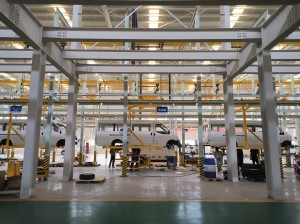
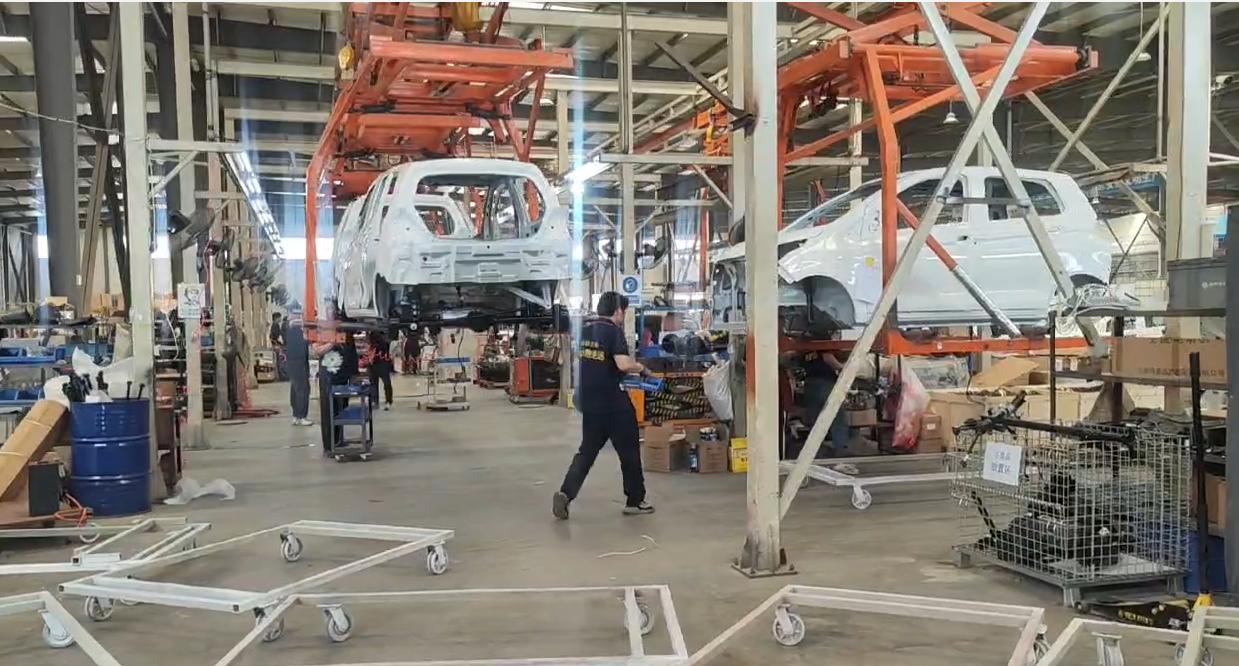
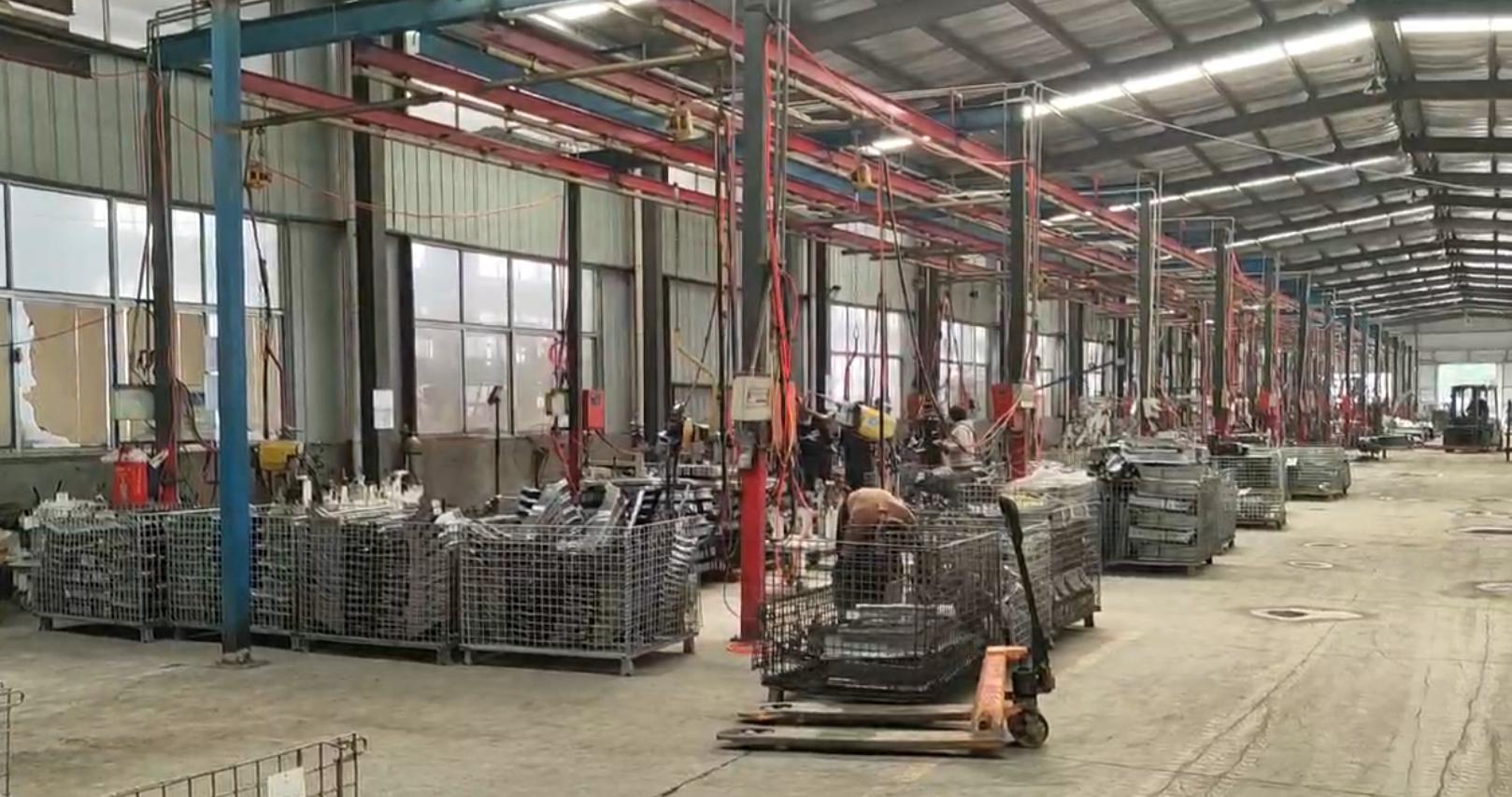
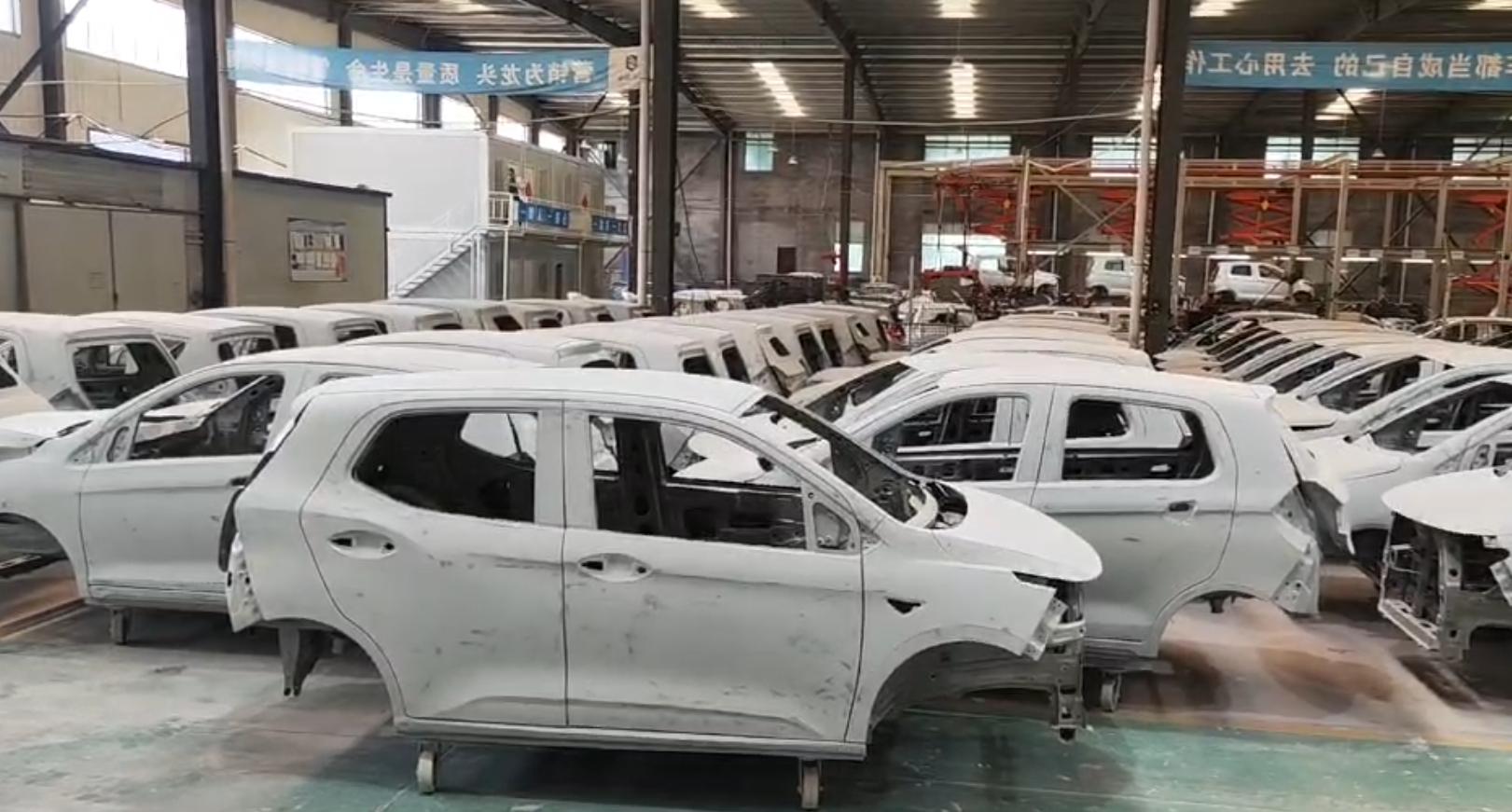
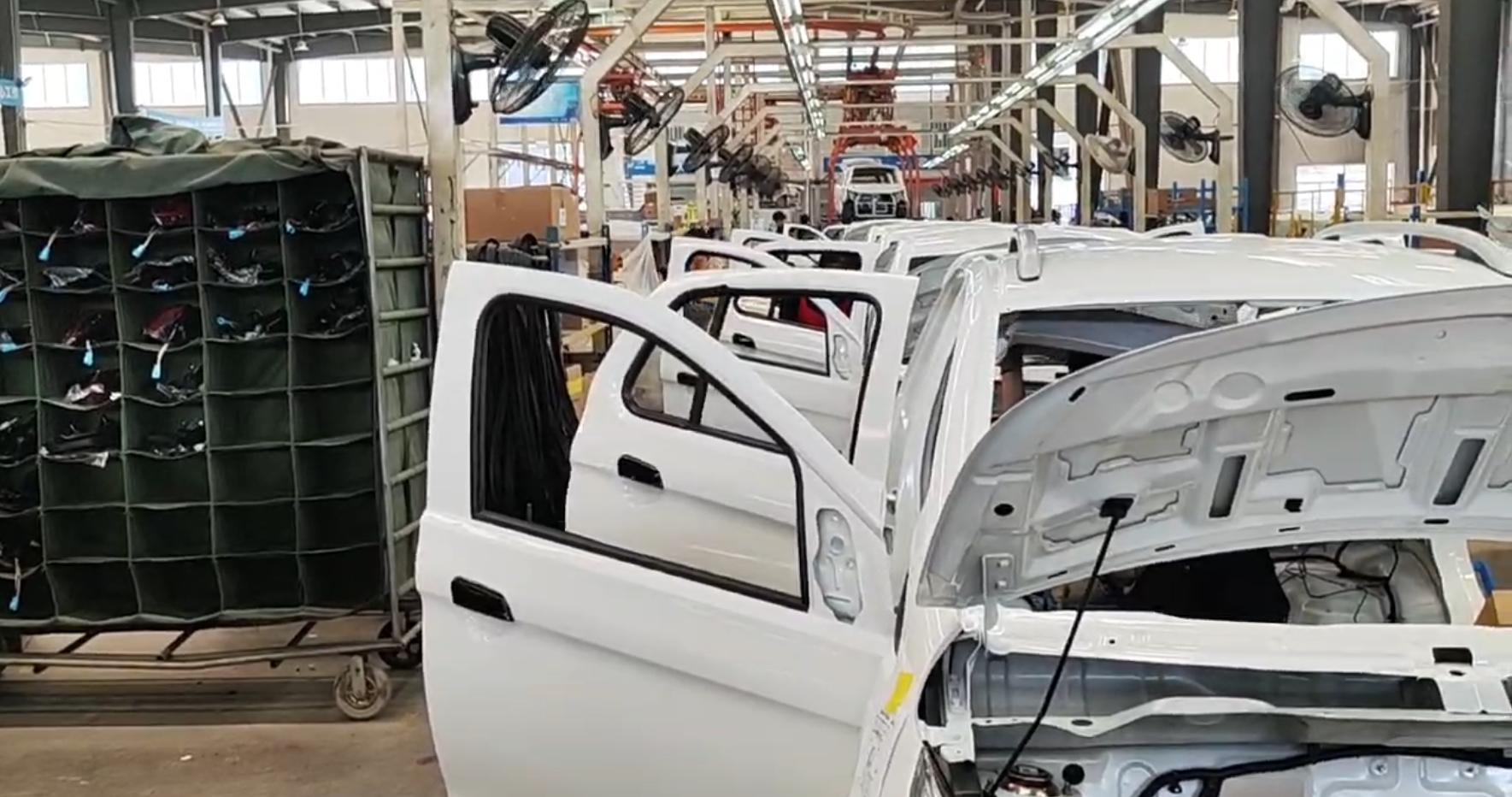
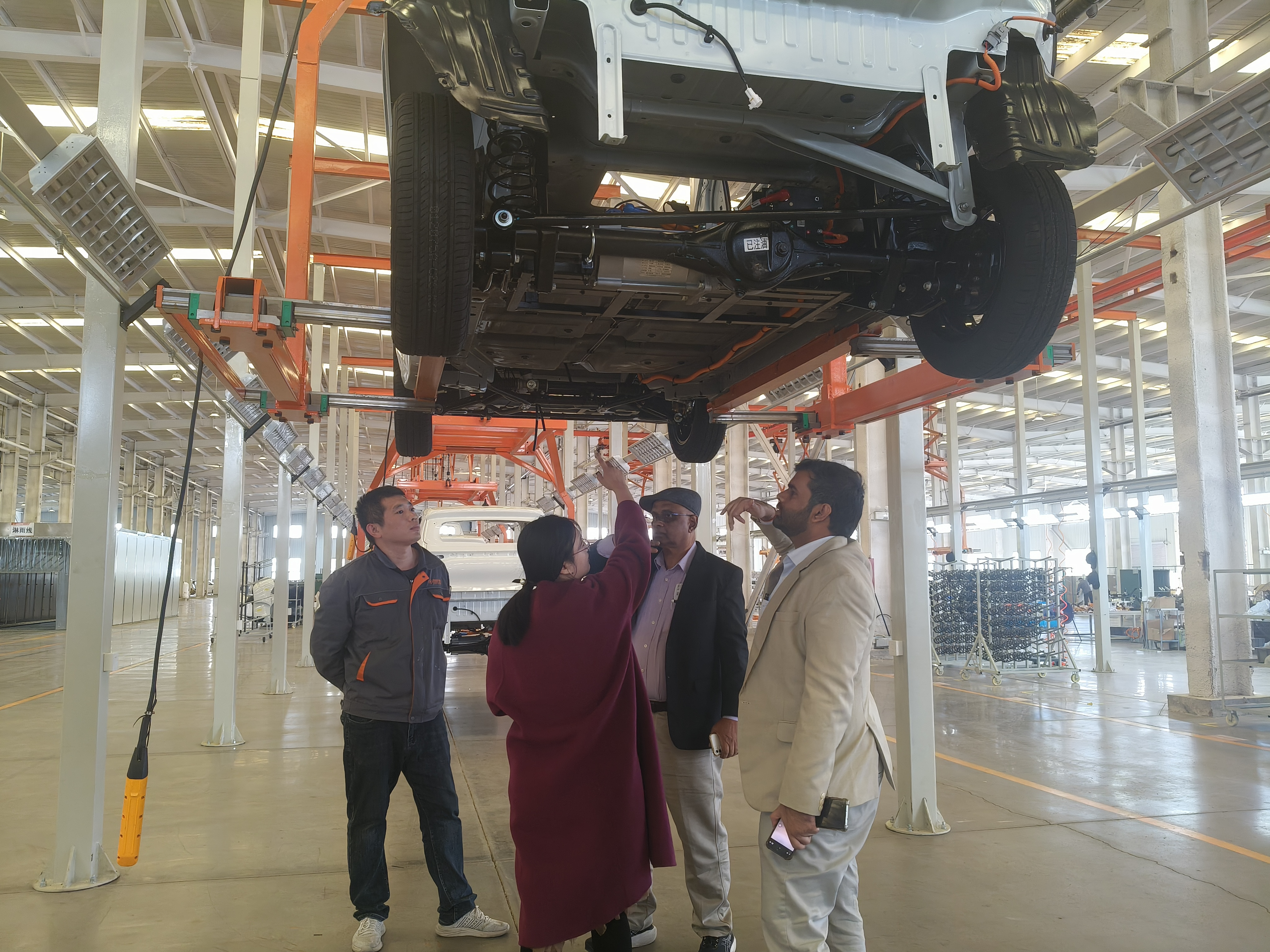
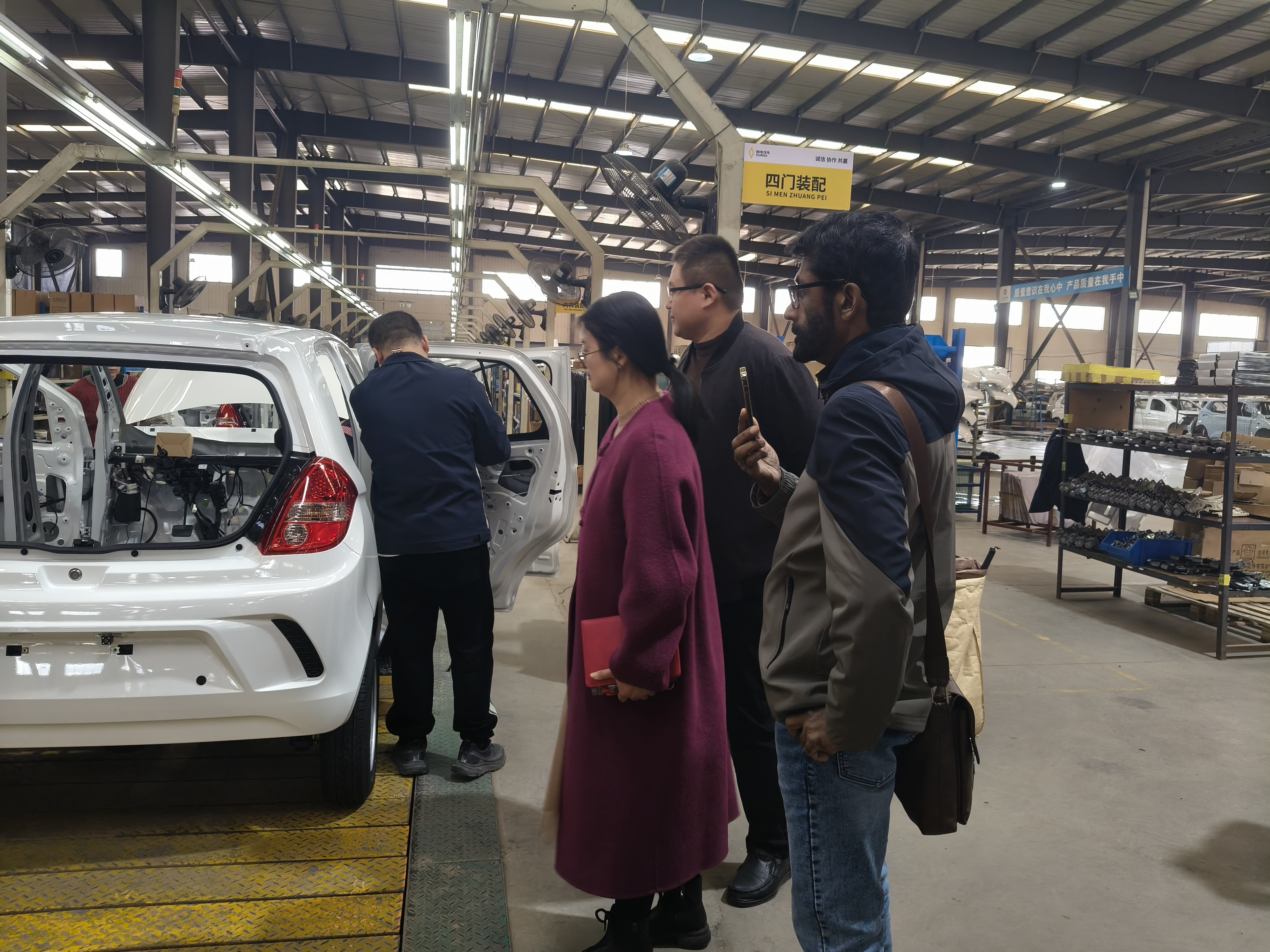
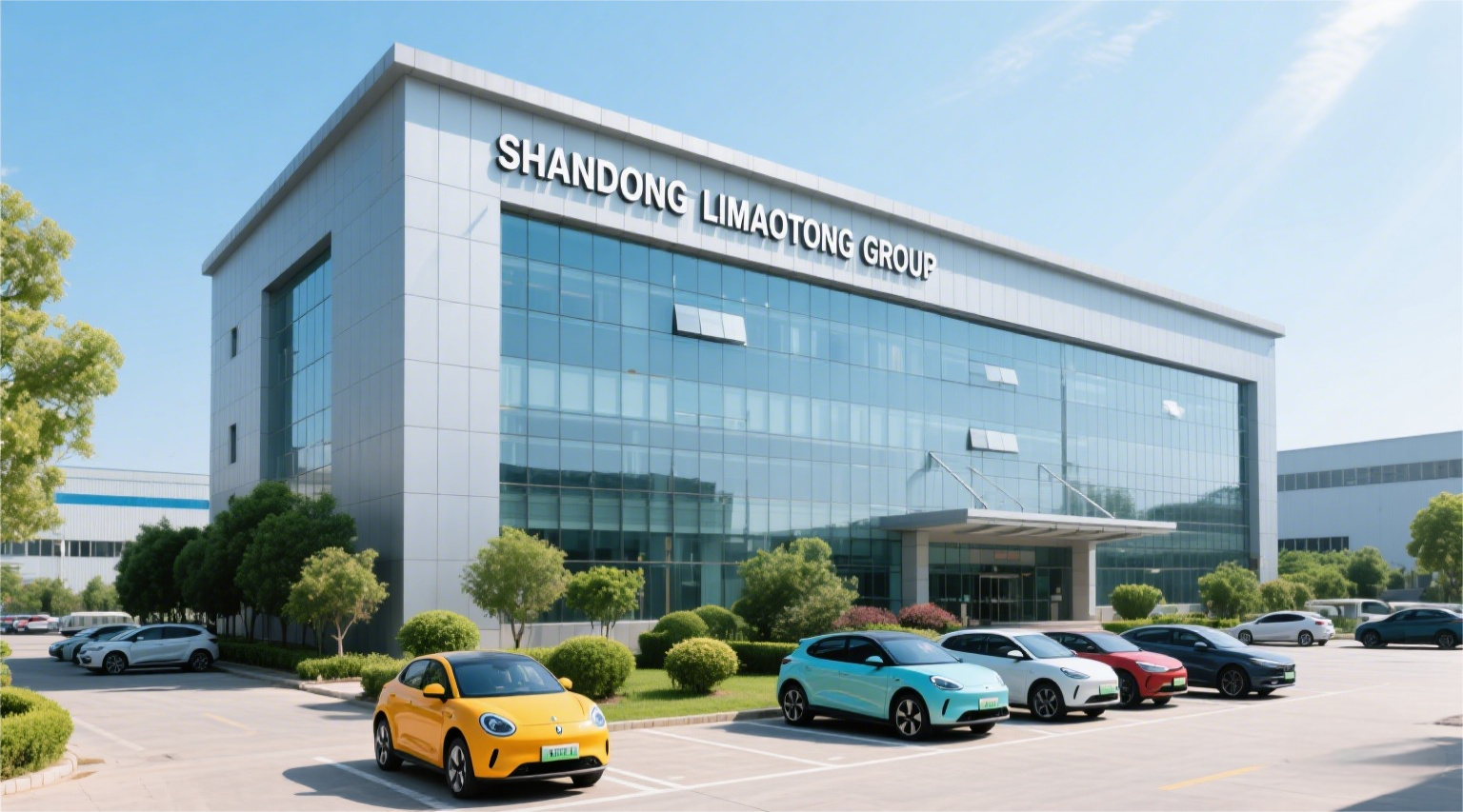
Shandong Li Mao Tong Group stands at the forefront of the new energy transition. Rooted in China's advanced manufacturing corridor and extending outward globally, we engineer vehicles designed to outlast extreme environments and outpace industry standards. Our modern production facilities combine robotic stamping, automated powder coating, and precision digital quality control systems.
Every EV platform undergoes laboratory-grade level 7 rainstorm tests, heavy payload chassis torsion tests, and battery thermodynamic profiling, ensuring peak performance under all conditions.
The progression from traditional Lead-Acid architectures to high-capacity Lithium Iron Phosphate (LFP) and Sodium-Ion batteries represents a paradigm shift. LFP batteries offer deep-cycle durability, high thermal runaway safety margins, and over 3,000 charge cycles, minimizing the total cost of ownership for fleet operators.
Integrating PV arrays directly onto the chassis and canopy structure of cargo and passenger vehicles allows for continuous trickle-charging. Solar-integrated EVs extend the operational range by up to 20-30 km per day without grid connection, creating highly resilient transport platforms in remote areas.
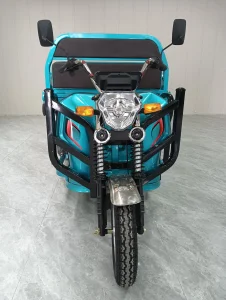
By employing automated robotic laser cutting and stamping, vehicles feature one-piece steel frames and reinforced cargo bays. This mechanical durability is crucial for cargo electric tricycles carrying payloads up to 1,000 kg across unpaved rural or peri-urban agricultural corridors.
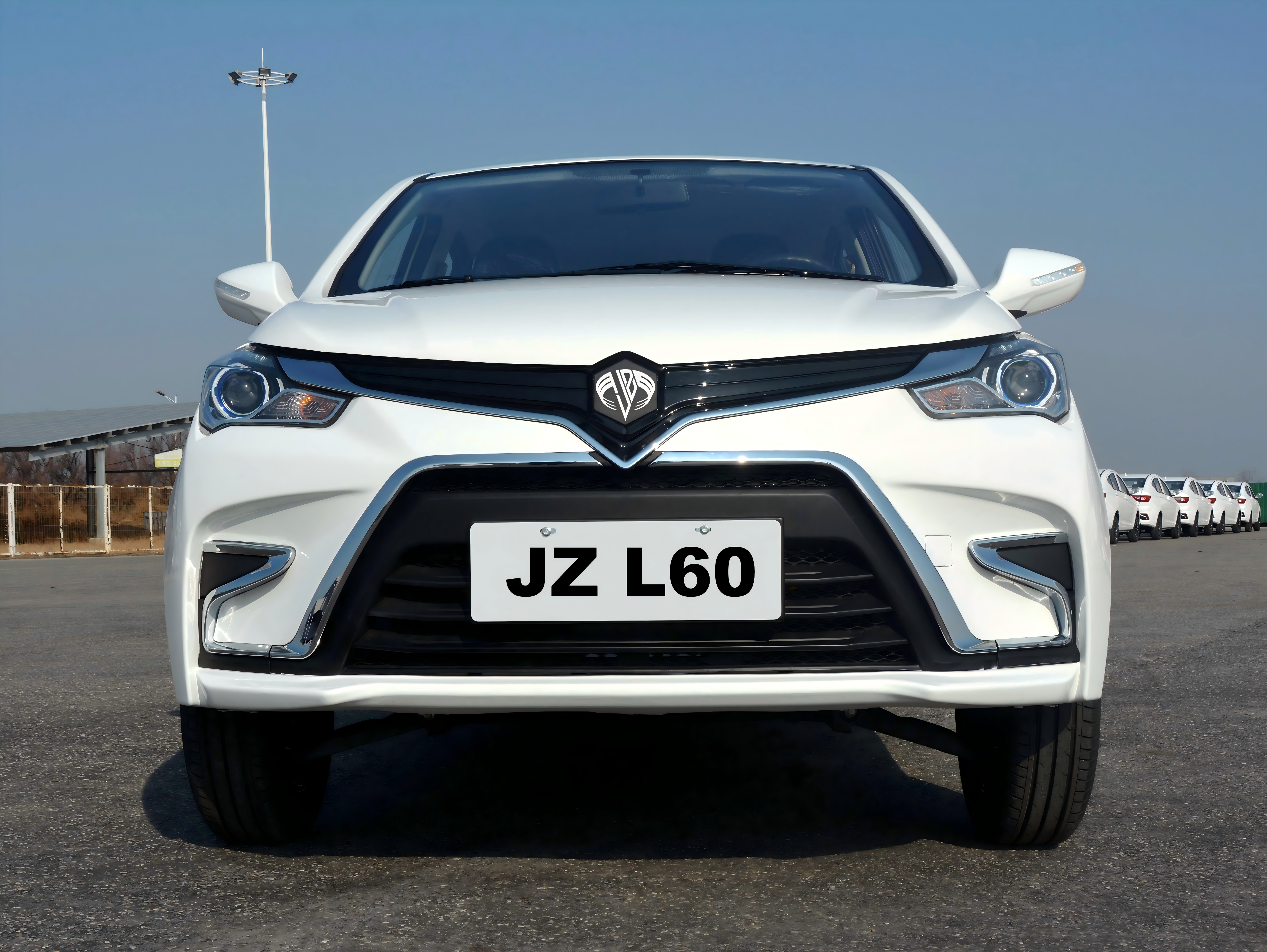
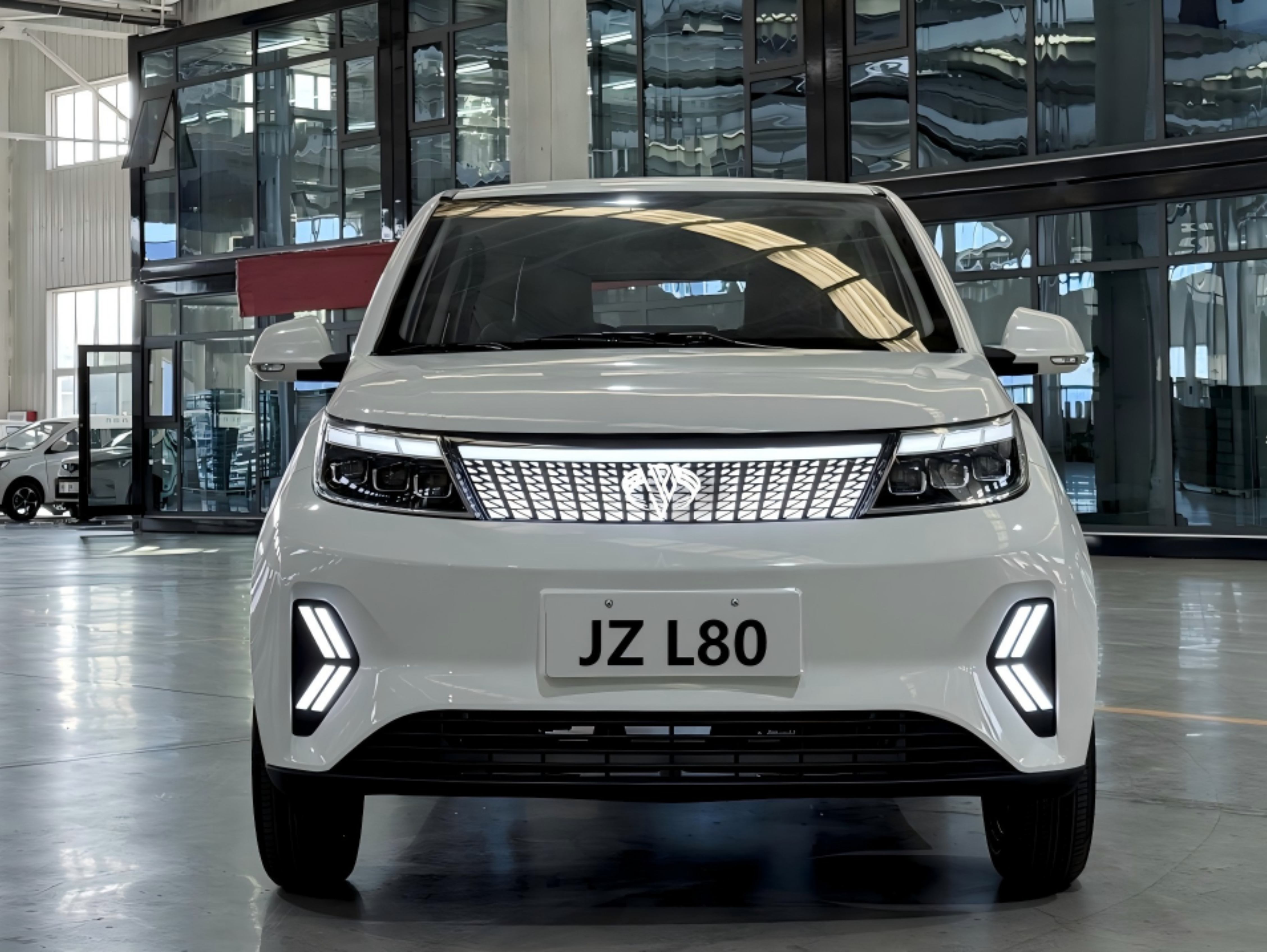
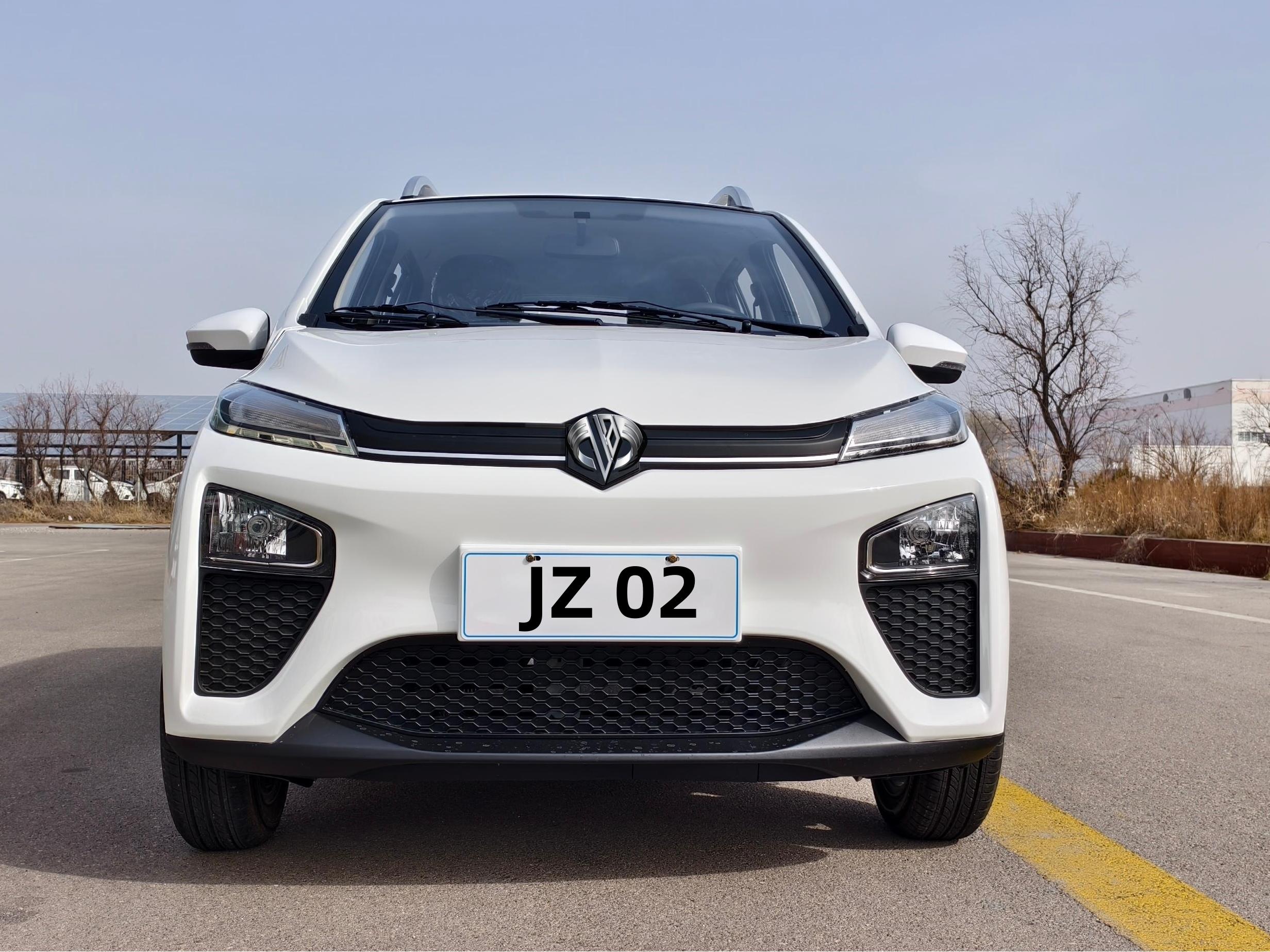
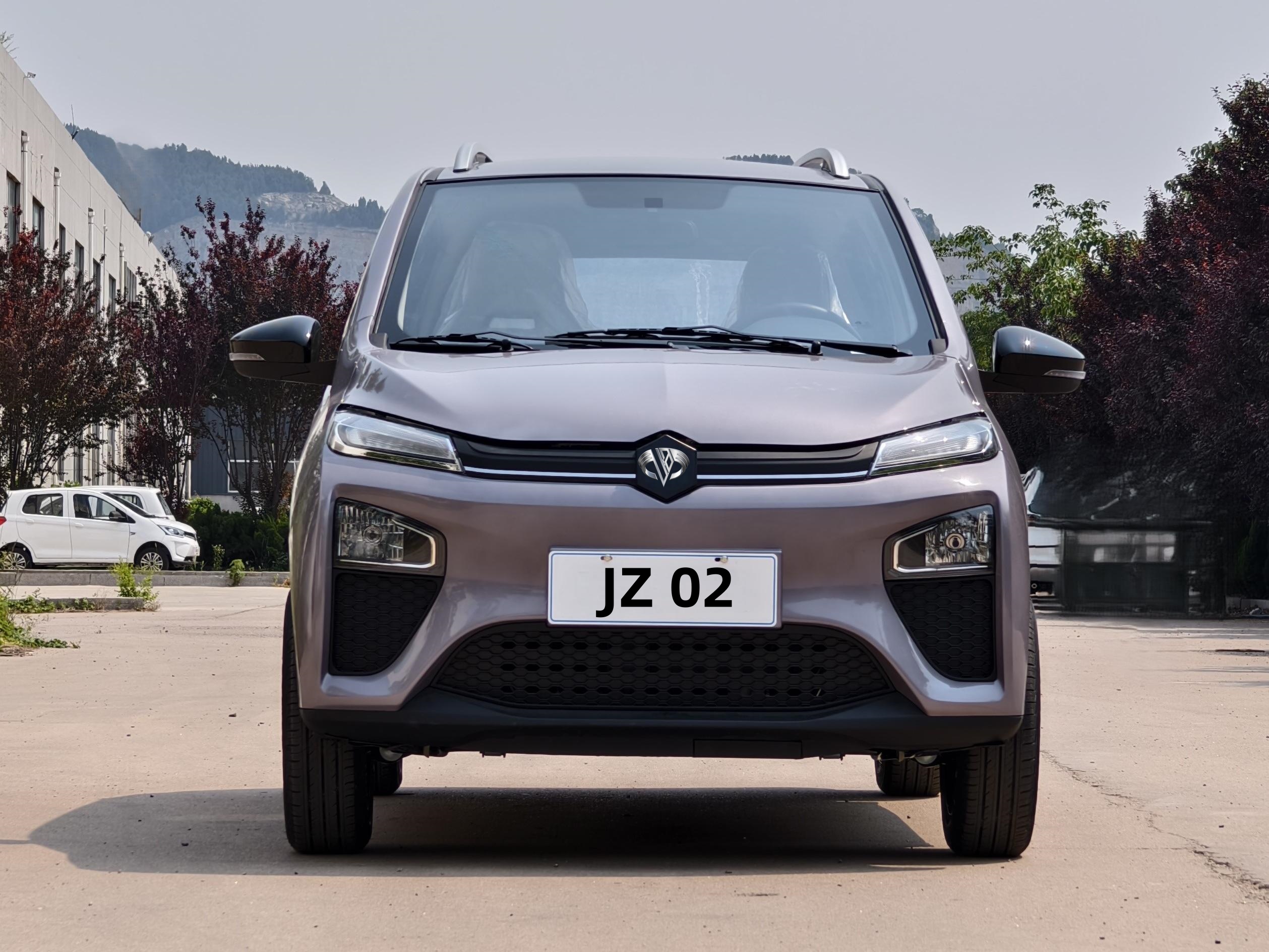
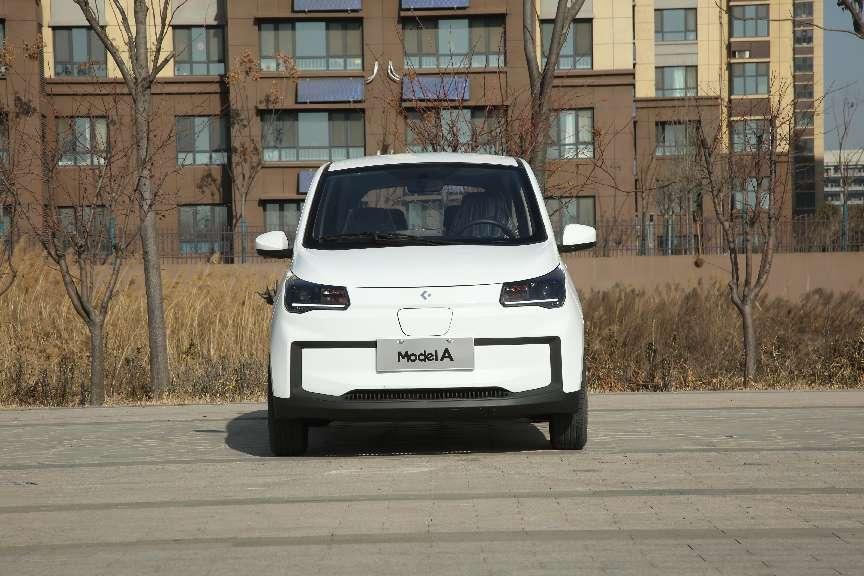
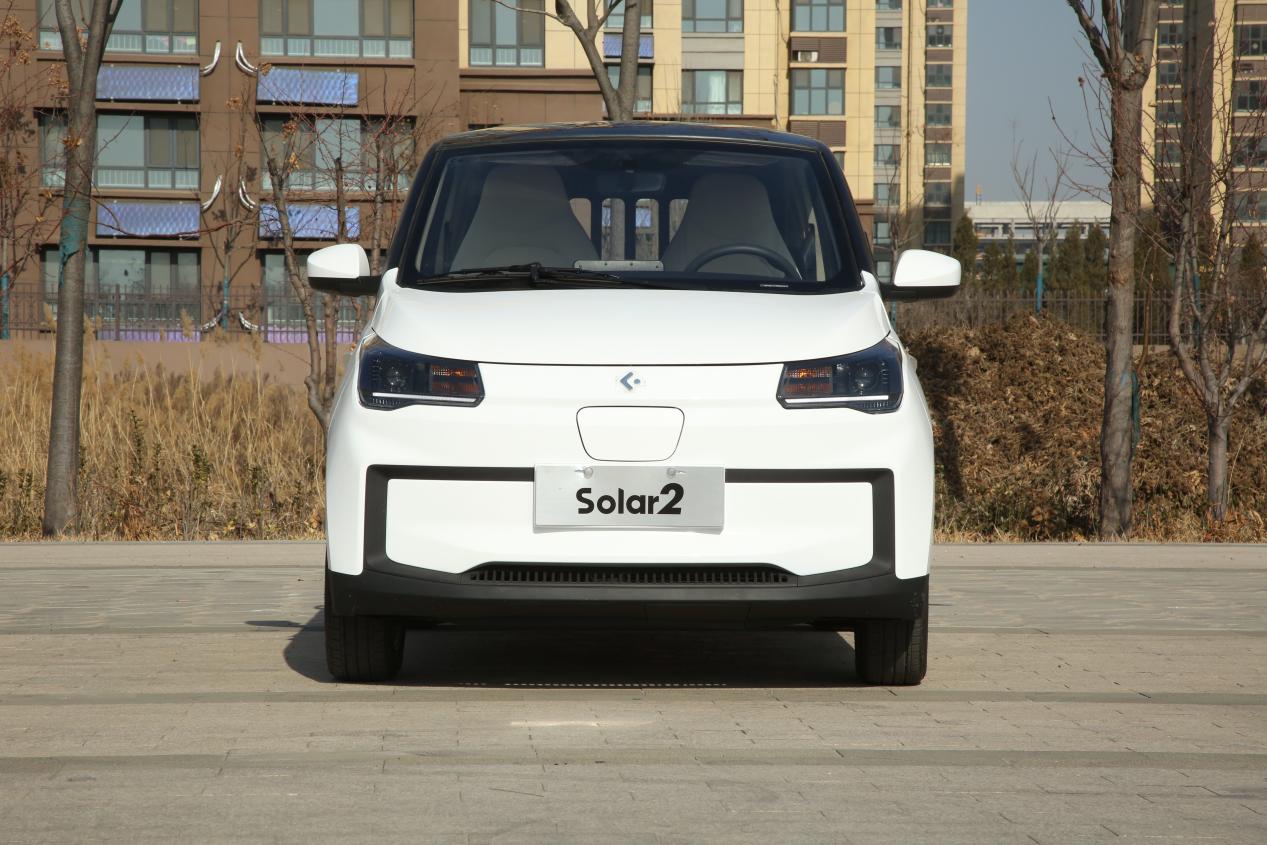
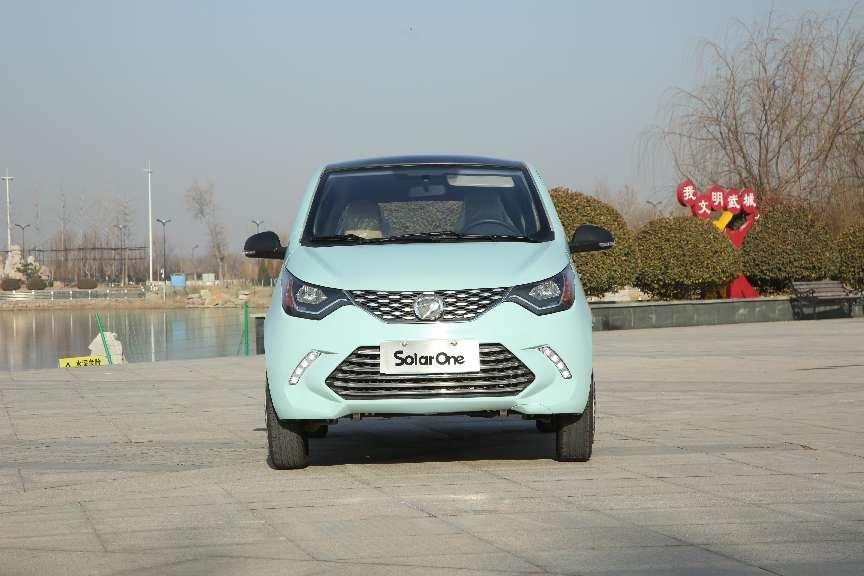
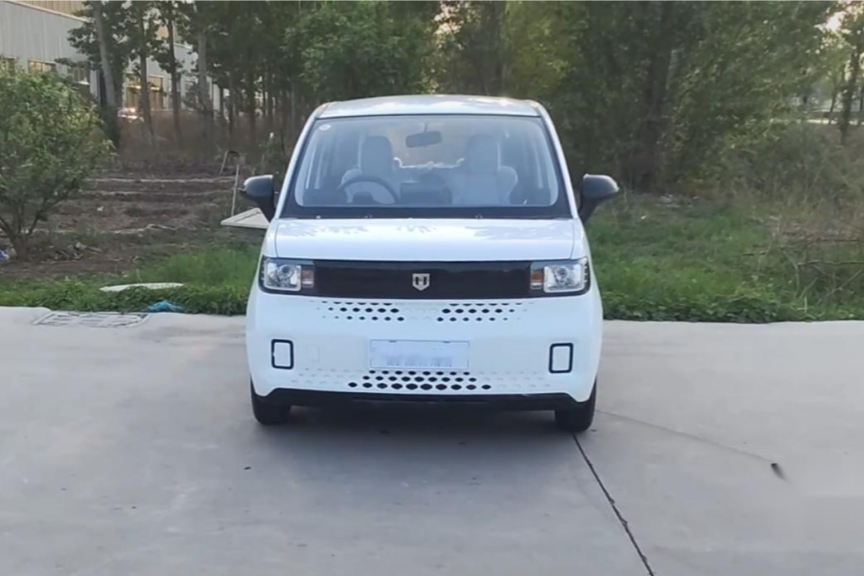
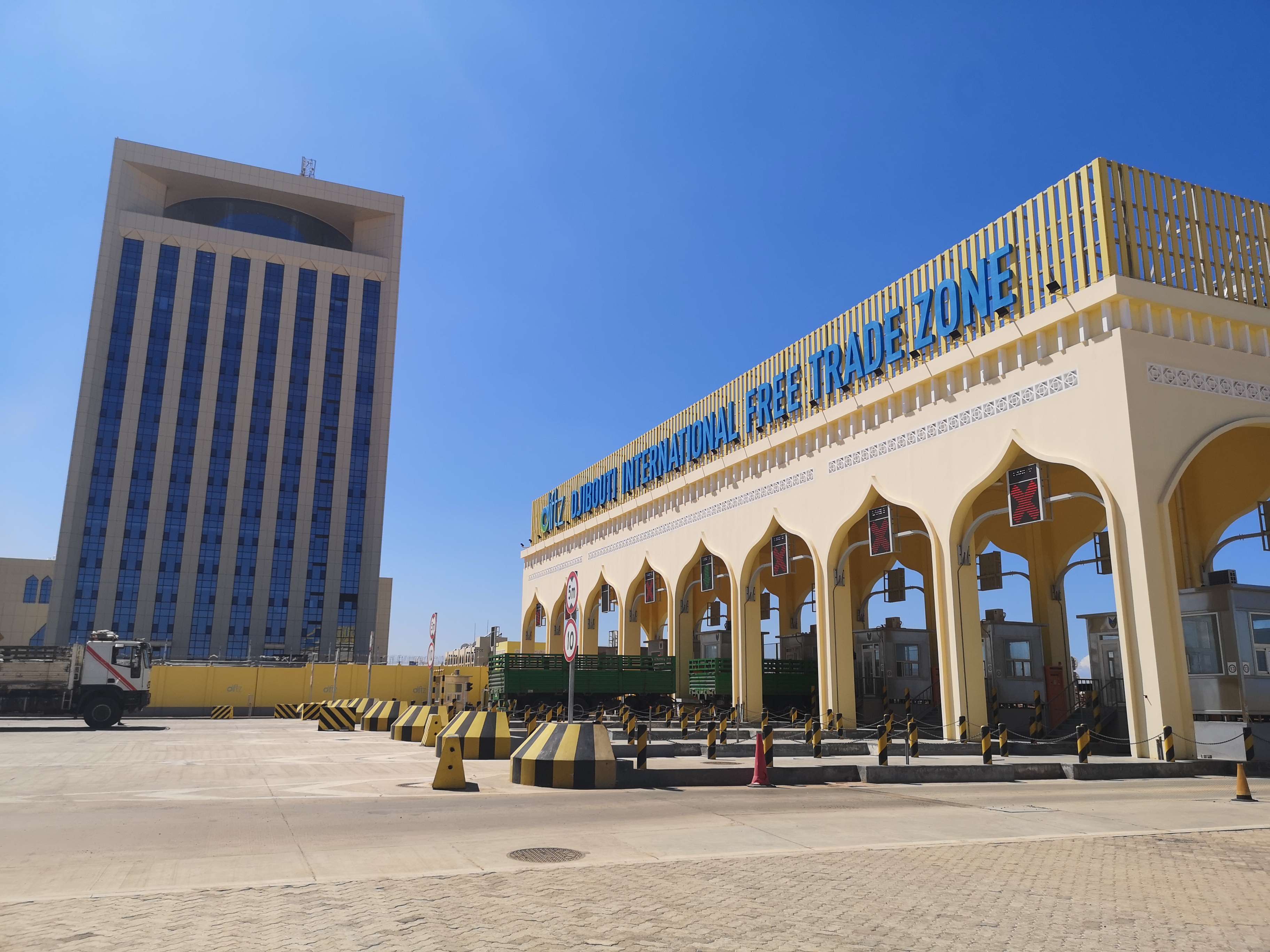
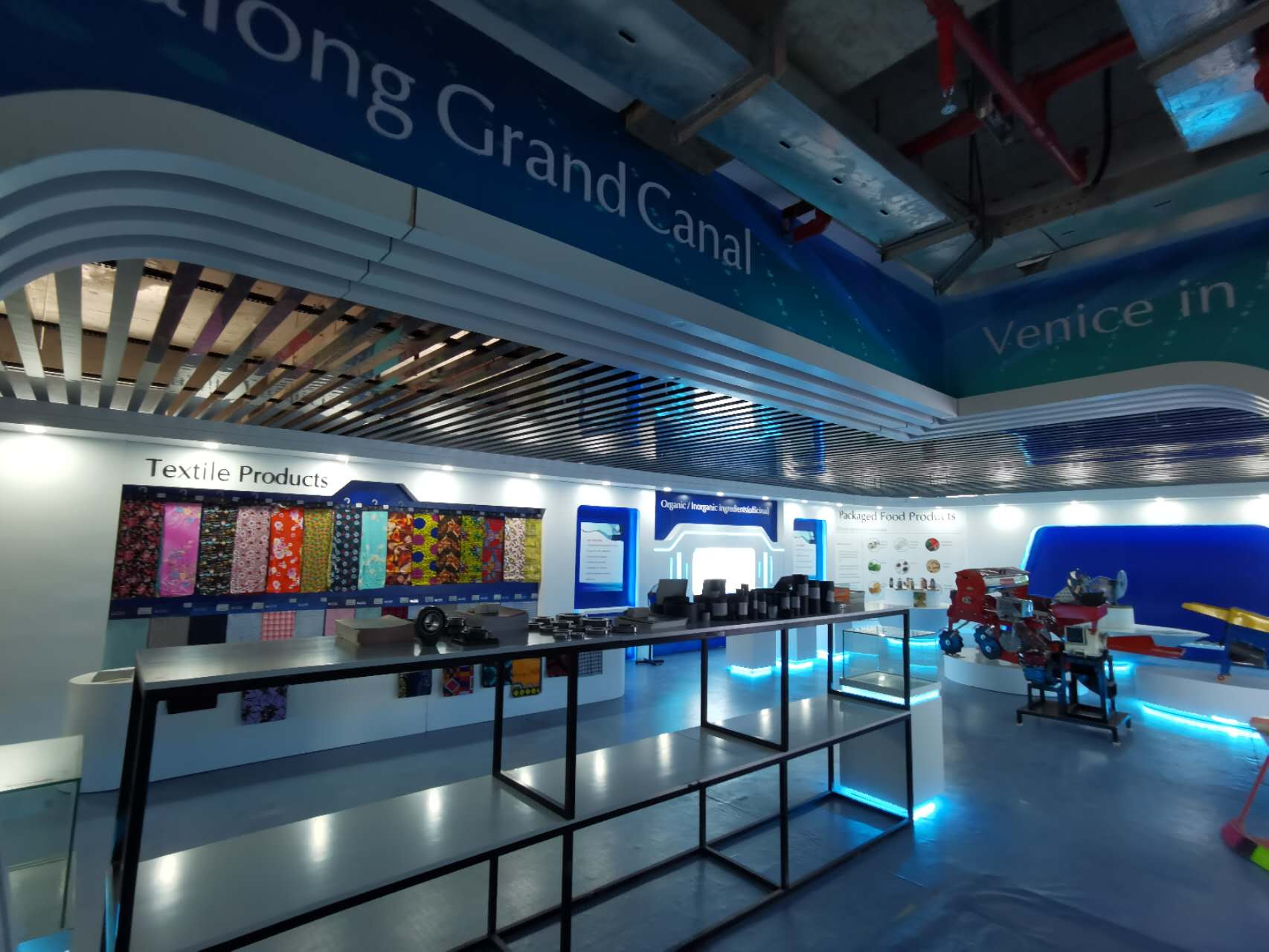
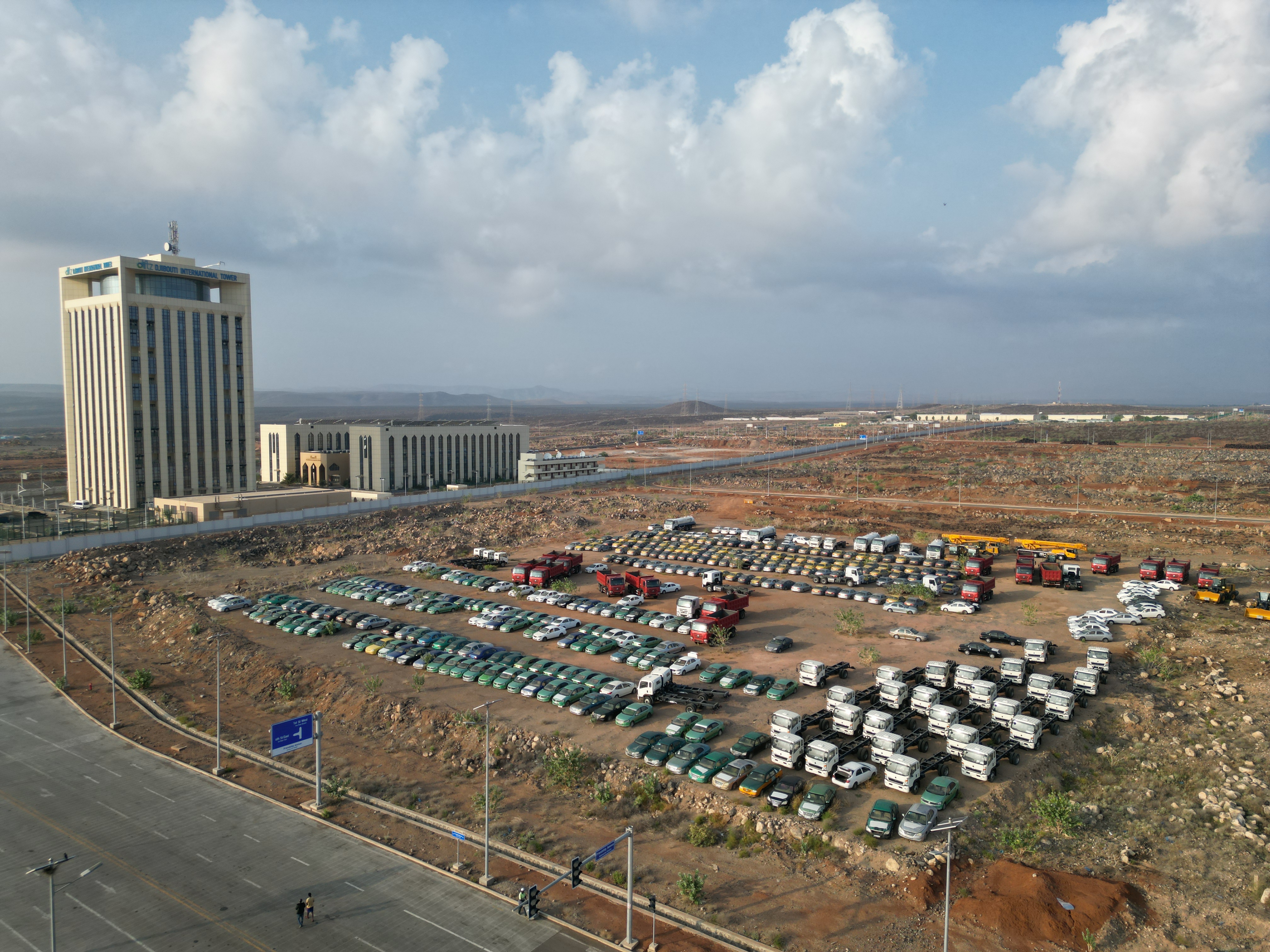
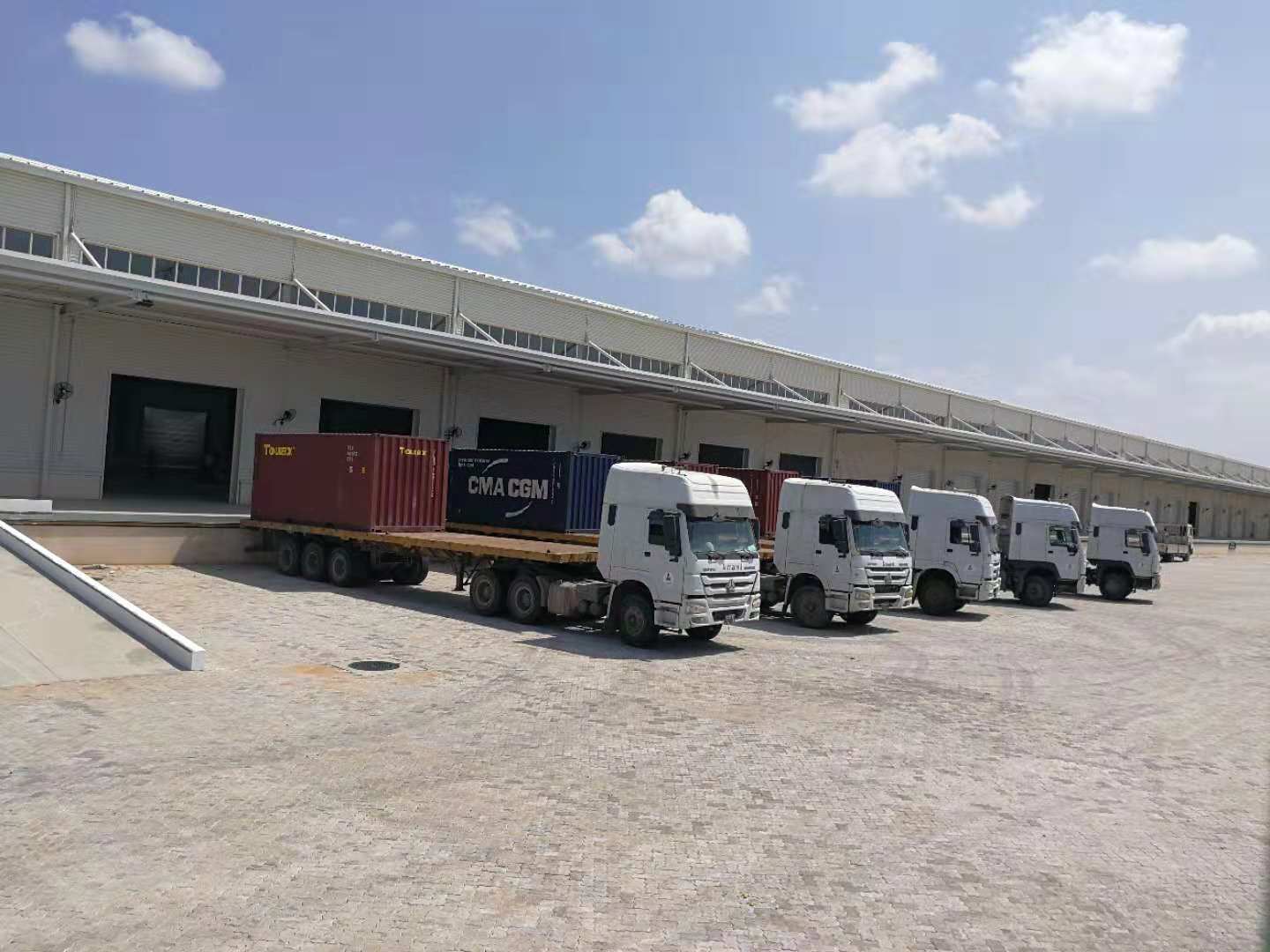
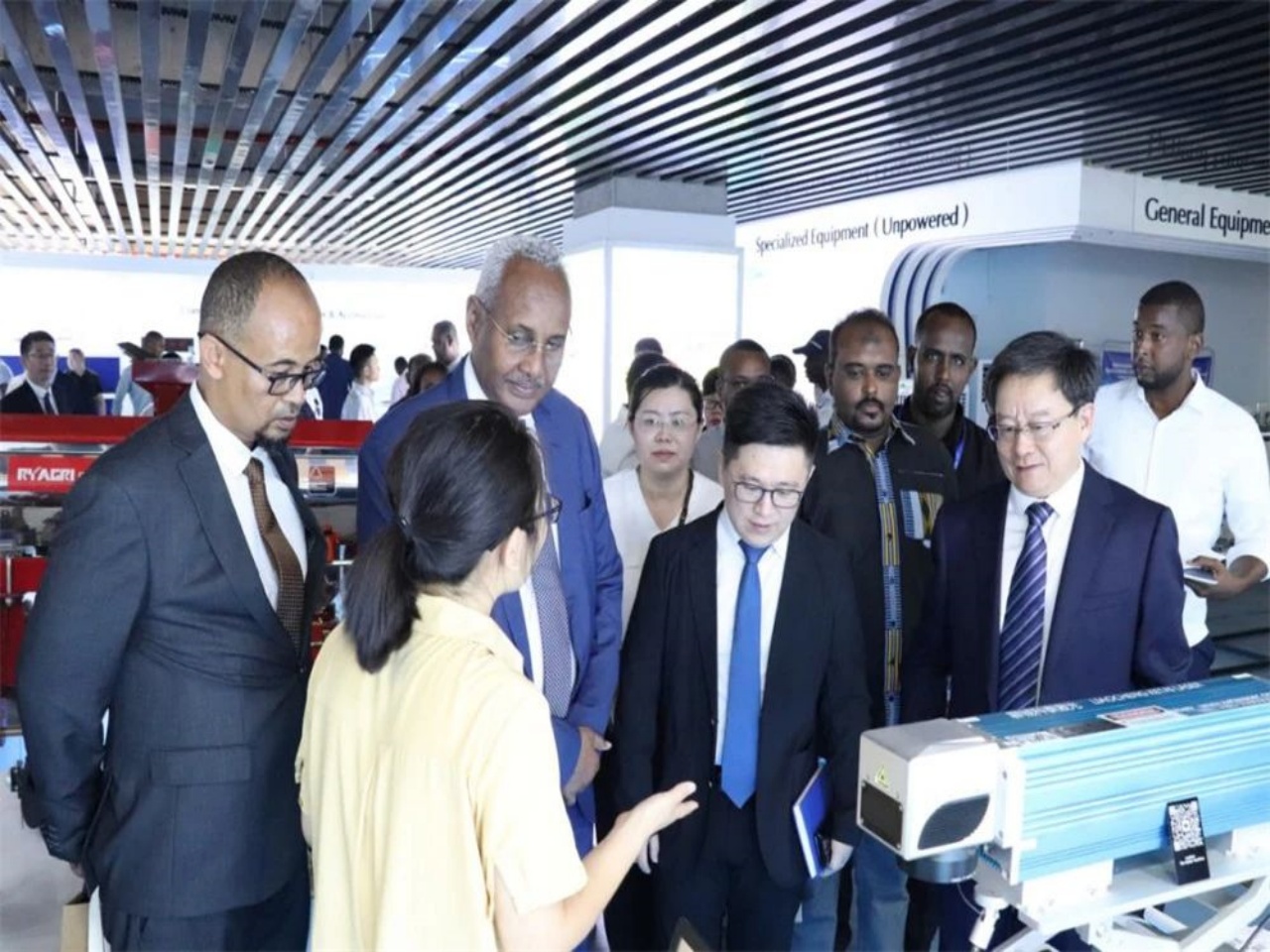
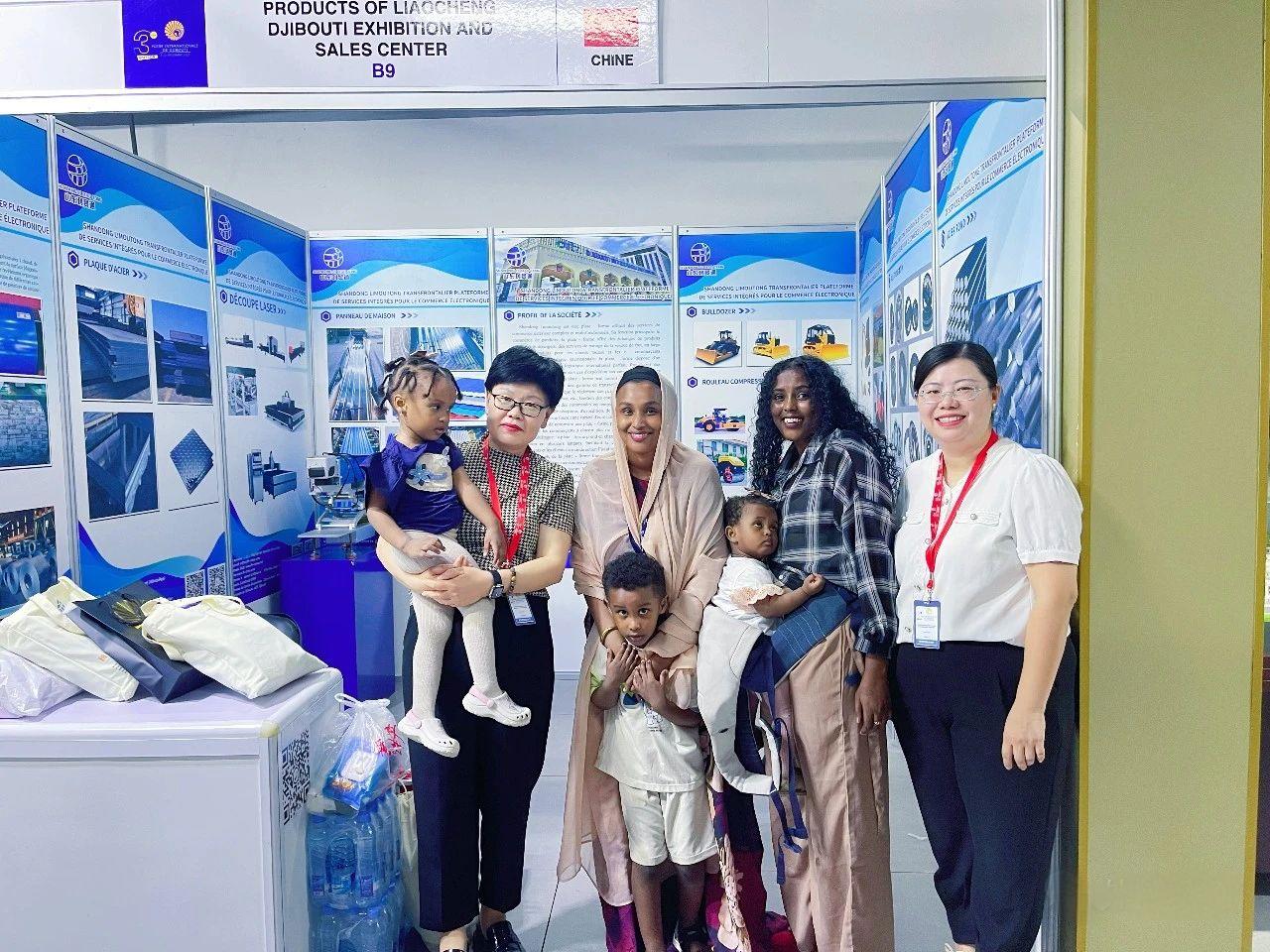
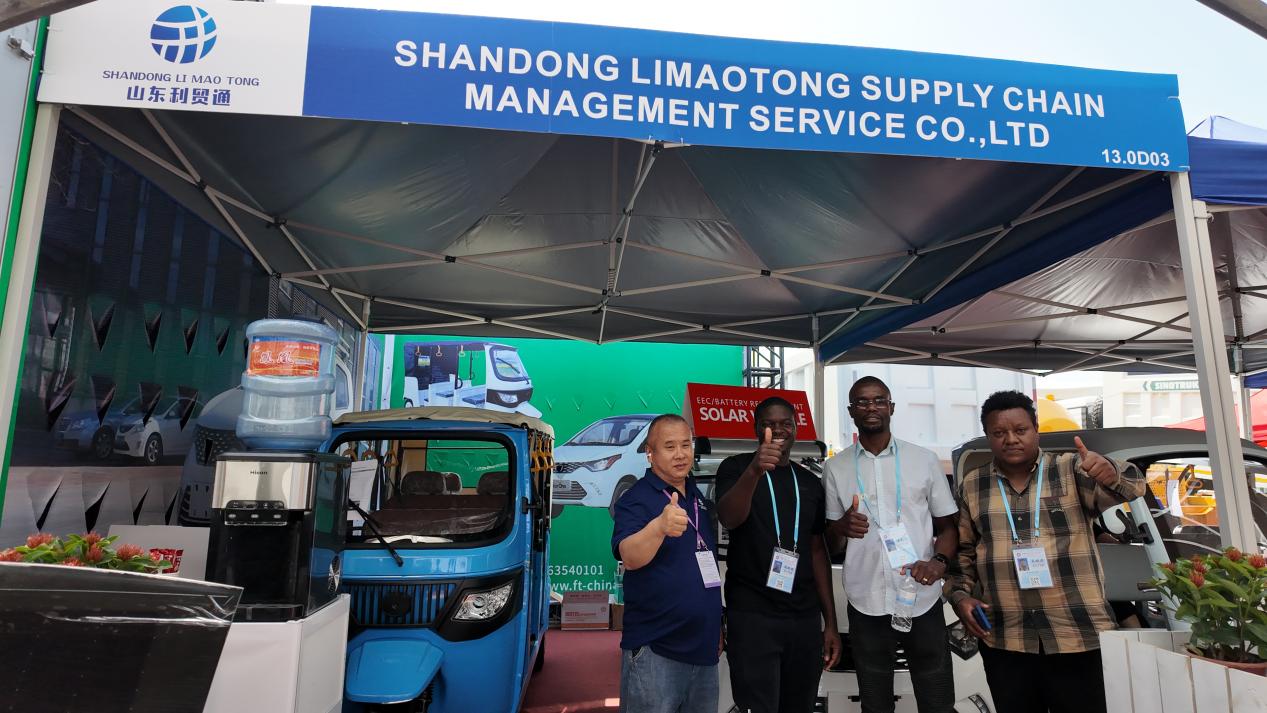
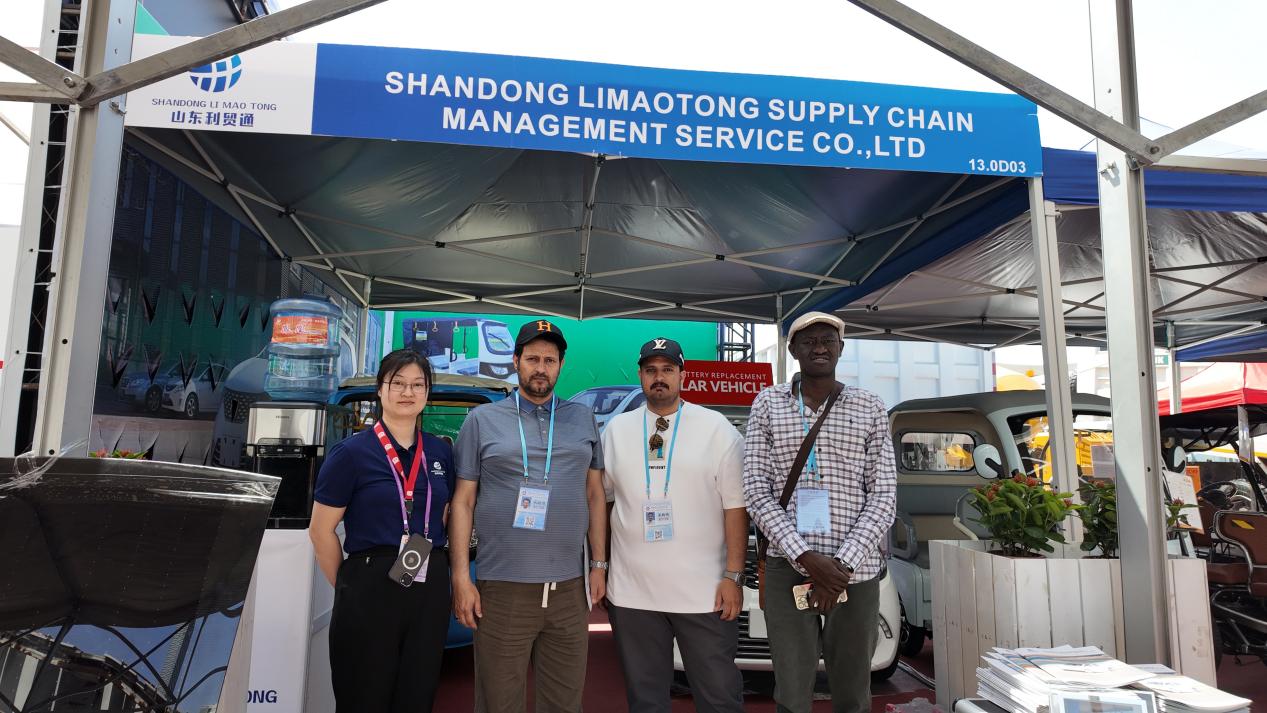
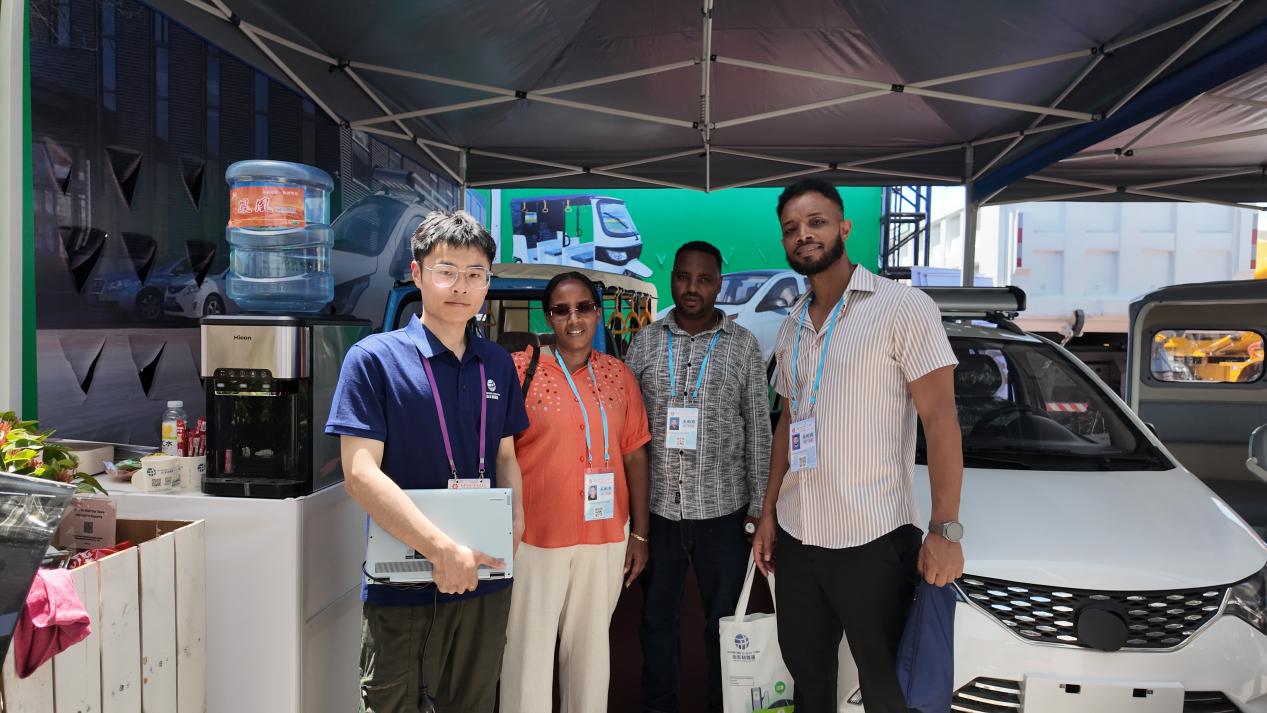
Established in 2023 inside the Djibouti International Free Trade Zone, the Cross-border E-commerce Exhibition and Sales Center operates as a one-stop logistics platform for East Africa. Managed in tandem with local specialists, this facility offers international buyers complete support across sales, customs clearance, transit storage, and technical after-sales servicing.
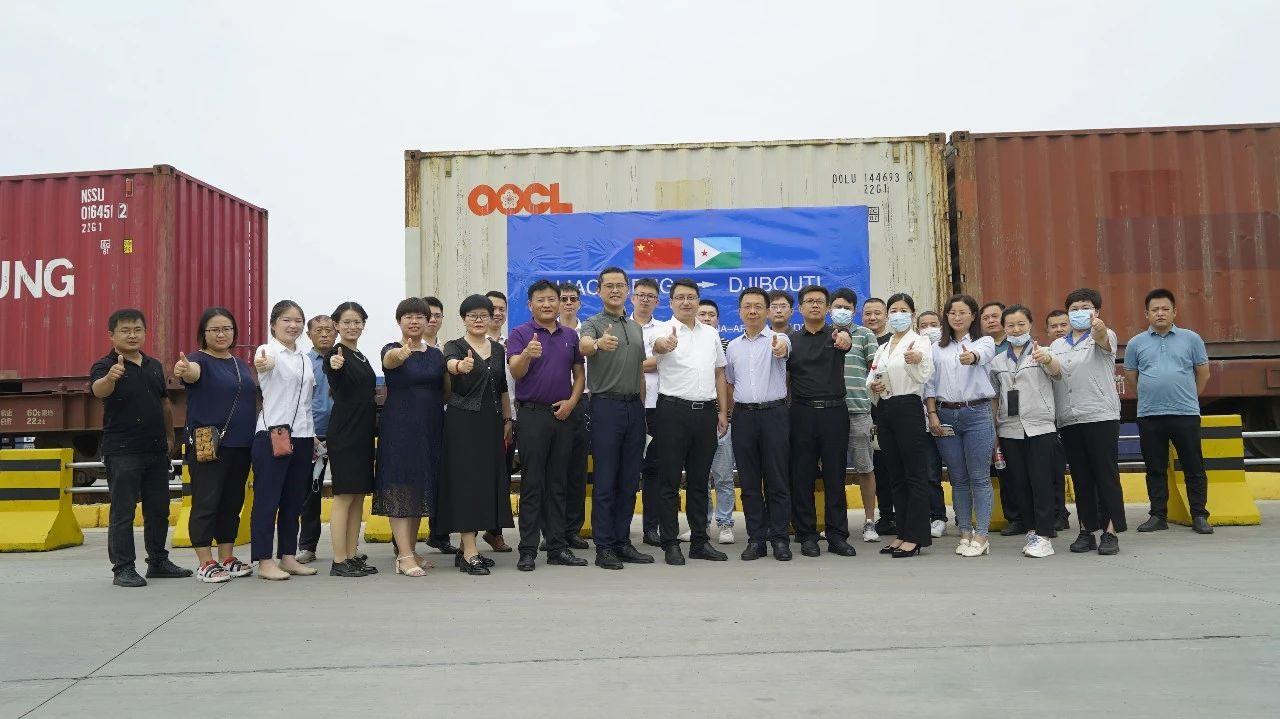
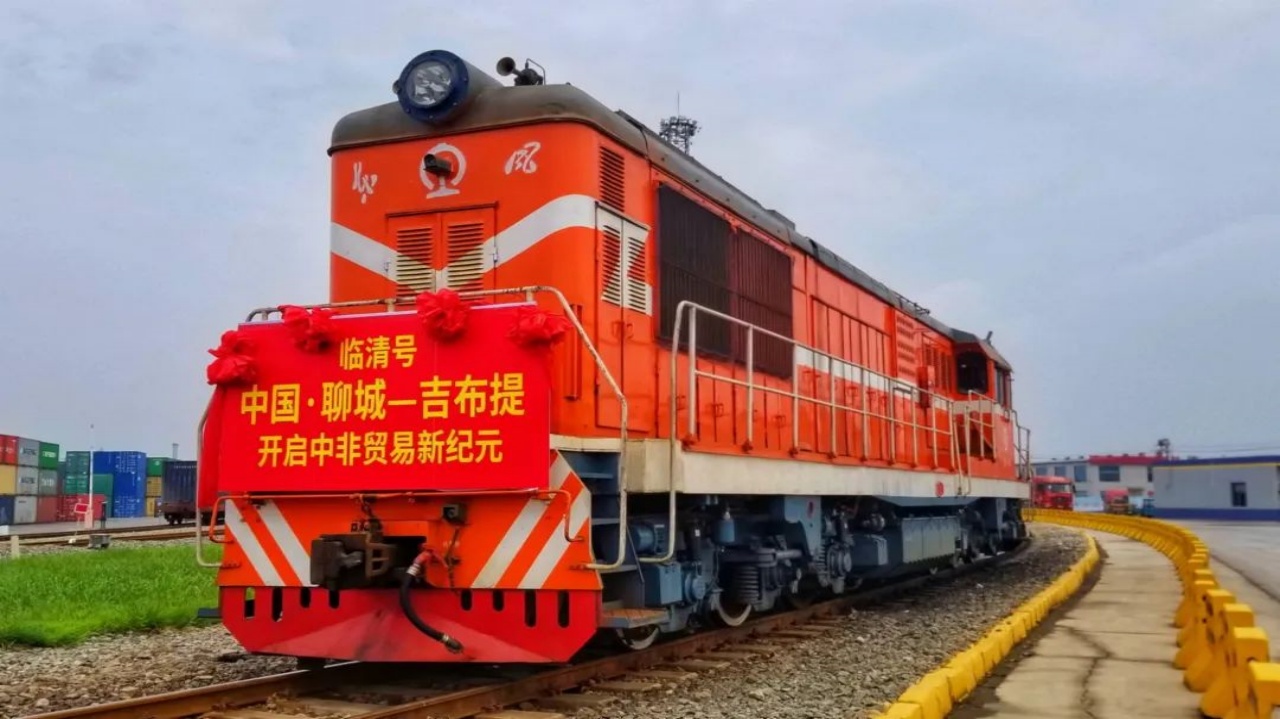
Utilizing a front-end warehouse model paired with localized distribution networks, Shandong Li Mao Tong Group connects Chinese EV engineering with African markets. This hub ensures rapid spare part distribution, reducing transit downtime and improving vehicle uptime across agricultural, transport, and last-mile retail distribution networks.
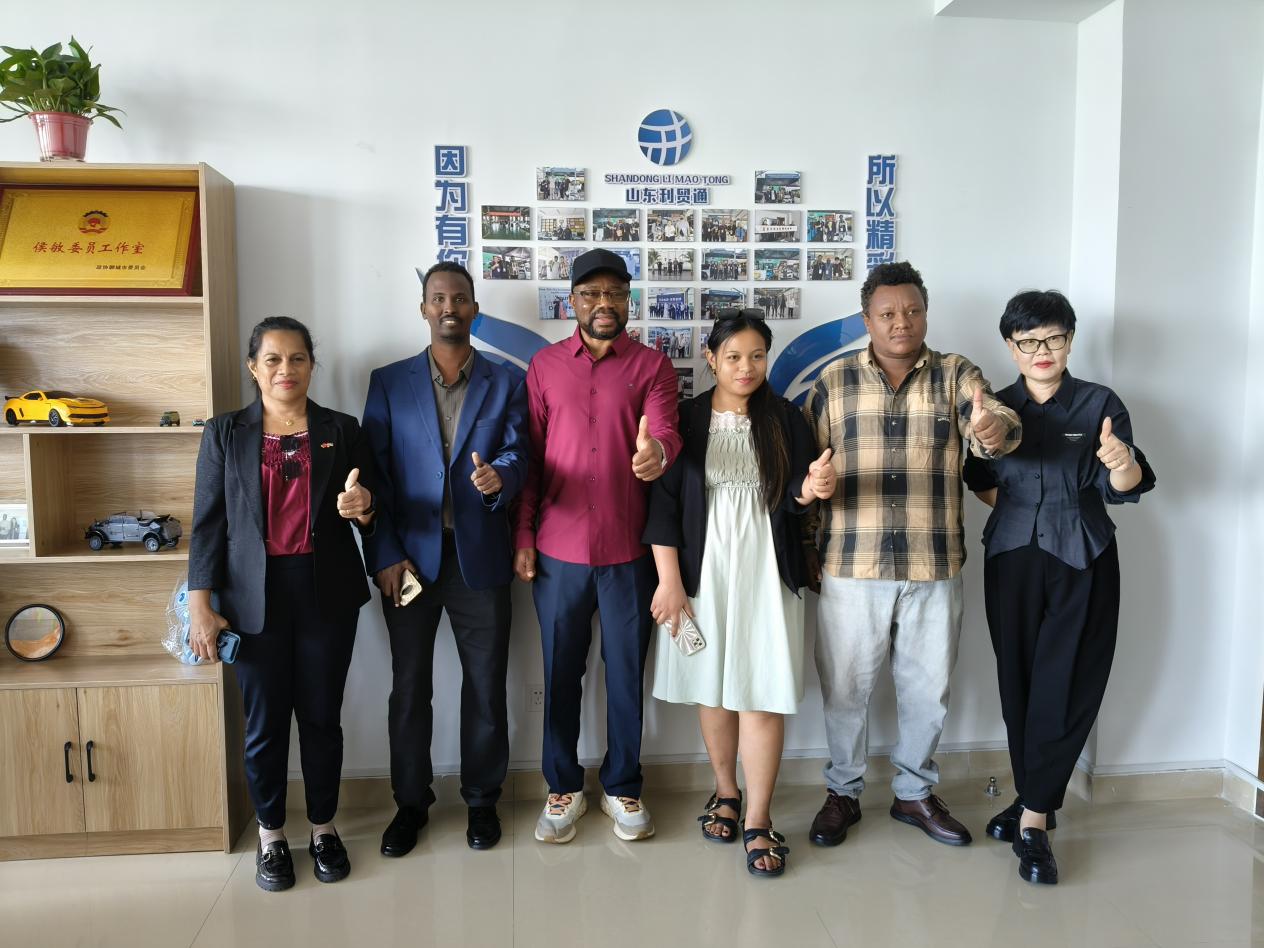
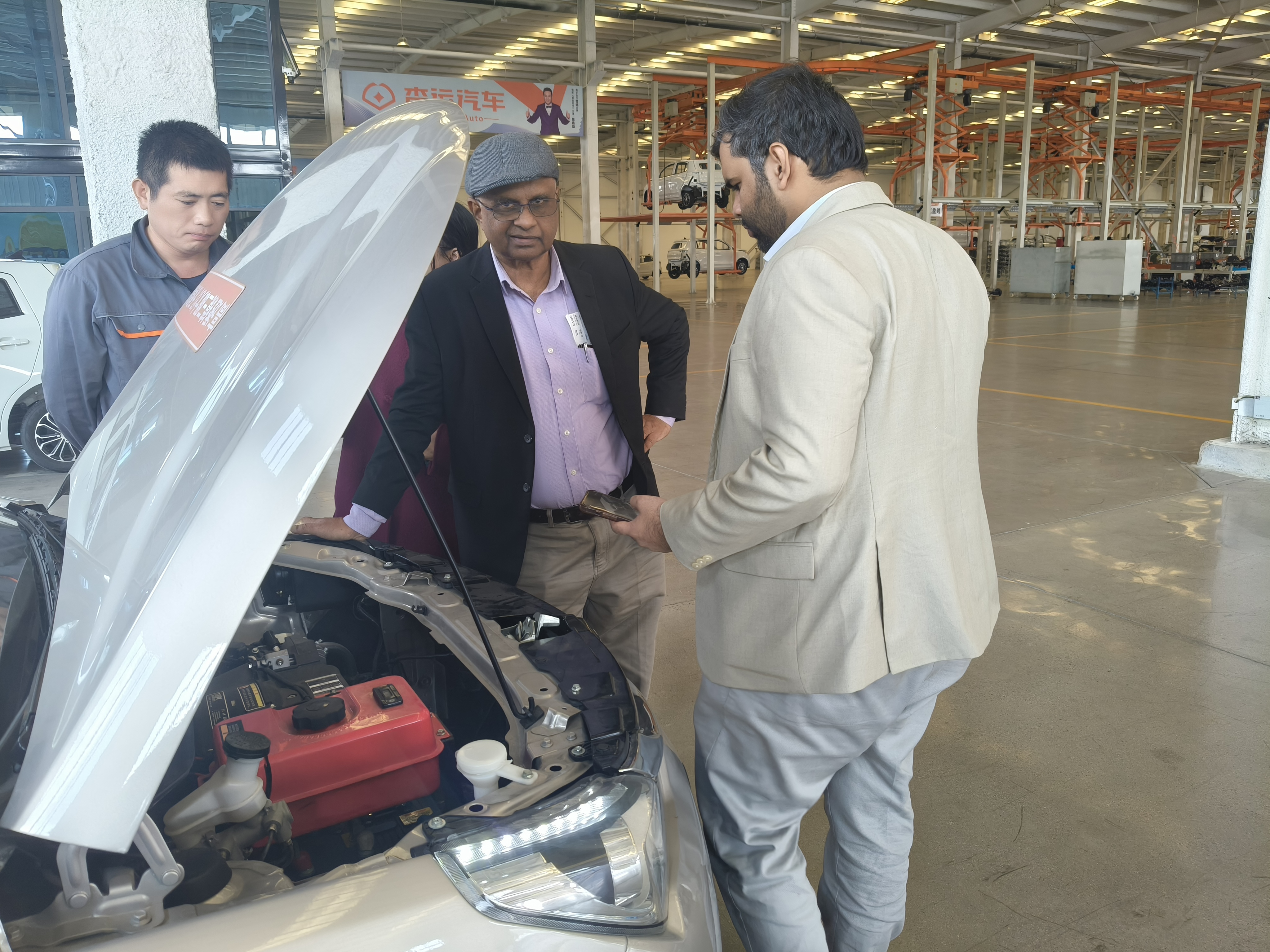
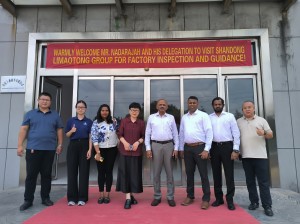
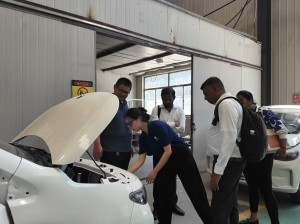
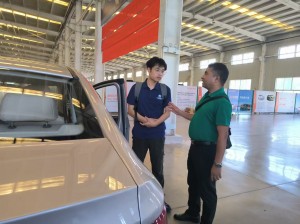
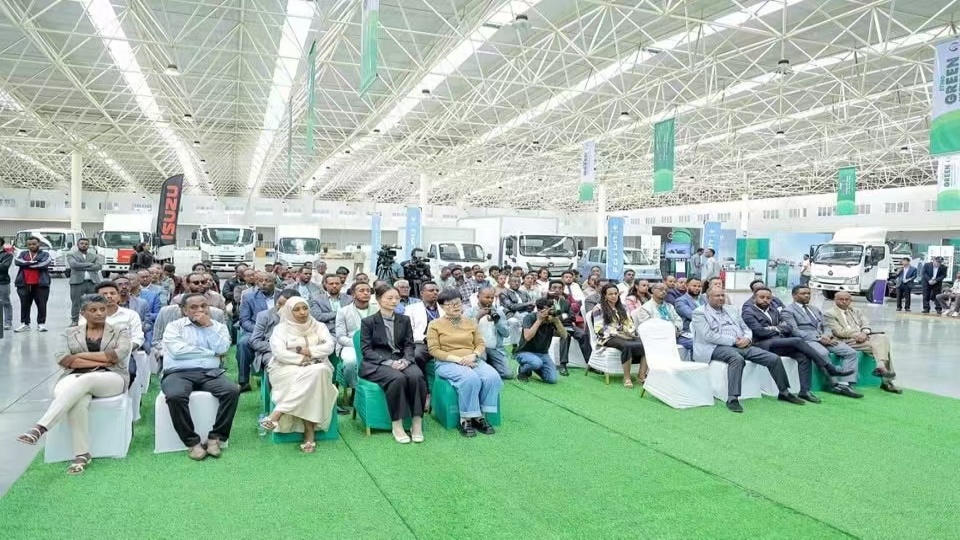
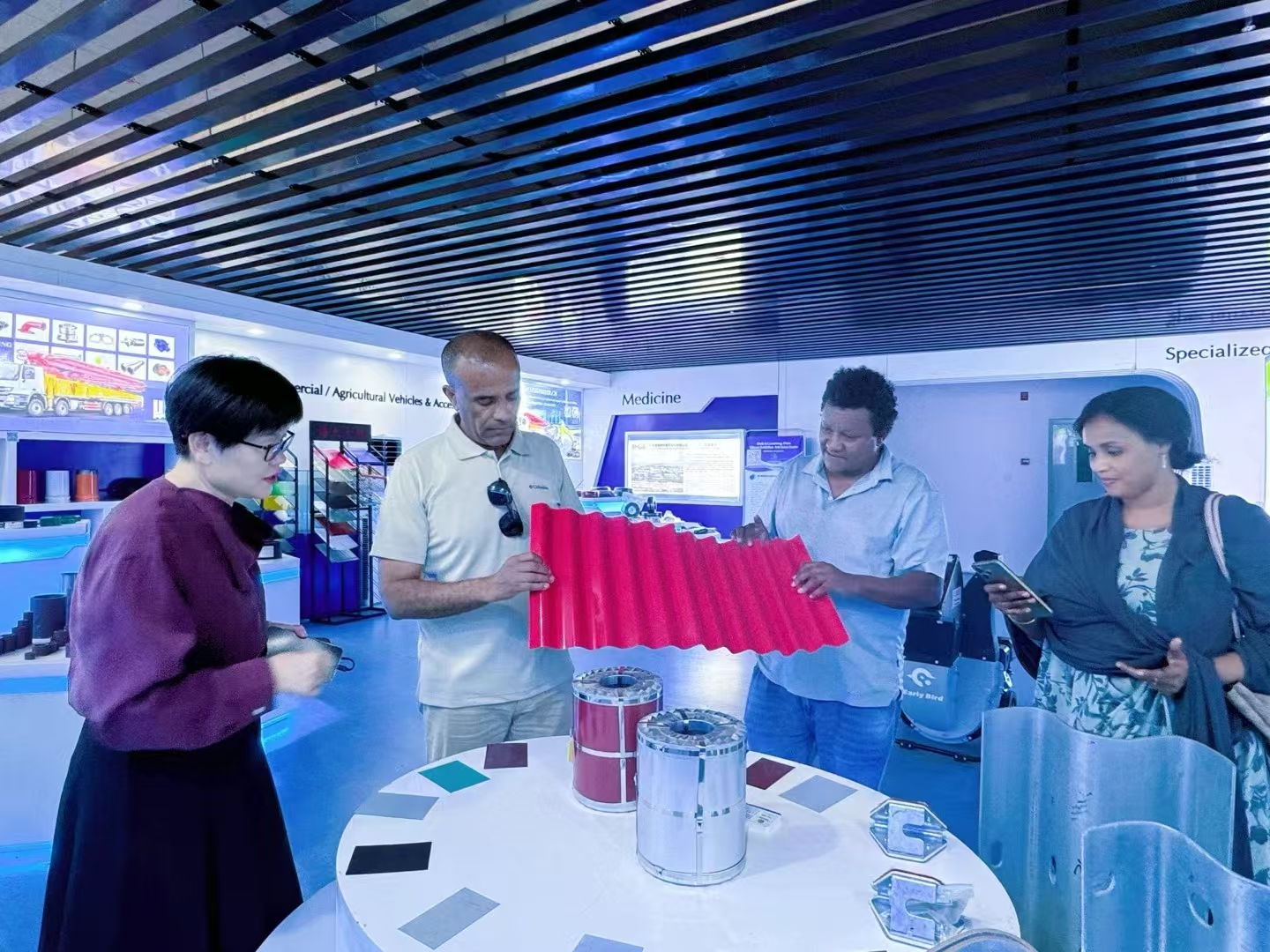
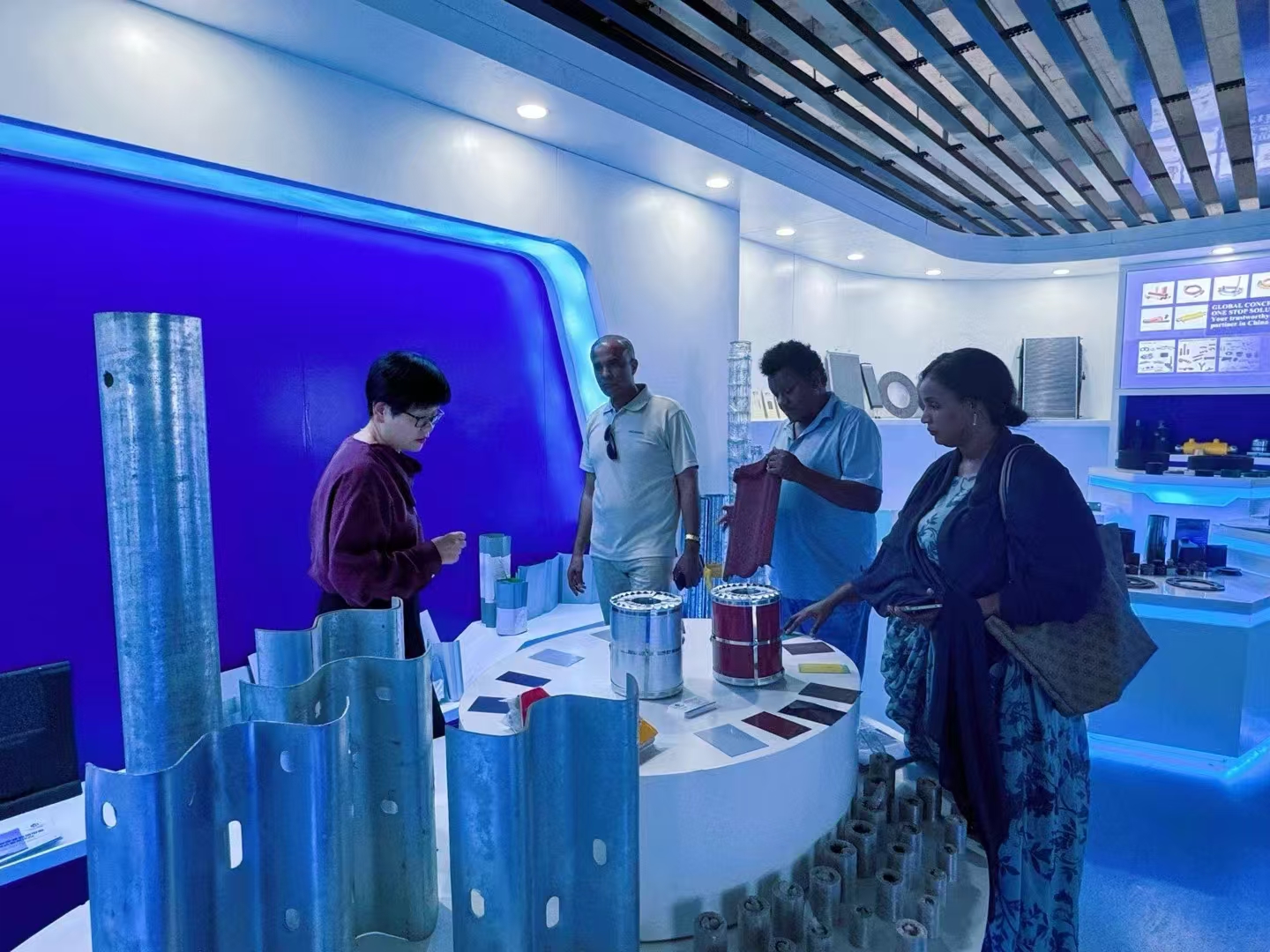
Global trust is earned through transparency. We routinely open our facilities to international delegations, logistics operators, and regulatory agencies. These evaluations cover battery safety thresholds, structure-bearing analysis under maximum loads, and electrical system diagnostics.

Municipal zones and shipping entities are prioritizing emission-free last-mile delivery services. Standard delivery vans face access restrictions in high-density corridors. Our heavy-duty electric cargo tricycles, with payloads of up to 1.5 tons, offer an efficient alternative, reducing operations costs and environmental impact.
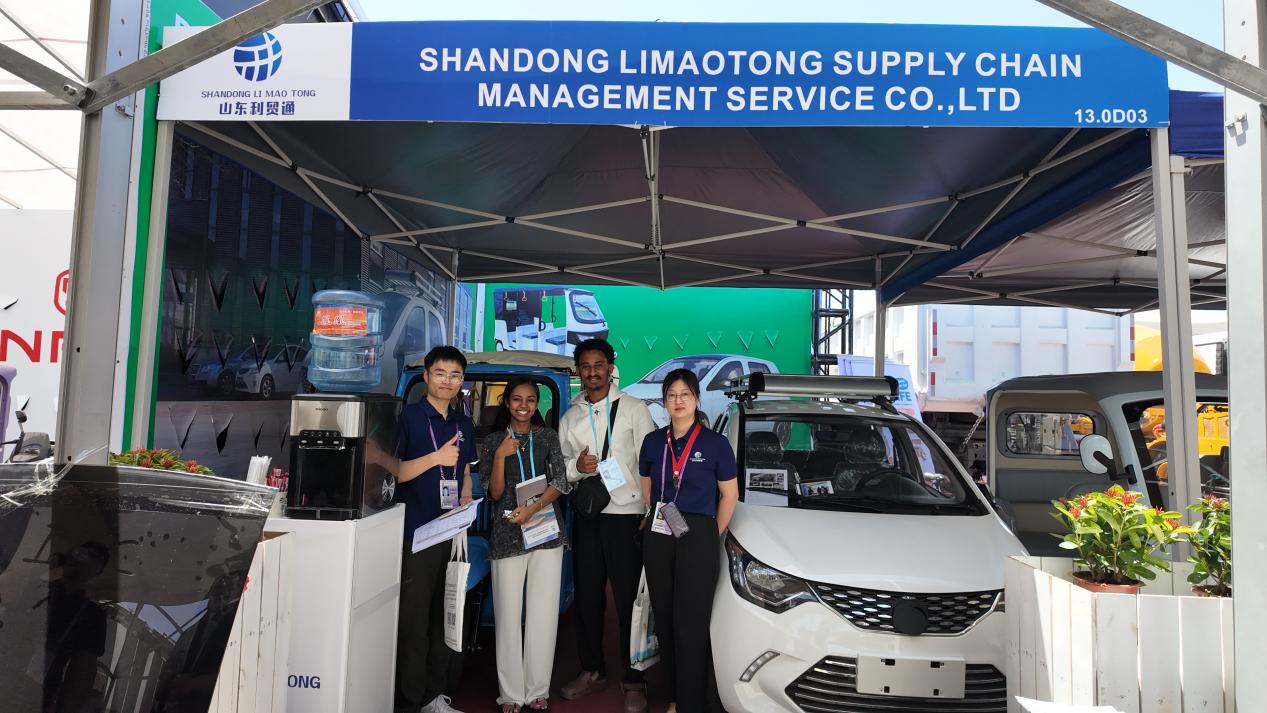
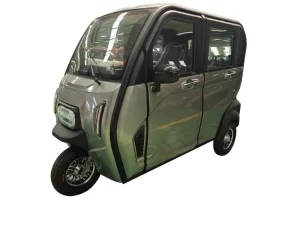
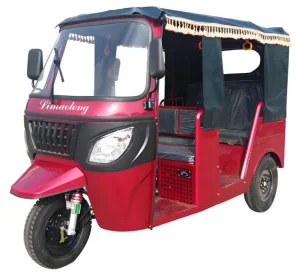
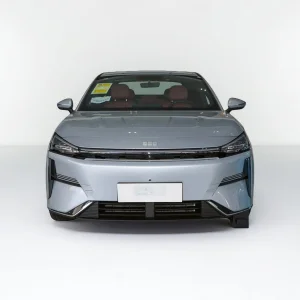
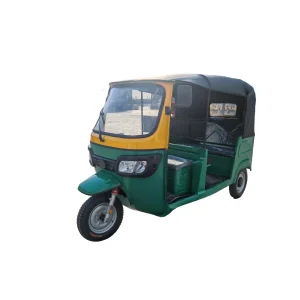
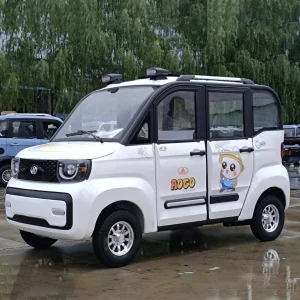
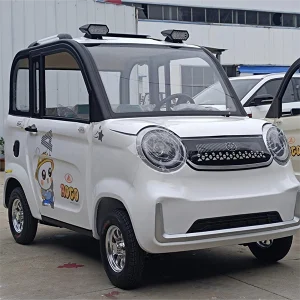
Developing transport hubs benefit from modular passenger fleets. Enclosed electric tuk-tuks, passenger tricycles, and compact urban cars provide reliable public transport options. Equipped with weatherproof frames, ergonomic seating, and optimized battery integration, these systems improve urban mobility dynamics.


 Limaotong