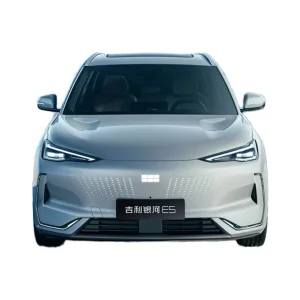
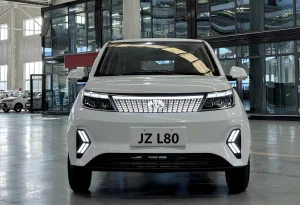
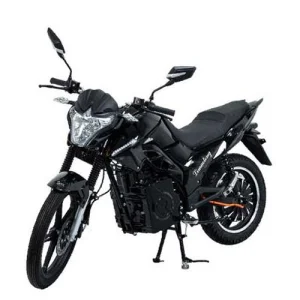
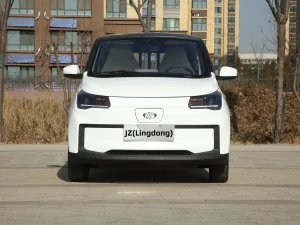
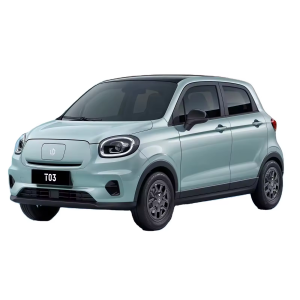
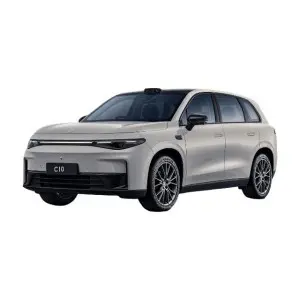
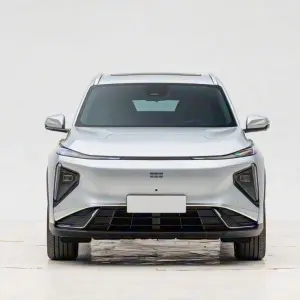
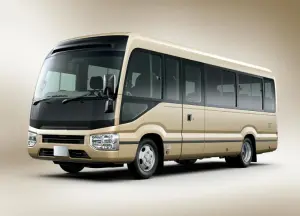
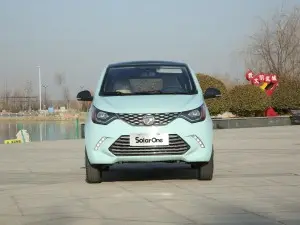
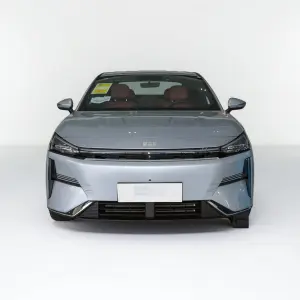
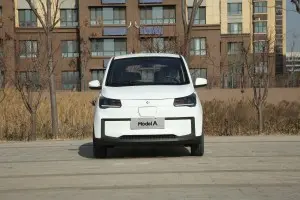
Advanced high-capacity personal mobility and transit vehicles configured to cross-border quality frameworks.
Insights into structural scaling, battery integrations, supply chains, and environmental resilience.
China’s leadership in the New Energy Vehicle (NEV) sector stems from decades of infrastructure integration. By streamlining battery chemistry, traction motor manufacturing, and lightweight structural steel engineering into unified regional hubs, manufacturers like Shandong Li Mao Tong Group have achieved vertical manufacturing excellence. This integrated layout eliminates transit latency for critical parts, permitting rapid scaling from CAD blueprints to assembly line production. The result is a robust, cost-effective pricing structure that doesn’t compromise structural integrity.
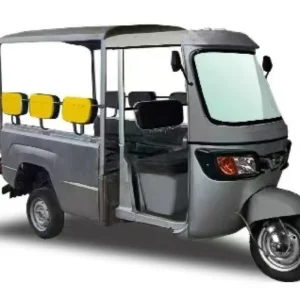
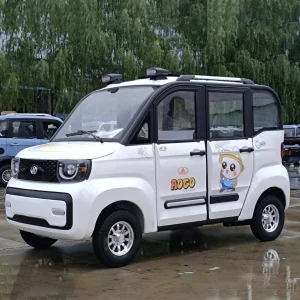
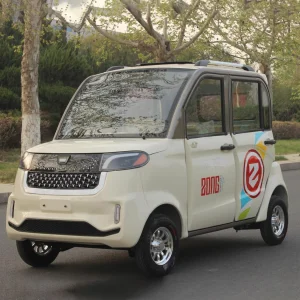
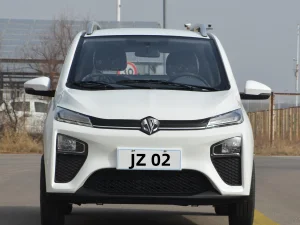
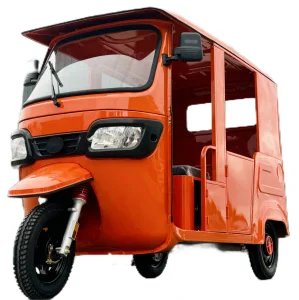
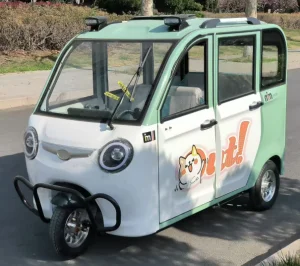
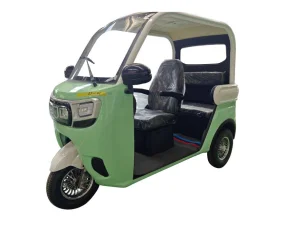
Global macro trends highlight that municipal governments and B2B corporate buyers are moving away from traditional internal combustion engine fleets. In their place are modular multi-purpose utility platforms, such as enclosed cargo tricycles and micro-cars, designed specifically for congested urban environments and last-mile delivery tasks.
The EV engineering paradigm focuses heavily on energy density, charging lifecycle, and low-temperature durability. Current models emphasize Lithium Iron Phosphate (LFP) chemistry because of its superior safety profile and resilience against thermal runaway. Integrated BMS (Battery Management Systems) are standard, offering real-time diagnostic checks, balancing algorithms, and protective current shutoffs.
For micro-mobility and tricycle platforms, integrating solar auxiliary panels directly into the roof structure is a growing trend. This solution provides continuous trickle charging, increasing the operating range by 15% to 20% in high-solar regions. Future development focuses on solid-state battery technology to minimize pack weight and charging times, making long-distance transport more practical.
For international procurement directors, compliance with local vehicle standards is essential. In European markets, EEC (European Economic Community) certification and CoC (Certificate of Conformity) documentation are required to register micro-vehicles and tricycles. Our manufacturing lines use high-grade steel tubing, precision robotized welding, and automotive-grade anti-corrosive powder coatings to ensure compliance with global crash test profiles and environmental regulations.
We manage custom compliance packaging, complete documentation pipelines, and factory audits to ensure seamless import processes through major international ports, including Rotterdam, Mombasa, and Latin American transit points.
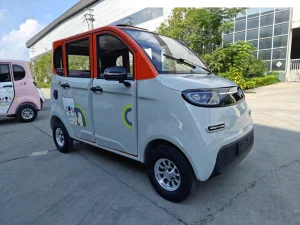
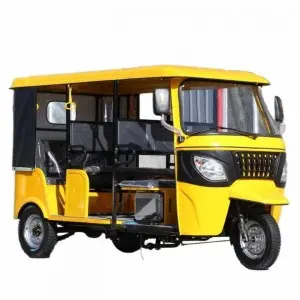
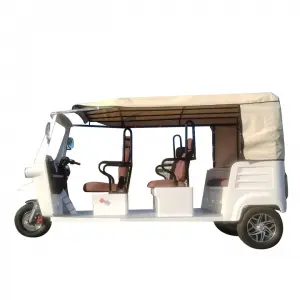
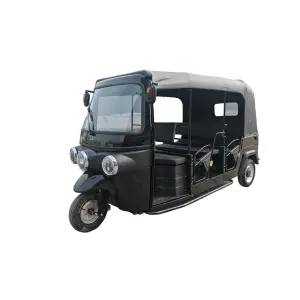
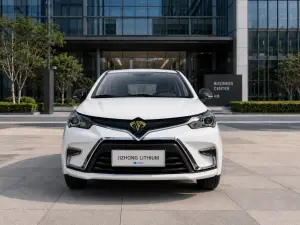
SHANDONG LI MAO TONG GROUP is a leading global supplier of high-quality electric vehicles, built on an integrated industrial chain. We specialize in the research, design, manufacture, and international sales of motorized tricycles, cargo tricycles, and electric micro-cars.
Since our founding, our vehicles have reached customers in over 120 countries and regions, earning the trust of more than 20 million households worldwide. With 8 overseas production bases, we provide efficient vehicle supply and customization to international markets.
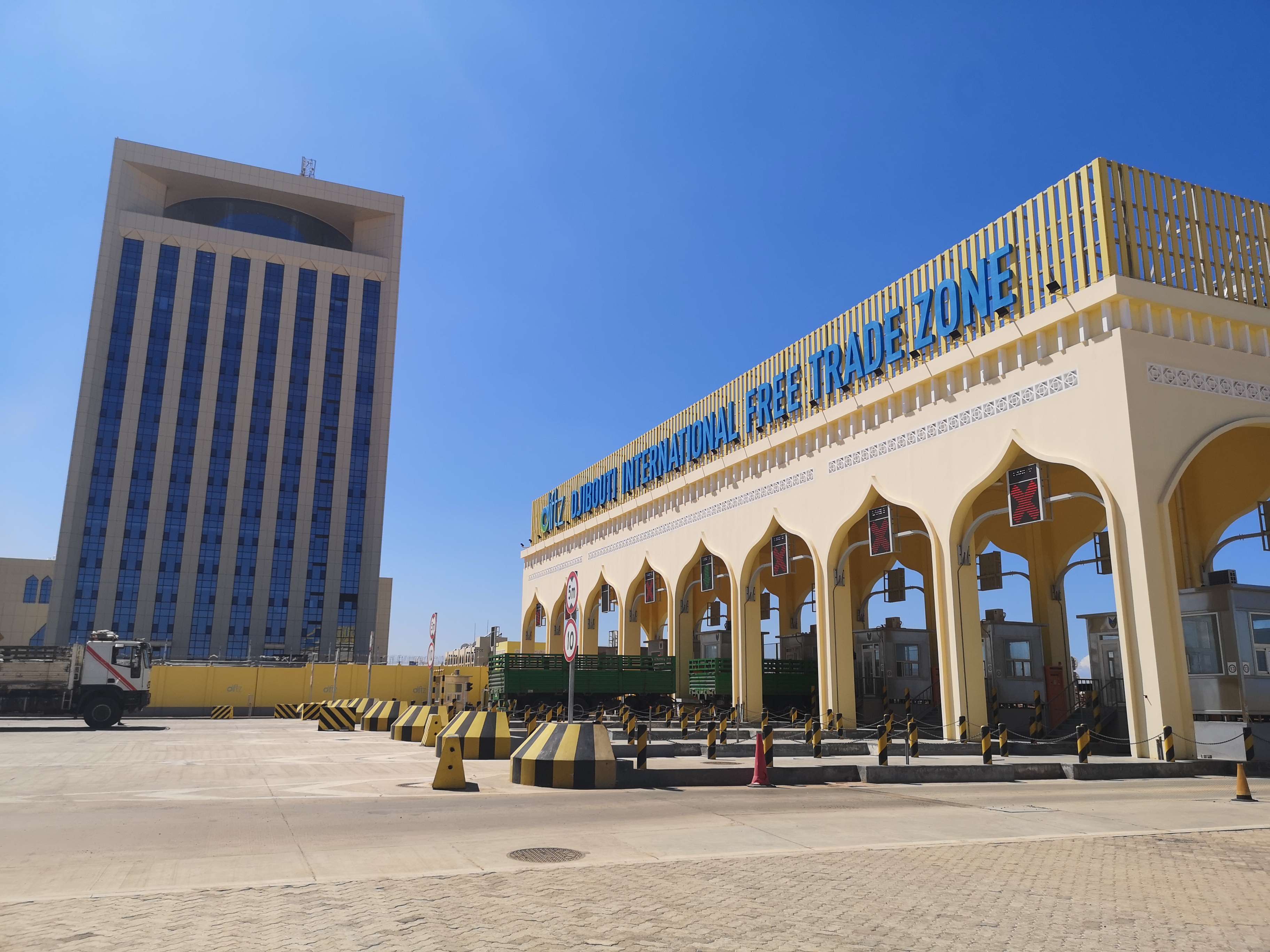
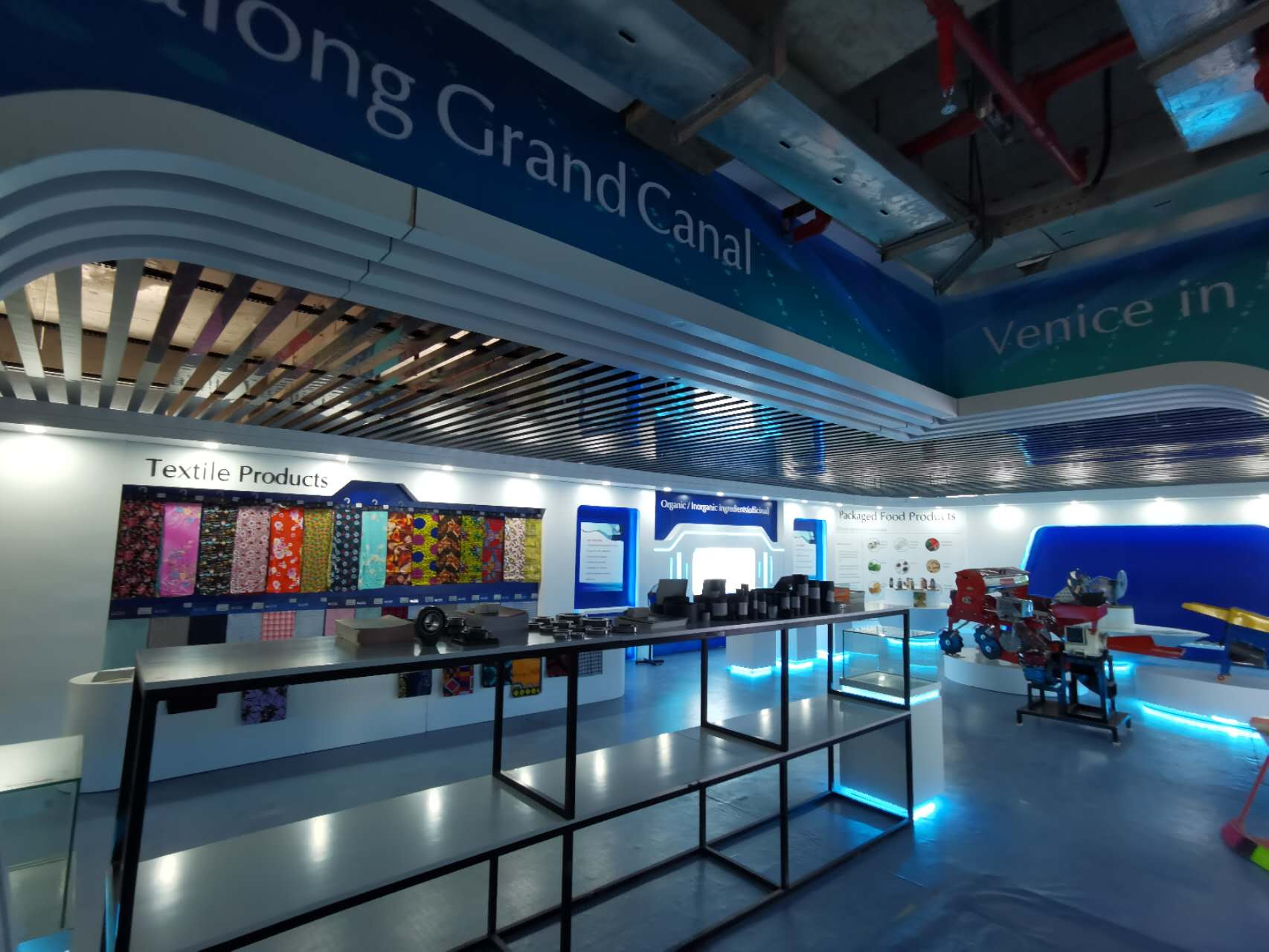
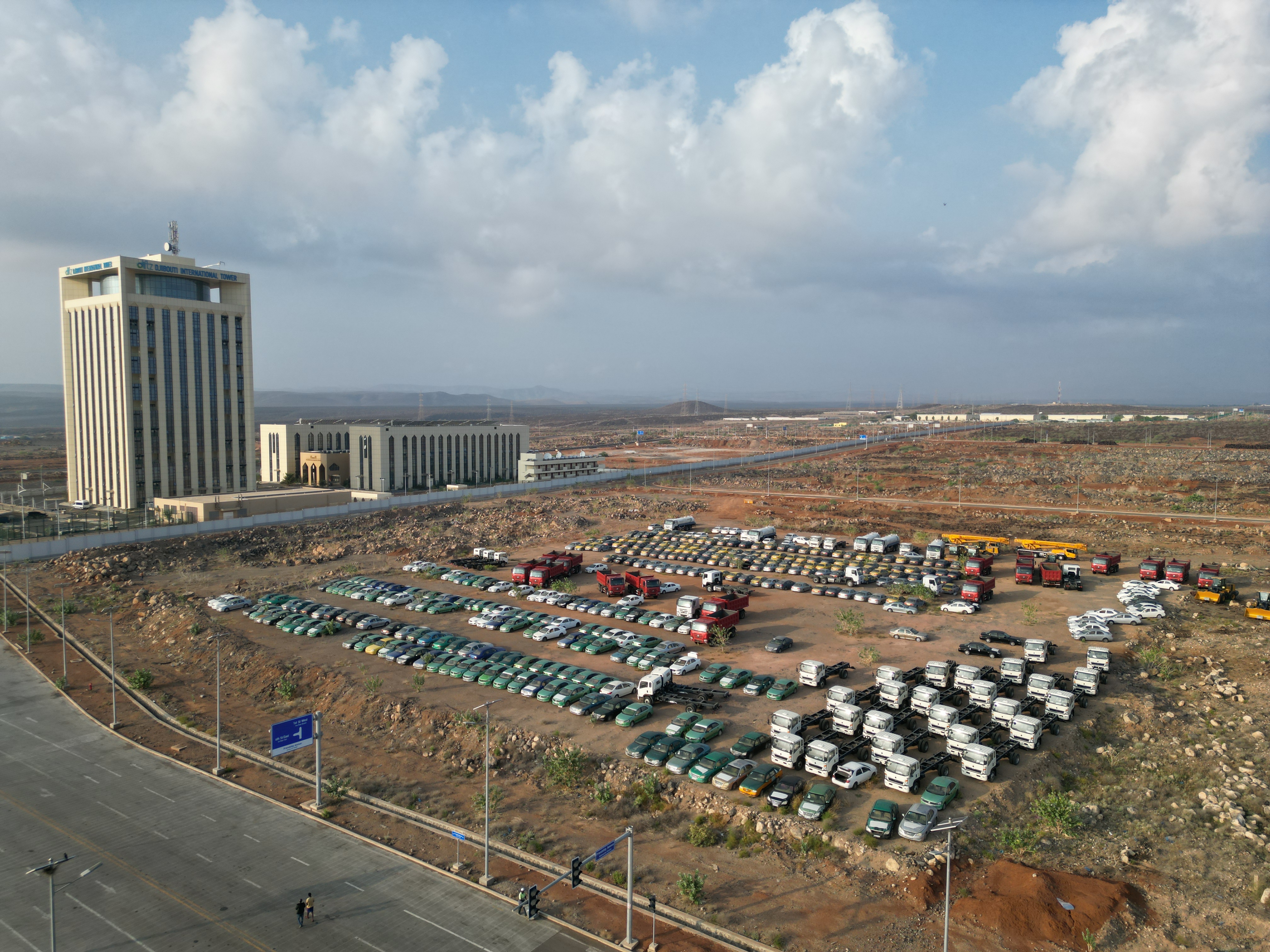
We prioritize comprehensive, responsive after-sales service. In 2023, we established our Djibouti (Overseas Warehouse) Cross-border E-commerce Exhibition and Sales Center in the East Africa International Free Trade Zone. Equipped with local customer service teams, diagnostic equipment, and spare parts inventories, we provide fast solutions for international distributors.
Why international fleet buyers select Li Mao Tong Group as their preferred manufacturing partner.
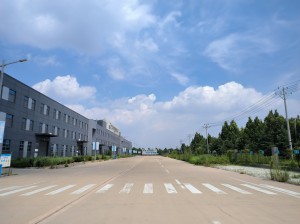
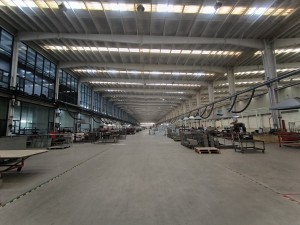
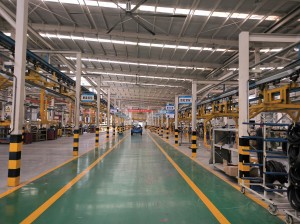
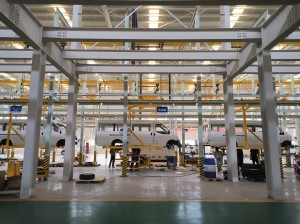
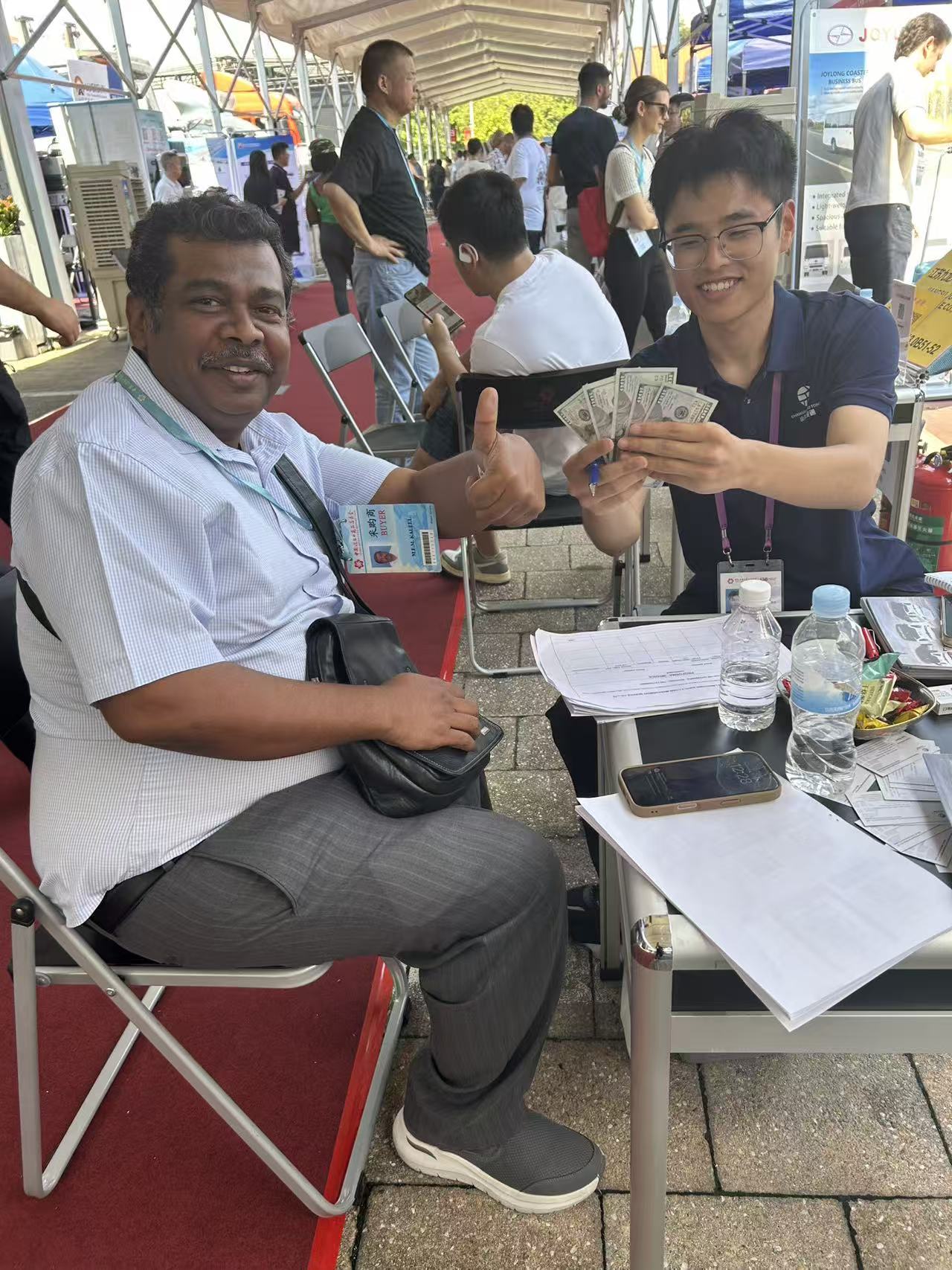
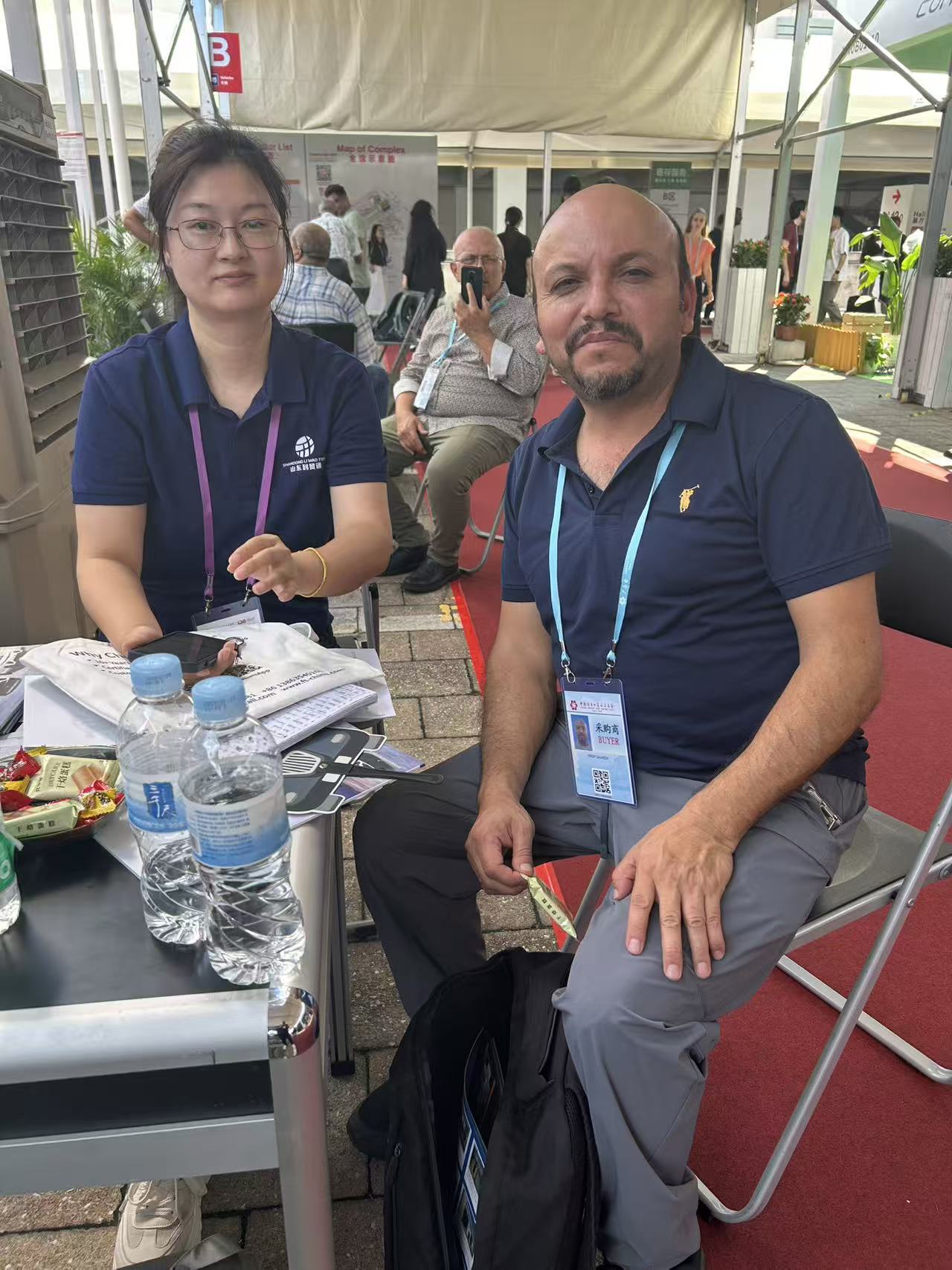
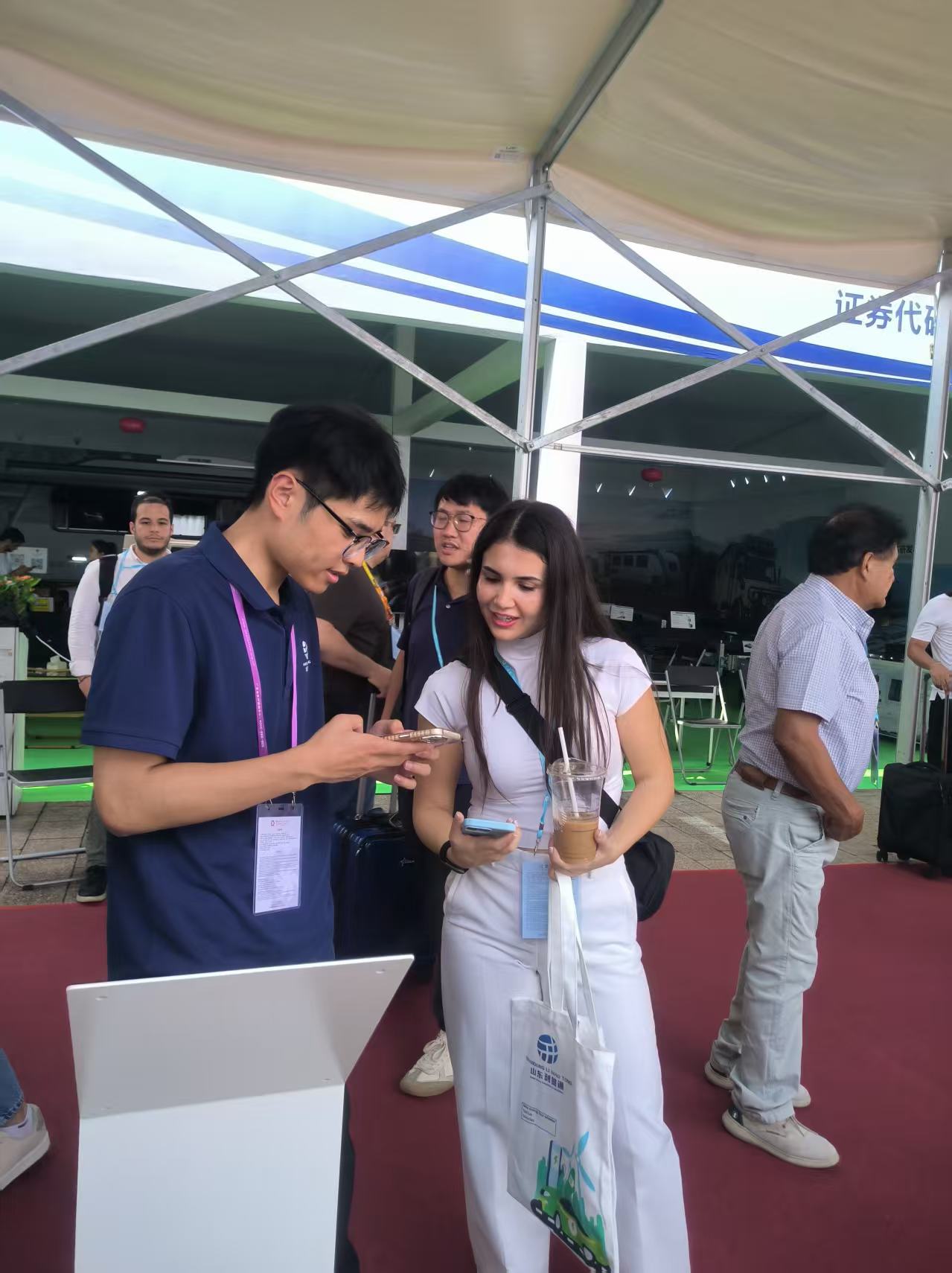
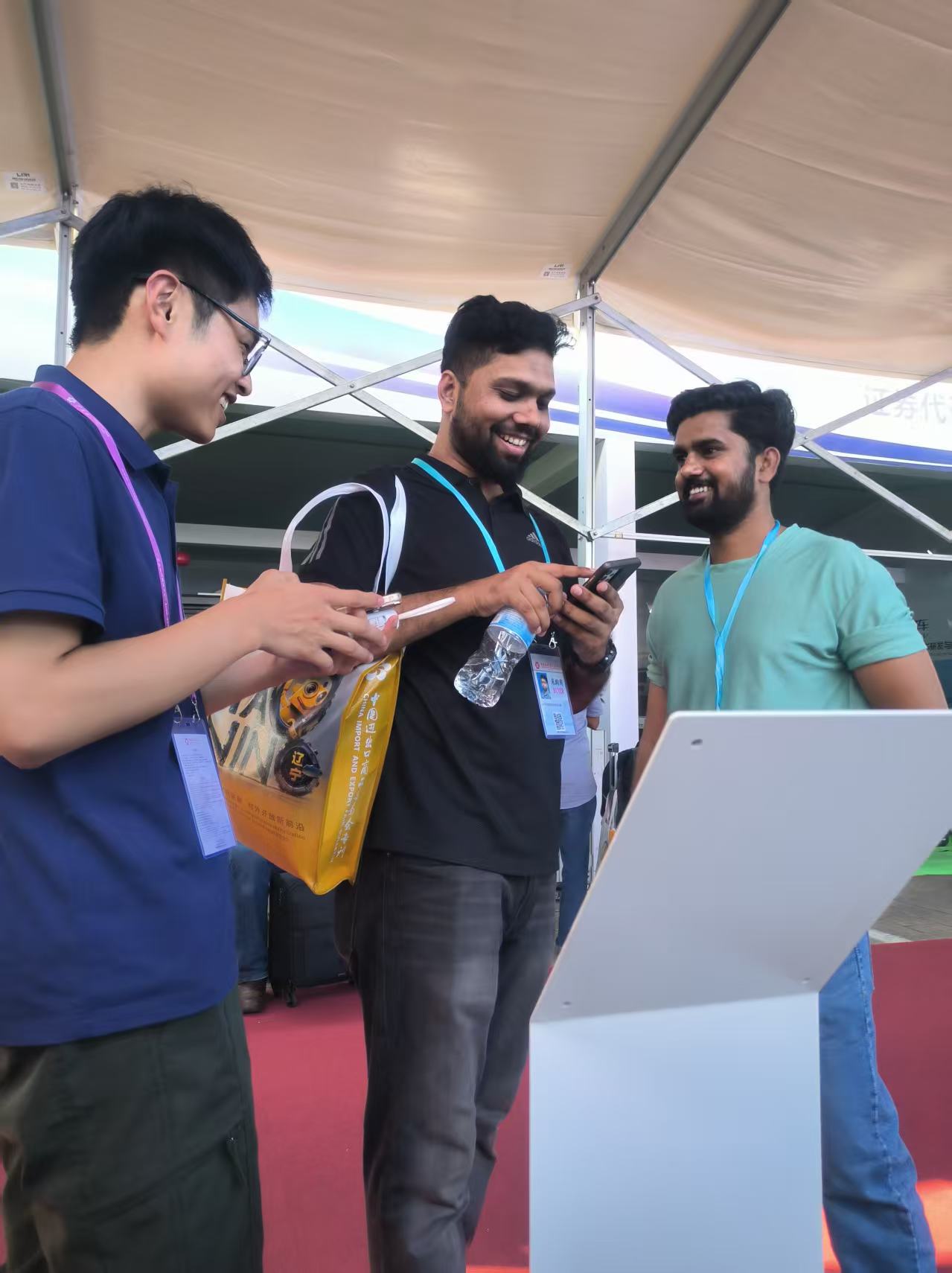
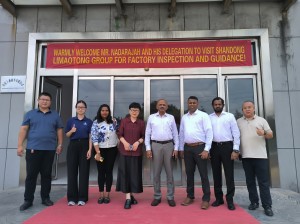
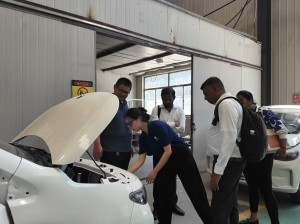
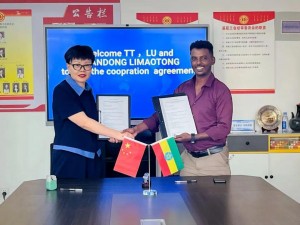
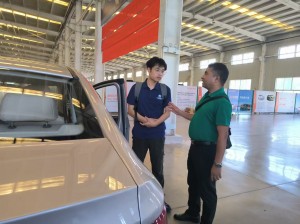
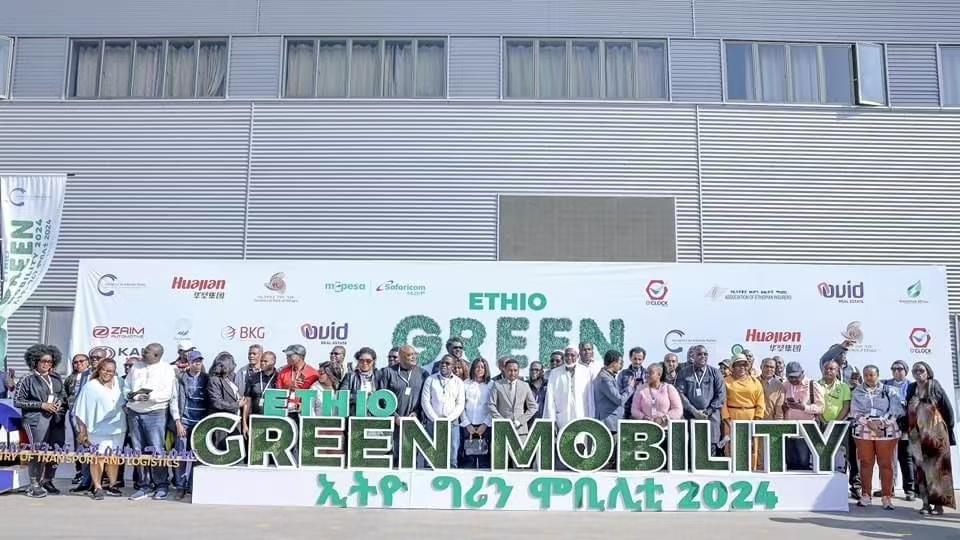
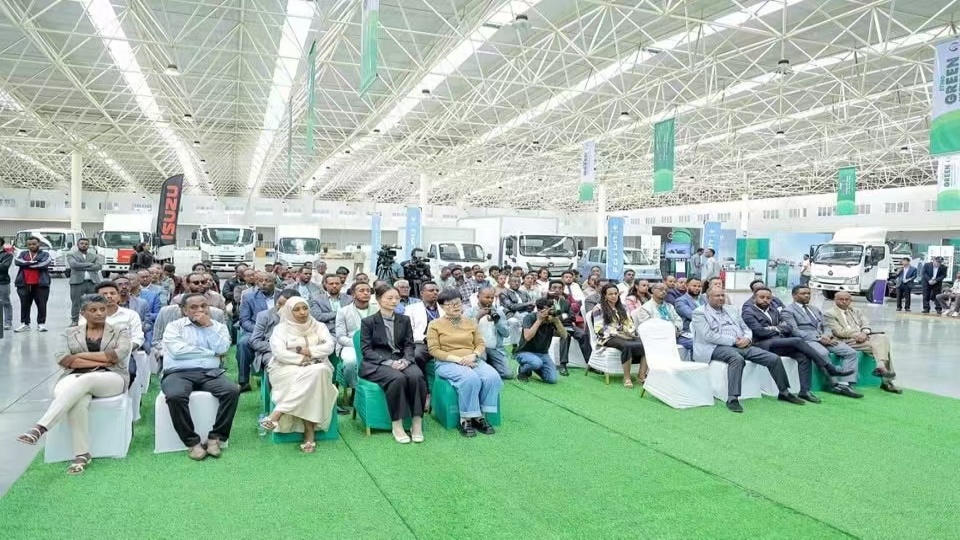
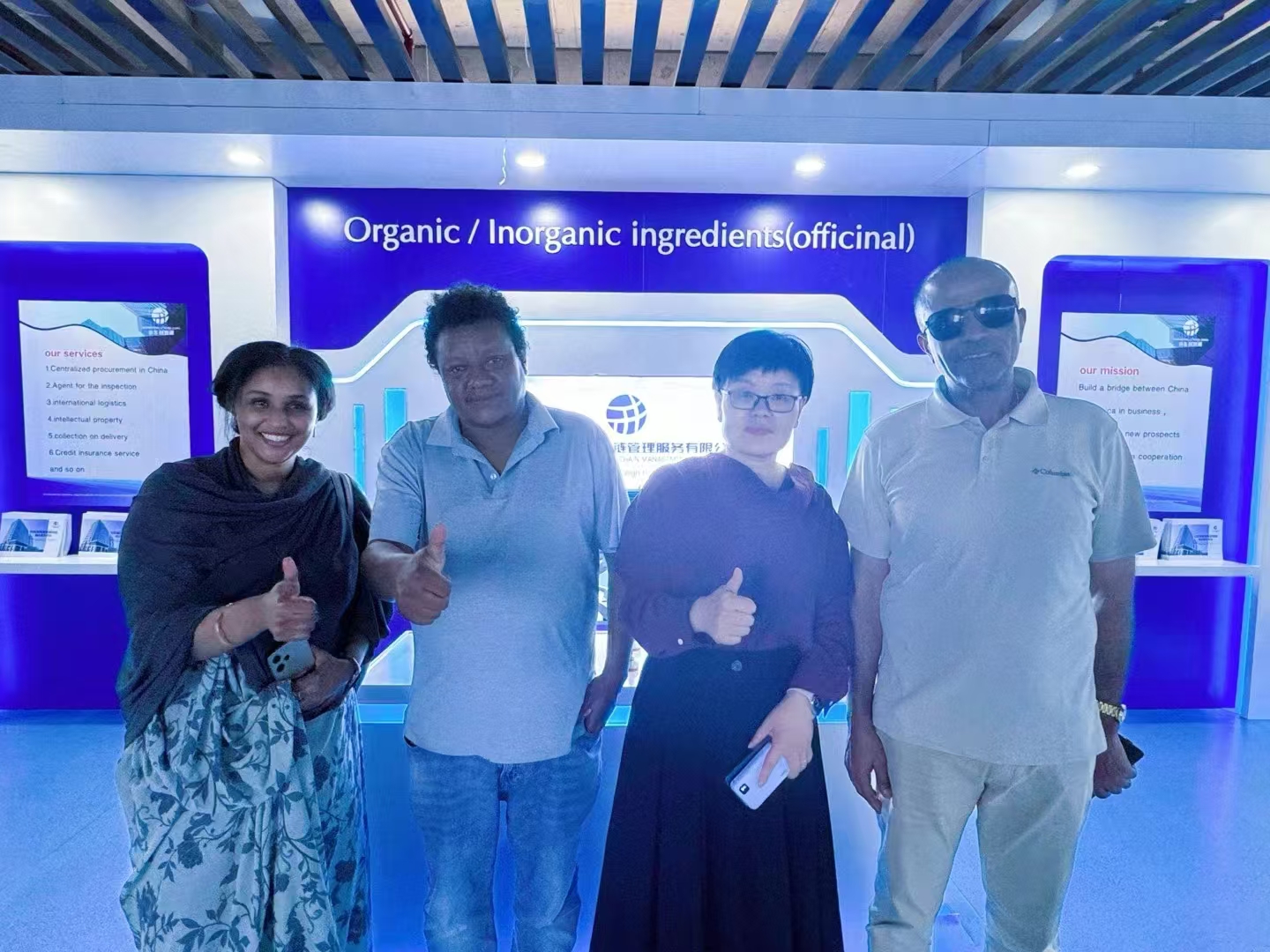
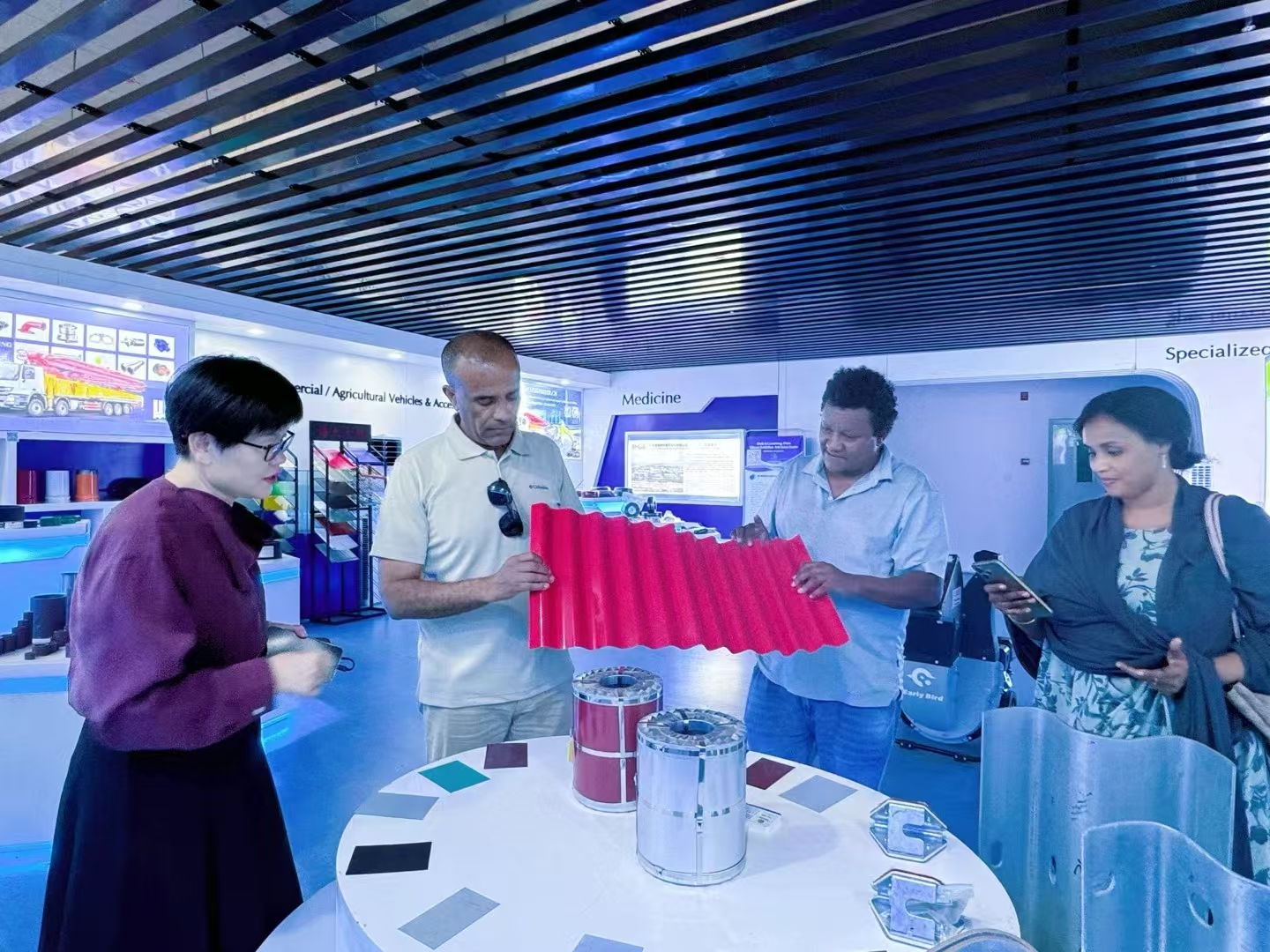
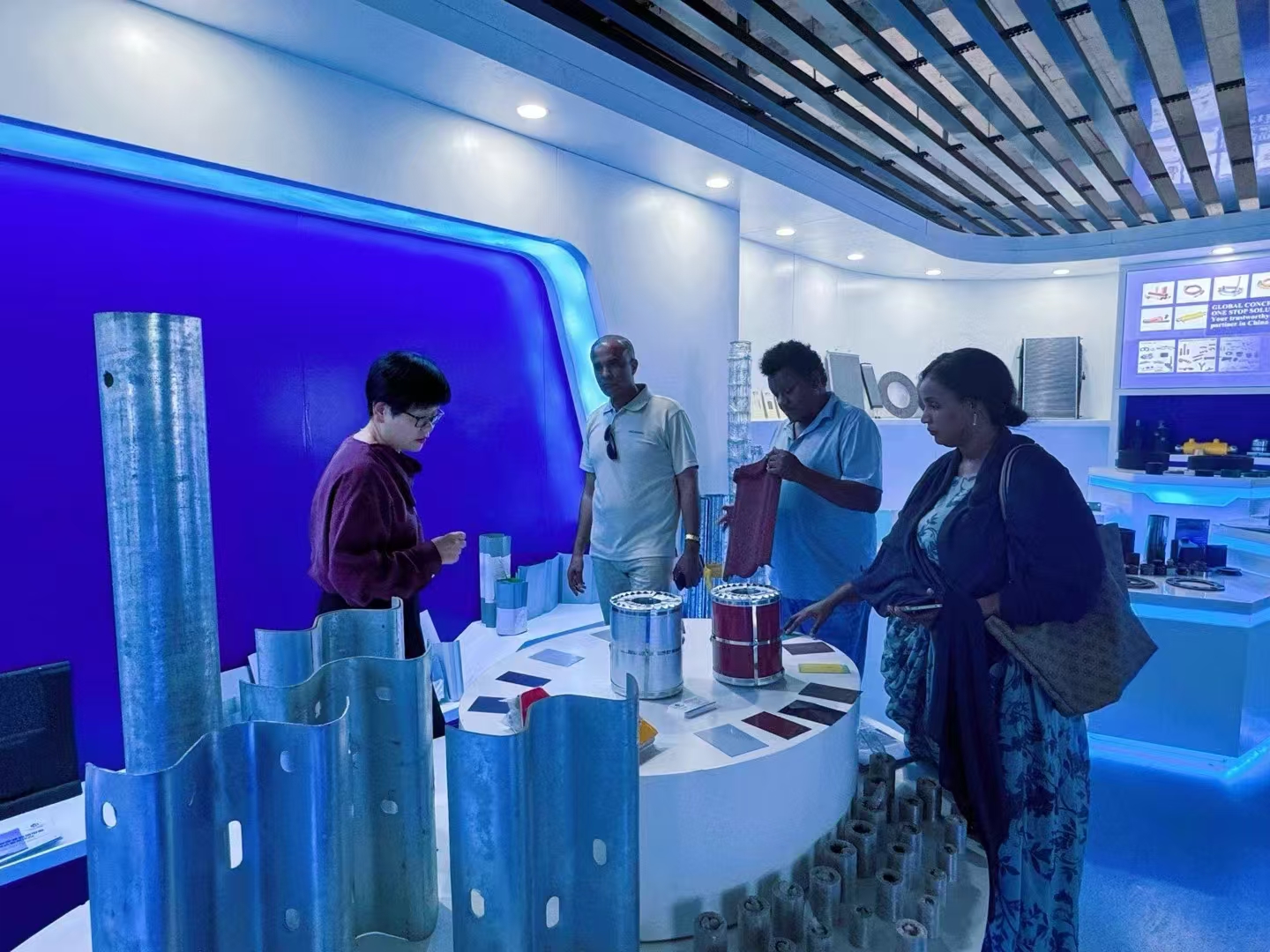
A behind-the-scenes look at our high-tech manufacturing, global trade exhibitions, and customer inspections.
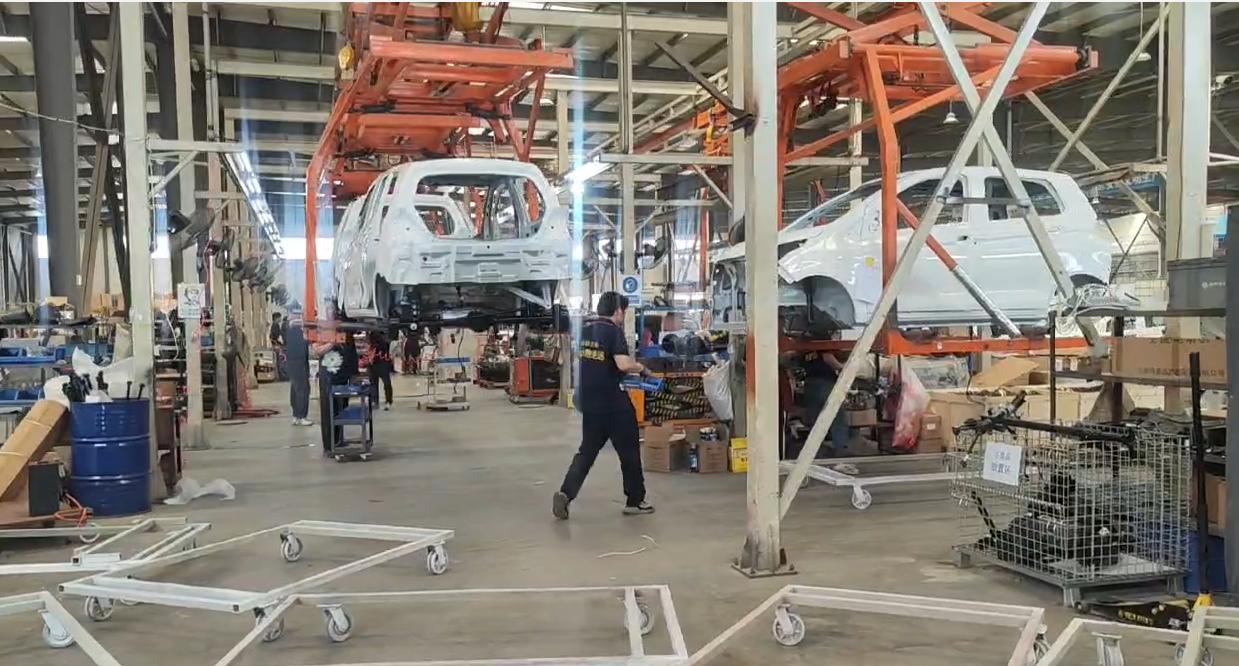
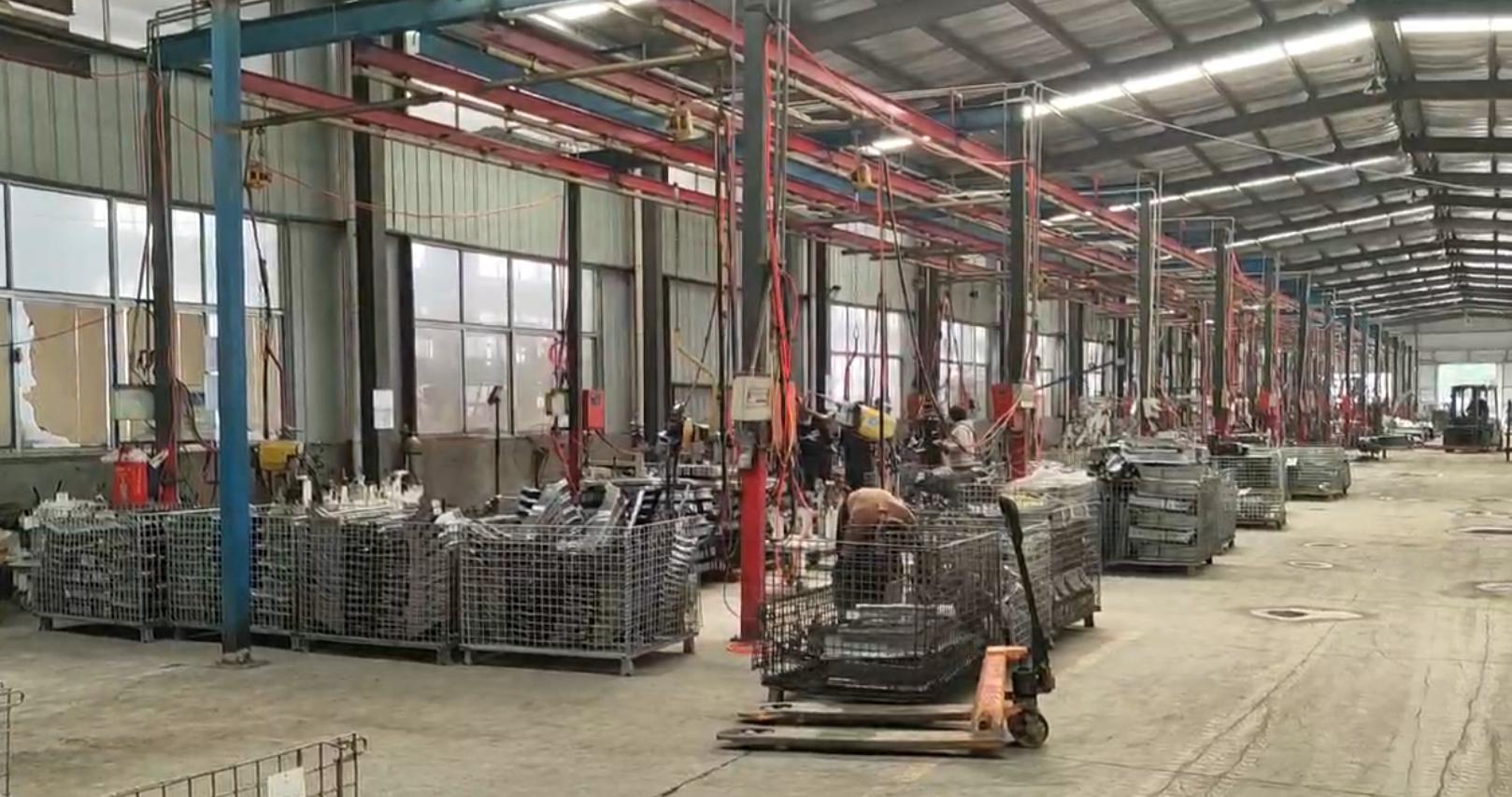
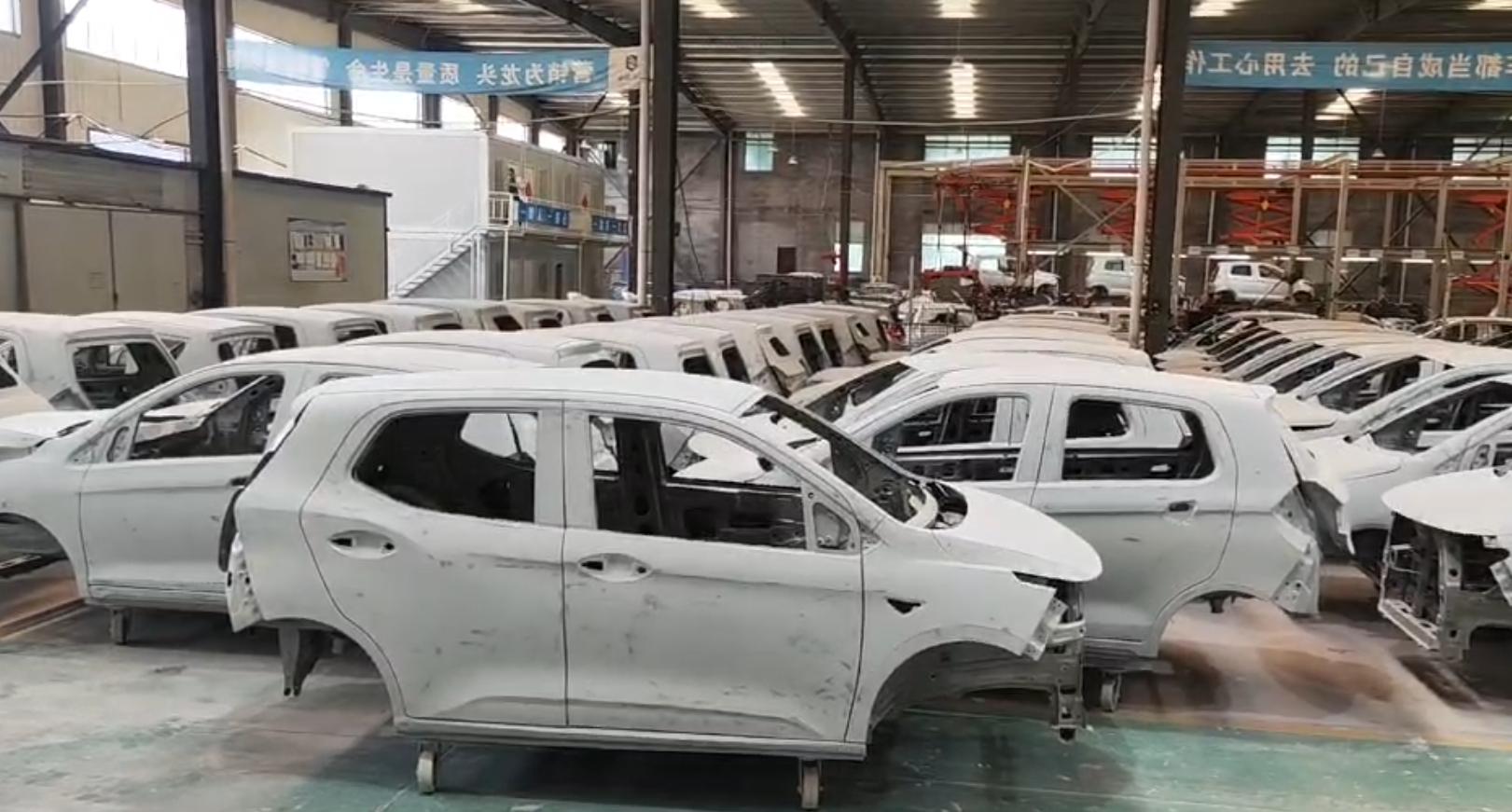
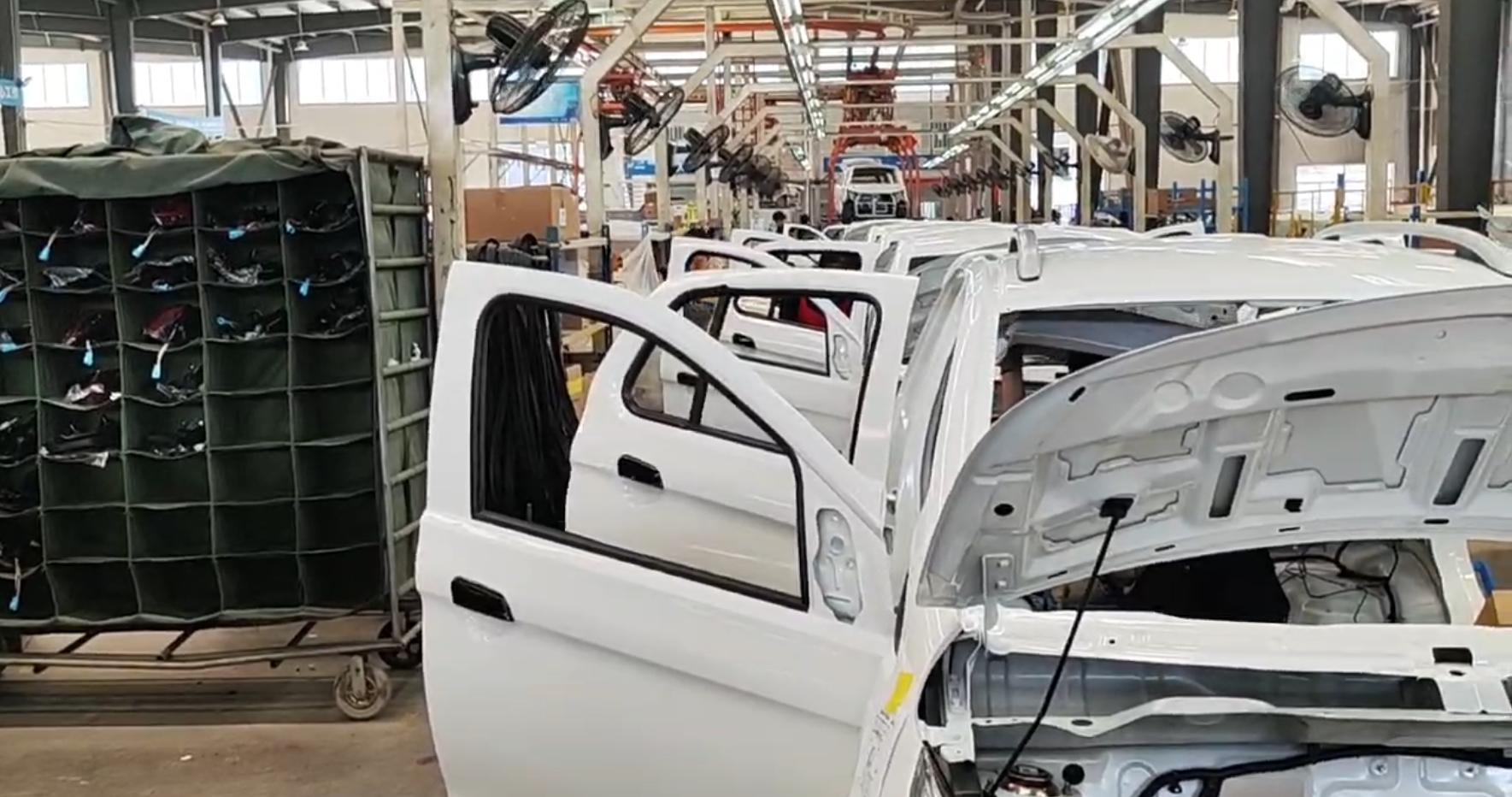
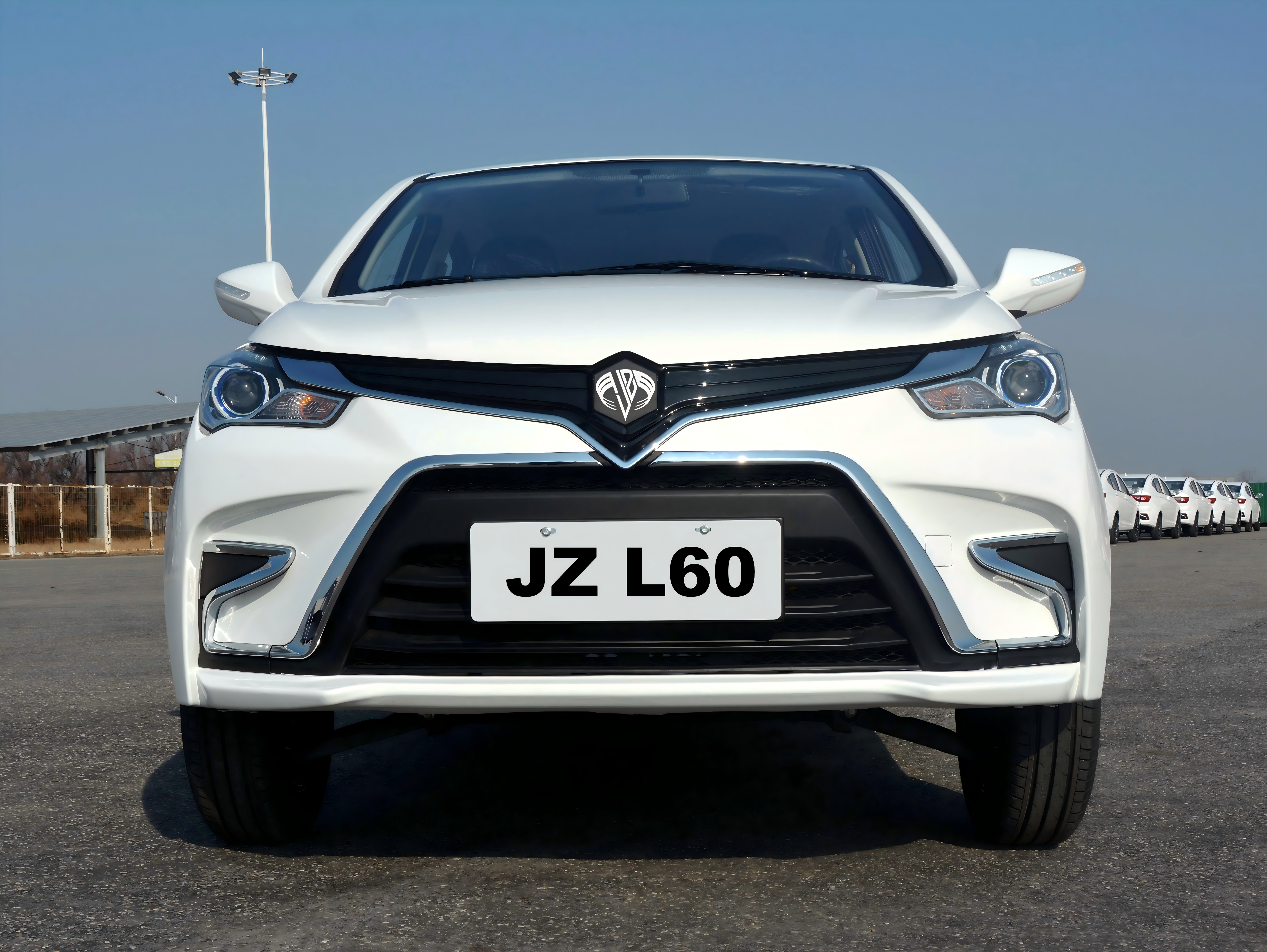
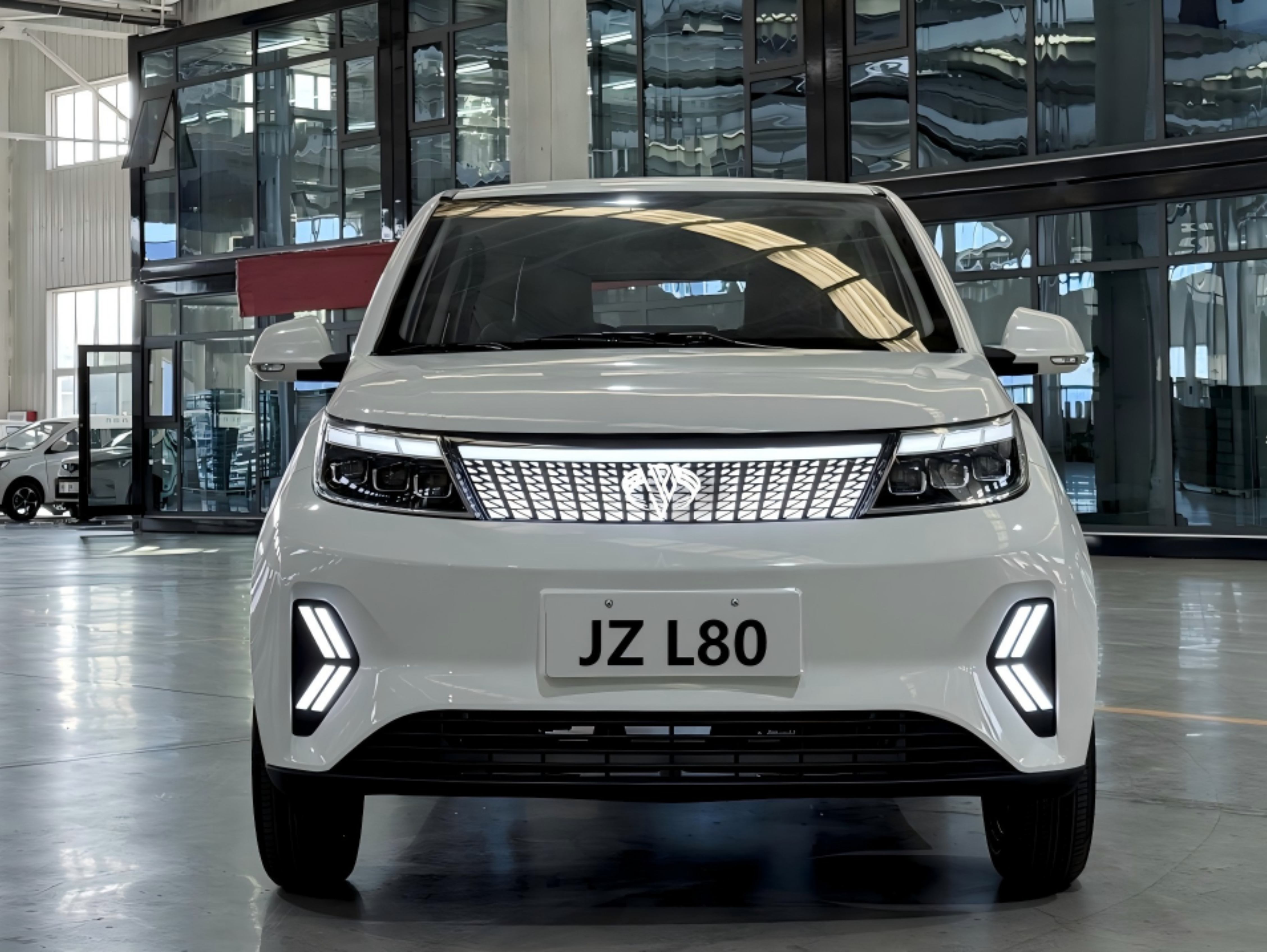
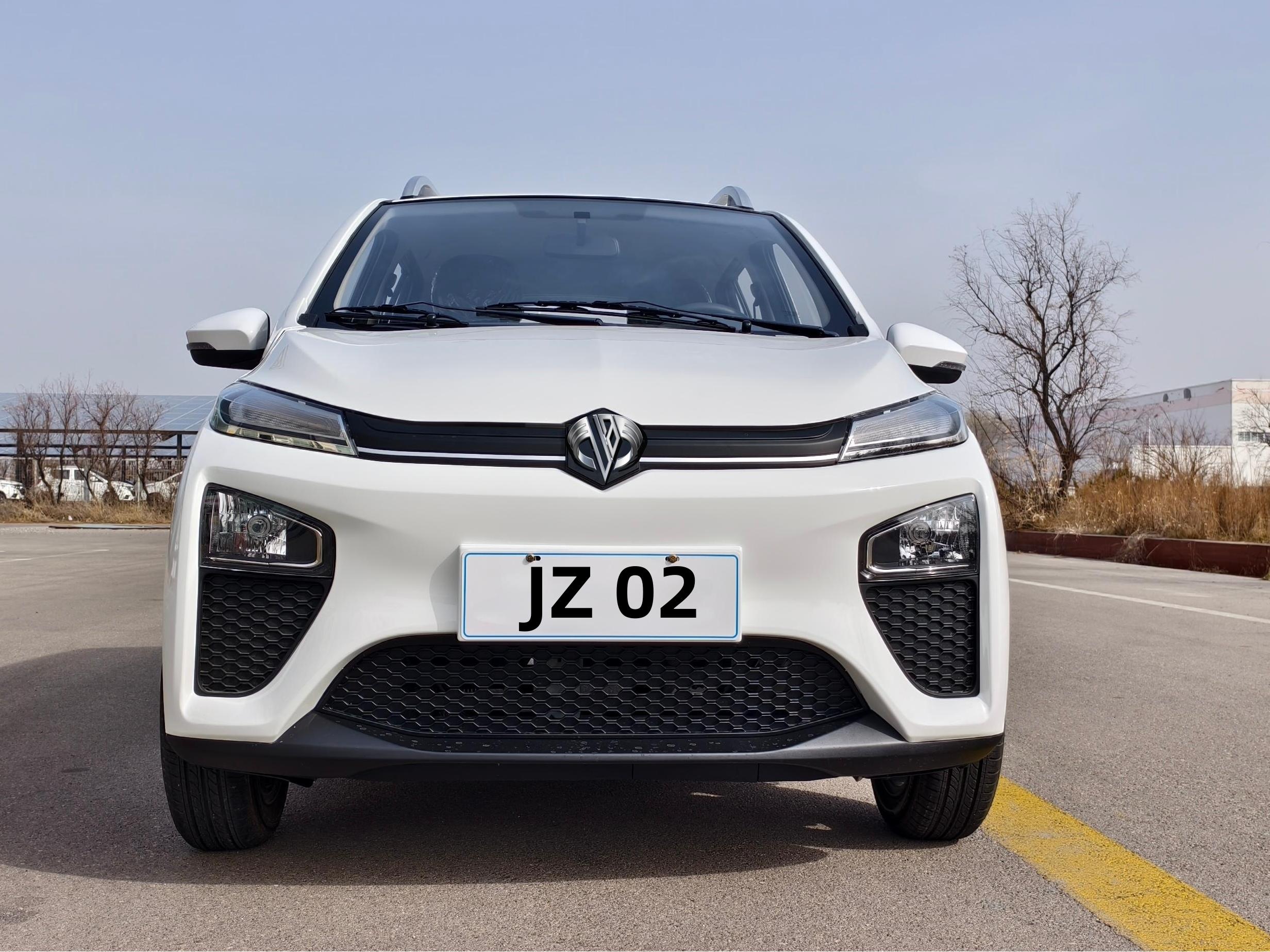
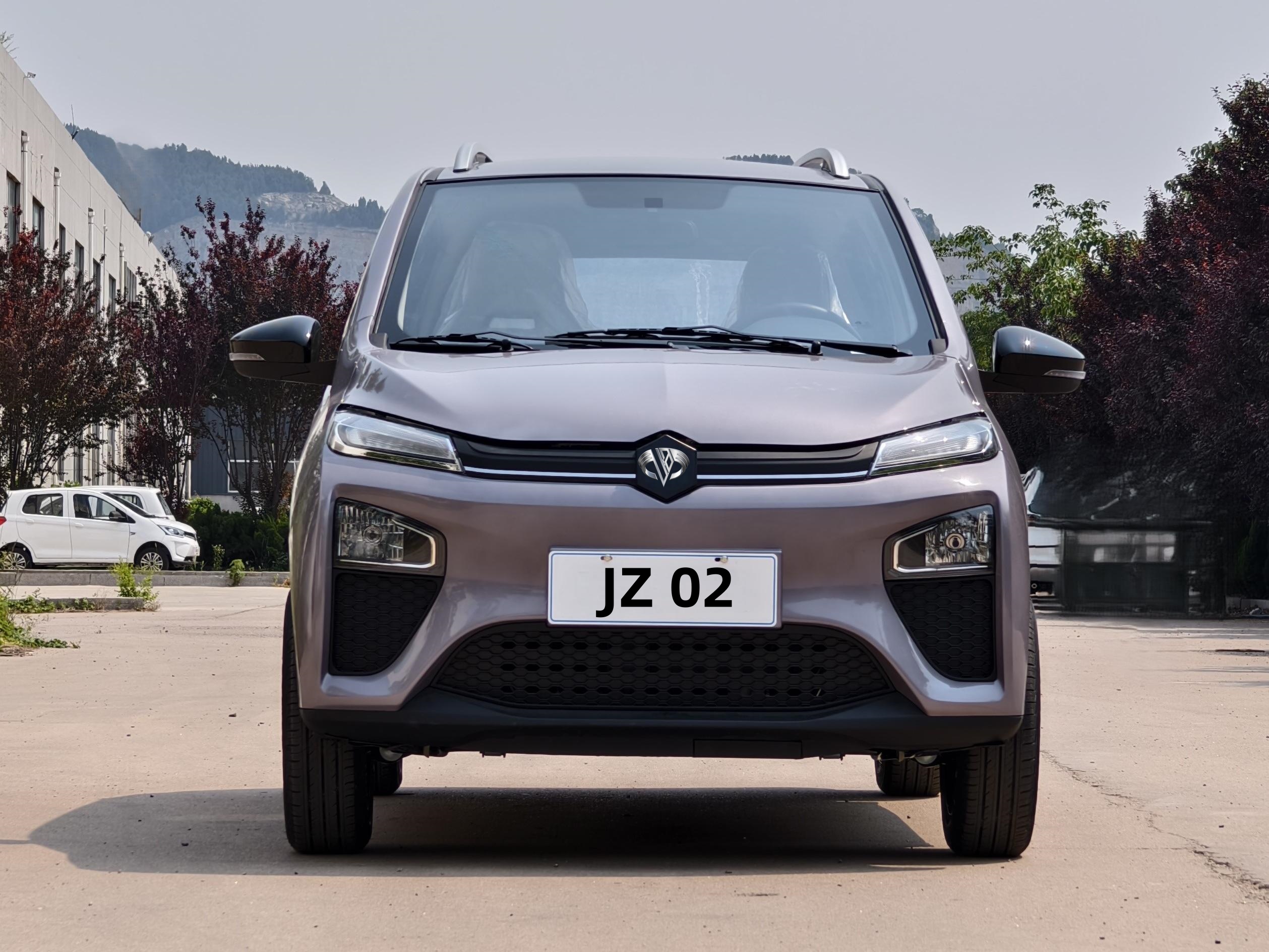
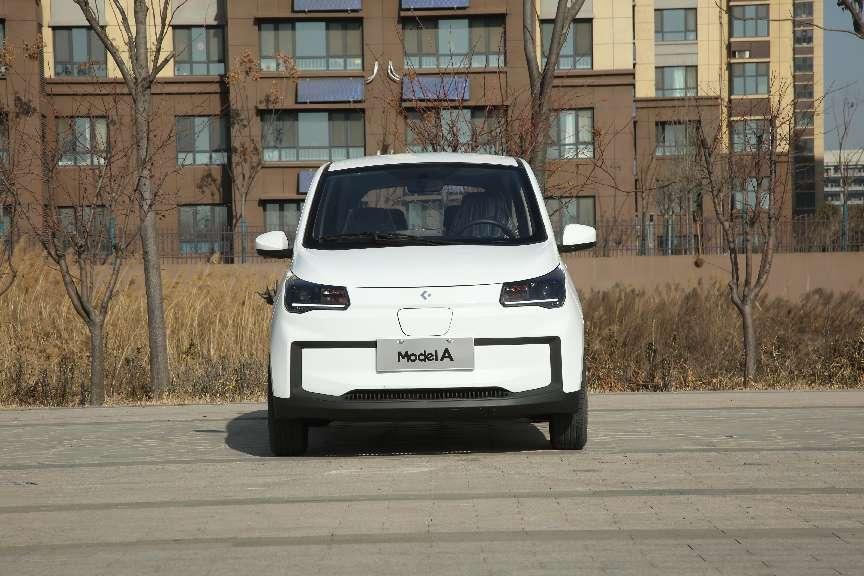
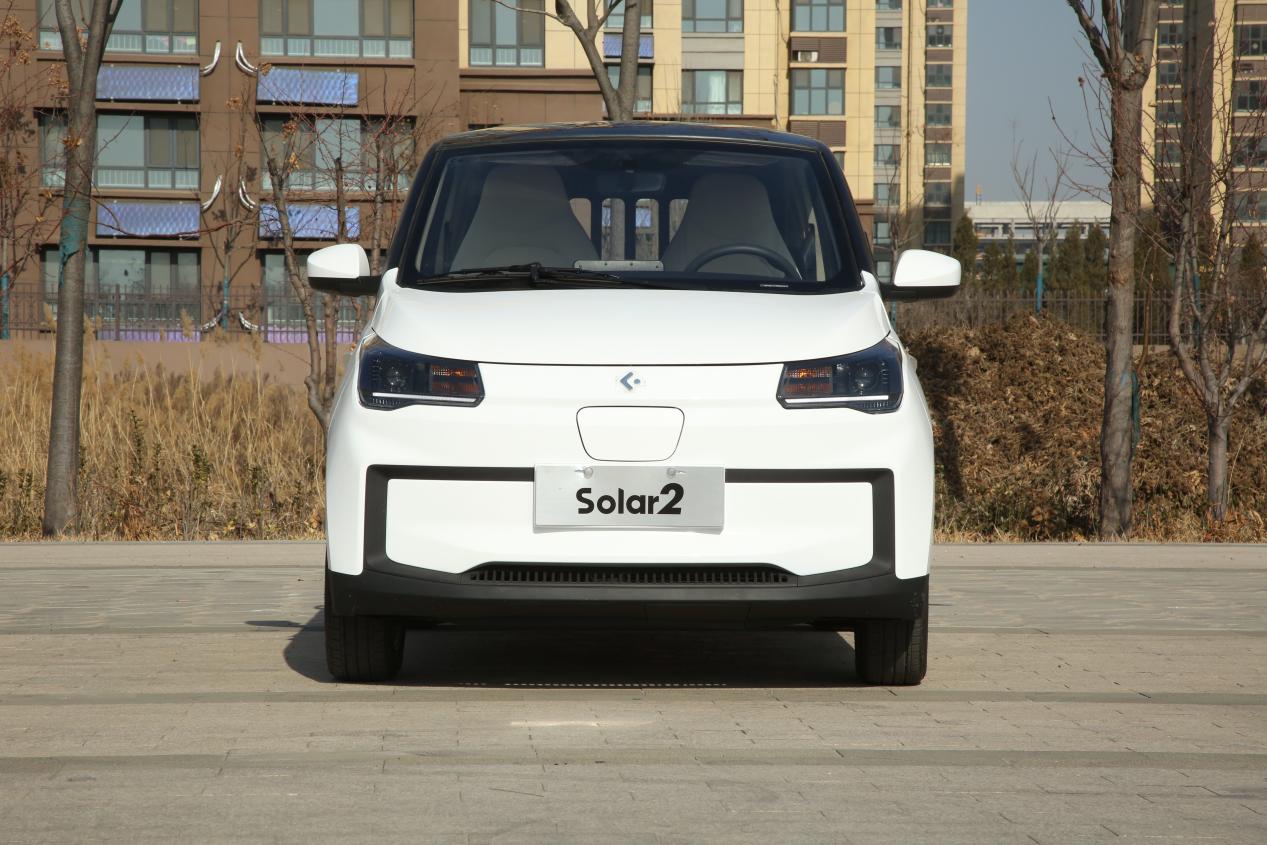
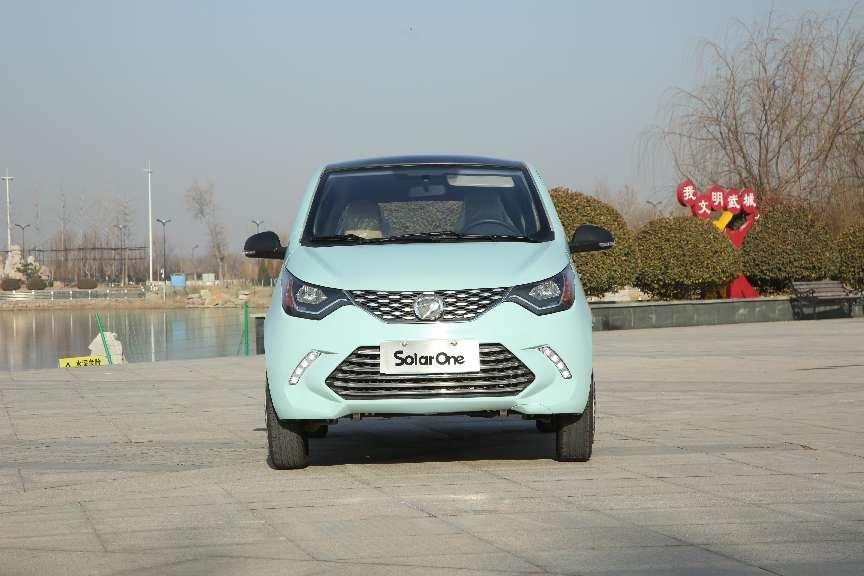
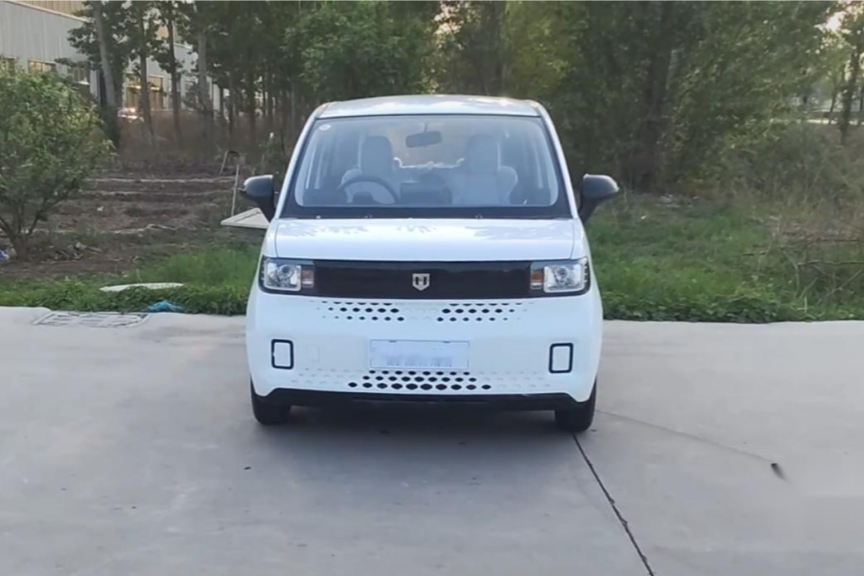
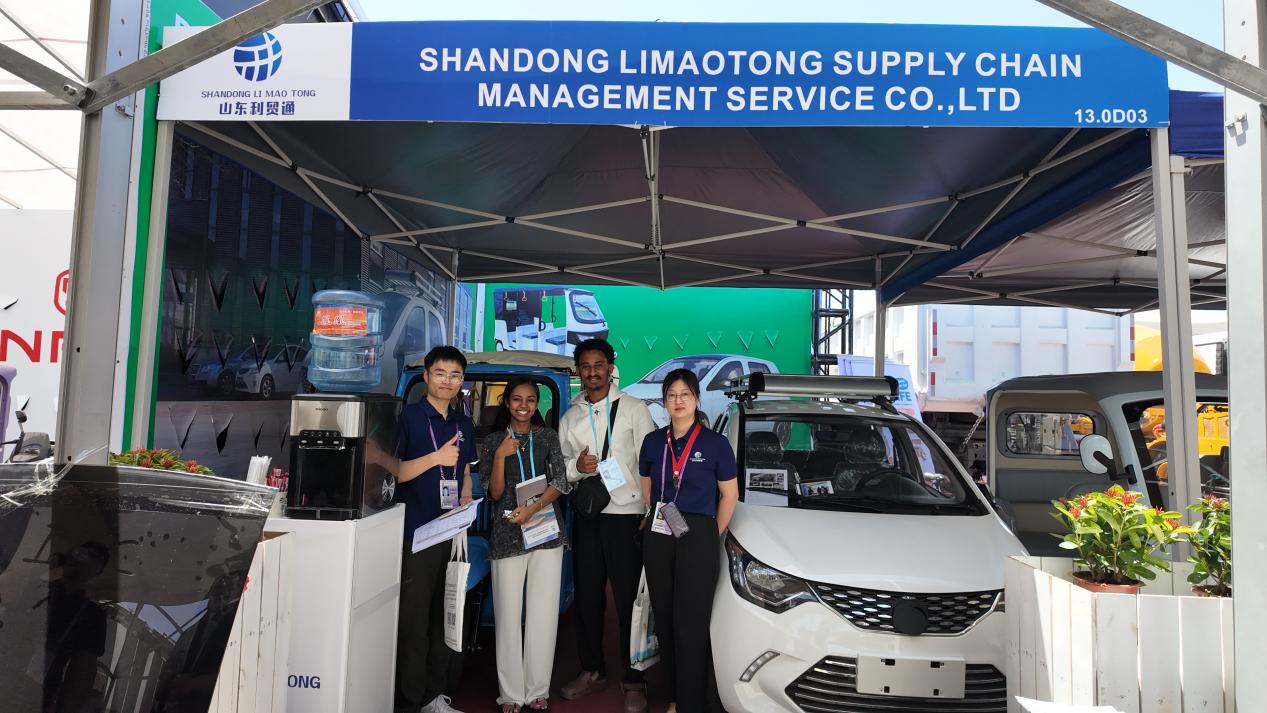
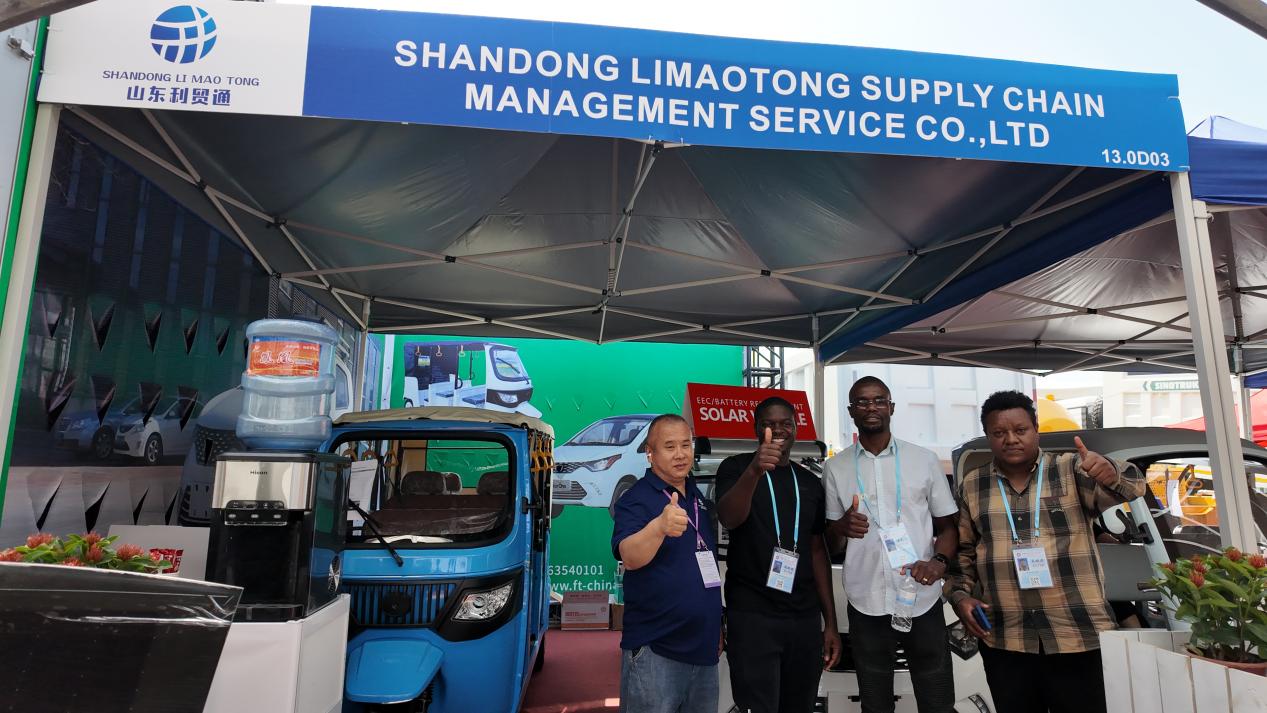
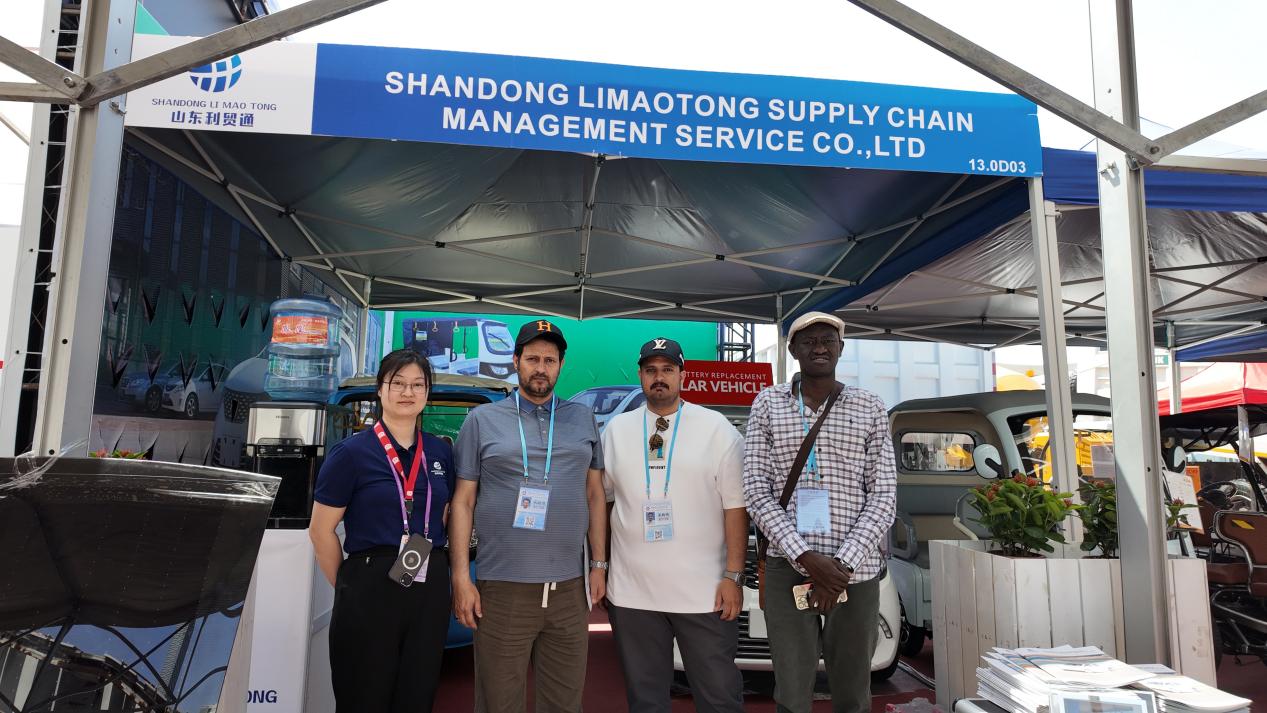
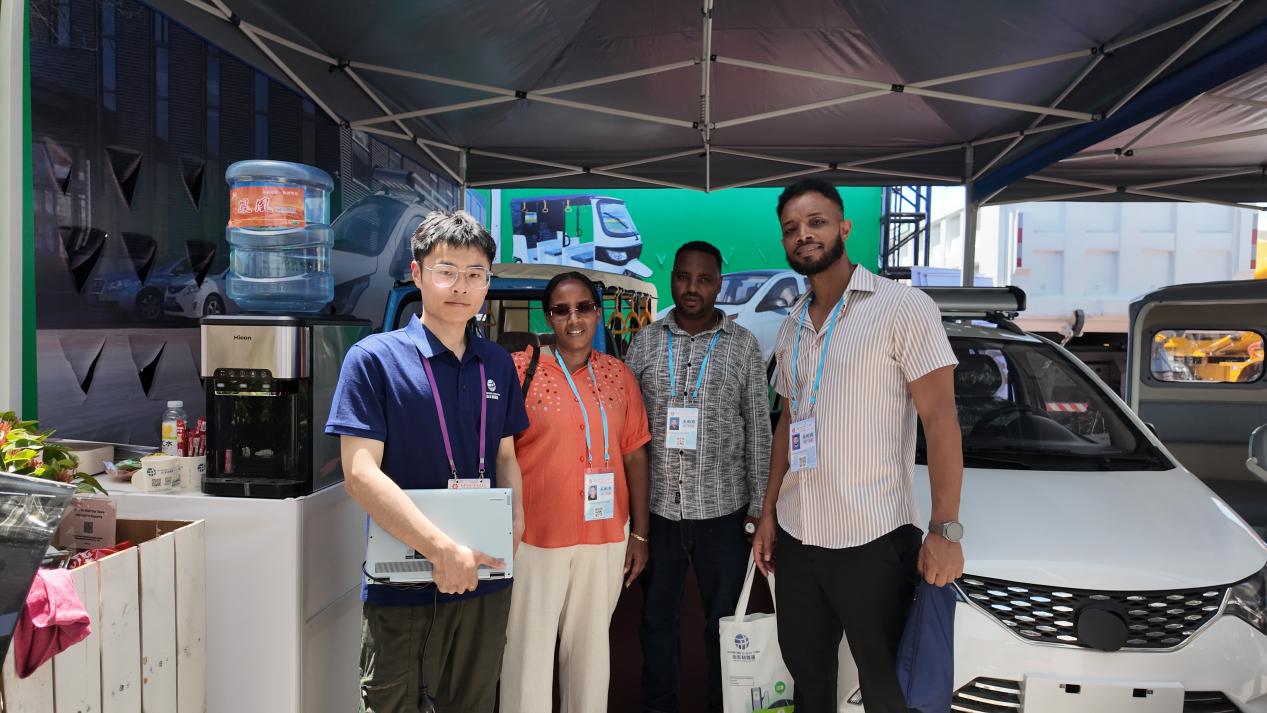
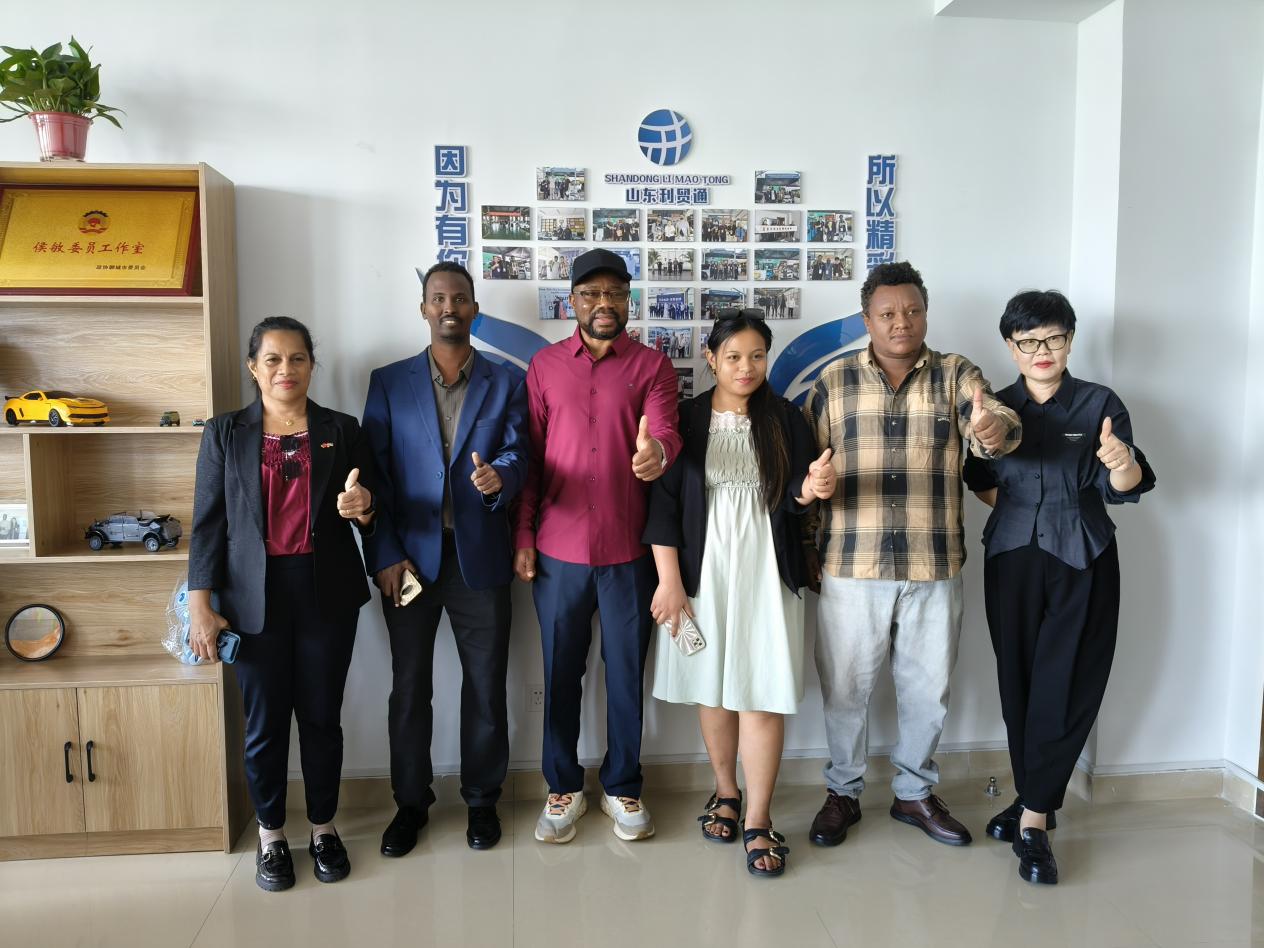
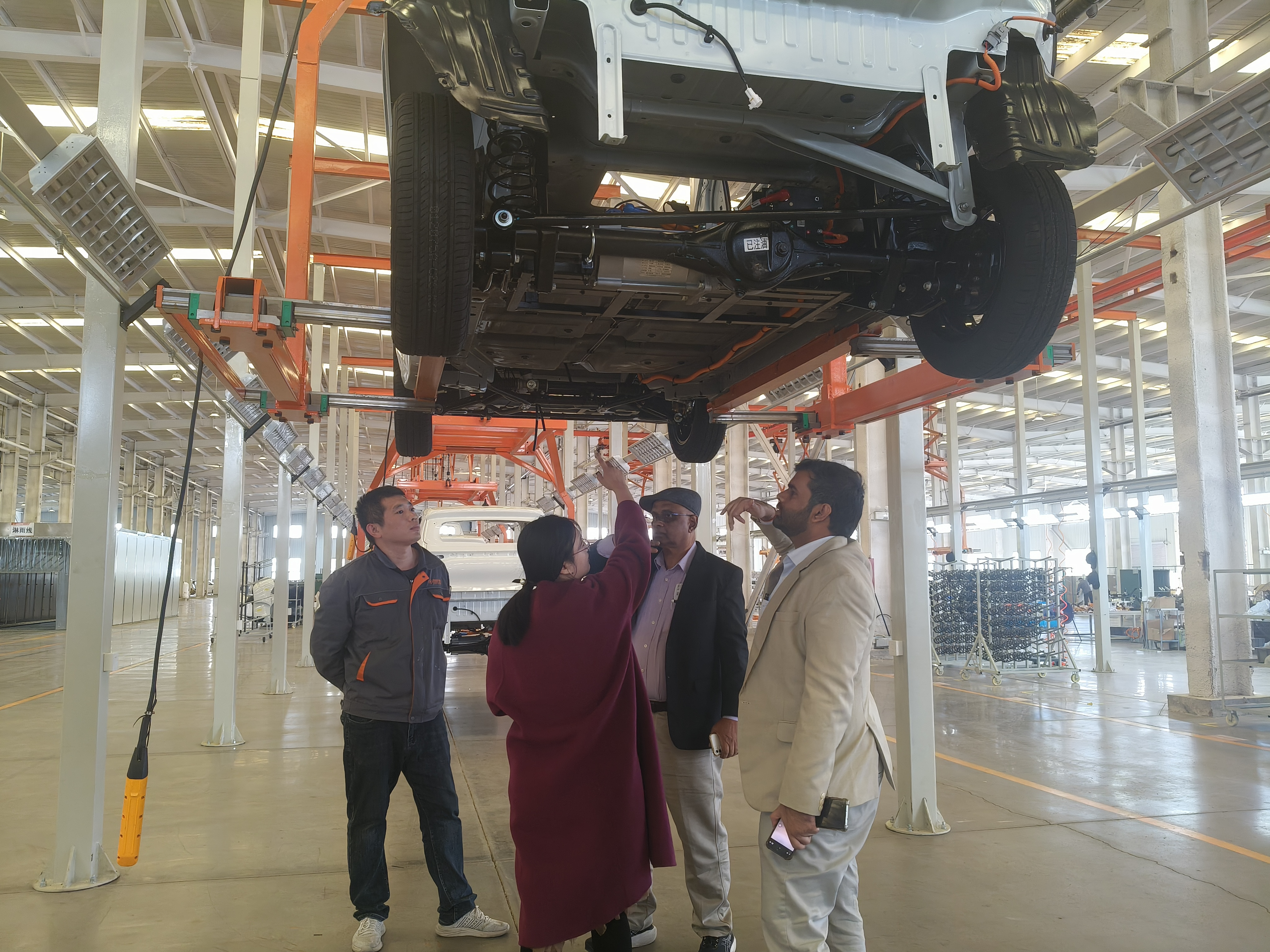
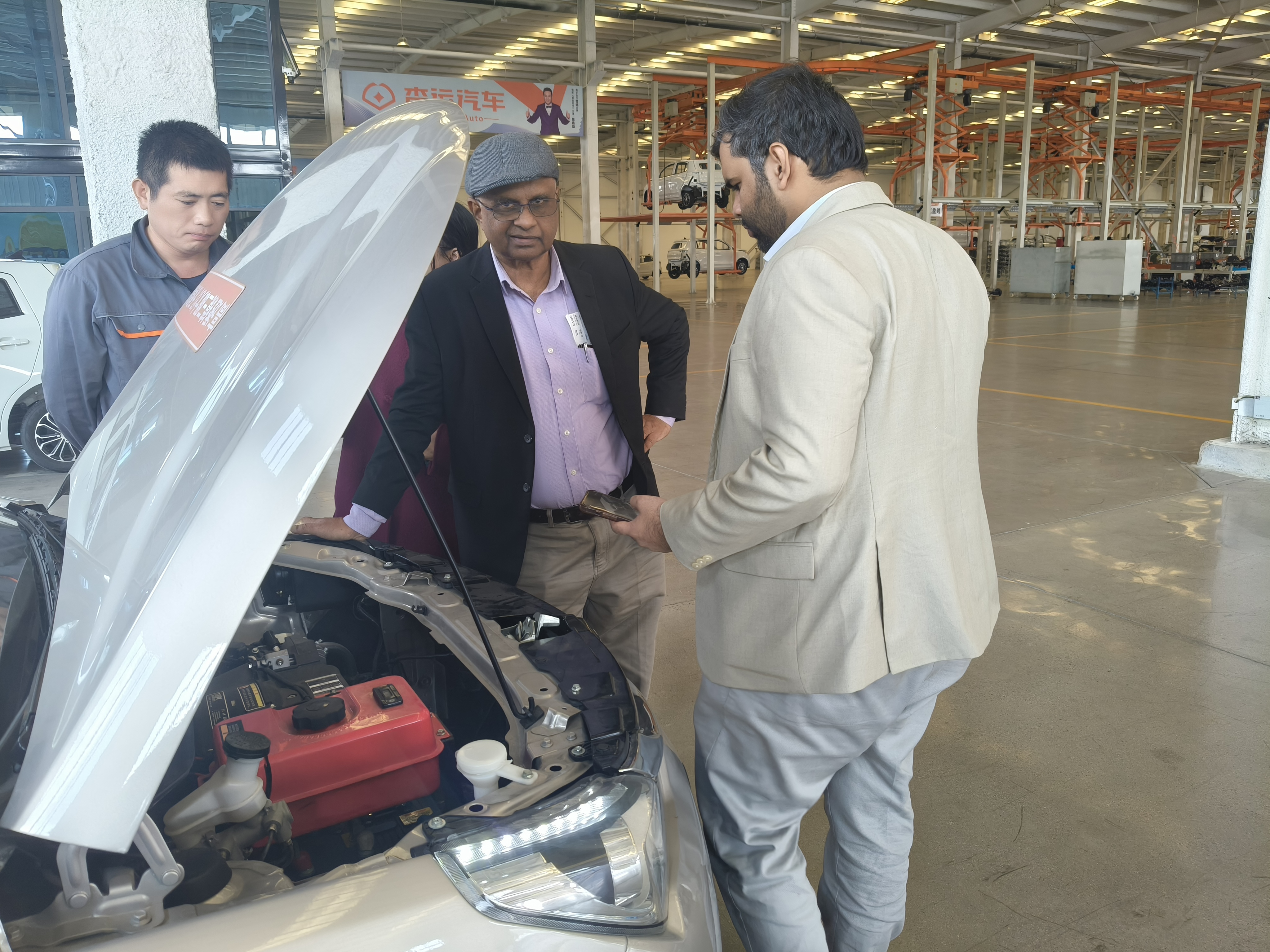
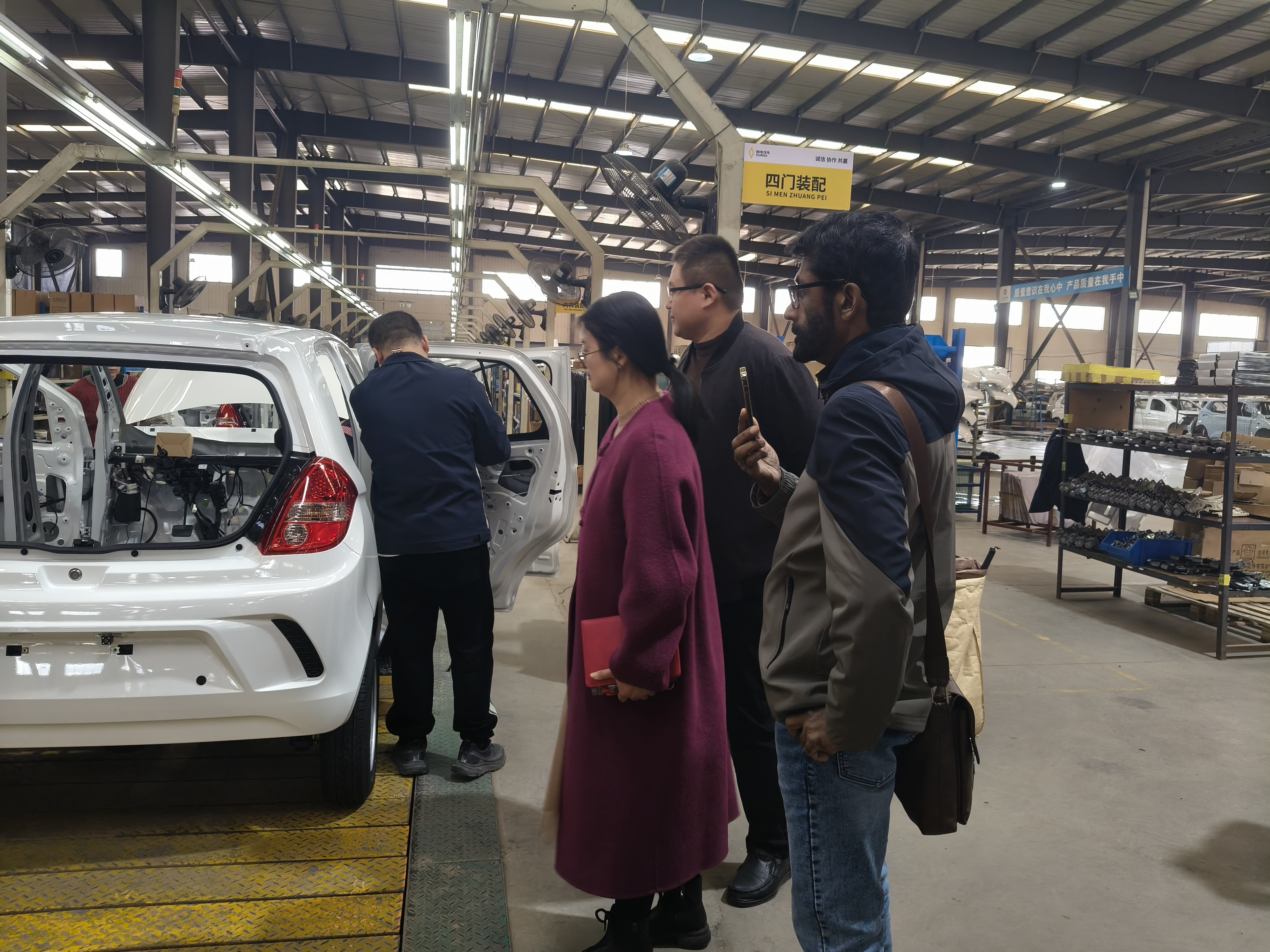
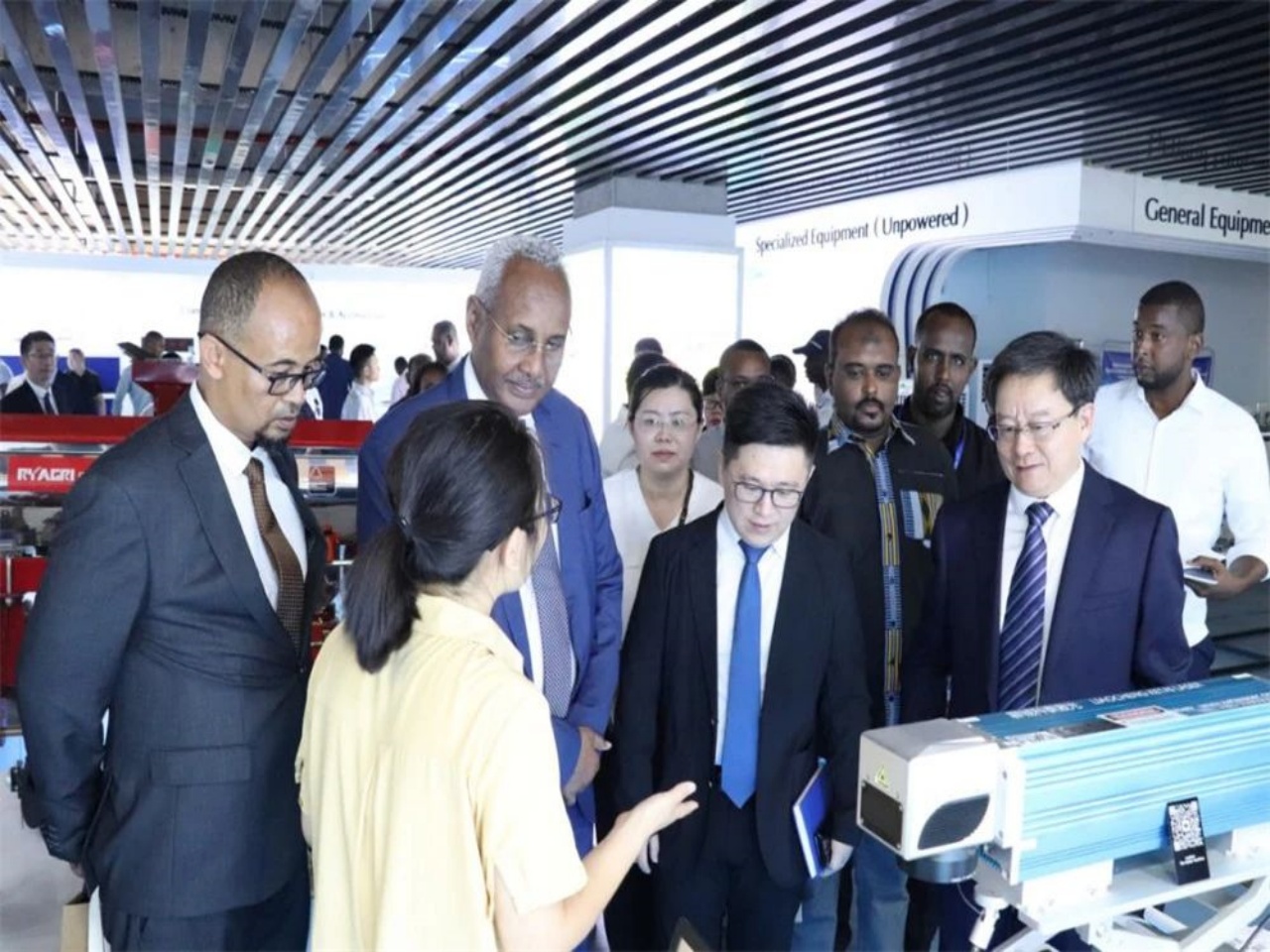
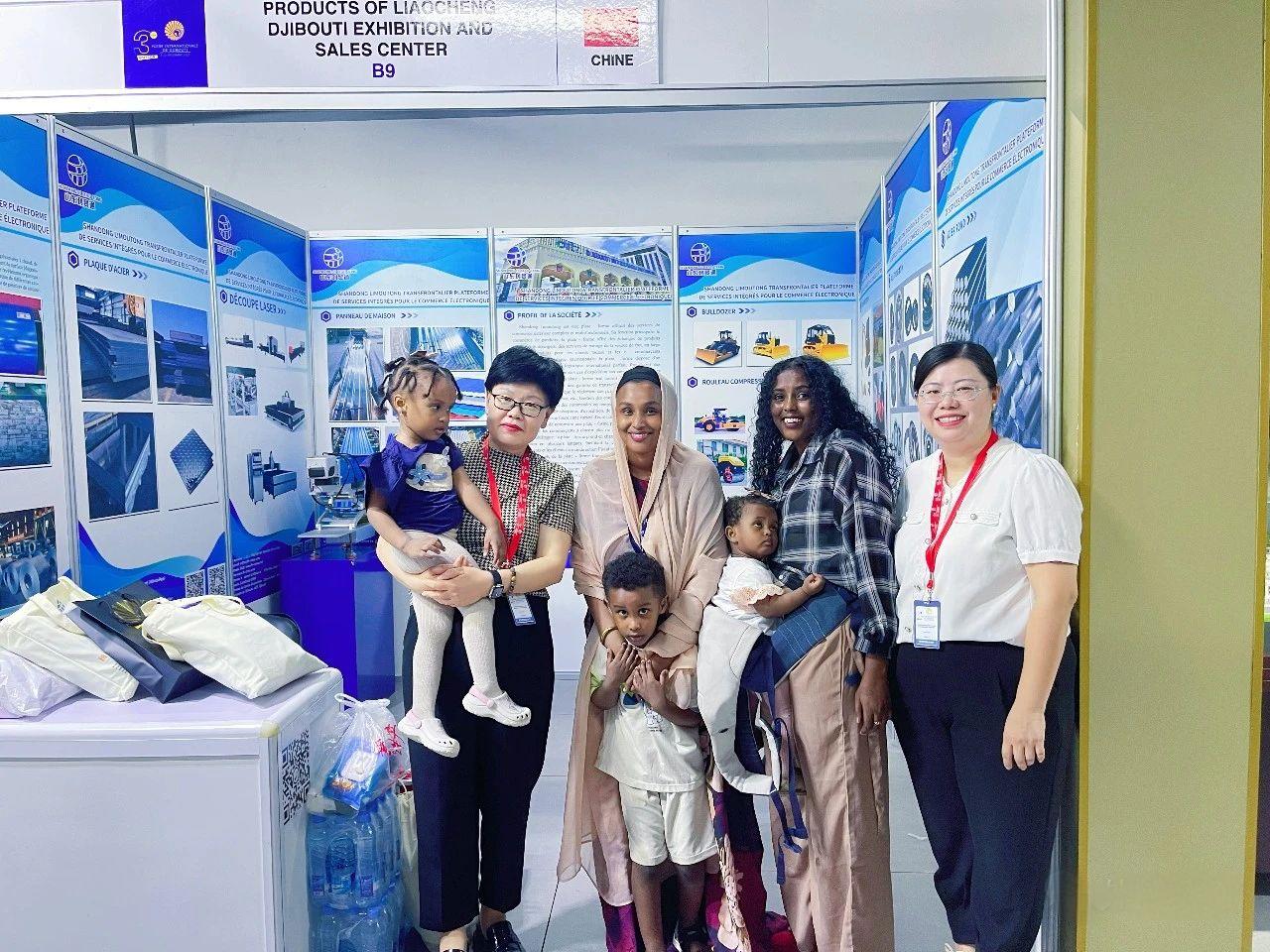
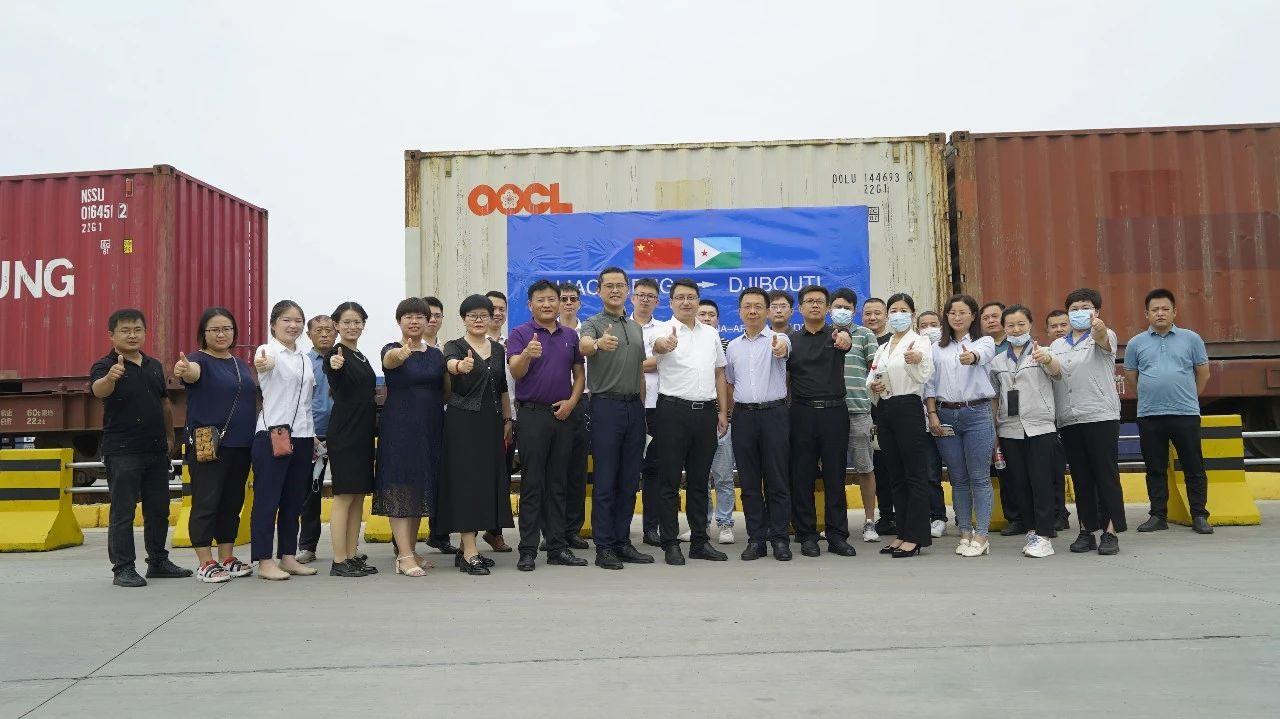
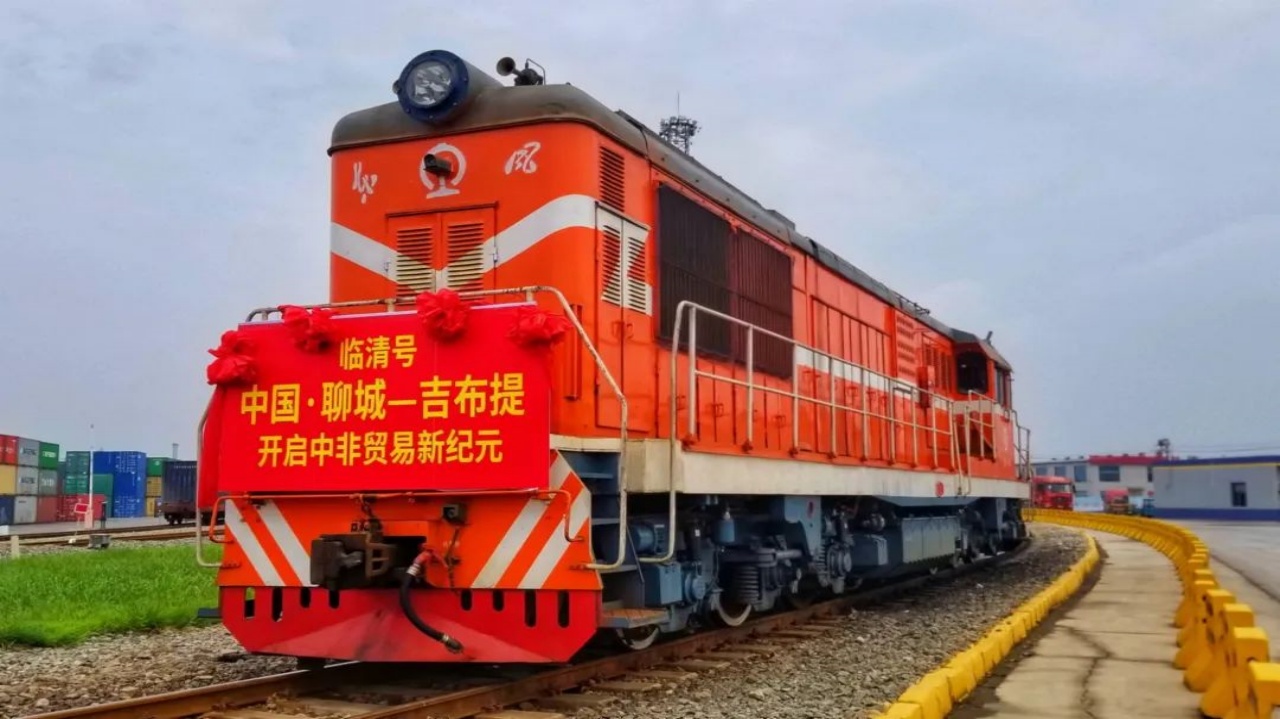

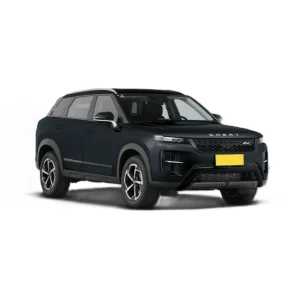
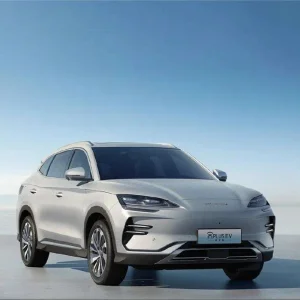
Providing specialized solutions, customized passenger platforms, and vehicles from recognized industry sub-brands.
Essential standards and specifications for procurement managers planning fleet acquisitions.
For commercial fleets, cycle stability determines the total cost of ownership (TCO). LFP chemistry is standard due to its longevity (typically exceeding 3,000 charge-discharge cycles) and safety. Lithium Nickel Manganese Cobalt (NMC) options are available for projects requiring maximum range in colder climates.
Commercial tricycles and micro-cars require reinforced chassis to handle high payloads. Look for structures utilizing high-strength low-alloy (HSLA) steel with anti-corrosive electrophoretic coating. This ensures durability in coastal regions and high-humidity environments.
Compatibility with local charging networks is essential. Ensure your manufacturer supports standard configurations, such as Type 2 for European charging stations and custom configurations for off-grid solar micro-grids.
Comprehensive answers regarding customization, logistics, warranty compliance, and local support.
Our electric micro-cars, passenger vehicles, and tricycles are manufactured in compliance with international standards. We supply EEC (European Economic Community) certified models with full CoC (Certificate of Conformity) documentation to allow street-legal registration in the EU. For the US and Latin American markets, we configure brake systems, safety belts, lights, and batteries to meet local dot-level standards.
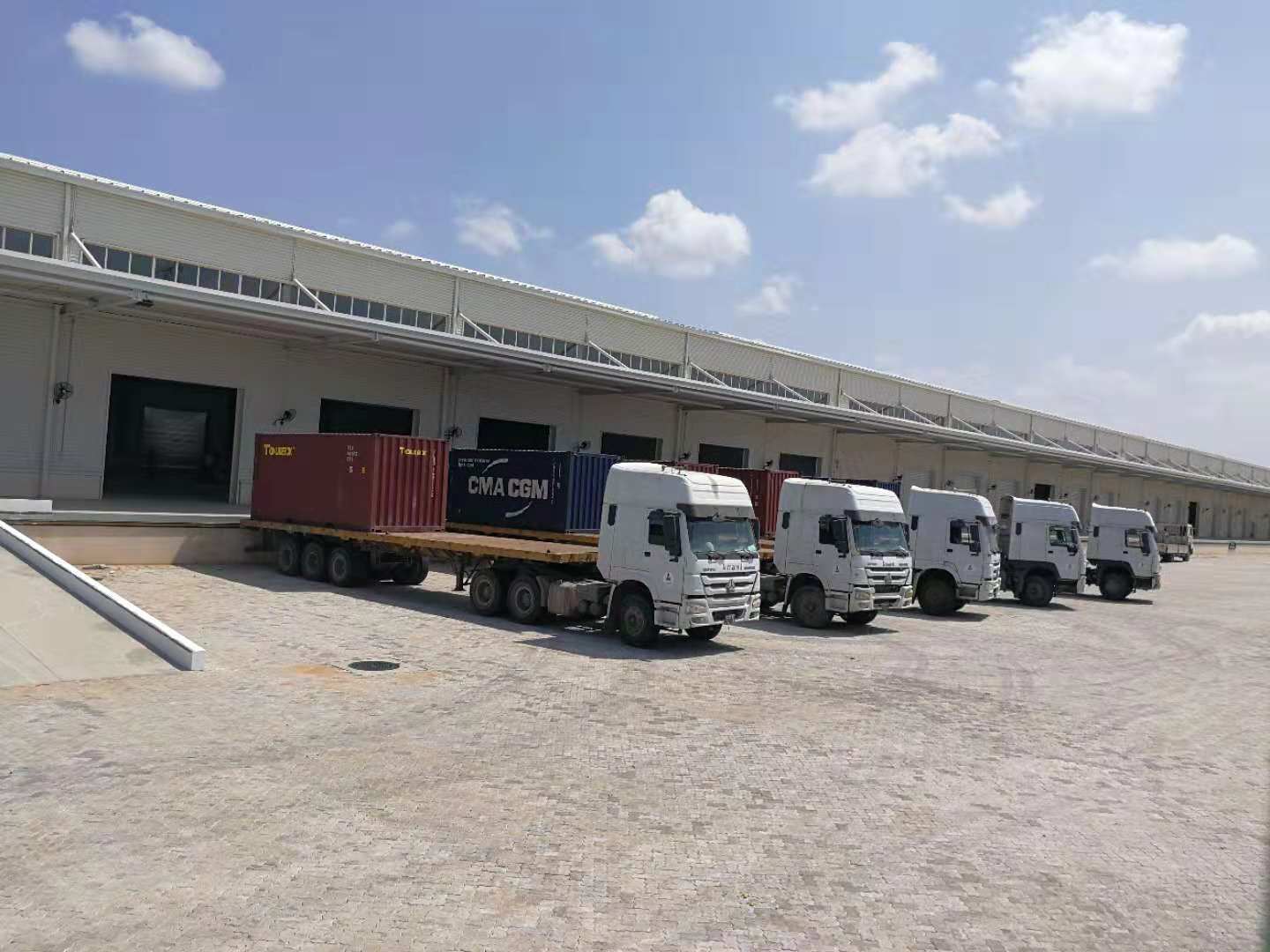
Established in 2023 within the Djibouti International Free Trade Zone, our Cross-border E-commerce Exhibition and Sales Center serves as a major distribution hub. It acts as a regional depot stocking vehicles, critical electronic components, spare parts, and diagnostic tools. This allows us to provide rapid logistics, duty-free zone transit services, and localized support for African municipal fleets and distributor networks.
Our standard Minimum Order Quantity (MOQ) depends on the category: micro-cars and passenger tricycles typically start at 4 to 10 units to optimize container shipping space. Lead times range from 25 to 40 days depending on custom requirements, such as custom paint finishes, solar integration, or modified cabin configurations.
We use a digital quality control pipeline. Every vehicle undergoes dynamic track testing, high-pressure rainstorm testing (equivalent to Category 7 rain conditions), and safety checks on the battery management system. Chassis welds undergo automated ultrasonic inspection to guarantee structural integrity under load.
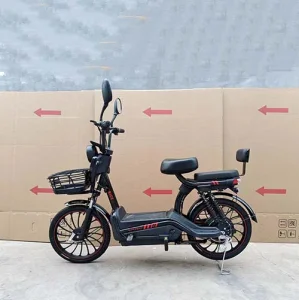
Specialized passenger configurations, commuter e-bikes, and heavy-duty electric cargo trikes.
 Limaotong