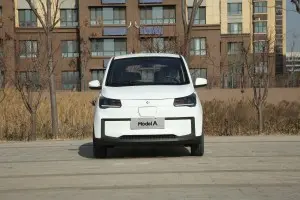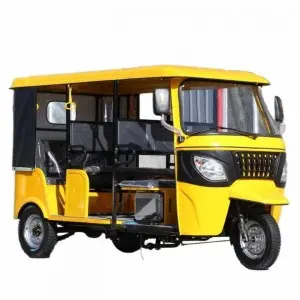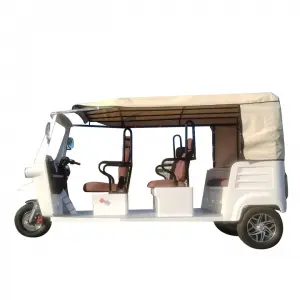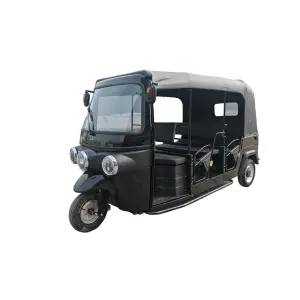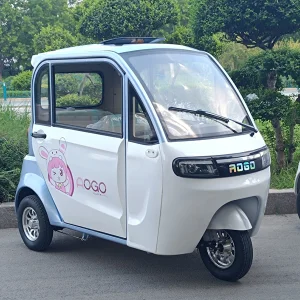
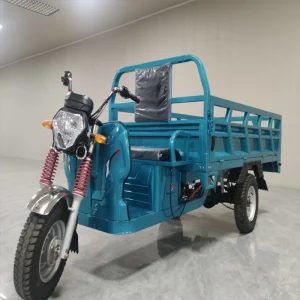
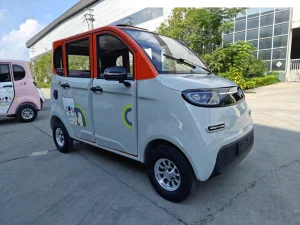
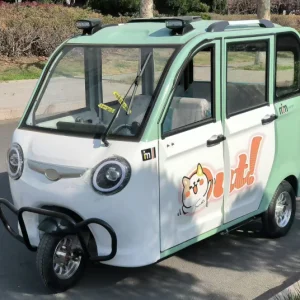
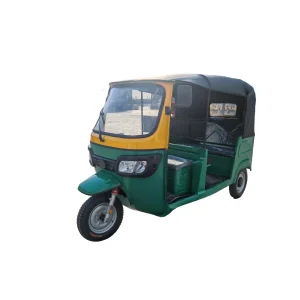
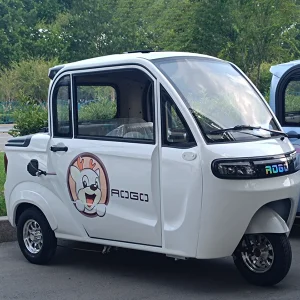
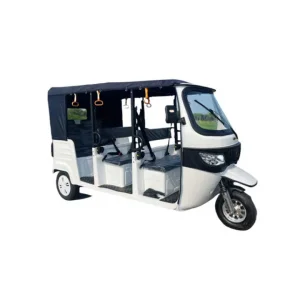
The global transportation landscape is undergoing an unprecedented paradigm shift. As rapid urbanization converges with strict carbon-reduction mandates, conventional four-wheeled commercial vehicles face intense regulatory scrutiny and operational bottlenecks in metropolitan areas. Three-wheel automobiles—spanning electric cargo tricycles, passenger tuk-tuks, and closed urban micro-cars—have evolved from basic regional transport to sophisticated engineering platforms configured for last-mile logistics, municipal service delivery, and public micro-transit networks.
This industry report examines the engineering standards, global logistics networks, and technological frameworks managed by Shandong Li Mao Tong Group, a leading Chinese pioneer in this category. With over 20 million households served, 8 global production nodes, and a physical logistics base in Djibouti, we analyze how these vehicles optimize total cost of ownership (TCO), meet strict safety protocols, and fulfill the high-standard procurement requirements of international enterprise fleets.
Deploying heavy cargo, passenger, and specialized urban commuter systems across global terrains.
Overseas assembly lines and manufacturing hubs streamlining local market delivery and compliance.
Delivering robust engineering, reliable battery management systems, and safety-tested cabins.
Modern three-wheel vehicles are no longer simple adaptations of motorcycle frames. Current design paradigms prioritize high mechanical durability, battery intelligence, and structural protection. Several critical vectors define the current engineering trend:
Transitioning from low-efficiency DC motors to highly integrated PMSM (Permanent Magnet Synchronous Motors) coupled with smart differential axles. This guarantees high torque density under load climbs up to 25° incline.
Adoption of advanced Lithium Iron Phosphate (LiFePO4) chemistries paired with smart BMS (Battery Management Systems). These provide over 3,000 charge cycles, active thermal management, and reliable operation in temperatures from -20°C to 60°C.
Moving away from bolted structural tubes to high-strength pressed steel monocoque designs. Robotic spot welding and automated cathodic electrophoretic dip (ED) coating ensure superior crash safety and over 10 years of corrosion resistance.
Through severe environmental simulation trials, including Laboratory Level 7 Rainstorm Testing, our vehicles prove their resistance to water ingress. This ensures that the high-voltage systems (commonly running on 60V to 72V architectures) remain completely isolated, protecting passengers and drivers from electrical hazards during flooding or heavy monsoon seasons.
B2B procurement managers, logistics operators, and municipal agencies operate under strict procurement metrics. They require product quality that translates into predictable operational schedules and minimal downtime. Key criteria evaluated during international sourcing audits include:
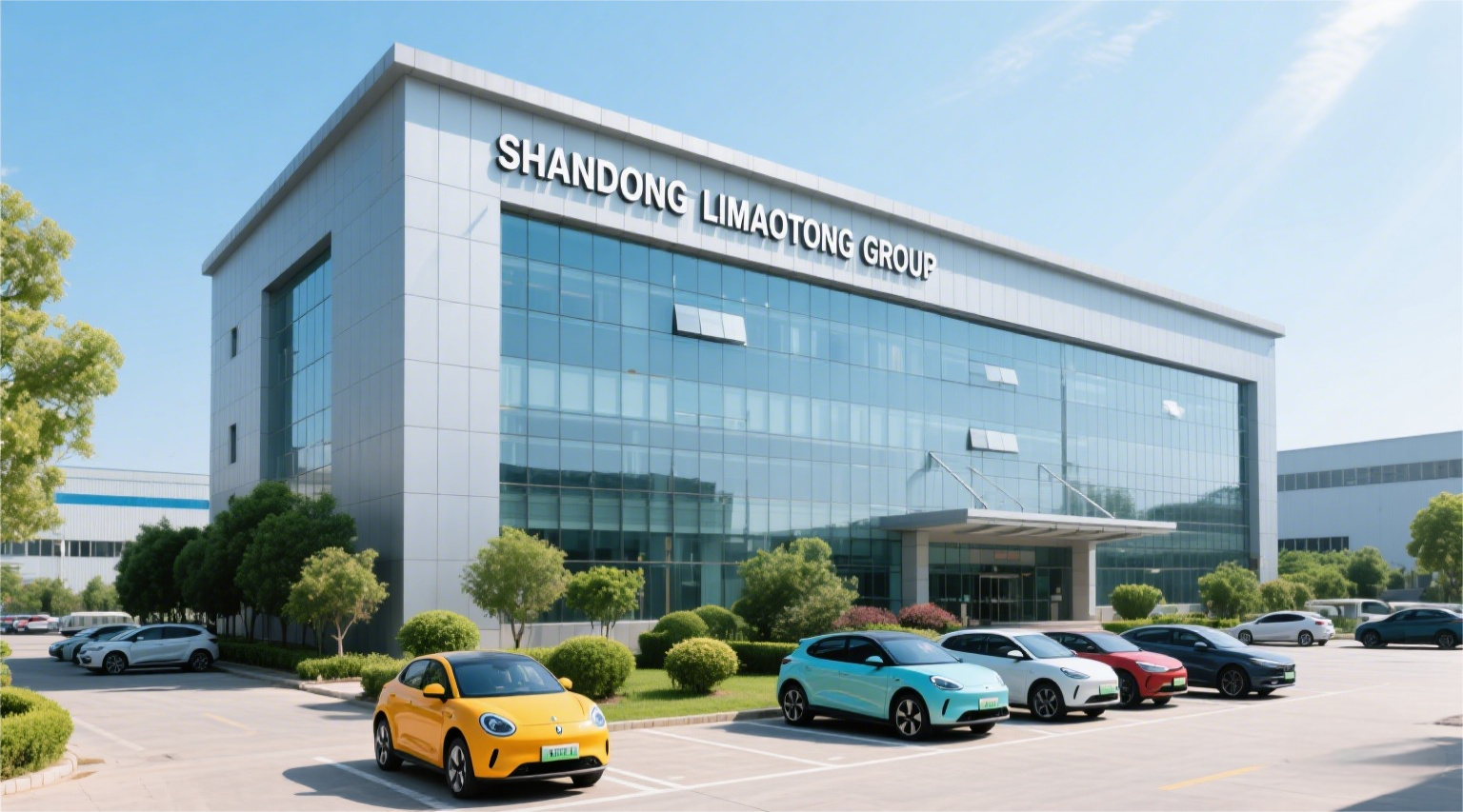
Shandong Li Mao Tong Group operates as a premium global supplier with a fully integrated industrial ecosystem. We specialize in the research, mechanical engineering, and international distribution of motor tricycles, heavy electric cargo tricycles, and micro-electric passenger cars. We support our global client base through a highly responsive localized support structure.
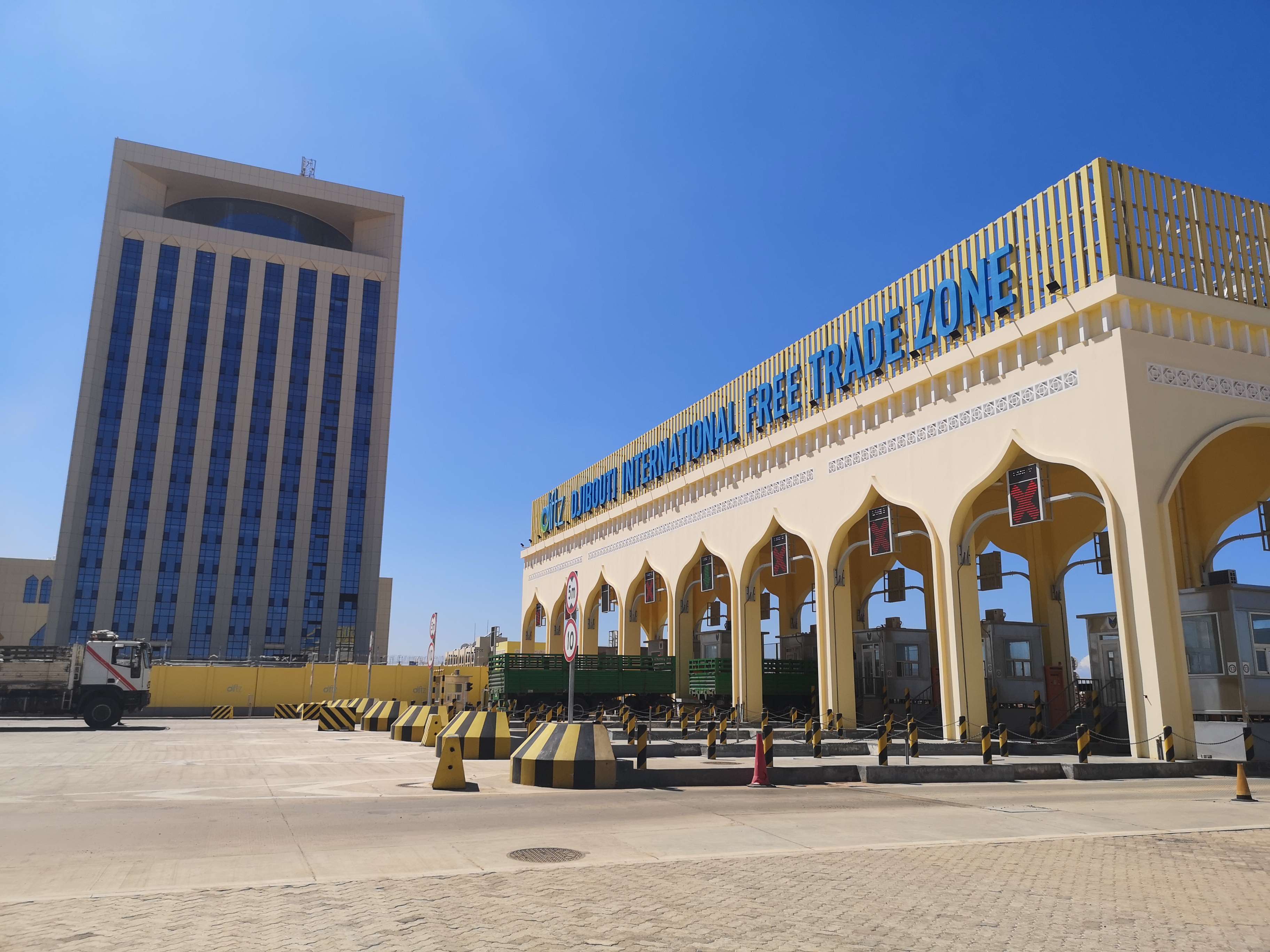
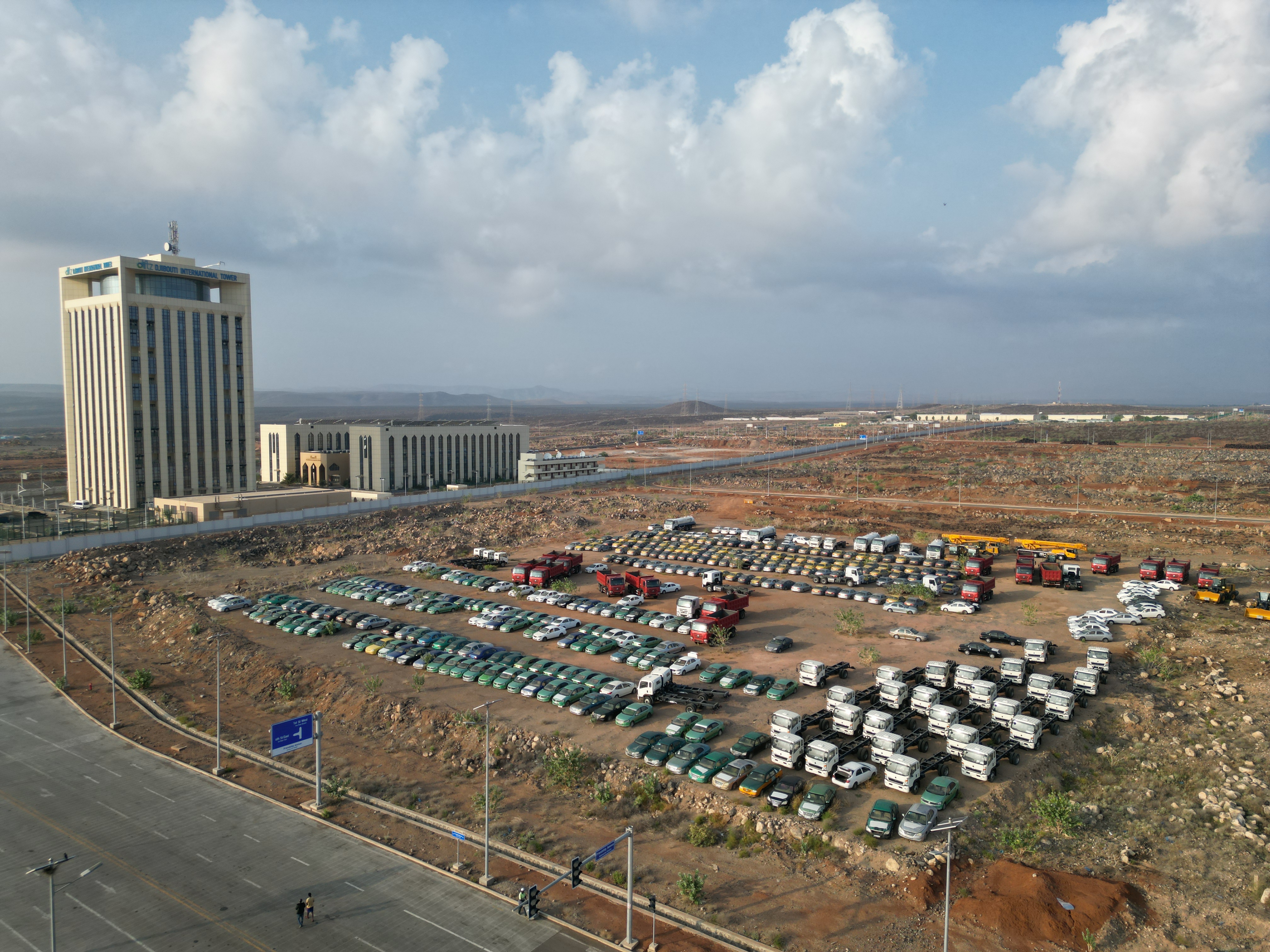
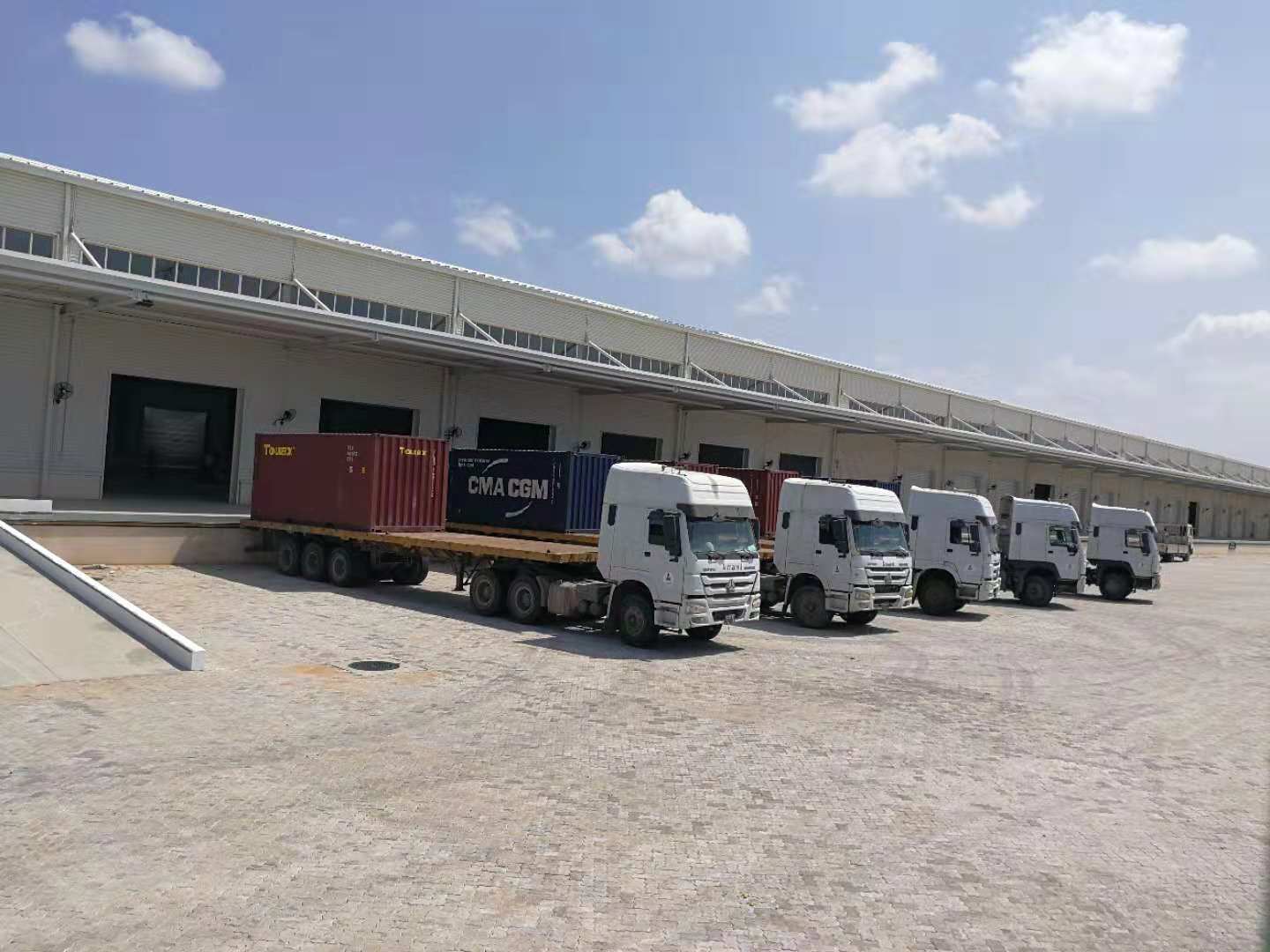
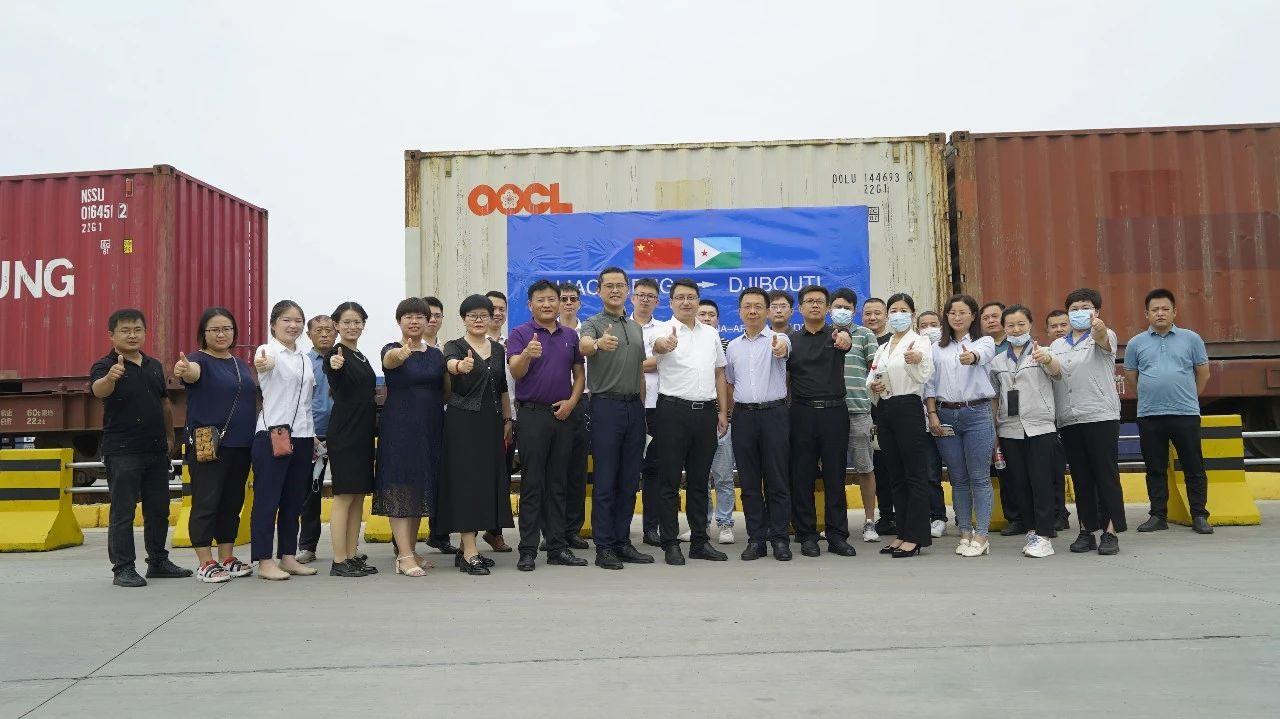
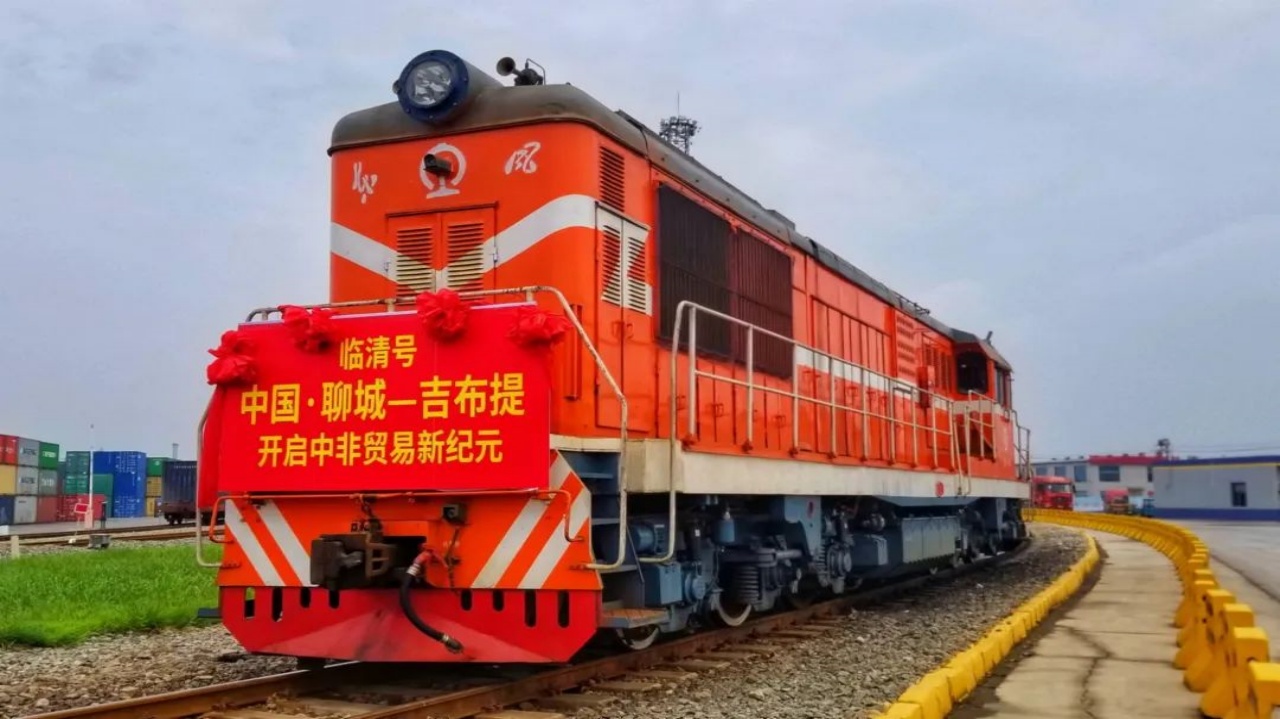
We solve the traditional B2B issue of long lead times for spare parts by operating 8 overseas production bases and a dedicated regional distribution and service warehouse in Djibouti. Located in the Djibouti International Free Trade Zone, this facility acts as an East African logistics hub, ensuring quick parts distribution and on-site support for municipal and private fleets across the continent.
Three-wheel vehicles deliver significant advantages when integrated into systematic macro-level logistics and transportation networks:
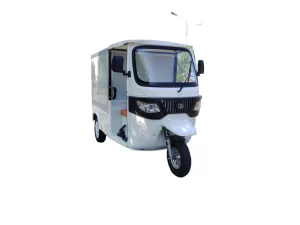
As micro-hubs appear inside urban areas, using large delivery trucks for direct residential distribution becomes inefficient. Standard three-wheel cargo units, fitted with integrated cabin cargo boxes, navigate narrow urban alleys, restricted clean-air zones, and congested traffic centers easily. This reduces overall energy use per package and significantly improves delivery times.
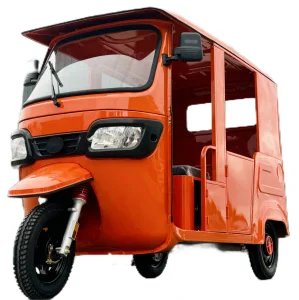
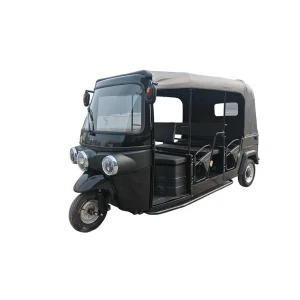
In developing metro networks, passenger tuk-tuks (available in 3-seater to 9-seater variations, such as our S3 Iron Frame Series) serve as key connectors between heavy transit terminals and nearby neighborhoods. By replacing fossil-fuel versions with electric powertrains, cities reduce carbon emissions and localized noise levels while ensuring safe, affordable, and accessible transport for residents.
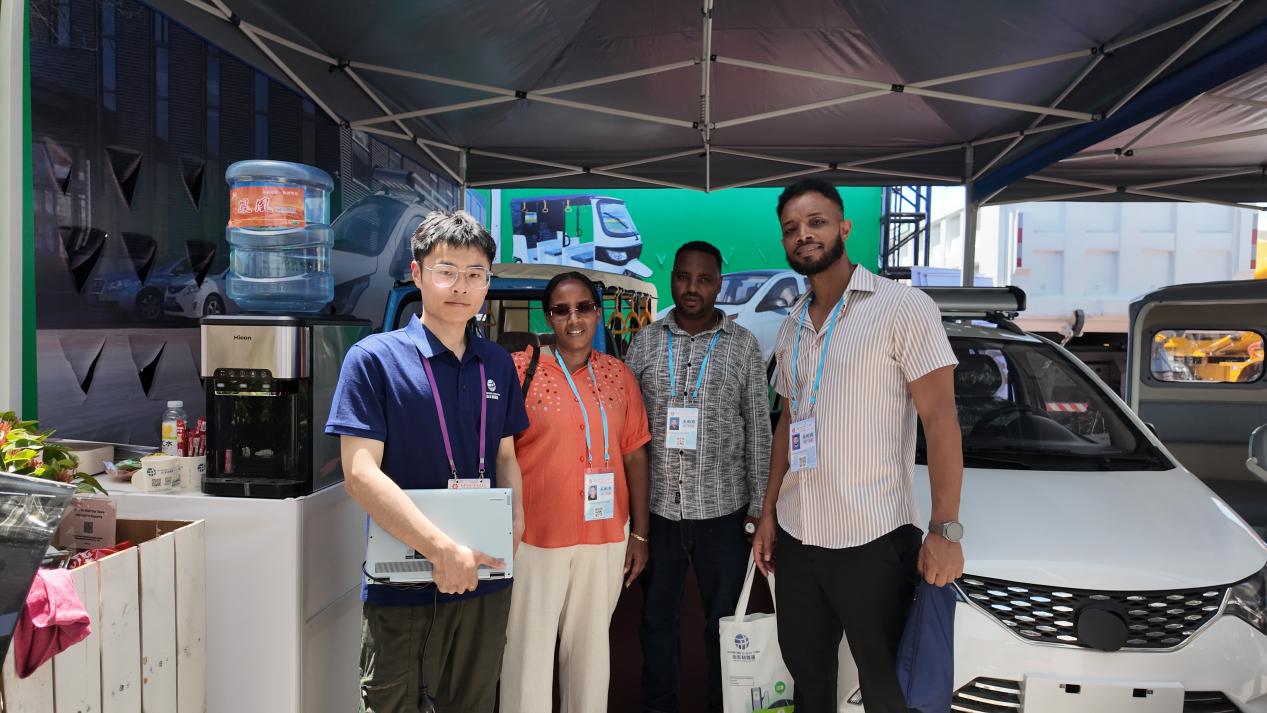
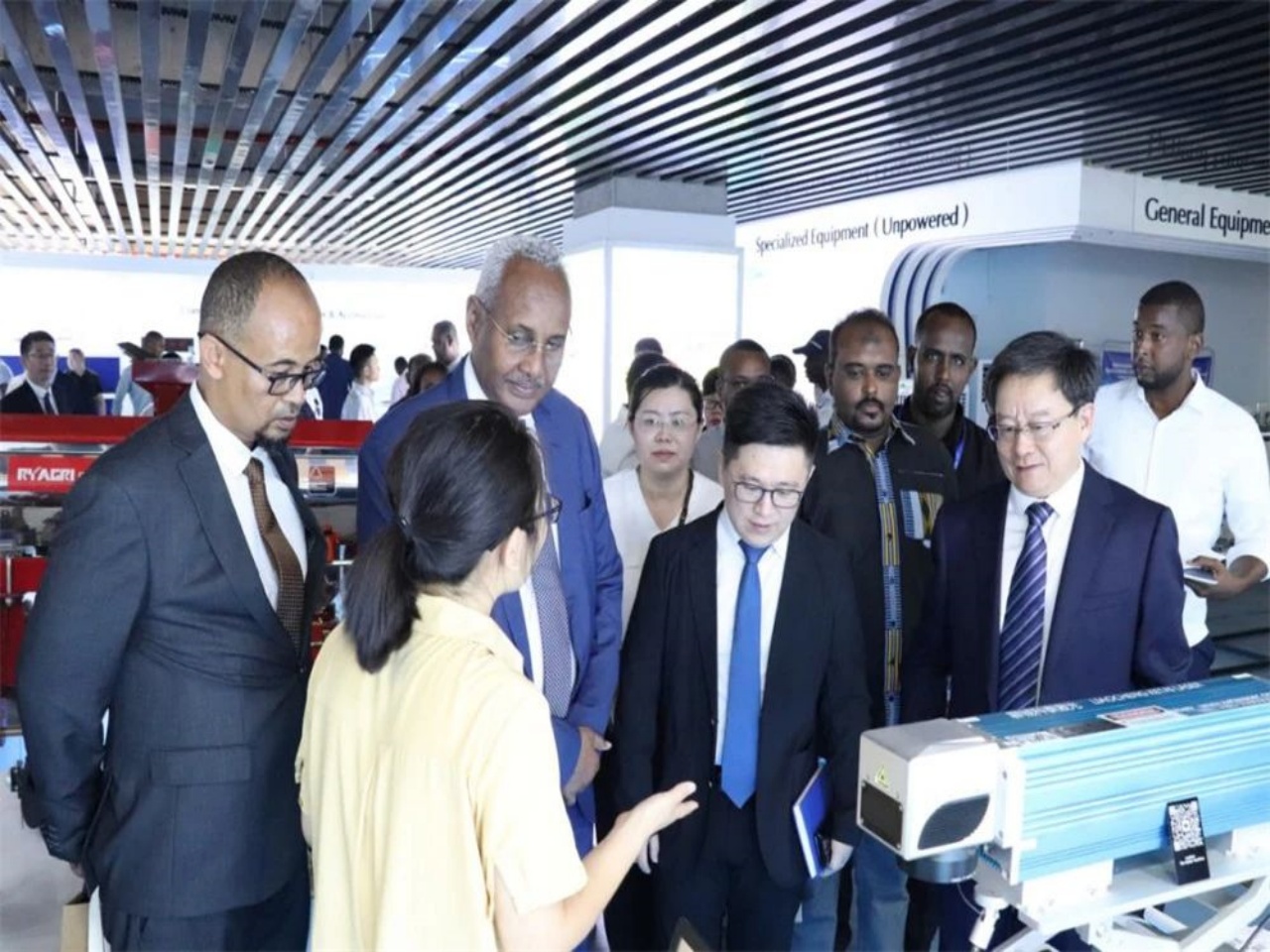
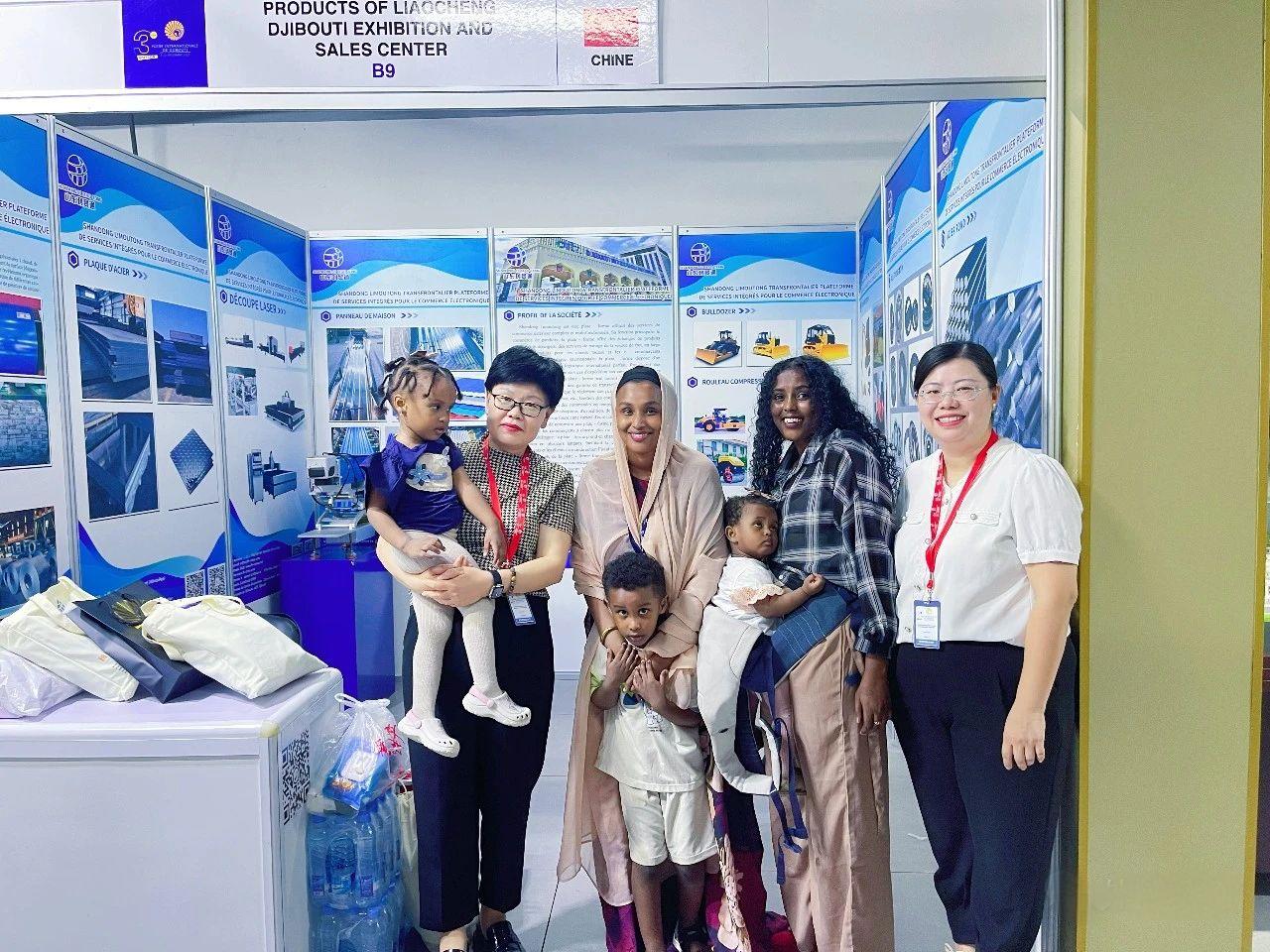
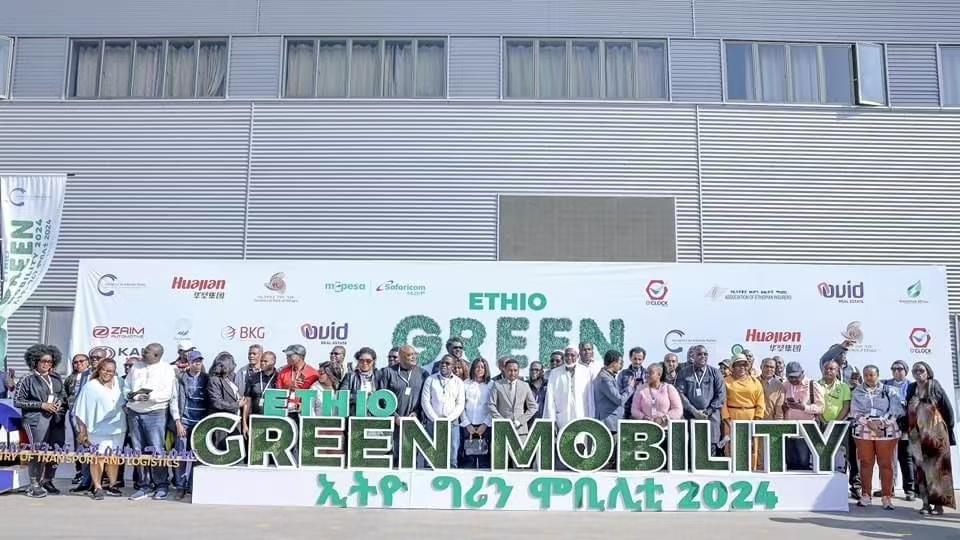
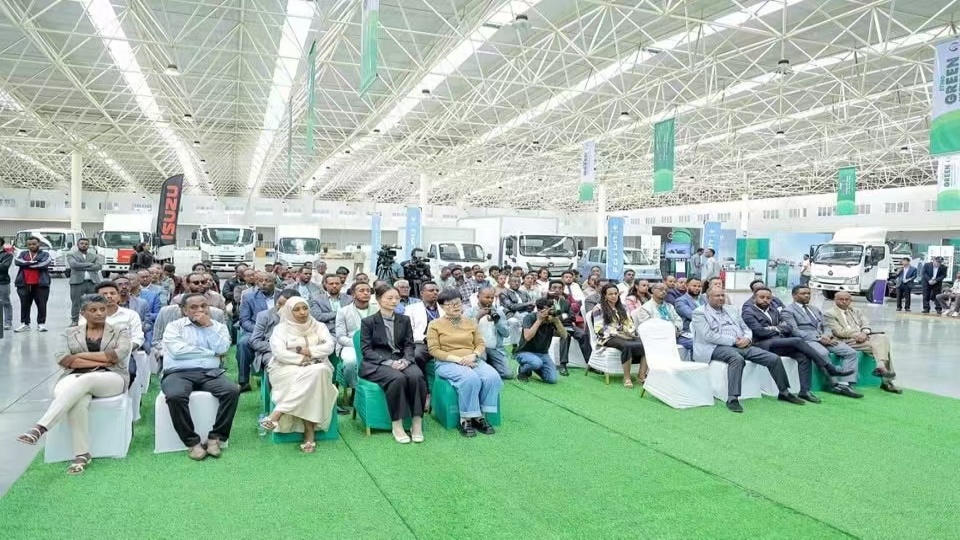
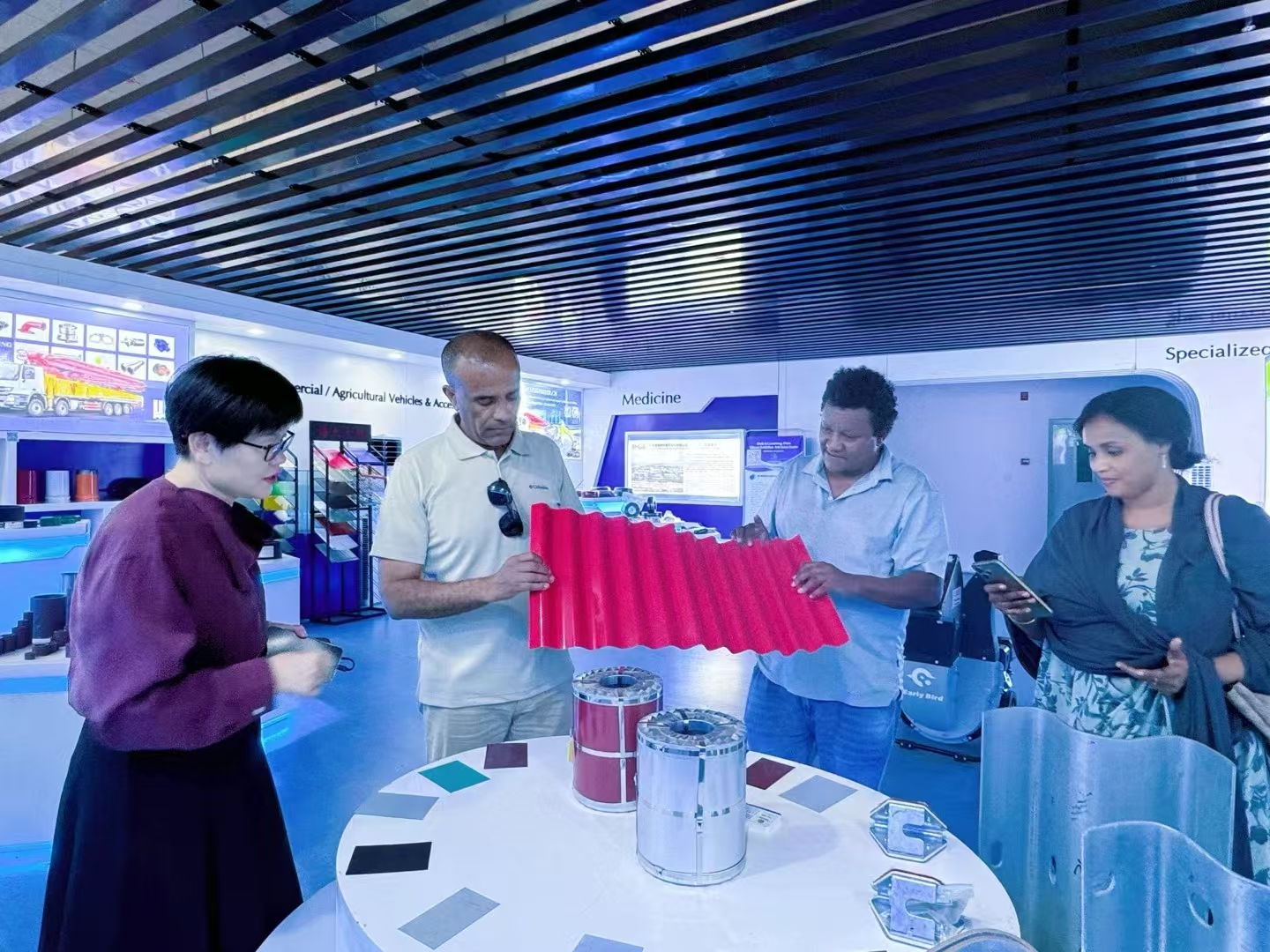
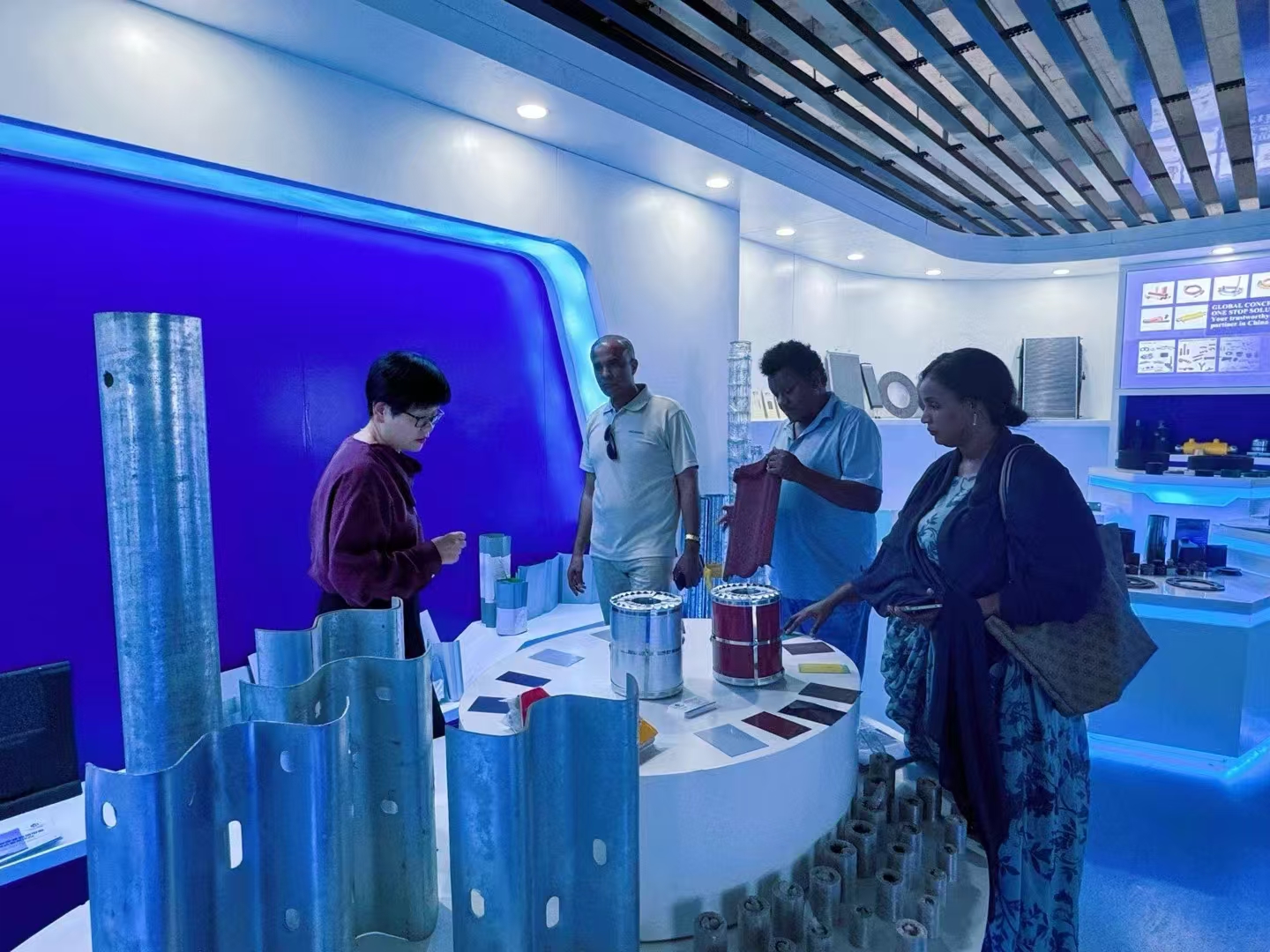
Real-world inspections, rigorous quality controls, and international trade shows reflect our focus on production quality and regulatory compliance.
We present our engineering and new energy vehicle designs at international mobility expos, connecting with global logistics agencies, fleet developers, and government partners.
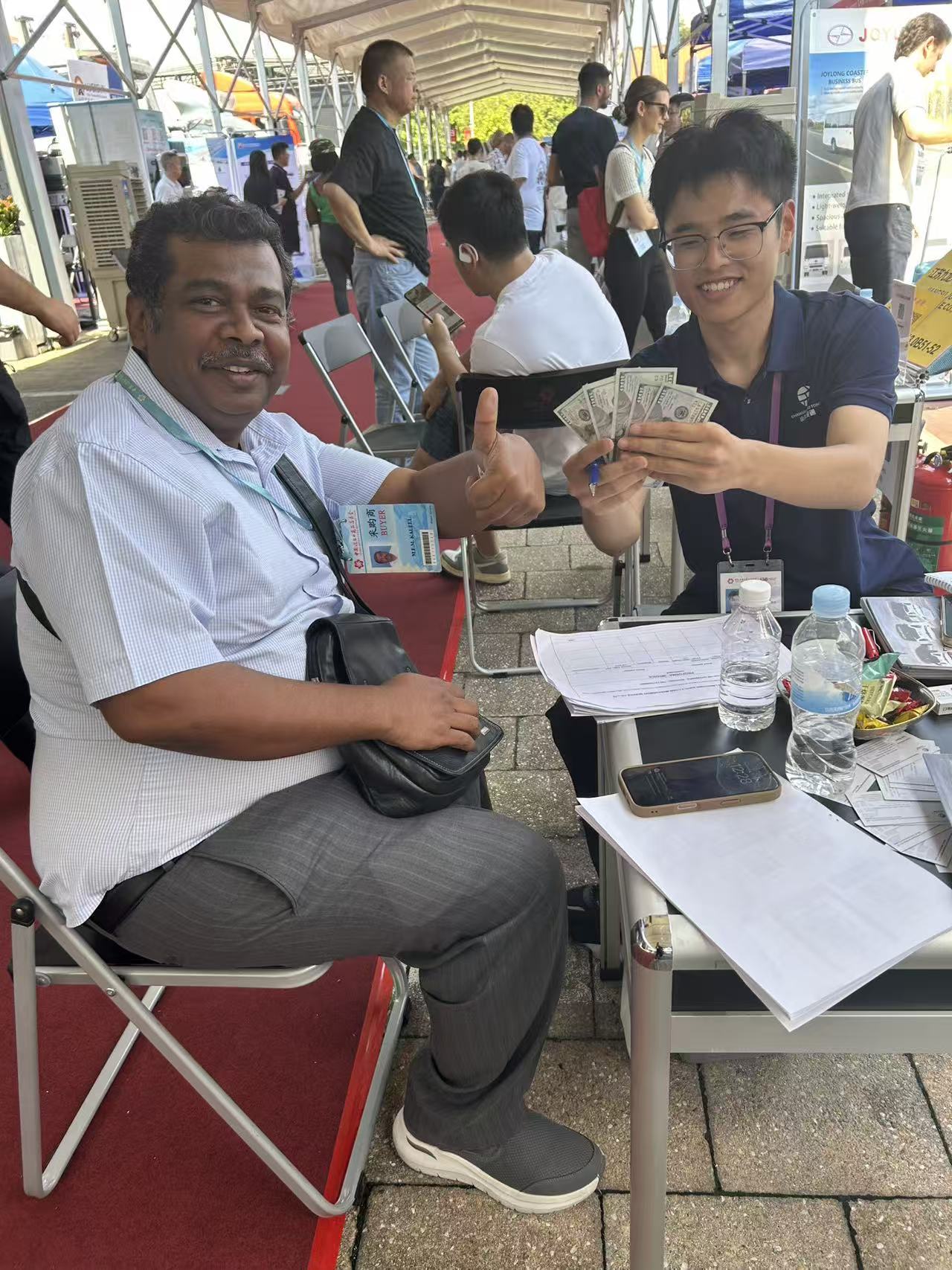
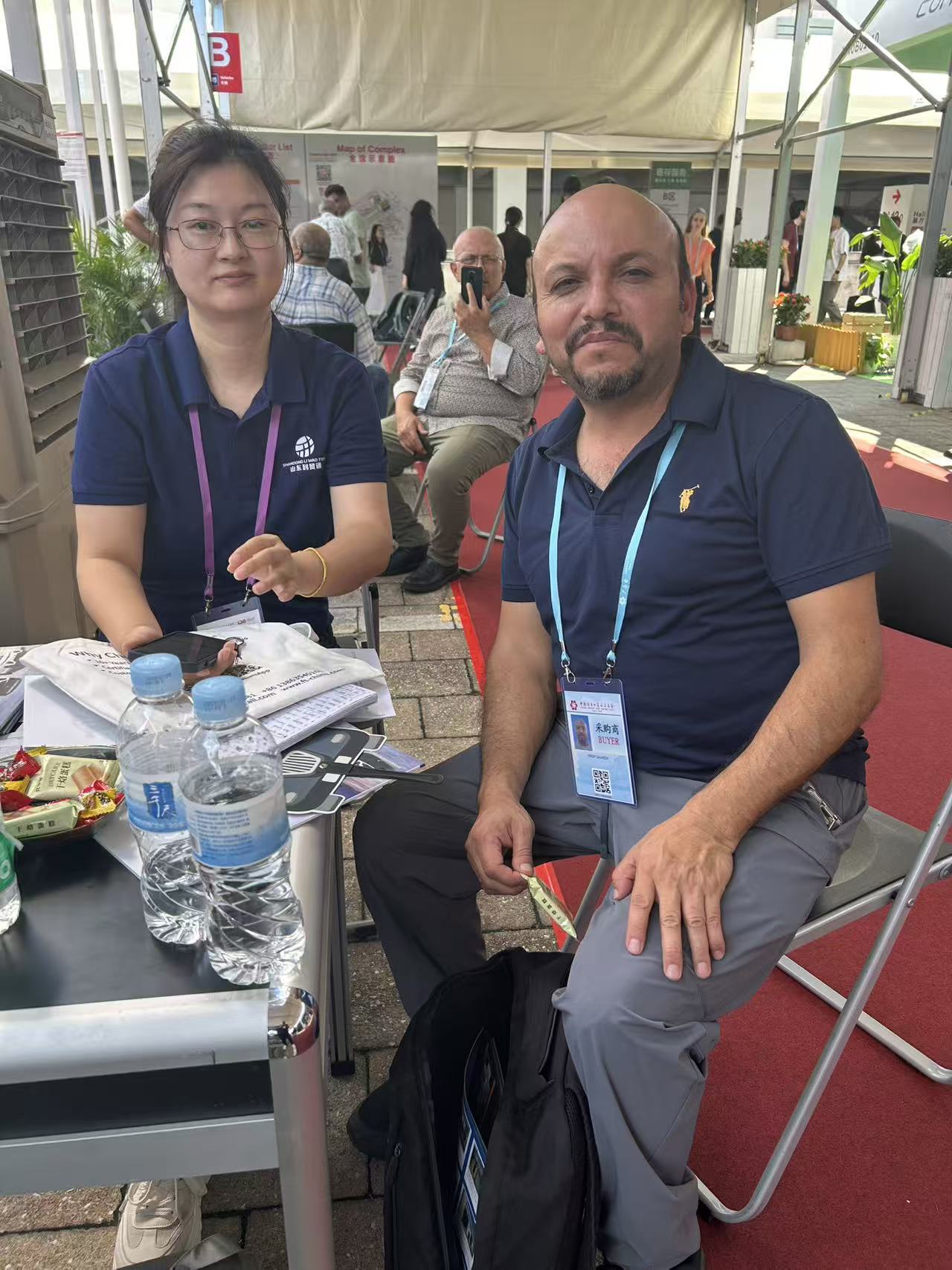
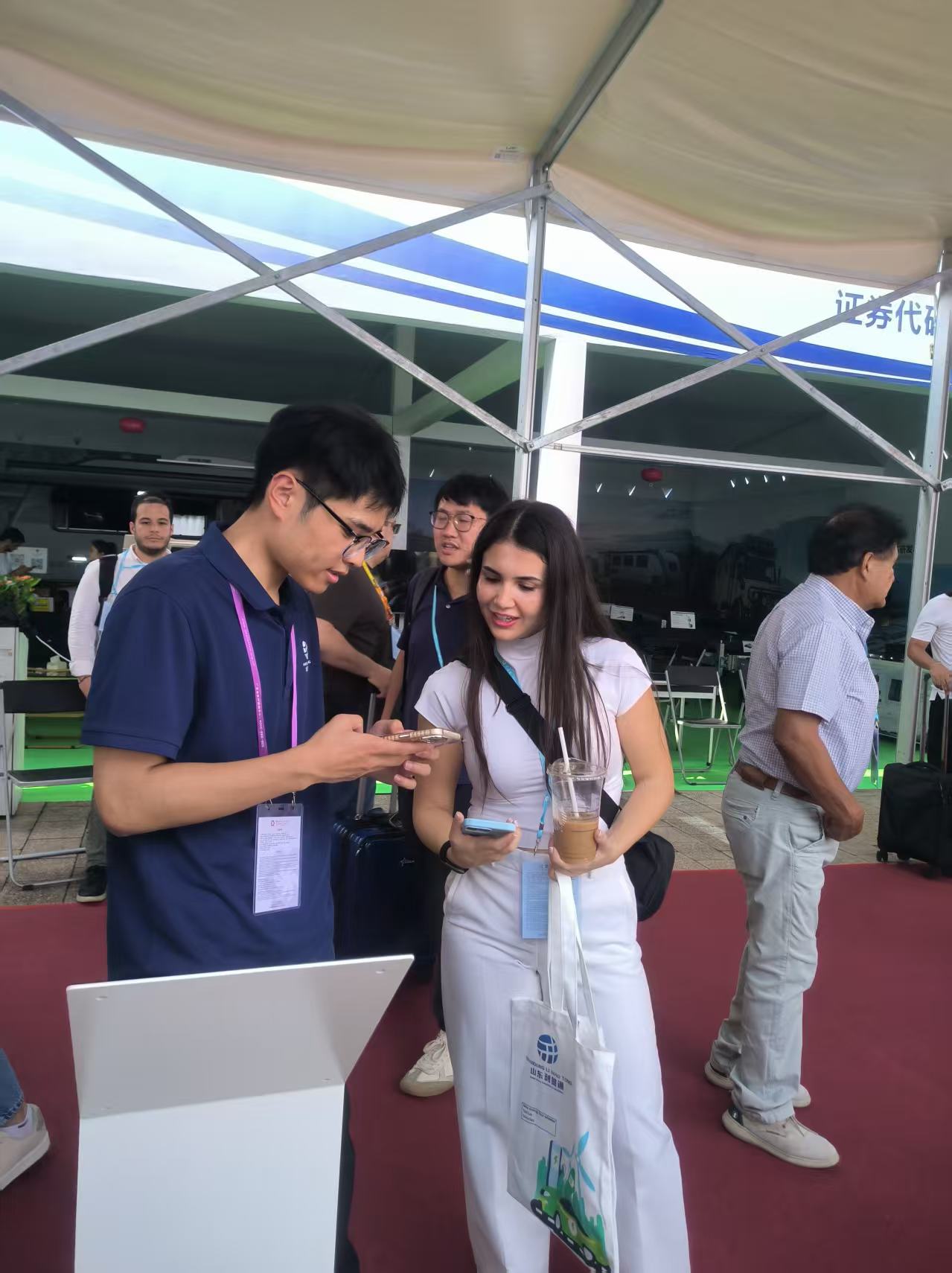
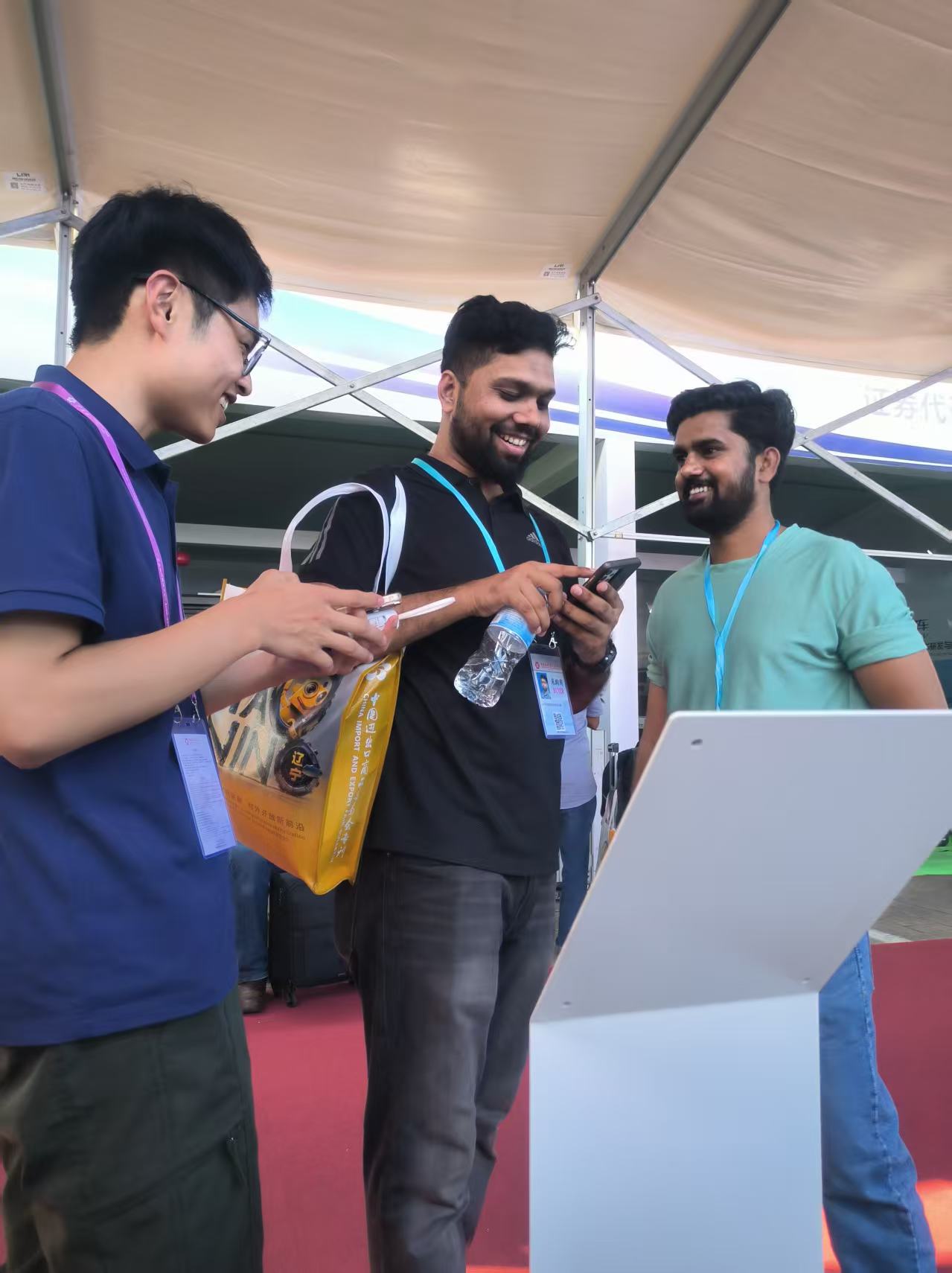
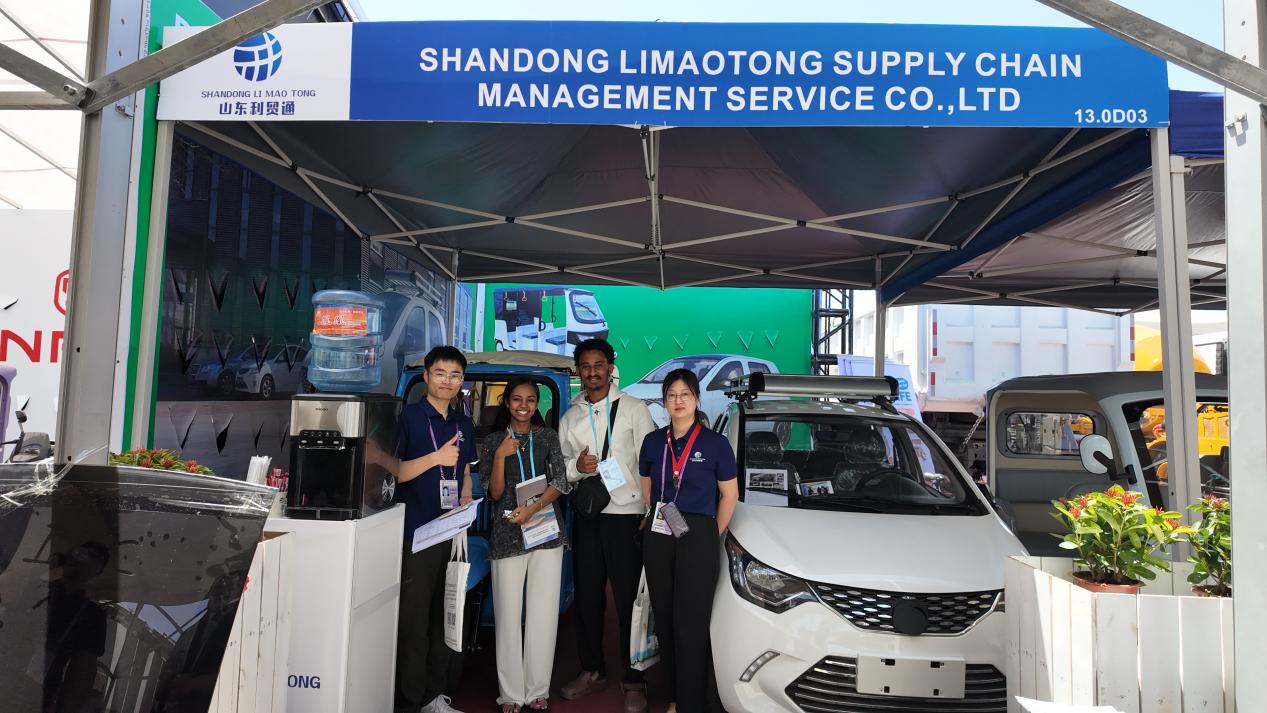
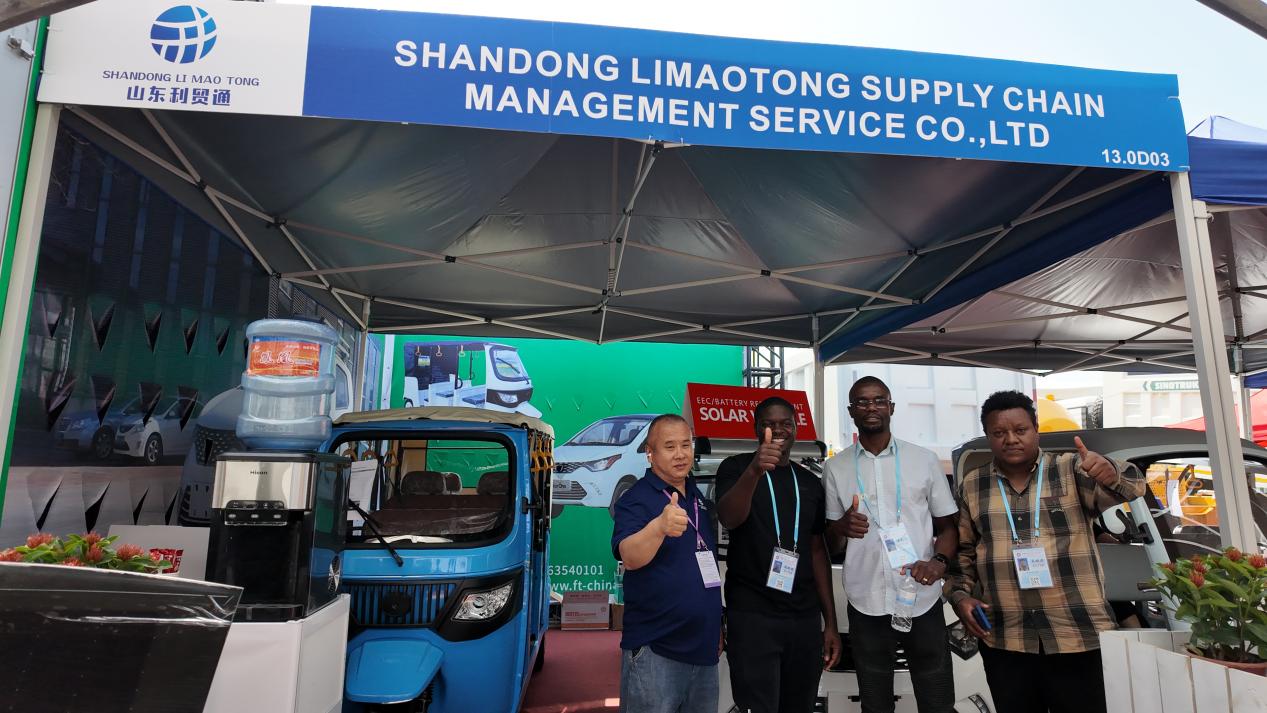
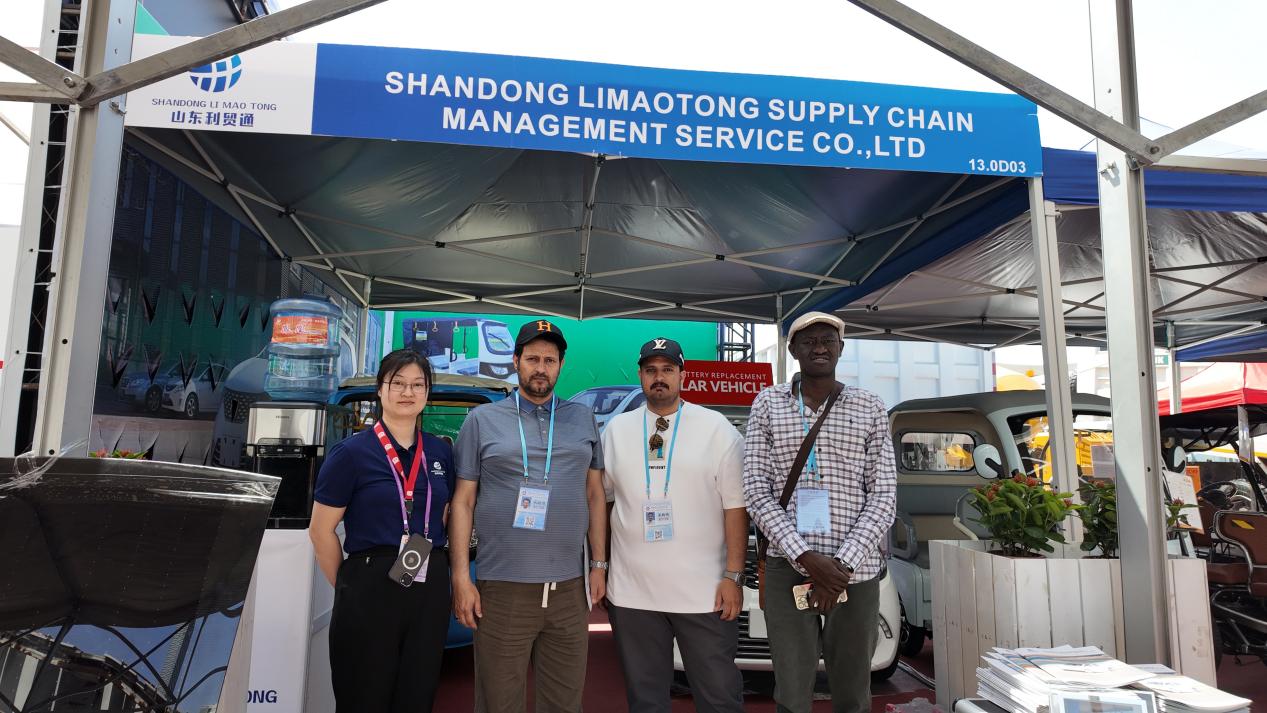
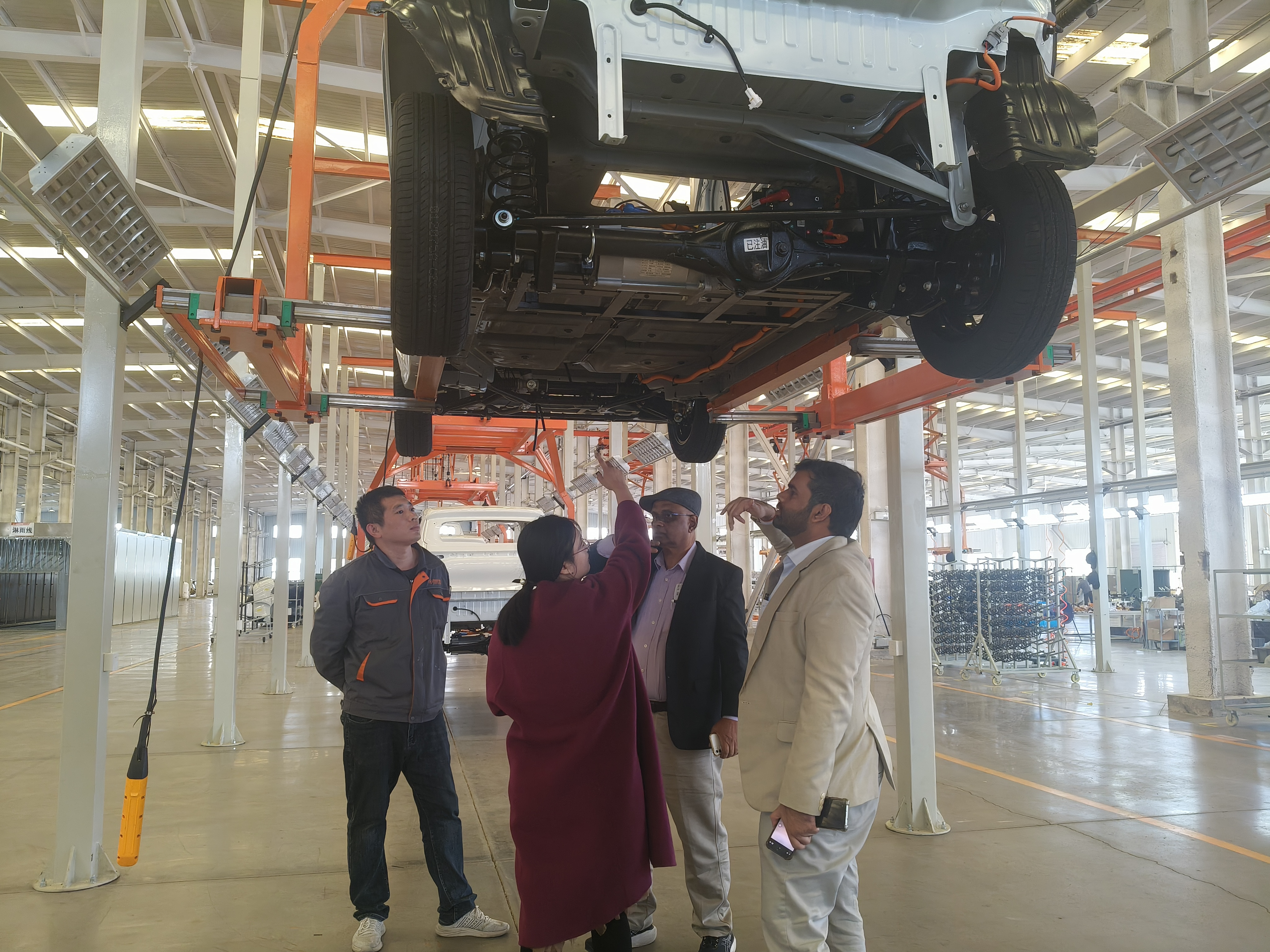
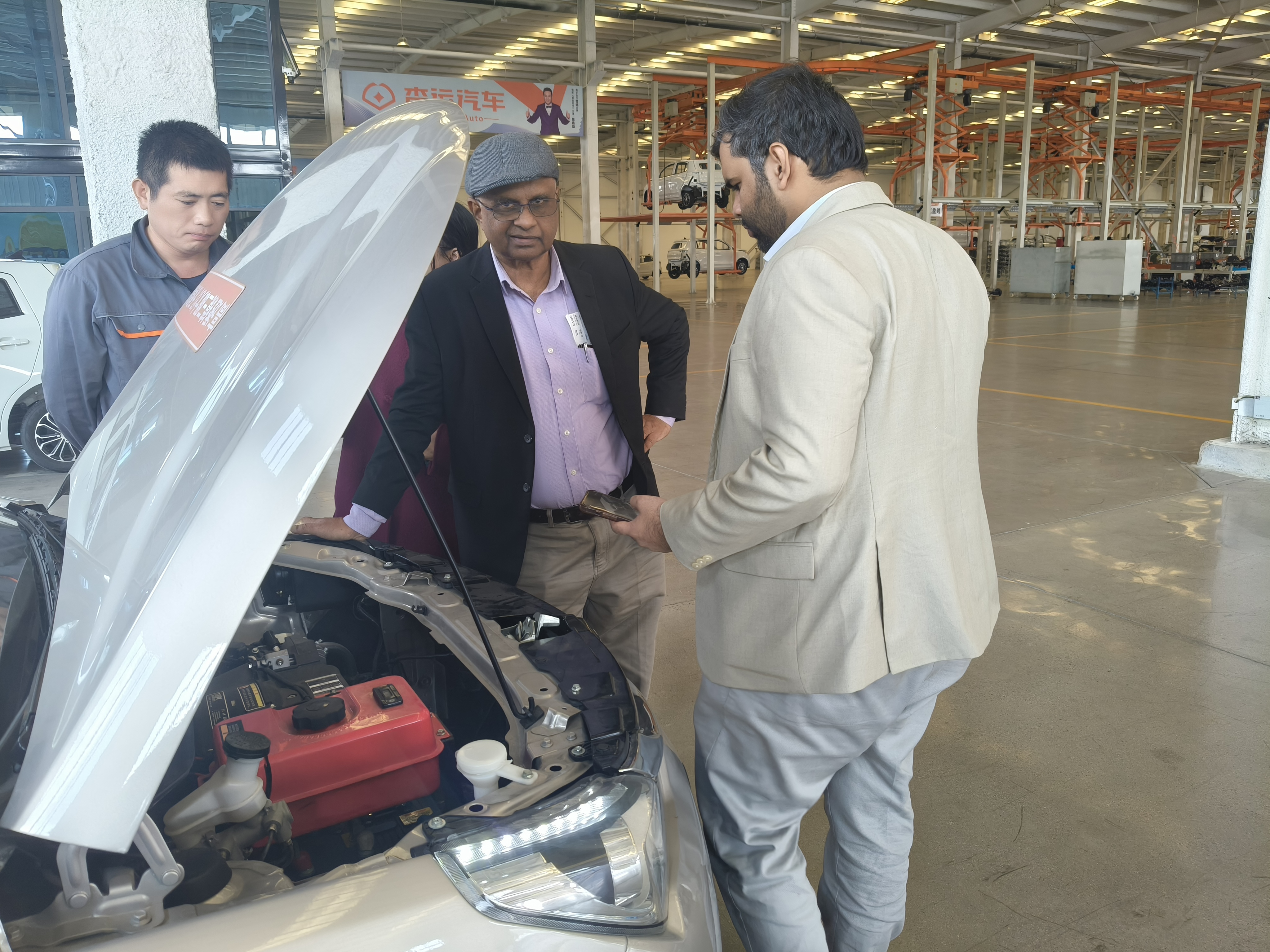
We invite enterprise clients, quality auditors, and logistics engineers to inspect our facilities. Visitors can review assembly tolerances, evaluate cabin welds, and inspect battery sealing processes firsthand.
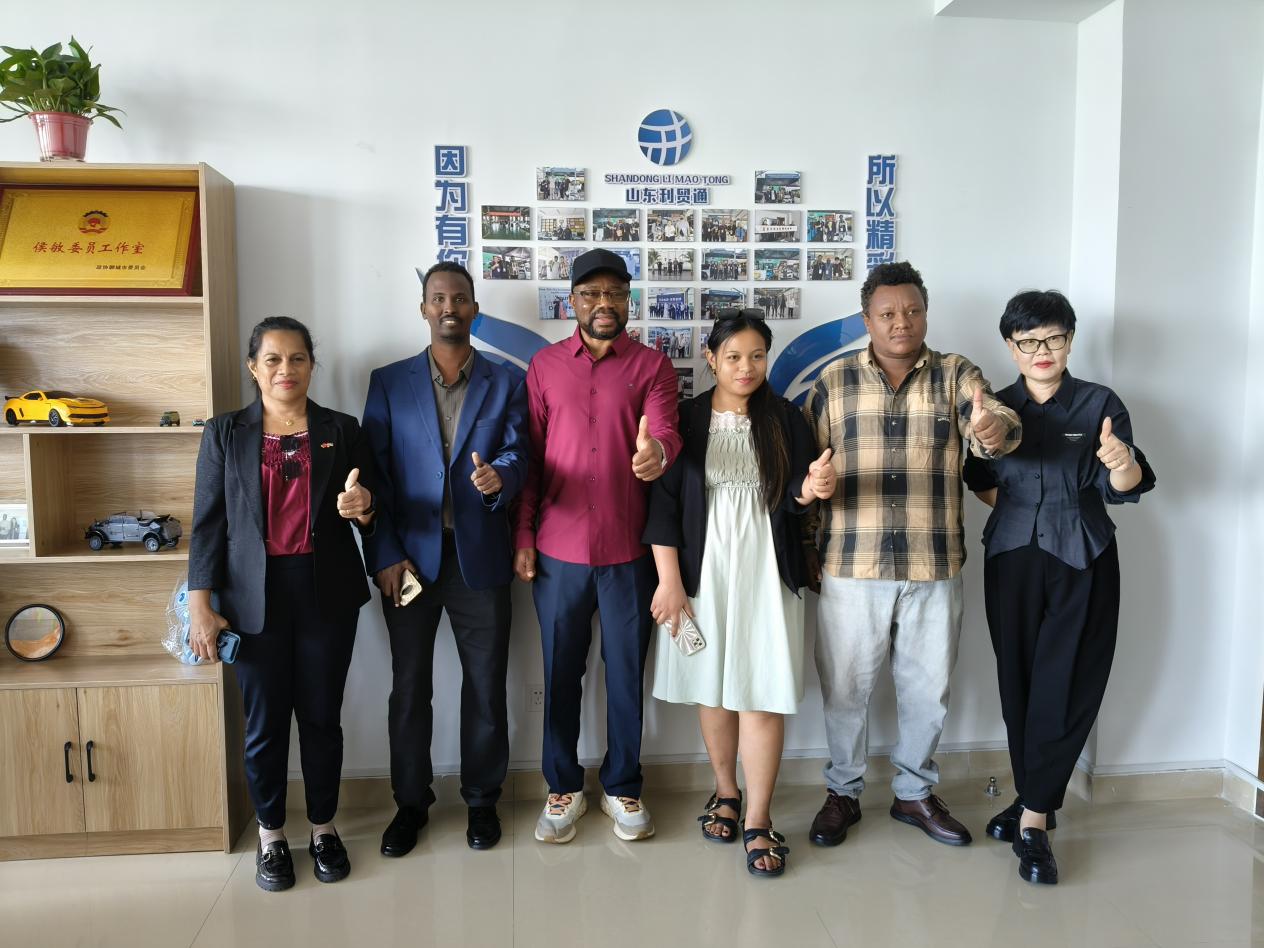
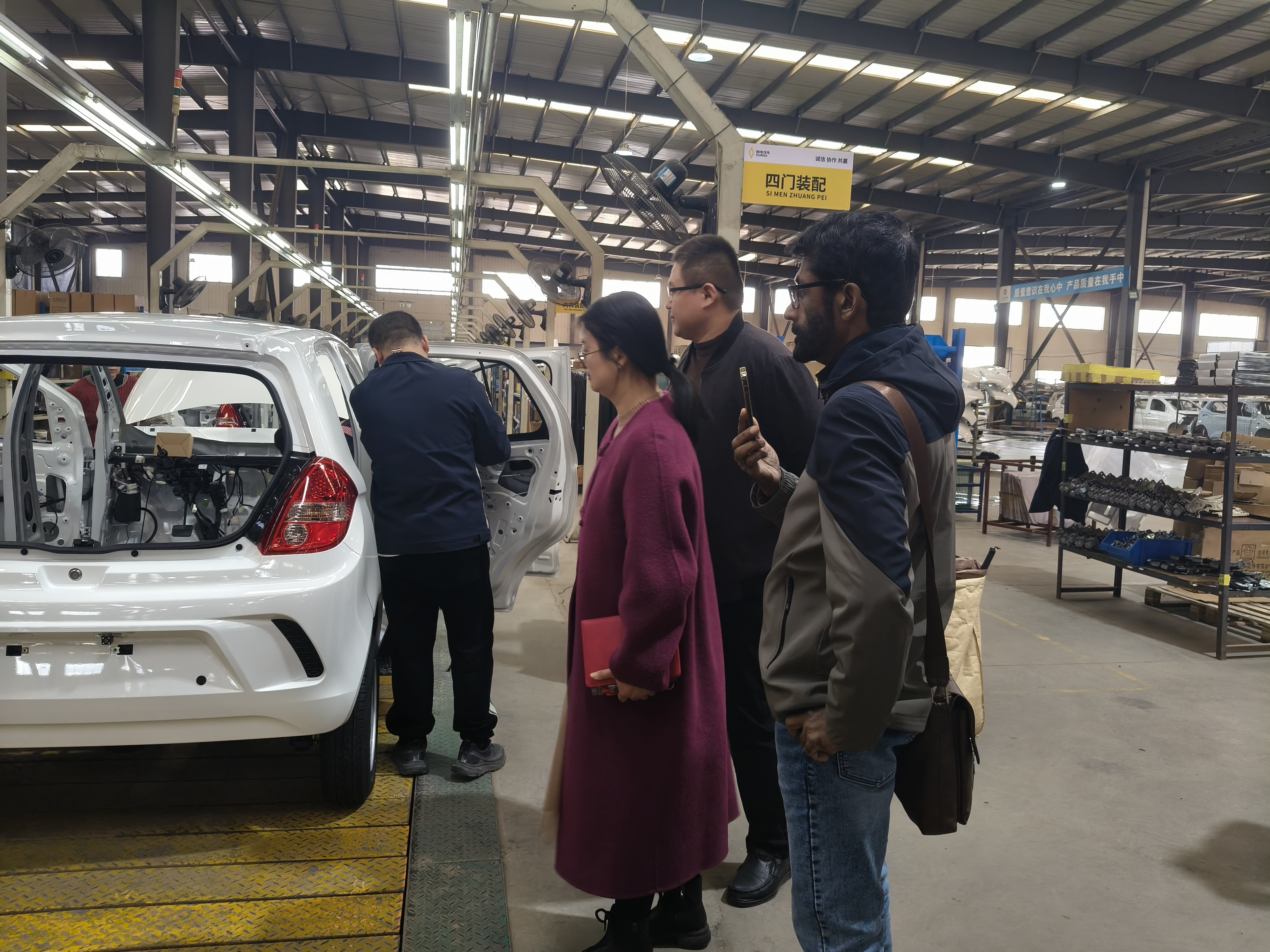
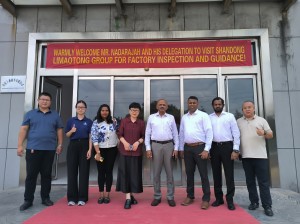
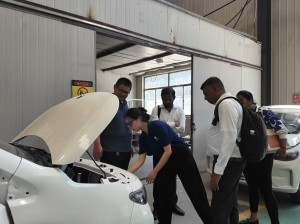

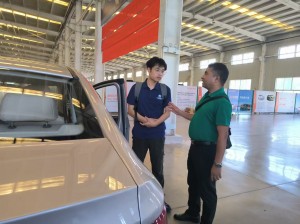
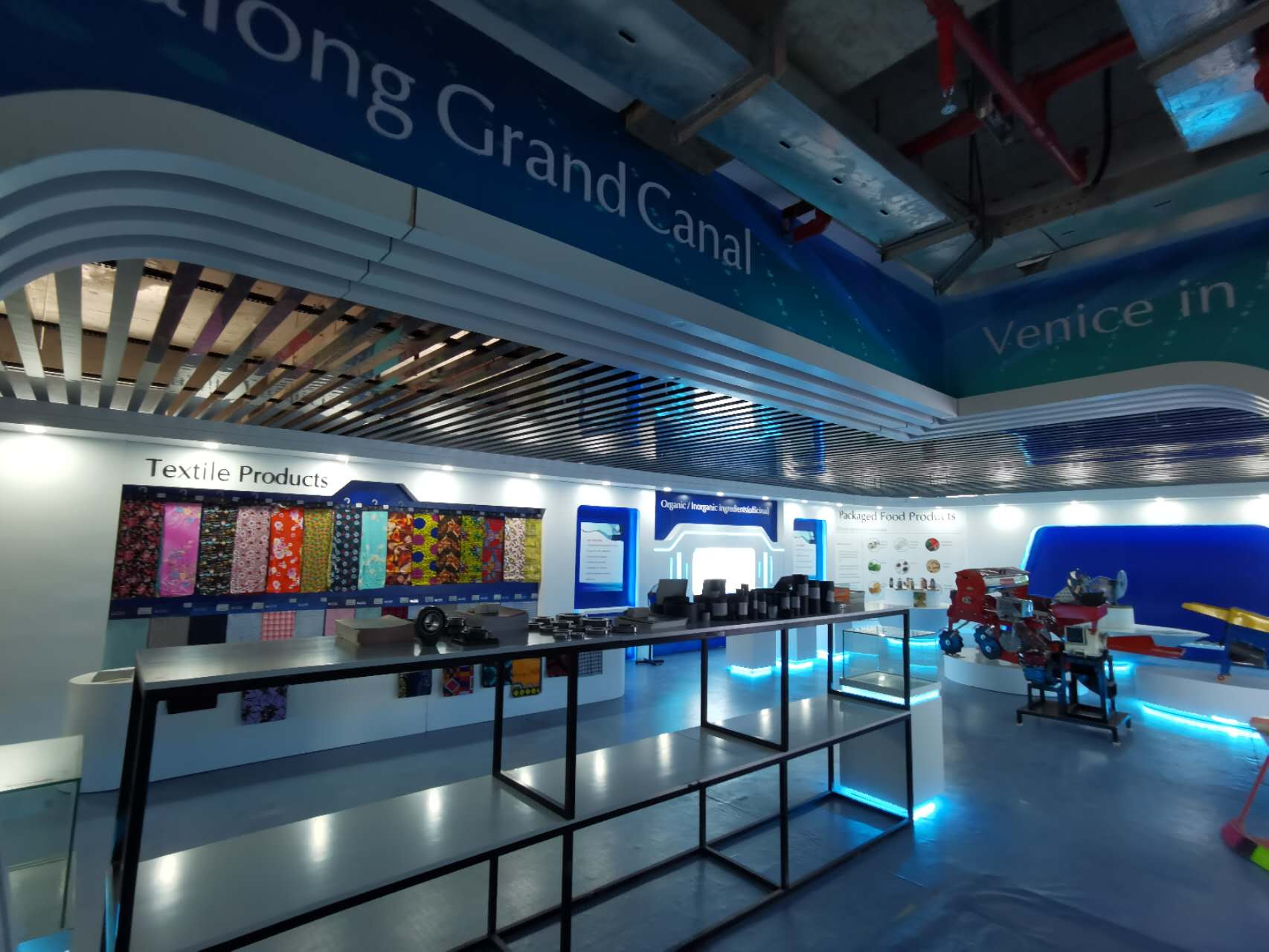
Established in 2023 inside the Djibouti International Free Trade Zone, this specialized center provides African markets with a direct gateway to Chinese engineering. By combining physical inventory with localized customs clearances, we support regional fleets with rapid vehicle delivery and immediate technical support.


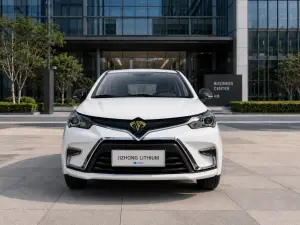
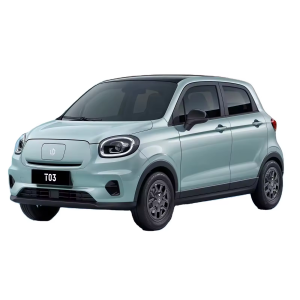
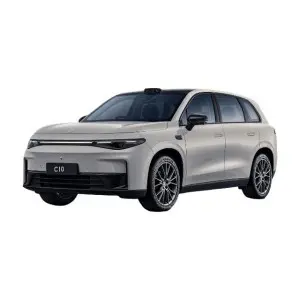
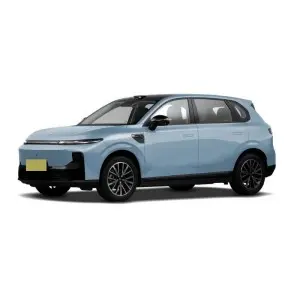
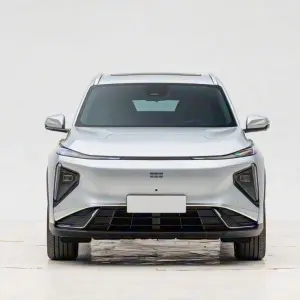
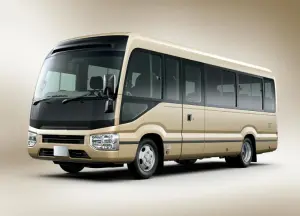
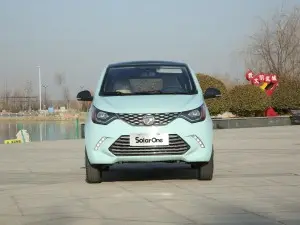
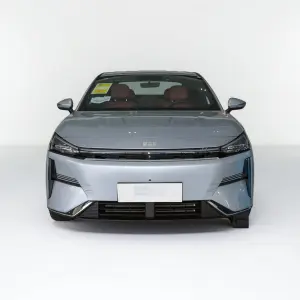
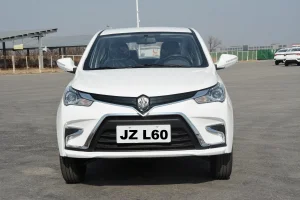
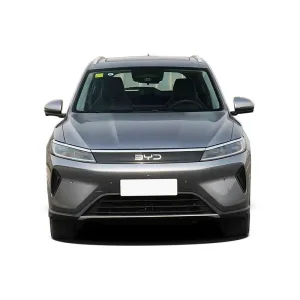
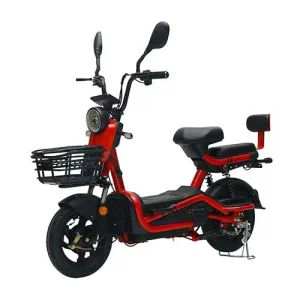
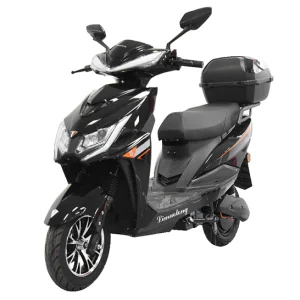
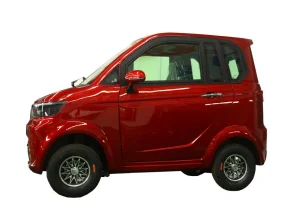
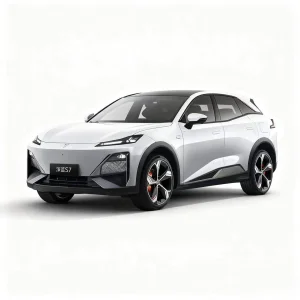
To support comprehensive municipal and corporate logistics requirements, we offer an expanded portfolio of light utility and multi-passenger vehicles in partnership with leading global automotive brands.
As the micro-mobility sector transitions toward higher energy density and structural safety, our research divisions focus on several key initiatives:
For high-frequency commercial fleets, keeping vehicles plugged in for hours reduces productivity. We are developing unified LFP battery-swapping systems that allow drivers to change battery modules in under two minutes, maximizing fleet runtime.
Future fleets will rely on advanced tracking data. Our integration plans include GPS positioning, cellular diagnostics, and remote battery monitoring. This allows operators to track vehicle location, monitor state of charge, and plan maintenance schedules preventatively.
By using aluminum alloys and high-impact structural plastics in passenger enclosures, we reduce overall vehicle curb weight. This weight reduction directly translates into extended range and improved cargo capacity without increasing battery size.
 Limaotong