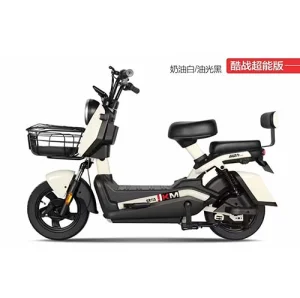
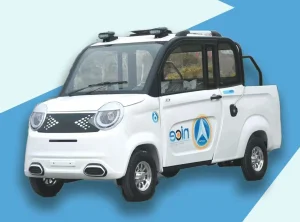
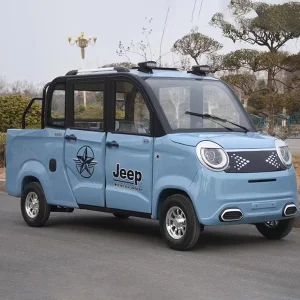
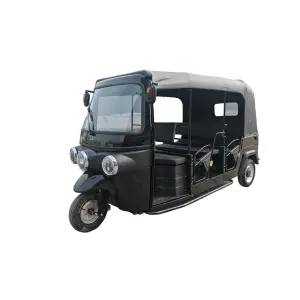
Discover our top-tier catalog of electric three-wheelers, micro-mobility vehicles, and smart transit platforms designed for B2B cargo logistics and passenger fleets.
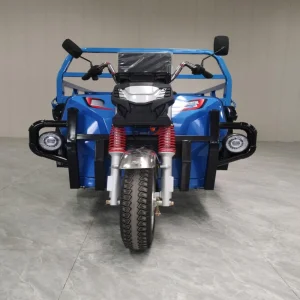
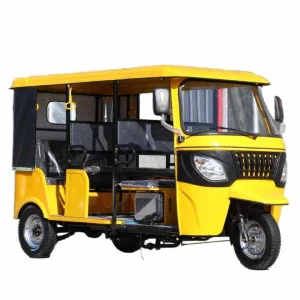
The global transport sector is undergoing a rapid transition toward electrification, driven by urban density challenges, strict decarbonization policies, and volatile fossil fuel prices. Within this shift, Electric Three-Wheelers (E3Ws)—commonly referred to as electric cargo tricycles, passenger tuk-tuks, or e-trikes—have emerged as key vehicles for micro-mobility, urban freight delivery, and last-mile operations. Manufacturers in China, utilizing vast manufacturing ecosystems, lead the development of highly optimized and cost-efficient E3Ws for global distribution.
Modern cities are facing high logistics demands alongside strict emission rules. Conventional light commercial vehicles (LCVs) are often hindered by traffic congestion, restricted entry zones, and high operating costs. In contrast, E3Ws offer a compact footprint, zero emissions, and high torque at low speeds, making them ideal for urban delivery routes. Market analysis projects the global electric three-wheeler market to expand at a compound annual growth rate (CAGR) exceeding 11.2% through 2030, driven by the expansion of e-commerce, quick-commerce, and public transport integration in developing economies.
E3Ws offer lower total cost of ownership (TCO) compared to petrol or diesel options, reducing fuel and maintenance expenses by up to 65% for fleet operations.
Complies with clean-air zones, city-center cargo restrictions, and global carbon reduction initiatives, helping logistics fleets avoid environmental penalties.
Built with one-piece stamped steel structures and advanced iron frames (e.g., S3 & S2 series) to withstand heavy payloads and rough road conditions.
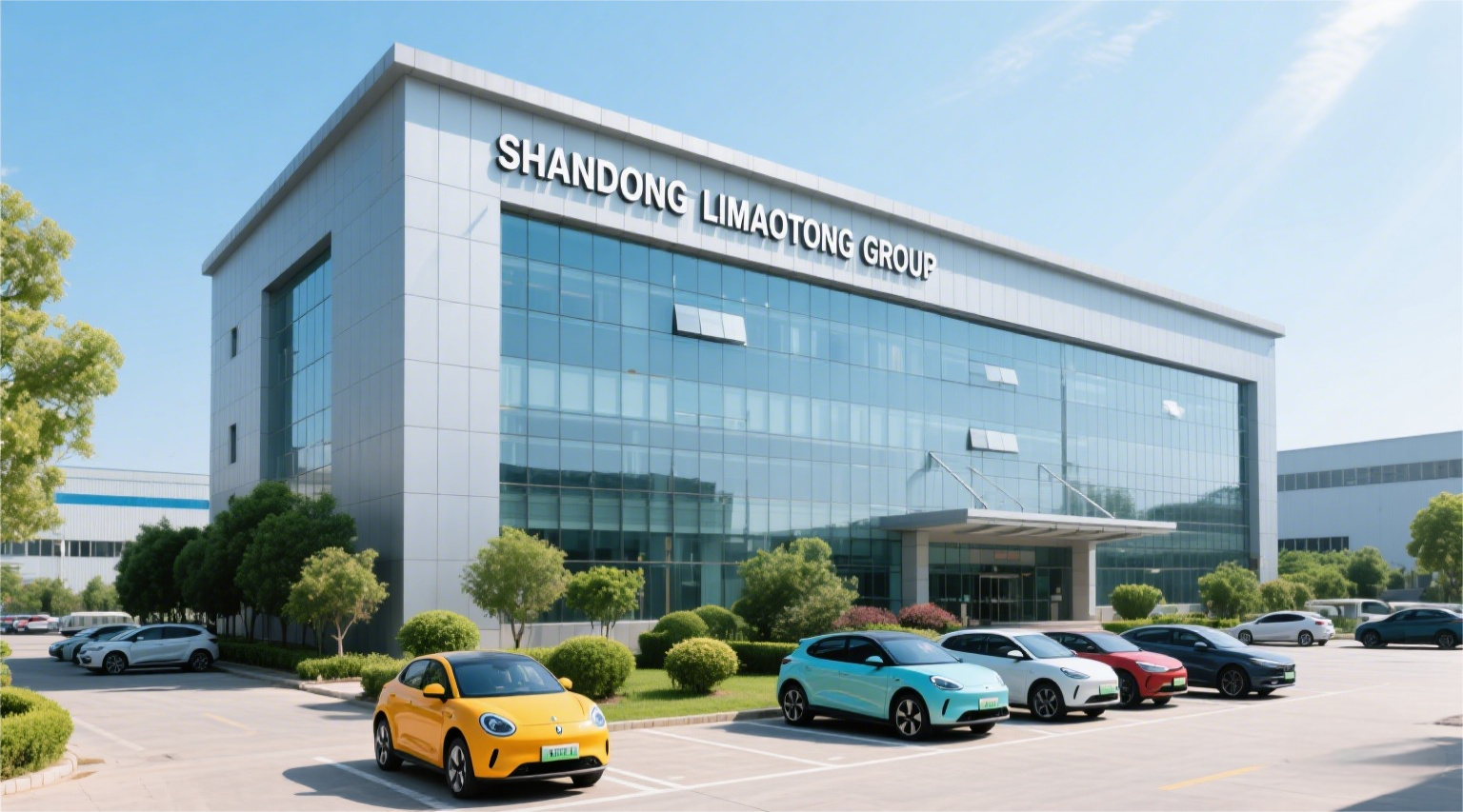
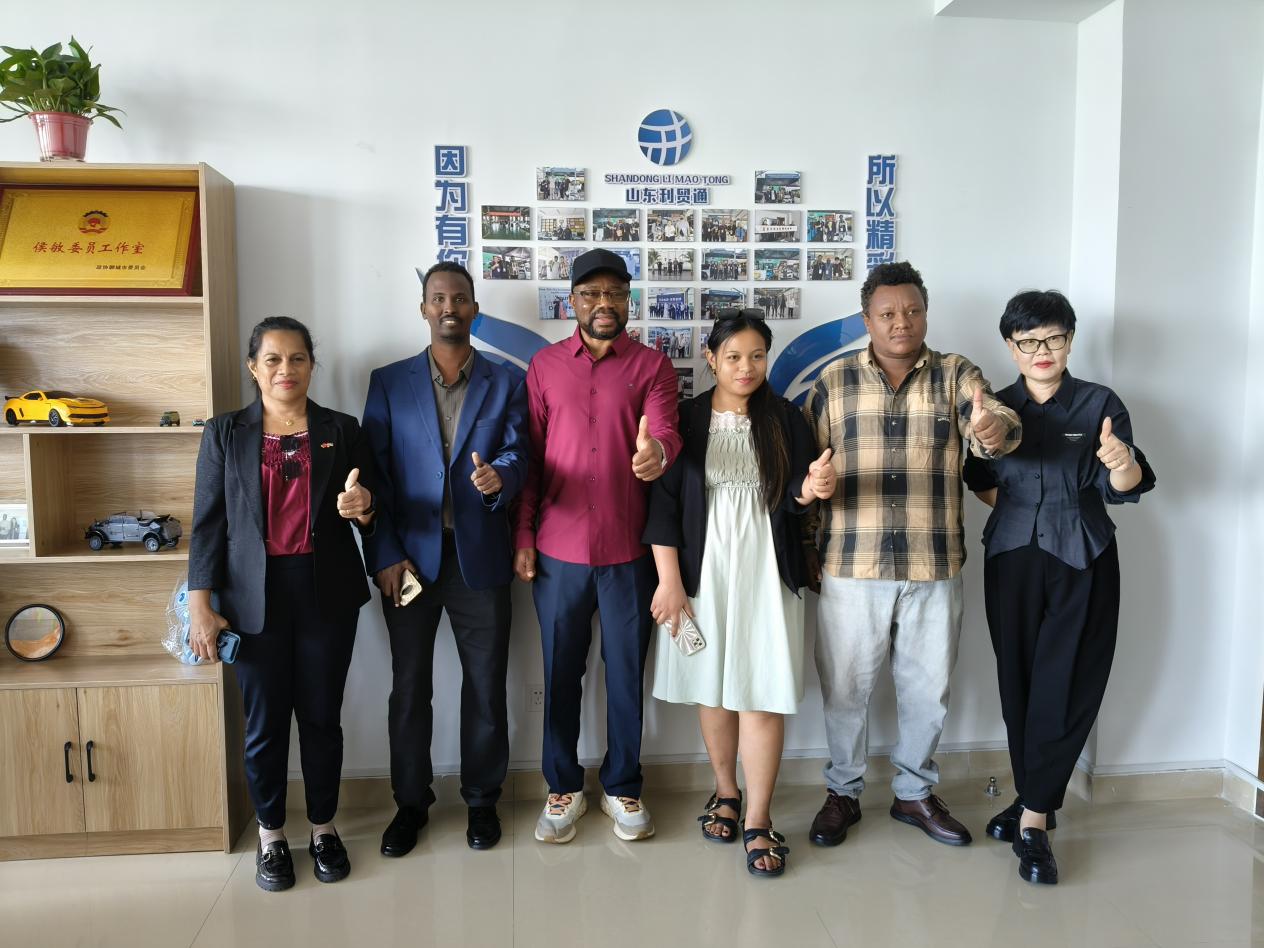
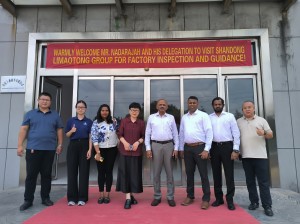
SHANDONG LI MAO TONG GROUP is a global supplier of specialized mobility and freight solutions. The group manages a complete industrial chain, specializing in the research, design, manufacture, and international distribution of motor tricycles, cargo tricycles, and electric mini vehicles.
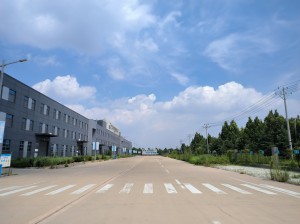
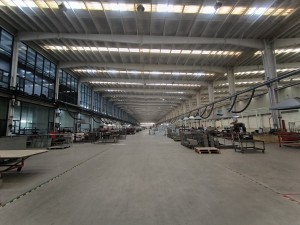
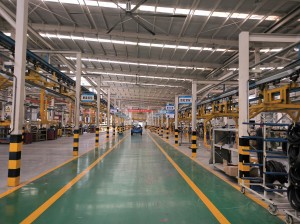
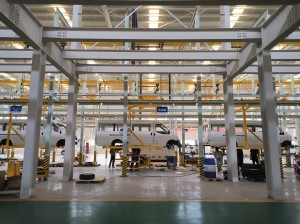
Since its founding, our vehicle platforms have expanded to serve markets in over 120 countries and regions, providing reliable mobility to more than 20 million households. Backed by 8 overseas production bases, we customize vehicle designs to suit local regulatory and environmental demands globally.
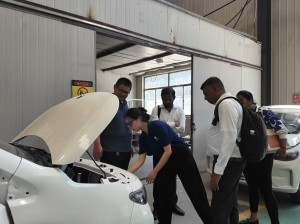
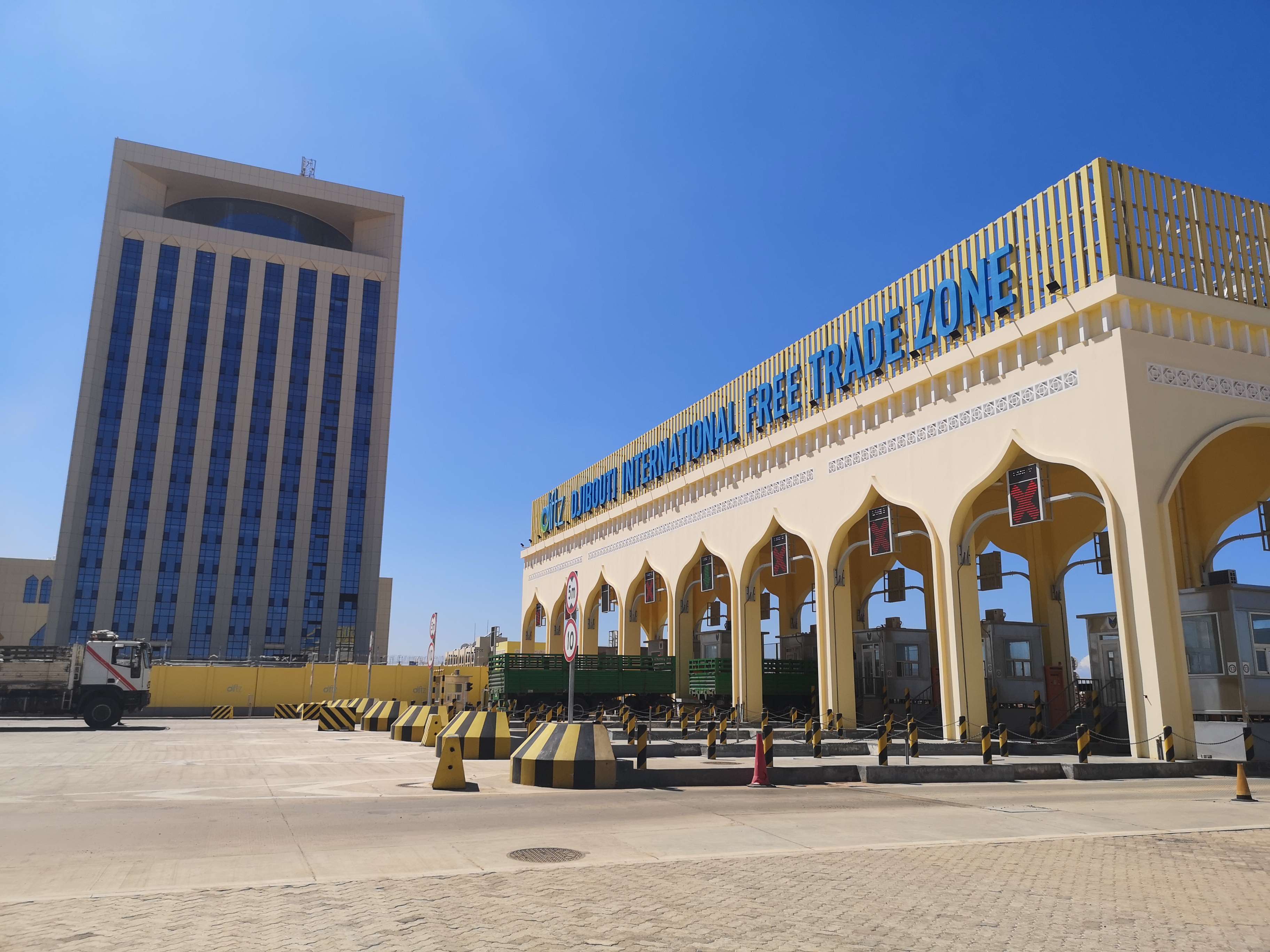
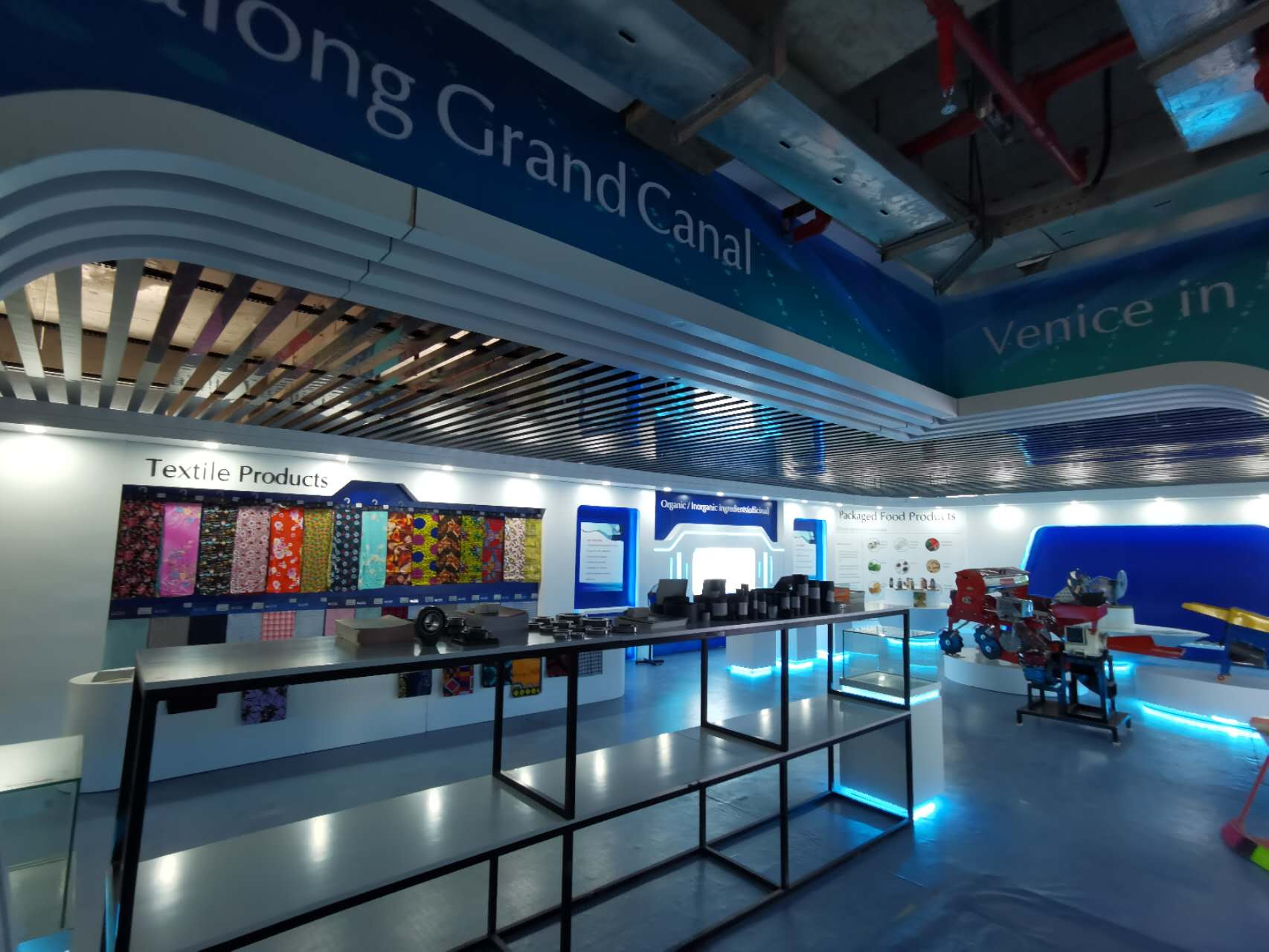
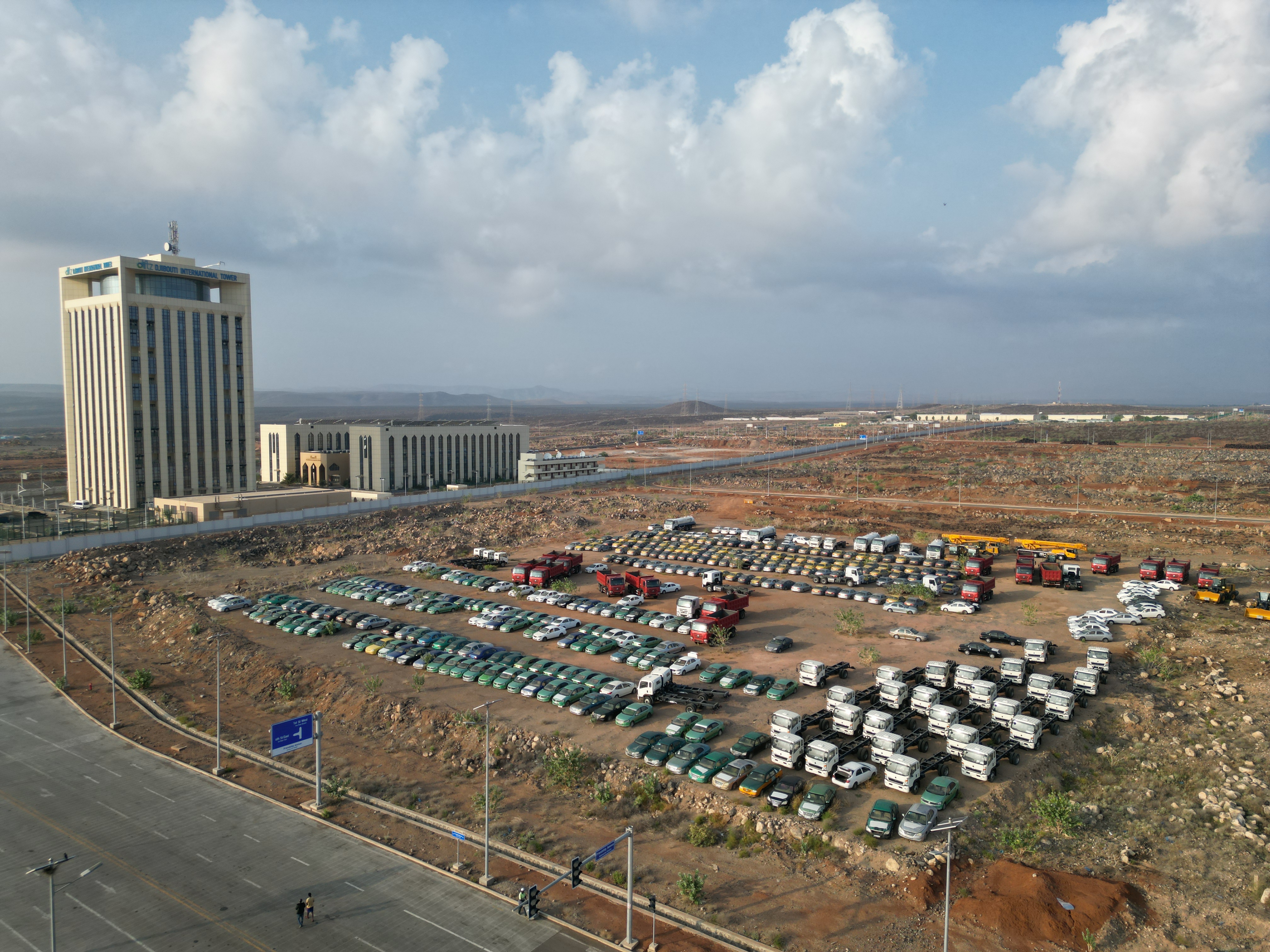
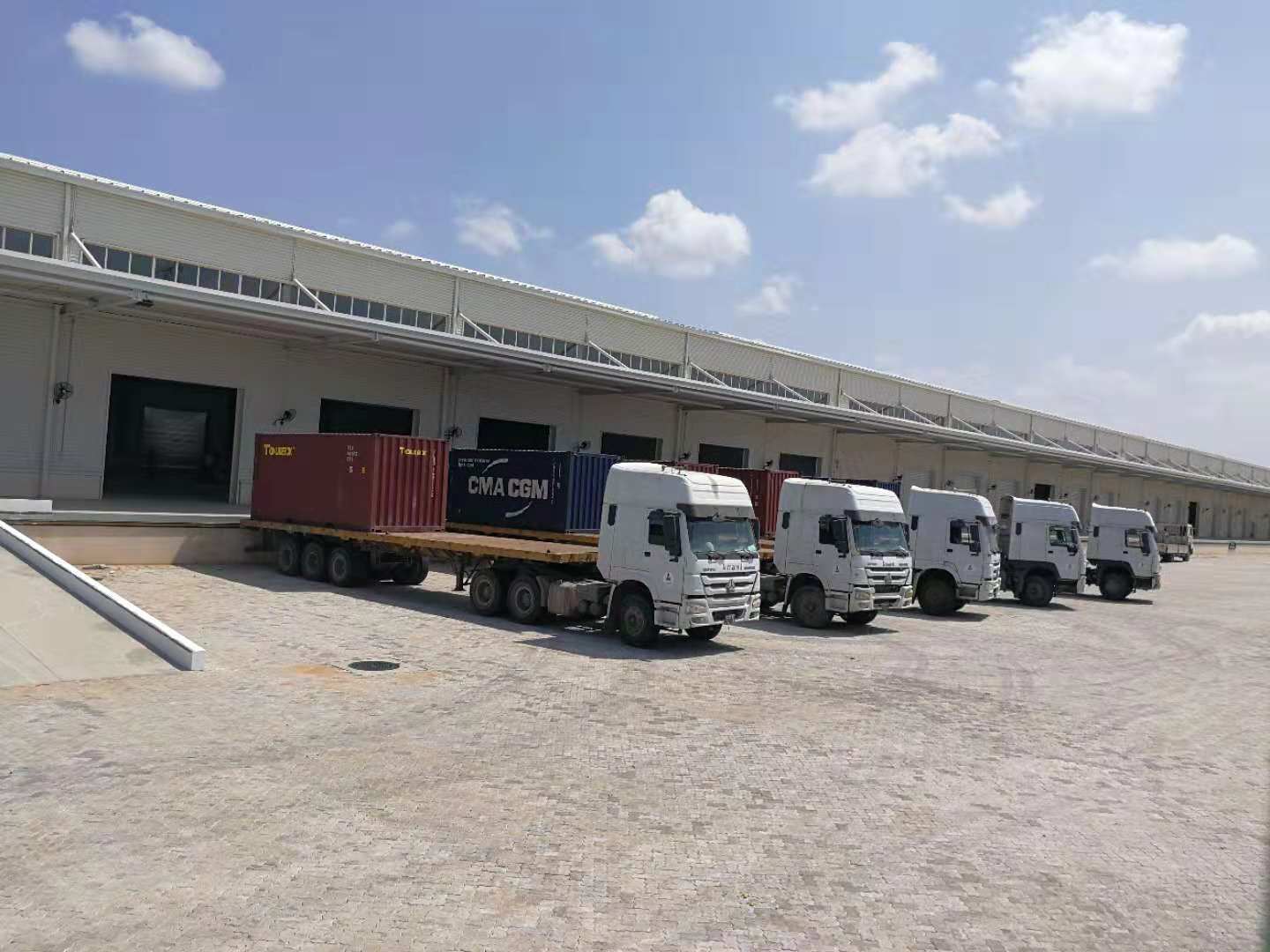
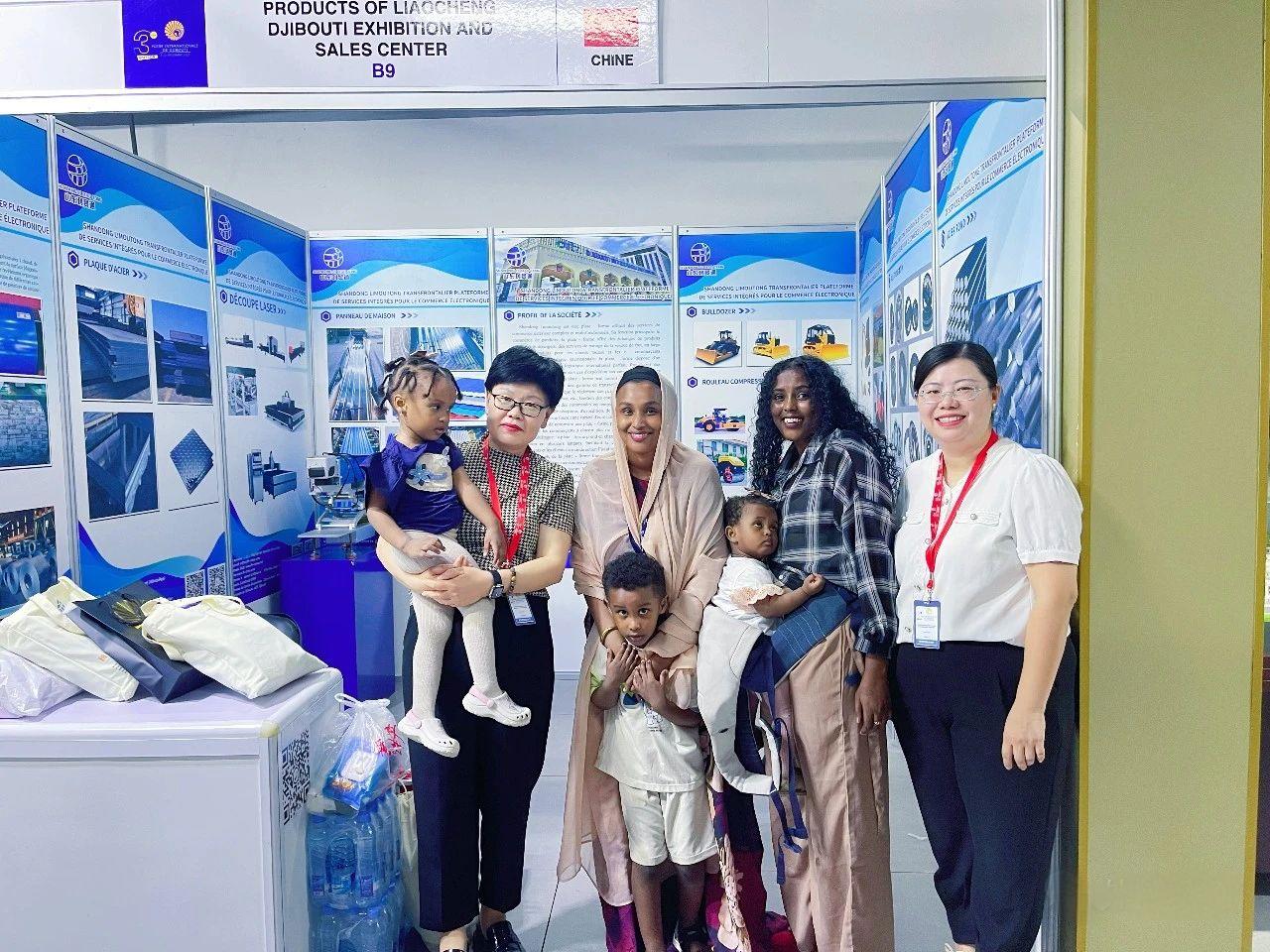
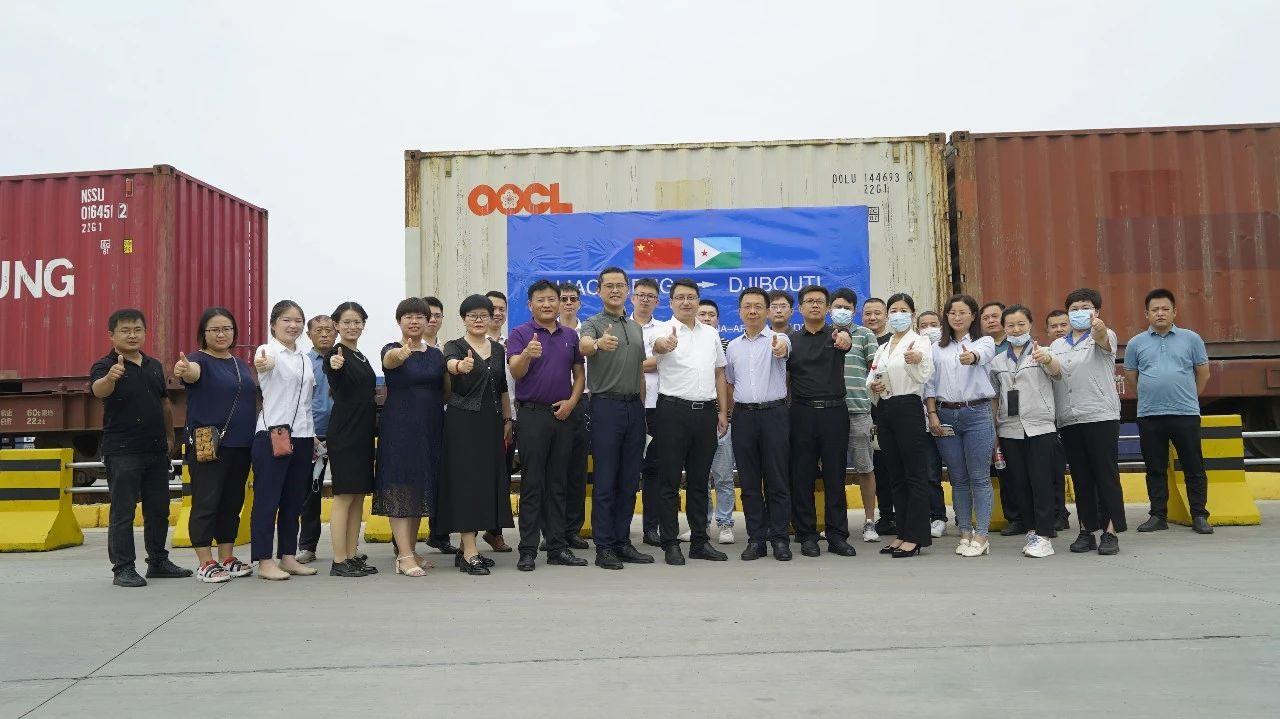
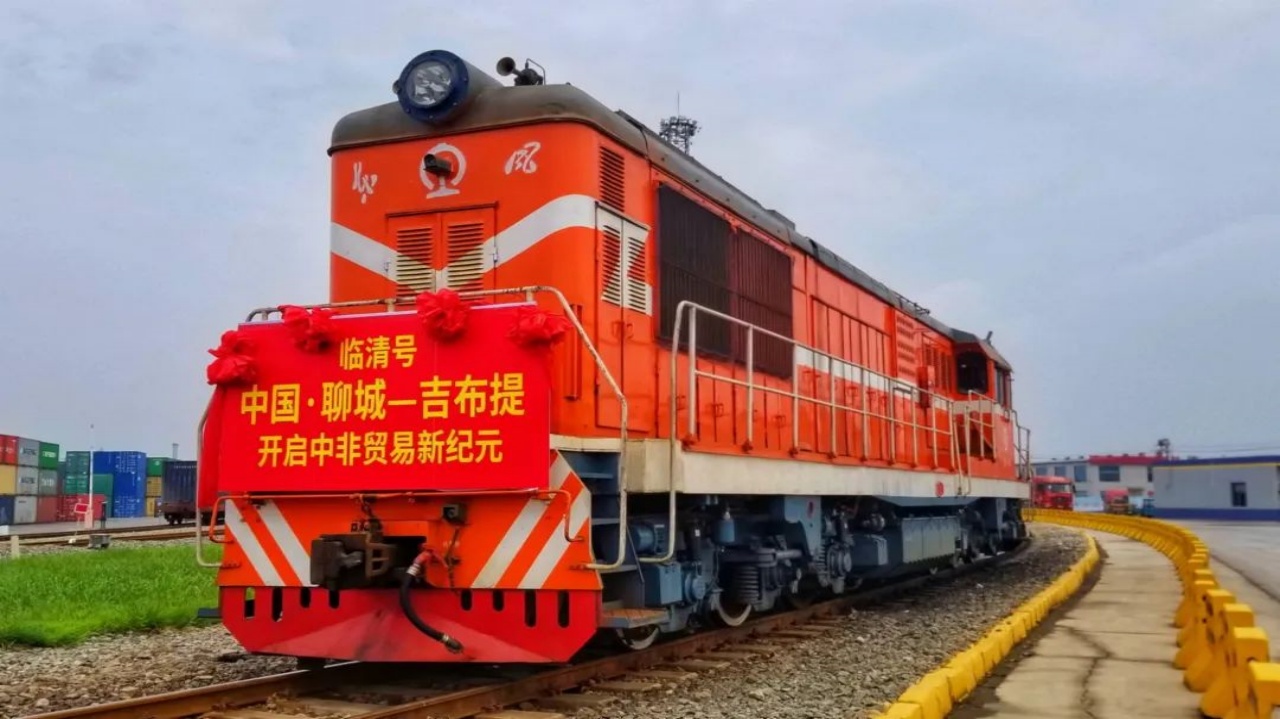
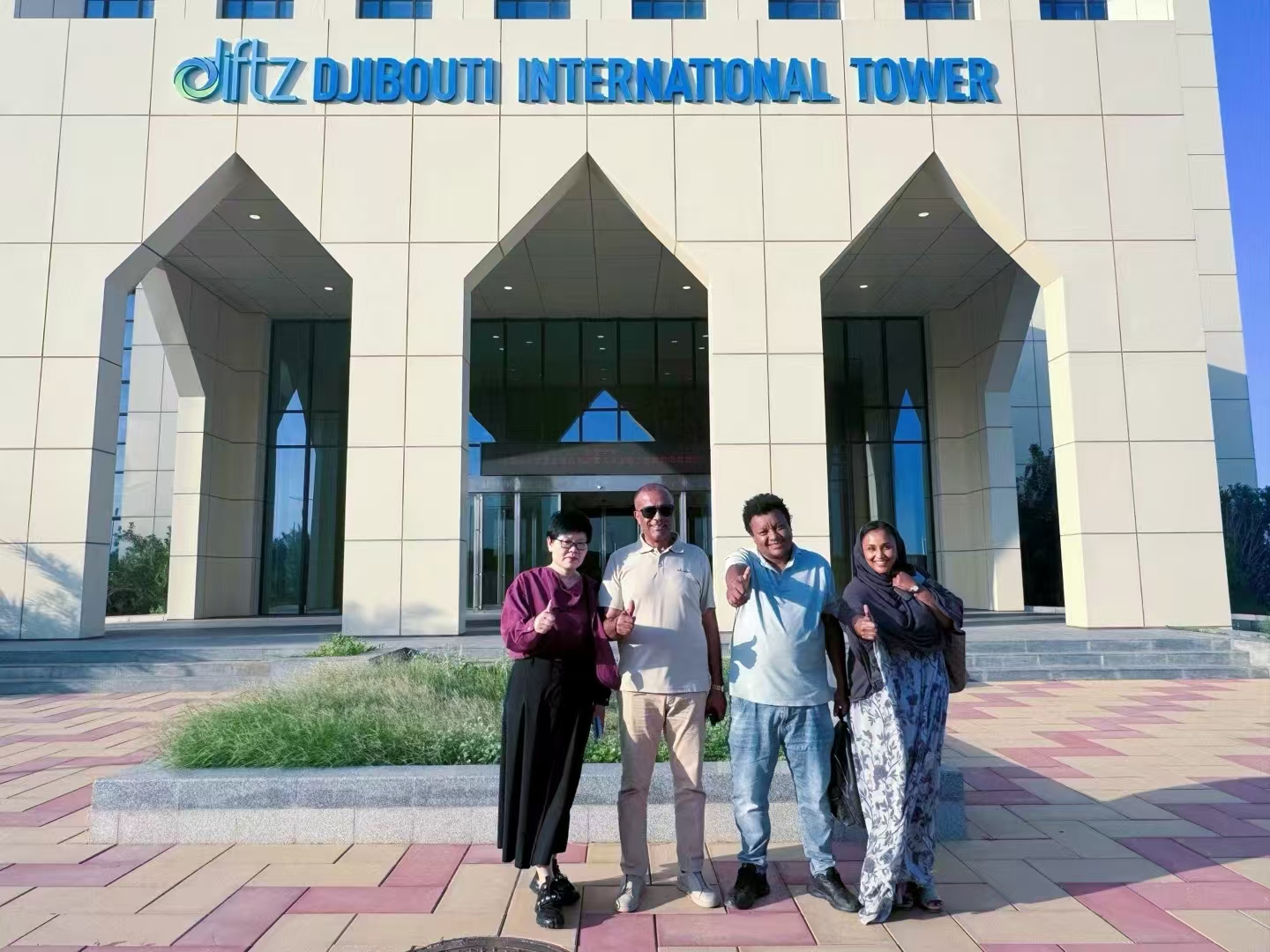
We prioritize after-sales support by establishing dedicated localized facilities, including an overseas warehouse in Djibouti, staffed by technicians and equipped with comprehensive spare parts support to ensure maximum vehicle uptime.
Delivering cargo and passenger mobility solutions to international markets.
Explore Global FootprintLocalized manufacturing plants for efficient supply chain logistics and assembly.
View Production CapacitiesReliable, eco-friendly transit trusted by global logistics operators and families.
Read User Case StudiesThe performance of an electric three-wheeler under heavy loads depends on its structural design and drivetrain integration. Below is an engineering overview of our vehicle chassis, battery integration, and thermal management architectures.
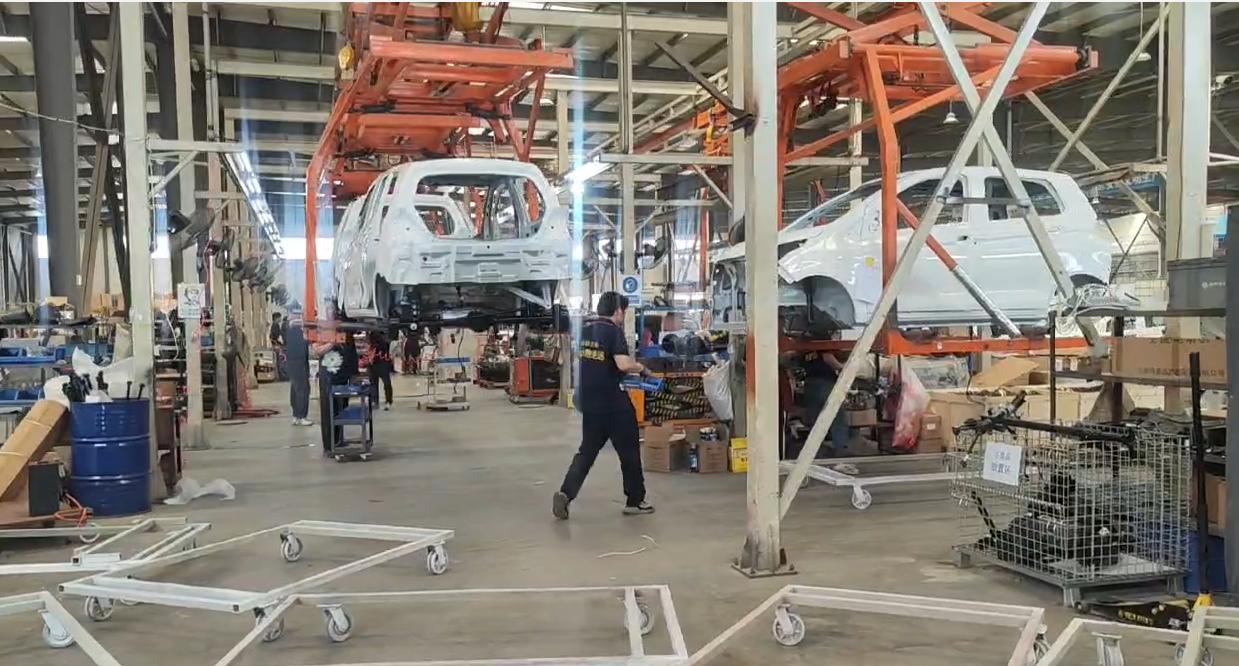
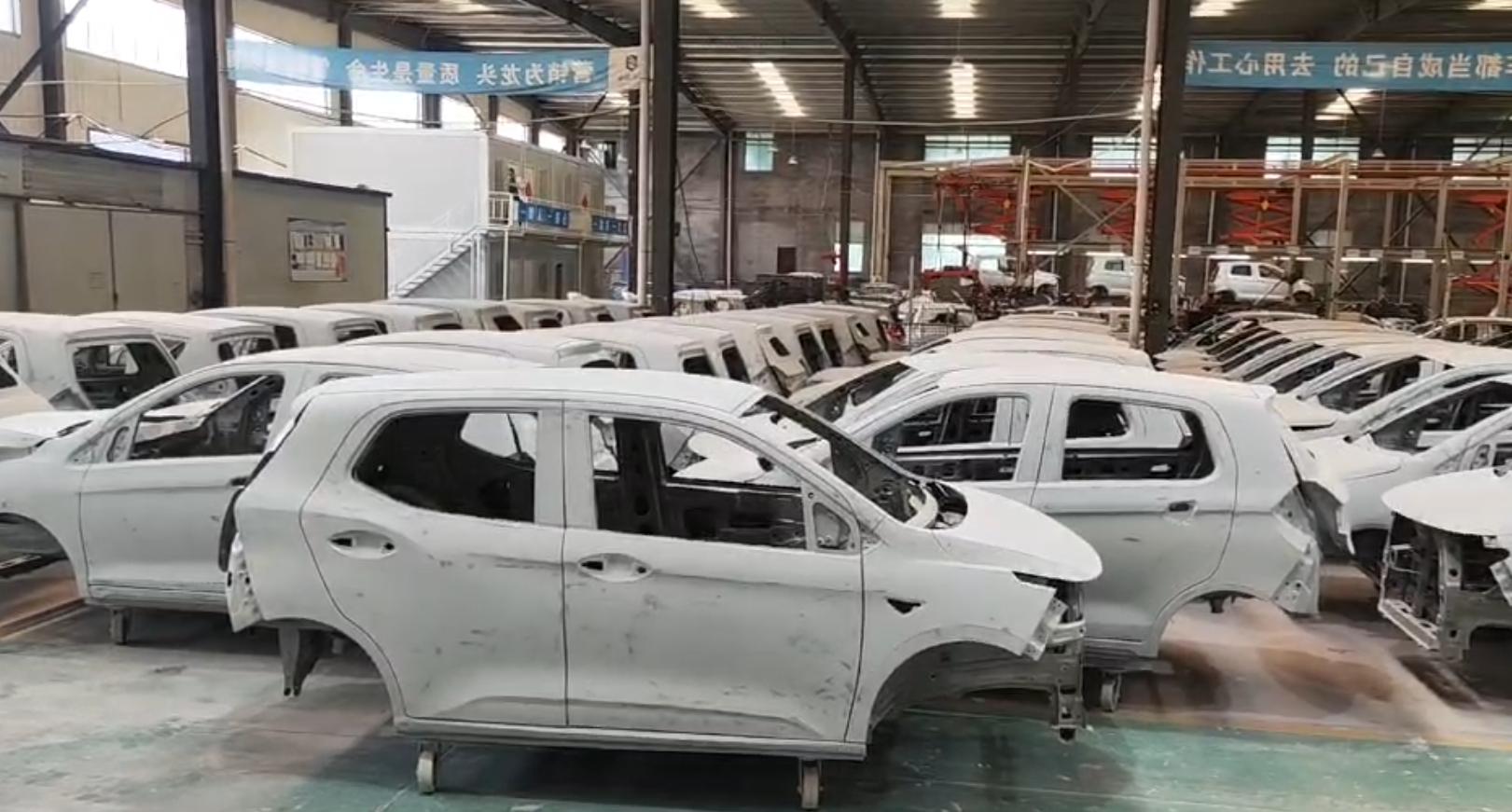
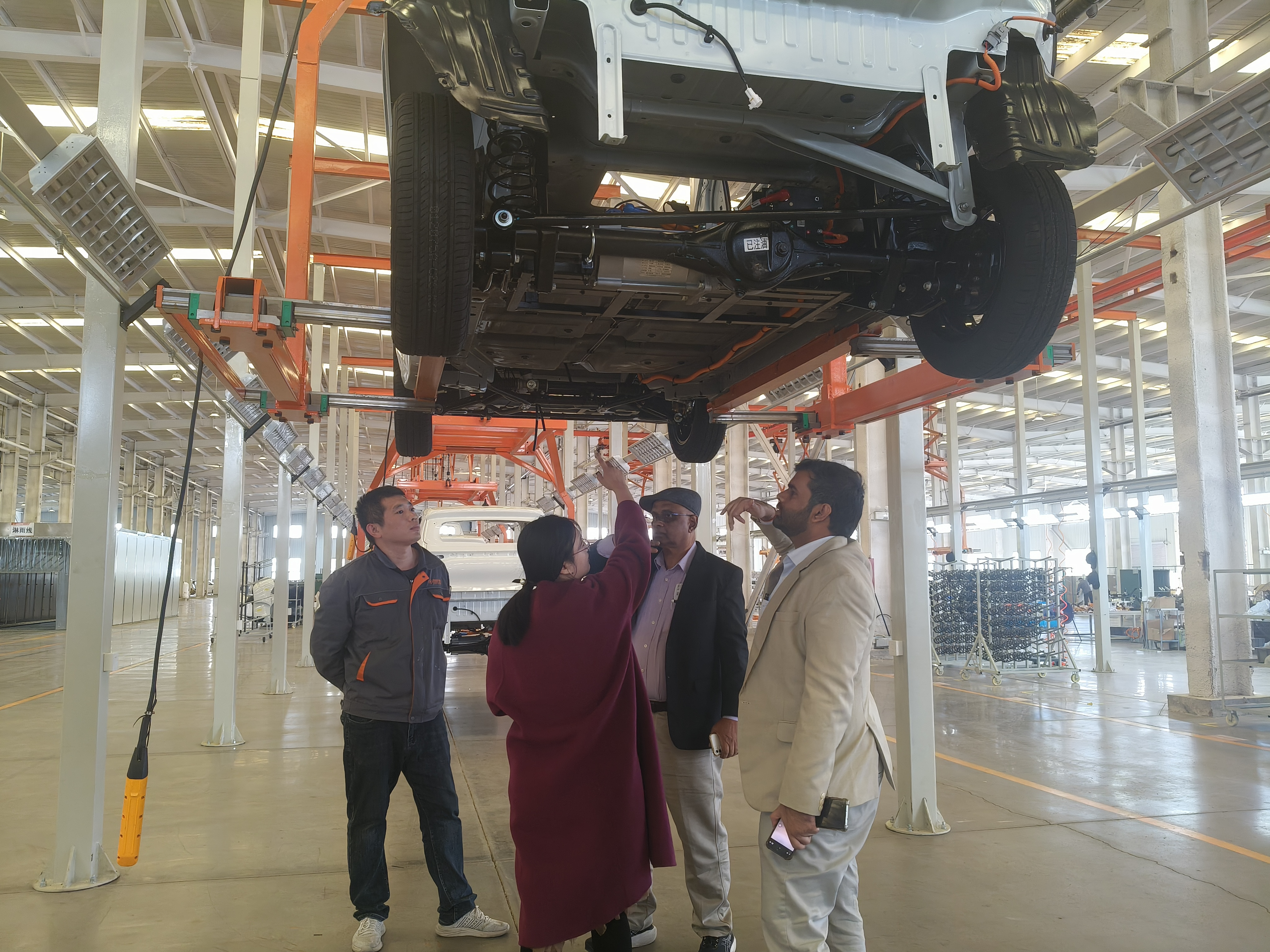
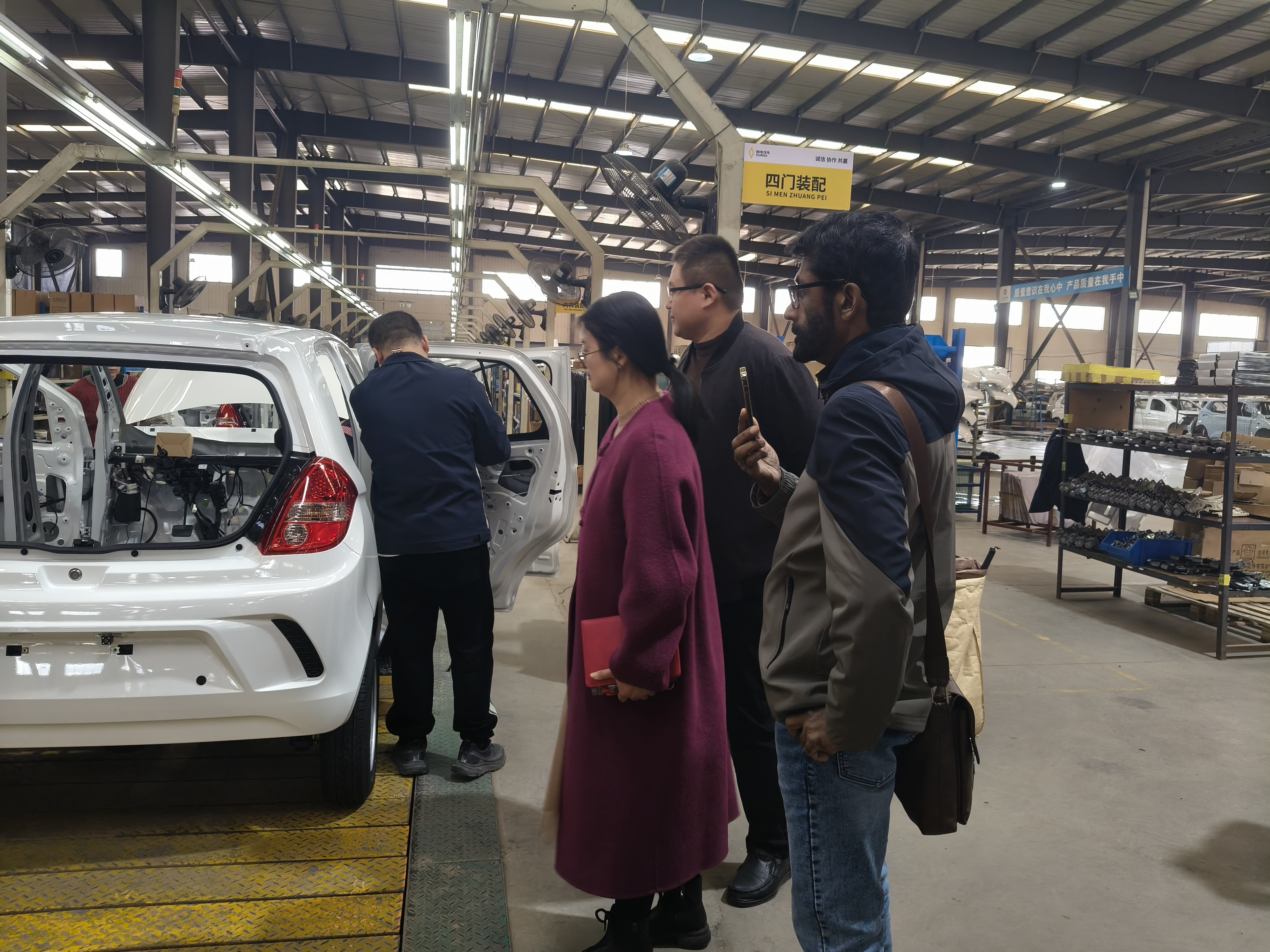
Heavy duty cycles require high torsional rigidity. Our S3 Advanced Iron Frames and S2-2600 structures are manufactured using high-strength low-alloy (HSLA) steel. The main structural members undergo robotic welding, followed by cathodic electrophoretic deposition (EPD) to ensure rust protection, even in coastal or humid environments.
For agricultural and wholesale logistics, carriage volume and load rating are critical. The 1.8-meter standard open-carriage layout is engineered to distribute payloads evenly over the rear axle, preventing front-wheel lift during steep climbs. Reinforced drop-sides and integrated structural tie-downs provide cargo security across varied terrains.
Our battery packs feature intelligent Battery Management Systems (BMS) with overcharge, over-discharge, thermal, and short-circuit protection. Designed for demanding commercial cycles, our battery assemblies undergo vibration, impact, water immersion, and thermal runaway testing to meet international safety standards.
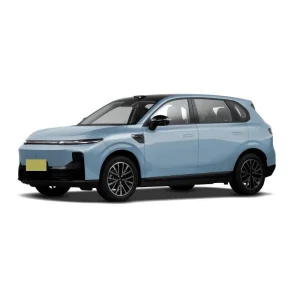
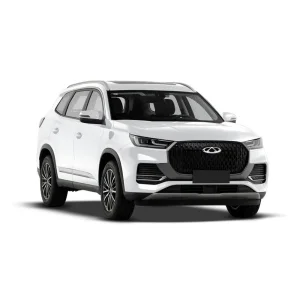
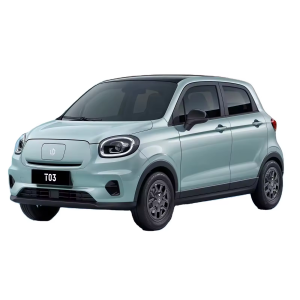
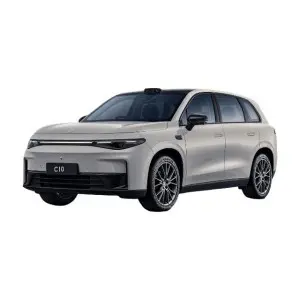
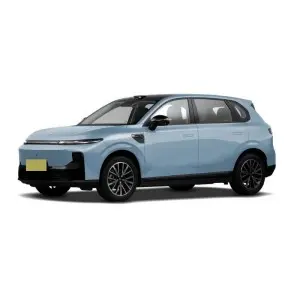
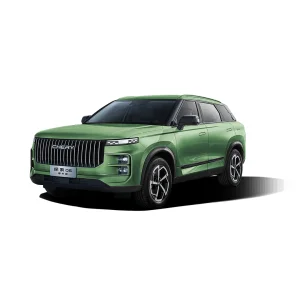
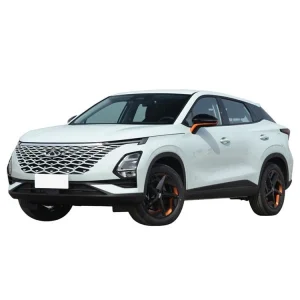
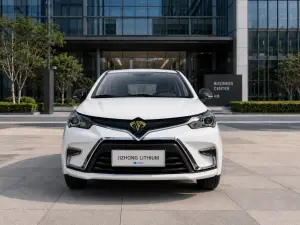
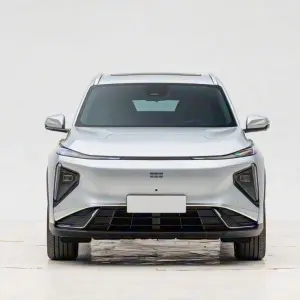
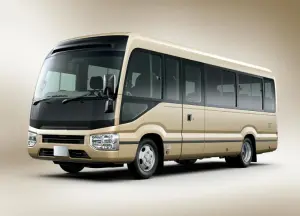
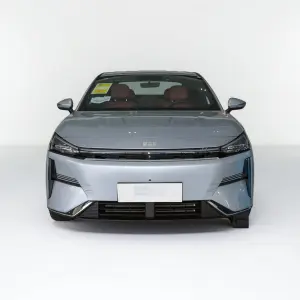
Explore our collaborative and partner-tier products, featuring passenger electric cars, SUVs, and high-performance transit solutions.
Operational conditions for electric commercial vehicles vary significantly between regions. Our engineering team designs localized versions of vehicles to meet specific terrain, temperature, and regulatory requirements in target markets.
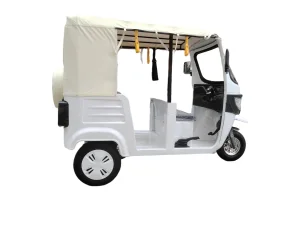
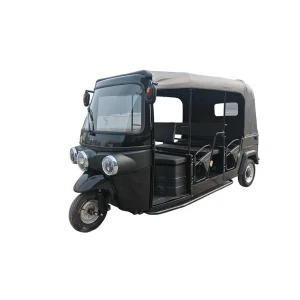
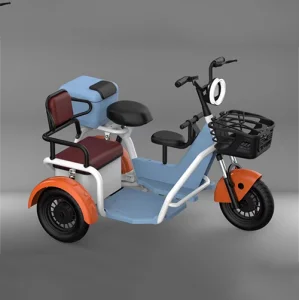
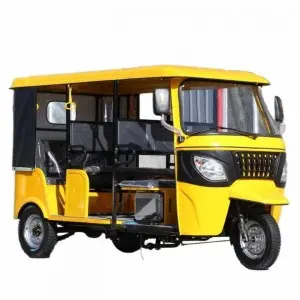
In high-density urban areas, low-cost passenger transit is essential. The S3 Advanced Iron Frame 7-seater electric tuk-tuk is designed as an alternative to petrol three-wheelers, offering lower operational costs for fleet operators. High-efficiency transaxles and regenerative braking help maximize battery range in stop-and-go city traffic.
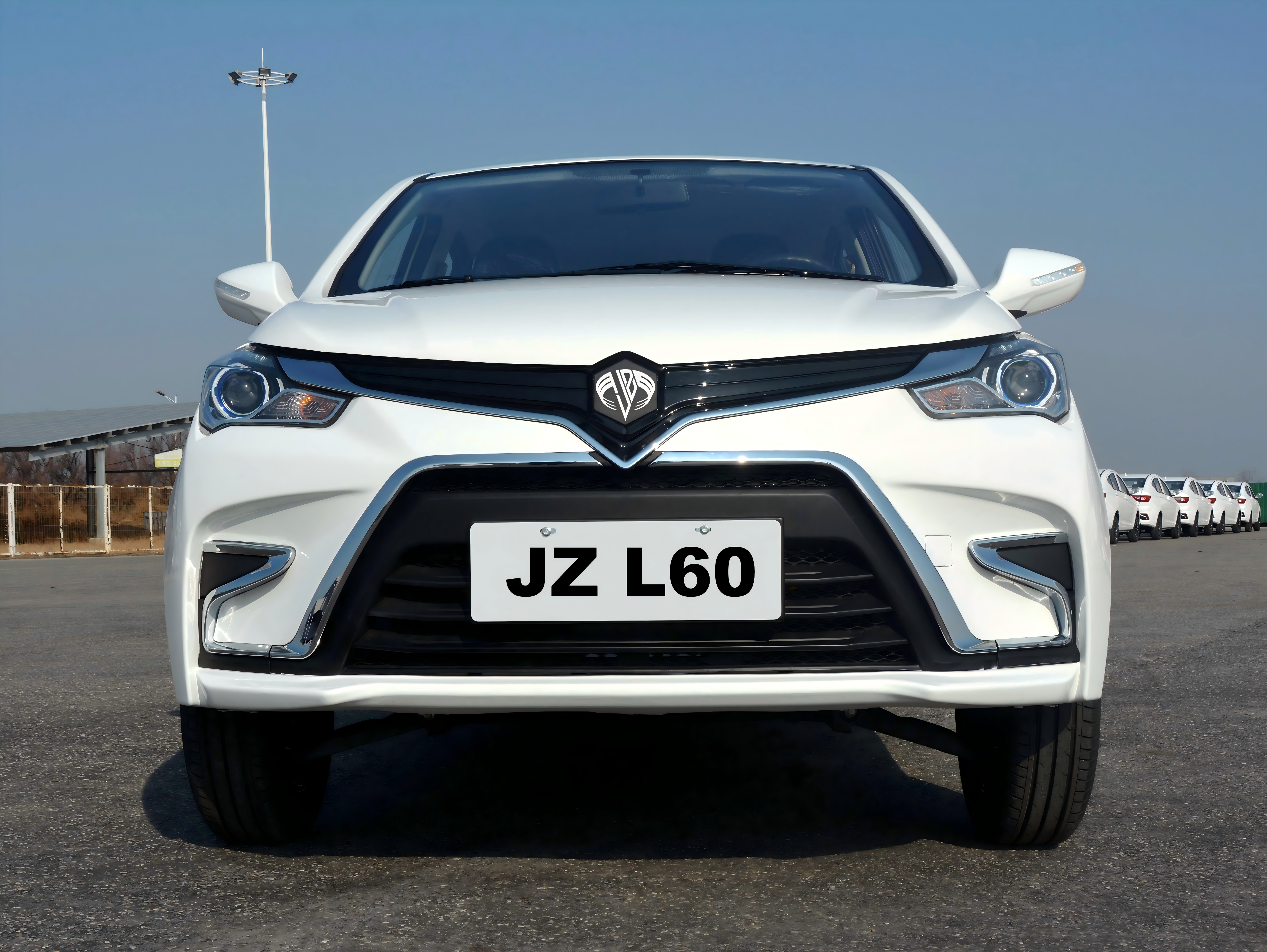
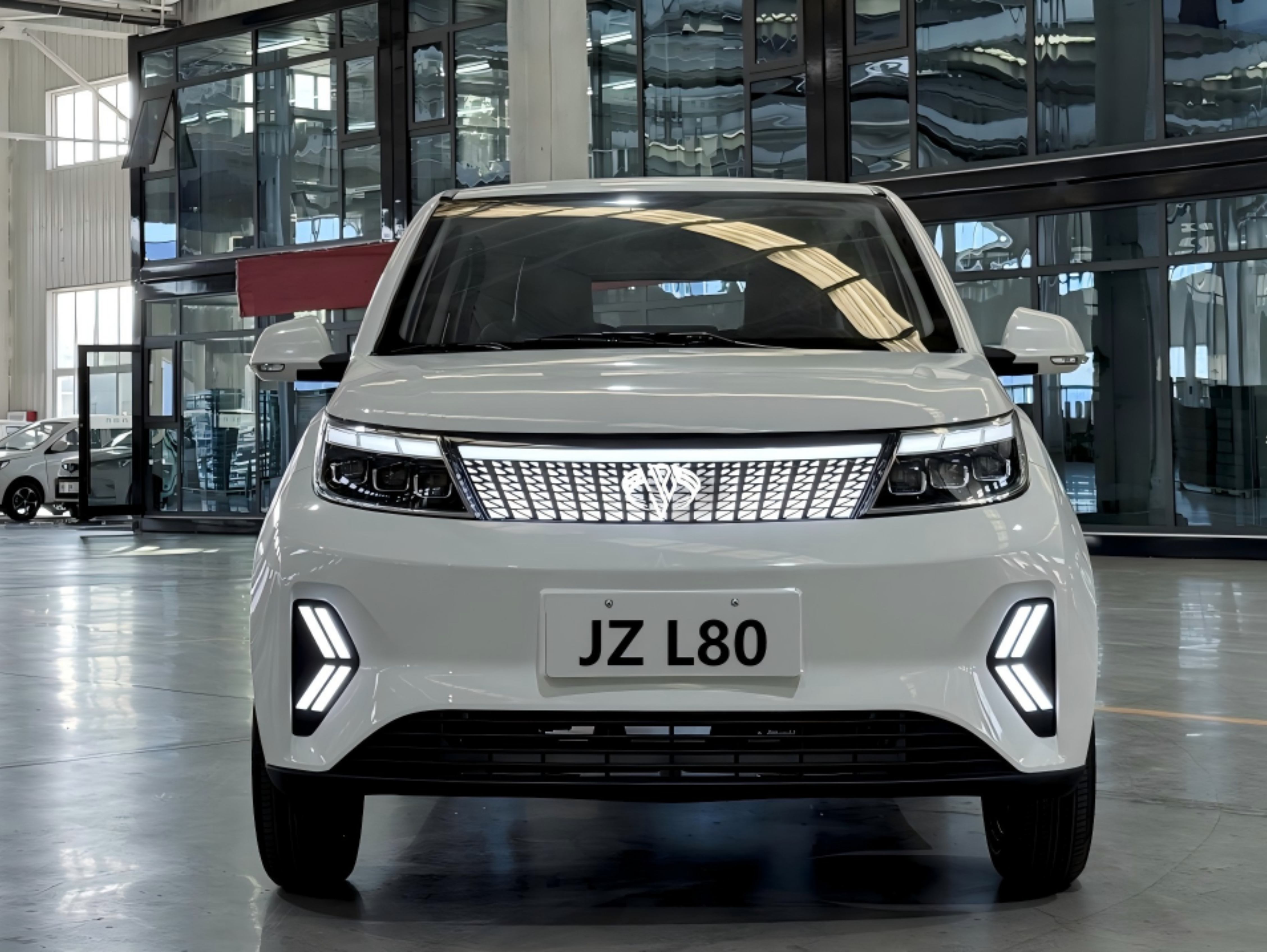
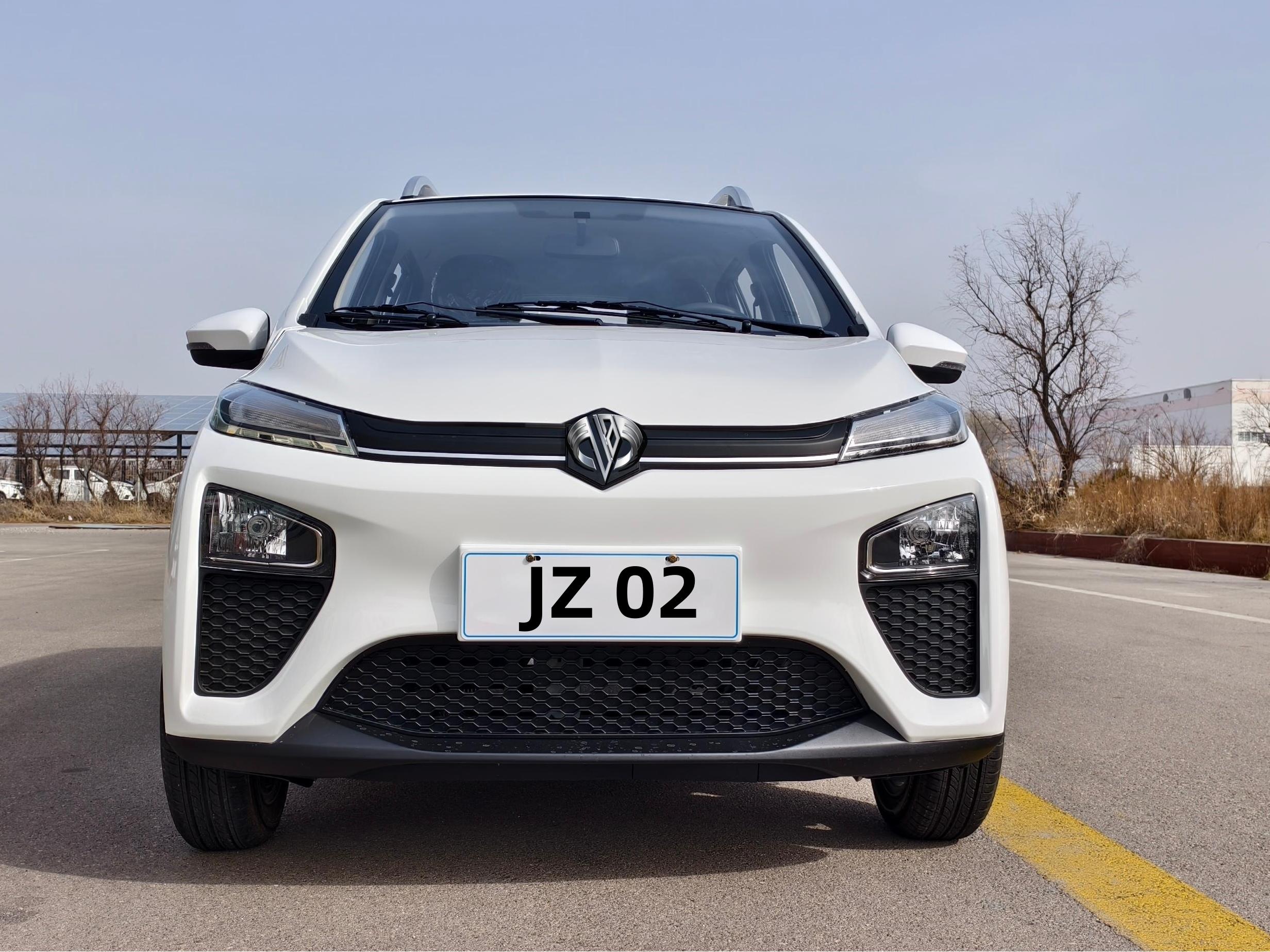
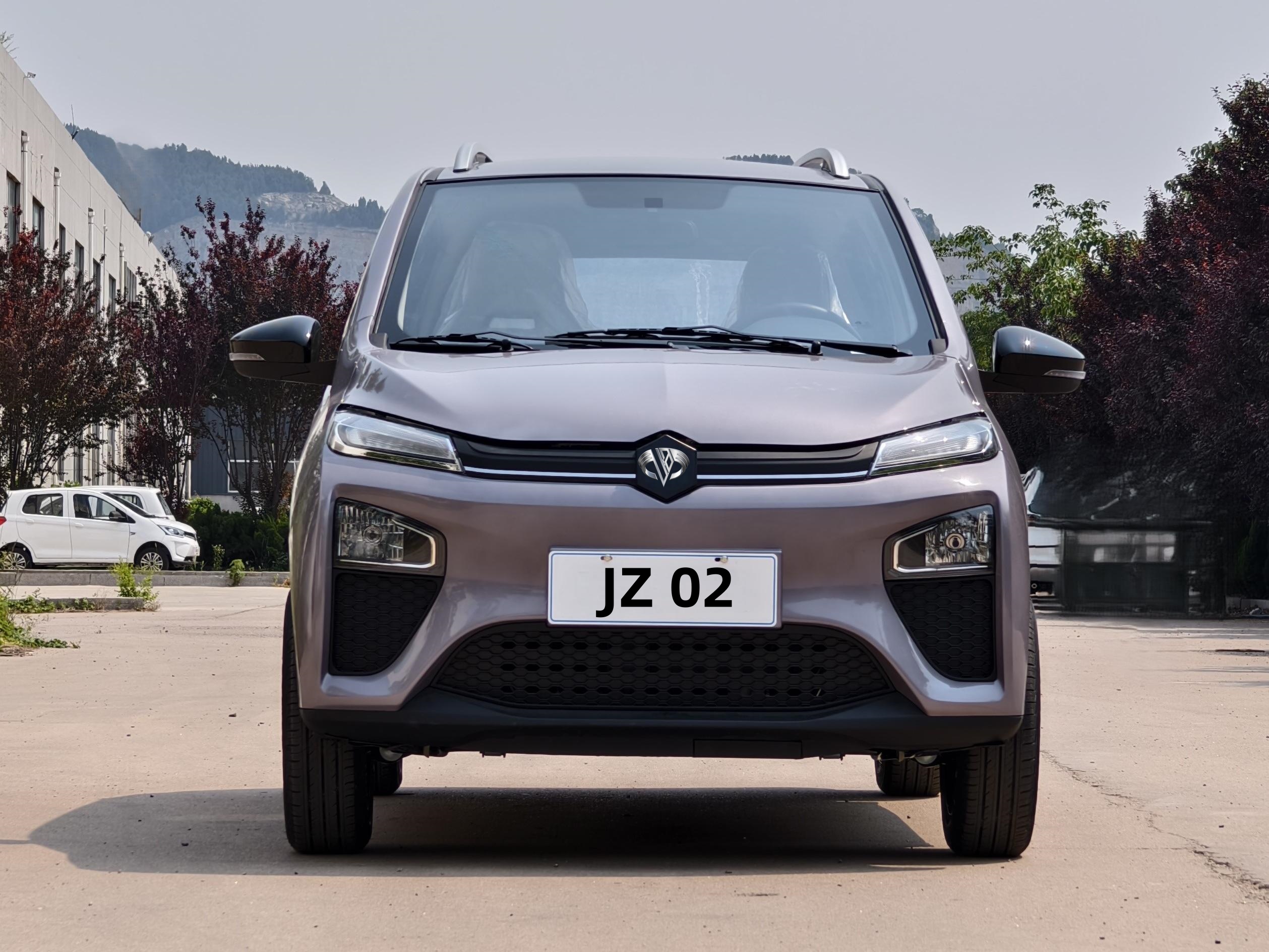
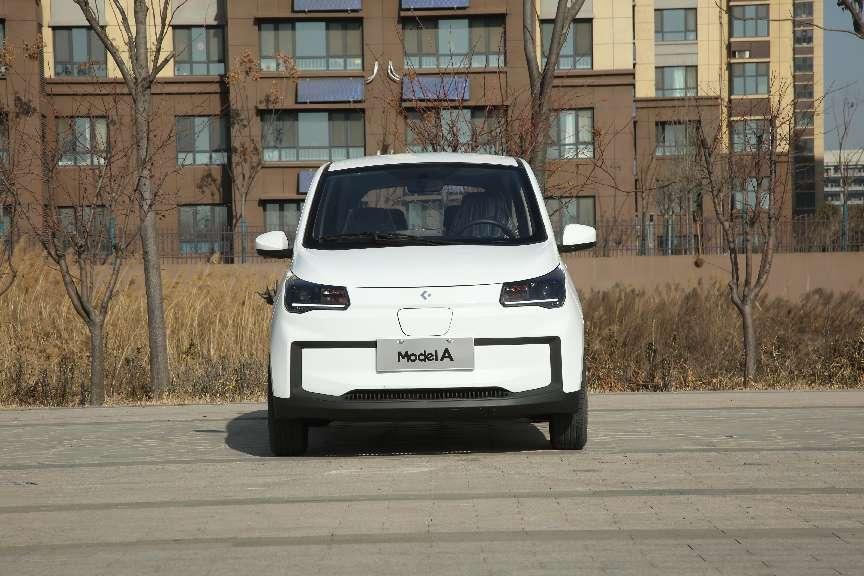
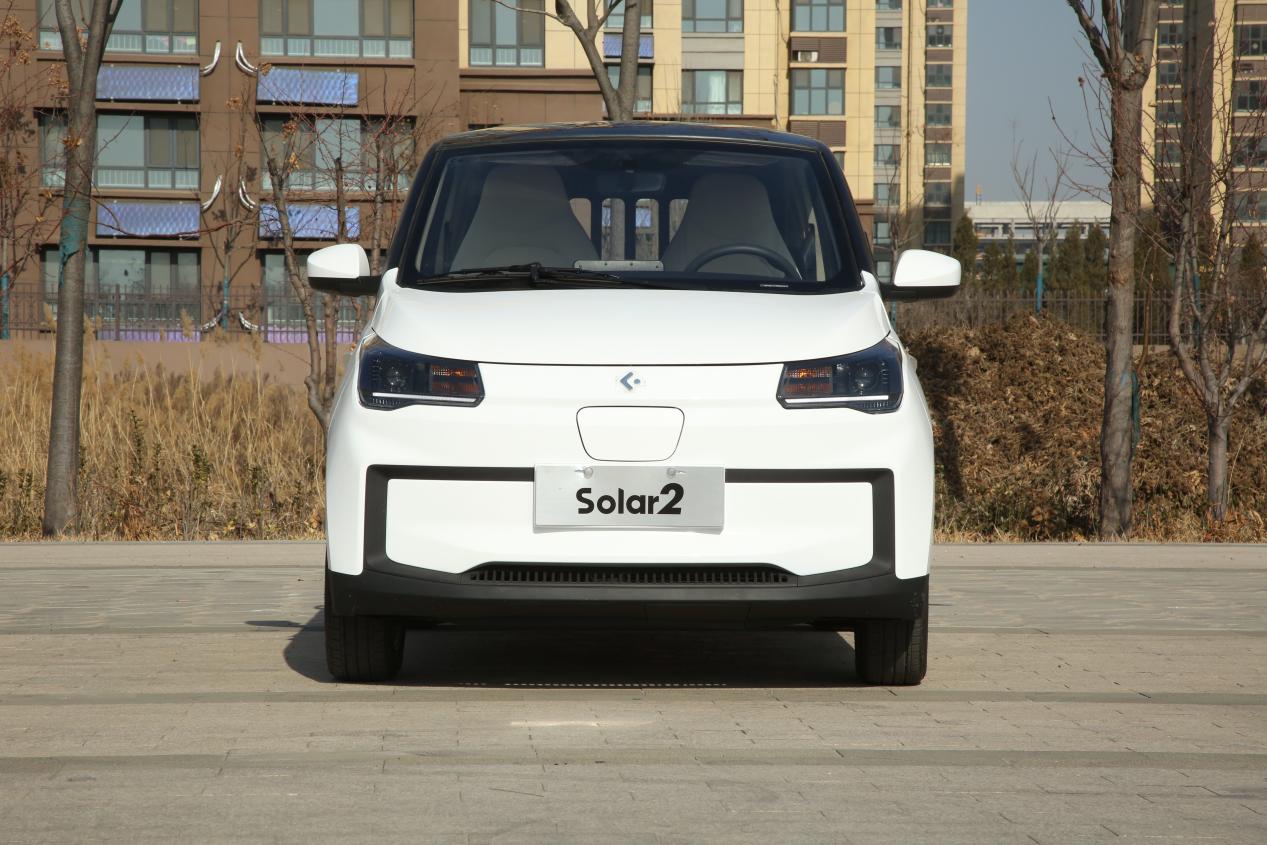
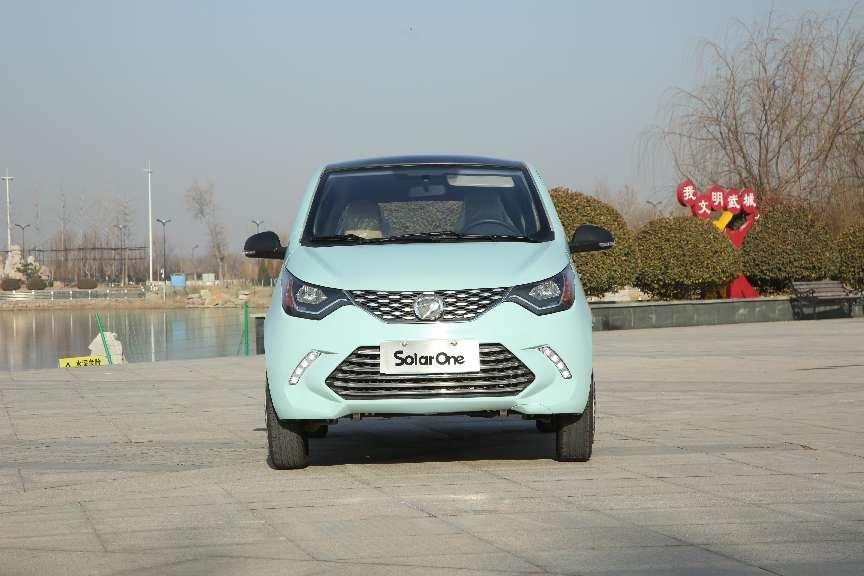
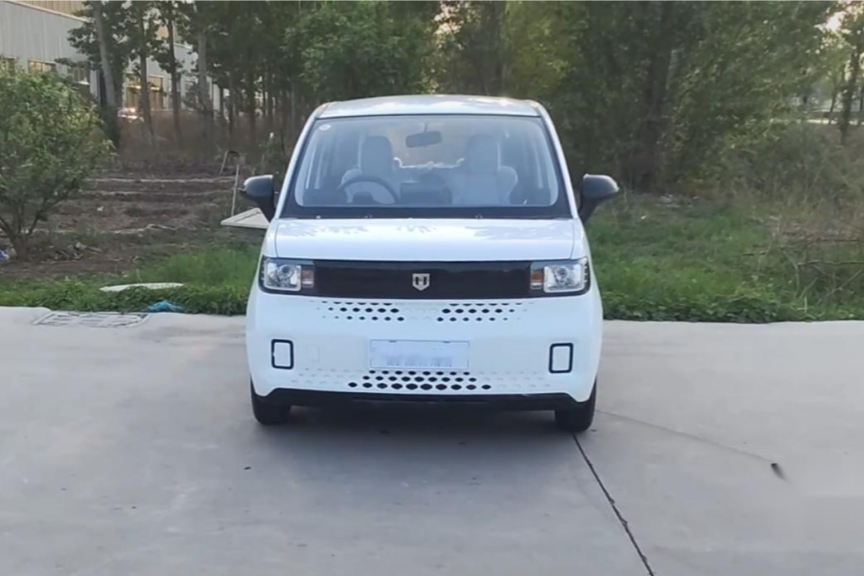
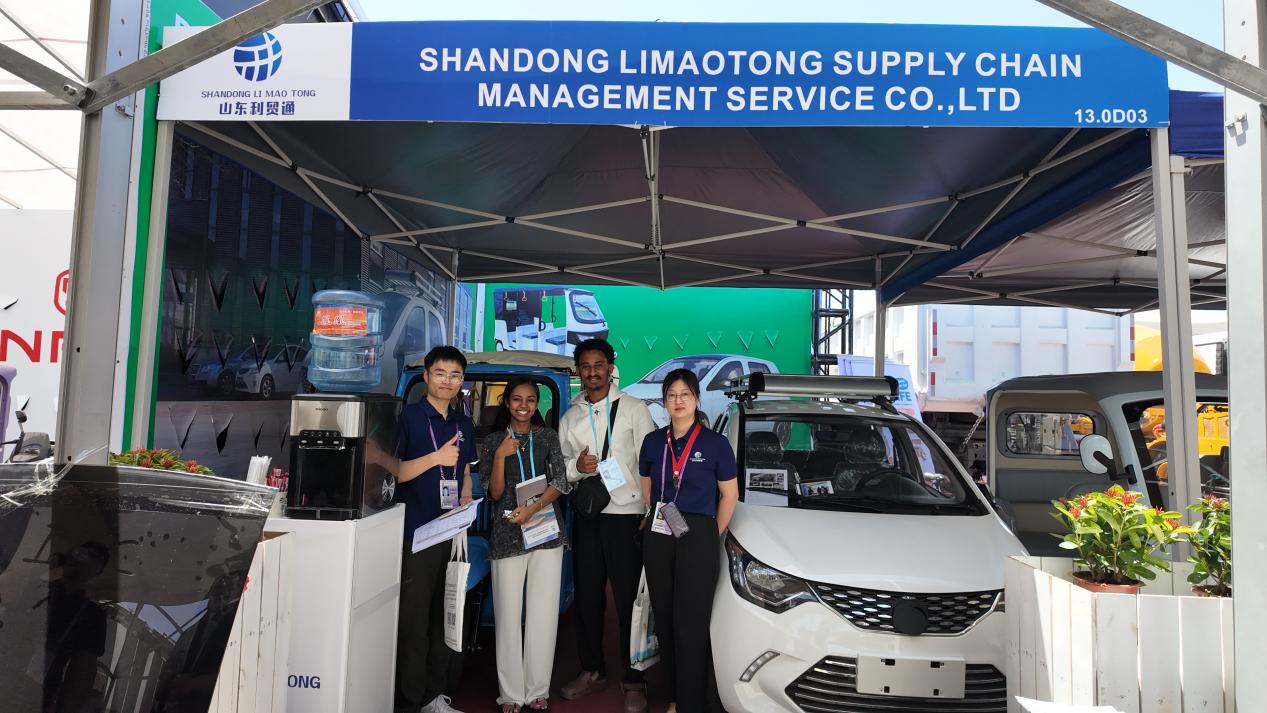
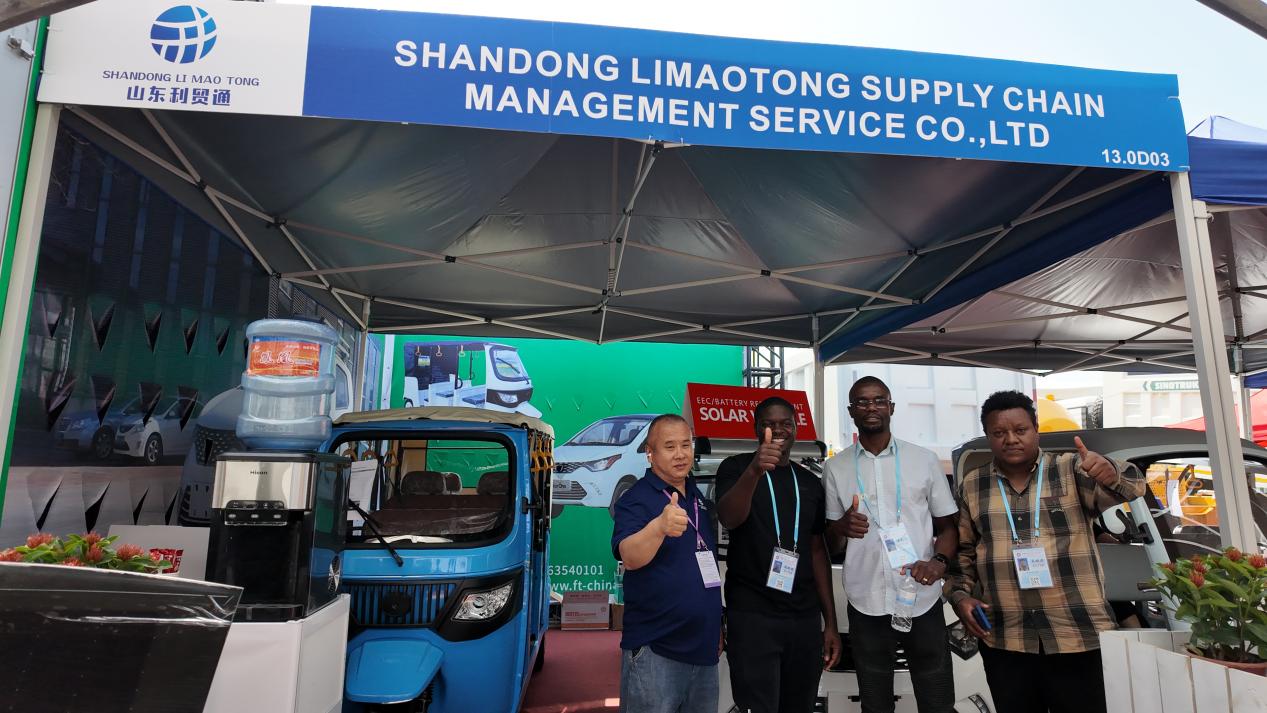


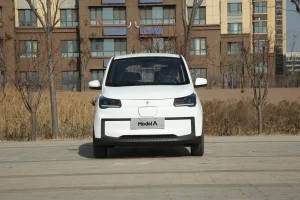
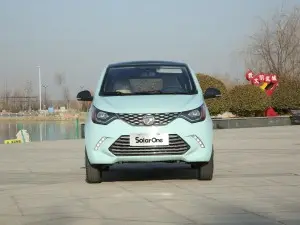
To support diverse urban transport operations, manufacturers are expanding beyond traditional e-trike formats. Our catalog includes high-range solar electric vehicles (SEVs) with ranges of 220-240 km. These vehicles utilize high-efficiency roof-integrated photovoltaic panels, converting solar energy into extended driving range, making them suitable for countries with high solar irradiance.
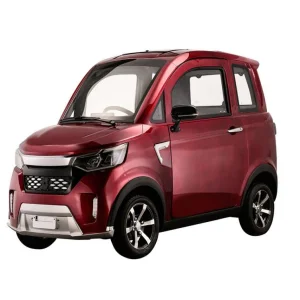
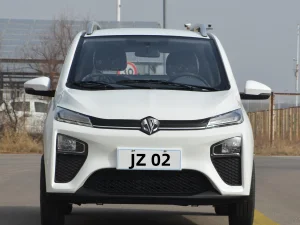
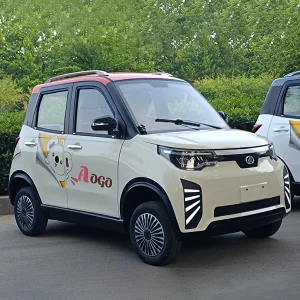
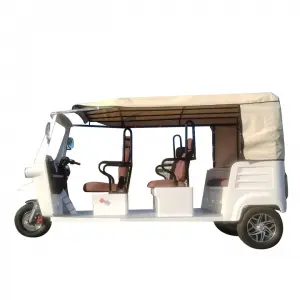
For logistics operations requiring fully enclosed spaces, we offer covered passenger platforms and micro four-wheel options. These configurations provide weather protection and cargo space, serving as alternatives for urban distribution challenges.
Review our extended fleet options, including long-range micro passenger cars, hybrid SUV platforms, and specialized electric tuk-tuks.
Review our extended fleet options, including long-range micro passenger cars, hybrid SUV platforms, and specialized electric tuk-tuks.
Answers to common questions regarding logistics, integration, and manufacturing for global distributors and fleet operators.
The S3 Advanced Iron Frame is rated for payload capacities up to 1,000 kg, depending on battery and motor configurations. The S2-2600 handles up to 800 kg. Both structures utilize reinforced rear axles and leaf spring suspension to support heavy loads.
The Model A features roof-integrated monocrystalline solar panels connected to a solar charge controller. Under optimal sunlight, the solar system feeds energy back into the main traction battery, extending the operating range of the 220-240 km base configuration.
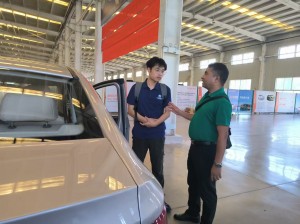
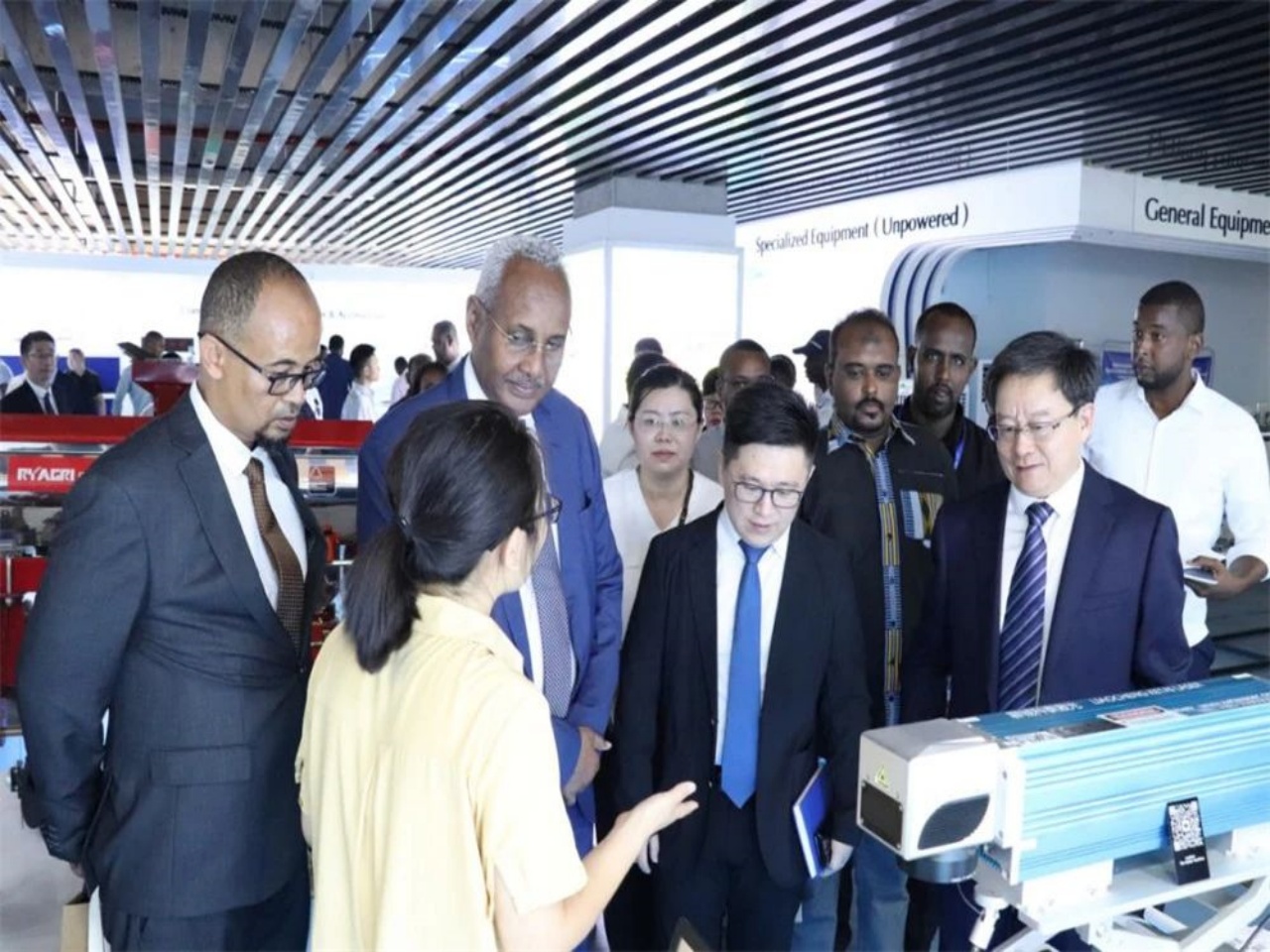
Through our Djibouti Free Trade Zone warehouse and distribution center, we provide customs clearance, B2B product demonstrations, and technical support. This facility maintains a stock of essential spare parts (BMS modules, motors, transaxles, chassis elements) to minimize downtime for regional fleets.
For high-temperature regions, we recommend Lithium Iron Phosphate (LFP) chemistry over lead-acid due to its thermal stability and longer cycle life. Our B2B configurations feature high-temperature safety cut-offs and sealed enclosures rated at IP67 to protect against heavy rain and dust.
Yes, our passenger tuk-tuks (including the 7-seater S3 and the 6-seater Audi Face options) feature high-torque motors paired with a selectable low-speed gear ratio. This transaxle design allows the vehicle to climb gradients up to 20% while fully loaded.
 Limaotong