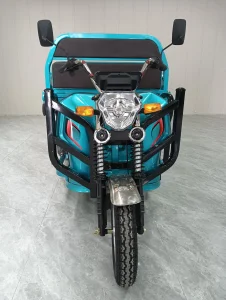
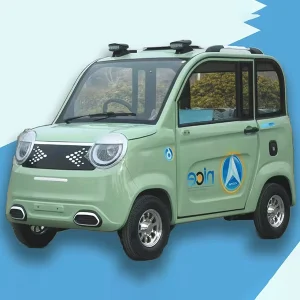
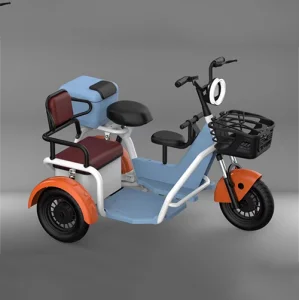
Explore our high-performance line of passenger electric tricycles, cargo transport vehicles, and urban electric cars engineered for reliability.

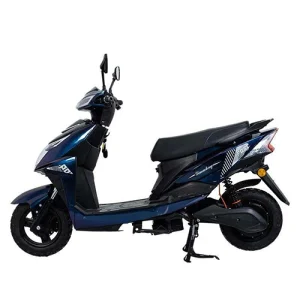
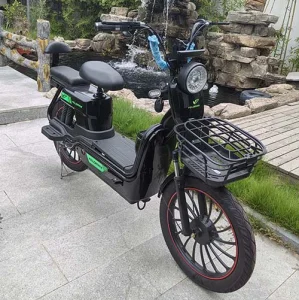
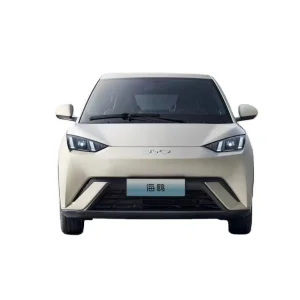
Analyzing efficiency vectors, structural integrity, and the operational economics of zero-emission municipal transportation.
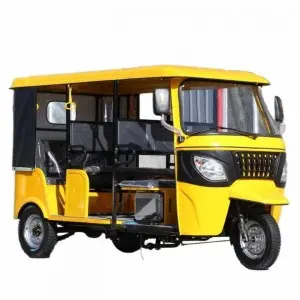
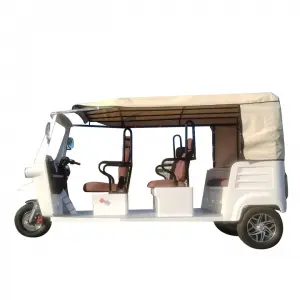
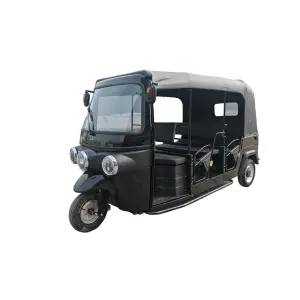
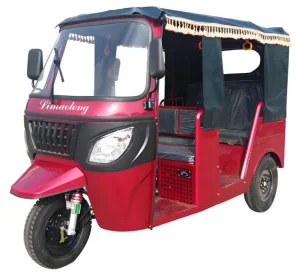
Global urban centers face compounding challenges: worsening carbon emissions, dense traffic, and rising grid reliance. The introduction of the Electric Rickshaw 3 Passenger Solar Electric Tricycle represents a milestone in decentralized clean energy transit. Integrating photovoltaic panels directly onto the vehicle canopy addresses the fundamental limitation of battery electric vehicles (BEVs) - their dependency on stationary charging grids.
Modern monocrystalline and thin-film solar roof layouts generate up to 250W-400W of electricity from direct sunlight, channeling energy back into the powertrain via specialized Maximum Power Point Tracking (MPPT) regulators. This dynamic loop increases the standard daily operating range by 35 to 50 kilometers, depending on regional solar irradiance. For operators in regions like East Africa, South Asia, and Central America, this range extension offsets grid charging dependencies, ensuring consistent uptime.
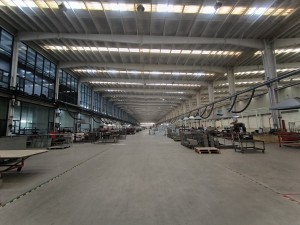
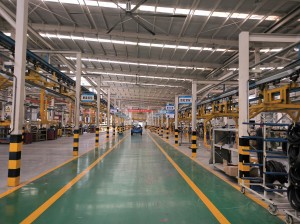
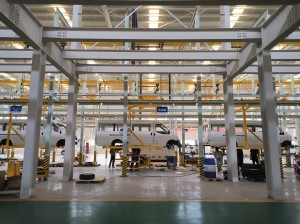
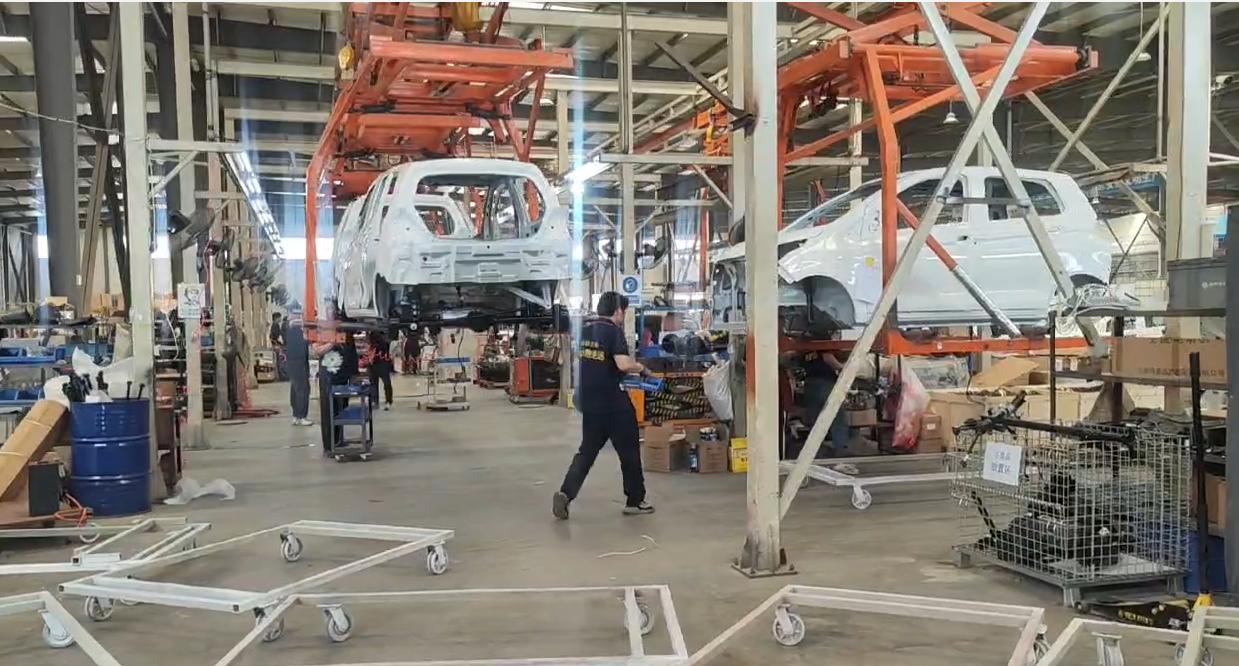
Engineering passenger-carrying tricycles requires balancing lightweight structural design with crashworthiness. Our manufacturing process uses automated robotic welding to construct high-strength, low-alloy stamped steel frames. The integration of cathodic electrophoresis coating prevents corrosion in tropical regions prone to monsoons.
Monocrystalline silicon panel design with high solar-to-electric conversion efficiency (up to 22.8%). The system utilizes an IP67 waterproof MPPT charge controller that regulates voltage changes to protect battery health.
Heavy-duty Brushless DC (BLDC) motor (typically 1200W to 2200W) paired with high-capacity Lithium Iron Phosphate (LiFePO4) or maintenance-free Lead-Acid battery banks managed by a smart Battery Management System (BMS).
Shandong Li Mao Tong Group leverages the proximity of China's automotive supply chain ecosystems. Having core manufacturing processes, steel stamping, drive axles, and electric control units clustered within a 100km radius helps optimize cost structures.
This operational model allows us to implement custom design updates quickly, perform thorough quality checks at every production stage, and scale output to meet large municipal orders. Our factory uses CNC metal forming machinery and digital stress-testing software to verify that every trike frame meets safety specifications.
Shandong Li Mao Tong Group designs and builds clean energy micro-mobility solutions. We construct our electric passenger tricycles, cargo carriers, and compact EVs to meet international safety and performance standards.
Each vehicle undergoes testing, including heavy rain simulations and structural stress analysis, to perform reliably in demanding environments.
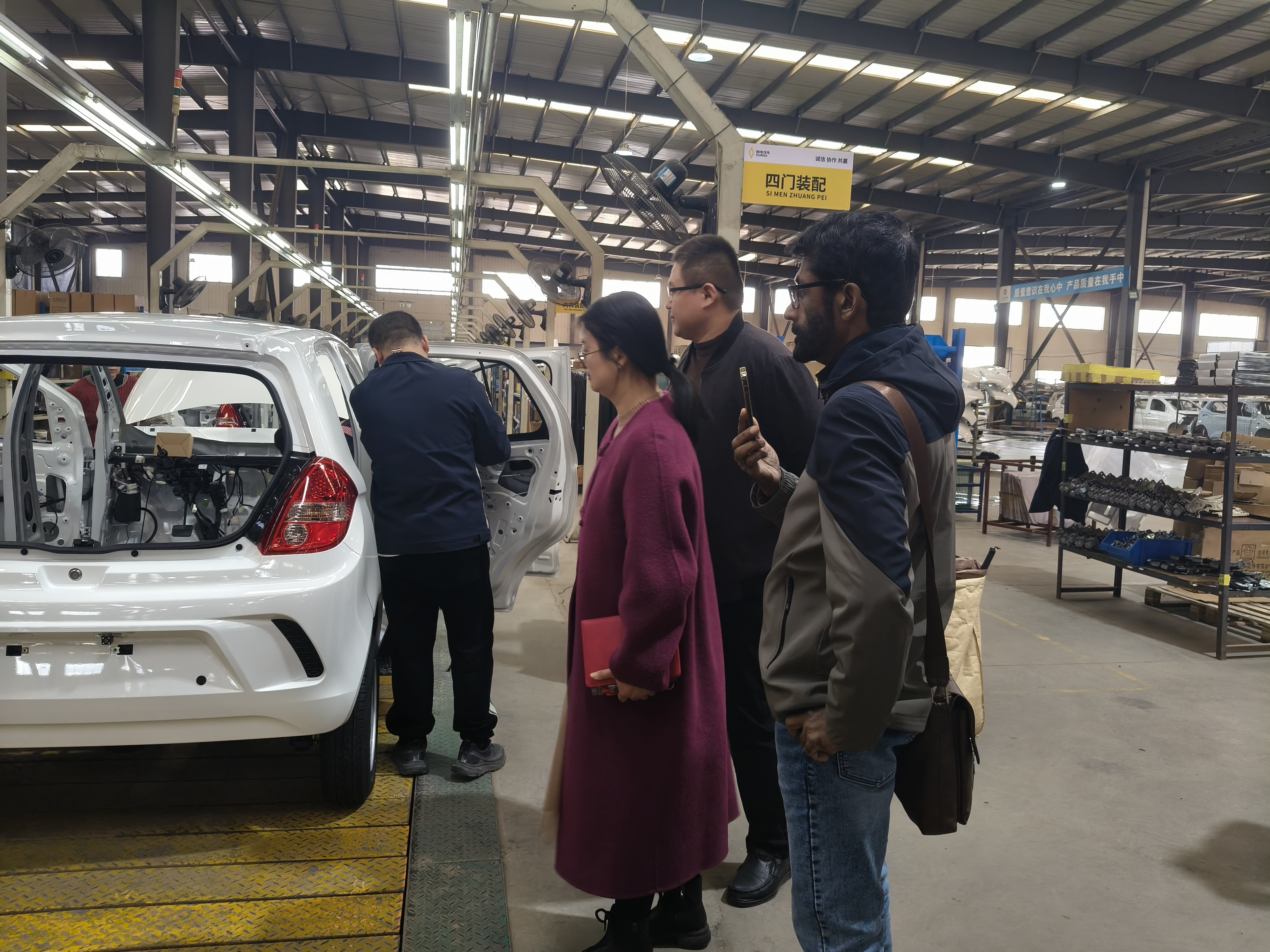
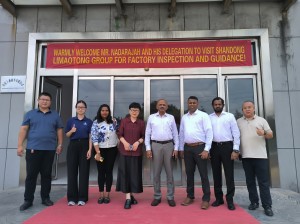
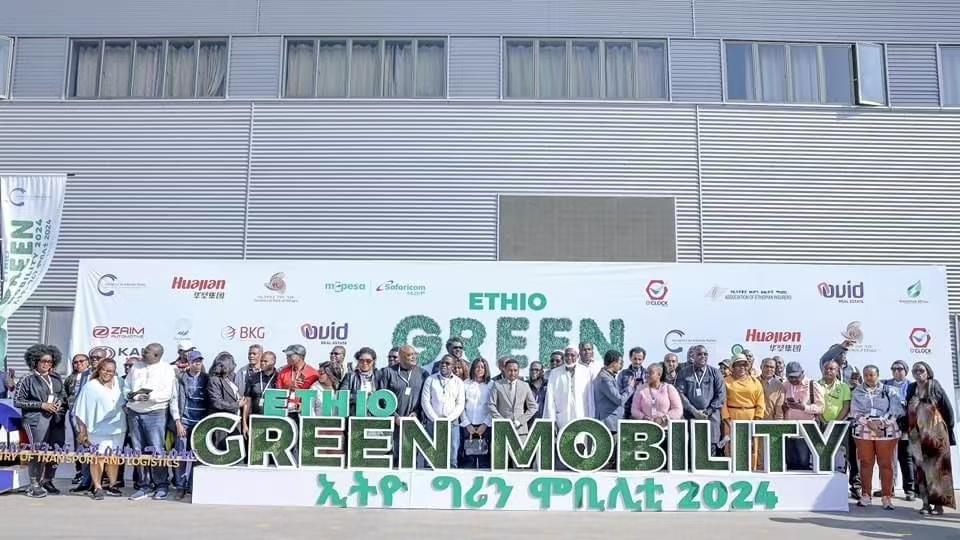
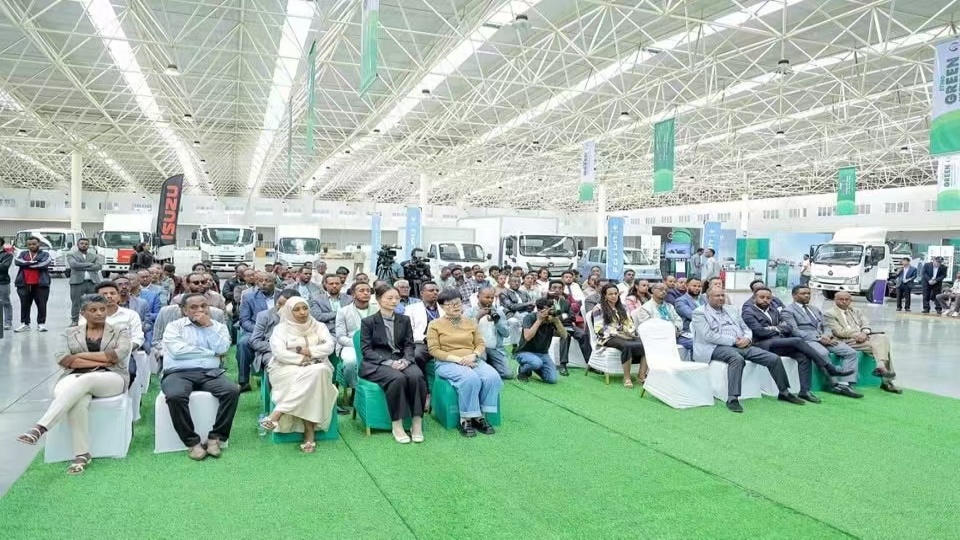
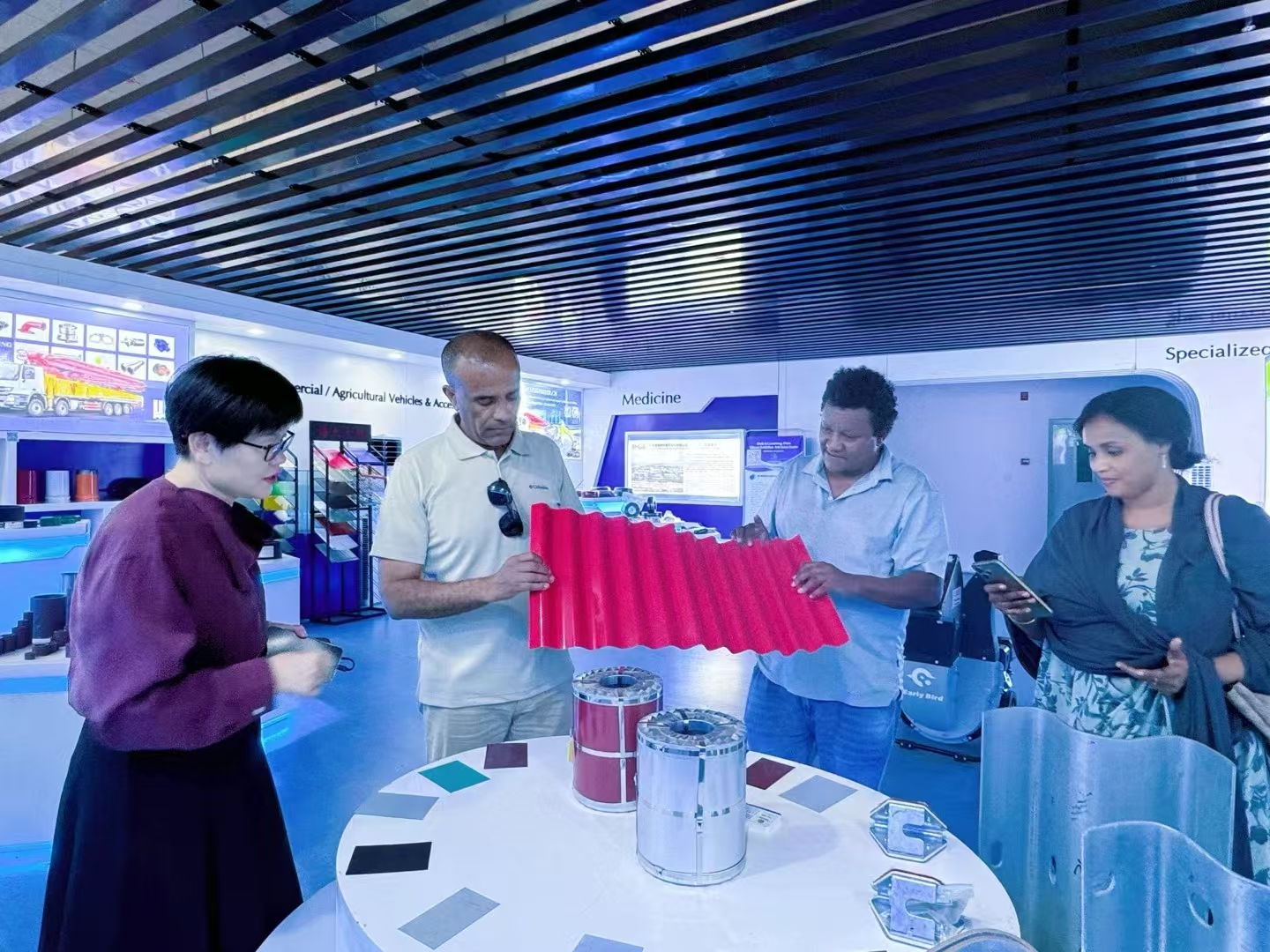
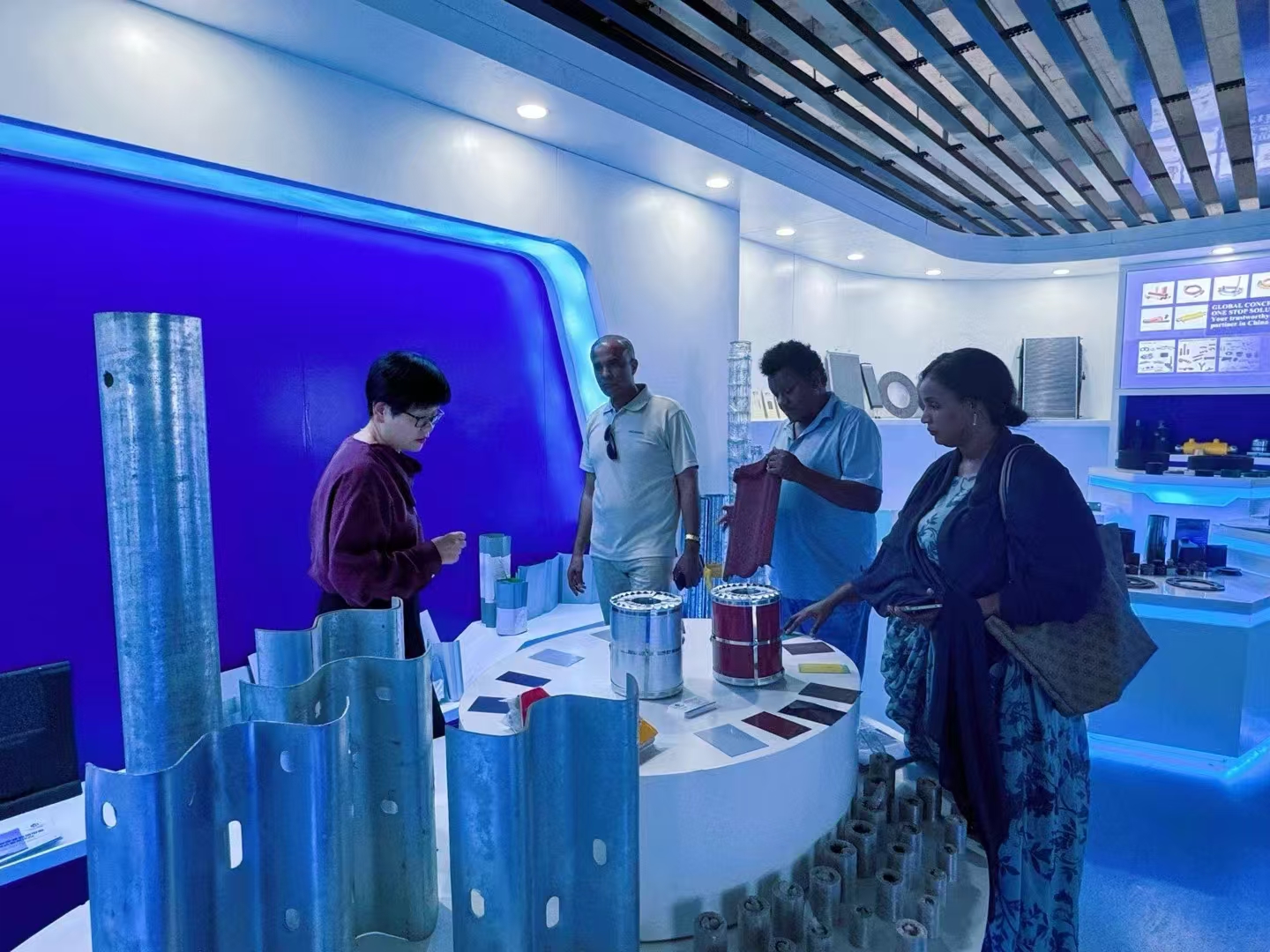
A behind-the-scenes look at our manufacturing processes, global exhibition footprint, and customer factory visits.
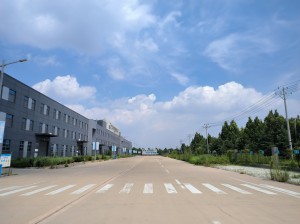
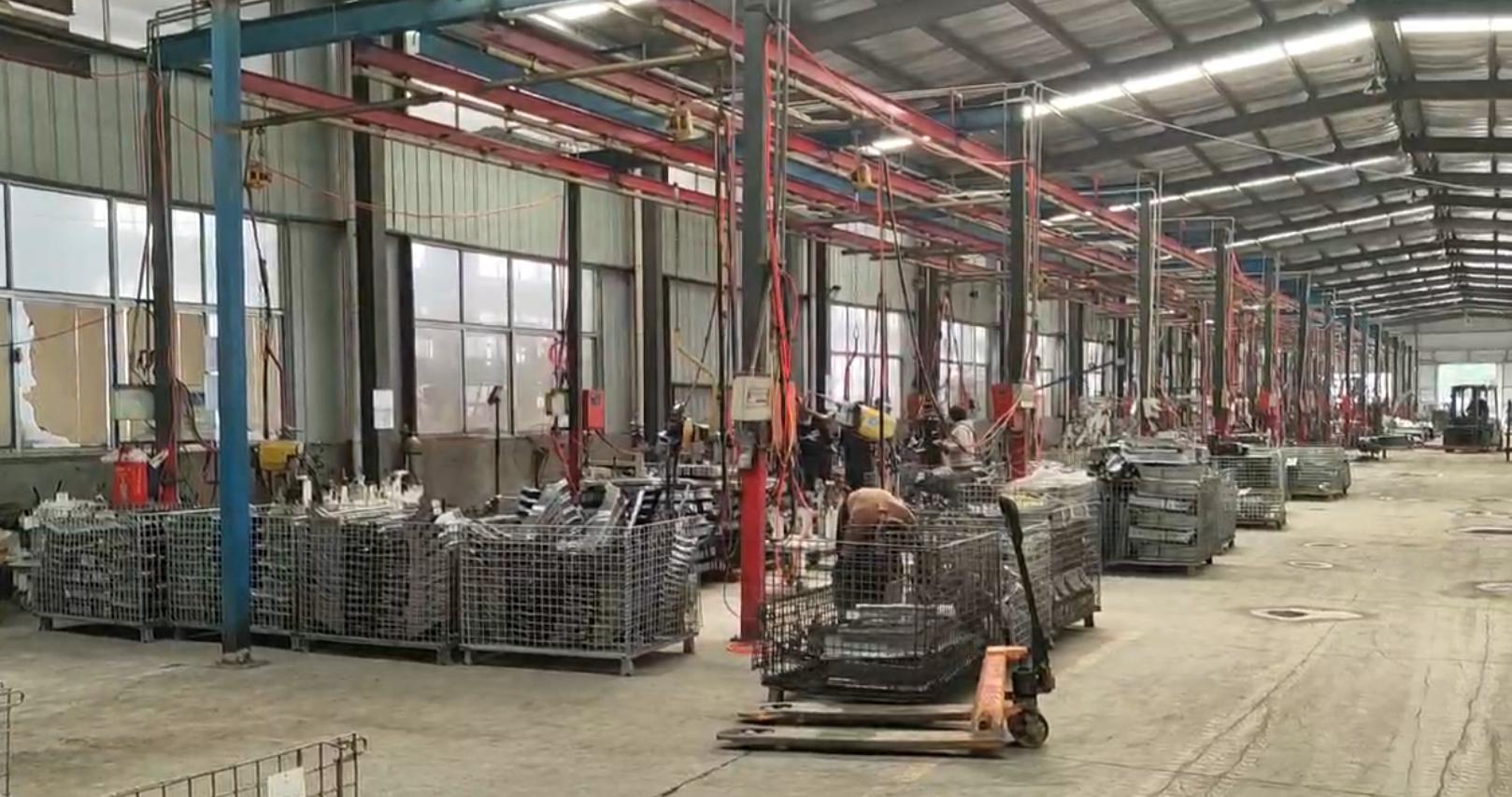
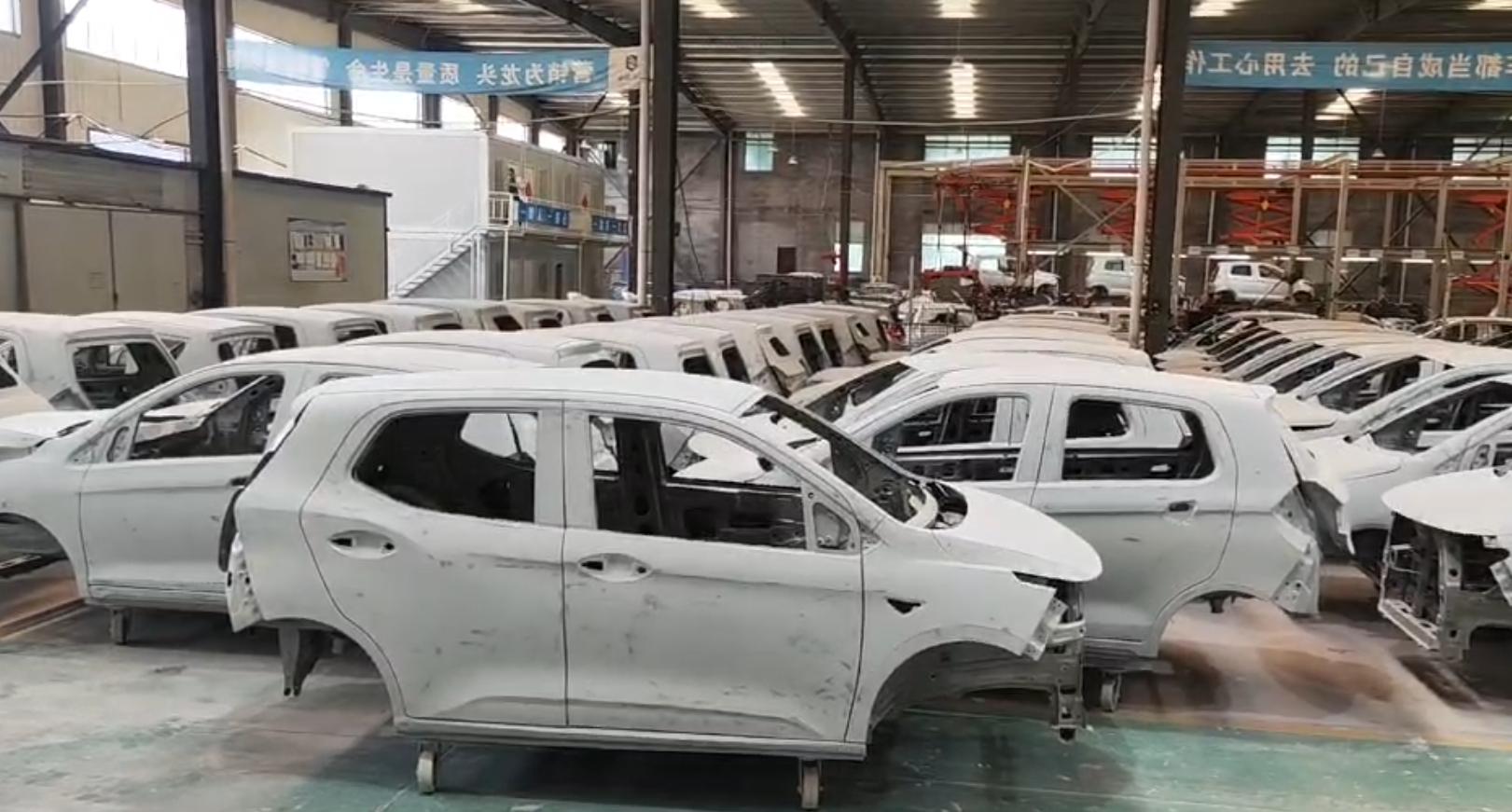
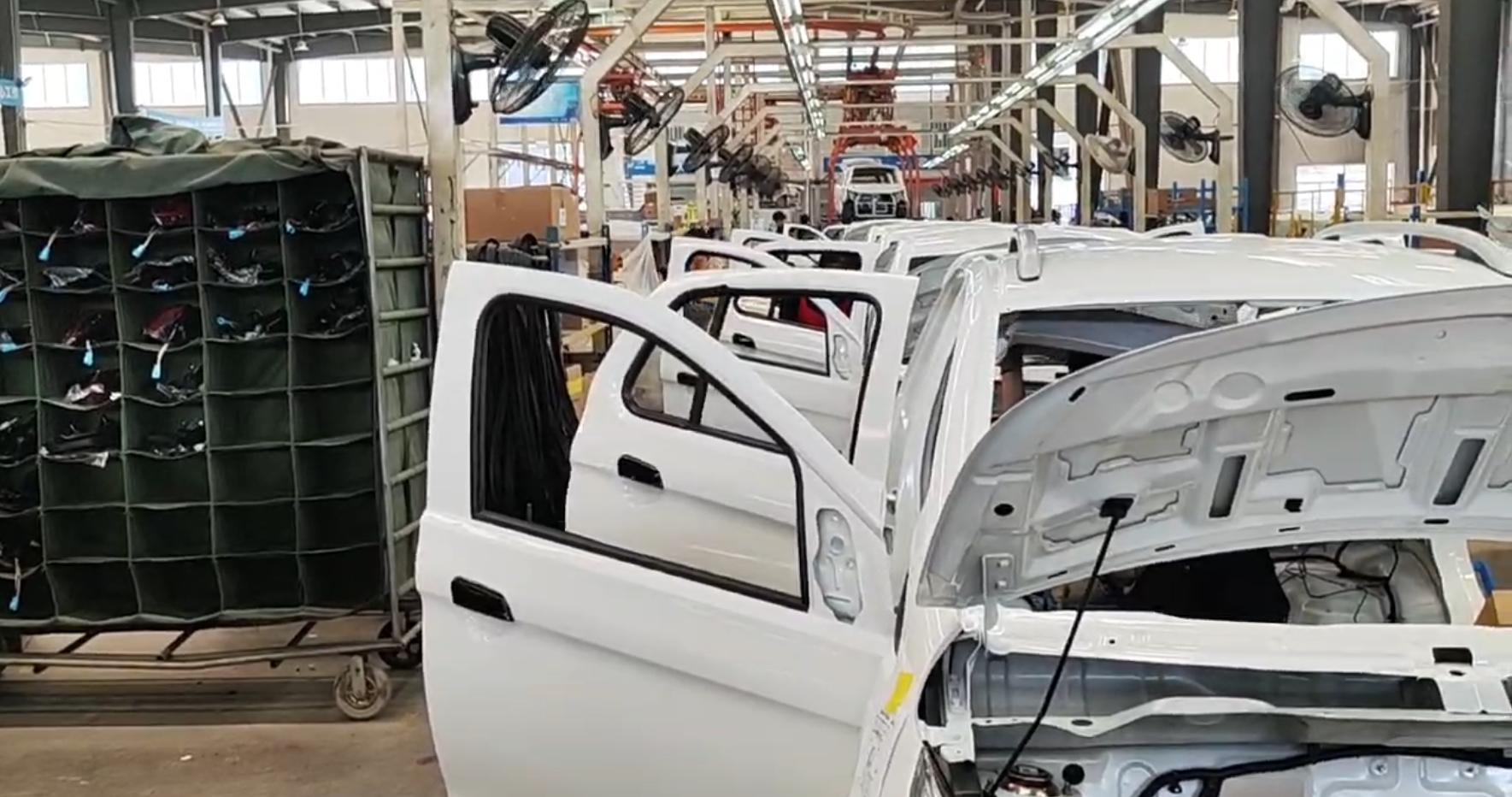
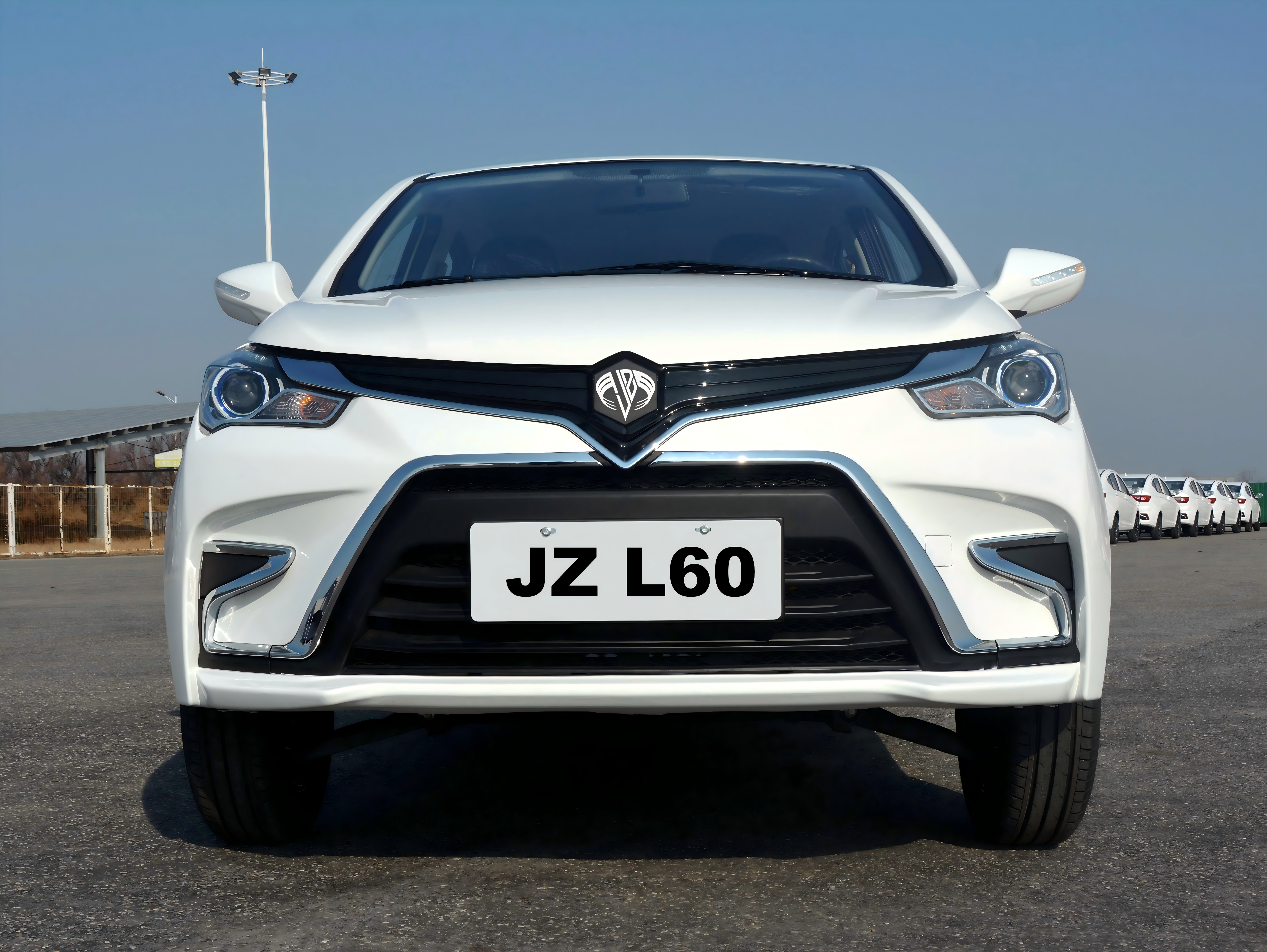
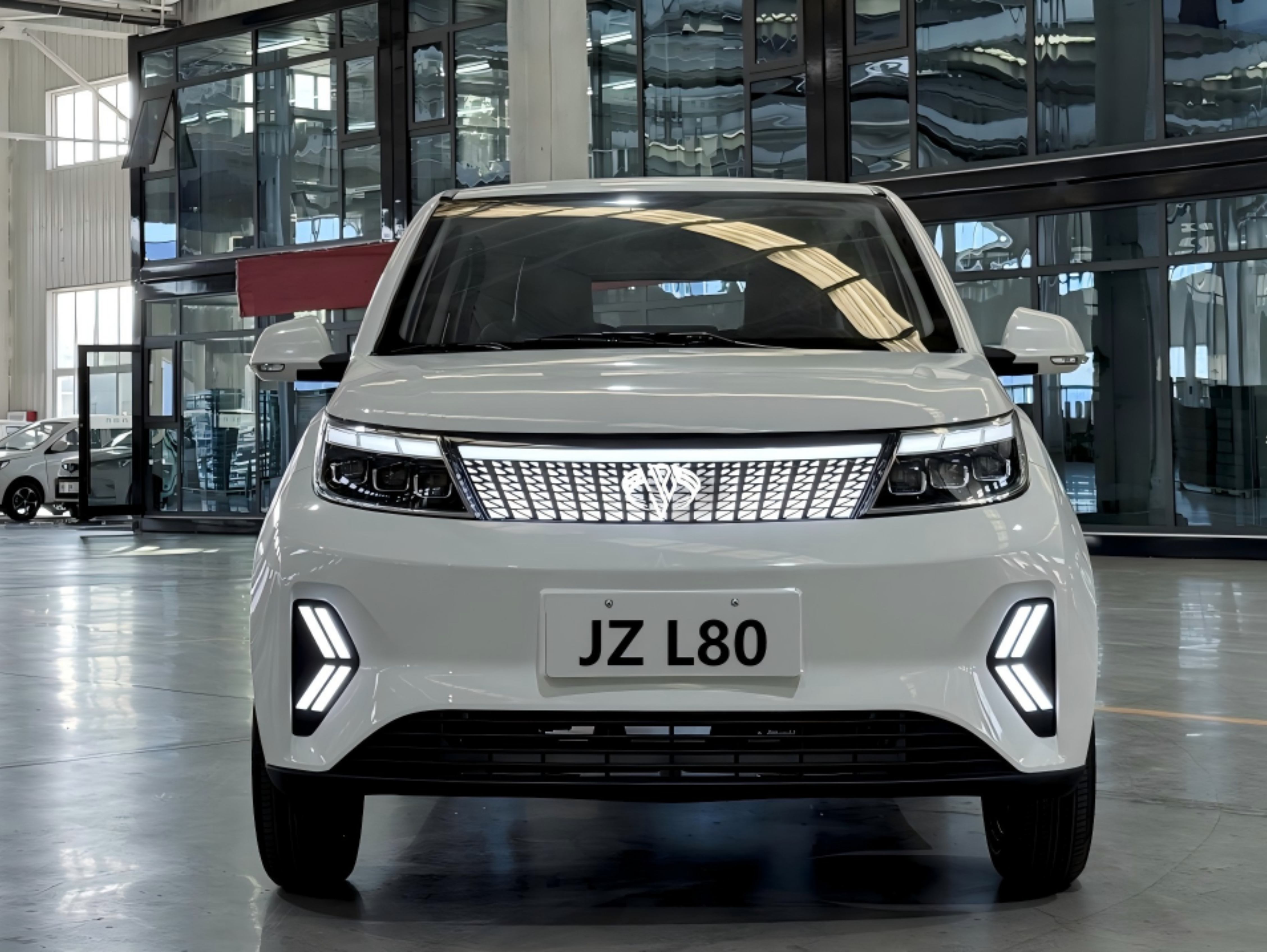
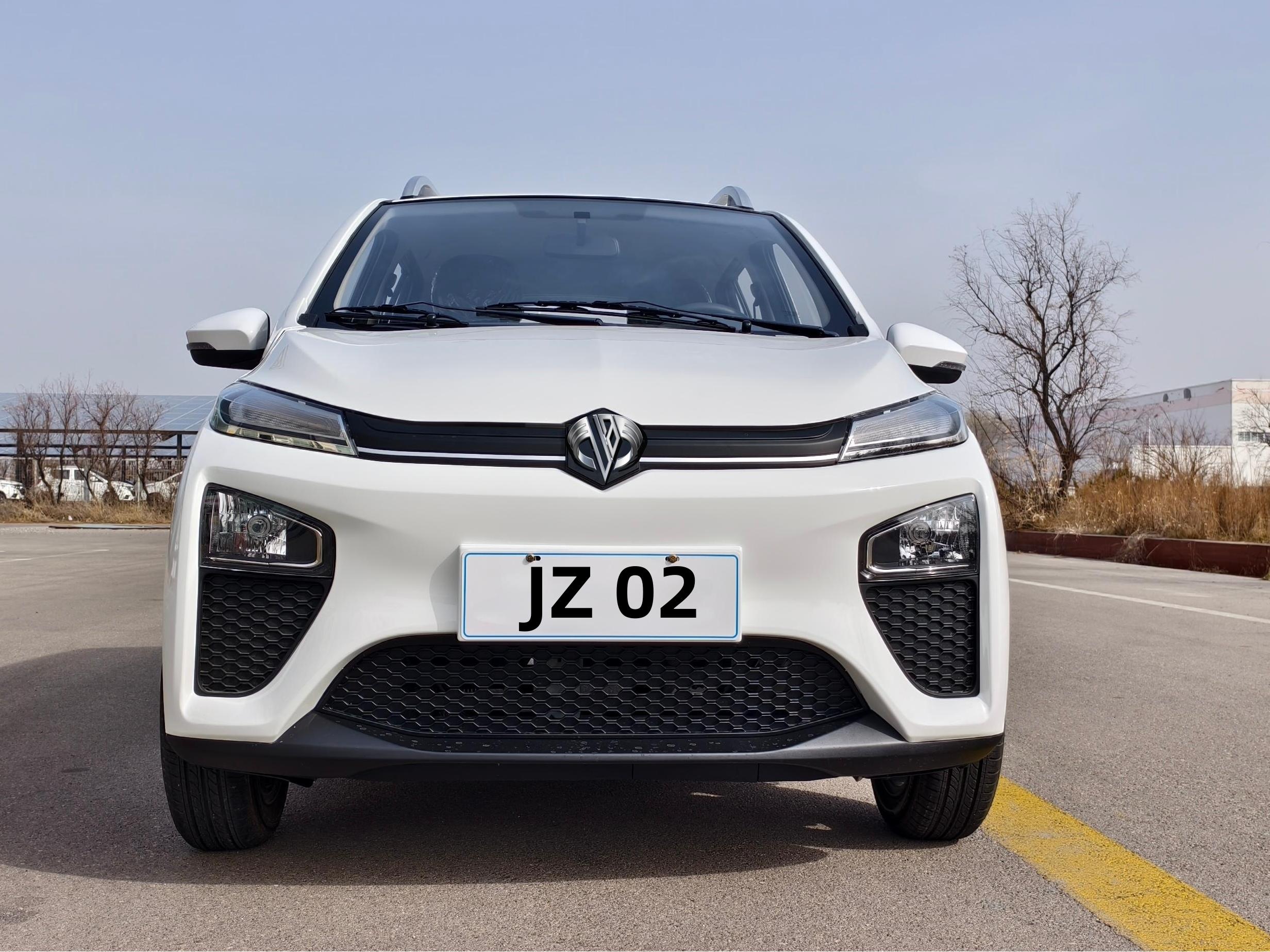
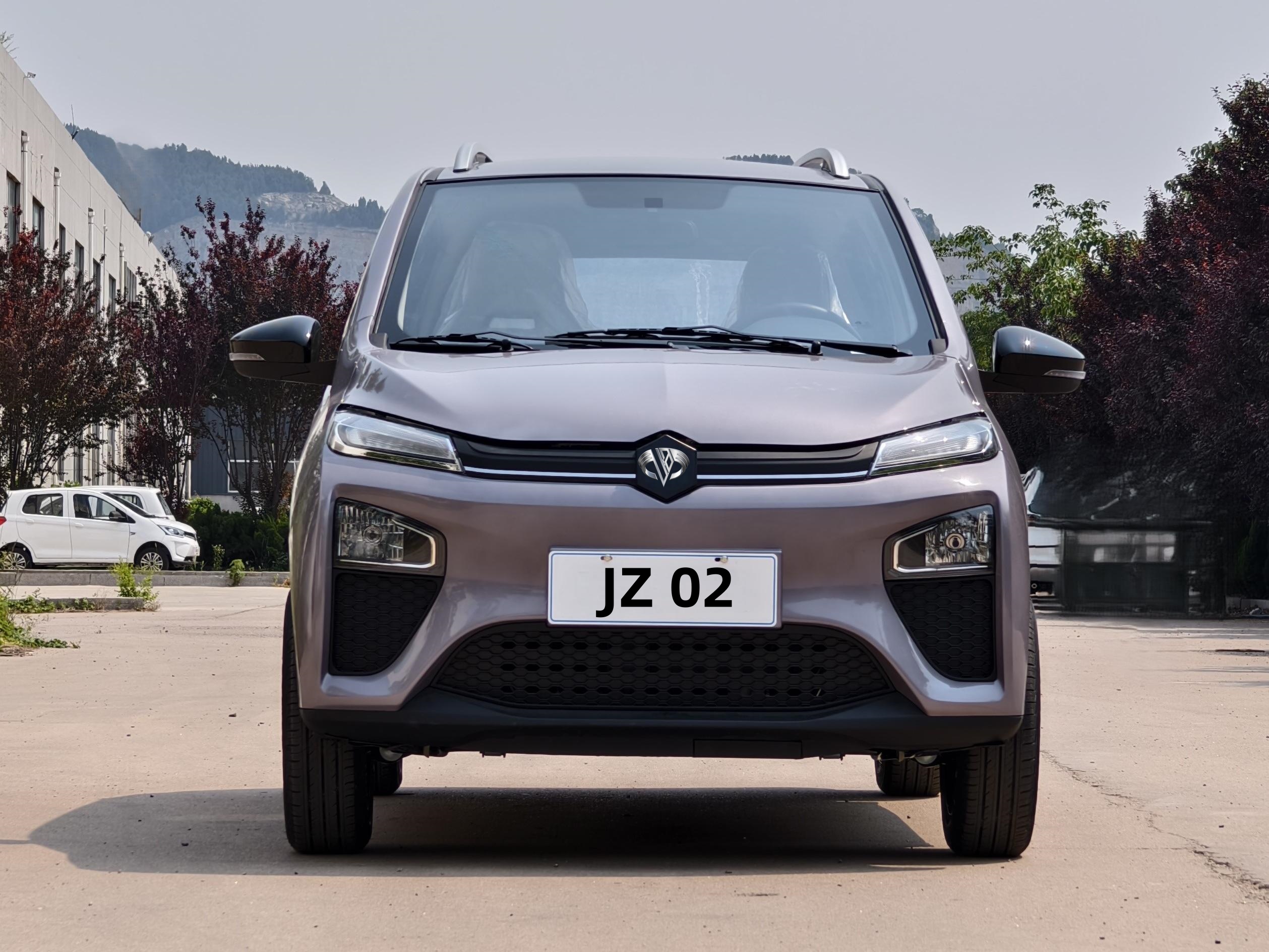
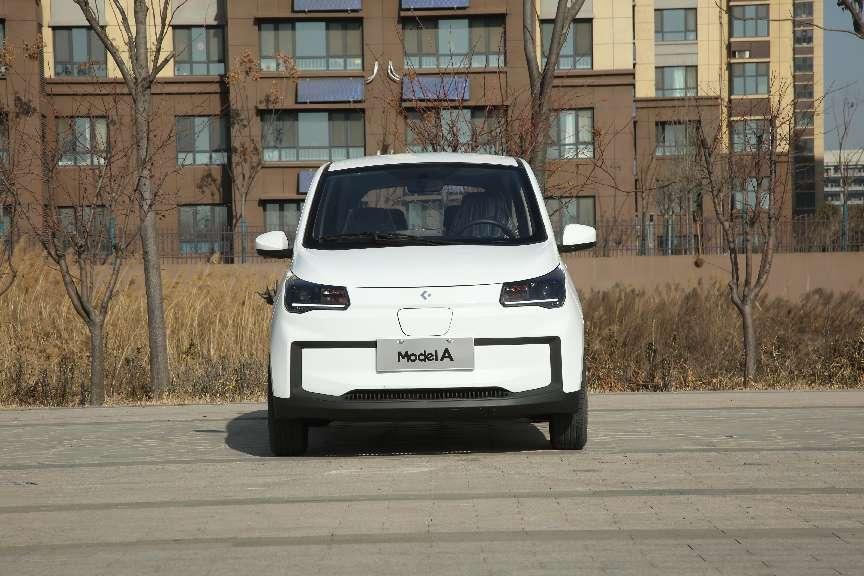
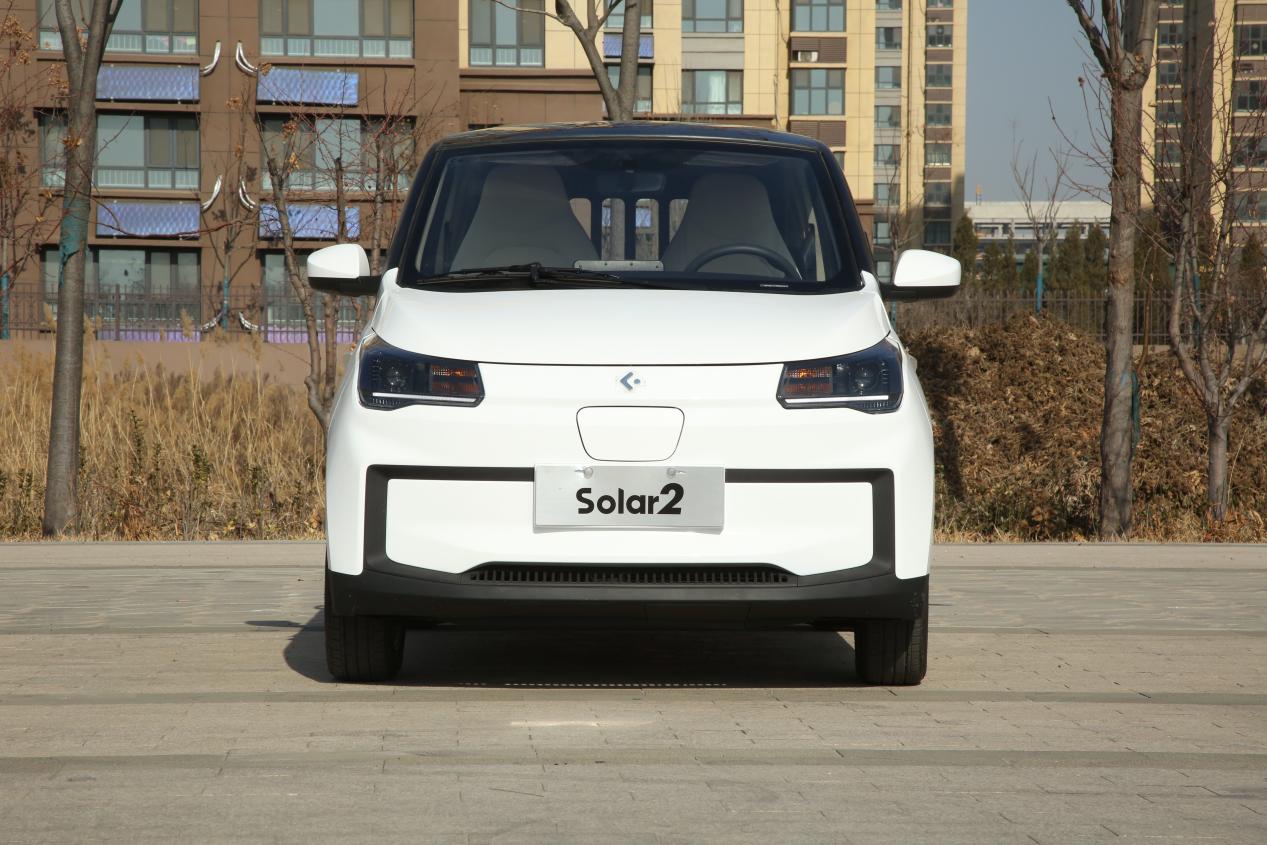
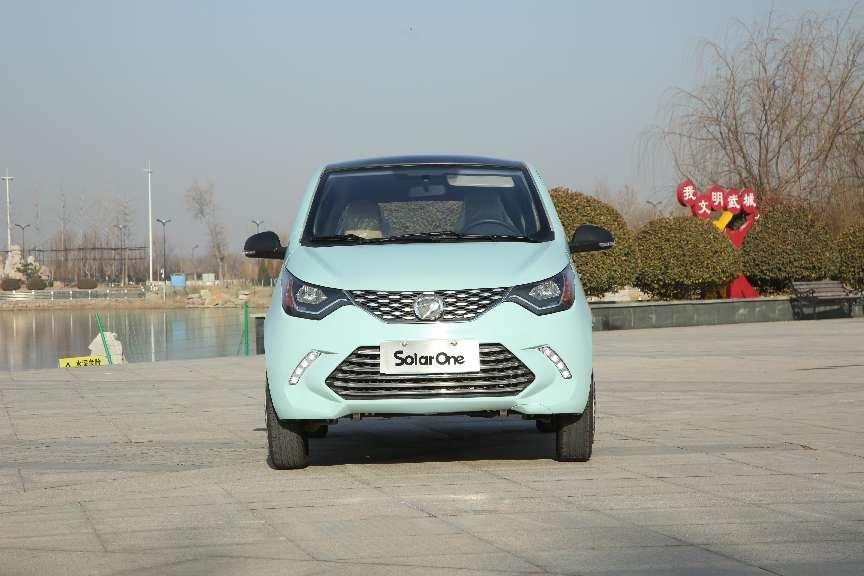
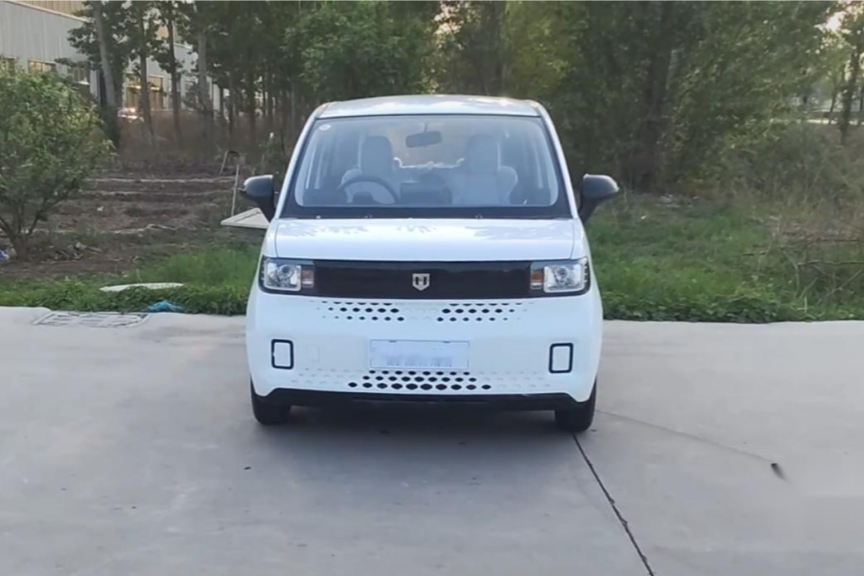




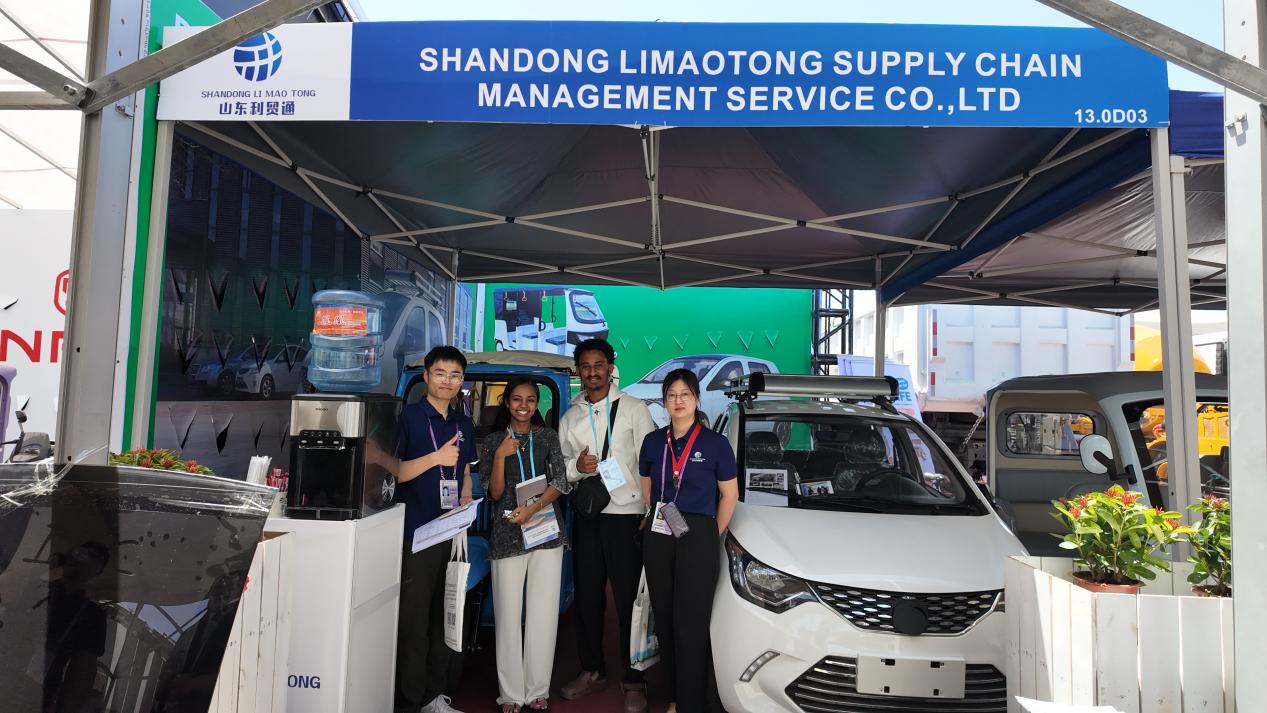
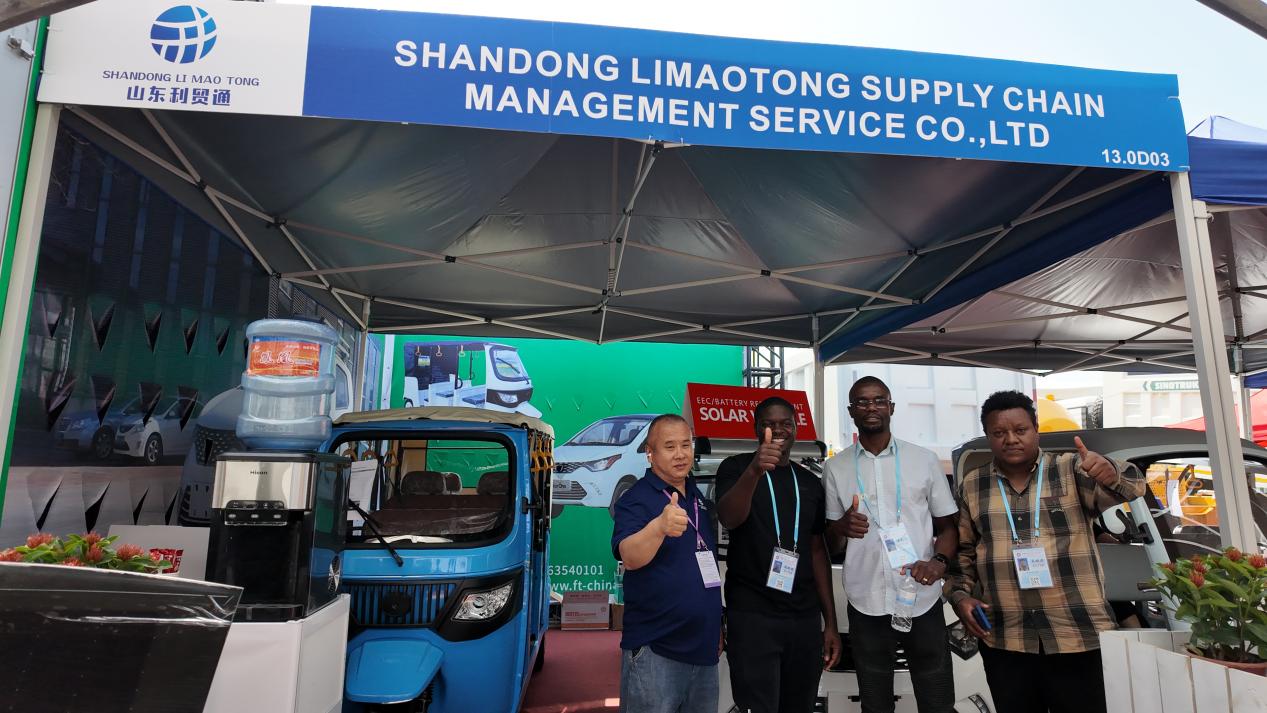
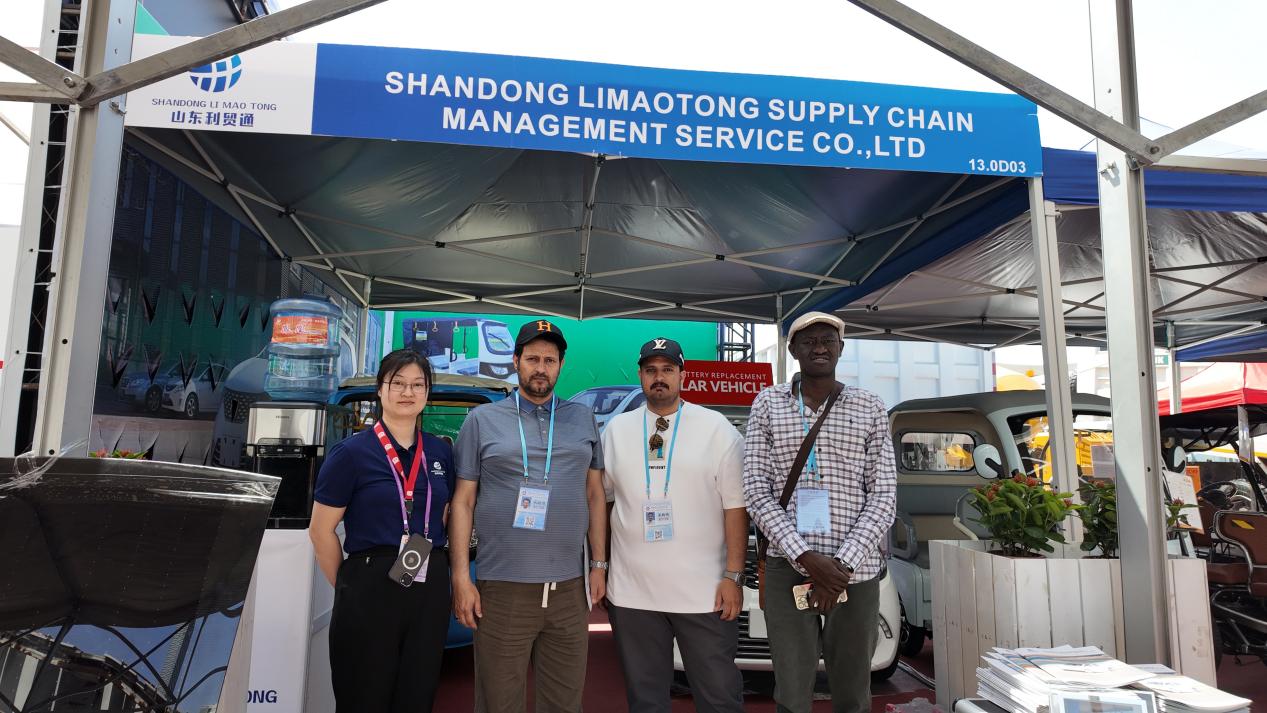


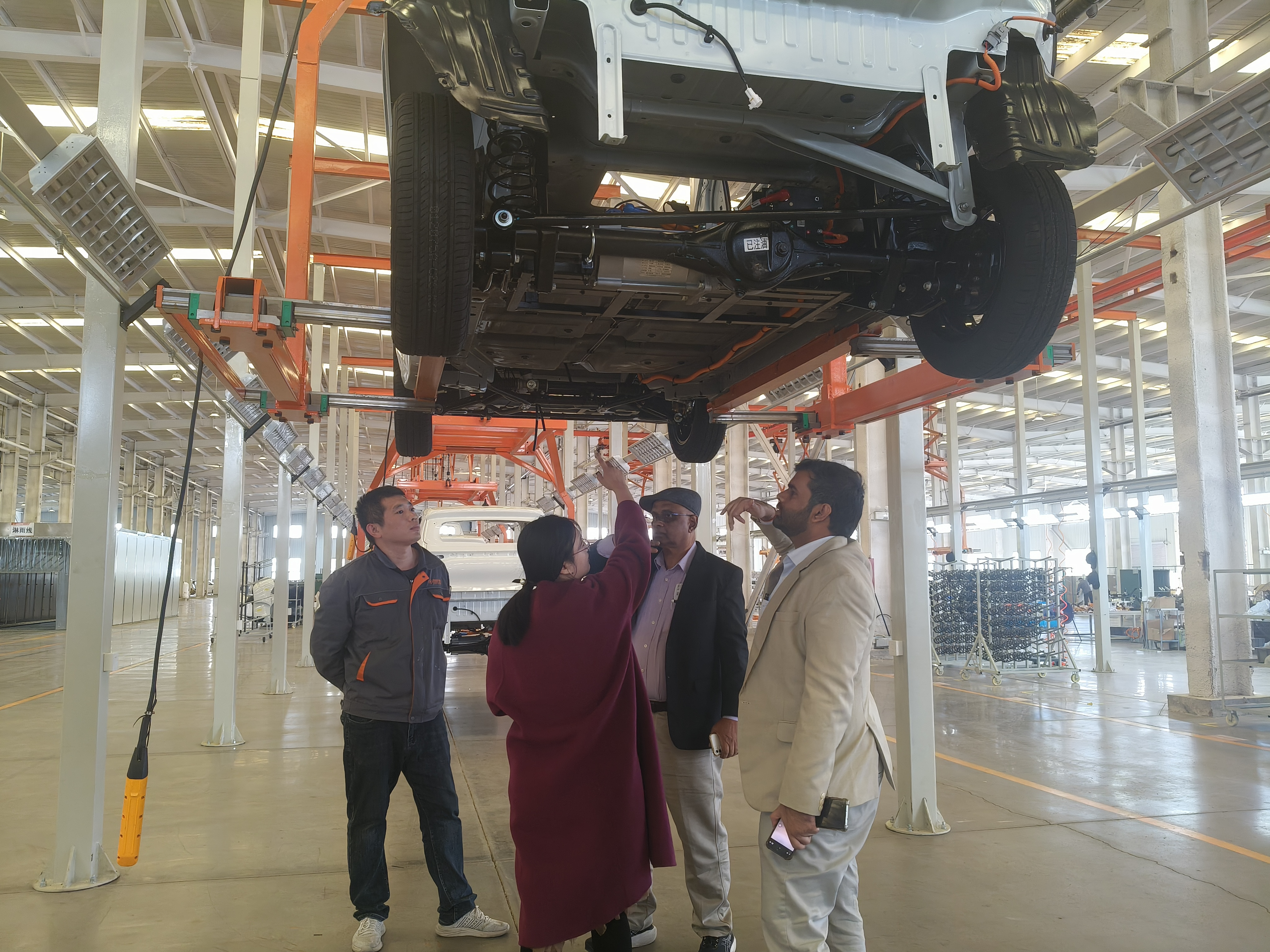
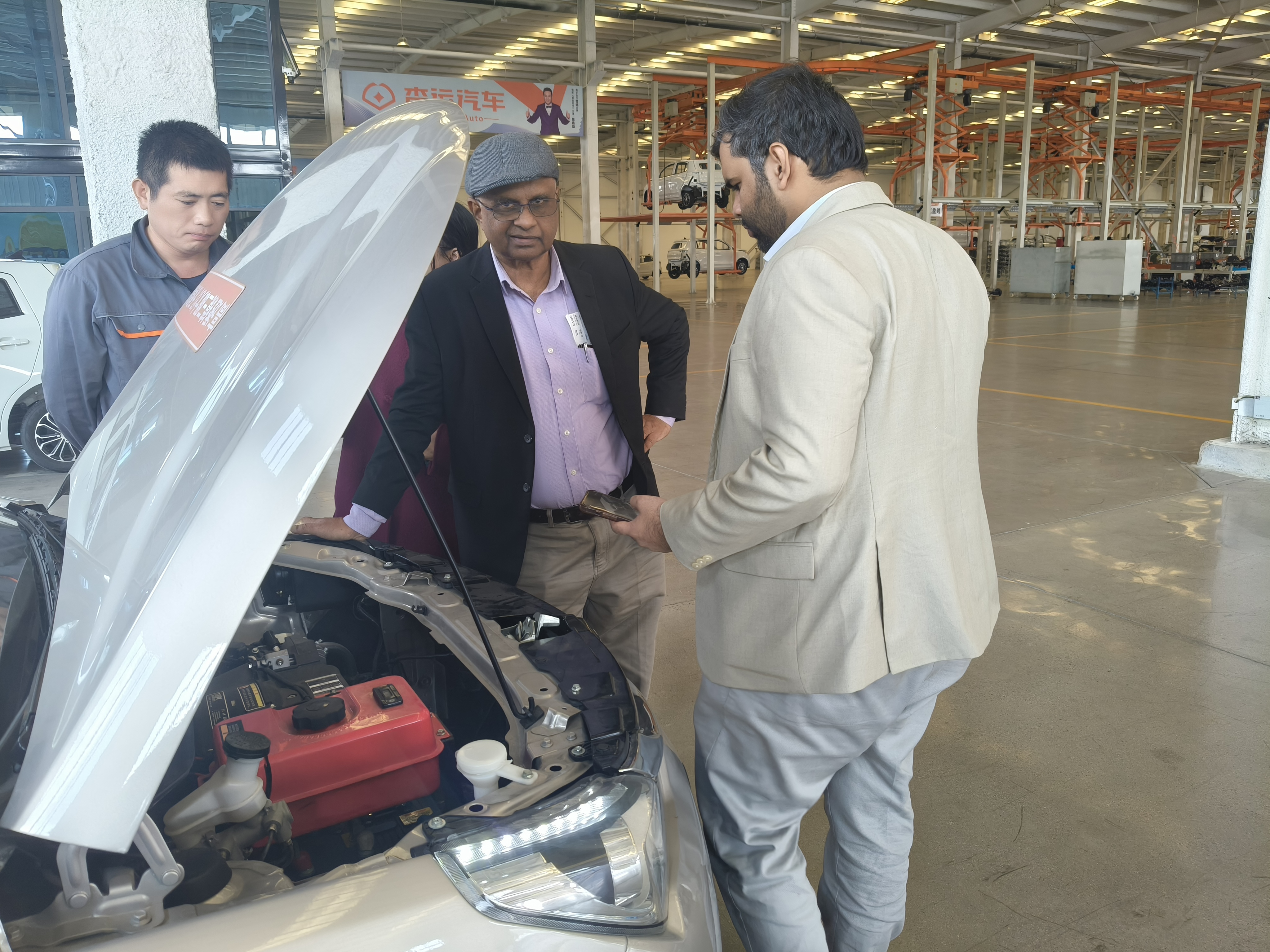
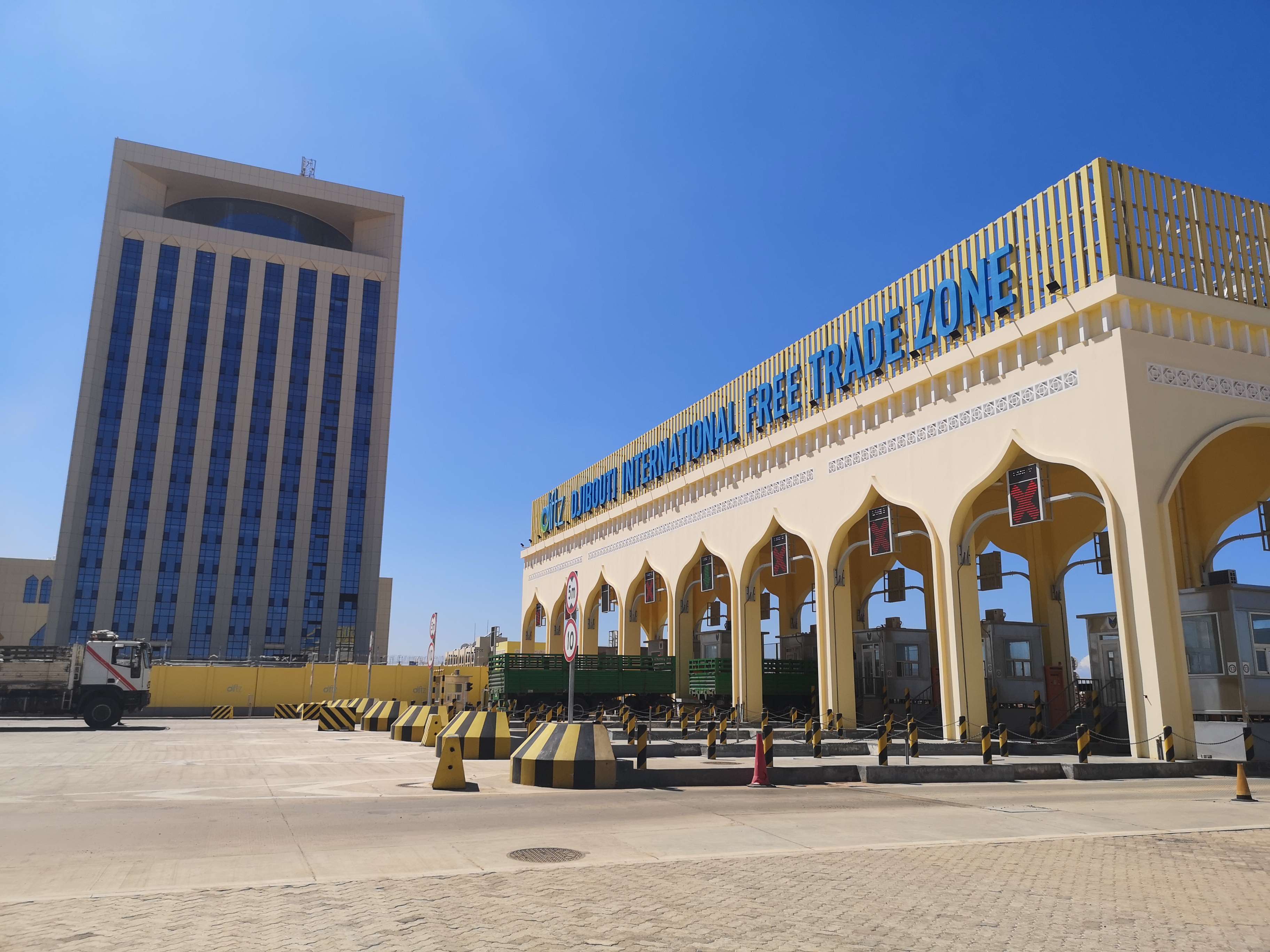
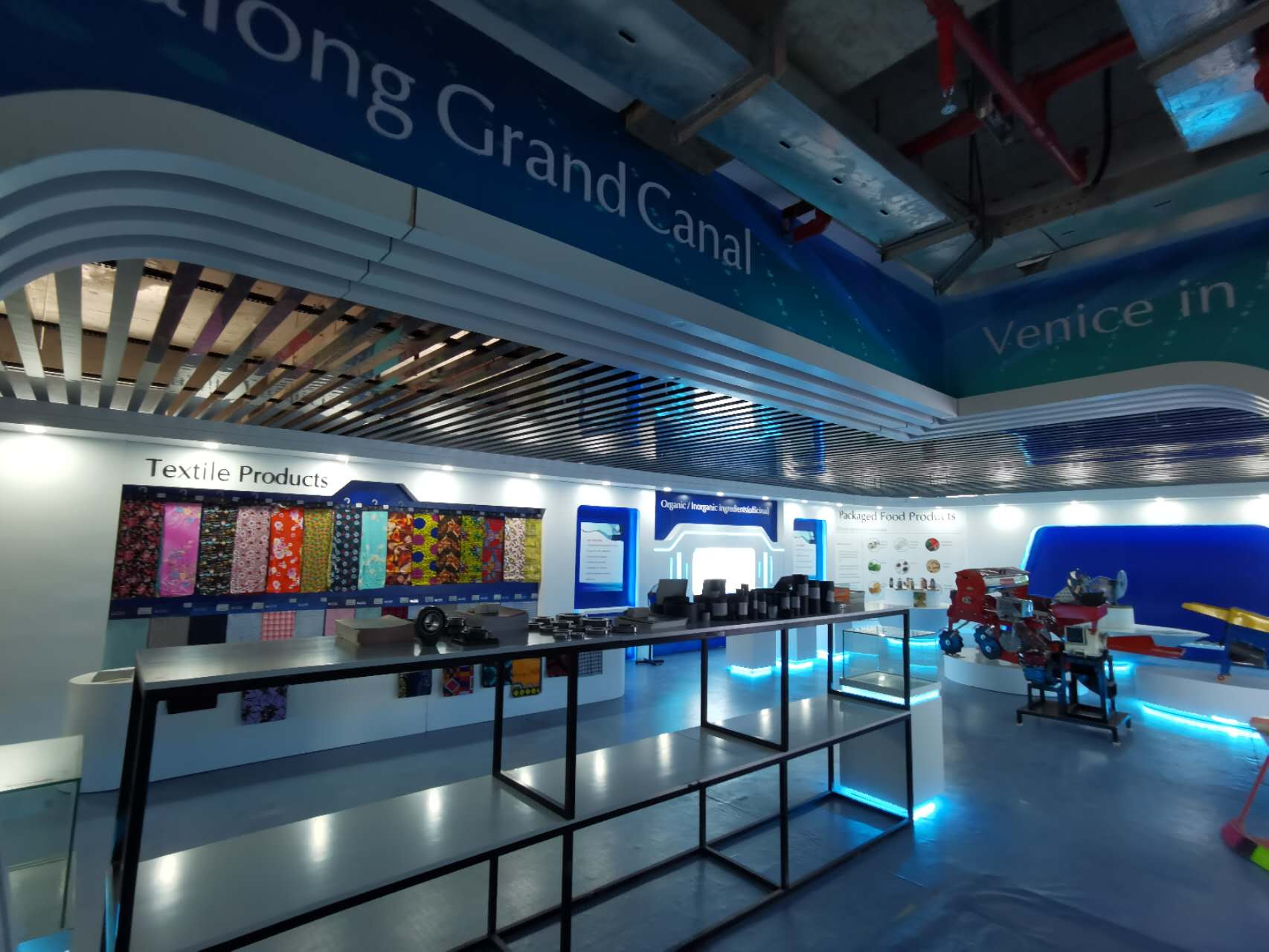
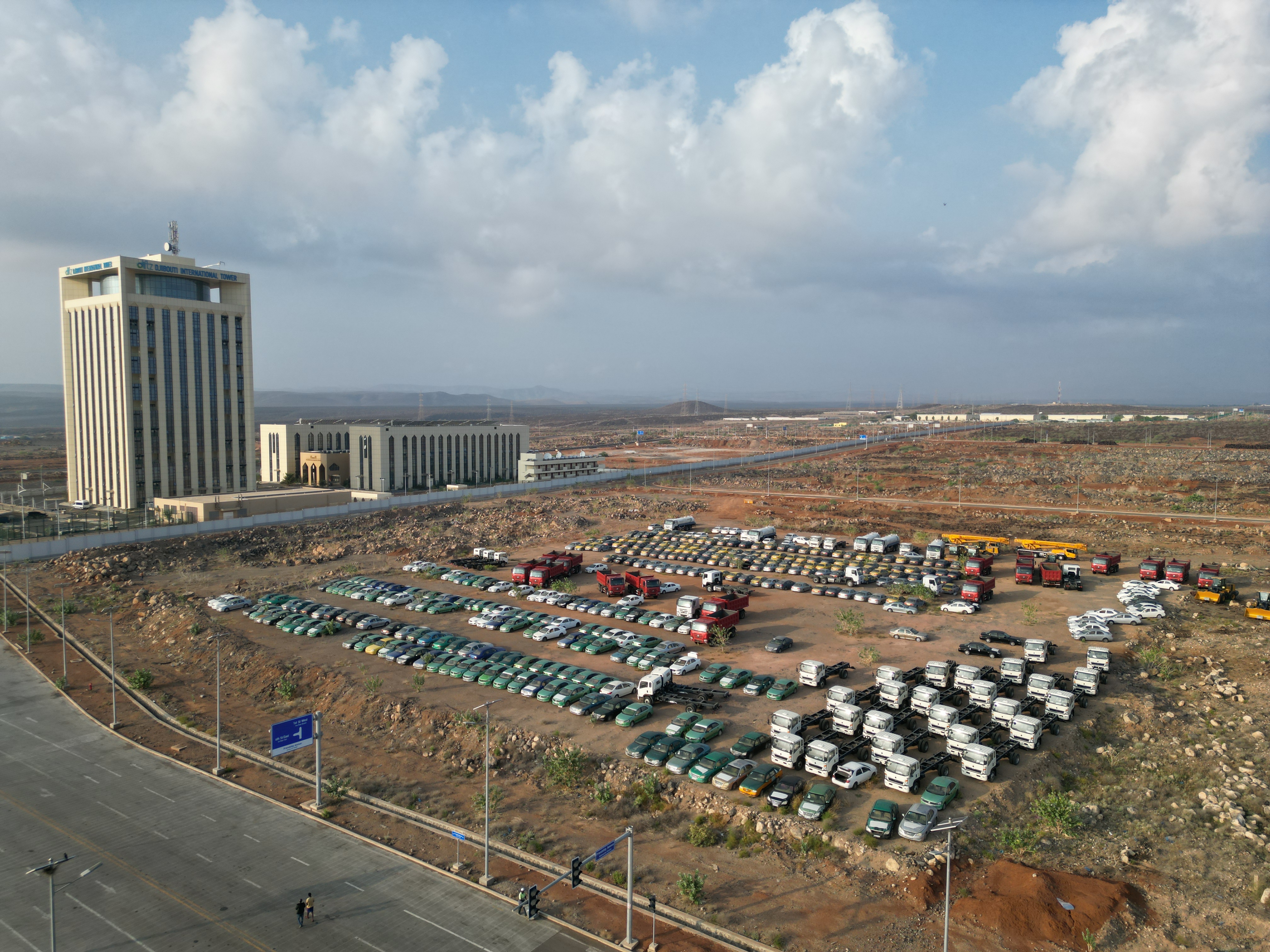
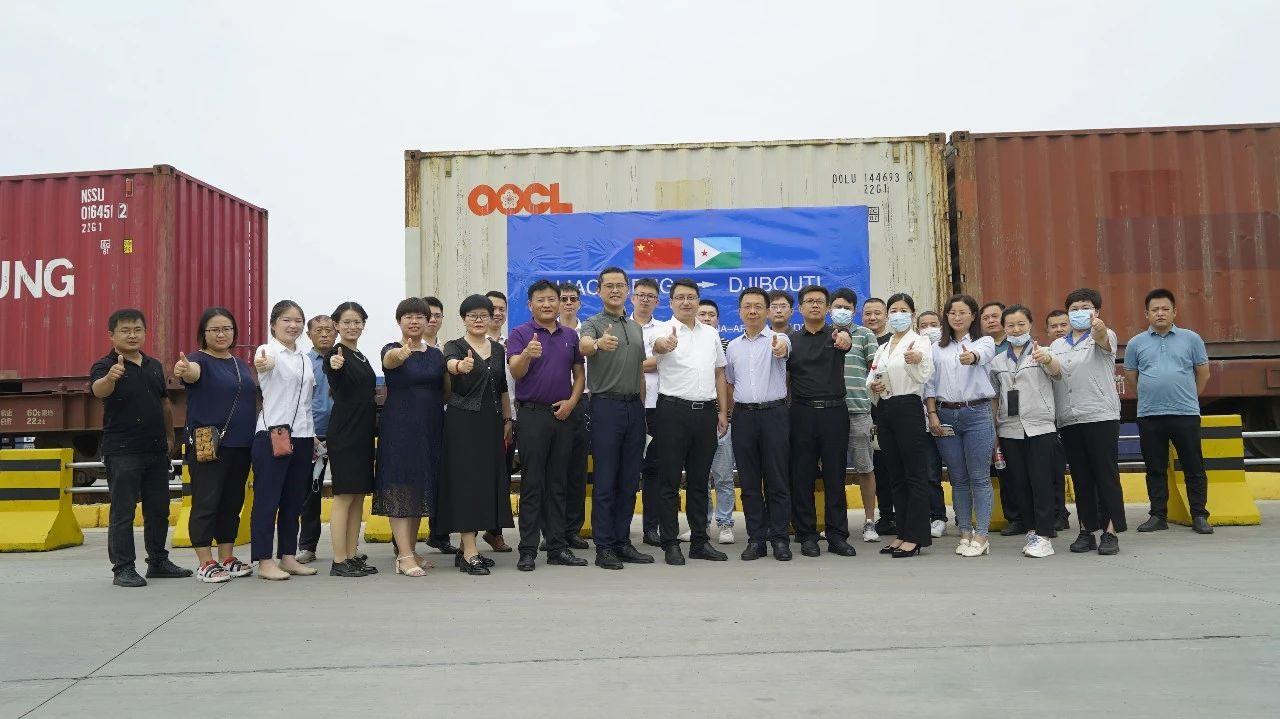
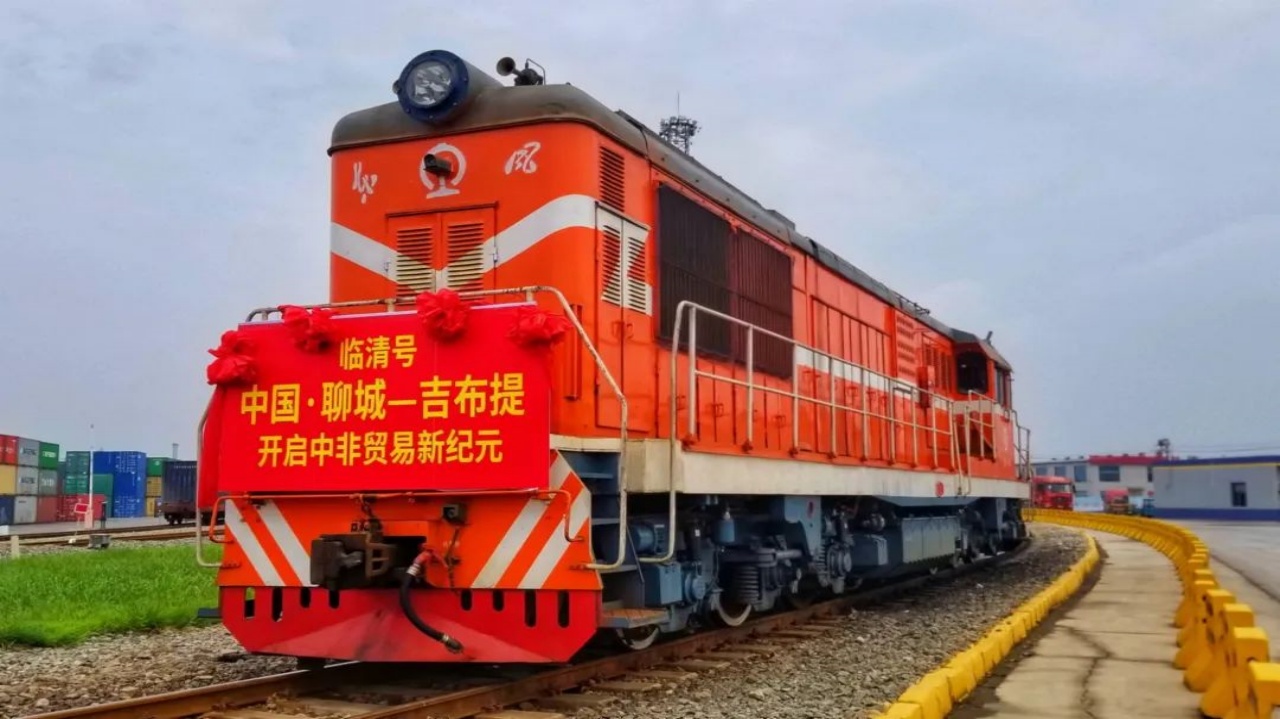
Established in 2023 within the Djibouti International Free Trade Zone in East Africa, this facility serves as our hub for sales, logistics, and customer support.
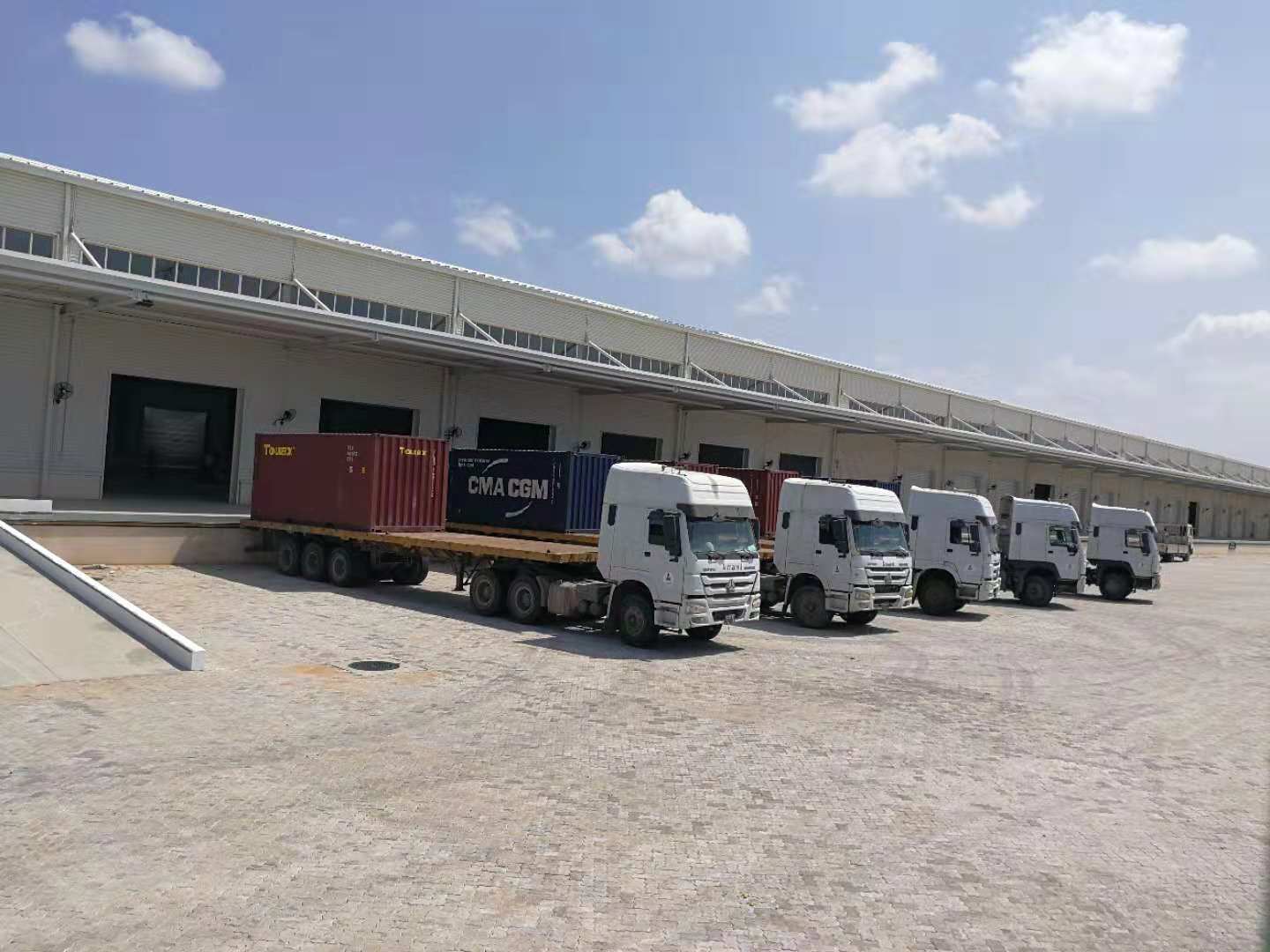
Operating on a "cross-border trade + localized warehouse" structure, our Djibouti base assists global B2B clients with customs processing and inventory management. The site houses spare parts and fully assembled vehicles, reducing delivery lead times for regional fleet operations.

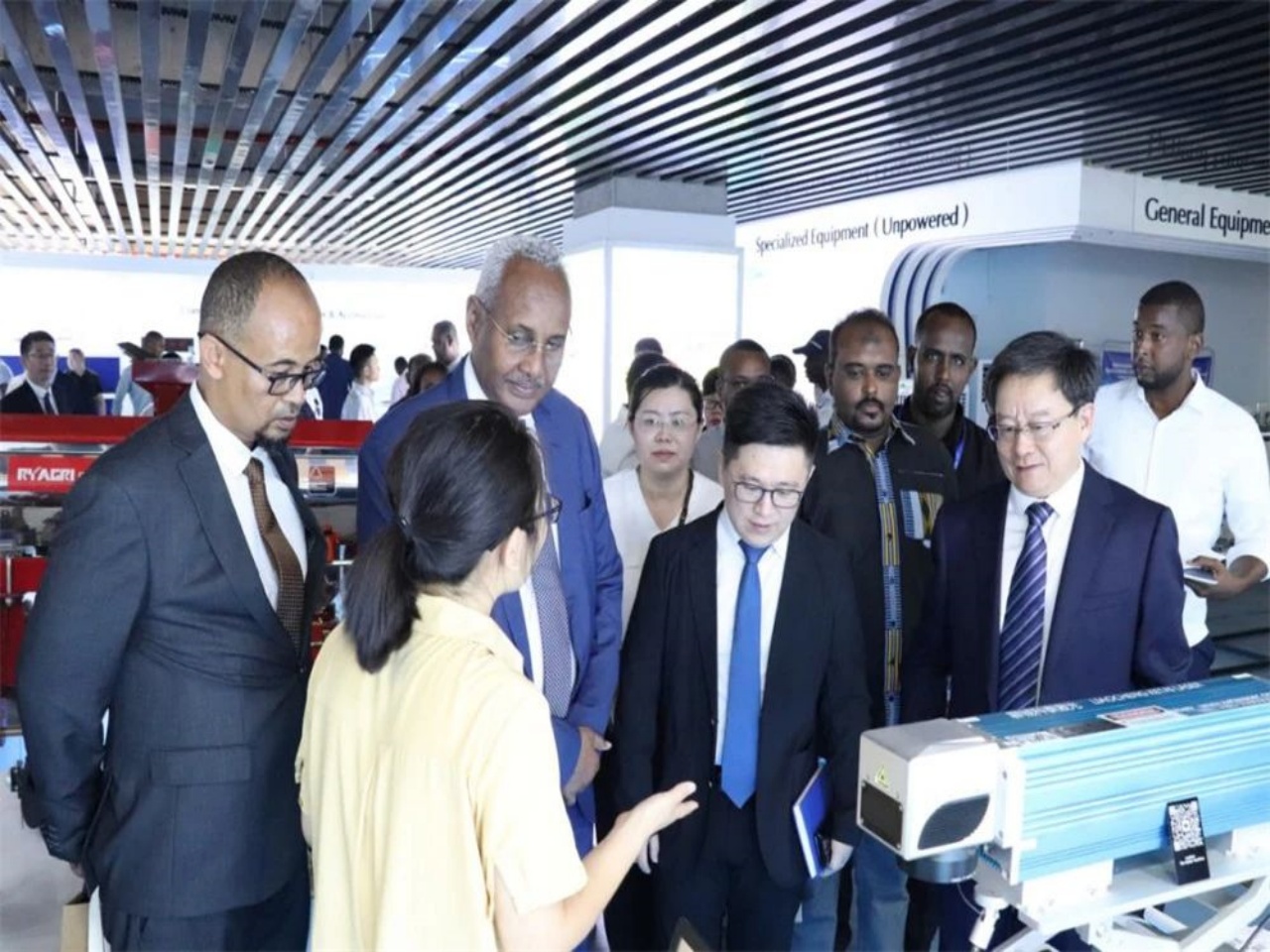



Fleet operators purchasing passenger micro-vehicles consider three primary metrics: total cost of ownership (TCO) per kilometer, battery cycle durability, and maintenance support. Incorporating monocrystalline silicon PV arrays on the roof helps address the electrical consumption overhead that typically impacts fleet operating budgets.
For operators in equatorial and tropical regions, solar panels can generate 1.5 to 2.4 kWh of daily charge under standard sun exposure. This direct power generation lowers utility charging costs and reduces the frequency of battery deep discharges, helping to prolong the lifespan of the battery packs.
Regulatory requirements for three-wheeled passenger electric vehicles vary significantly by market. European operations require EEC certifications (L5e category), North American markets look for DOT approvals, and other markets focus on structural crash-safety and local passenger transport licensing.
Our manufacturing processes use standard chassis numbering and electrical schematics to assist local distributors with regional registration. Shandong Li Mao Tong Group offers custom battery chemistry configurations, specific motor speed settings, and left- or right-hand steering designs to meet local traffic regulations.
The adaptability of solar-integrated 3-passenger tricycles allows them to fit a variety of use cases:
Direct access to our primary manufacturing directory entries and high-capacity alternative micro-mobility models.
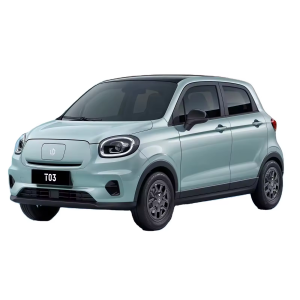
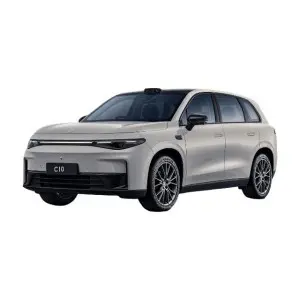
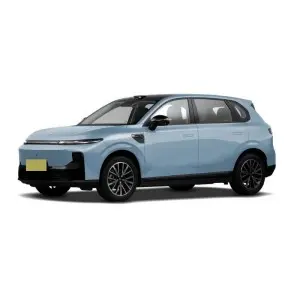
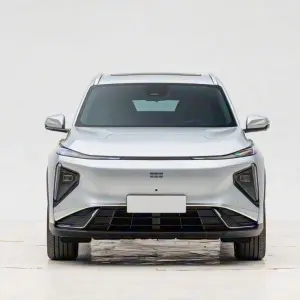

Detailed engineering, supply chain, and compliance answers for volume sourcing operations.
The solar canopy uses an array of monocrystalline photovoltaic cells that feed high-voltage DC electricity to a Maximum Power Point Tracking (MPPT) regulator. This controller steps down the voltage to match the battery bank's specifications (typically 48V, 60V, or 72V) and continuously adjusts current flow to maximize charging input. This charging process operates while the vehicle is parked or in motion.
We offer two main options: Lithium Iron Phosphate (LiFePO4) and Maintenance-Free Sealed Lead-Acid (SLA) batteries. Our LiFePO4 battery packs are designed to support over 2,500 charging cycles while retaining 80% of their original capacity, representing a operational lifespan of 5-8 years in high-use environments. Standard Lead-Acid options provide a lower-cost entry point and support approximately 500-700 cycles before requiring replacement.
Our hub in the Djibouti International Free Trade Zone maintains regional inventory of vehicles and replacement parts. This localized supply helps decrease shipping times to East African countries from weeks to days. It also offers cross-border clearing assistance and duty-free transit options within the free trade zone to simplify import procedures.
In standard commercial taxi operations, a solar electric tricycle can achieve ROI within 10 to 14 months. This timeline is driven by reduced expenditures on liquid fuels and lower maintenance needs for electric powertrains, which have fewer moving parts than internal combustion engines. The addition of the solar roof provides further savings by reducing grid-charge frequency.
Yes. Our vehicles are built with high-torque BLDC motors (ranging from 1200W to 2200W) and feature a dual-ratio gearbox that can be engaged for steep inclines. The chassis is constructed with stamped steel and reinforced front forks to manage rough or unpaved road surfaces.
We ship vehicles in either Complete Knock-Down (CKD) or Semi Knock-Down (SKD) packaging. CKD shipping packs components into compact crates, allowing up to 45 units in a single 40-foot HQ container to minimize freight costs per unit. We provide assembly documentation, wiring diagrams, and technical support to assist local logistics teams with final vehicle commissioning.
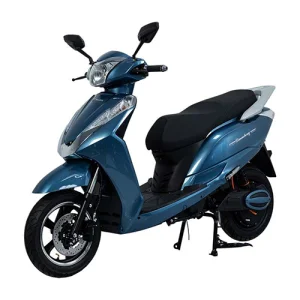
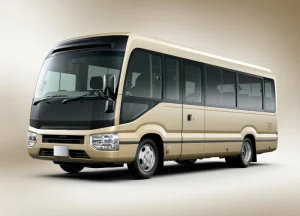
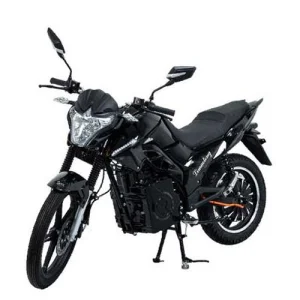
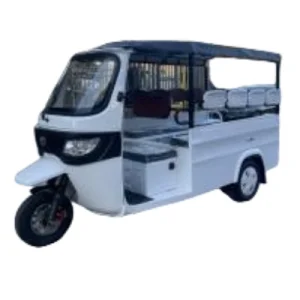
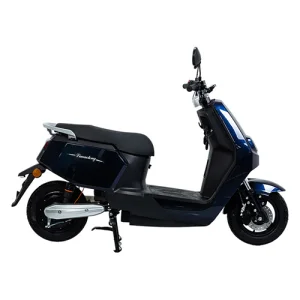
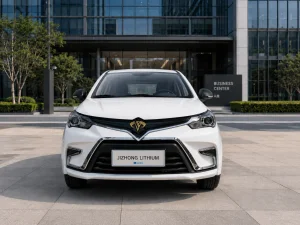
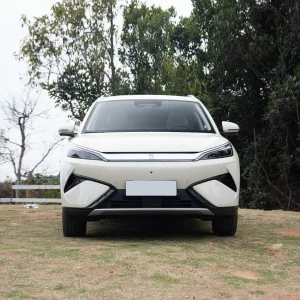
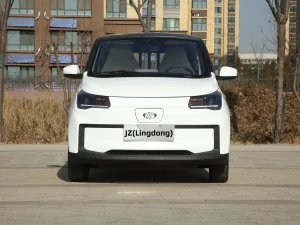
Explore our broader range of urban transport options, including specialized two-wheeled electric bikes, cargo carriers, and compact EVs.
 Limaotong