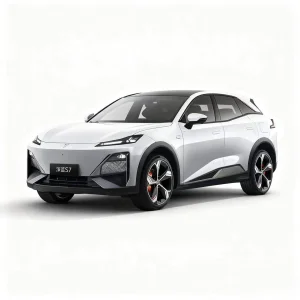
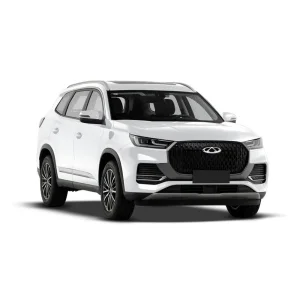
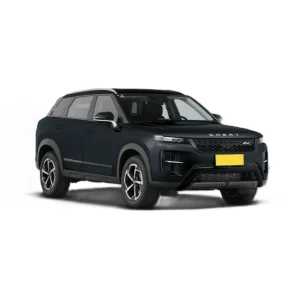
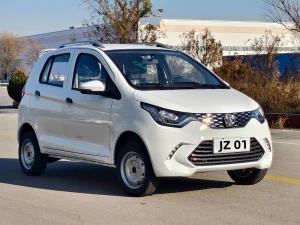
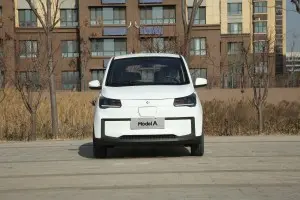
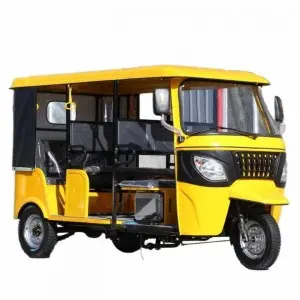
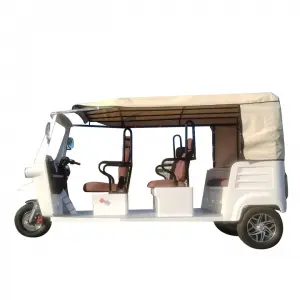
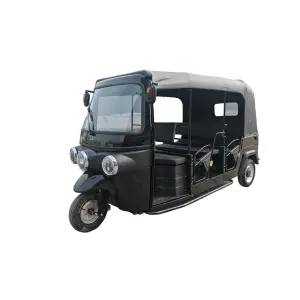
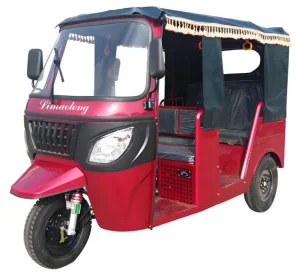
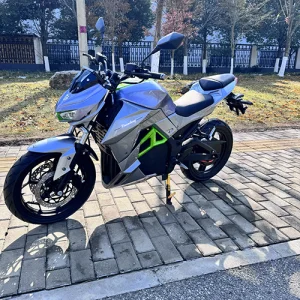
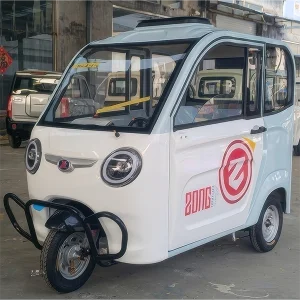
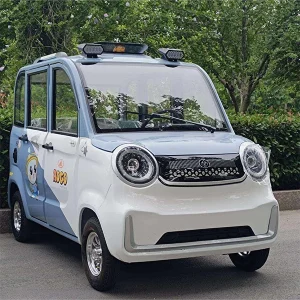
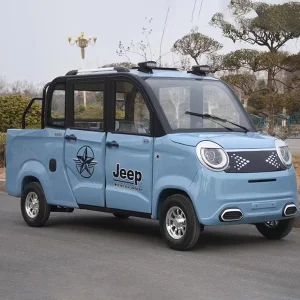
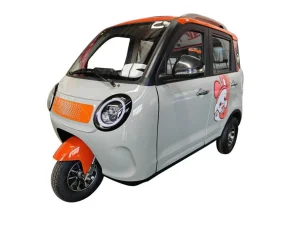
Explore our flagship series of light electric vehicles, tailored to satisfy global standards for logistics delivery, localized commercial fleets, and general family transport.
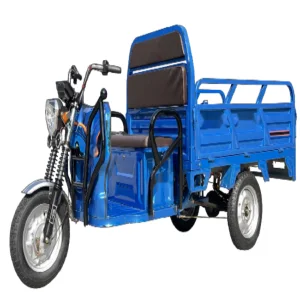
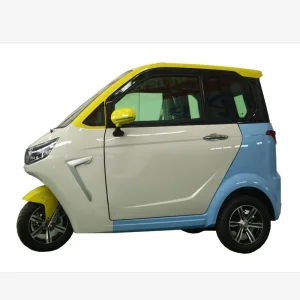
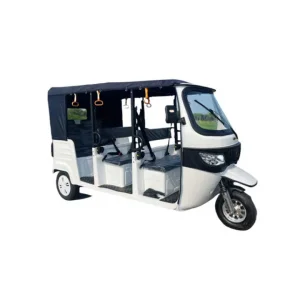
The global transition to sustainable transportation systems has transformed the light electric vehicle segment, accelerating the adoption of electric 3-wheel motorcycles. Formerly regarded primarily as low-cost solutions for localized mobility, the modern electric three-wheeler represents a core asset in the global optimization of last-mile logistics, agricultural transport, and green urban micro-transit. According to recent market analysis, China leads both production output and design innovation in this sector, serving as the chief global exporter of heavy cargo tricycles, electric passenger tuk-tuks, and specialized cold-chain units.
In regions such as Southeast Asia, Africa, and East Latin America, three-wheel vehicles serve as primary utility assets. The electrification of these fleets yields significant economic advantages. Switching to electric three-wheelers mitigates volatile fuel costs, reduces high engine-maintenance overheads, and aligns municipal transport with national greenhouse gas reduction mandates. Manufacturers like Shandong Li Mao Tong Group have established complex assembly systems and advanced powertrain integration platforms to export vehicles engineered for high durability under harsh environments, uneven infrastructure, and heavy payload demands.
Industrial logistics fleets leverage electric cargo vehicles for last-mile delivery services in high-density urban areas. Traditional combustion-based utility vehicles face growing restrictions, including low-emission zone tolls and overnight delivery constraints. Electric 3-wheel motorcycles bypass these issues due to quiet electric drive systems, compact turning radii, and high carrying capacities. Advanced units incorporate cargo storage configurations exceeding 1.6 meters, featuring integrated hydraulic lifting, reinforced rear-axles, and insulated modular boxes specifically configured for urban distribution networks.
Delivering scalable, localized micro-mobility ecosystems with institutional-grade manufacturing capacity and global supply chain resilience.
Our utility vehicles empower public transit, urban municipal services, and industrial supply lines worldwide.
Localized manufacturing capabilities ensure rapid spare-parts distribution, assembly support, and custom solutions.
Delivering reliable, clean mobility solutions that reduce emissions and drive operating costs down.
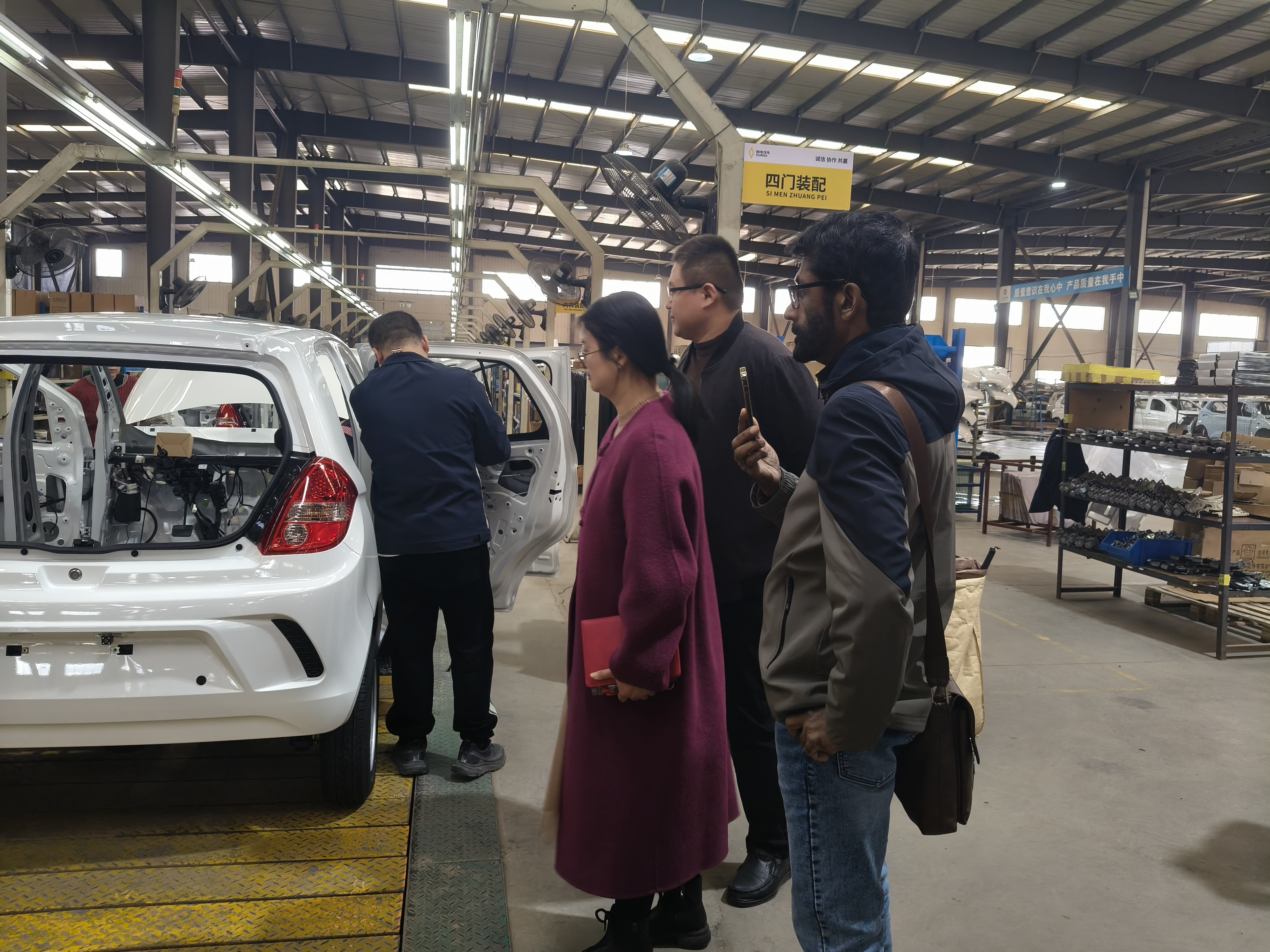
In the booming wave of China's new energy vehicle industry, Limaotong emerged at the historic moment. Rooted in China and embracing the world, We strive to deliver an electric mobility experience that exceeds expectations for every user. Quality is our lifeline. We operate a modern intelligent manufacturing base, equipped with highly automated production lines and a stringent digital quality control system, ensuring every vehicle rolling off the line meets international standards of exquisite craftsmanship.
Our relentless pursuit of safety permeates every aspect, with battery systems passing safety tests far exceeding national standards, and vehicle structural designs targeting the highest safety ratings to comprehensively protect user security. Our core competitiveness stems from cutting-edge technology R&D and unremitting innovation. From one-piece stamped steel frames to millimeter-precision cutting; from fully automated robotic painting creating flawless finishes to precision-engineered assembly processes; Every stage is safeguarded by dedicated technical teams.
We dare to accept the laboratory level seven rainstorm test and face all kinds of extreme environmental challenges in the world. Our multi-series, multi-positioning, and multi-brand strategy, coupled with advantages in global delivery, full-process services, and all-terrain customization capabilities, has rapidly established us as a preferred manufacturer of the "Chinese Magic Car" among global customers.
Learn More About Our Technologies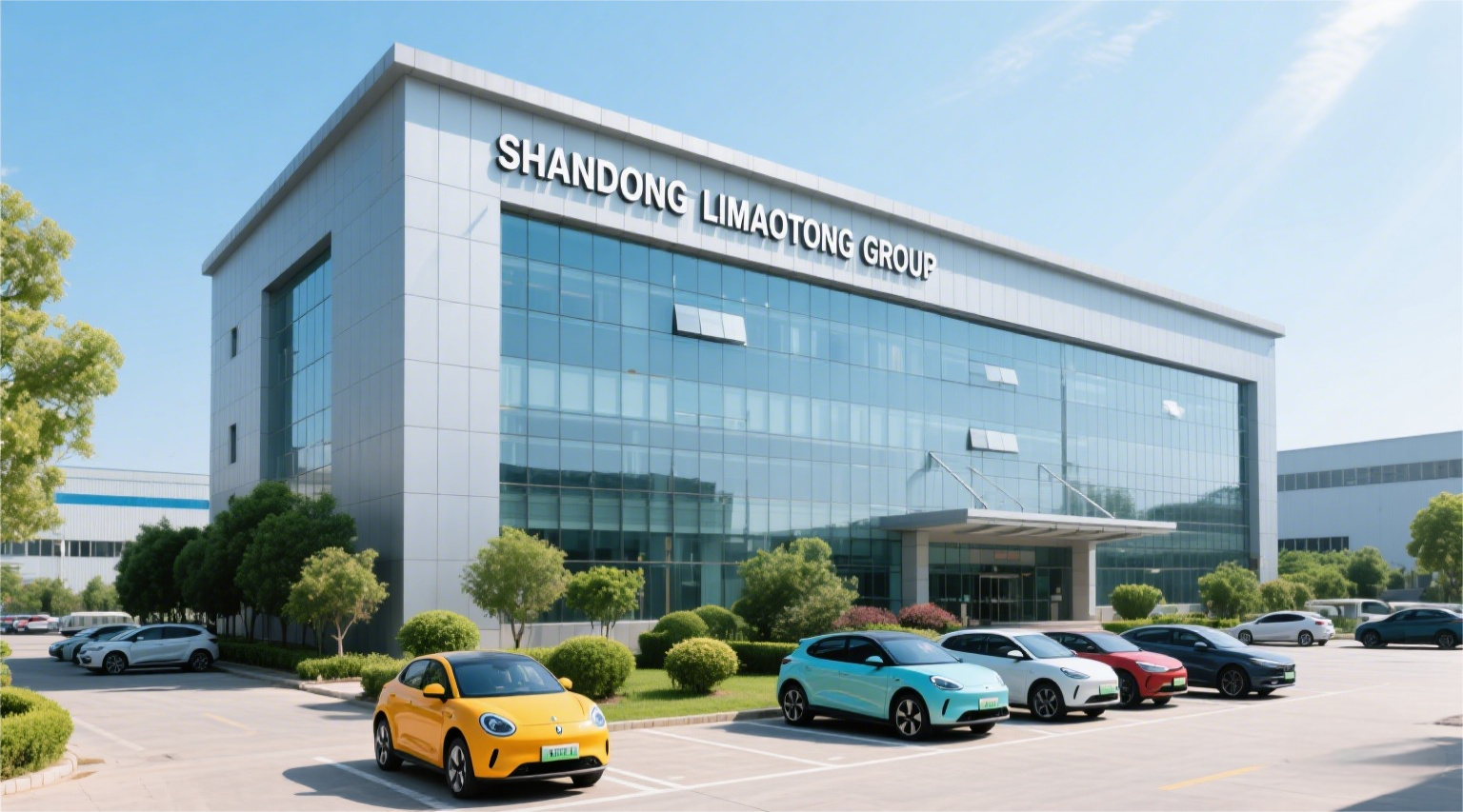
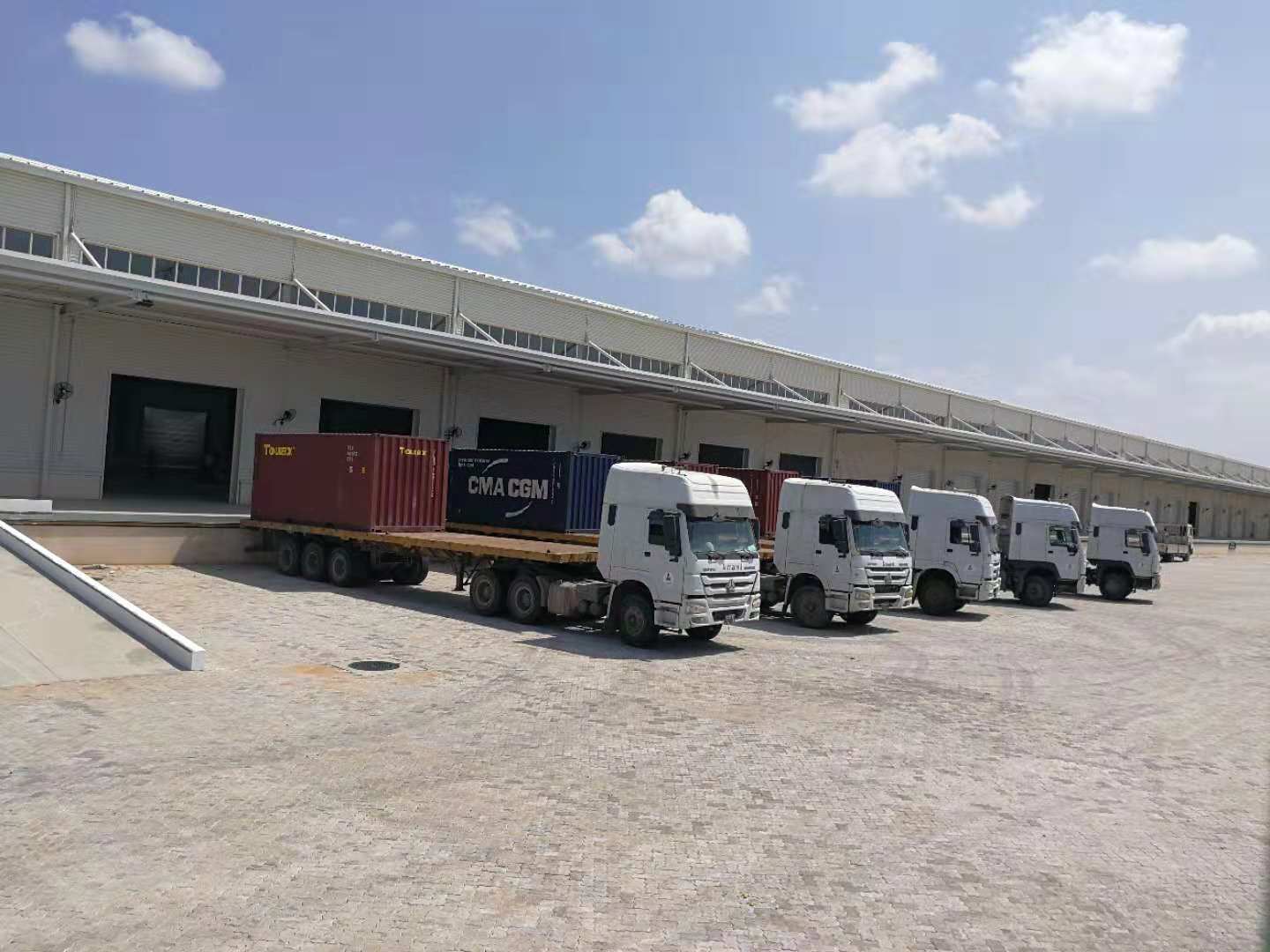
SHANDONG LI MAO TONG GROUP is a global supplier of high-quality products, with a complete industrial chain, specialized in research, manufacture and international sales of motor tricycles, cargo tricycle, electric mini car. Since its establishment, our vehicles have served over 120 countries and regions worldwide, with our brand reaching more than 20 million households globally. Supported by 8 overseas production bases, we provide comprehensive vehicle solutions to markets around the world. We attach great importance to after-sales service, and set up overseas warehouses in Djibouti and are equipped with a professional after-sales team and complete after-sales facilities. If you encounter any problems during use of the product, our after-sales team will respond immediately and provide you with timely and effective solutions.
The manufacturing process of institutional-grade electric 3-wheel motorcycles requires specialized structural engineering to handle high-stress operating environments. Heavy cargo transit demands highly rigid load-bearing frameworks. Unlike standard passenger motorcycles, cargo trikes rely on high-yield stamped steel components and automated structural welding. One-piece chassis structures are stamped under multi-ton presses to avoid structural failures under maximum load cycles. Dynamic finite element analysis (FEA) ensures stress optimization along critical connection joints.
The industrial market utilizes two primary battery chemistries: Lithium Iron Phosphate (LiFePO4/LFP) and Lead-Acid variants, alongside emerging Sodium-ion research for cold climates. LFP setups provide higher cyclic life (typically exceeding 3,000 cycles at 80% Depth of Discharge) and high thermal stability. Modern battery packs are governed by a central Battery Management System (BMS) with CAN-bus communication capabilities. This BMS monitors cell voltages, balances charge states, and shuts down current flow during over-temperature or over-current events, protecting the driver and payload.
Electric three-wheelers rely on high-torque brushless DC (BLDC) motors or Permanent Magnet Synchronous Motors (PMSM). For heavy cargo applications, mid-drive configurations coupled with integrated reduction gearboxes are preferred over simple wheel hub systems. This allows the motor to operate within its peak efficiency band, delivering the necessary starting torque for incline climbs under full-load states. Dual-speed transaxles provide a low-gear option for steep terrain and a high-gear option for empty cruising, significantly improving battery range.
State-of-the-art facilities with robotic manufacturing, assembly, and automated painting systems.
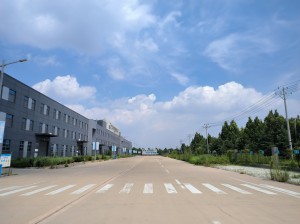
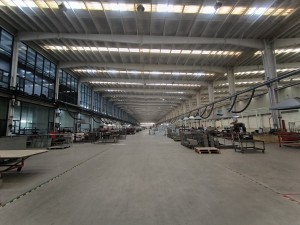
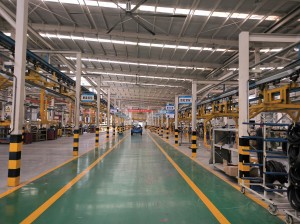
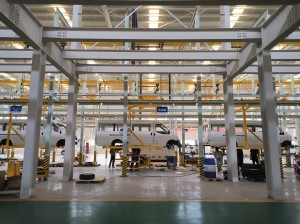
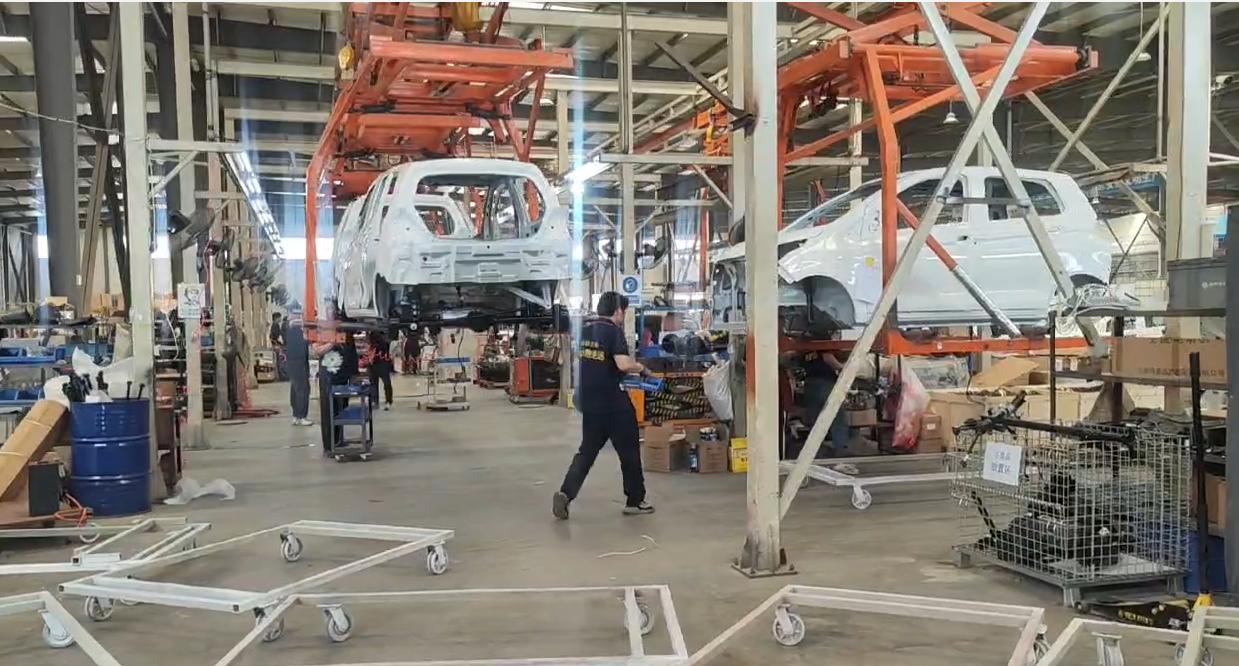
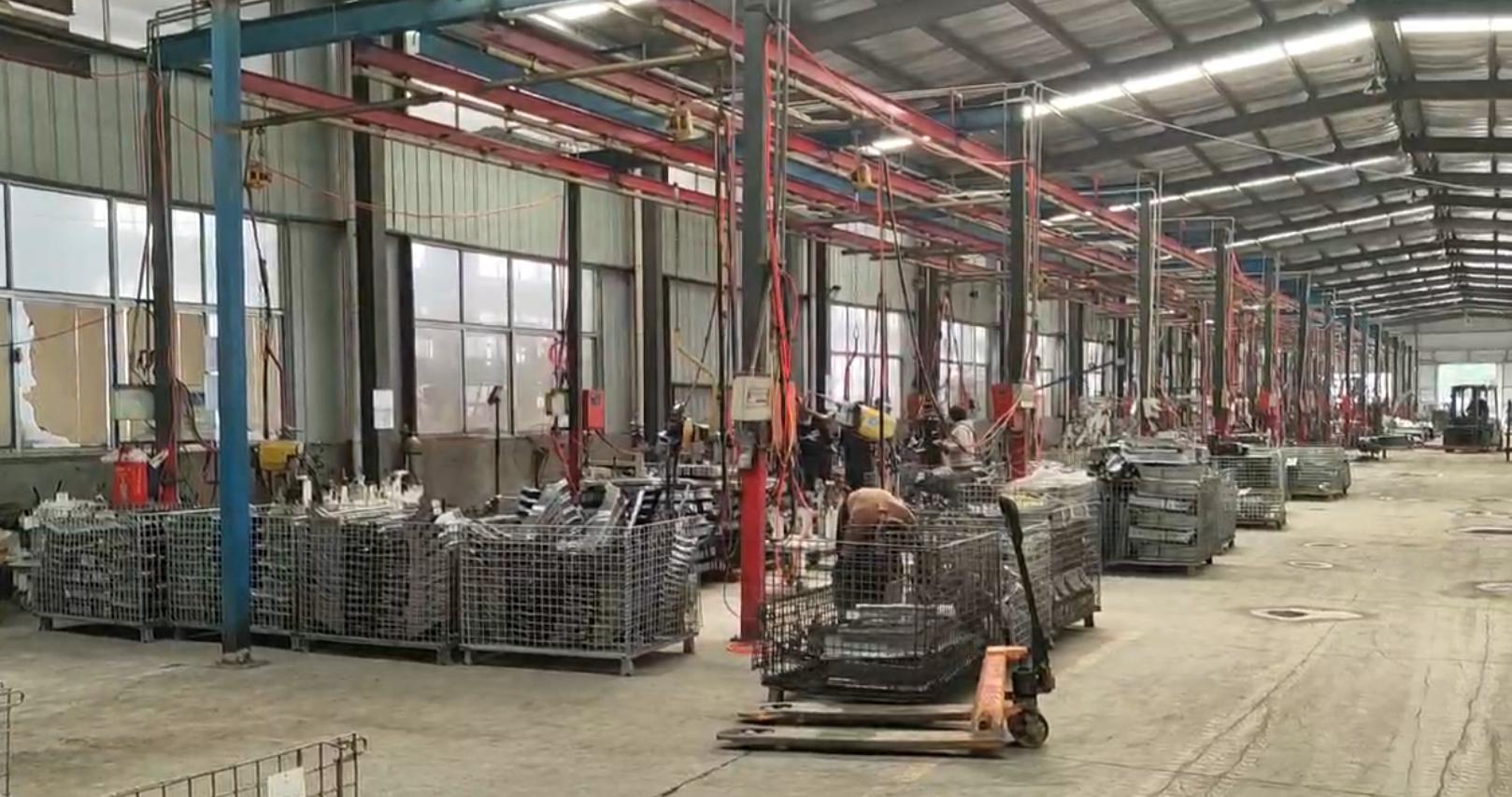
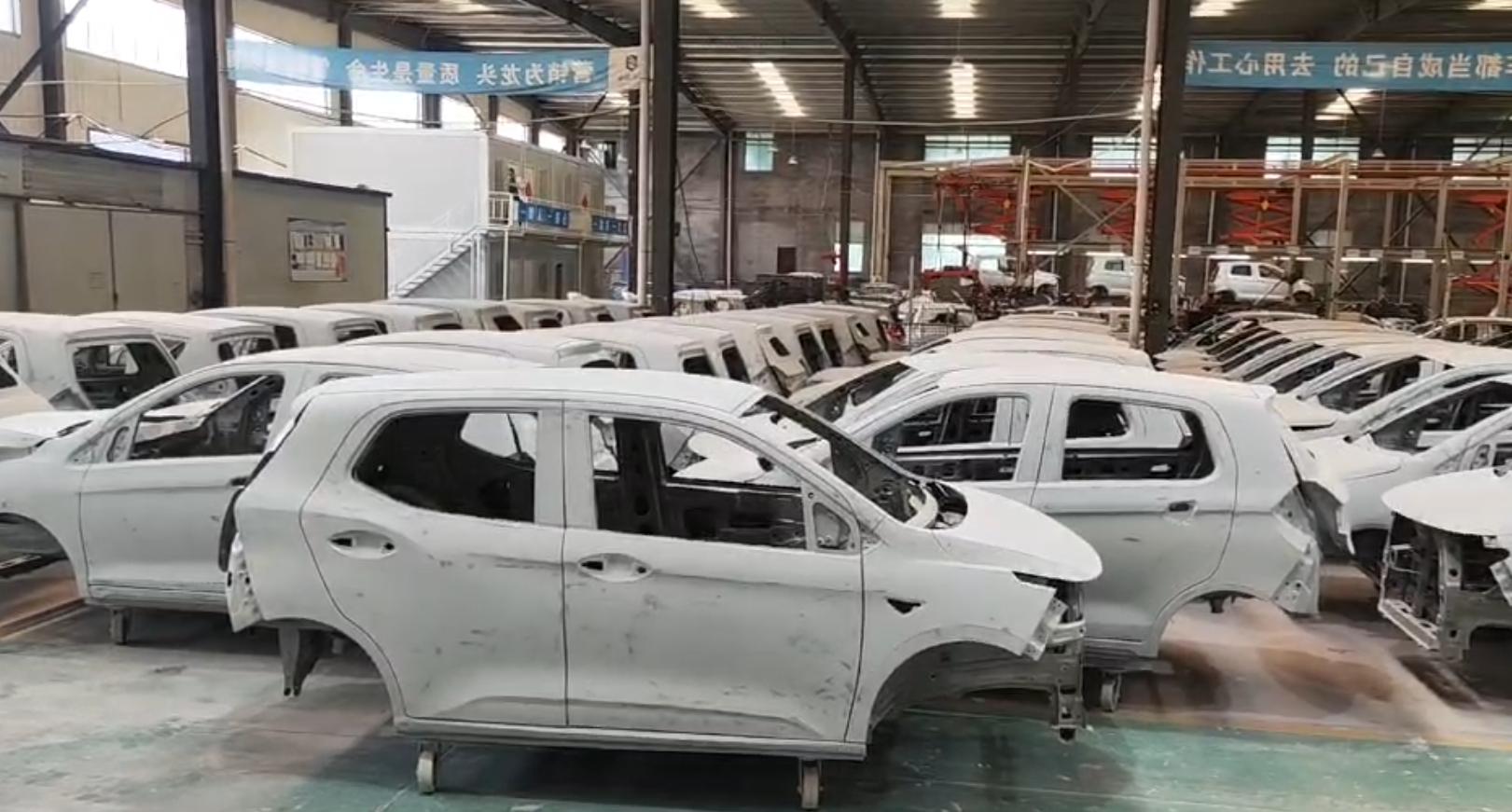
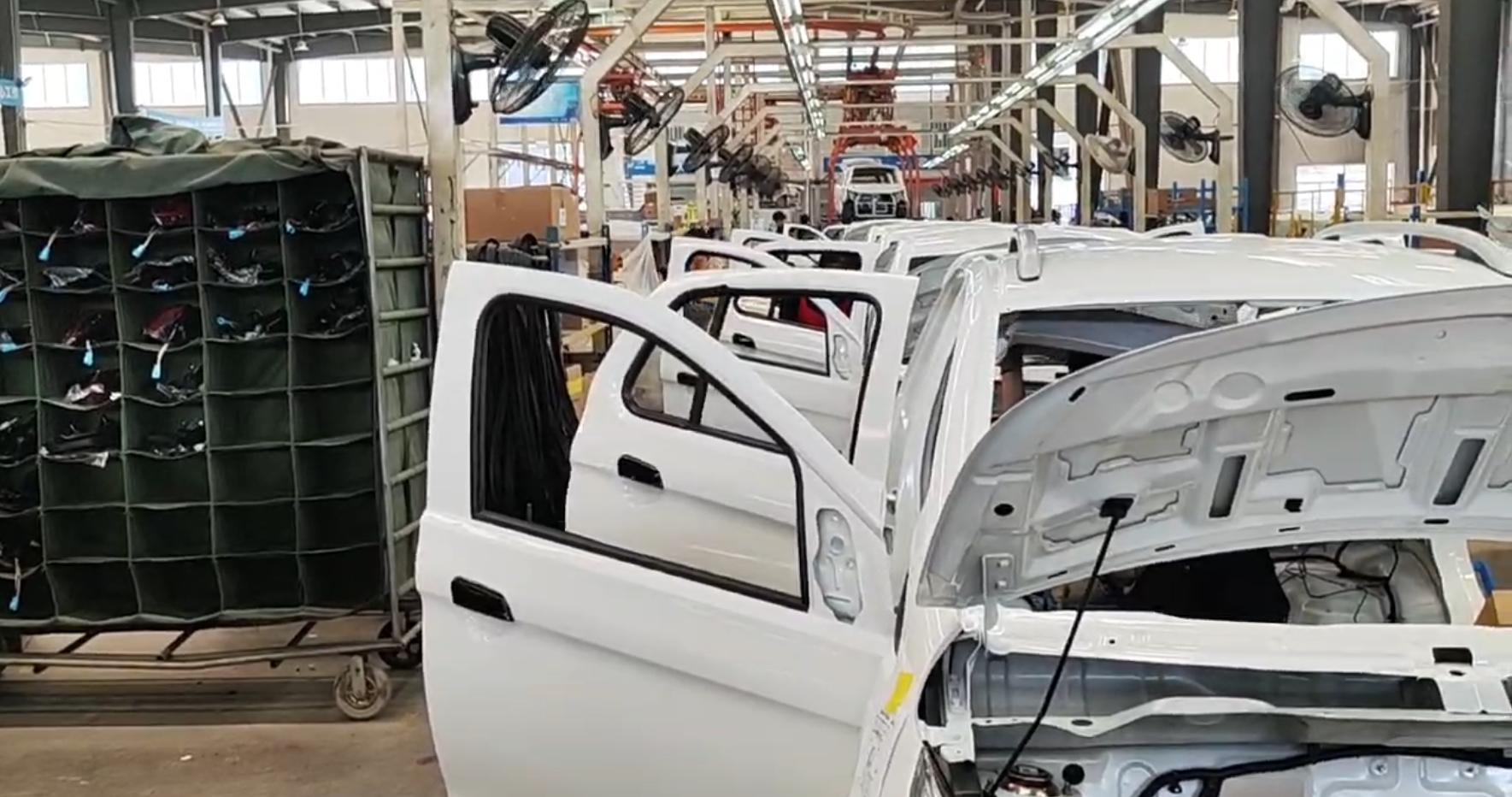
Specialized utility, passenger, and logistics models engineered for global export compliance.
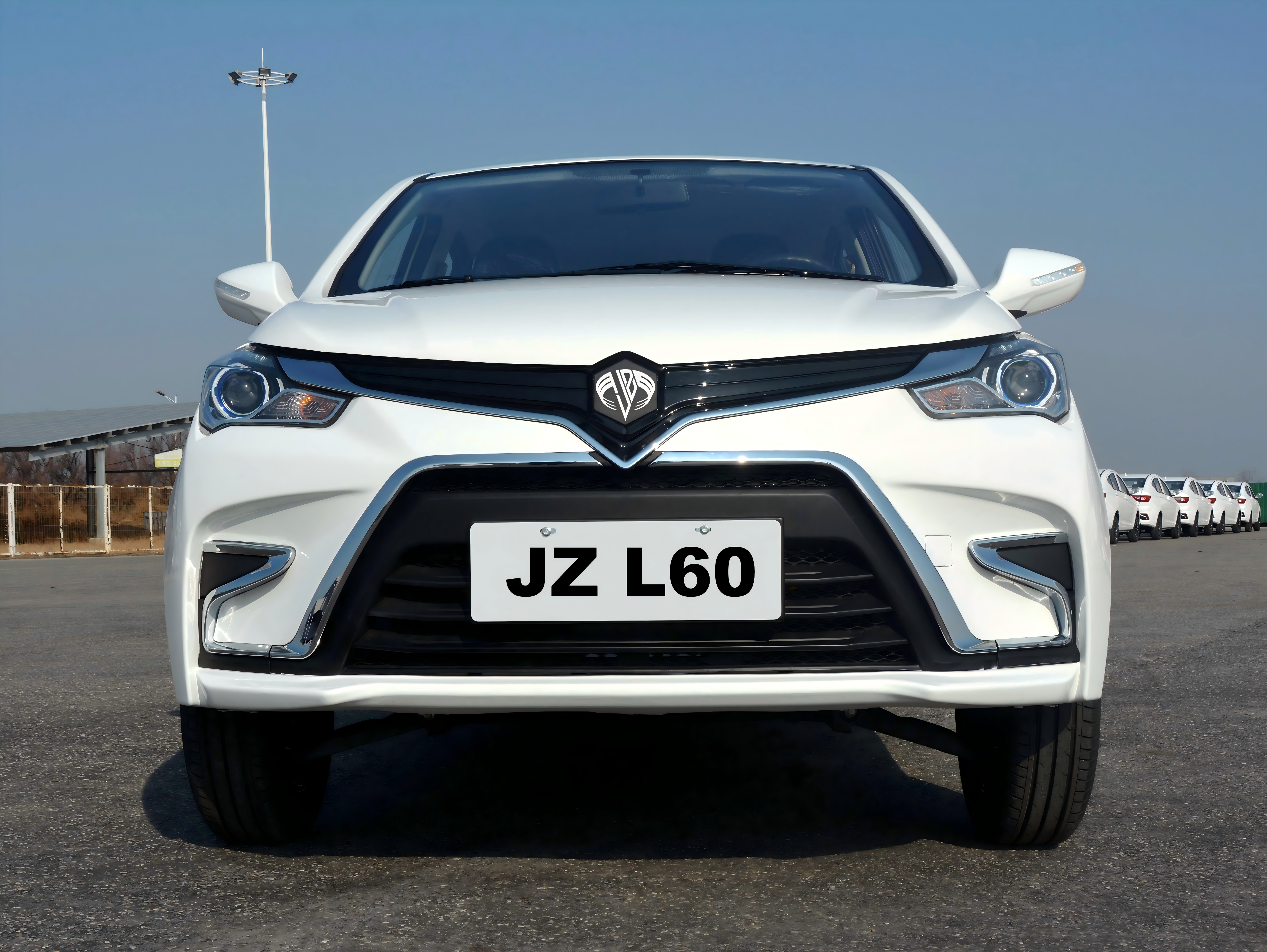
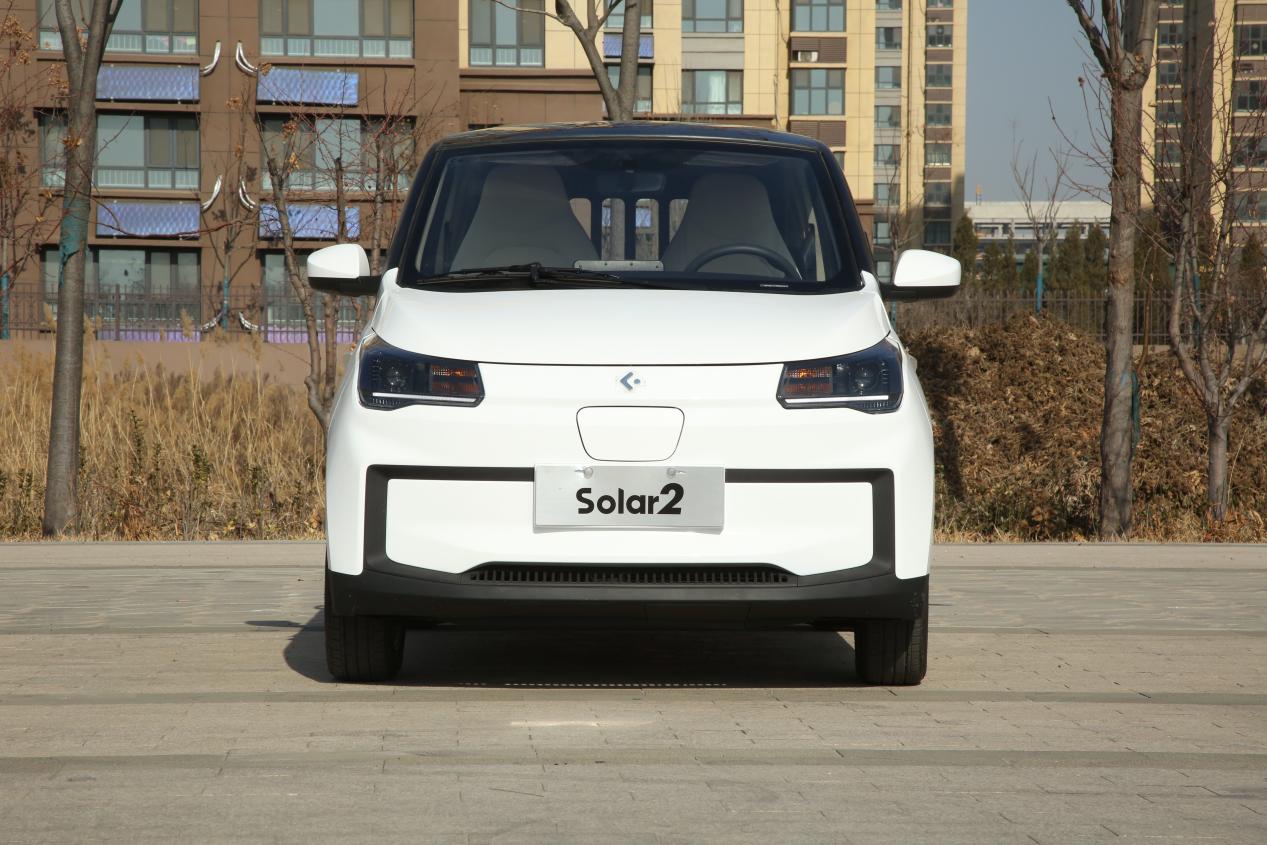
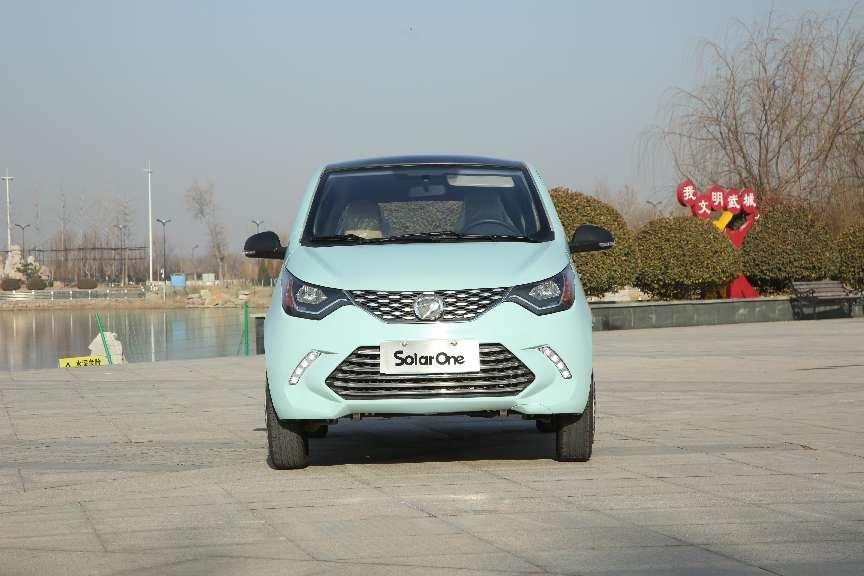
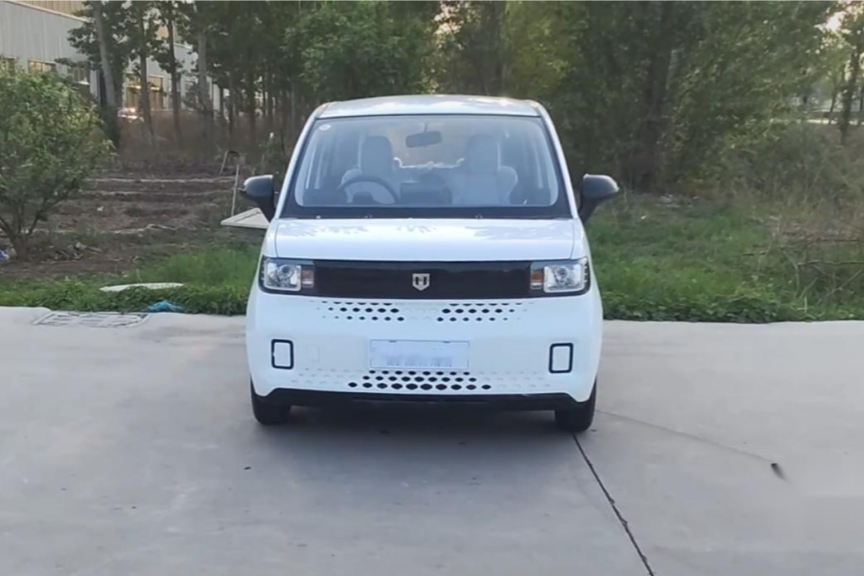
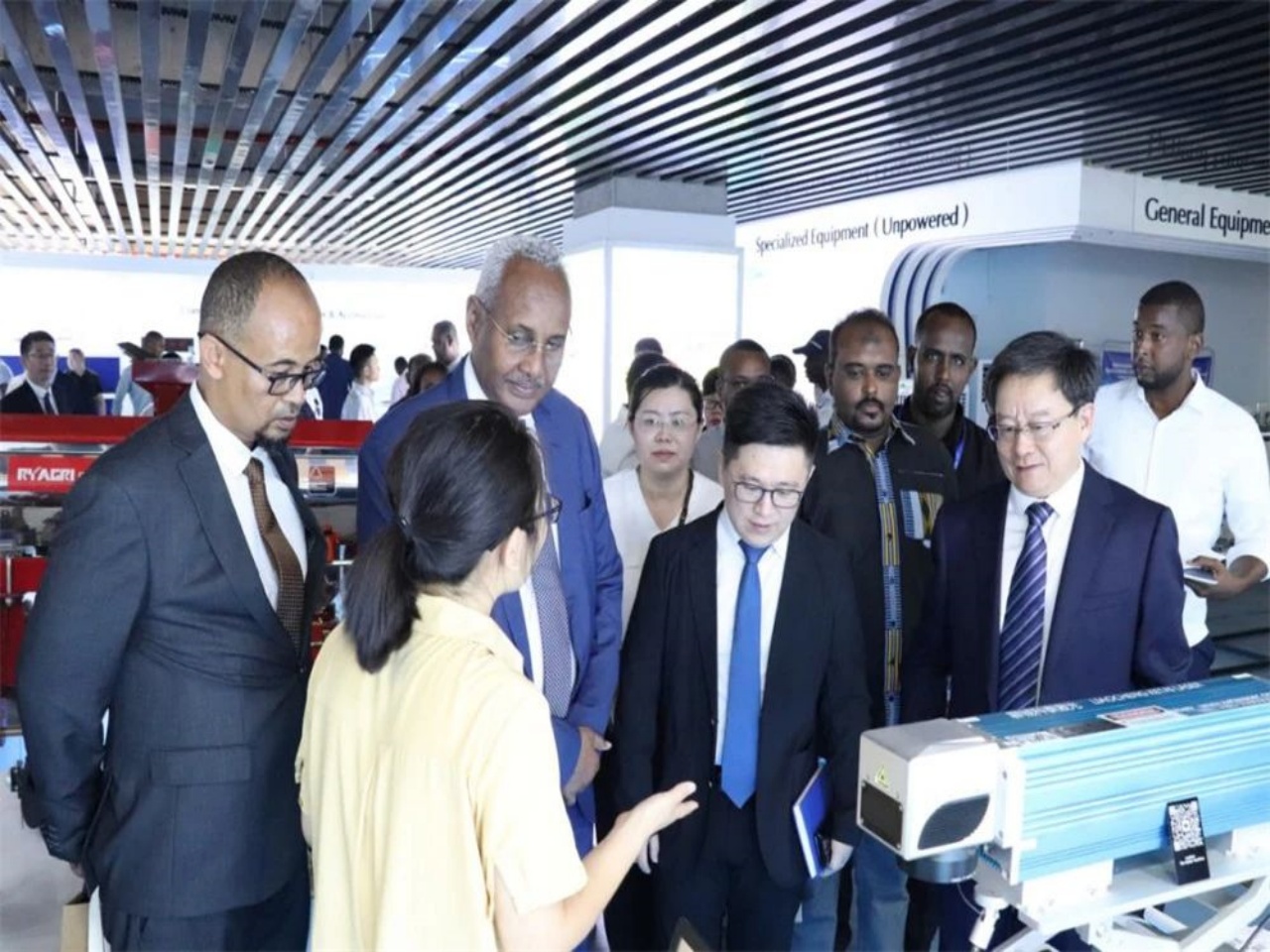
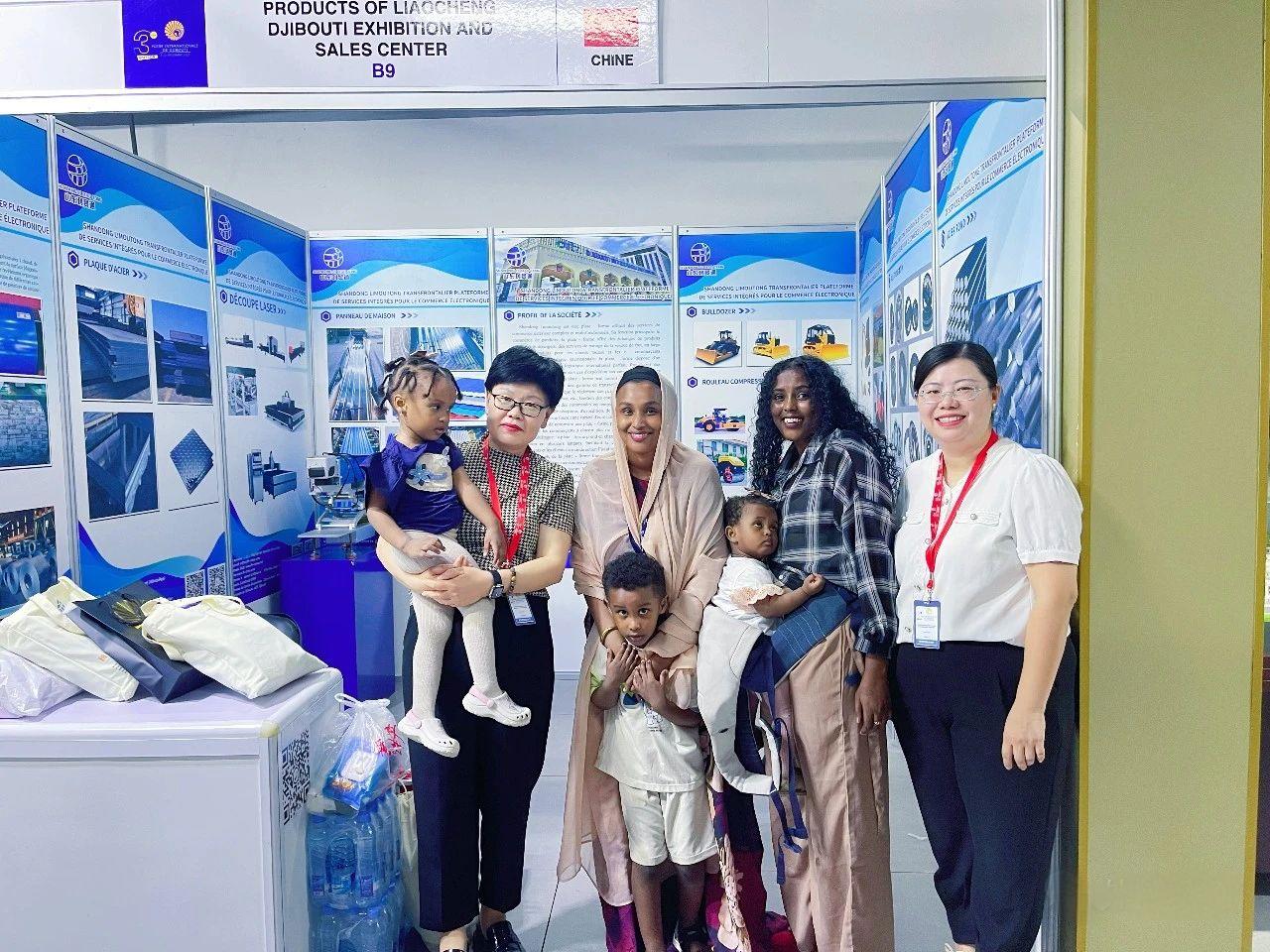
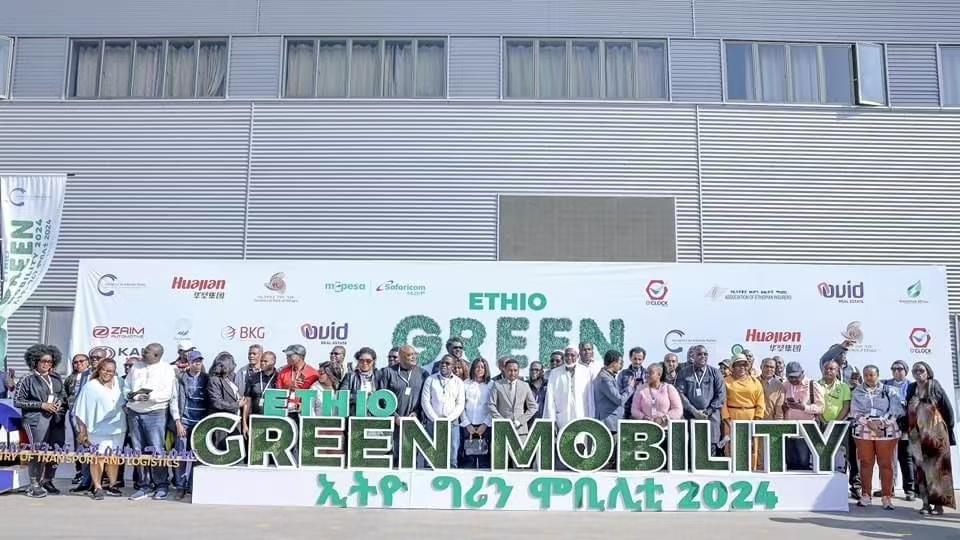
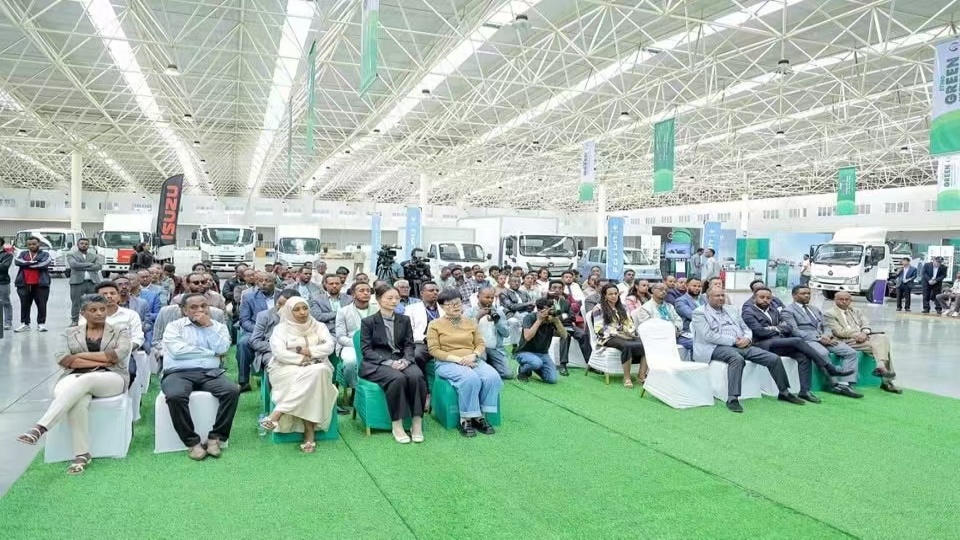
Showcasing new energy transportation breakthroughs at major international trade fairs.

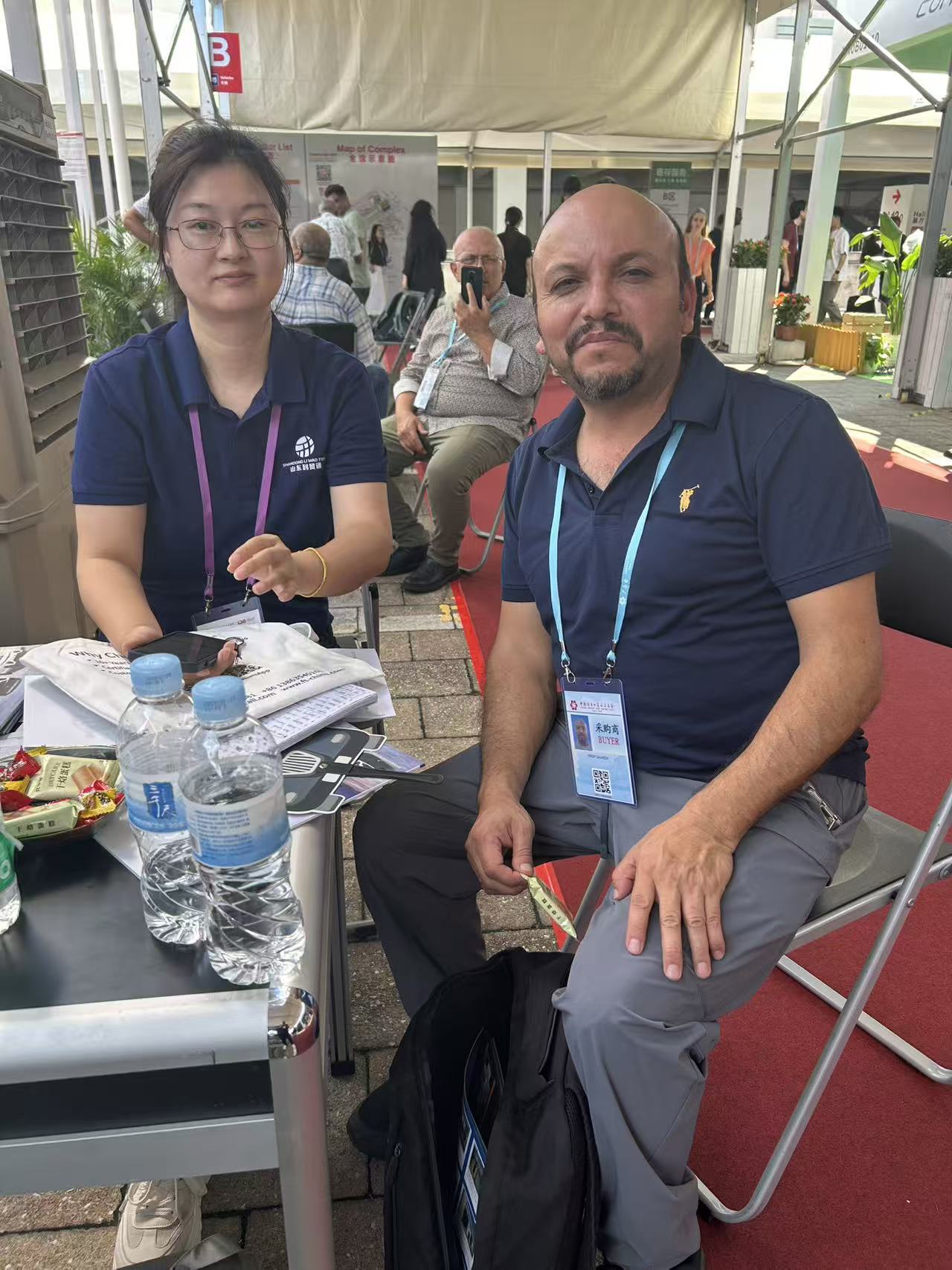
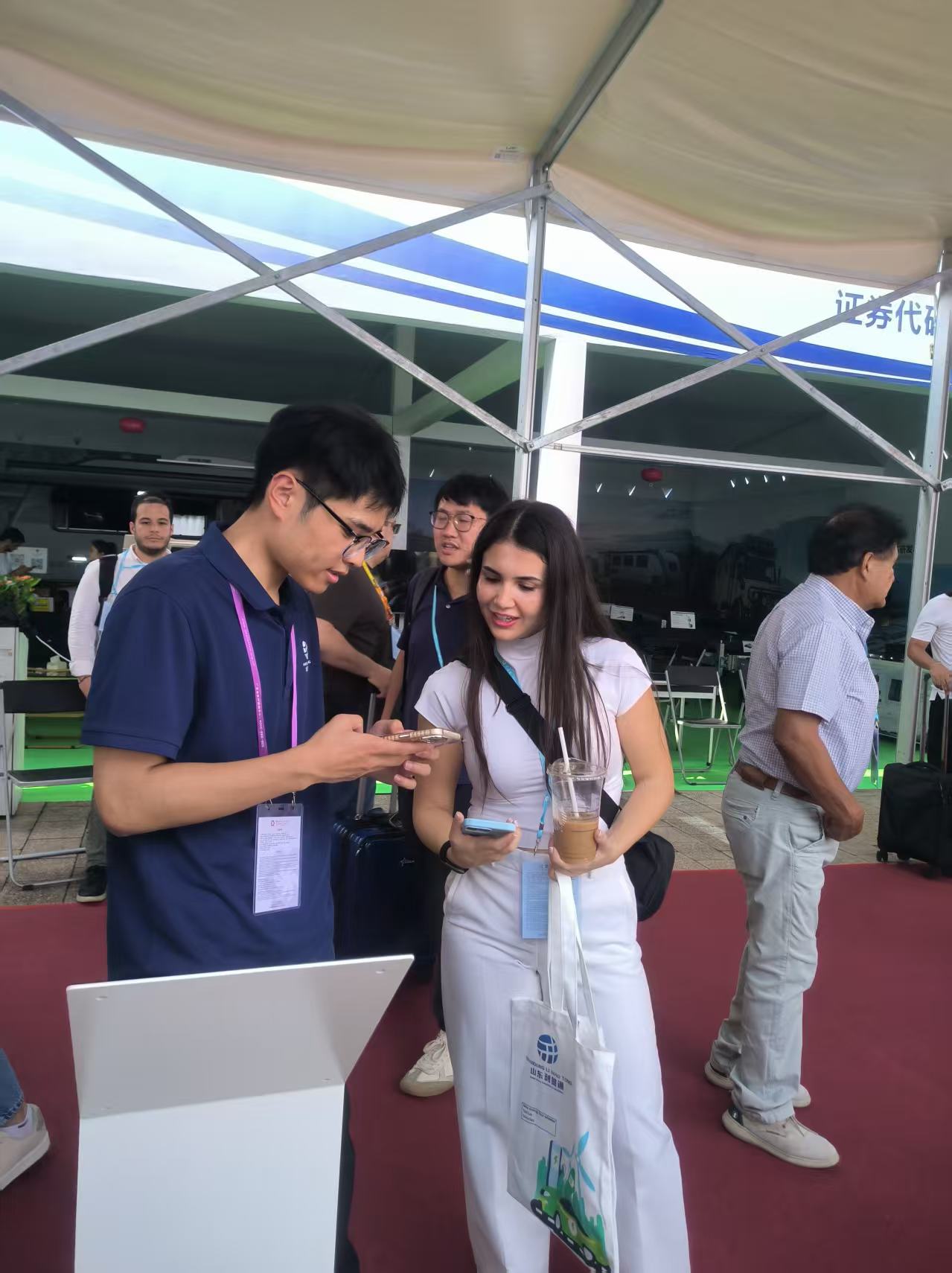
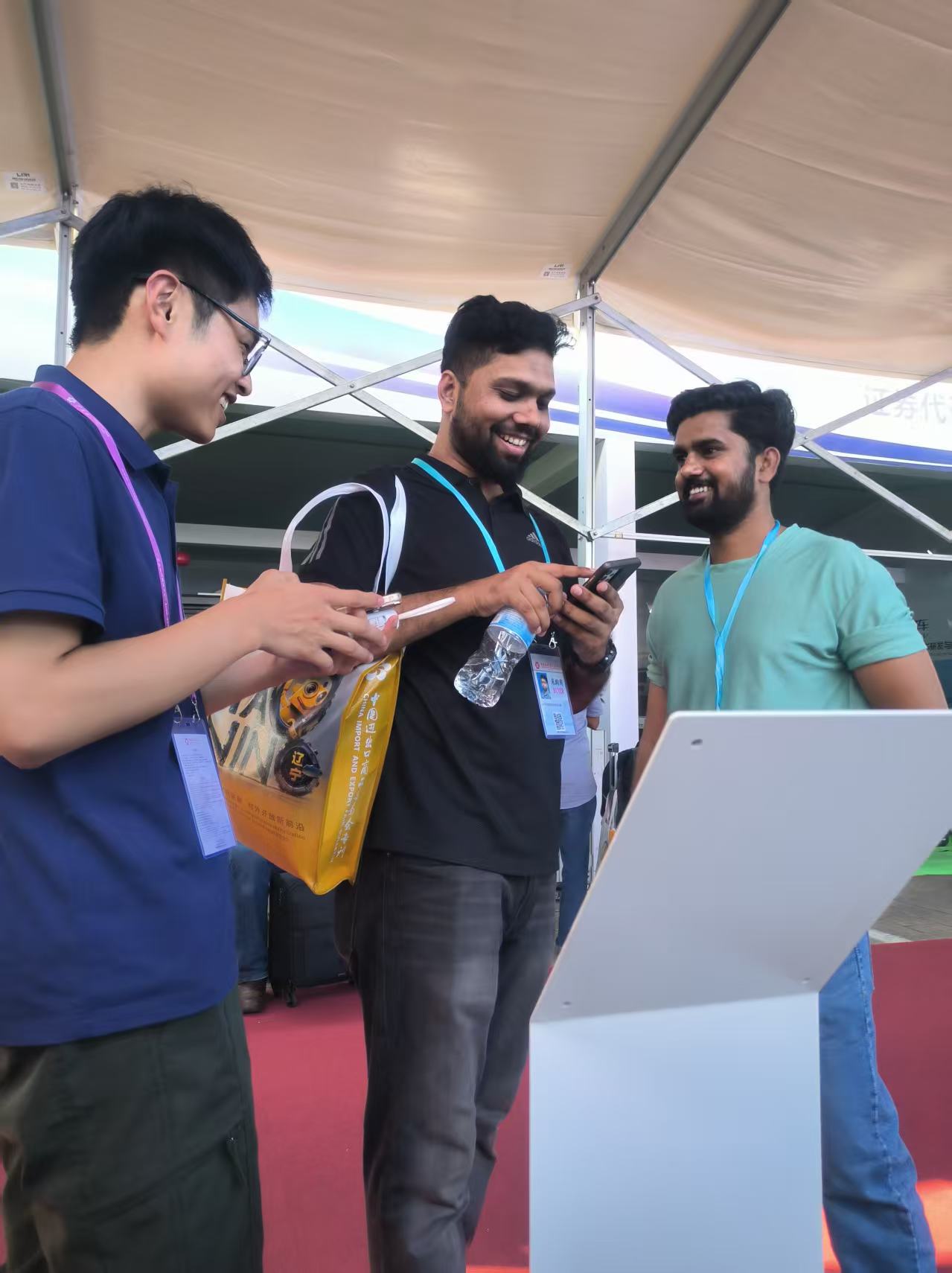
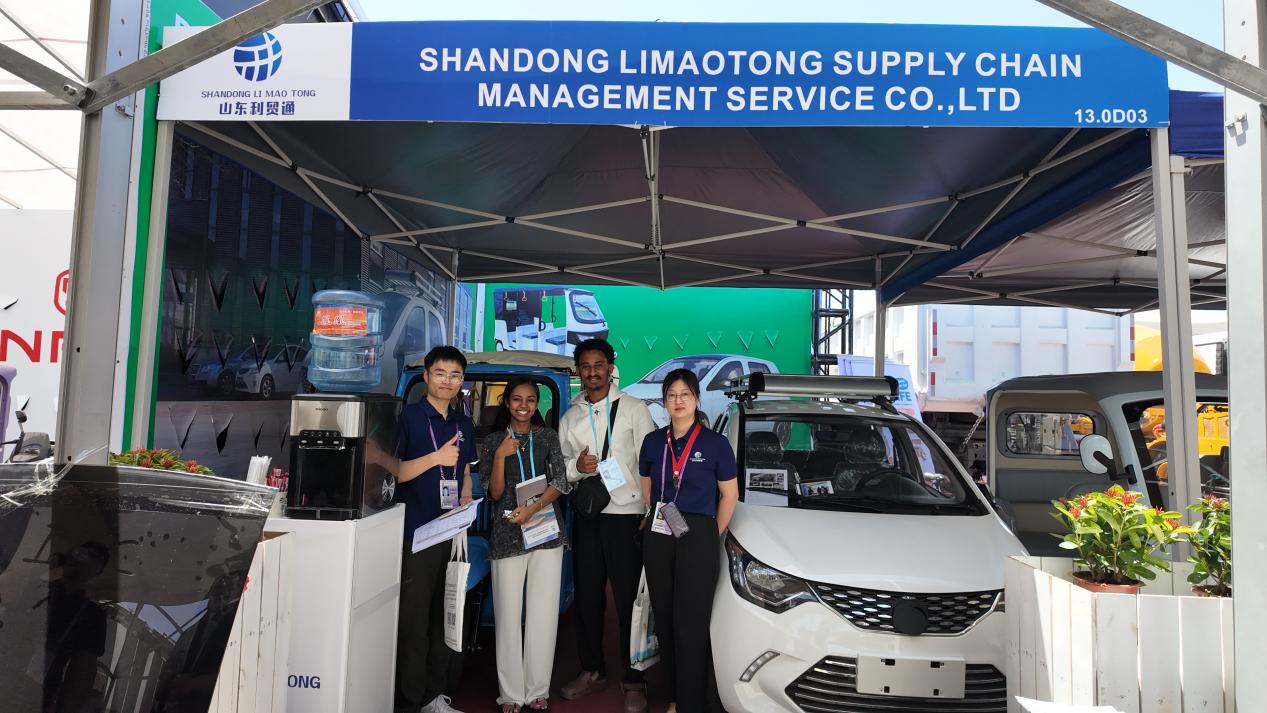
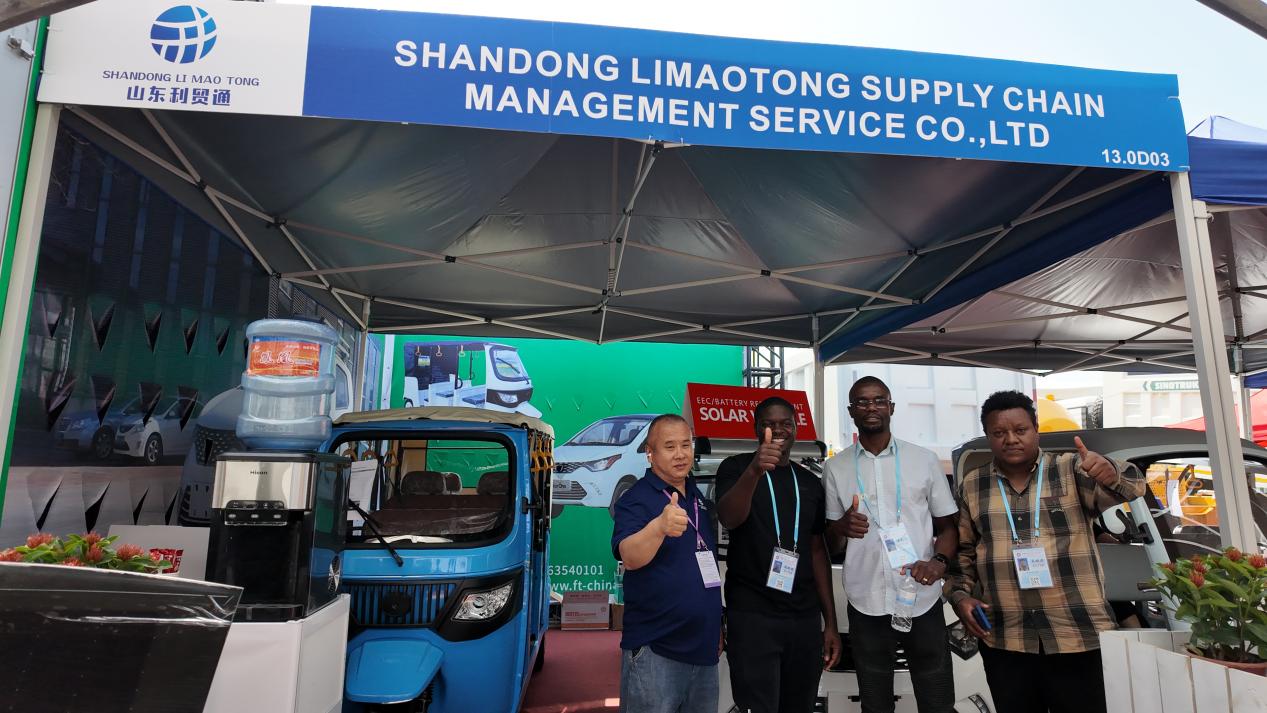
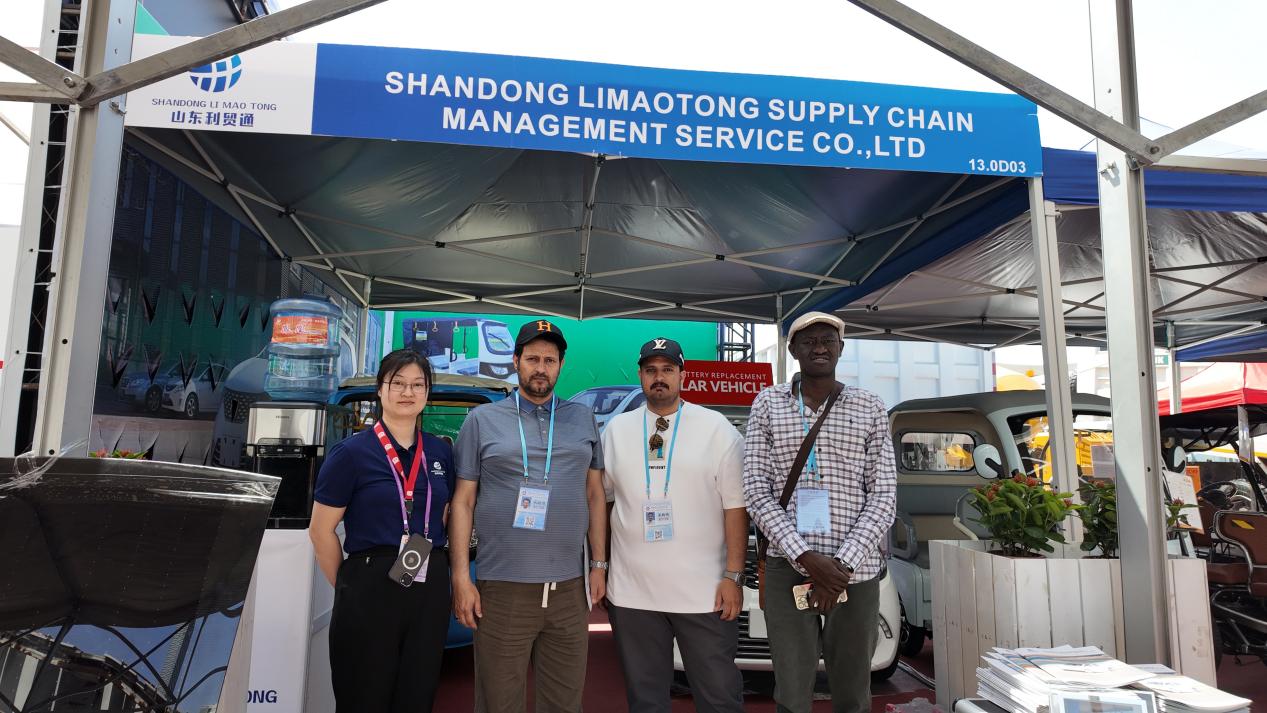
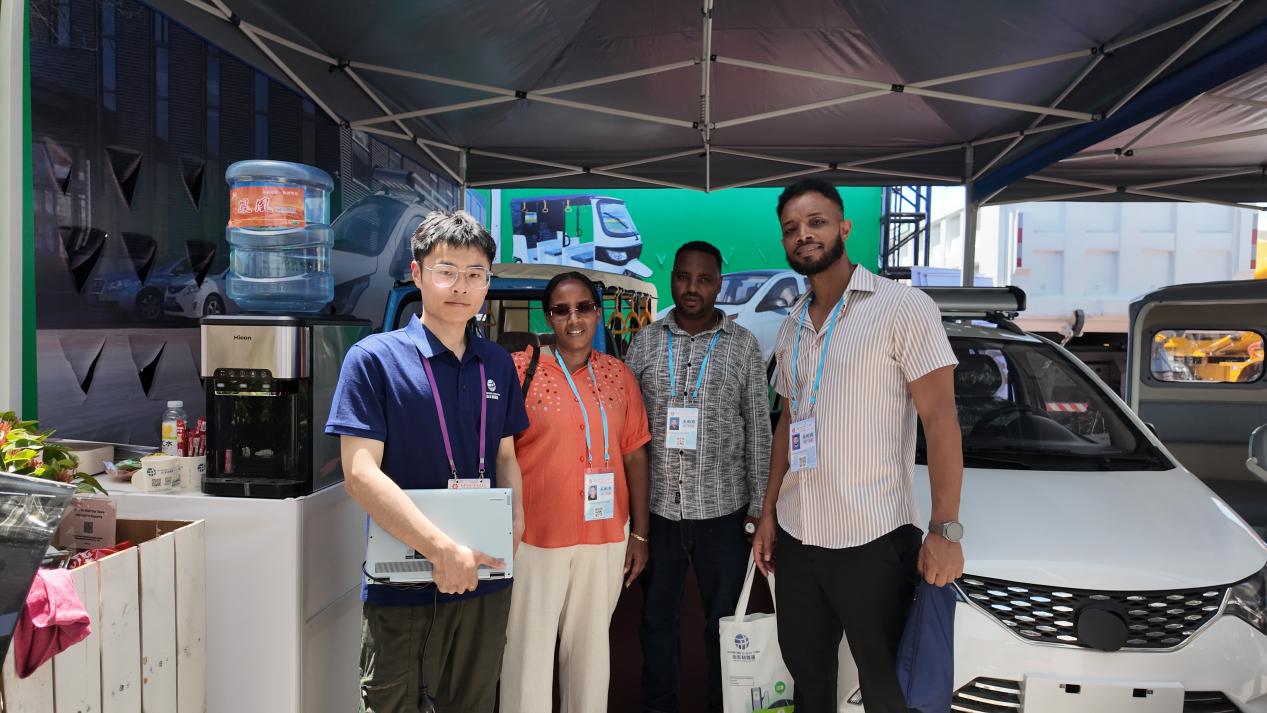
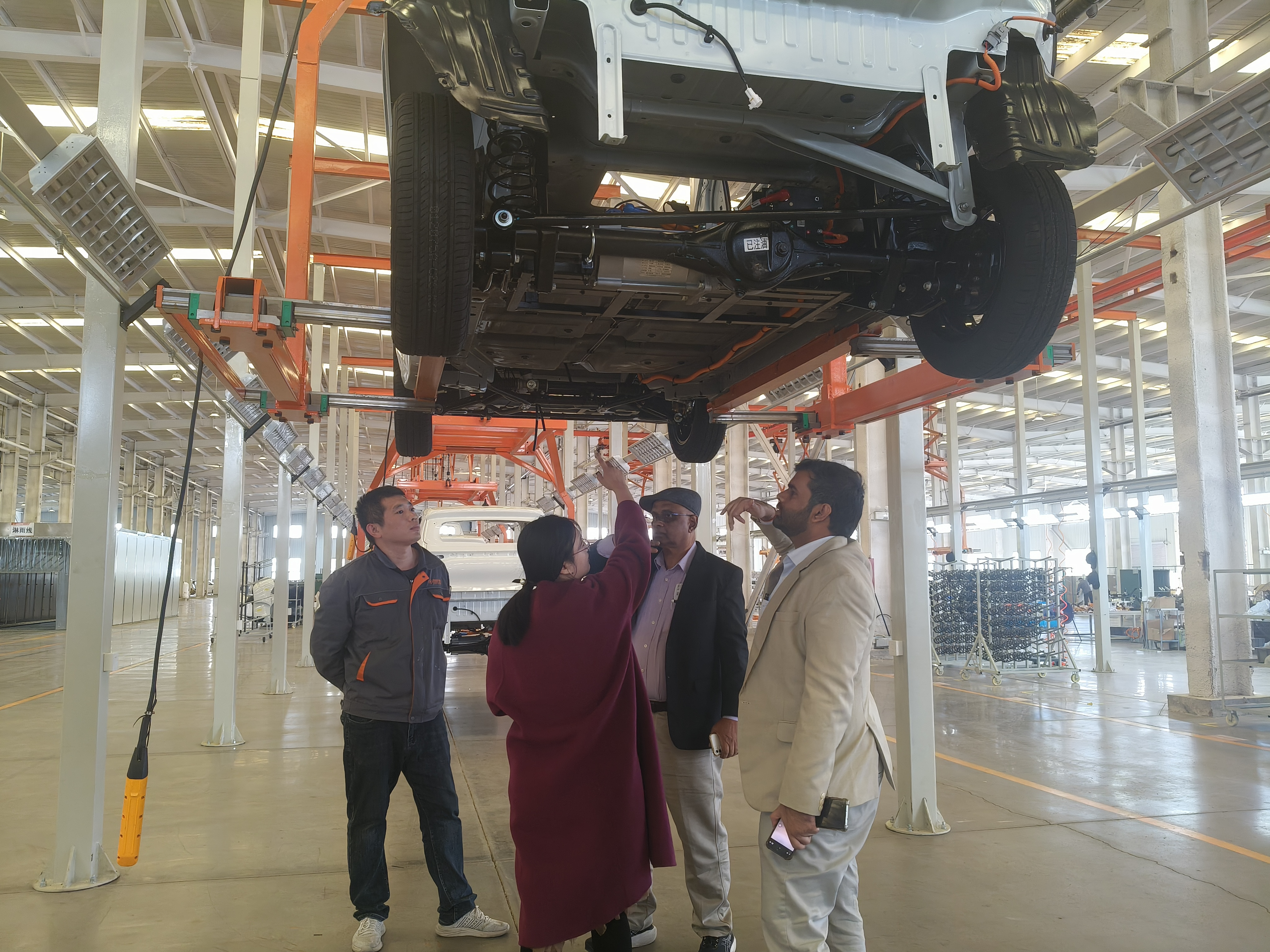
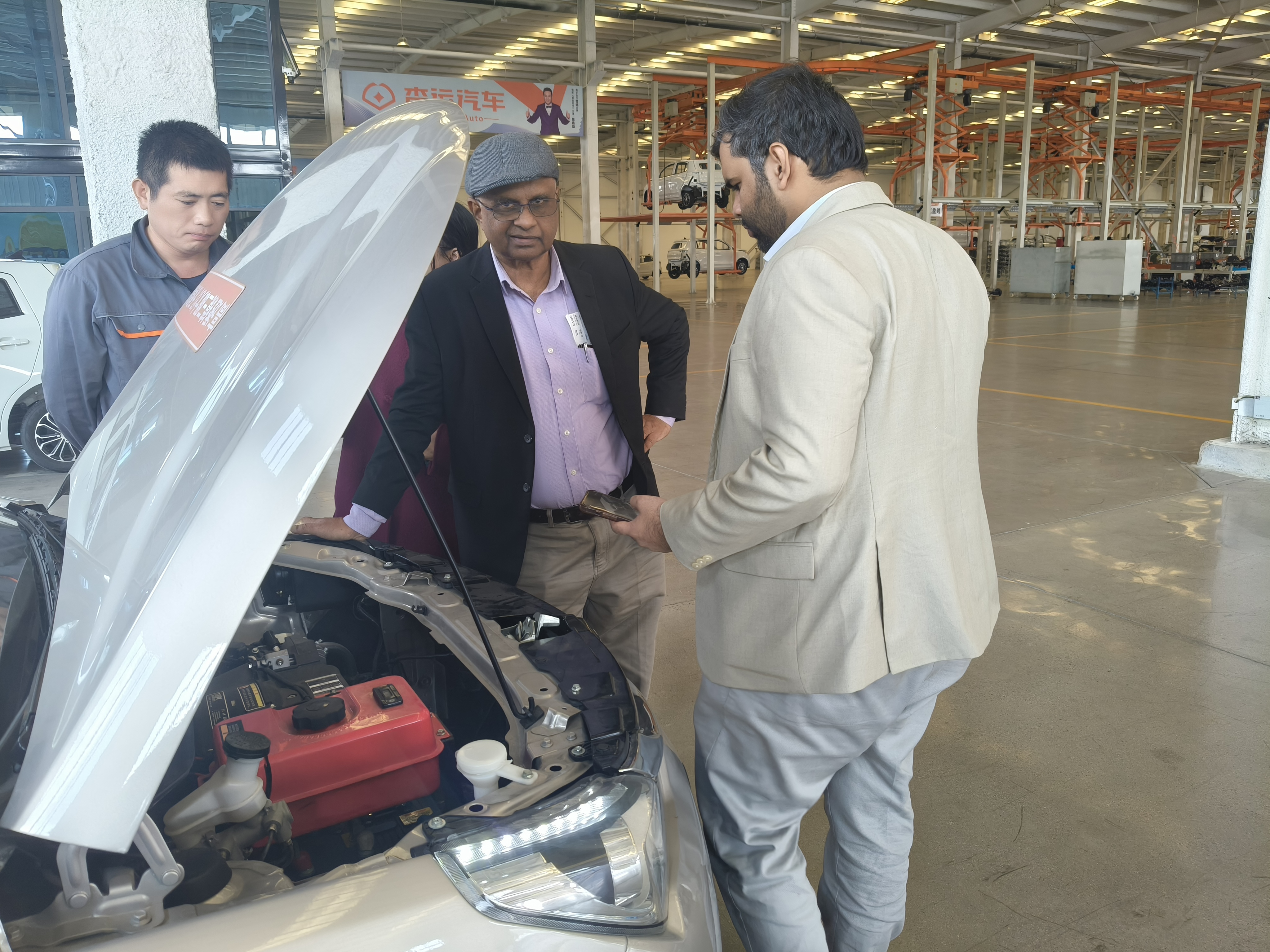
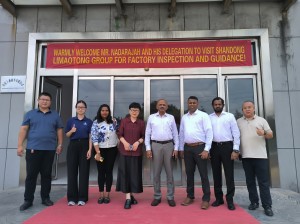
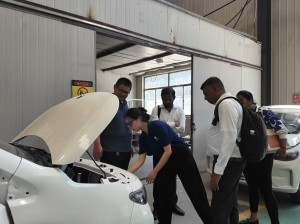
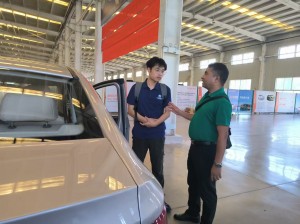
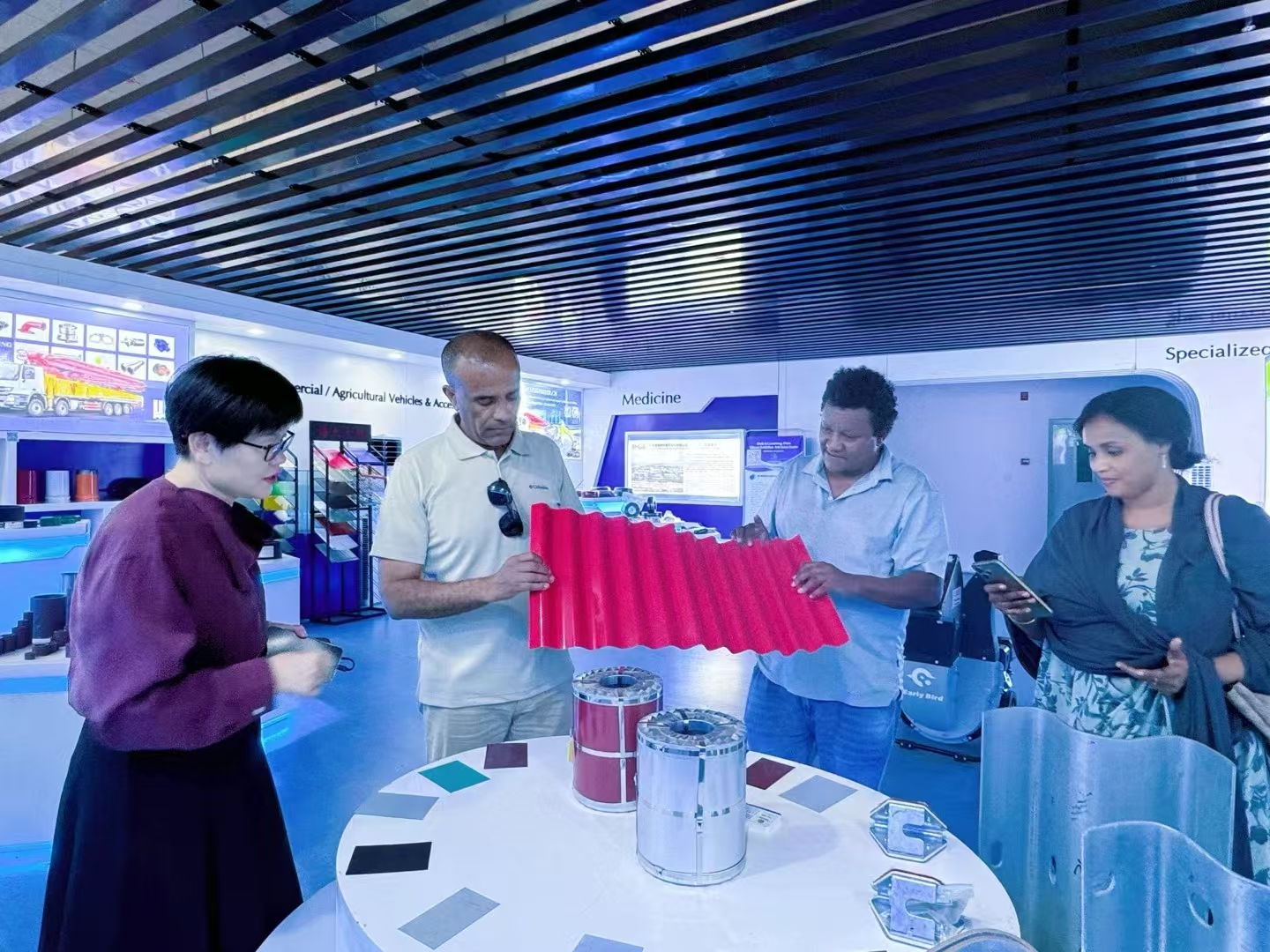
Global enterprise buyers performing factory evaluations, structural validation, and quality audits.
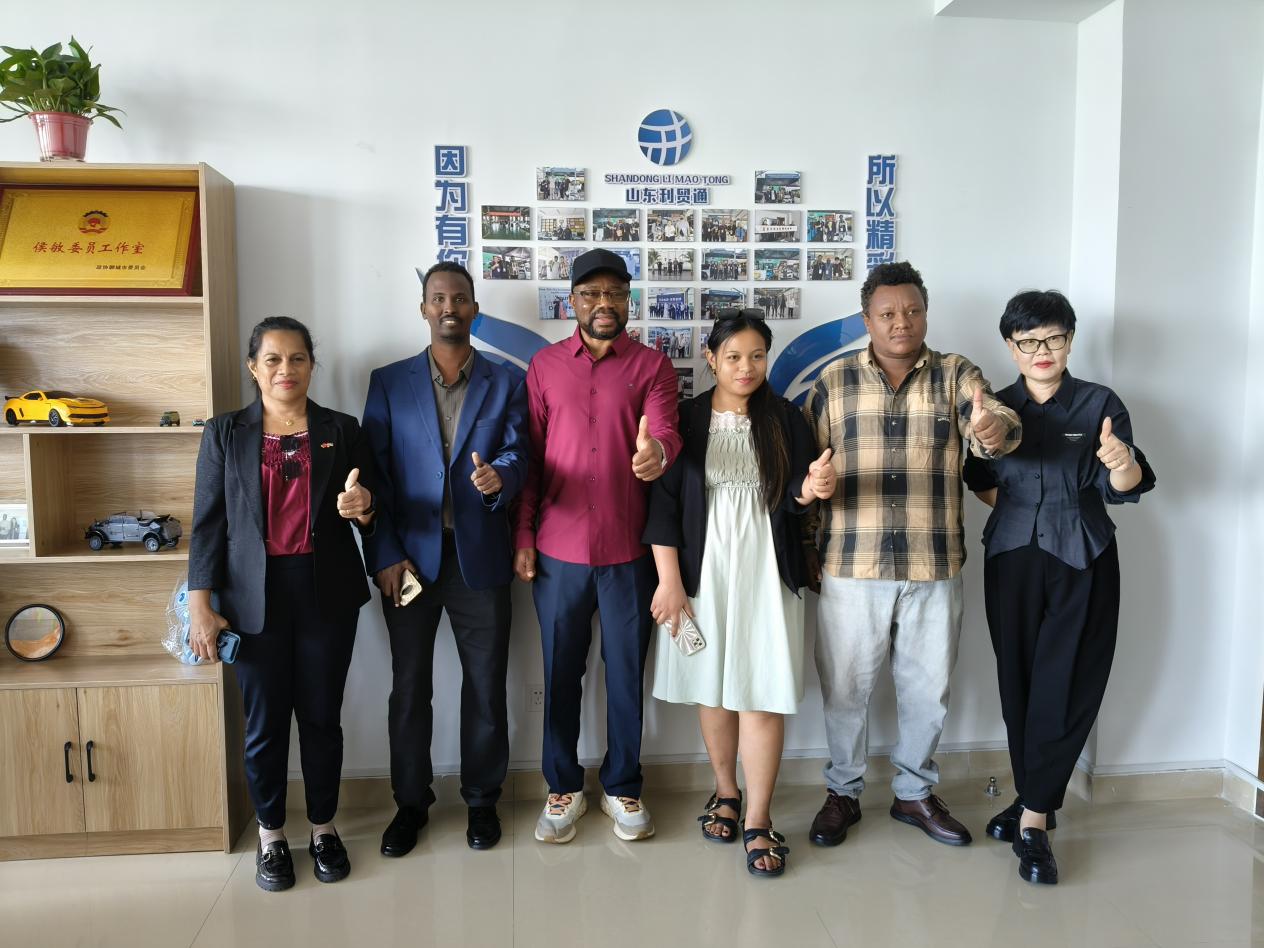

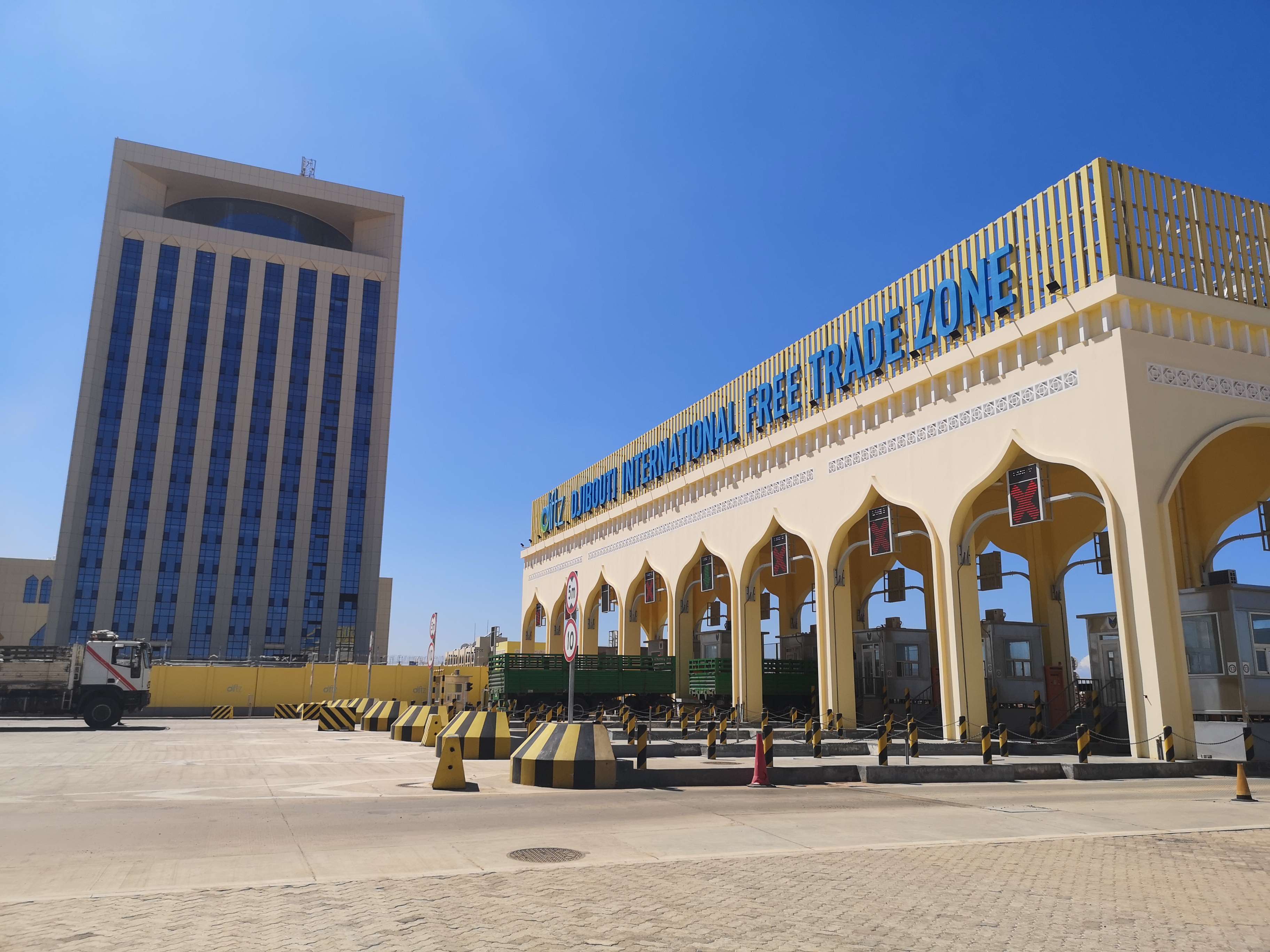
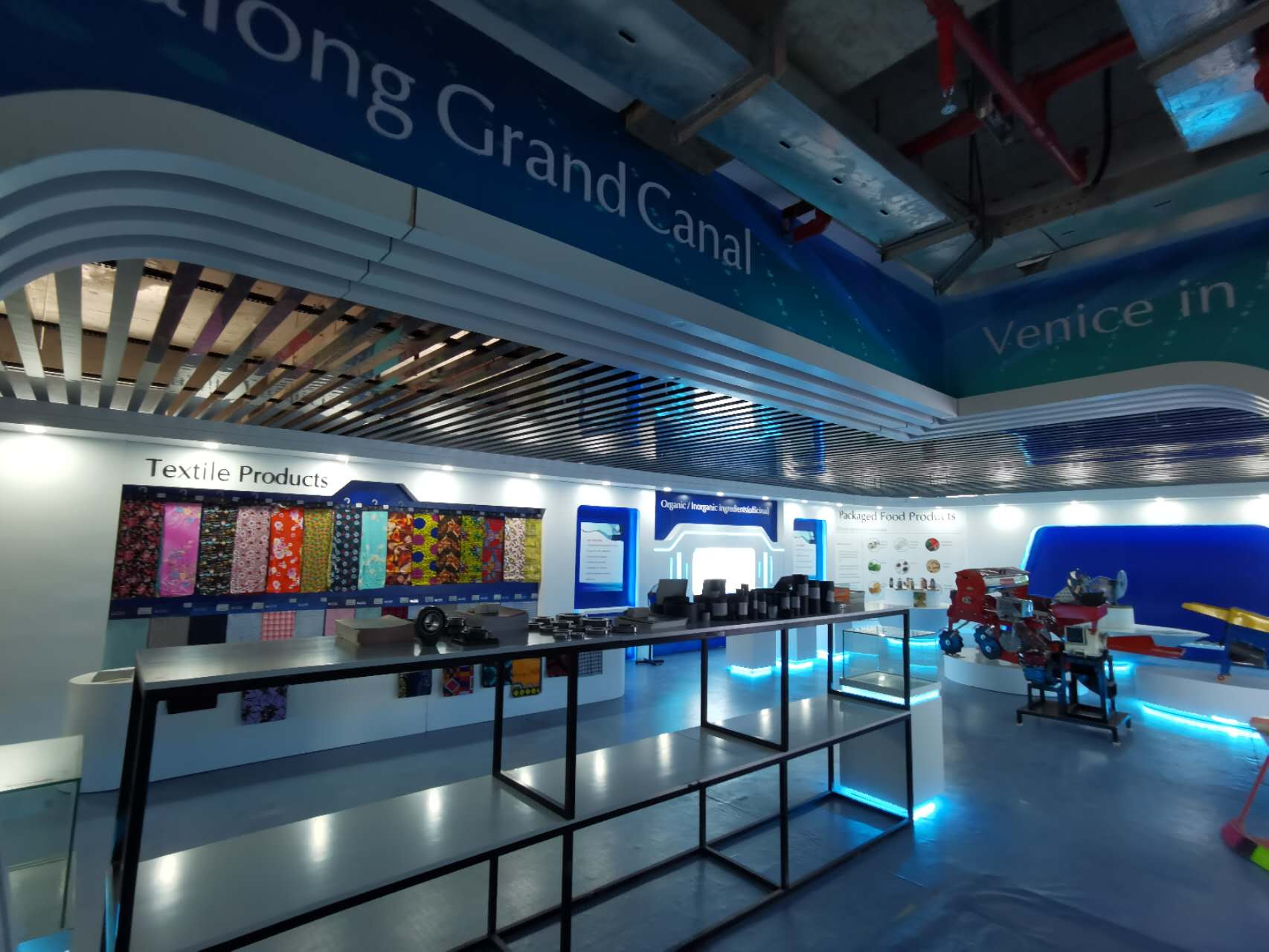
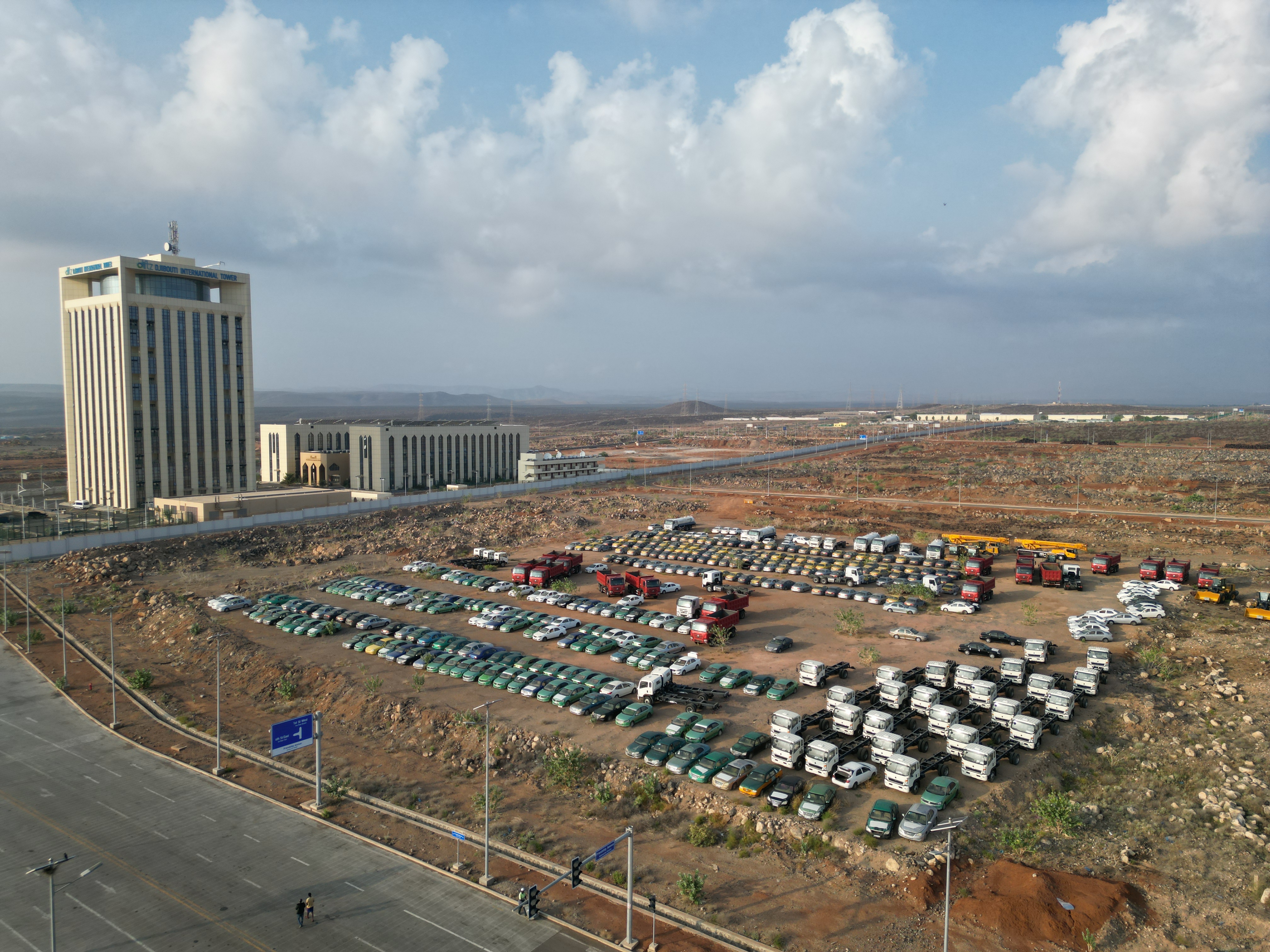
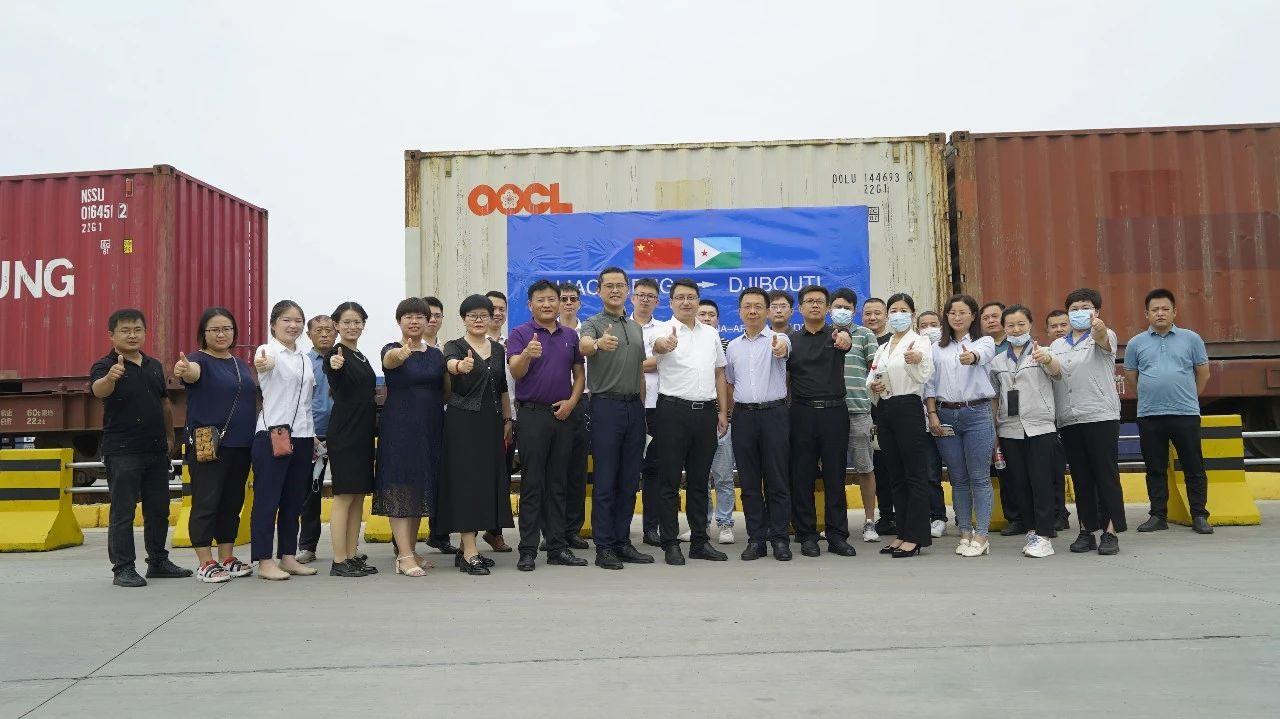
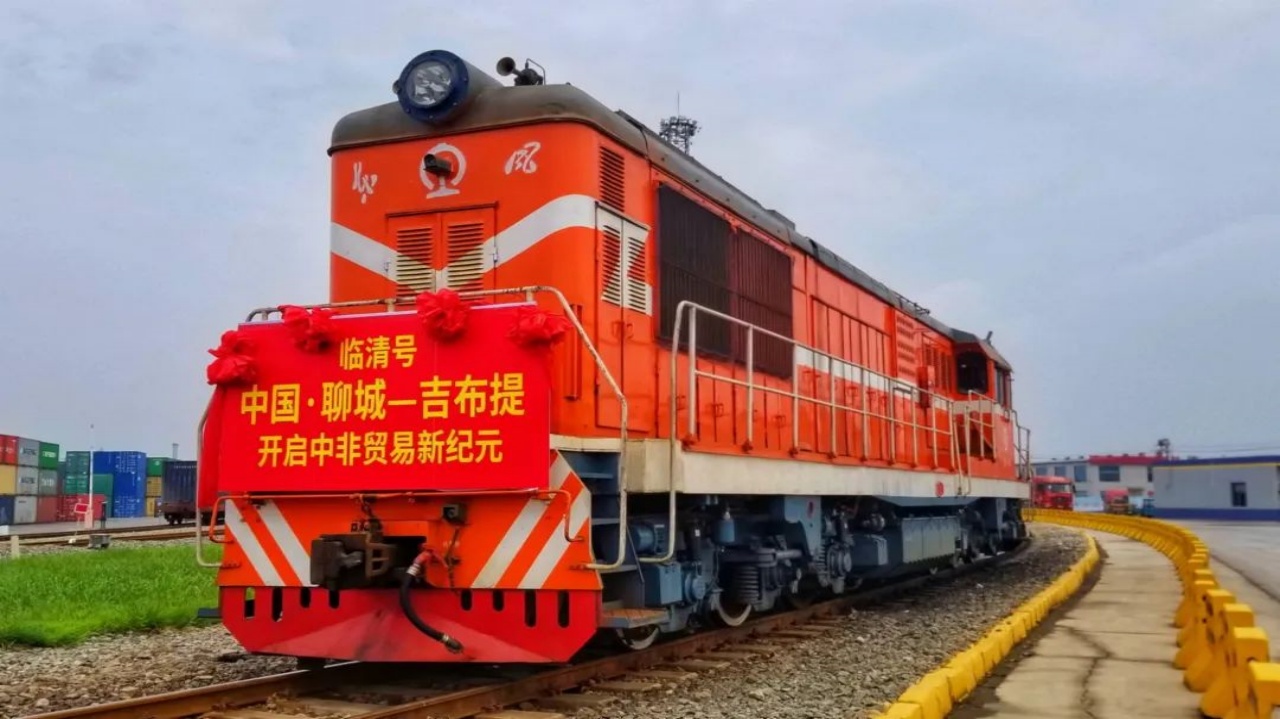
Djibouti (Overseas Warehouse) Cross-border E-commerce Exhibition and Sales Center was established in 2023. It is located in the Djibouti International Free Trade Zone in East Africa. With the help of the Djibouti Economic and Trade Co., Ltd. established in Africa, it has established a one-stop comprehensive service platform to provide enterprises with all-round housekeeper-style professional services such as sales, government affairs, customs affairs, and public services. Combining the online and offline linkage of cross-border trade business and independent station malls, we will build a "strong artery" of China-Africa economic and trade exchanges with the "cross-border trade + front-end warehouse" model and the African localized sales, customer service and logistics team, and help "China's intelligent manufacturing" go to the world and into Africa.


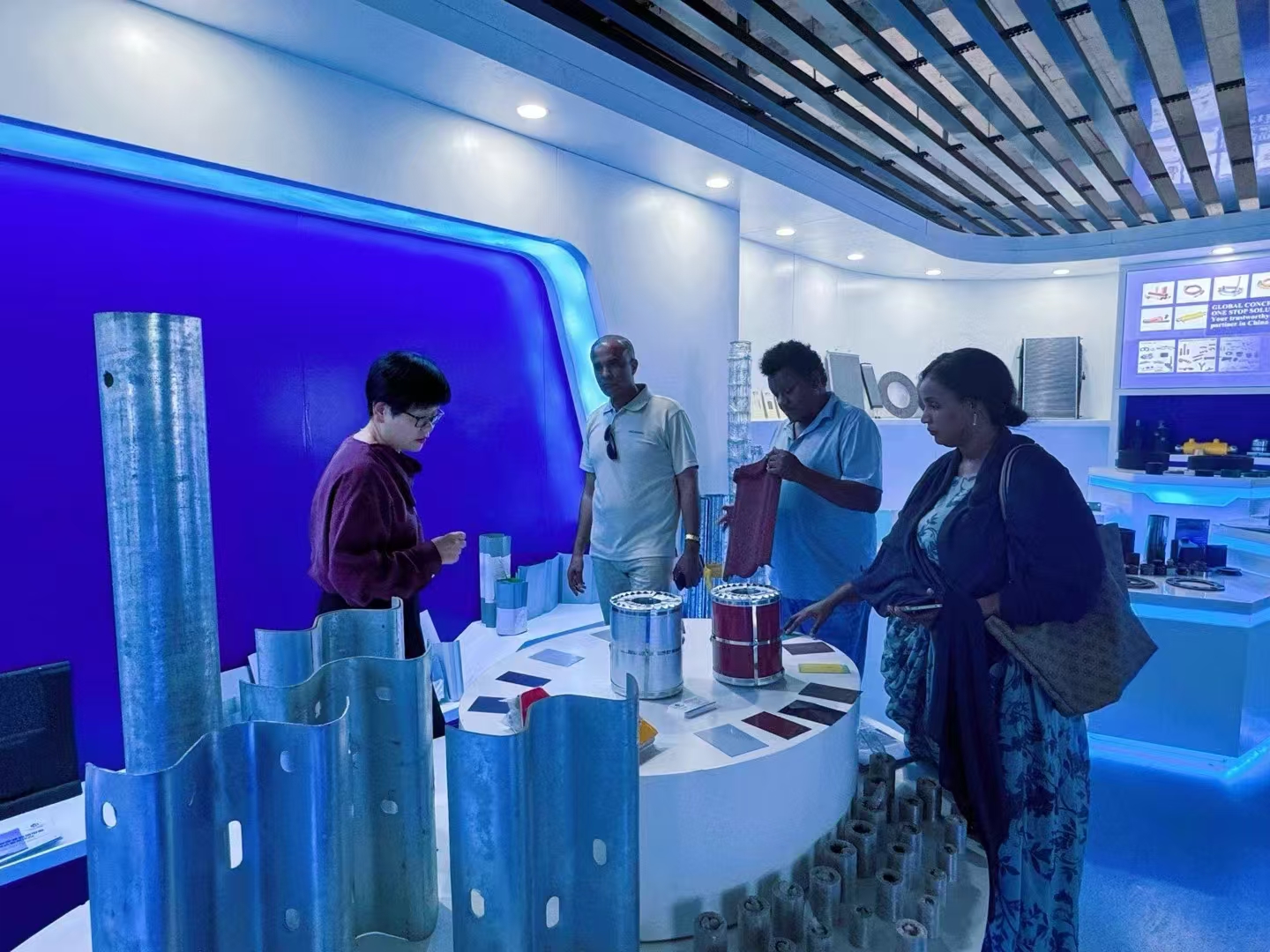
Modern electric three-wheelers are designed to handle specific geographical challenges and infrastructure configurations, operating across distinct user-scenarios:
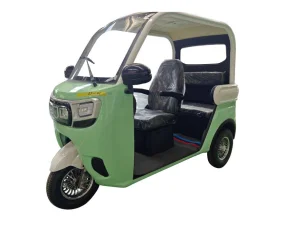
High-density metropolitan areas rely on light electric vehicles to supplement transit networks. Multiseated electric tuk-tuks, such as our 7-seater and 9-seater iron-framed configurations, operate as low-cost shuttles feeding major transit corridors. Unlike full-sized diesel buses, these vehicles navigate narrow urban lanes, providing first-and-last mile passenger transport without generating local exhaust emissions or excessive noise pollution.
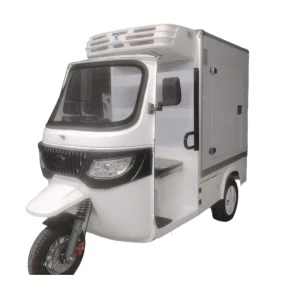
Preserving perishable items like dairy, pharmaceuticals, and fresh produce presents challenges in developing economies lacking integrated transport links. Specialized electric tricycle freezer models provide localized cold-chain transportation. Configured with low-draw, highly insulated refrigeration units running off the vehicle's primary battery pack or dedicated auxiliary systems, these vehicles maintain temperature control during critical urban delivery phases, reducing spoilage rates.
Large manufacturing sites and e-commerce distribution centers use open-bed cargo tricycles for internal logistics. Carrying loads up to 1,000 kilograms, these vehicles move heavy tools, raw materials, and packages between storage hubs and processing lines. Electric drive systems permit indoor operation within enclosed warehouses, avoiding carbon monoxide hazards common with internal combustion alternatives.
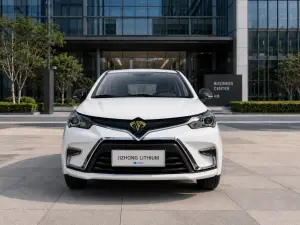
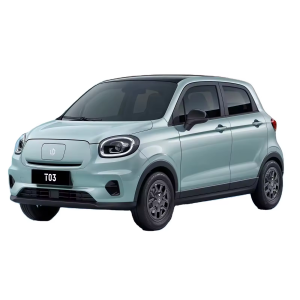
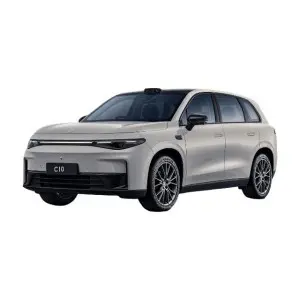
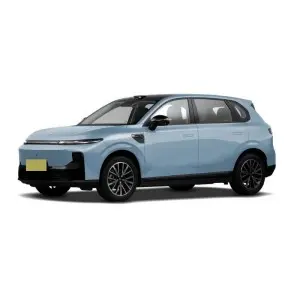
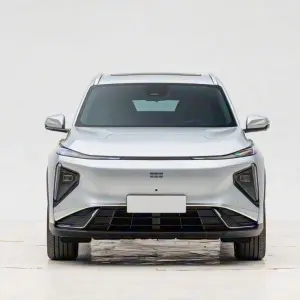
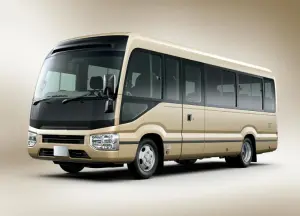
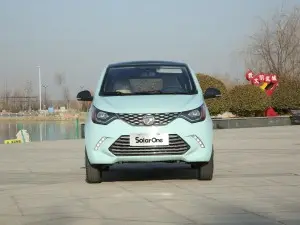
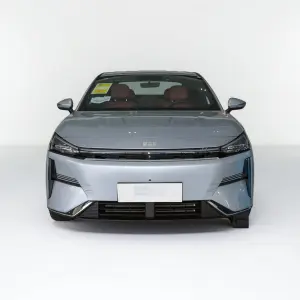
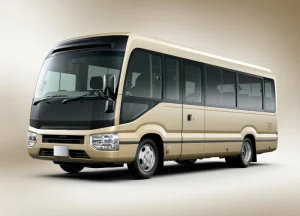
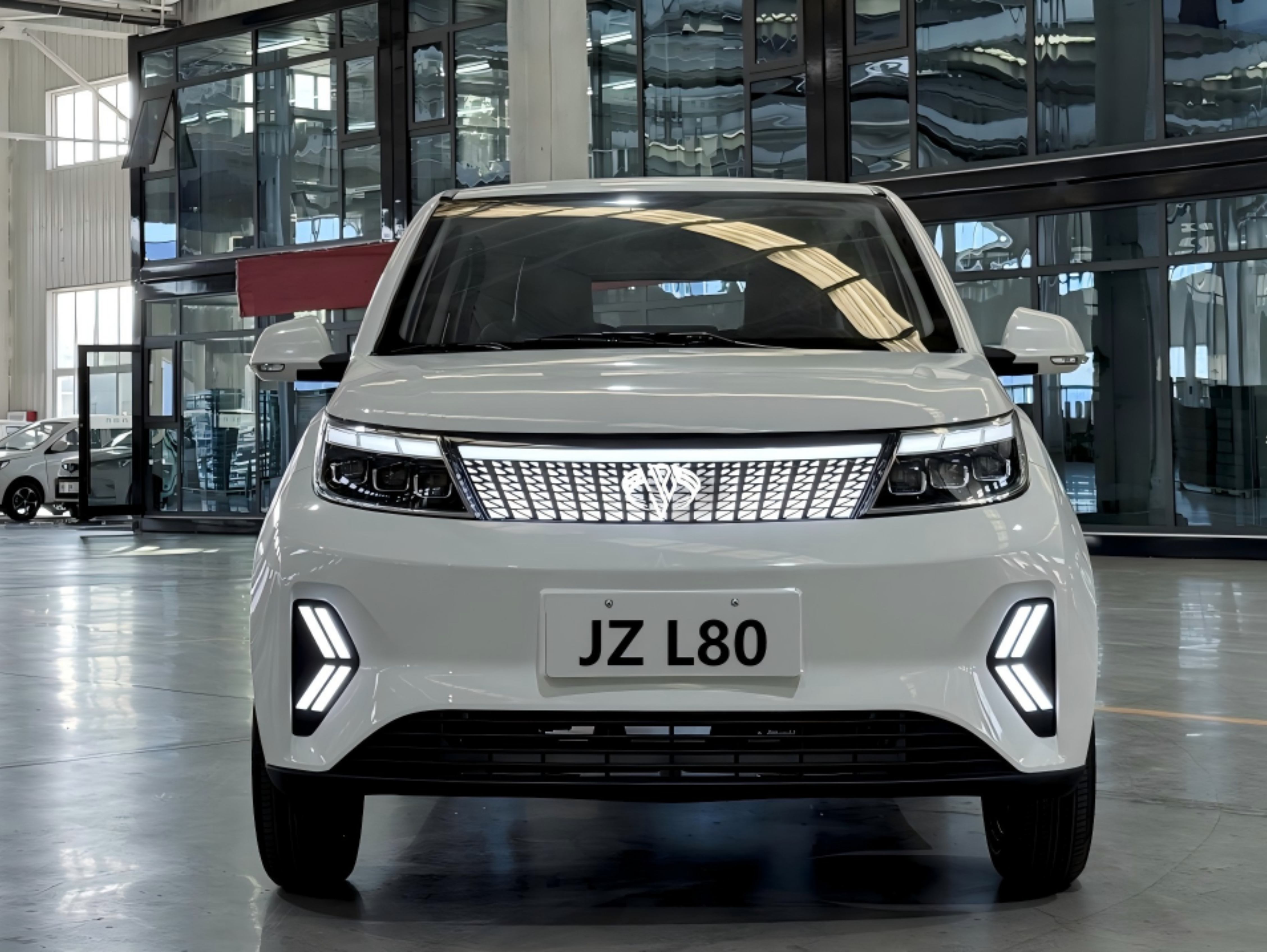
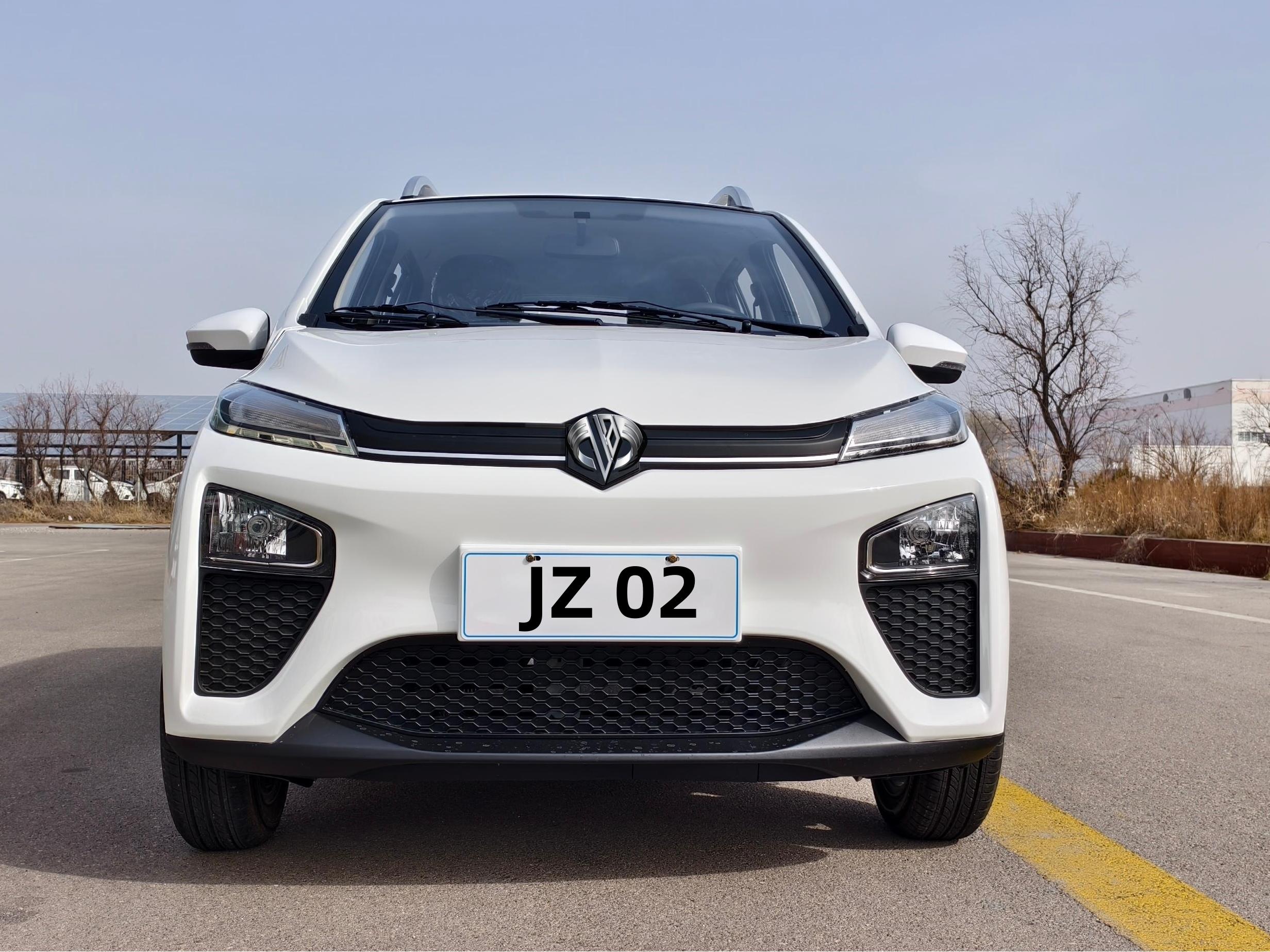
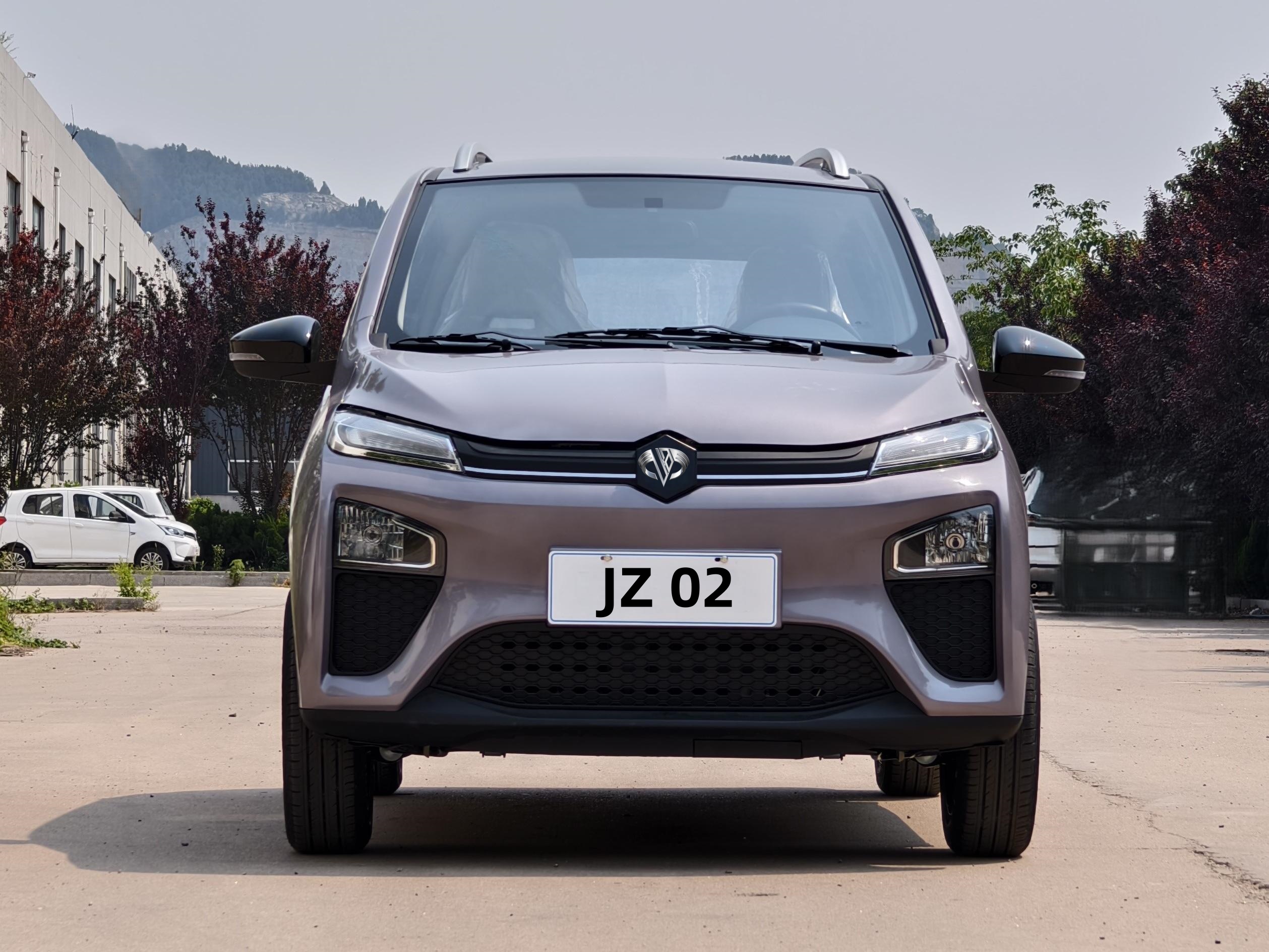
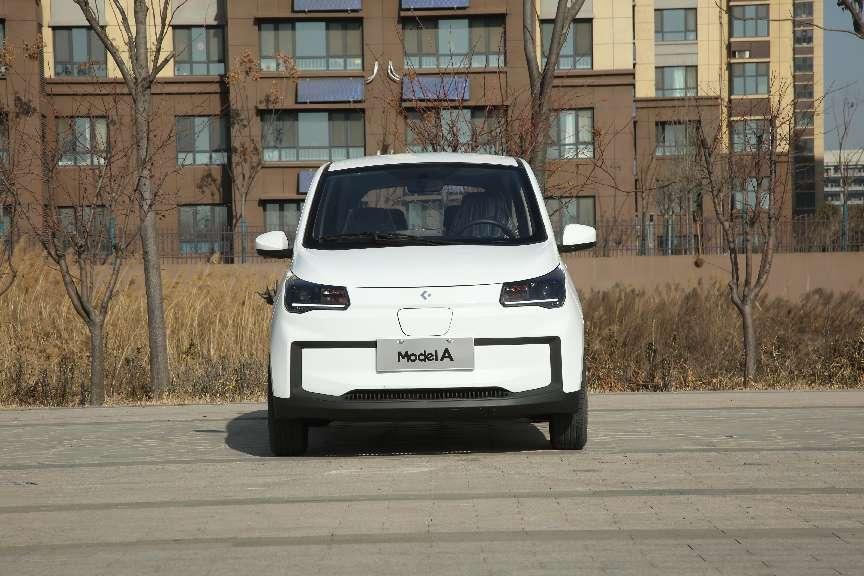
To provide global municipal and commercial buyers with comprehensive fleet options, Shandong Li Mao Tong Group coordinates production and export networks for diversified new energy platforms, including electric passenger cars, solar hybrid micro-vehicles, and sightseeing transport buses.
Deploying light electric vehicles internationally requires strict adherence to regional homologation and vehicle safety standards. Industrial utility models must pass dynamic stability testing, load capacity verification, and environmental simulation profiles before export. European markets demand conformity with EEC/CoC (Certificate of Conformity) directives governing three-wheel motor vehicles, which enforce precise limits on motor outputs, dimensions, and braking efficiencies.
Operating reliably in tropical regions with high seasonal rainfall or arid zones requires comprehensive weatherproofing. High-quality manufacturers run vehicles through simulated environmental stress tests, including level-7 torrential rain simulations, thermal chambers, and salt-spray testing. Electrical system enclosures (BMS, Controller, Wiring harnesses) carry IP67 ingress protection ratings, preventing moisture or dust penetration that could cause short-circuits or performance degradation.
Large enterprises prioritize Environmental, Social, and Governance (ESG) criteria when procuring transport fleets. Replacing fossil-fuel fleets with electric three-wheelers offers a transparent pathway to lower Scope 1 emissions. In addition, the use of recyclable metals, cobalt-free LFP batteries, and efficient manufacturing processes aligns corporate procurement with global decarbonization policies.
Get authoritative engineering answers regarding vehicle design, battery lifespans, customized configurations, and international shipping protocols.
Compare our range of heavy-duty utility tricycles, light passenger transport solutions, and energy-efficient two-wheeled support vehicles.
 Limaotong