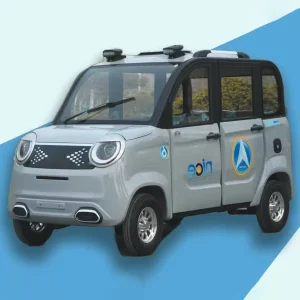
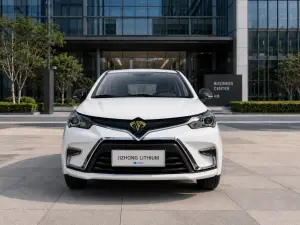
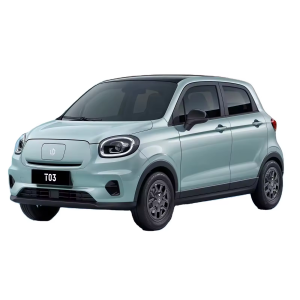
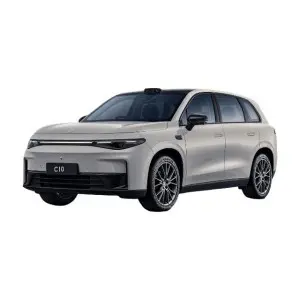
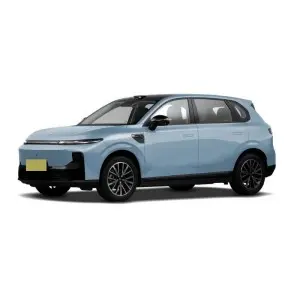
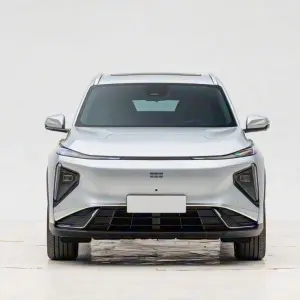
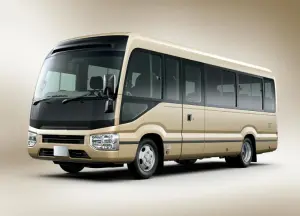
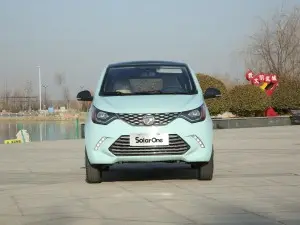
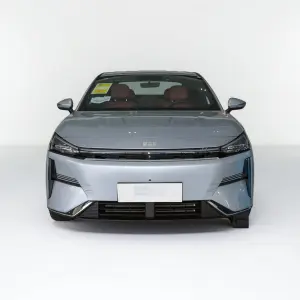
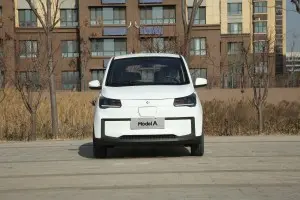
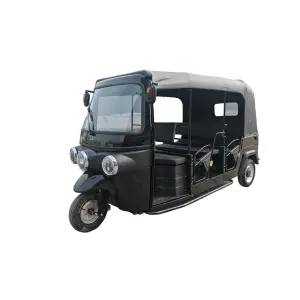
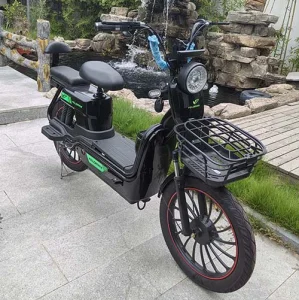
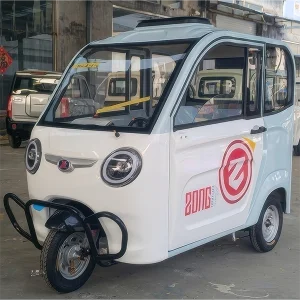
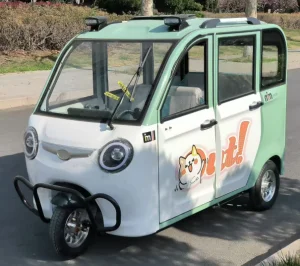
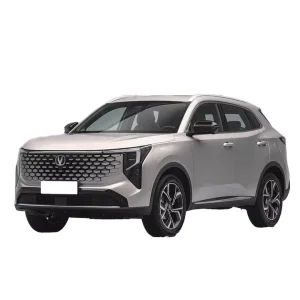
Explore our premium range of electric vehicles designed for modern passenger transit, local logistics, and specialized family use. Engineered with high-strength structural architecture and advanced powertrain systems.
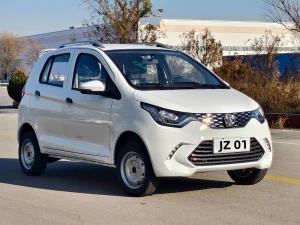
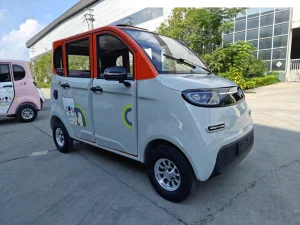
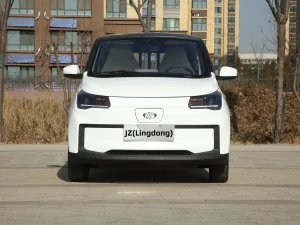
An executive whitepaper on how light EV and electric tricycle systems are redesigning urban distribution networks and municipal mobility parameters.
Rapid urbanization, coupled with rising fuel costs and strict emissions regulations, is reshaping the logistics landscape. Globally, cities are struggling with gridlock, prompting municipal planners to seek alternative vehicle architectures. Electric three-wheelers (Tuk Tuks, cargo trikes, and micro-cars) represent a vital mid-tier transportation category. They fill the operational gap between heavy commercial vans and standard two-wheel delivery vehicles.
By utilizing a compact 3-wheel vehicle chassis, operators realize significant savings on purchase costs, energy consumption, and maintenance. In developing economies, these vehicles serve as primary transit infrastructure, enabling affordable passenger transport and small-scale freight logistics. In mature economies, they are increasingly integrated into commercial fleets for zero-emission last-mile deliveries within low-emission zones (LEZ).
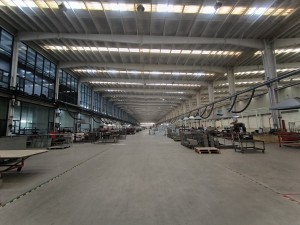
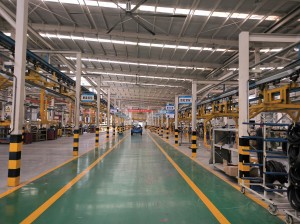
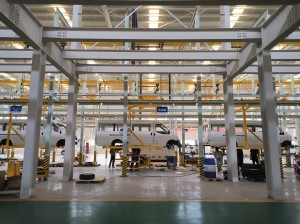
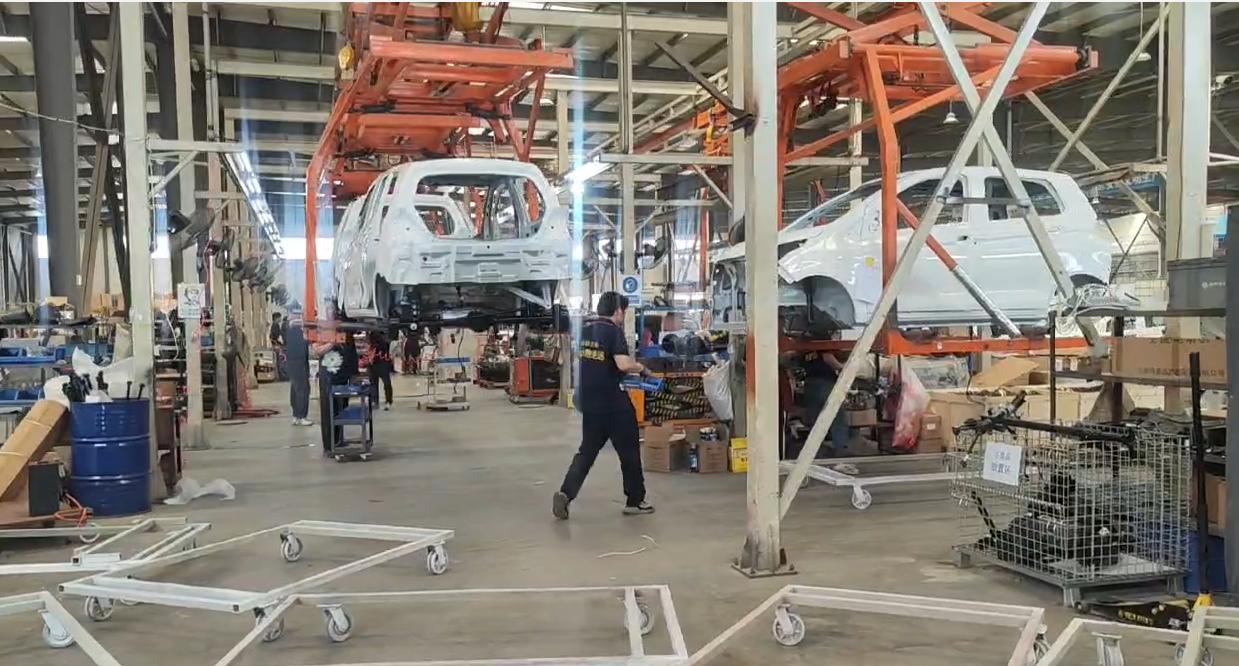
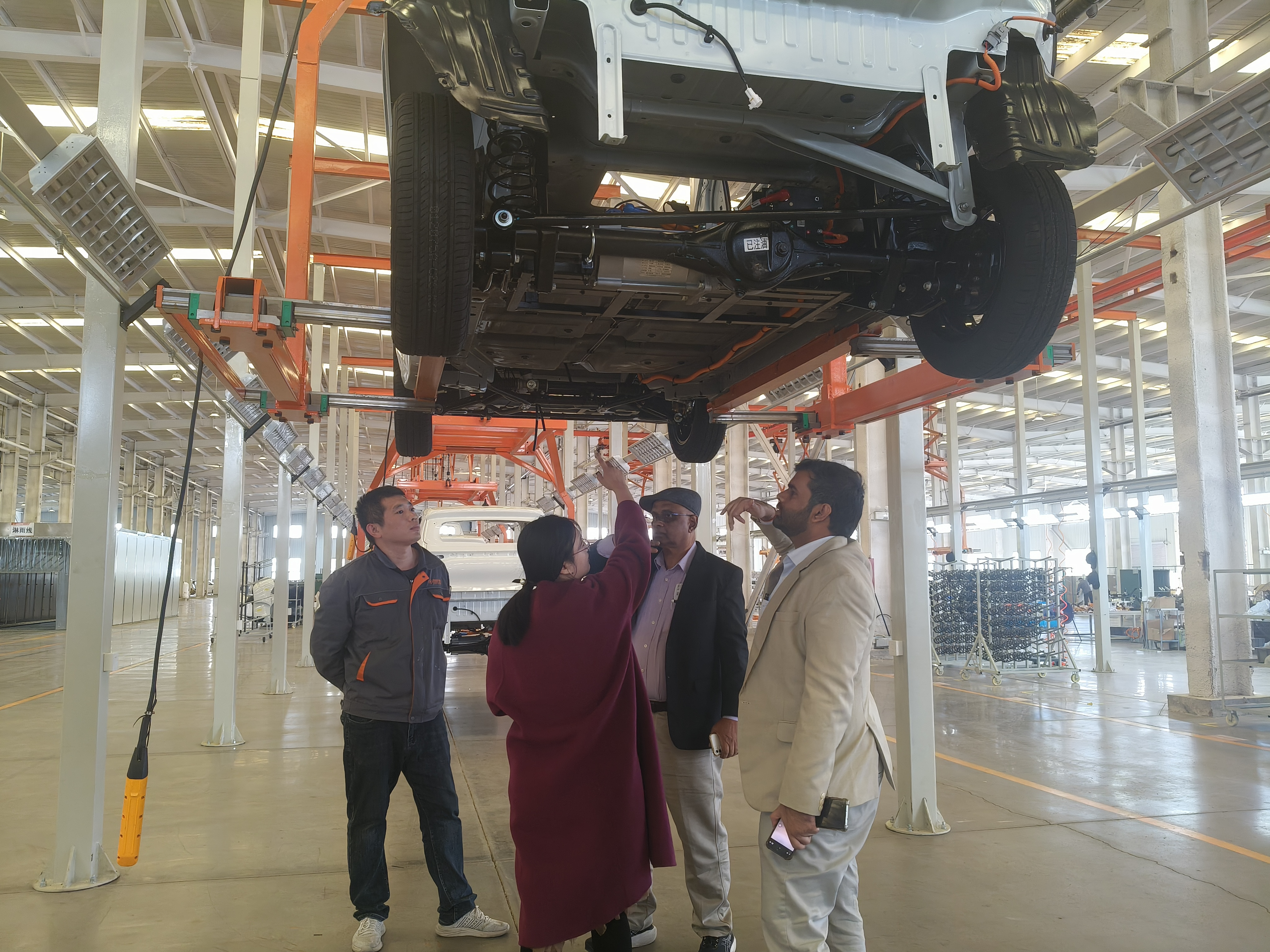
Our modern manufacturing methodology utilizes high-precision technology to build resilient chassis structures. Unlike traditional workshop-based builders, our production plants use automated robotic welding and computer-controlled metal forming. We start with raw tubular steel, which is cut using high-precision lasers to guarantee dimensional accuracy.
Each passenger cabin is constructed using a single-piece stamped steel structure. This design increases crash energy absorption while keeping the vehicle lightweight. To prevent rust in humid climates, our vehicles undergo multi-stage electrocoating (electrophoresis) painting. They are then tested under a simulated 7-stage tropical downpour to ensure seal integrity.
SHANDONG LI MAO TONG GROUP is a global supplier of high-quality products, with a complete industrial chain, specialized in research, manufacture and international sales of motor tricycles, cargo tricycle, electric mini car. Since its establishment, our vehicles have served over 120 countries and regions worldwide, with our brand reaching more than 20 million households globally. Supported by 8 overseas production bases, we provide comprehensive vehicle solutions to markets around the world. We attach great importance to after-sales service, and set up overseas warehouses in Djibouti and are equipped with a professional after-sales team and complete after-sales facilities. If you encounter any problems during use of the product, our after-sales team will respond immediately and provide you with timely and effective solutions.
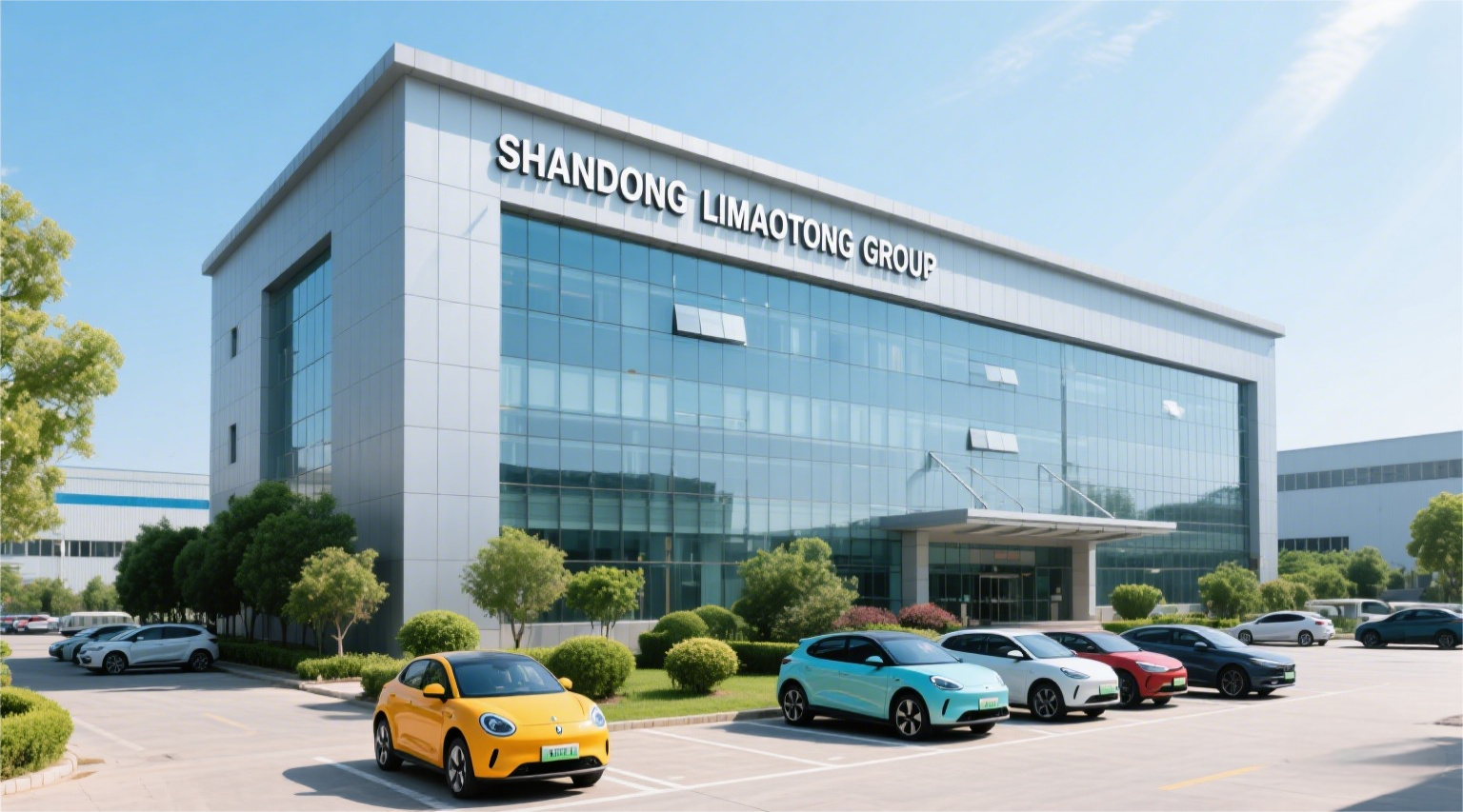
In the booming wave of China's new energy vehicle industry, Limaotong emerged at the historic moment. Rooted in China and embracing the world, We strive to deliver an electric mobility experience that exceeds expectations for every user. Quality is our lifeline. We operate a modern intelligent manufacturing base, equipped with highly automated production lines and a stringent digital quality control system, ensuring every vehicle rolling off the line meets international standards of exquisite craftsmanship. Our relentless pursuit of safety permeates every aspect, with battery systems passing safety tests far exceeding national standards, and vehicle structural designs targeting the highest safety ratings to comprehensively protect user security. Our core competitiveness stems from cutting-edge technology R&D and unremitting innovation. From one-piece stamped steel frames to millimeter-precision cutting; from fully automated robotic painting creating flawless finishes to precision-engineered assembly processes; Every stage is safeguarded by dedicated technical teams. We dare to accept the laboratory level seven rainstorm test and face all kinds of extreme environmental challenges in the world. Our multi-series, multi-positioning, and multi-brand strategic, coupled with advantages in global delivery, full-process services, and all-terrain customization capabilities, has rapidly established us as a preferred manufacturer of "Chines Magic Car" among global customers. We conquer the world with quality and pave the path to success with craftsmanship. We look forward to collaborating with global partners to make Chinese manufacturing shine worldwide.
Exporting micro-vehicles requires strict adherence to international safety standards. For the European Union, vehicles are designed to meet L-category type-approval guidelines (L5e, L6e, and L7e). This covers mechanical requirements, electromagnetic compatibility (EMC), and dynamic brake performance.
Our engineering team coordinates with certification bodies to perform real-world testing. This includes structural impact assessments, rollover stability checks, and electrical system diagnostics. In North America, we align with DOT standards, focusing on lighting, safety glass, windshield performance, and seatbelt anchorages. This strict compliance process ensures import clearance and provides local operators with reliable, legally cleared vehicles.
Operational requirements vary by market. In tropical regions, three-wheel vehicles need high-clearance frames, robust dust filtration, and heavy-duty suspension to handle unpaved roads. Cargo trikes are often configured with open load beds, reinforced leaf springs, and high-torque electric motors.
In Western cities, the focus is on safety, weather protection, and fleet tracking. European and American operators prefer enclosed vehicle designs with heating systems, integrated backup cameras, and GPS telematics. These setups are ideal for delivery fleets and municipal utility work.
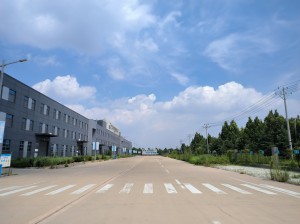
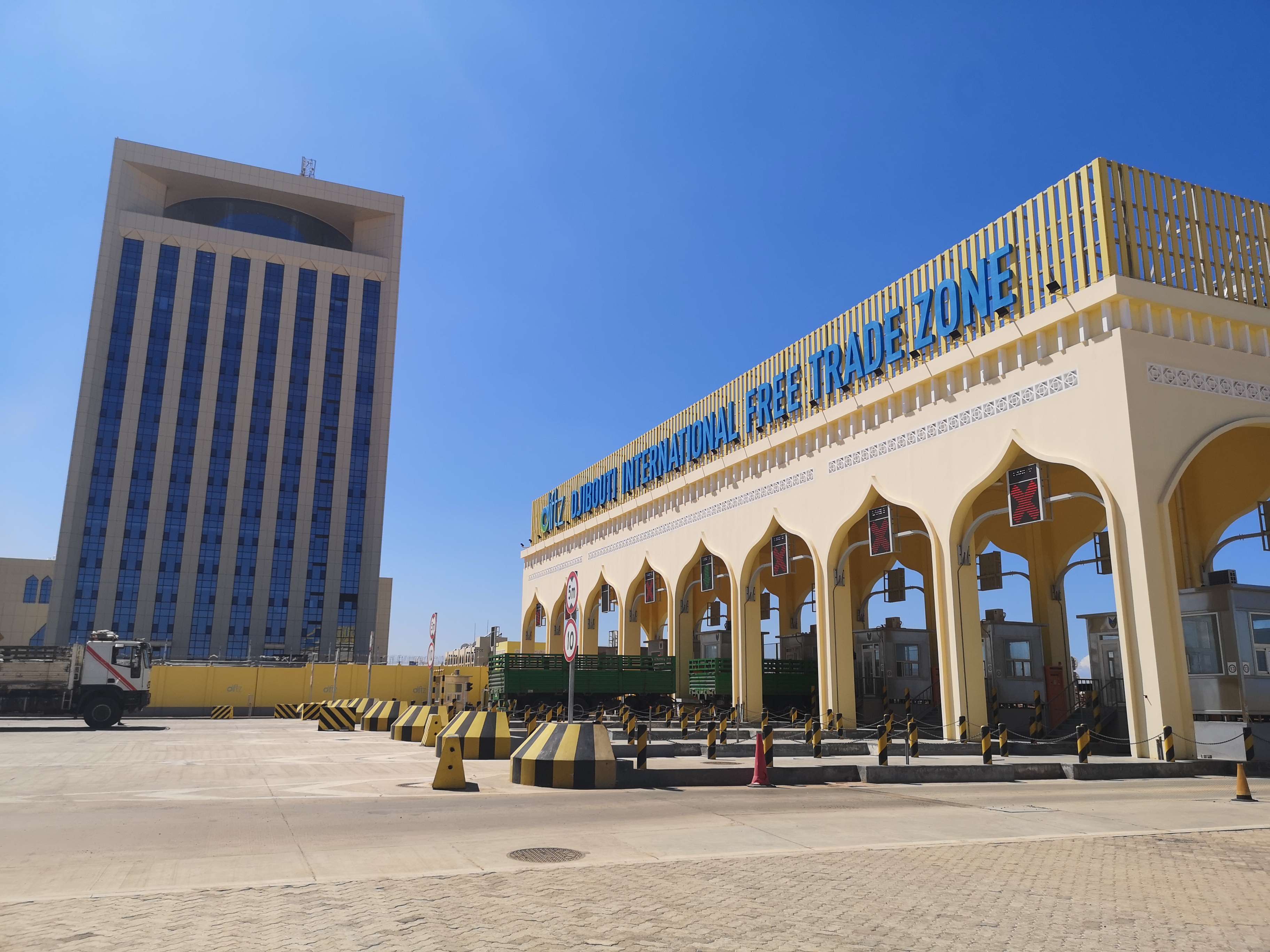
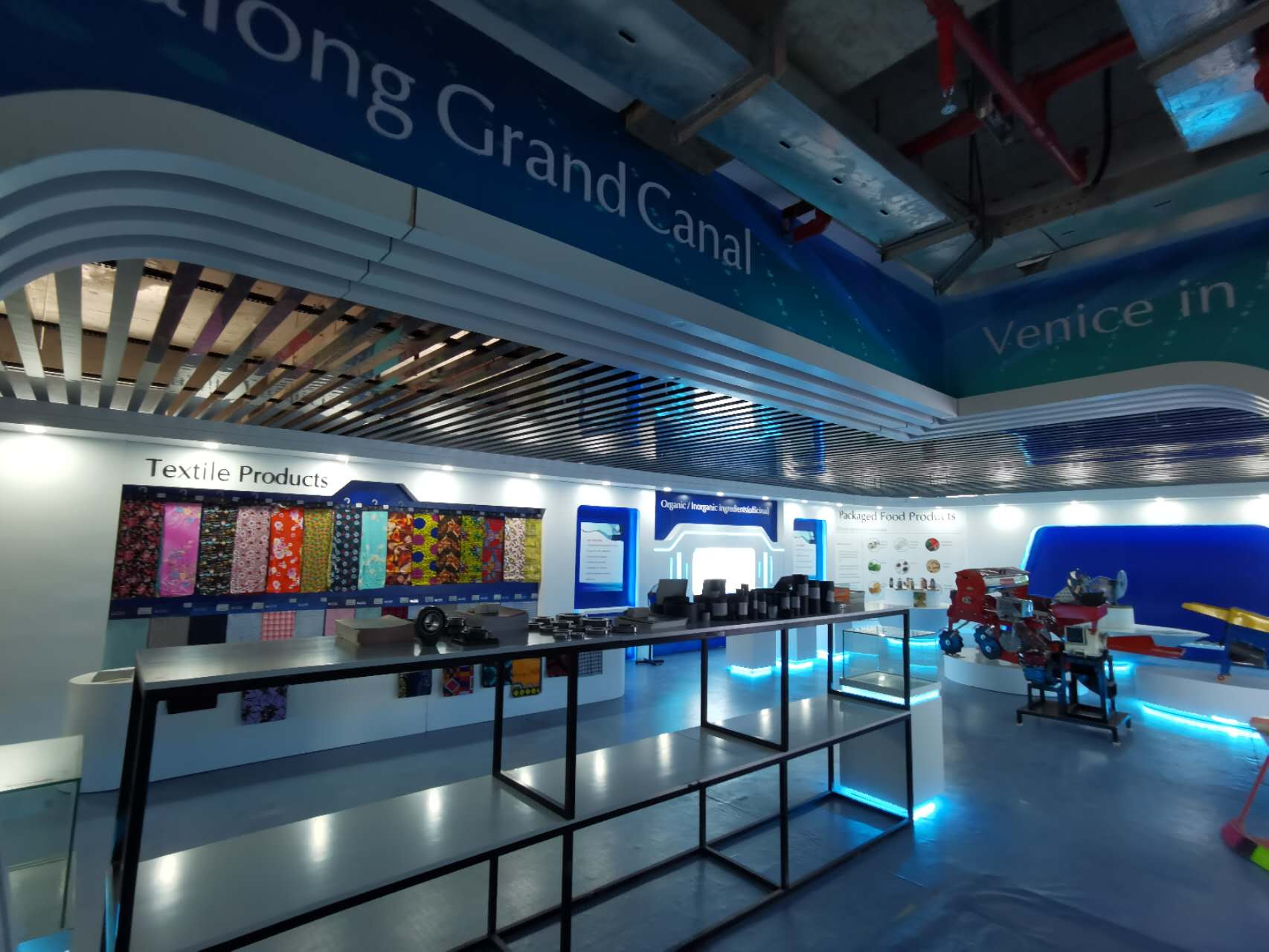
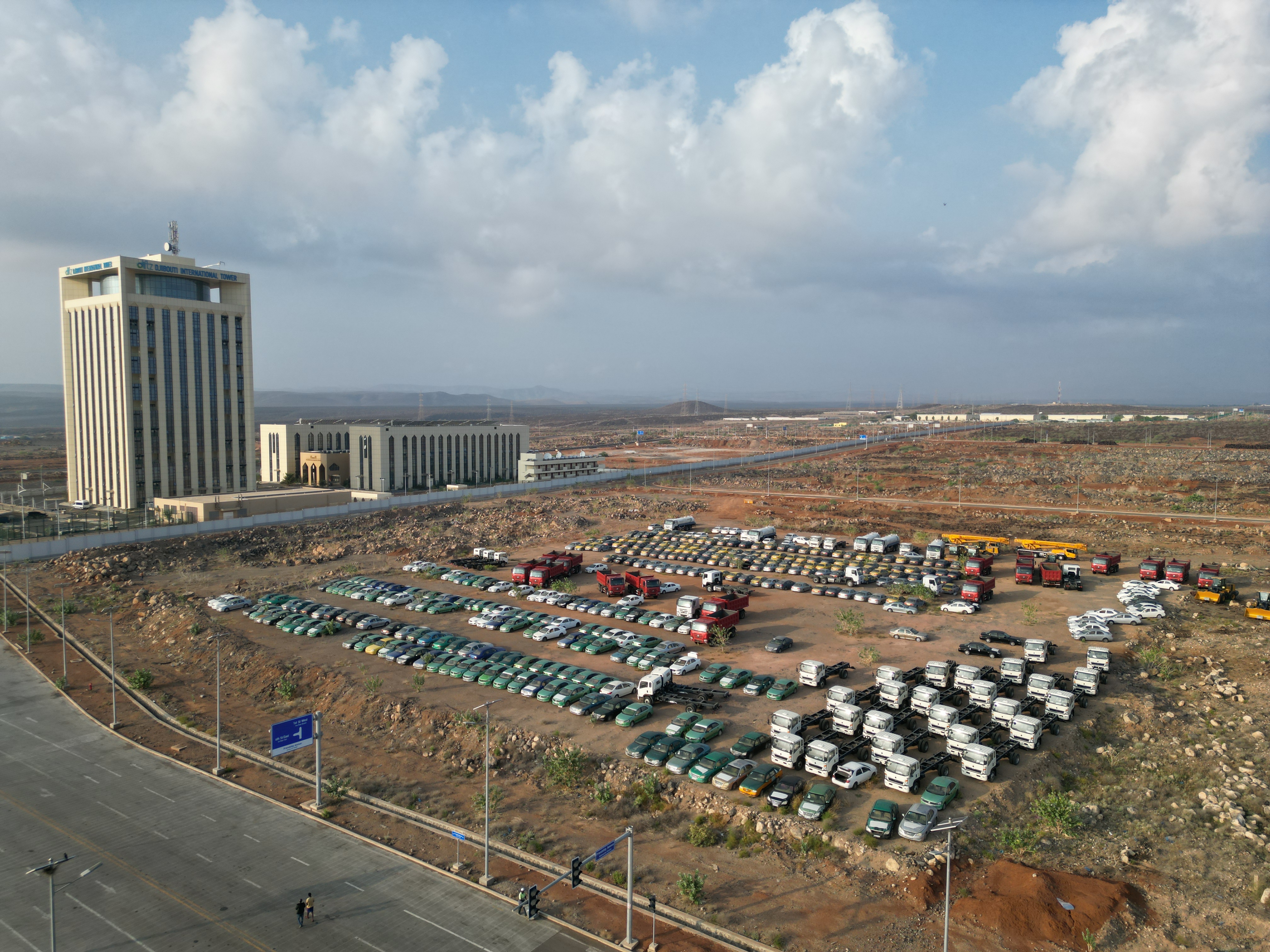
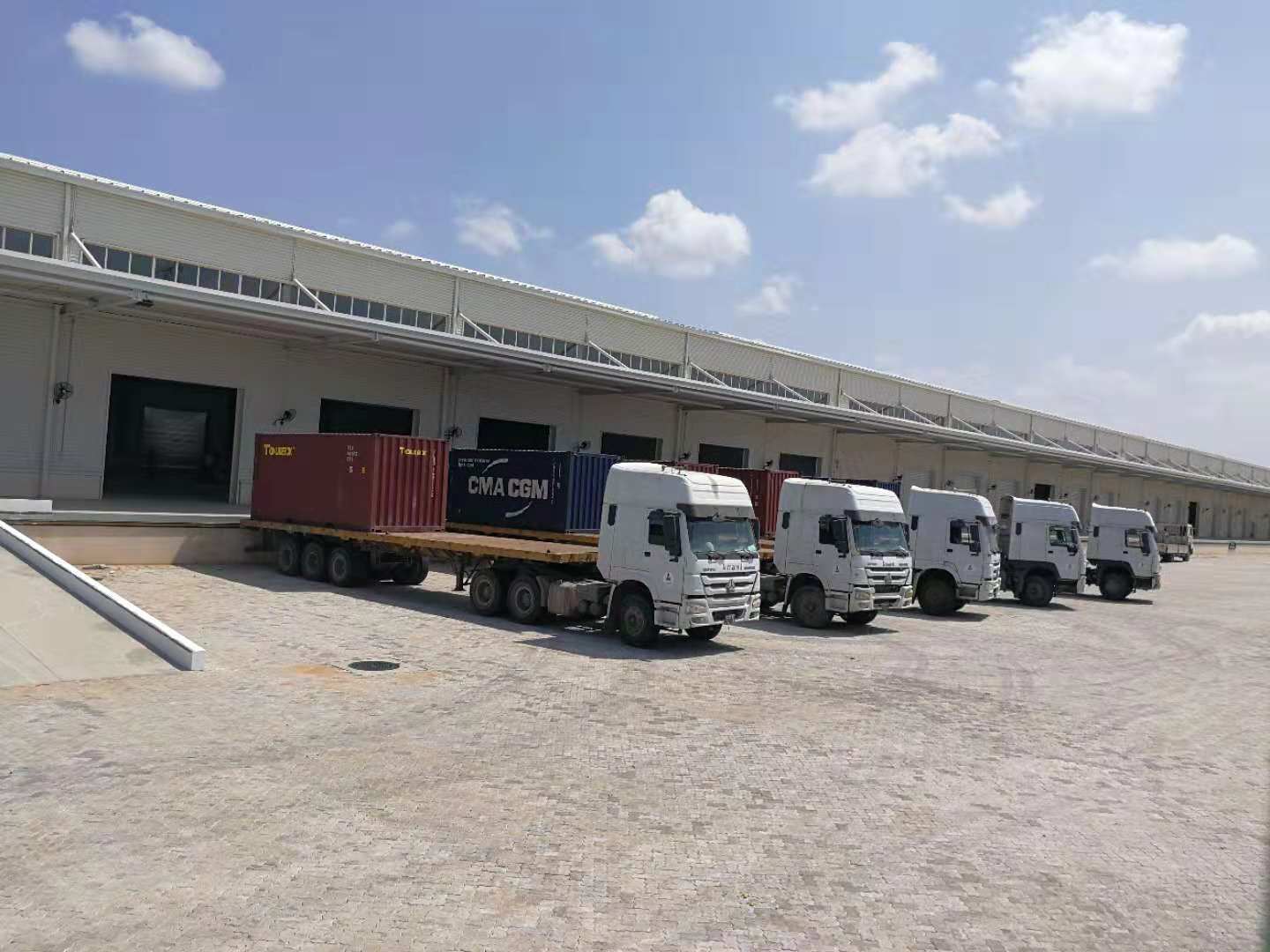
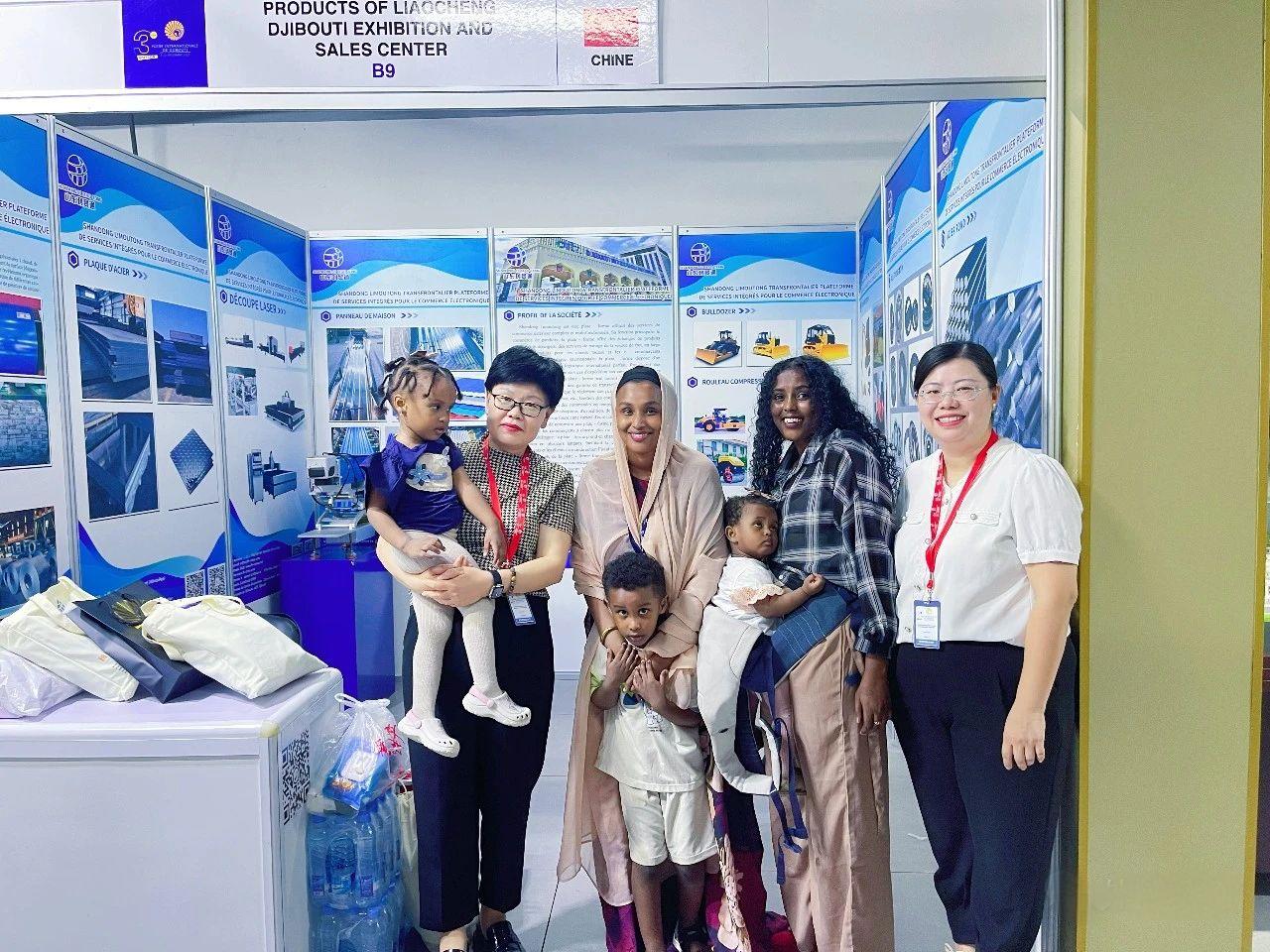
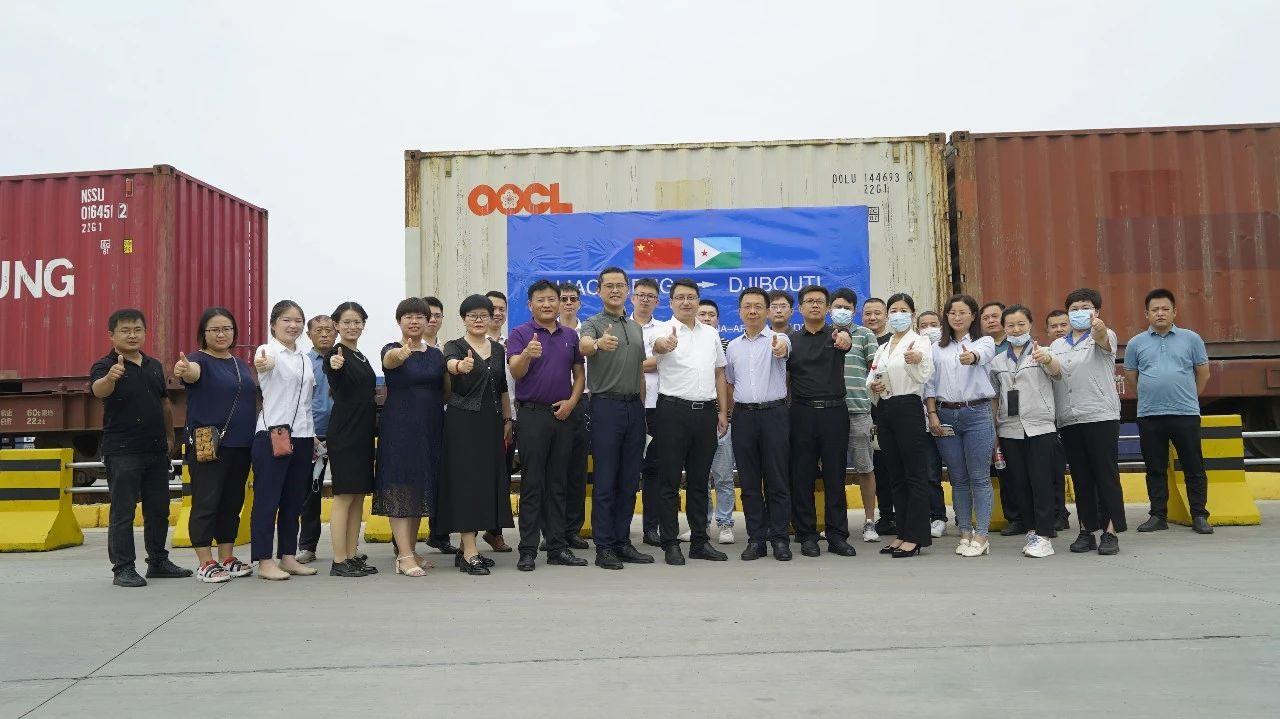
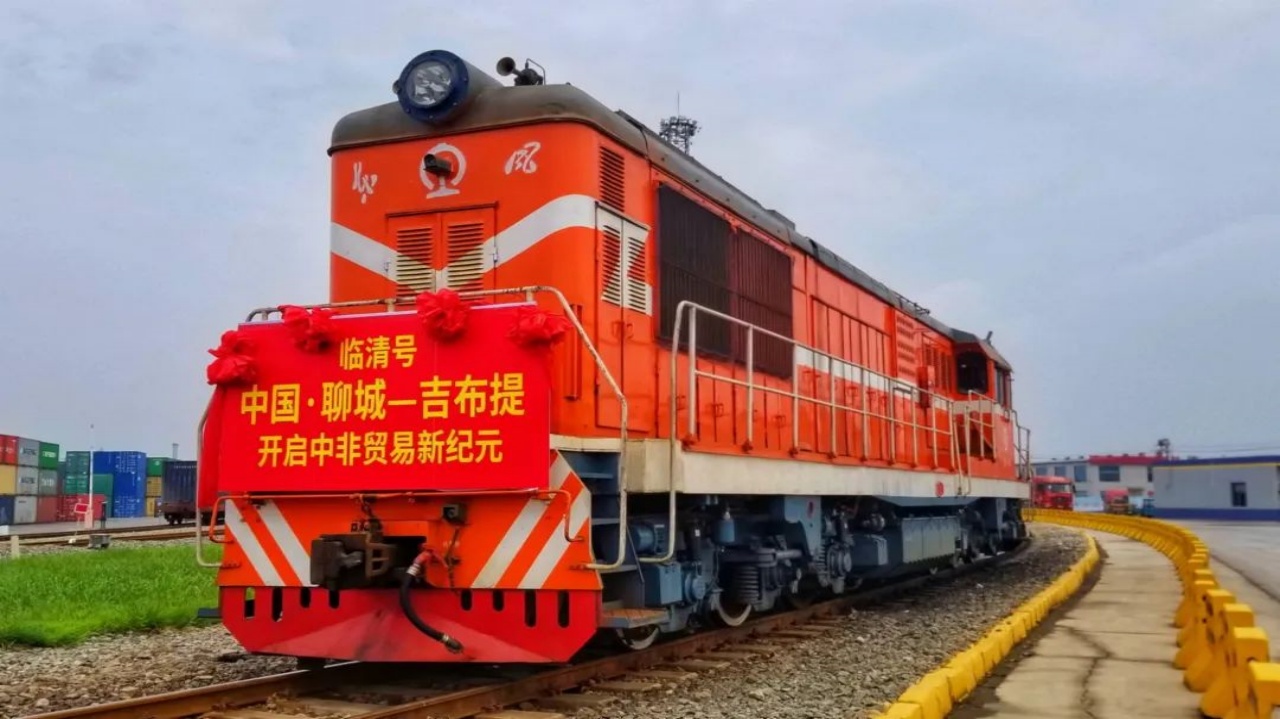
Our logistics network is supported by the Djibouti (Overseas Warehouse) Cross-border E-commerce Exhibition and Sales Center, established in 2023. Located in the Djibouti International Free Trade Zone in East Africa, this hub operates in partnership with local trade entities. It provides a centralized, one-stop platform for sales, customs clearance, and local distribution.
By combining online e-commerce platforms with a physical warehousing network, we utilize a "cross-border trade + front-end warehouse" model. This setup allows us to keep replacement parts in stock, manage quick deliveries, and offer local technical support. This infrastructure helps Chinese manufacturing expand into growing African markets.
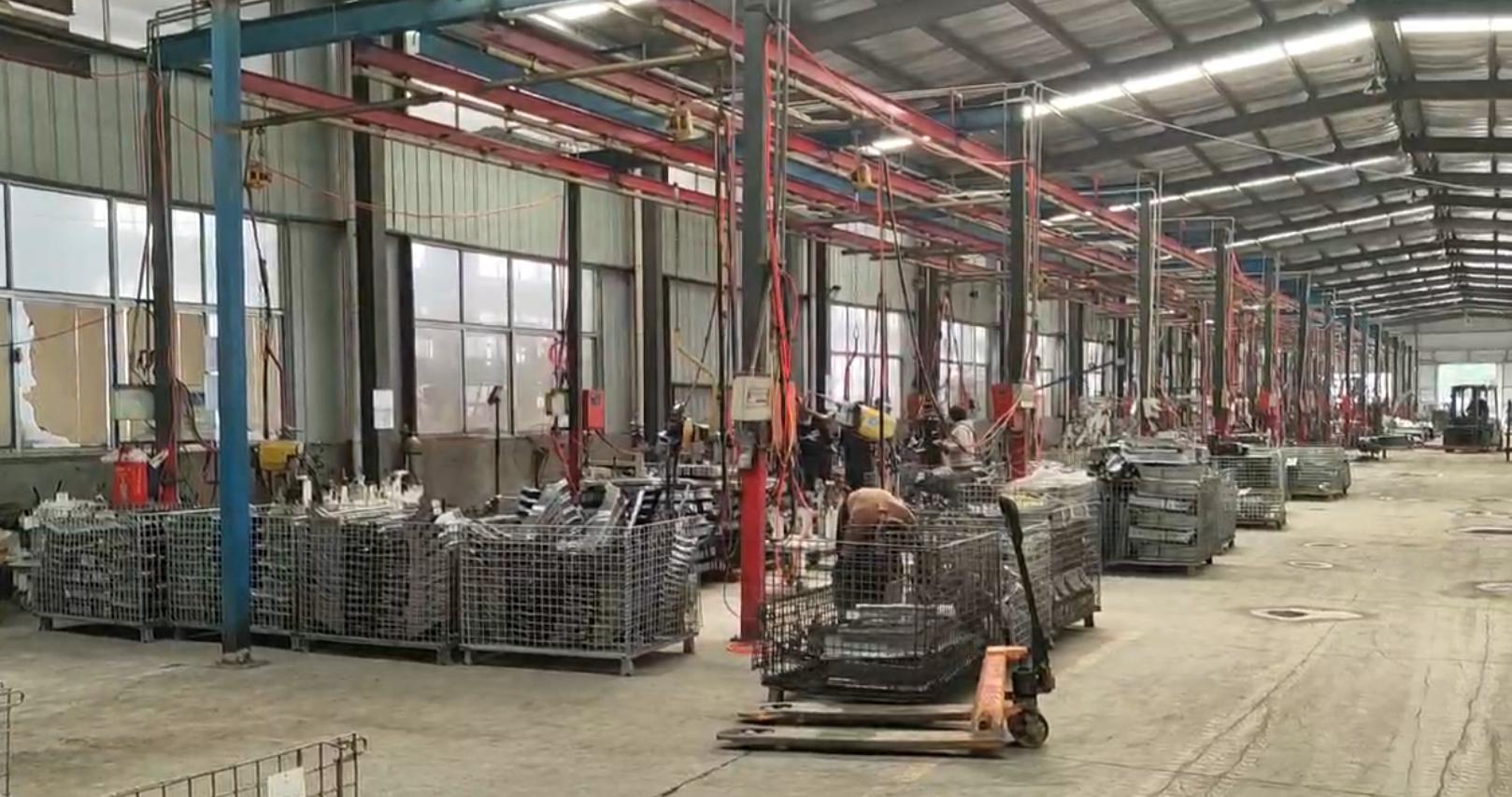
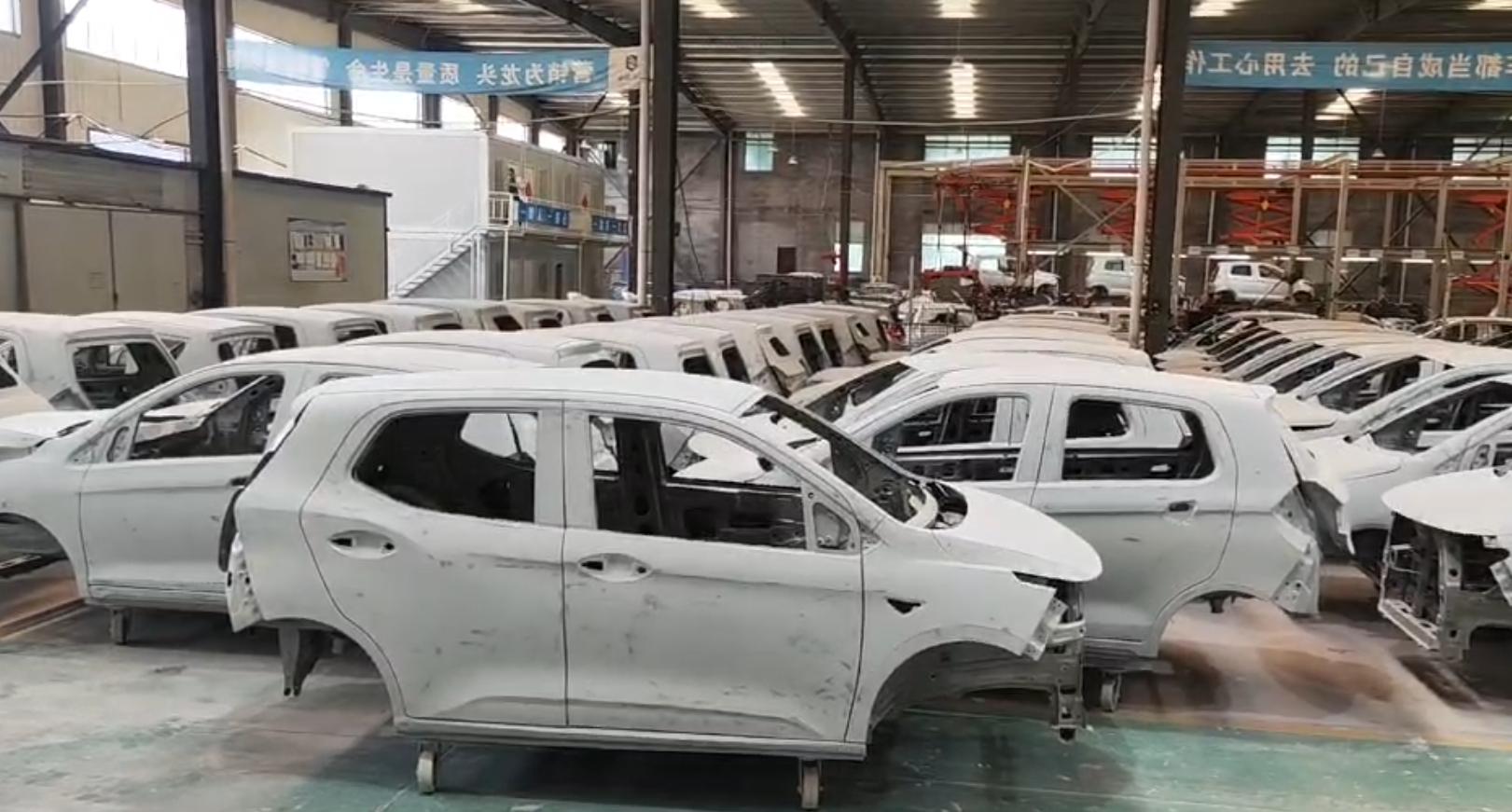
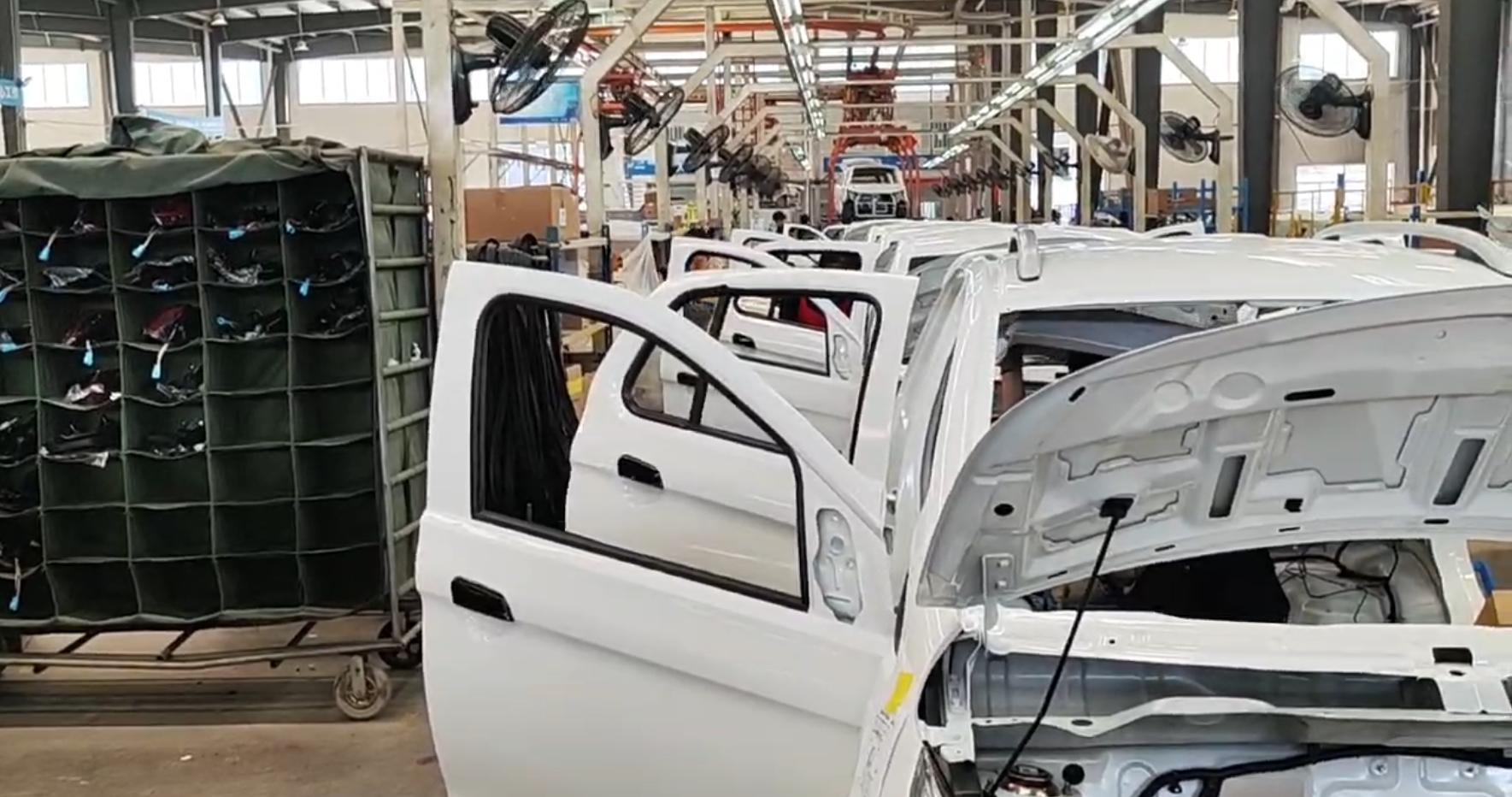
A showcase of our advanced design configurations and manufacturing outputs, optimized for global markets.
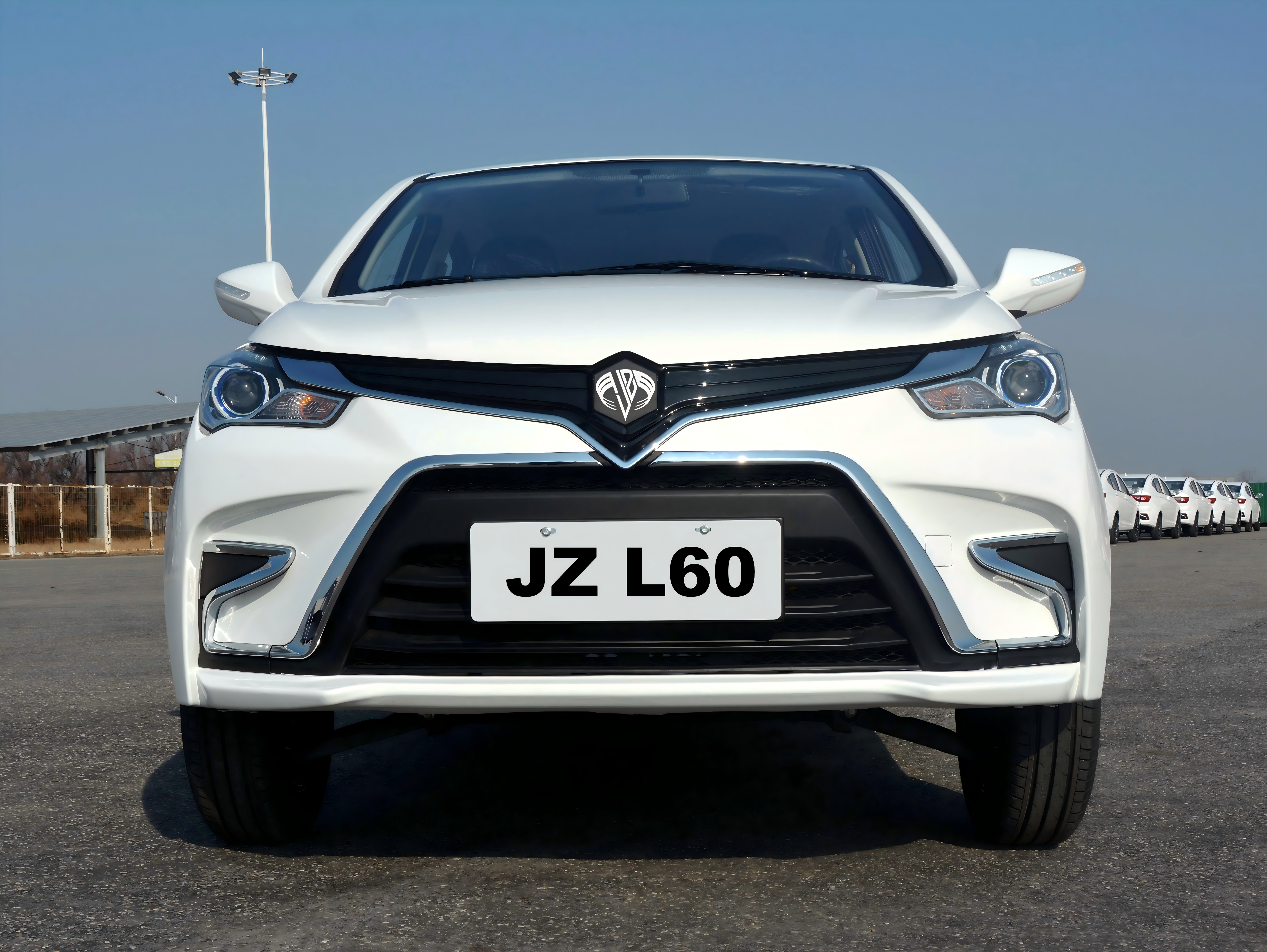
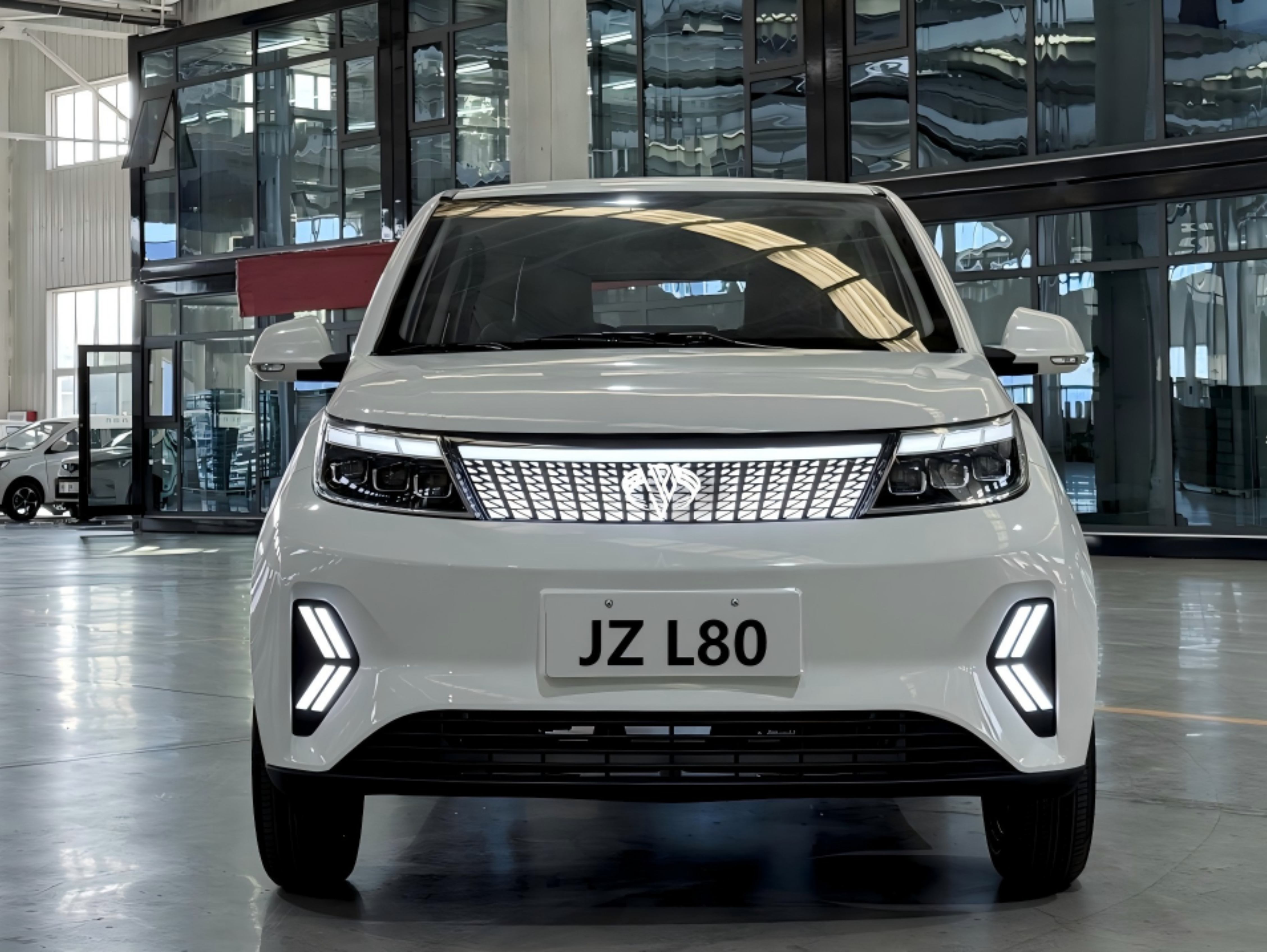
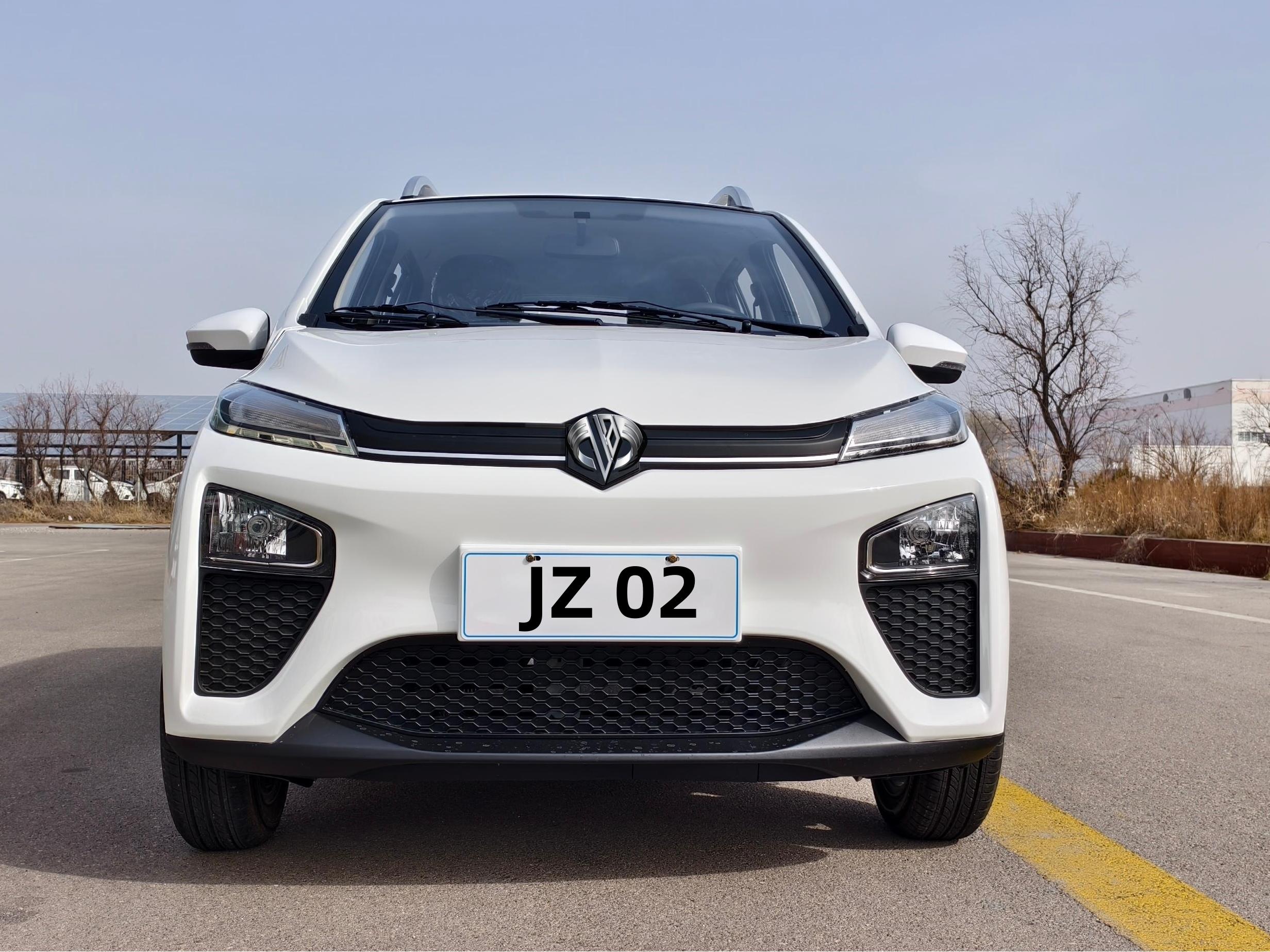
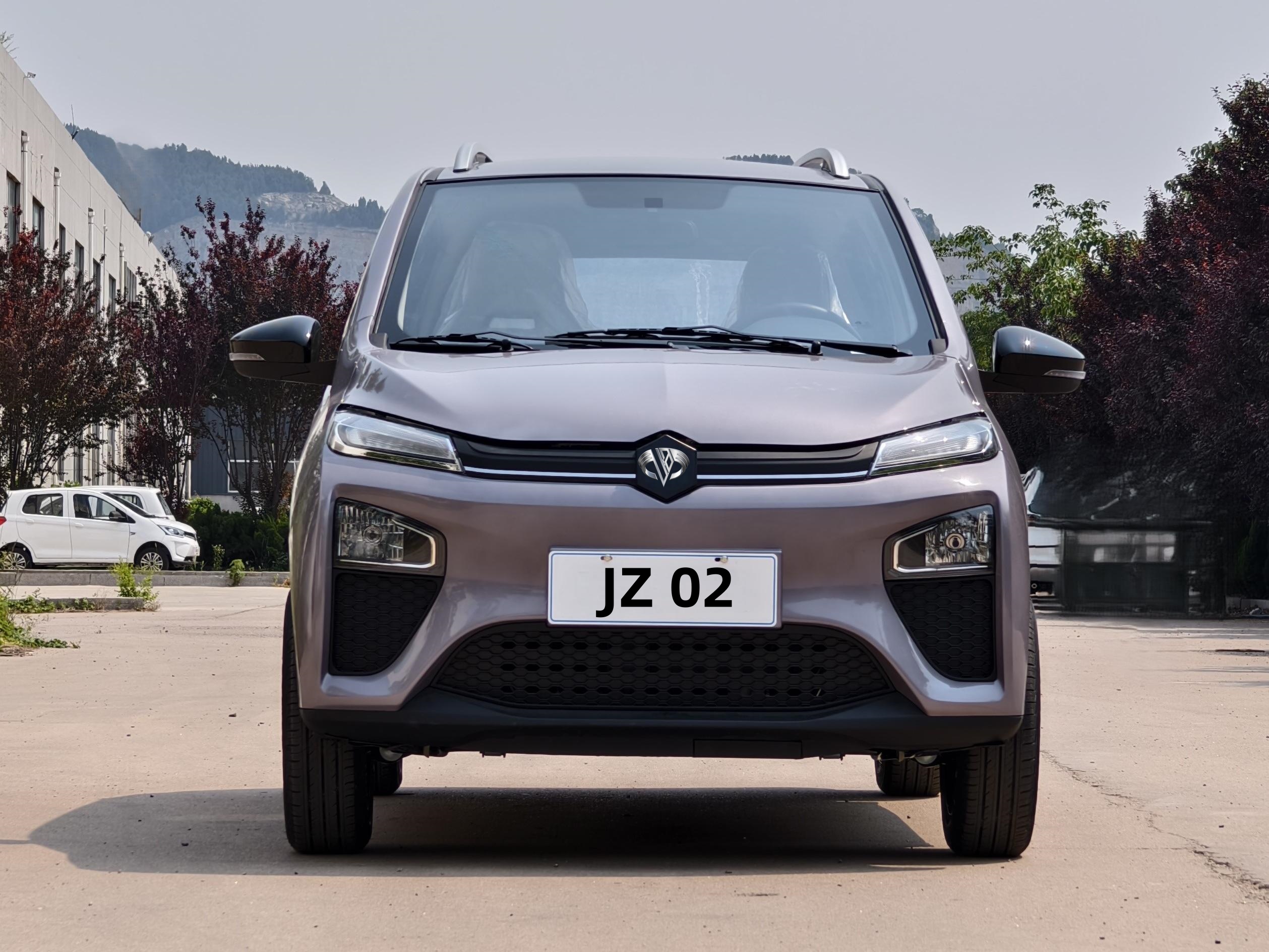
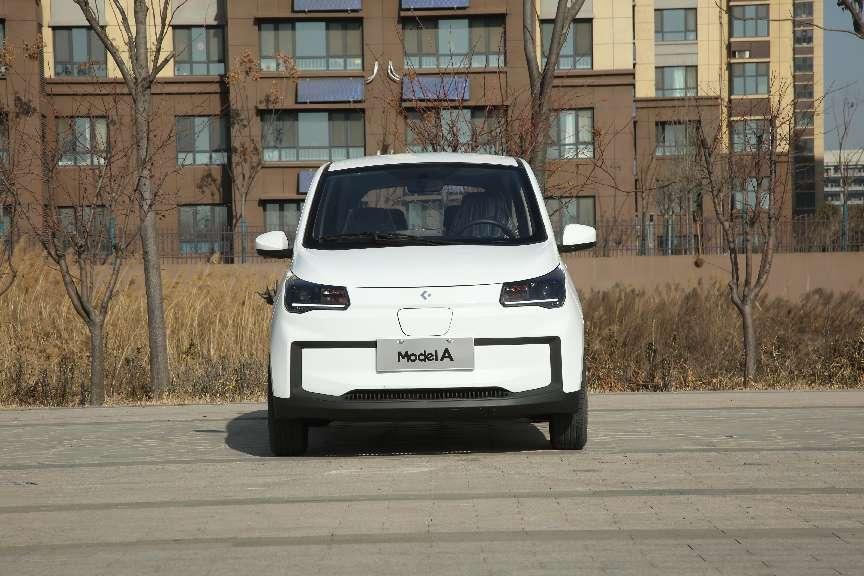
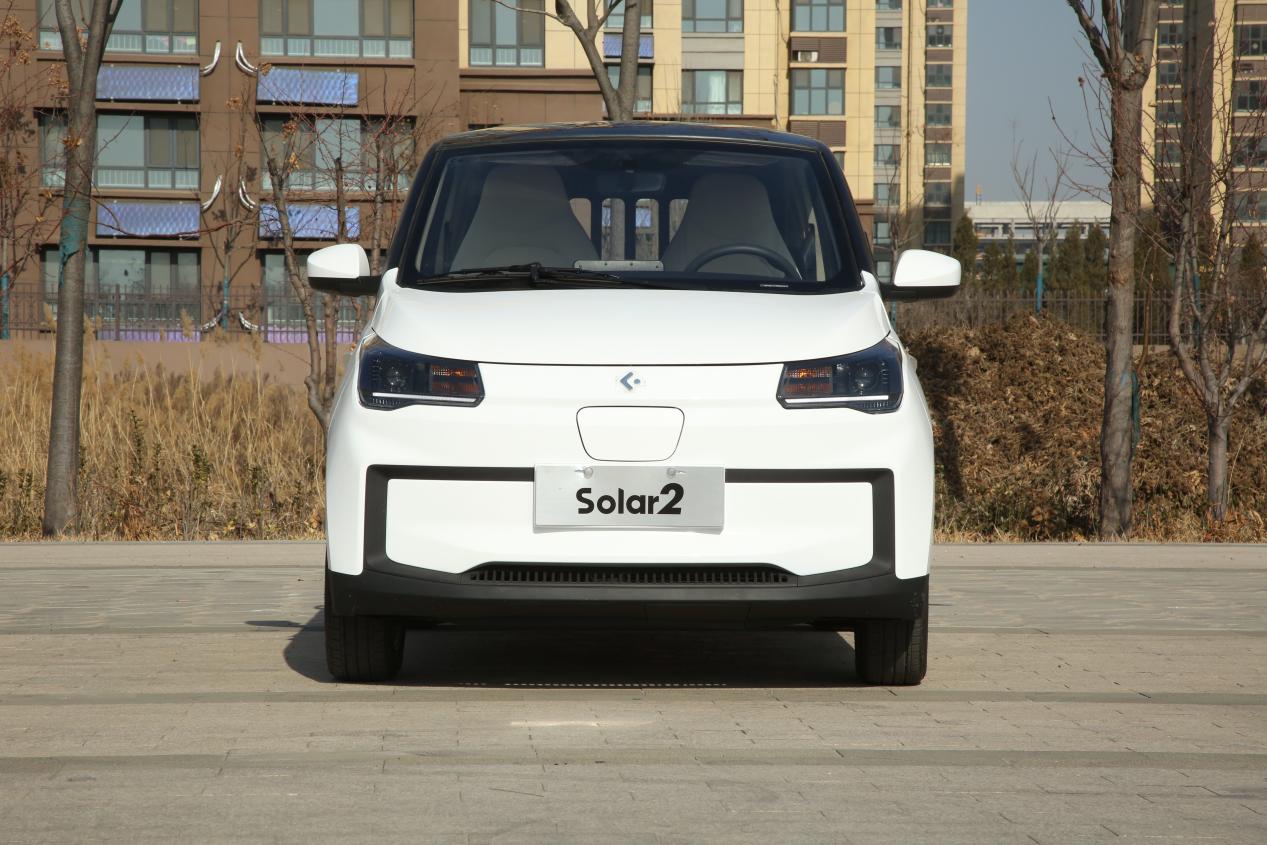
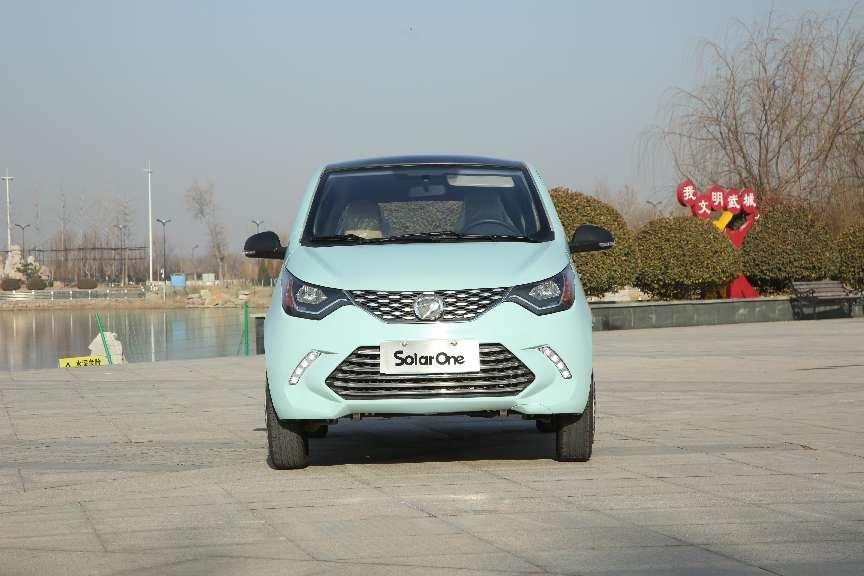
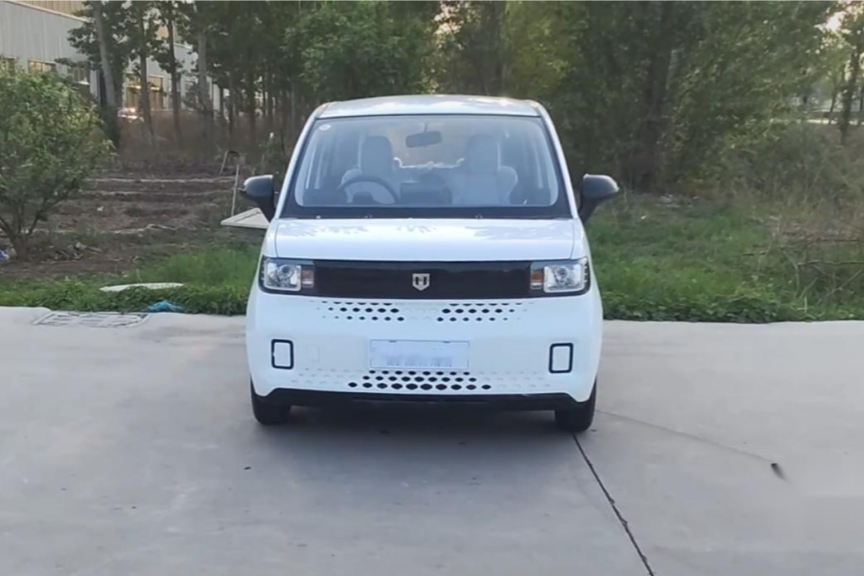
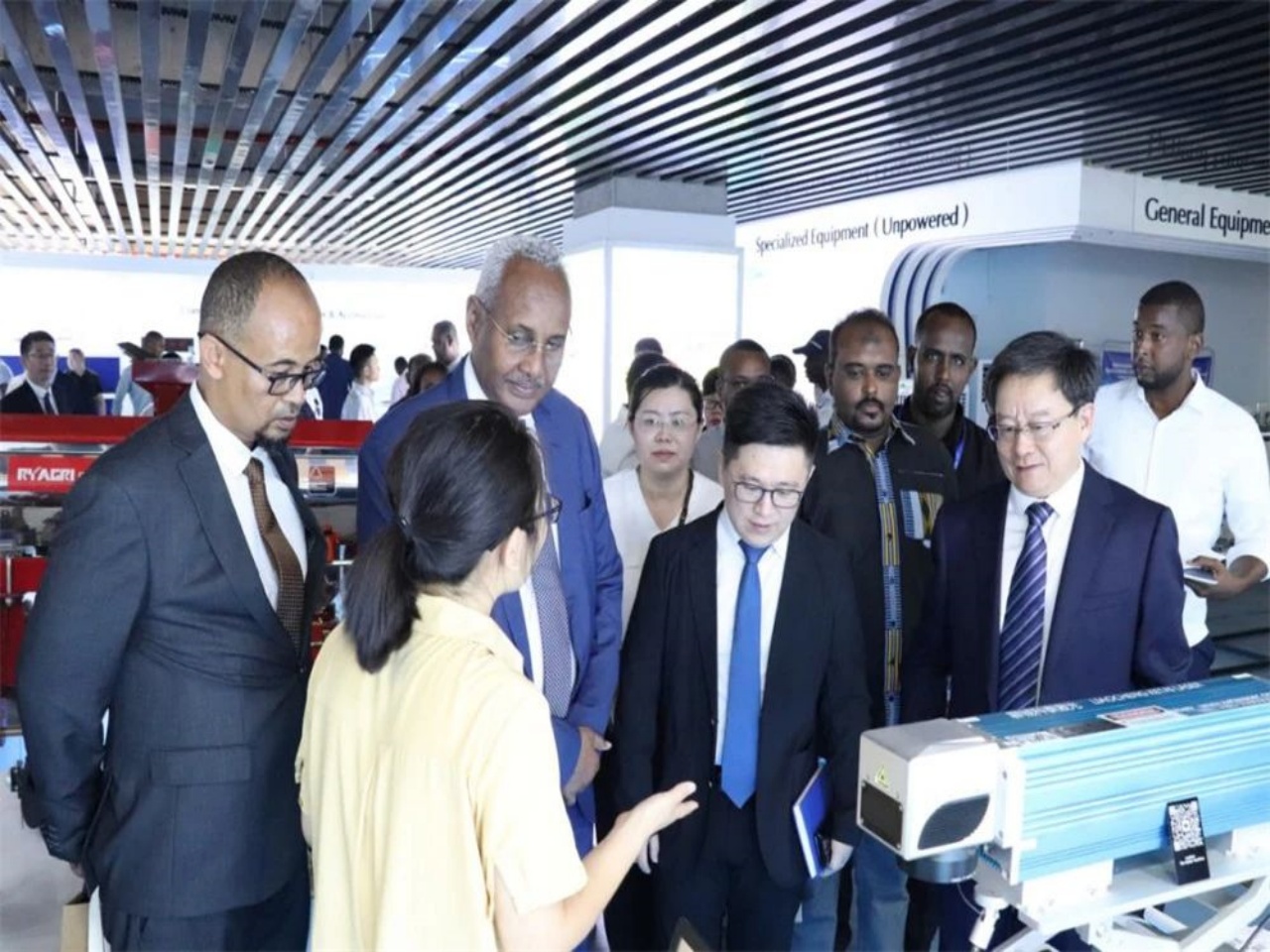
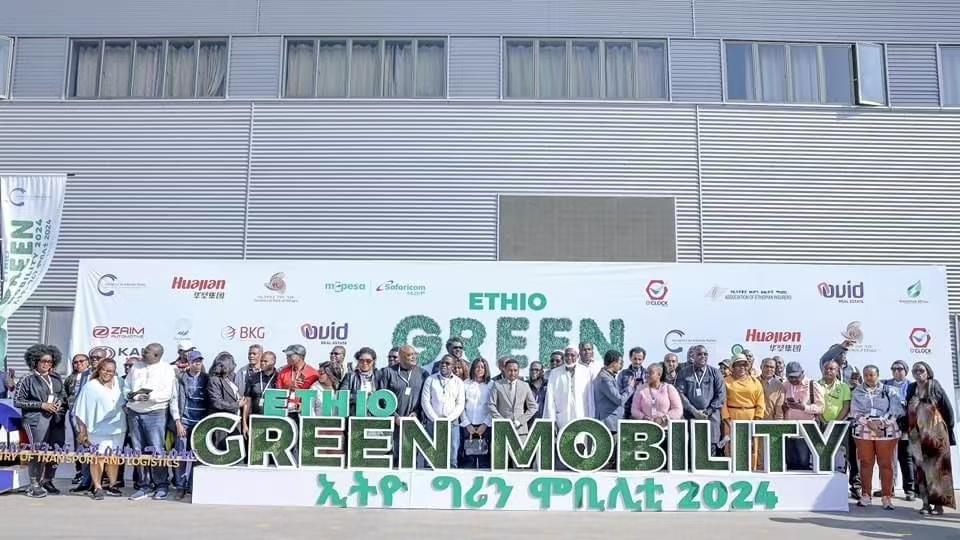
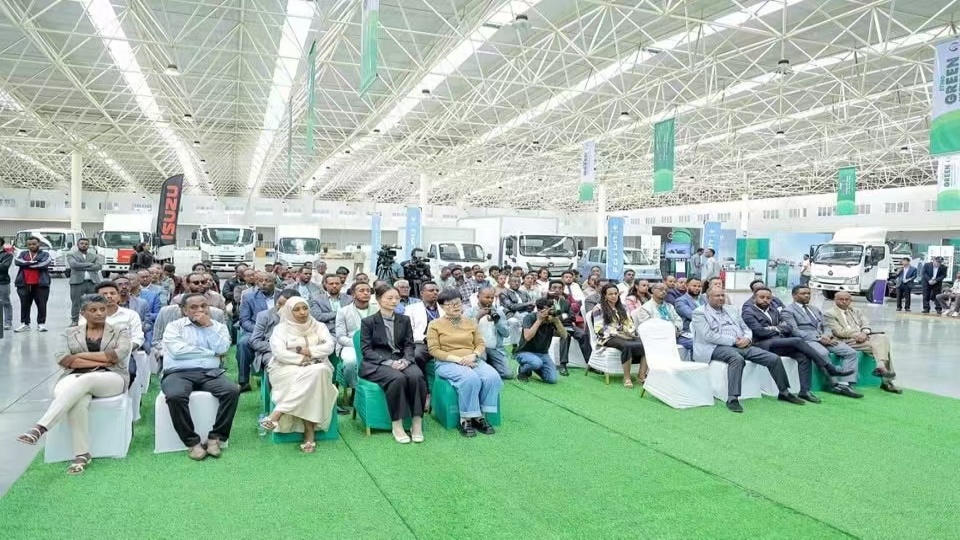
We showcase our vehicle designs at international trade expos. These events allow us to meet global buyers, demonstrate new technologies, and coordinate customized delivery options.
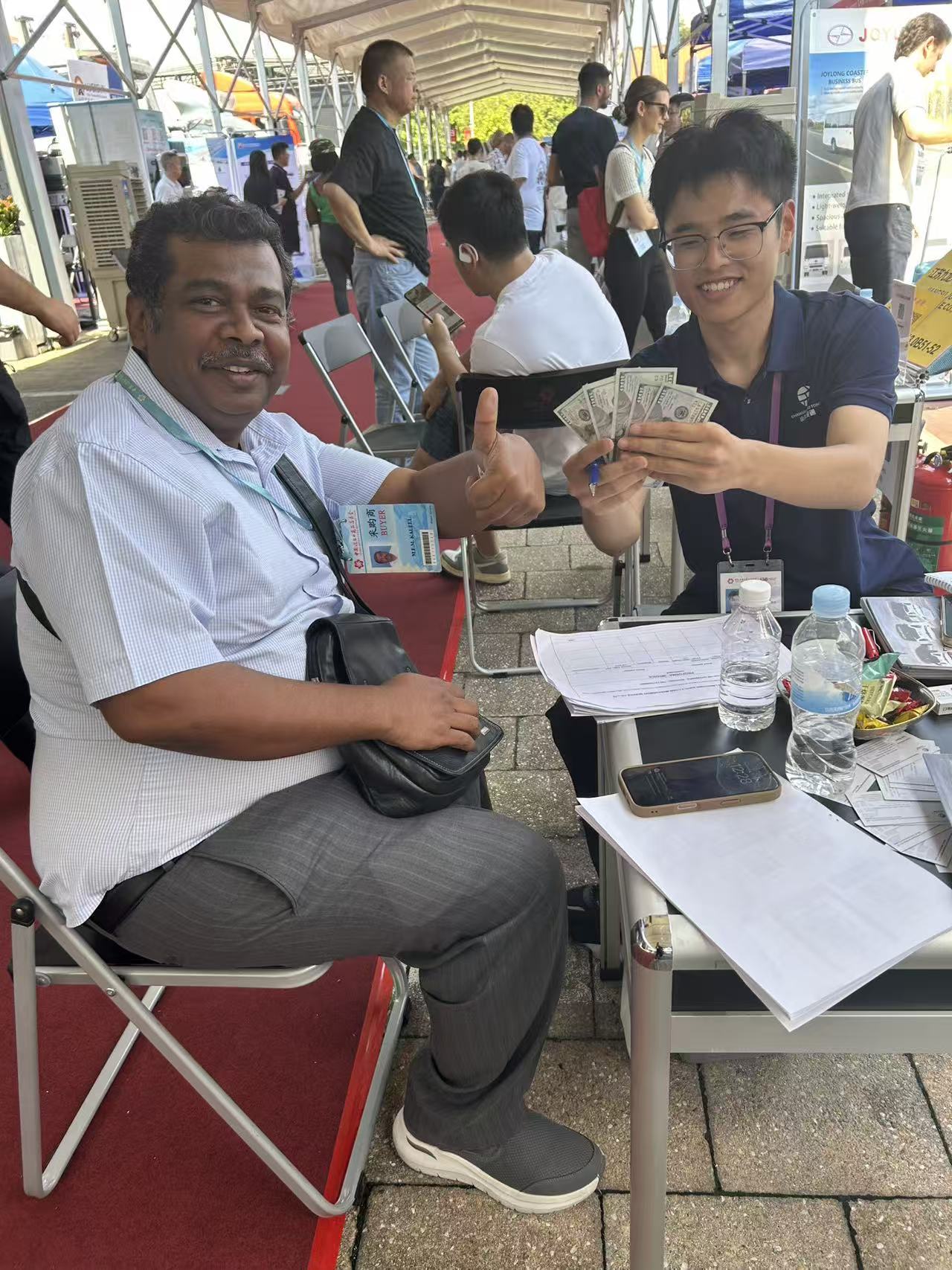
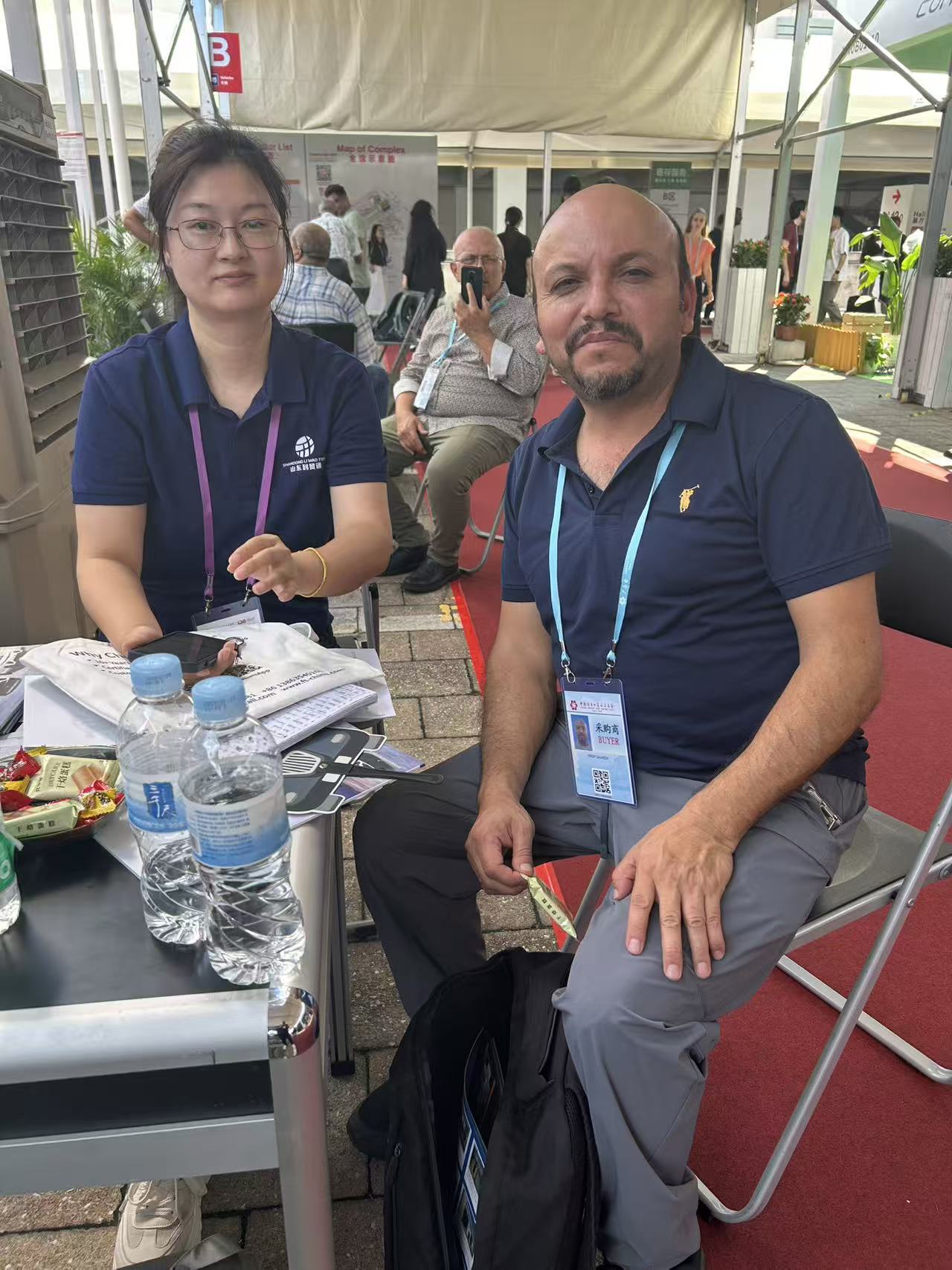
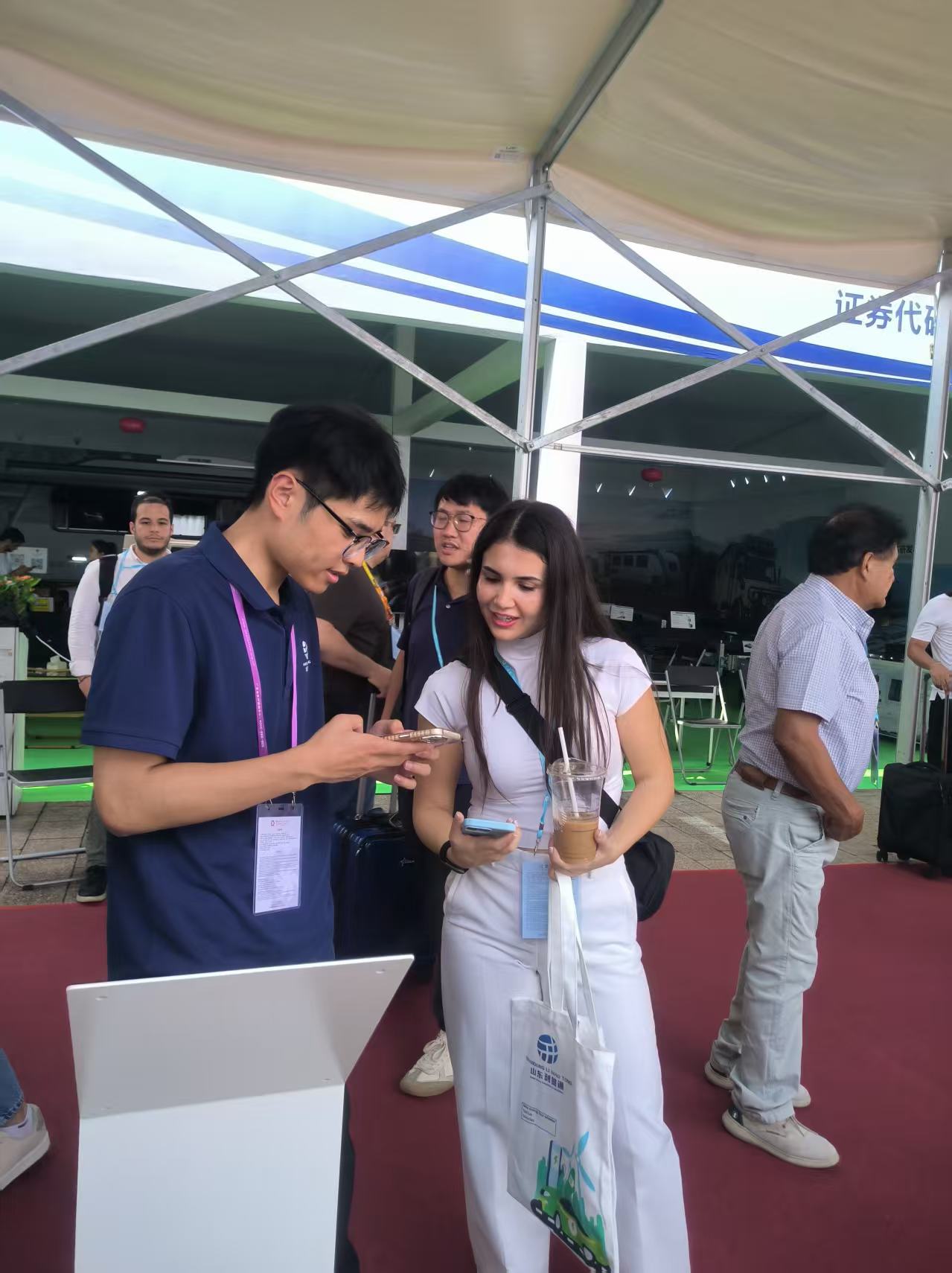
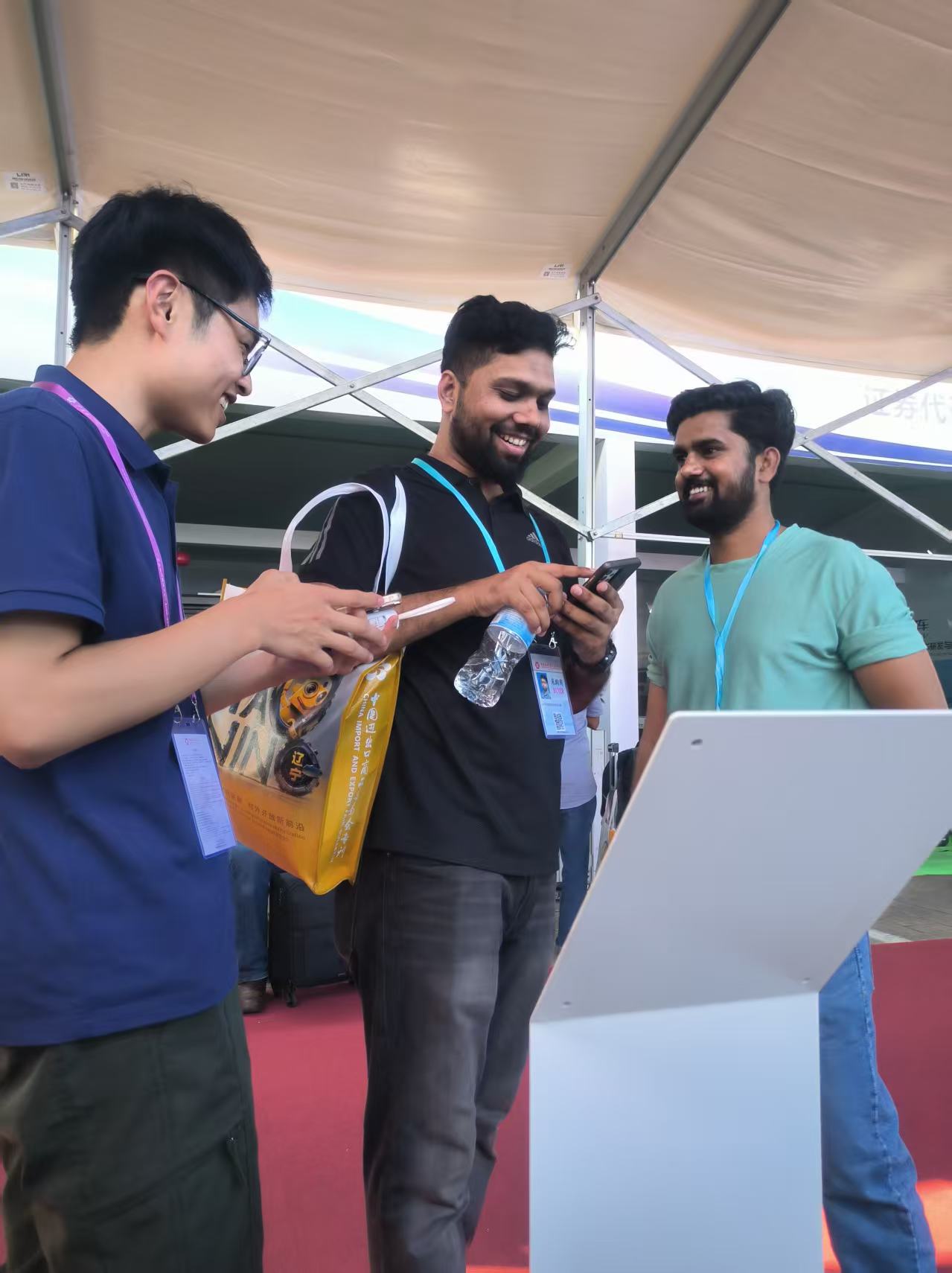
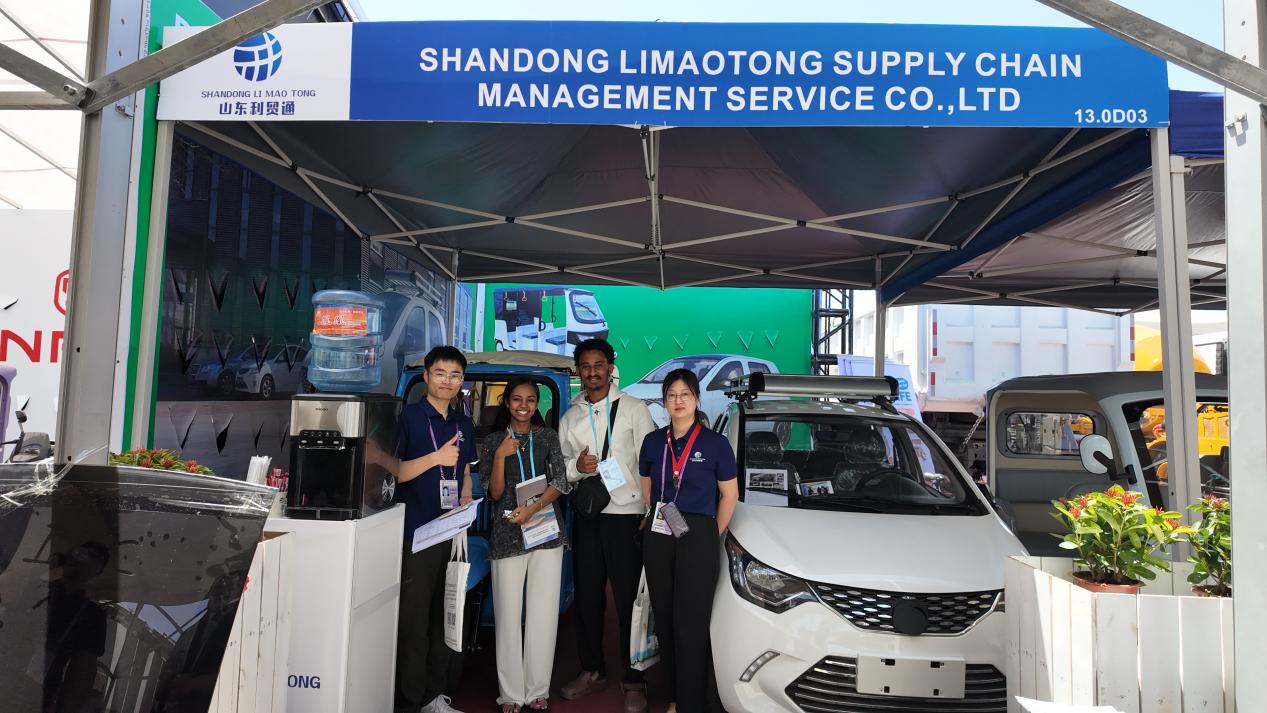
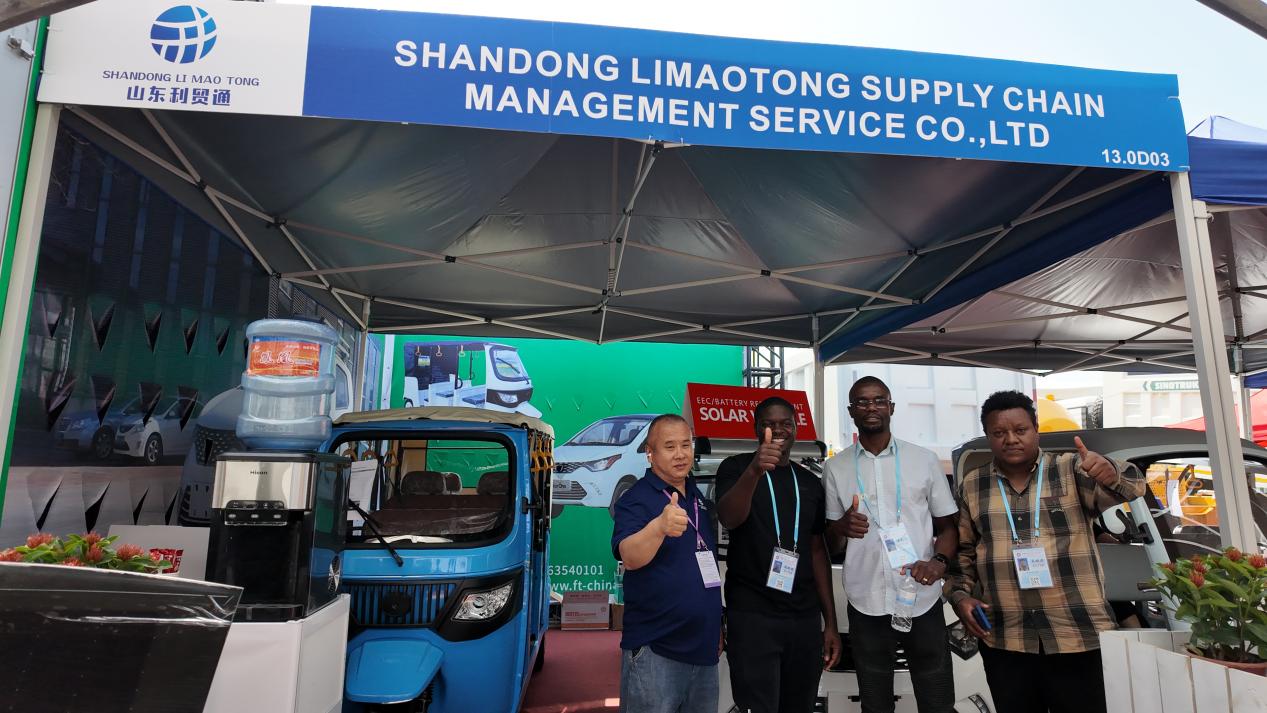
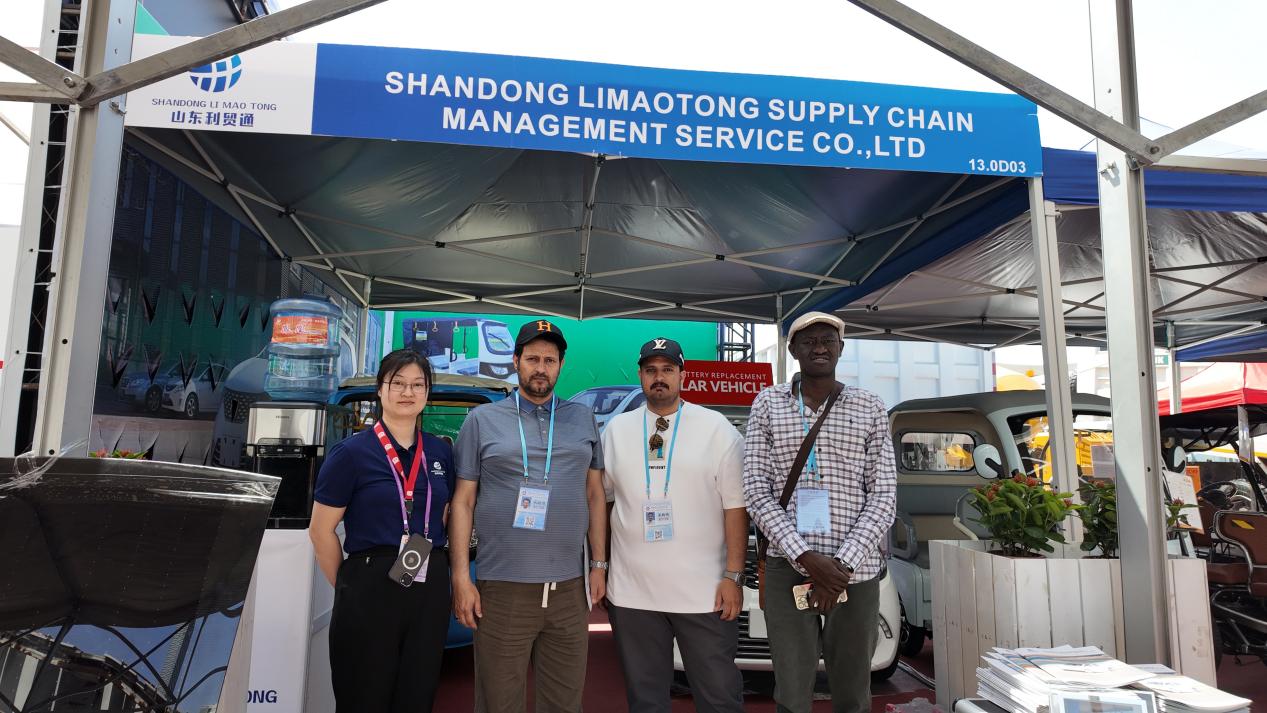
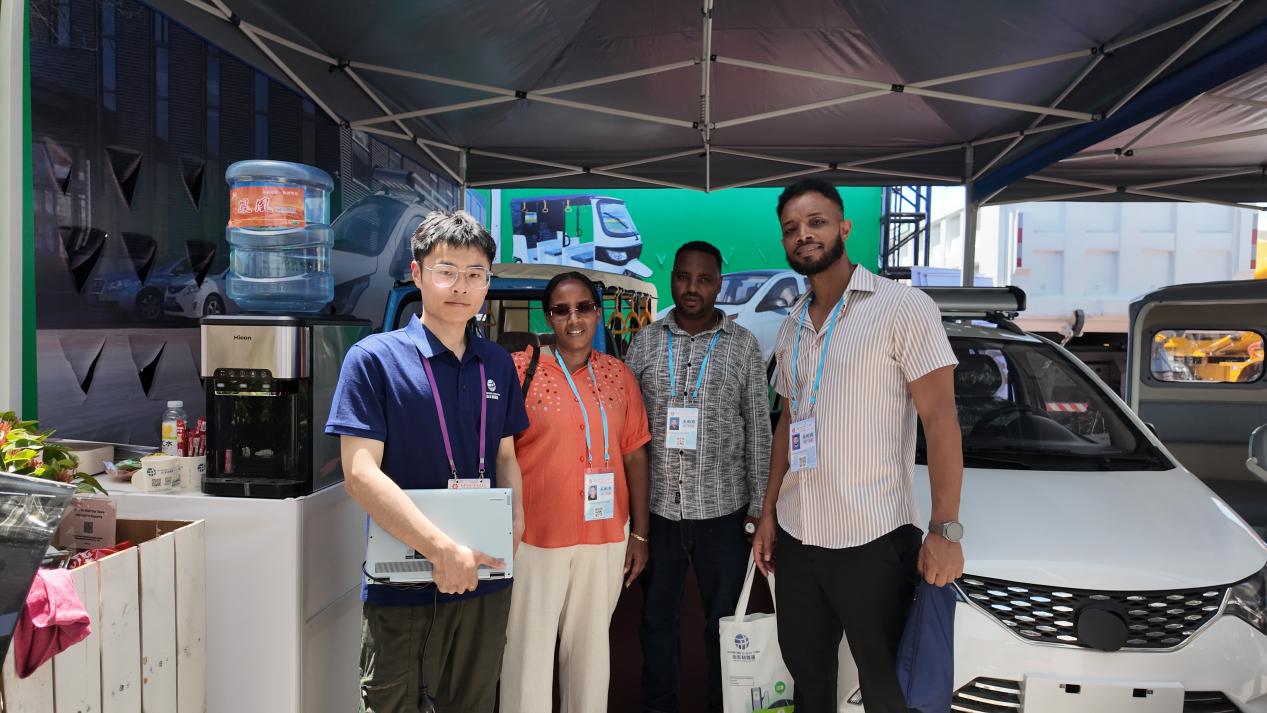
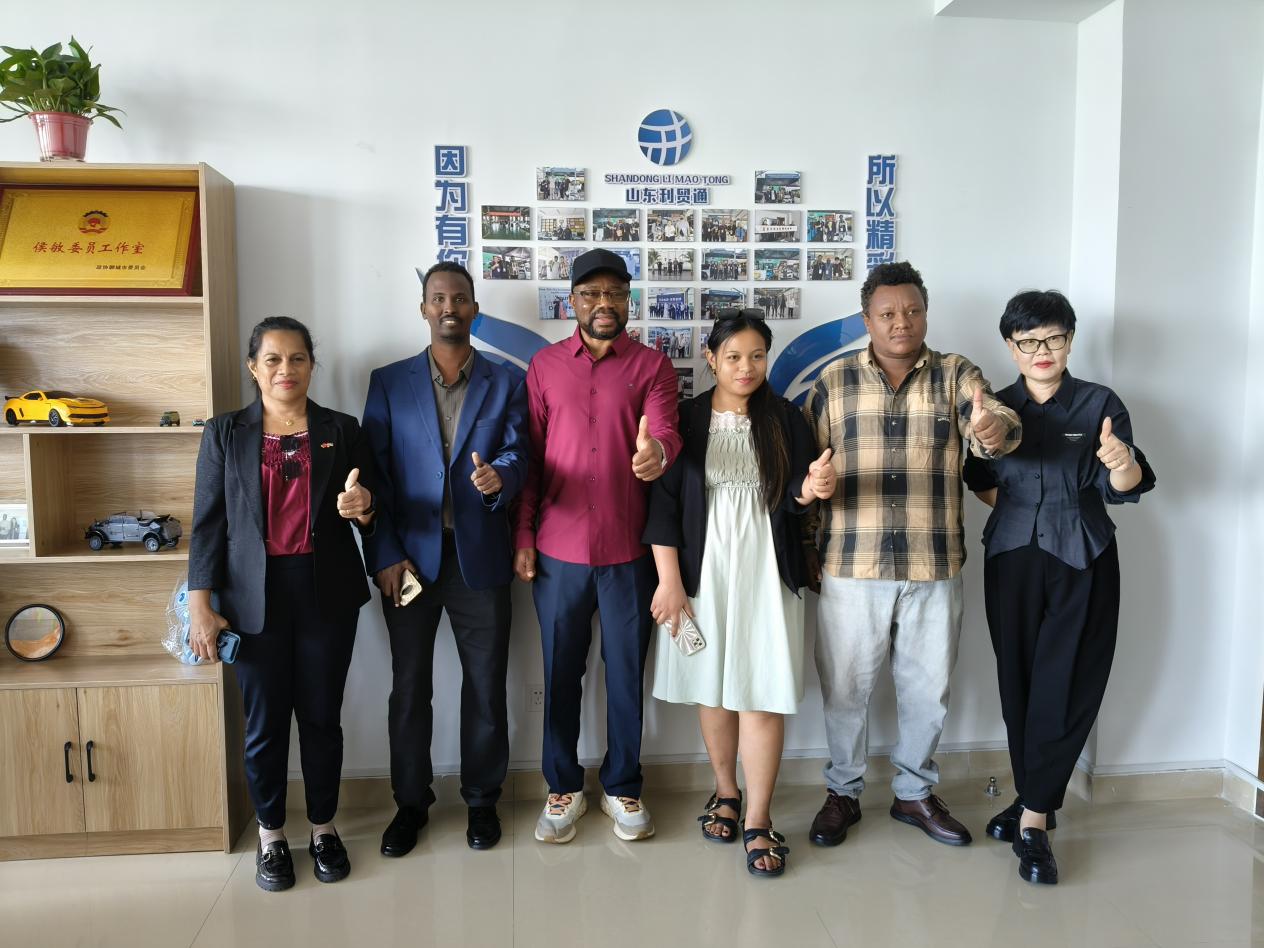
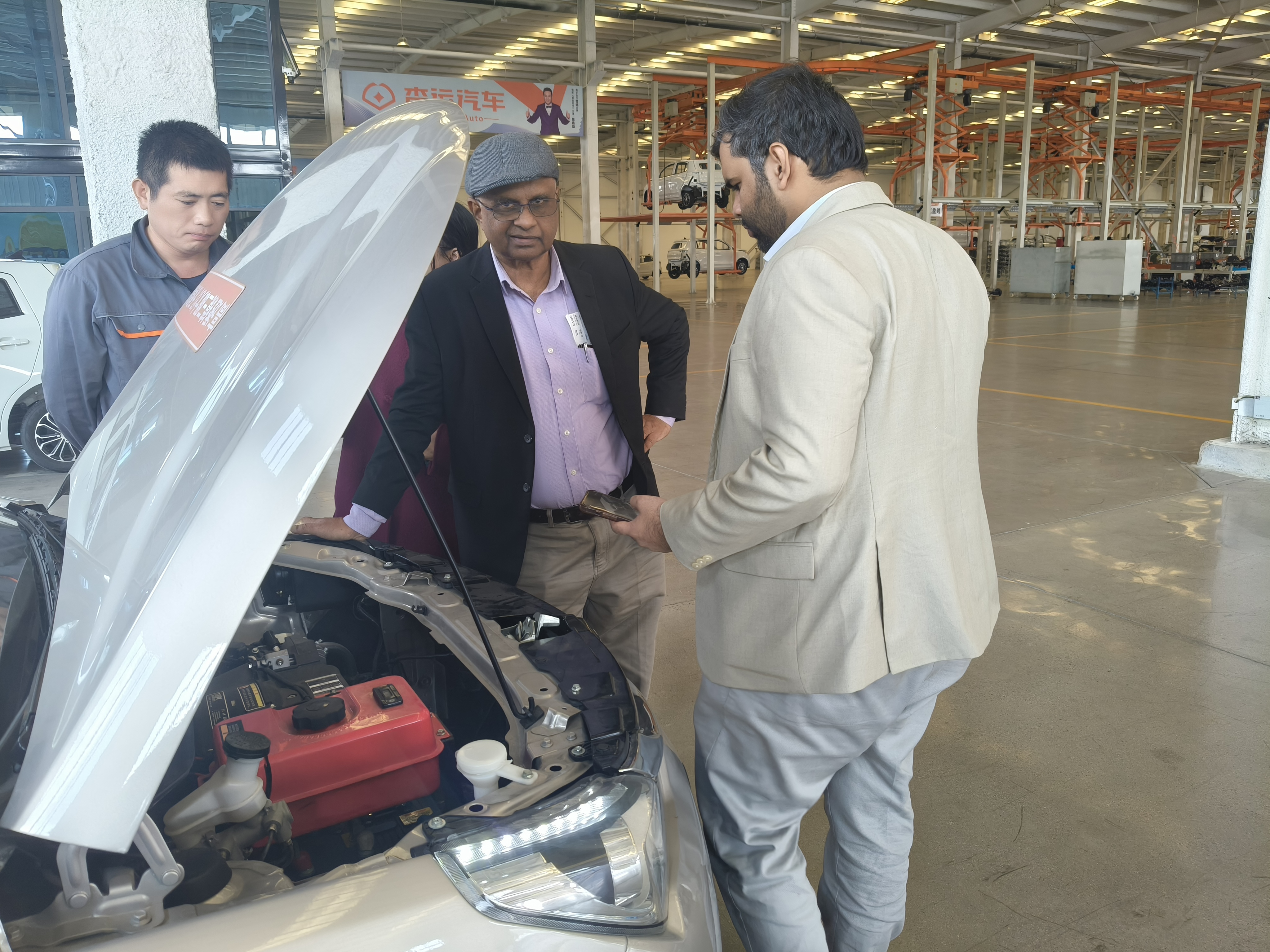
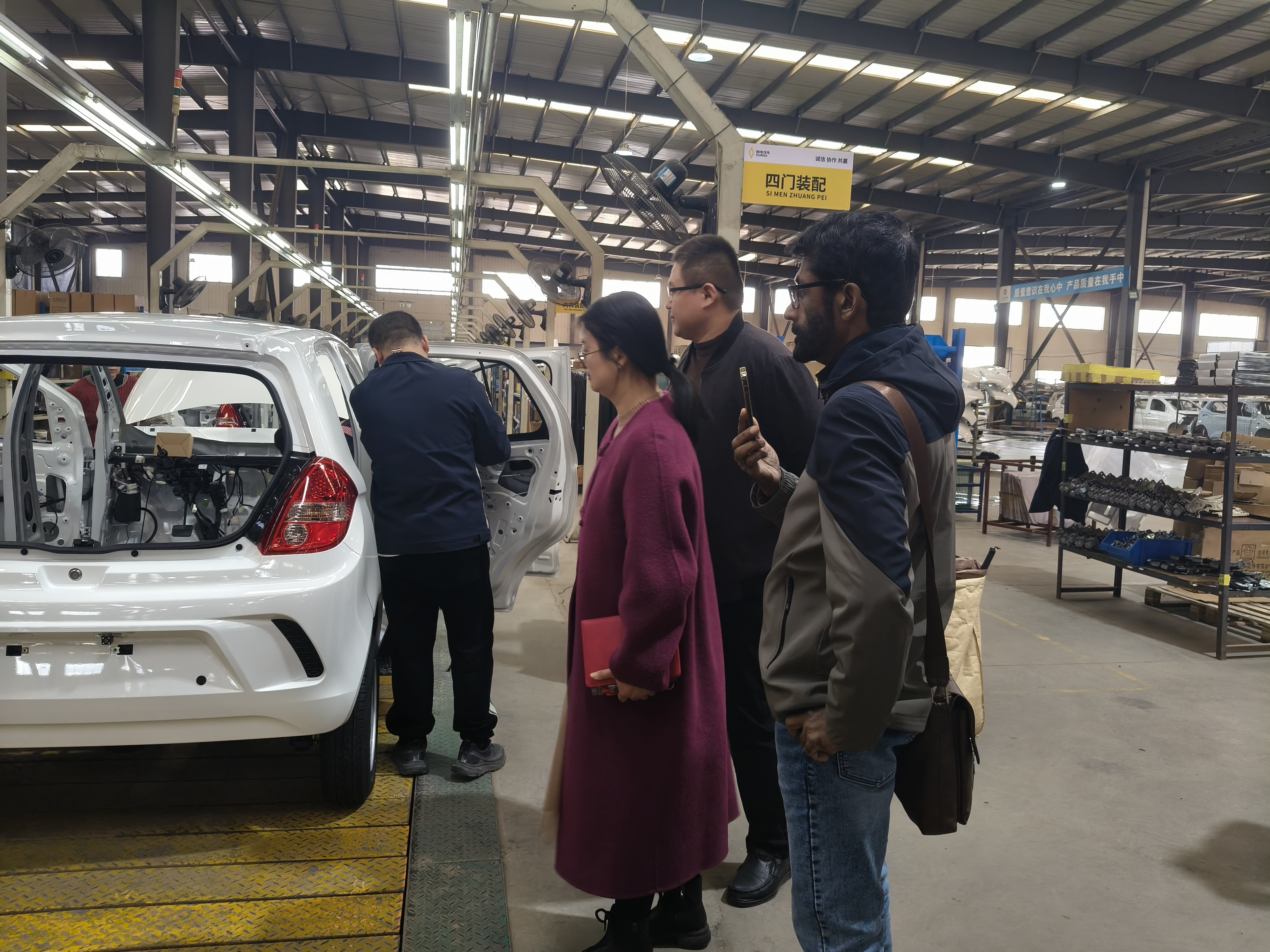
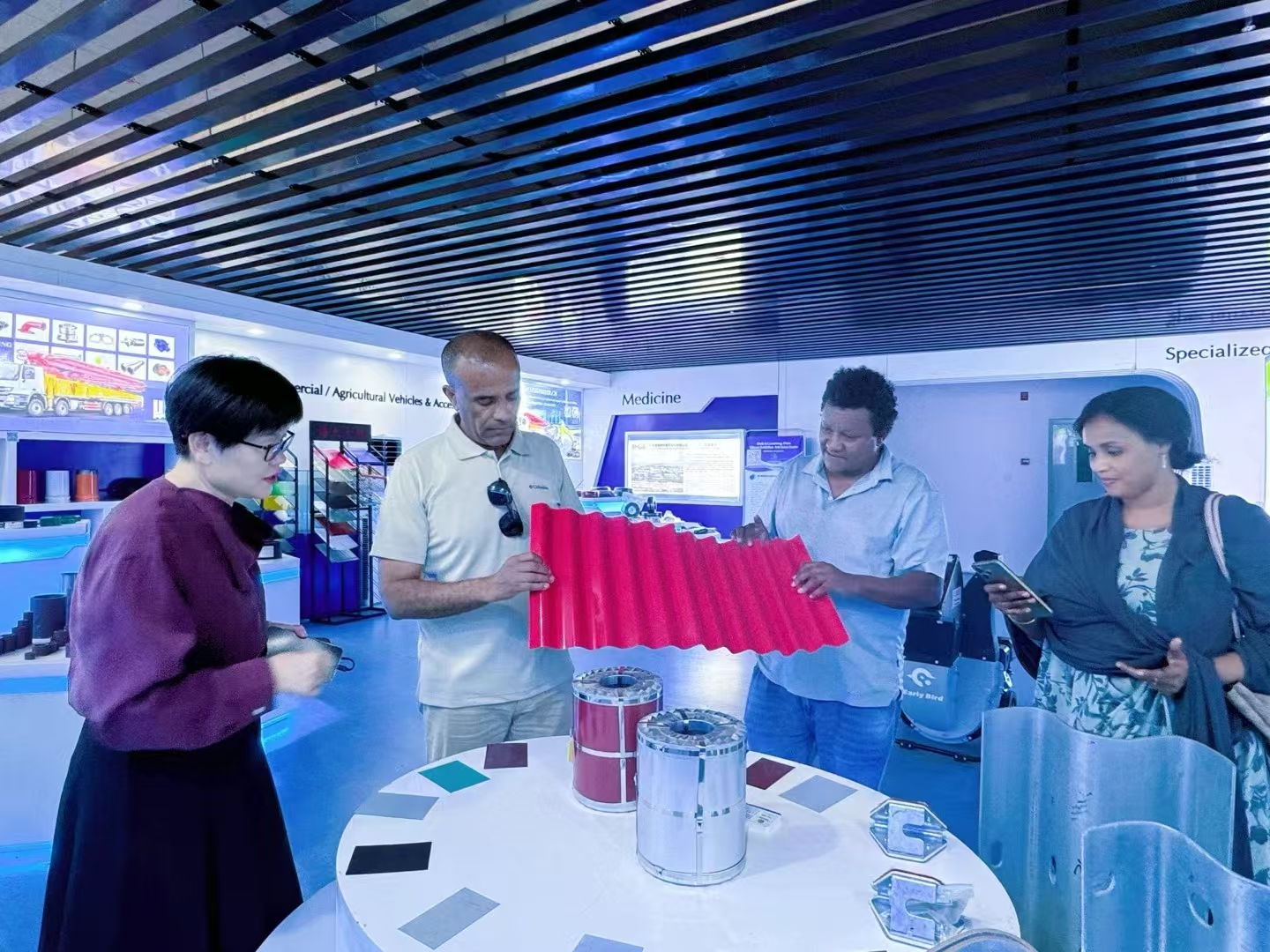
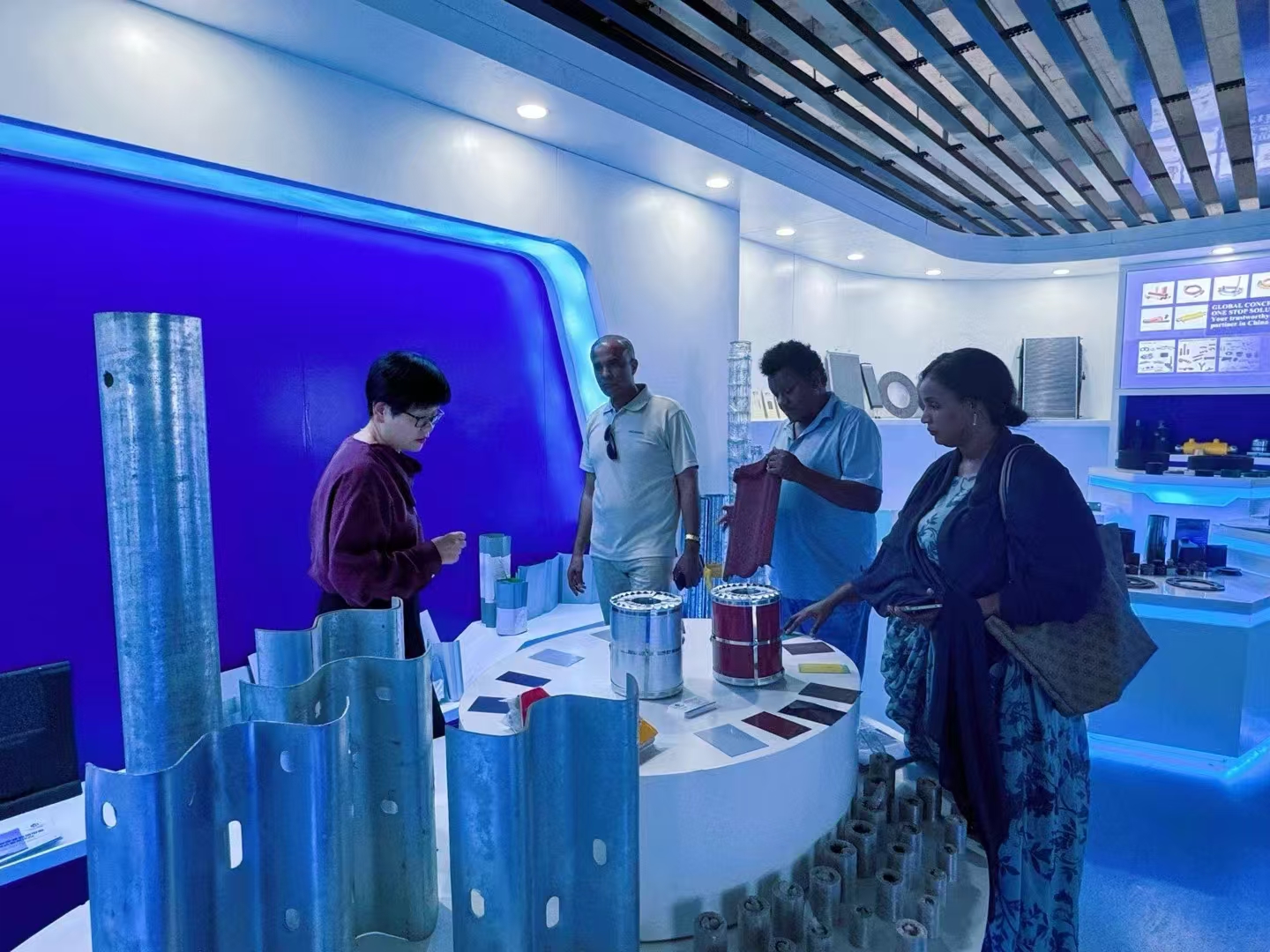
We host international clients for on-site inspections of our production facilities, testing laboratories, and robotic assembly systems.
The future of light EVs depends on battery innovation, drive efficiency, and integrated software. Our next-generation vehicle architectures focus on three main areas:
1. Energy Density & Cell Chemistry: We are transitioning from lead-acid setups to premium Lithium Iron Phosphate (LiFePO4) battery packs. LFP chemistry offers longer cycle life (exceeding 3,000 charge cycles at 80% Depth of Discharge) and better thermal stability. This ensures reliable operation under extreme temperatures.
2. Smart Energy Harvesting: Our research team is developing integrated solar roofs. By embedding monocrystalline solar panels into the roof structure, our vehicles can charge while driving, adding up to 25 km of range per day.
3. Advanced Powertrain Systems: Next-generation models feature highly efficient PMSM (Permanent Magnet Synchronous Motors) and regenerative braking systems. This technology captures kinetic energy during braking to recharge the battery pack.
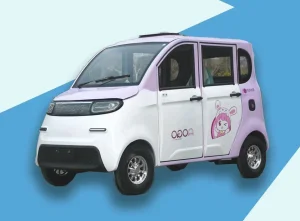
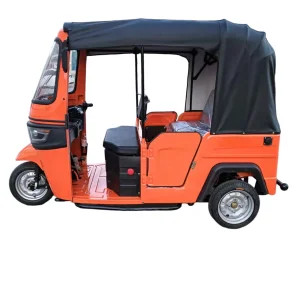
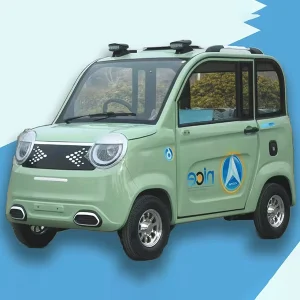
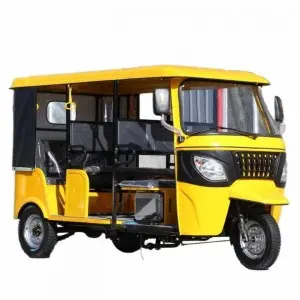
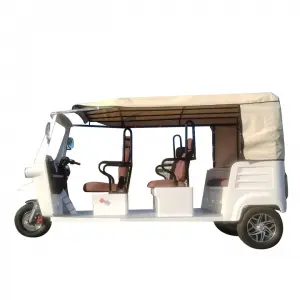
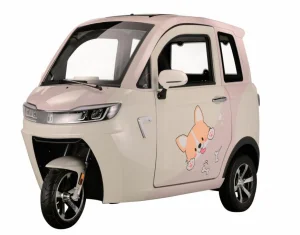
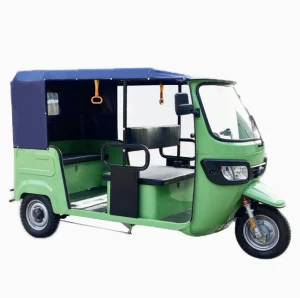
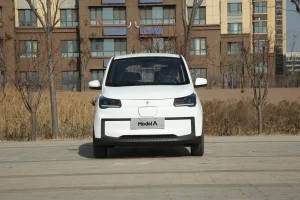
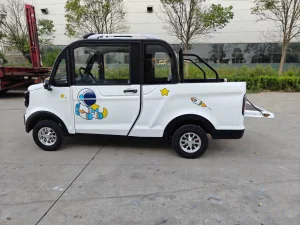
We supply a diverse range of vehicles tailored for different markets. Our catalog includes compact urban micro-cars, passenger tuk-tuks, and dual-purpose transport vehicles designed for commercial use.
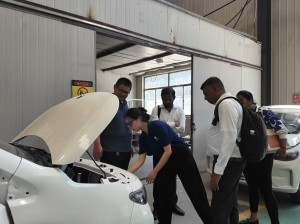

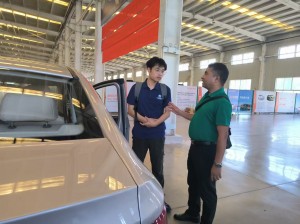
The Djibouti Exhibition and Sales Center was established in 2023 in the Djibouti International Free Trade Zone in East Africa. It works alongside Djibouti Economic and Trade Co., Ltd. to provide a comprehensive service platform for regional distributors. The center handles customs clearance, local distribution, and technical training. Using a "cross-border trade + front-end warehouse" model, we support our partners with local inventory management and after-sales service.


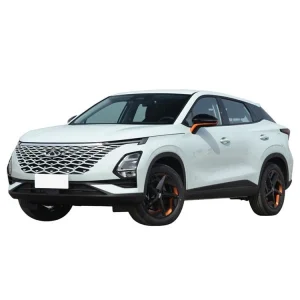
Explore our high-performance electric cars, new energy vehicles, and specialized passenger transportation fleets.
Get professional answers to common questions about three-wheel vehicle performance, compliance, customization, and logistics.
A comprehensive lineup of high-range electric tricycles, commuter vehicles, and utility options designed to support cleaner municipal transit systems.
 Limaotong