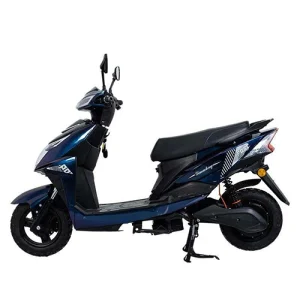
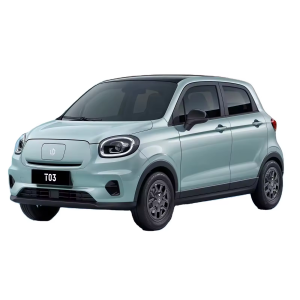
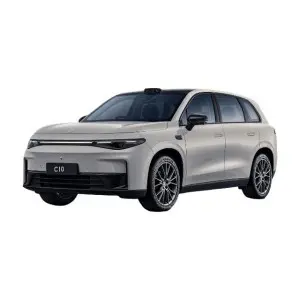
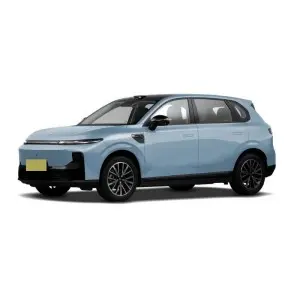
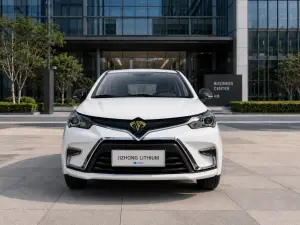
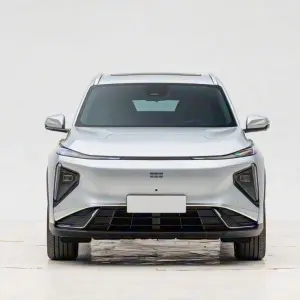
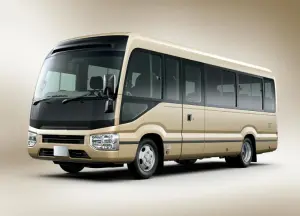
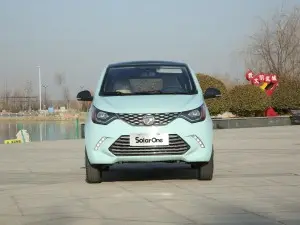
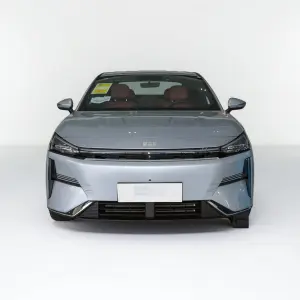
As the international transport sector undergoes an unprecedented transformation toward electrification, the demand for long-range Electric Vehicles (EVs) has expanded far beyond consumer passenger transport. Global commercial enterprises, third-party logistics (3PL) conglomerates, municipal public transit departments, and industrial plant systems are actively modernizing their fleets. The fundamental challenge of modern EV fleets lies in optimizing the Total Cost of Ownership (TCO) while overcoming range anxiety.
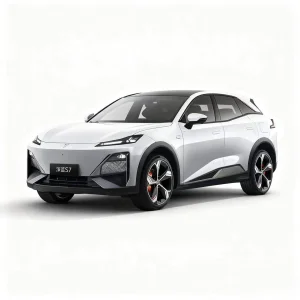
Long-range EV models, engineered with cell-to-pack (CTP) battery configurations, advanced thermal management systems, and high-efficiency motor controllers, represent the front line of this industrial paradigm shift. By extending operational ranges to 400km–600km per charge cycle, fleet operators can streamline dispatch configurations, minimize downtime at terminal chargers, and maintain routes previously dominated by internal combustion engine vehicles.
Today, sourcing departments face a highly fragmented ecosystem. Selecting the appropriate manufacturing partner demands deep due diligence into structural battery reliability, drivetrain efficiency, and supply chain continuity. This is where Chinese EV manufacturers have established an unmatched market advantage, driving innovation through intense localized industrial integration.
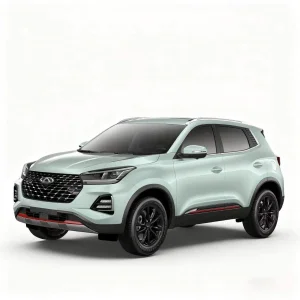
The global dominance of Chinese long-range electric cars, micro-EV passenger cars, cargo trucks, and commercial utility vans is rooted in specialized manufacturing networks. From raw lithium processing to complex system integration, Chinese assembly operations leverage direct geographical proximity to the world's most robust lithium iron phosphate (LFP) and nickel manganese cobalt (NMC) battery production facilities.
This geographic concentration creates an efficient, cost-optimized manufacturing environment:
By bypassing fragmented transnational logistic lines for key components, Shandong Li Mao Tong Group and comparable suppliers can maintain a steady flow of materials, customize designs rapidly, and reduce delivery lead times to international buyers.
Shandong Li Mao Tong Group is a globally integrated manufacturer of utility motor tricycles, robust cargo transit vehicles, high-end electric mini cars, and sightseeing transport buses. Guided by strict international quality standards, the group supplies reliable, custom vehicles to distributors in over 120 countries.
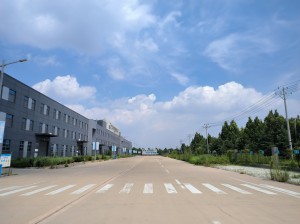
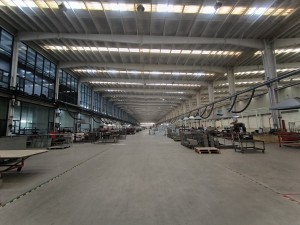
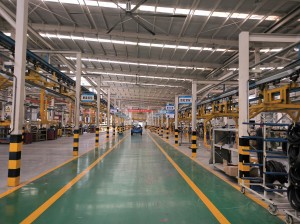
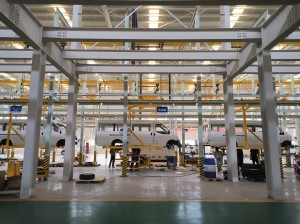
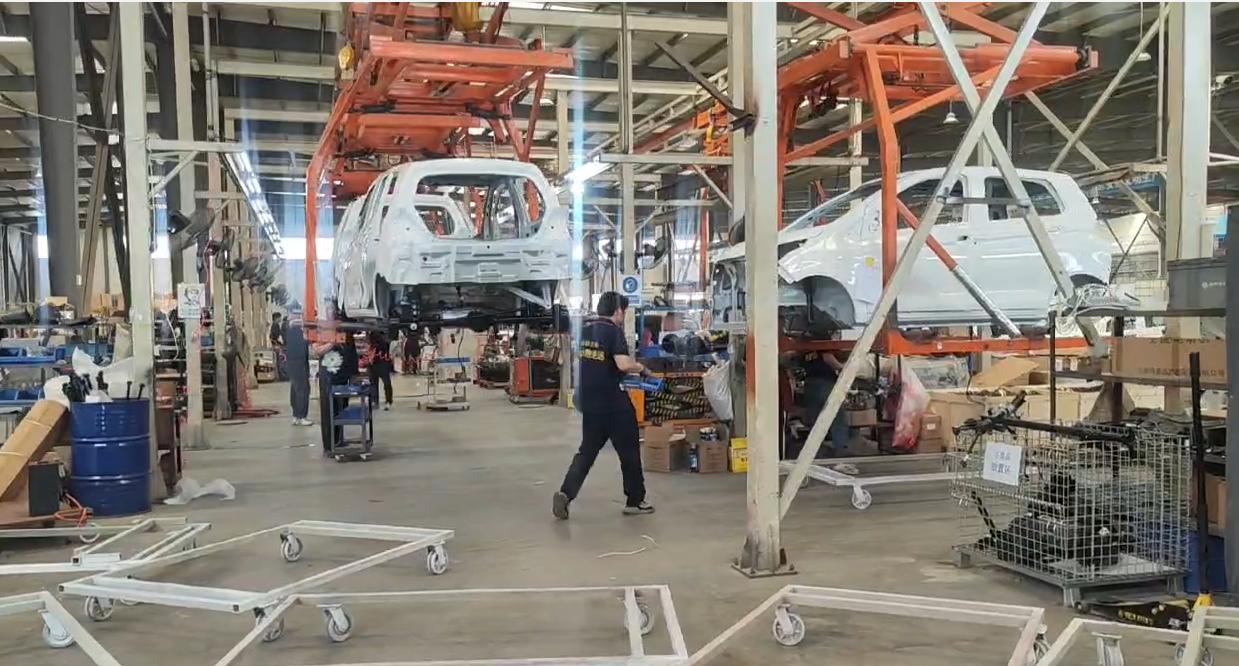
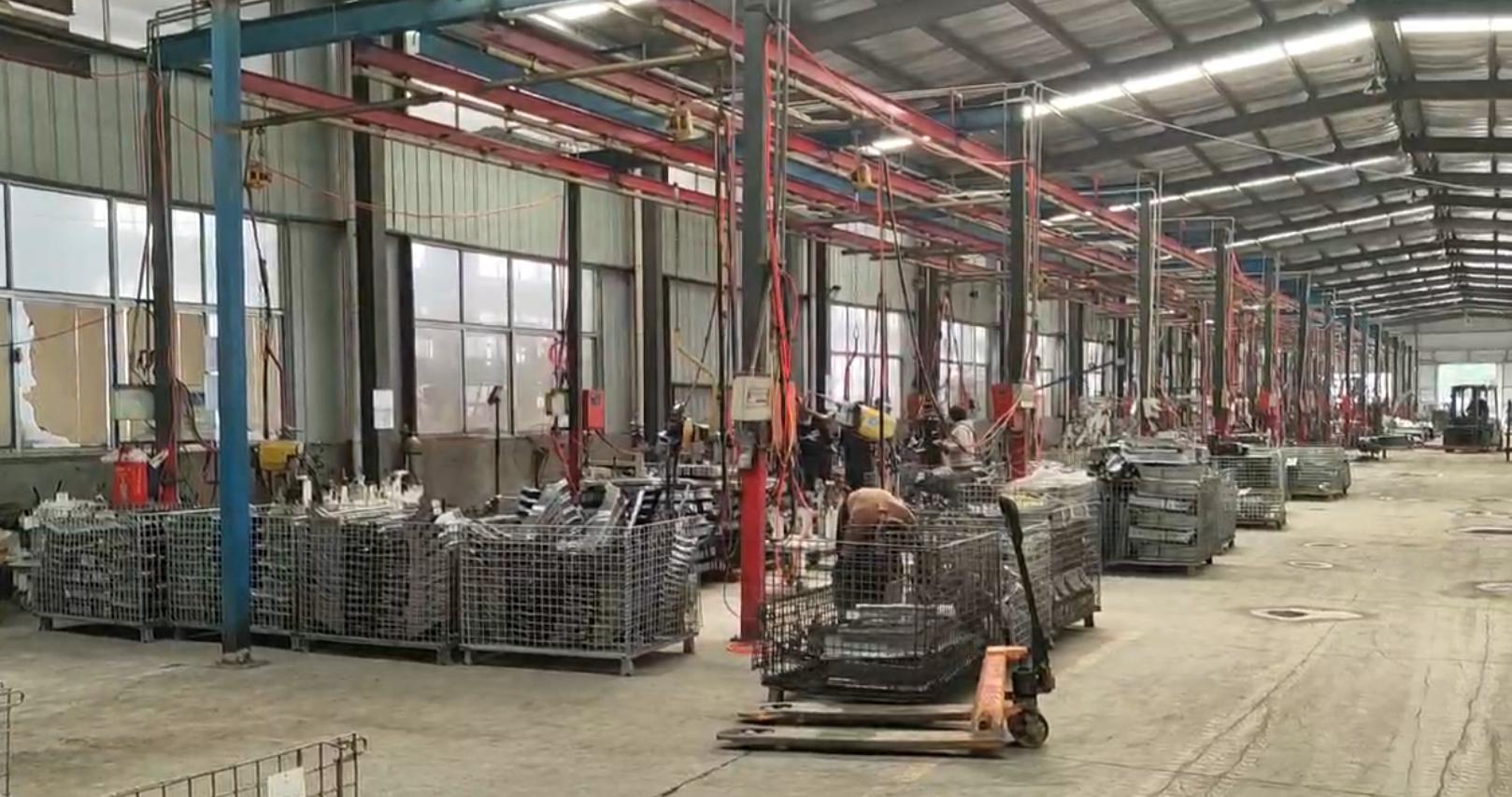
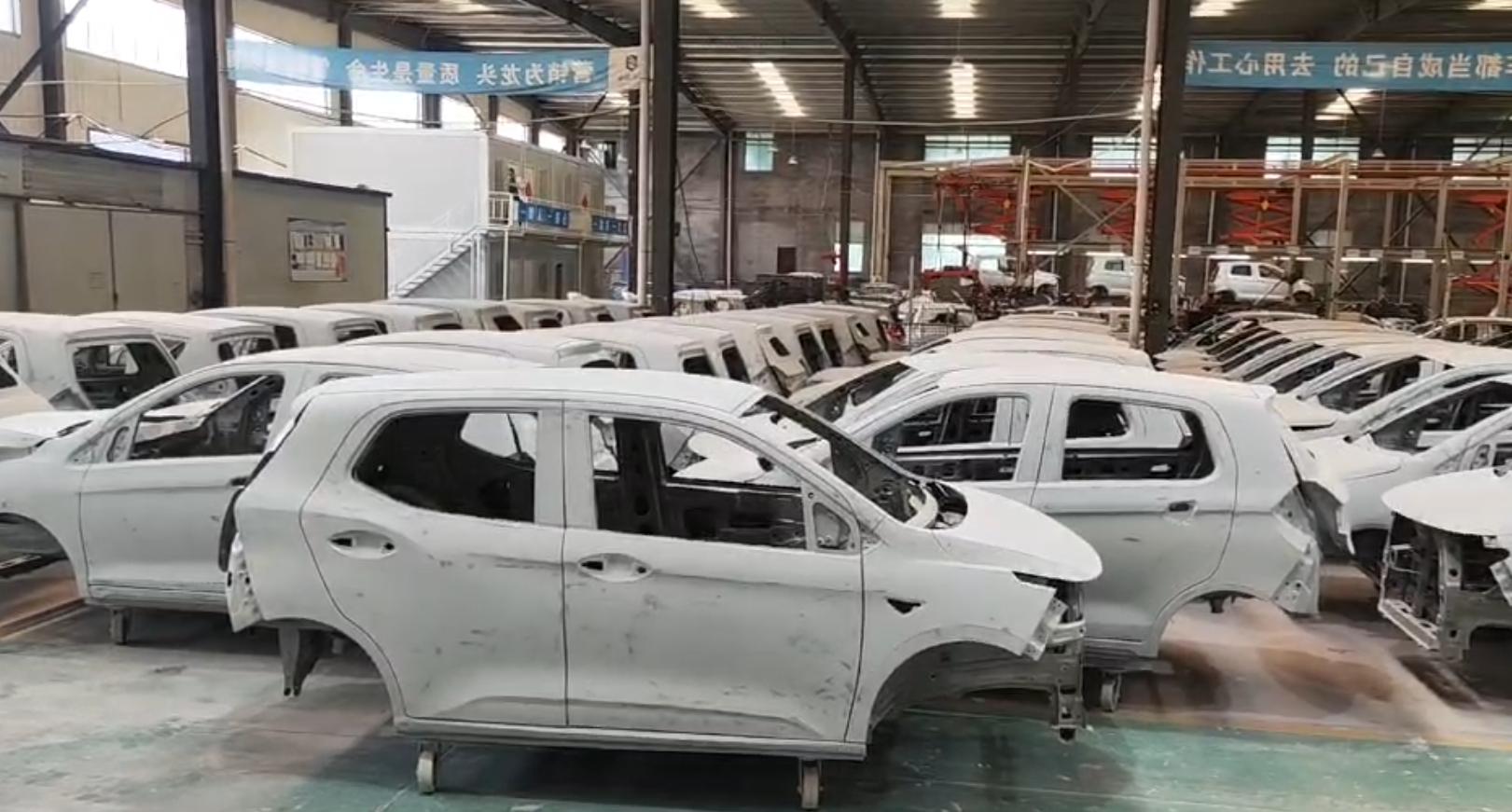
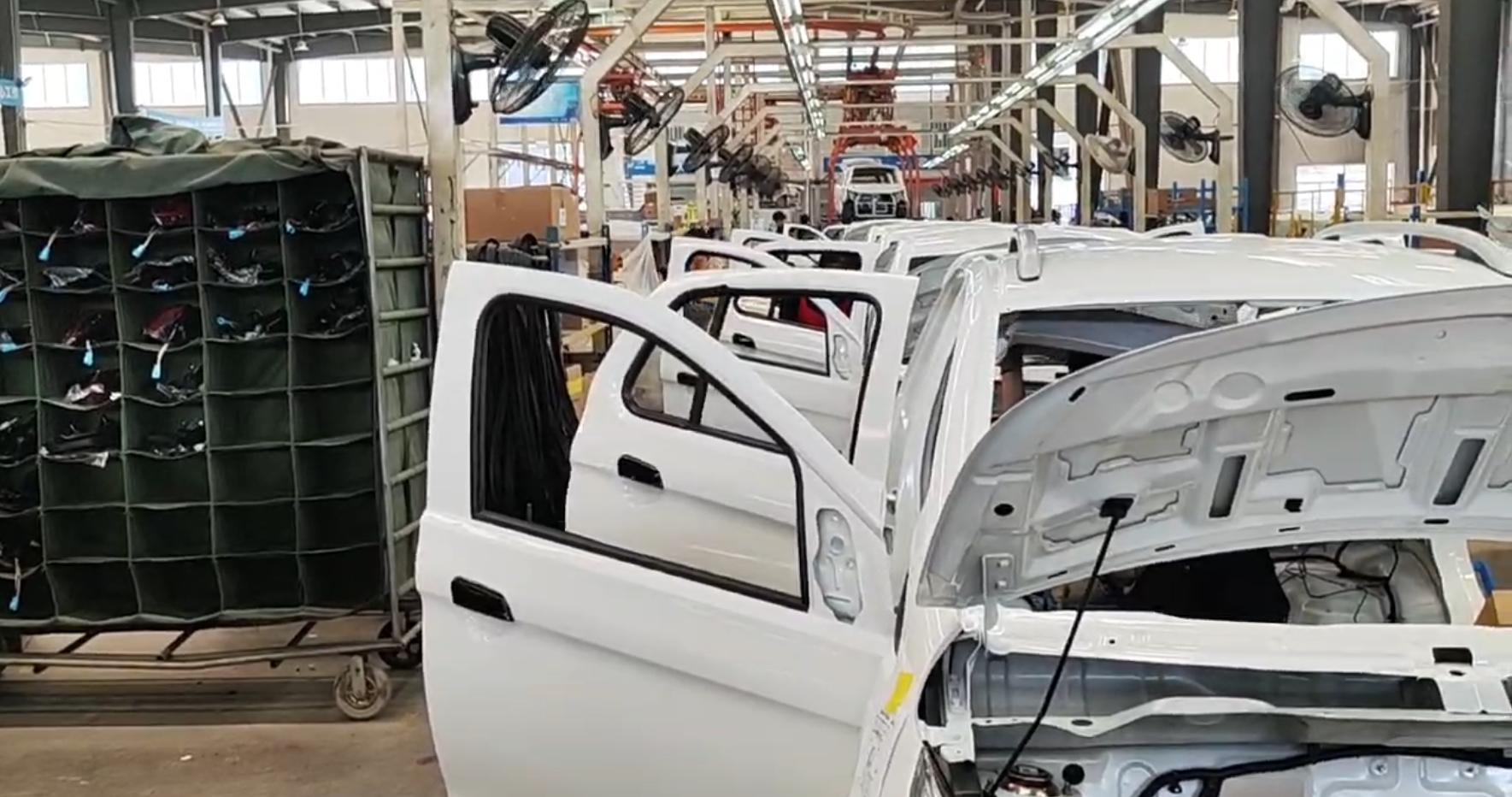
Equipped with state-of-the-art robotic welding, automated paint lines, and automated vehicle calibration systems, Li Mao Tong integrates design, manufacturing, and global shipping. Their dedicated support systems and localized overseas warehouses ensure immediate parts delivery and engineering support.
Learn More DetailsStandardizing fleet operations across distinct geographic terrains and legislative environments requires versatile EV layouts. Long-range power models are engineered for diverse deployment profiles:
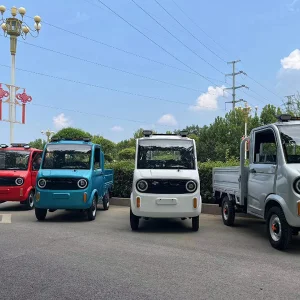
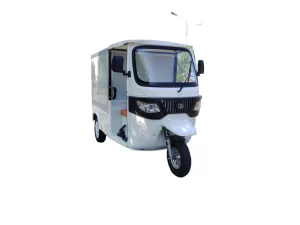
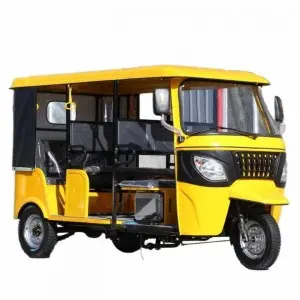
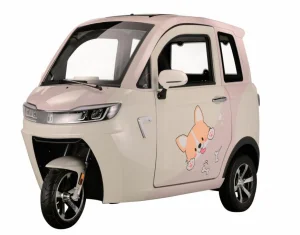
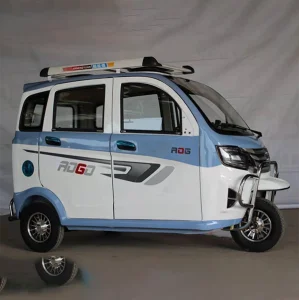
E-commerce delivery requires reliable stop-and-go performance. Enclosed electric cargo tricycles and micro-delivery vans provide high cargo volume, agile handling, and long battery life. This allows drivers to complete multiple delivery routes without midday recharging.
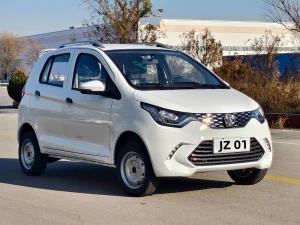
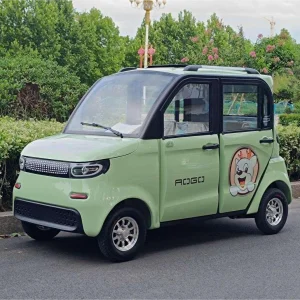
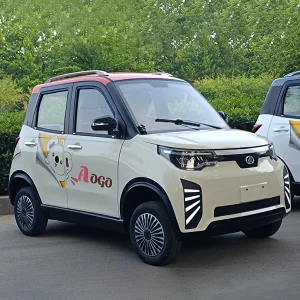
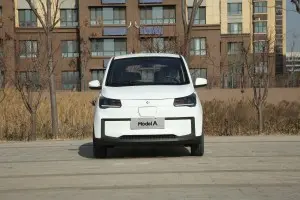
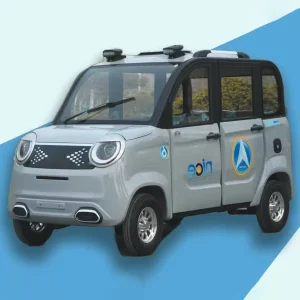
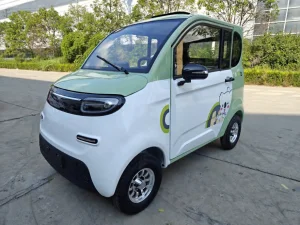
Ride-hailing companies and urban taxi fleets rely on vehicles that offer high daily mileage and fast charging. Mini passenger EVs like the JZ 01 balance passenger comfort with low maintenance costs. Their long driving range enables continuous operation throughout full passenger shifts.
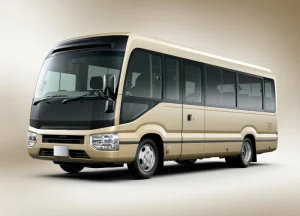
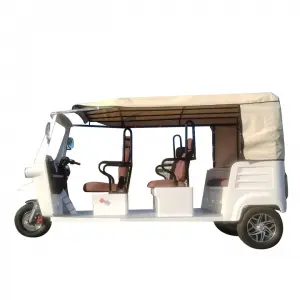
Luxury resort properties, historical zones, and city centers demand clean, quiet transportation. Open-air electric sightseeing buses (like the V11E) provide silent, zero-emission operation, improving the guest experience while lowering energy costs.
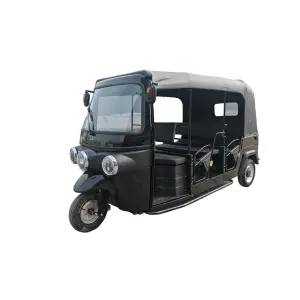
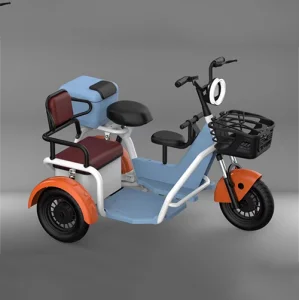
Industrial parks, mining sites, and agricultural facilities benefit from rugged mini electric dump trucks and heavy-duty three-wheeled utility haulers. These configurations handle challenging terrain and carry heavy materials, providing a cost-effective alternative to diesel utility machinery.
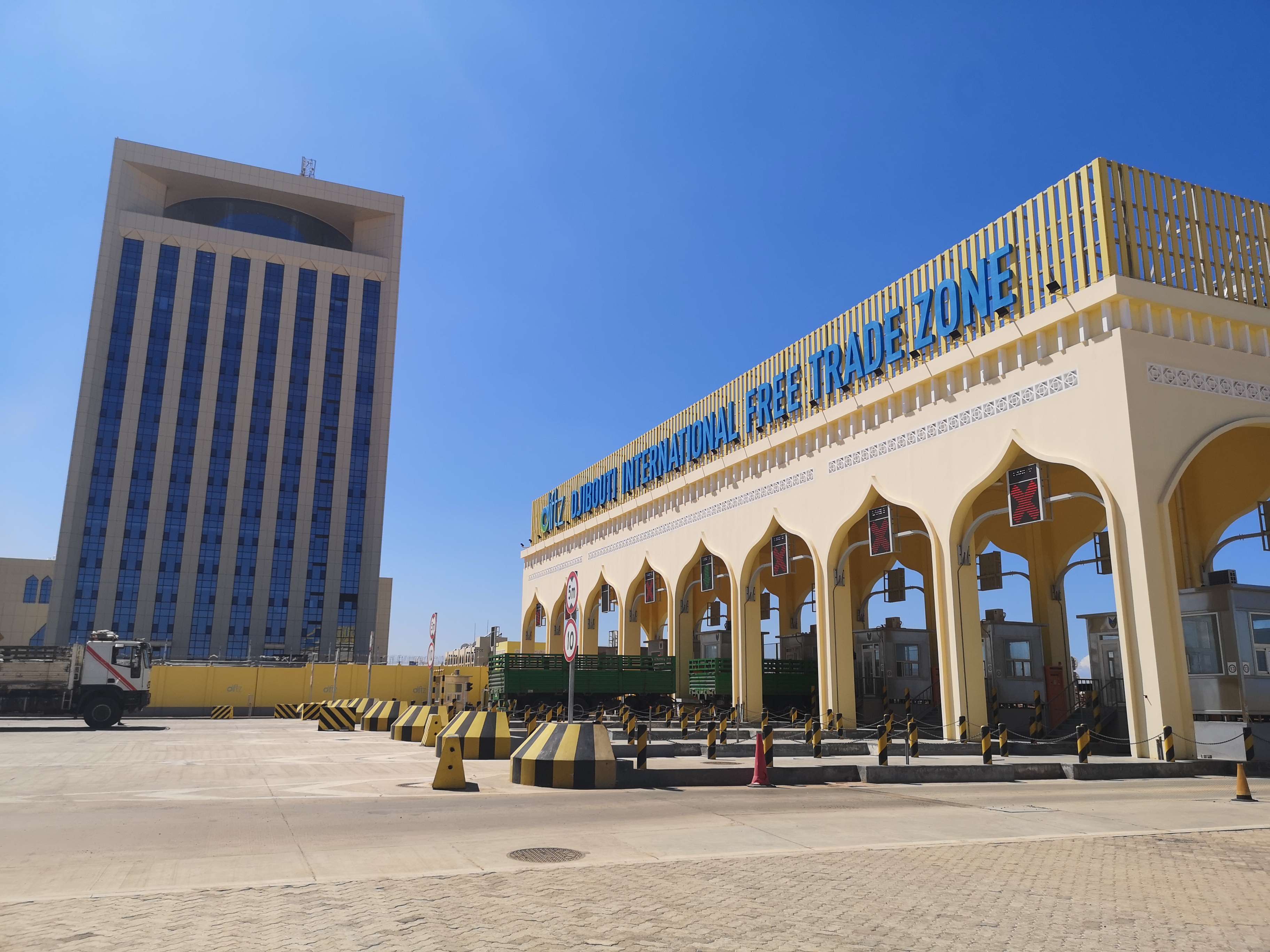
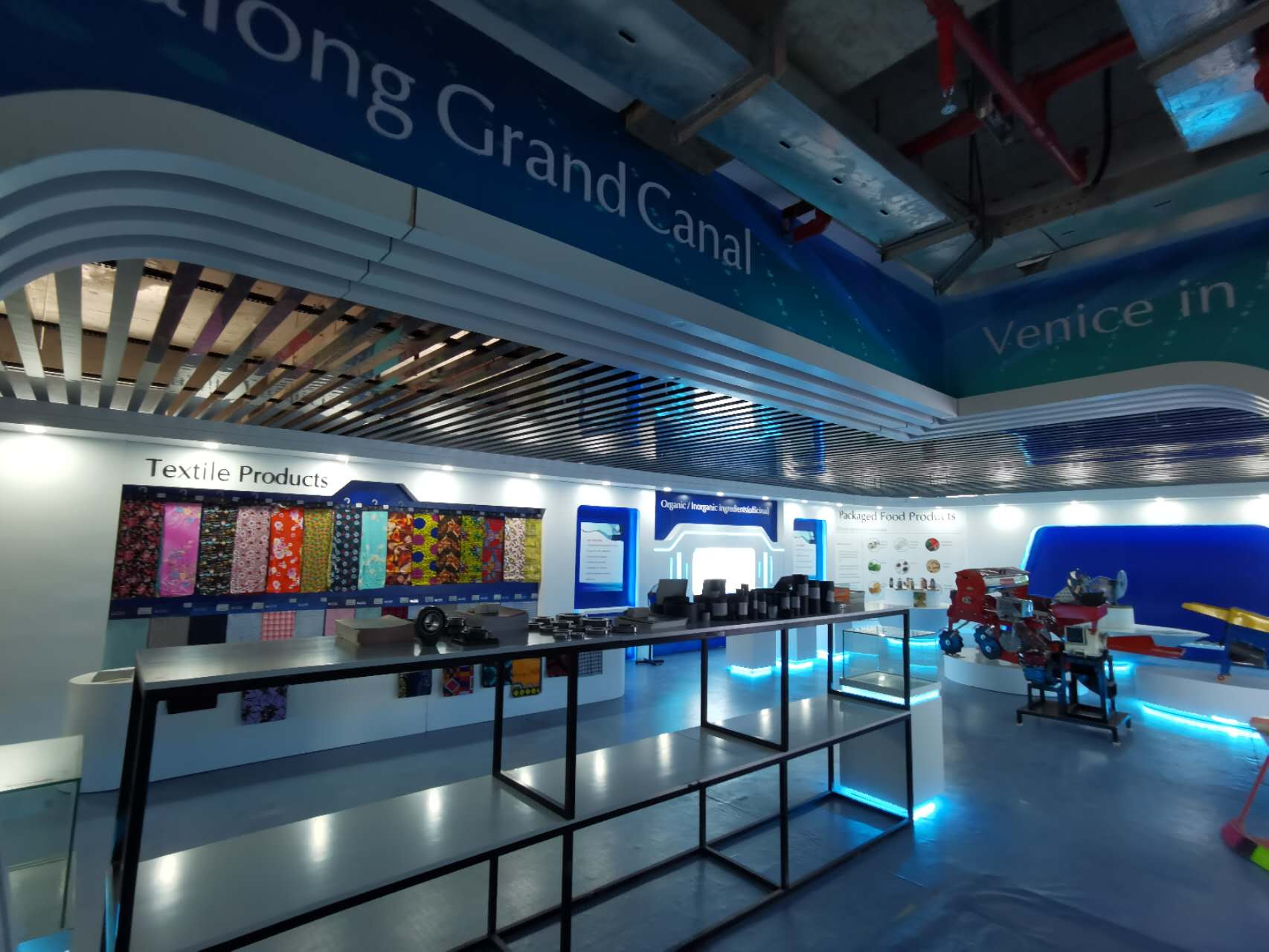
A major bottleneck for sourcing machinery globally is the availability of replacement parts and after-sales support. To address this, Shandong Li Mao Tong Group established a dedicated Cross-Border E-Commerce Exhibition and Sales Center in East Africa in 2023.
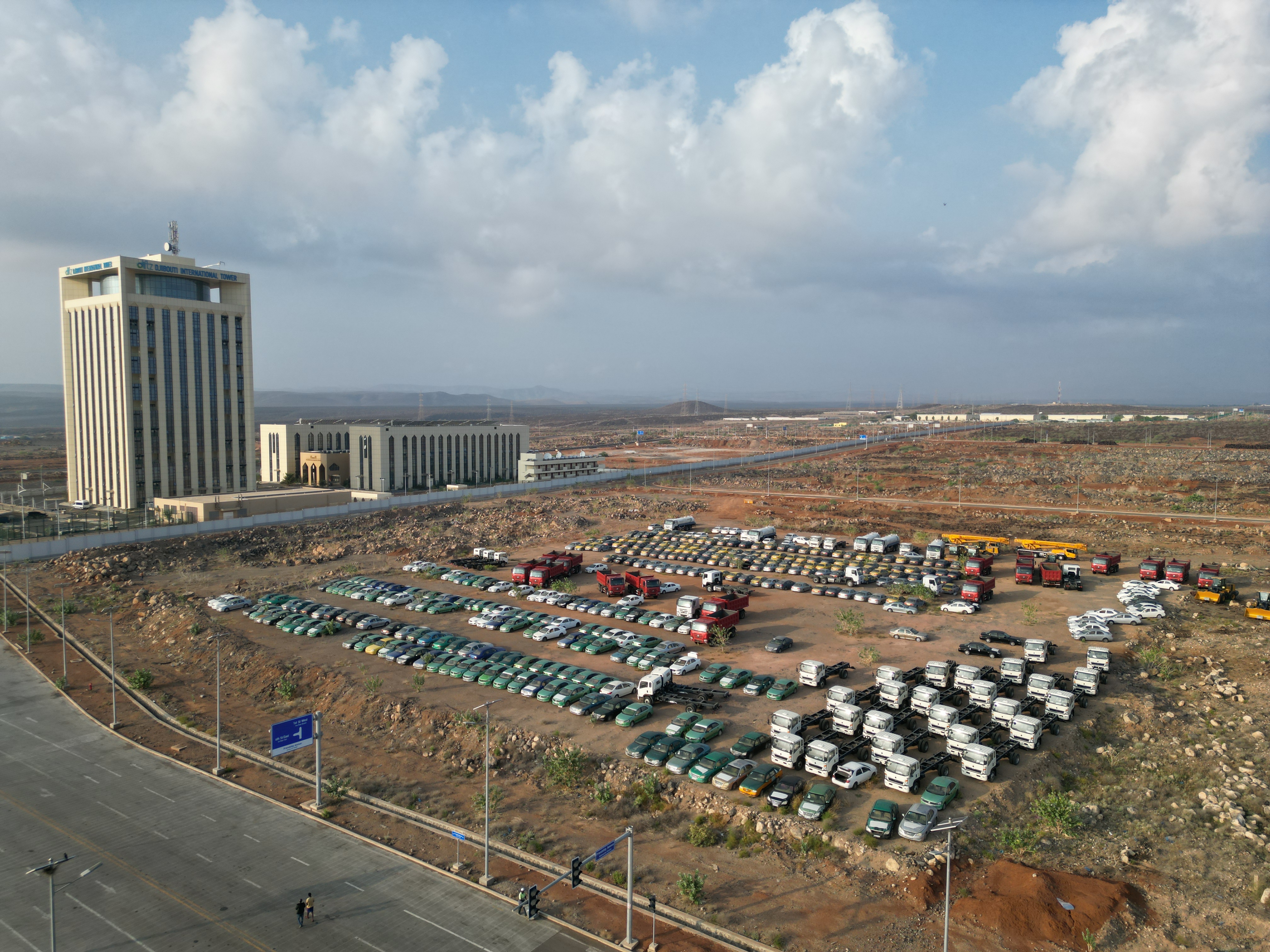
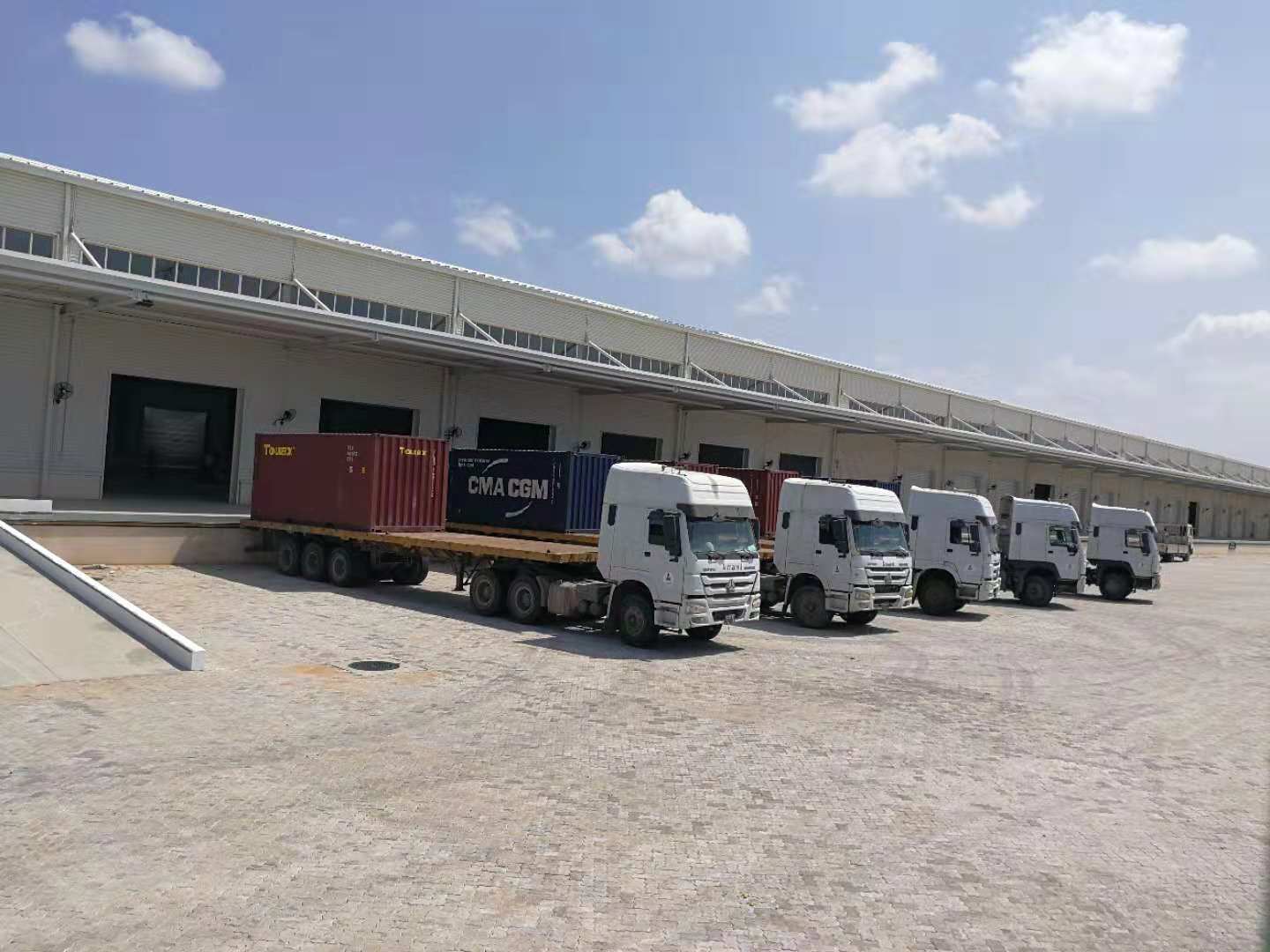
Located in the Djibouti International Free Trade Zone, this hub acts as a regional warehouse. By linking localized distribution networks in Africa with direct factory support in China, the facility provides:
This regional support network ensures overseas clients receive dependable, long-term backing for their transport fleets.
The Djibouti sales center provides regional supply chain support for Africa's growing green transport markets.
This hub combines on-site vehicle showrooms with local parts storage. By maintaining stock locally, it reduces shipping times for municipal, taxi, and delivery fleets throughout the region.
When selecting an OEM or ODM manufacturing partner for a long-range EV fleet, procurement managers should evaluate the following technical and operational criteria:
Examine the supplier's thermal management systems and battery configurations. LFP (Lithium Iron Phosphate) batteries offer longer cycle life and thermal stability, making them well-suited for high-intensity commercial and delivery vehicles. NMC (Nickel Manganese Cobalt) batteries, on the other hand, provide higher energy density, which is advantageous for passenger cars requiring longer driving ranges.
Confirm the manufacturer holds appropriate quality and export credentials (such as EEC, DOT, EPA, or ISO 9001). Sourcing certified vehicles ensures compliance with local safety and environmental standards, simplifying registration and licensing.
For markets with high import tariffs on fully assembled vehicles, check if the manufacturer offers Completely Knocked Down (CKD) or Semi-Knocked Down (SKD) options. Sourcing components for local assembly can reduce shipping volume, lower import duties, and create local assembly jobs.
Assess the supplier's capacity to adjust battery capacities, motor outputs, transmission configurations, and vehicle finishes. Sourcing custom-built vehicles ensures performance is optimized for the local environment and intended commercial application.
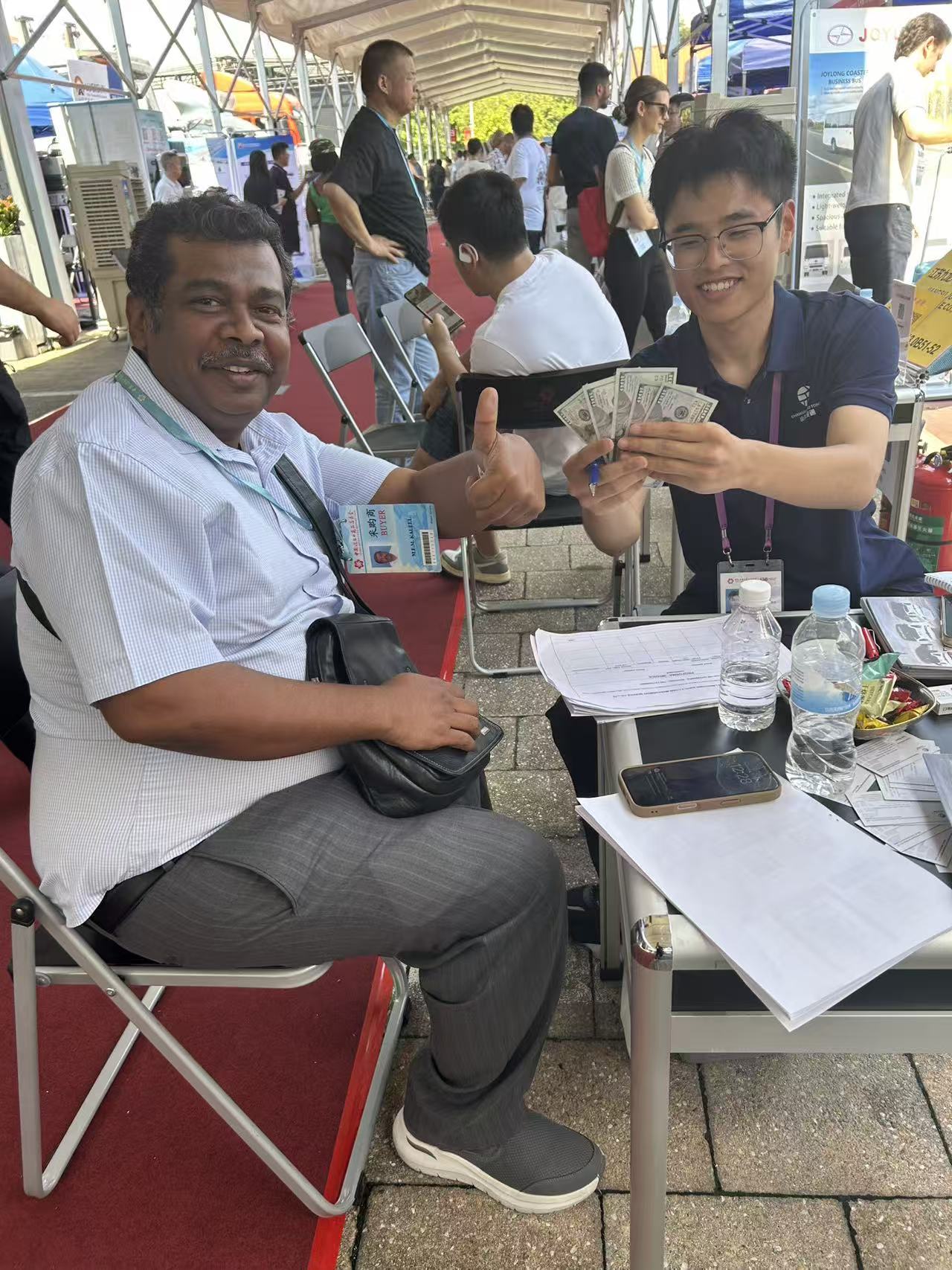
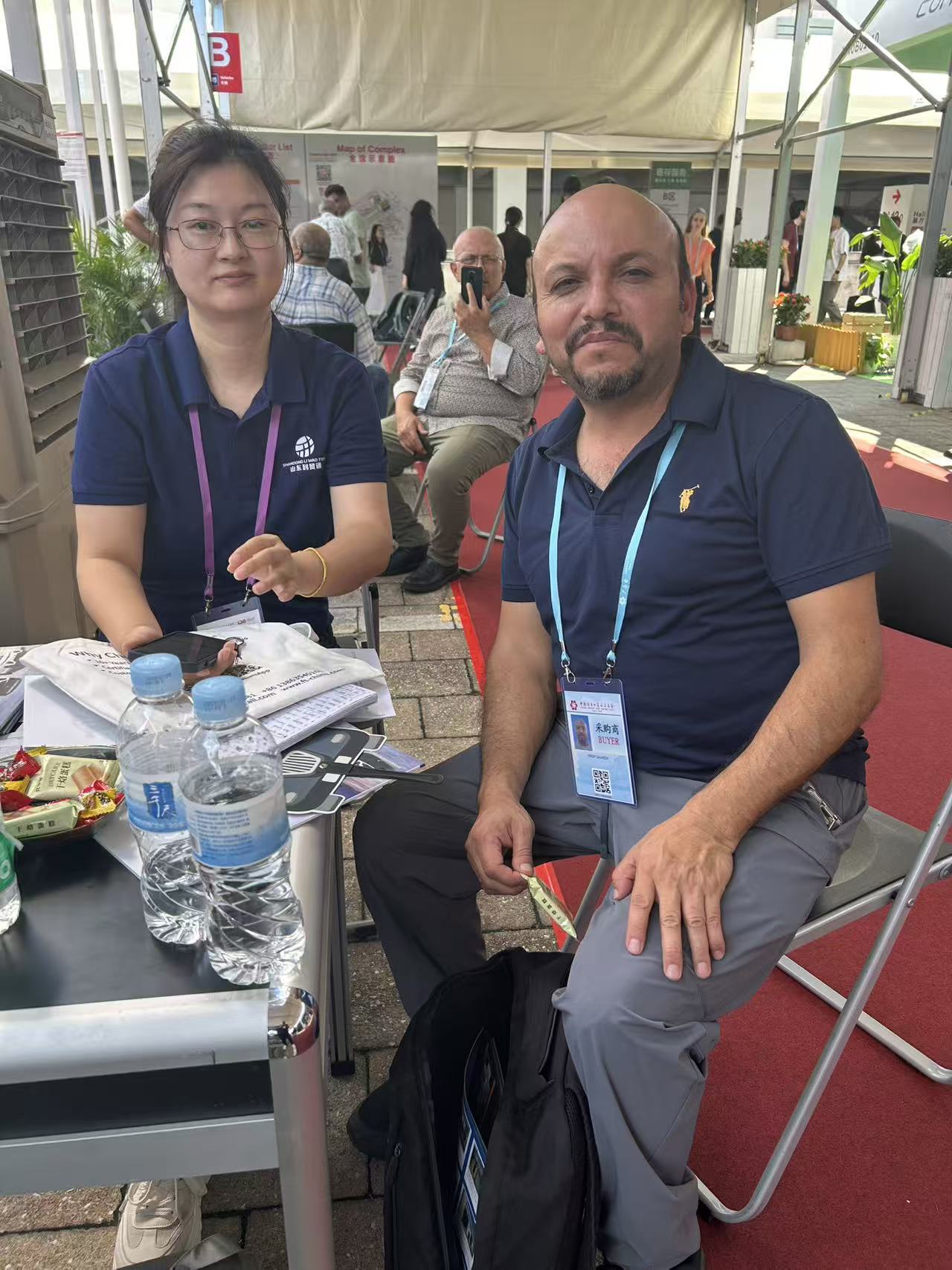
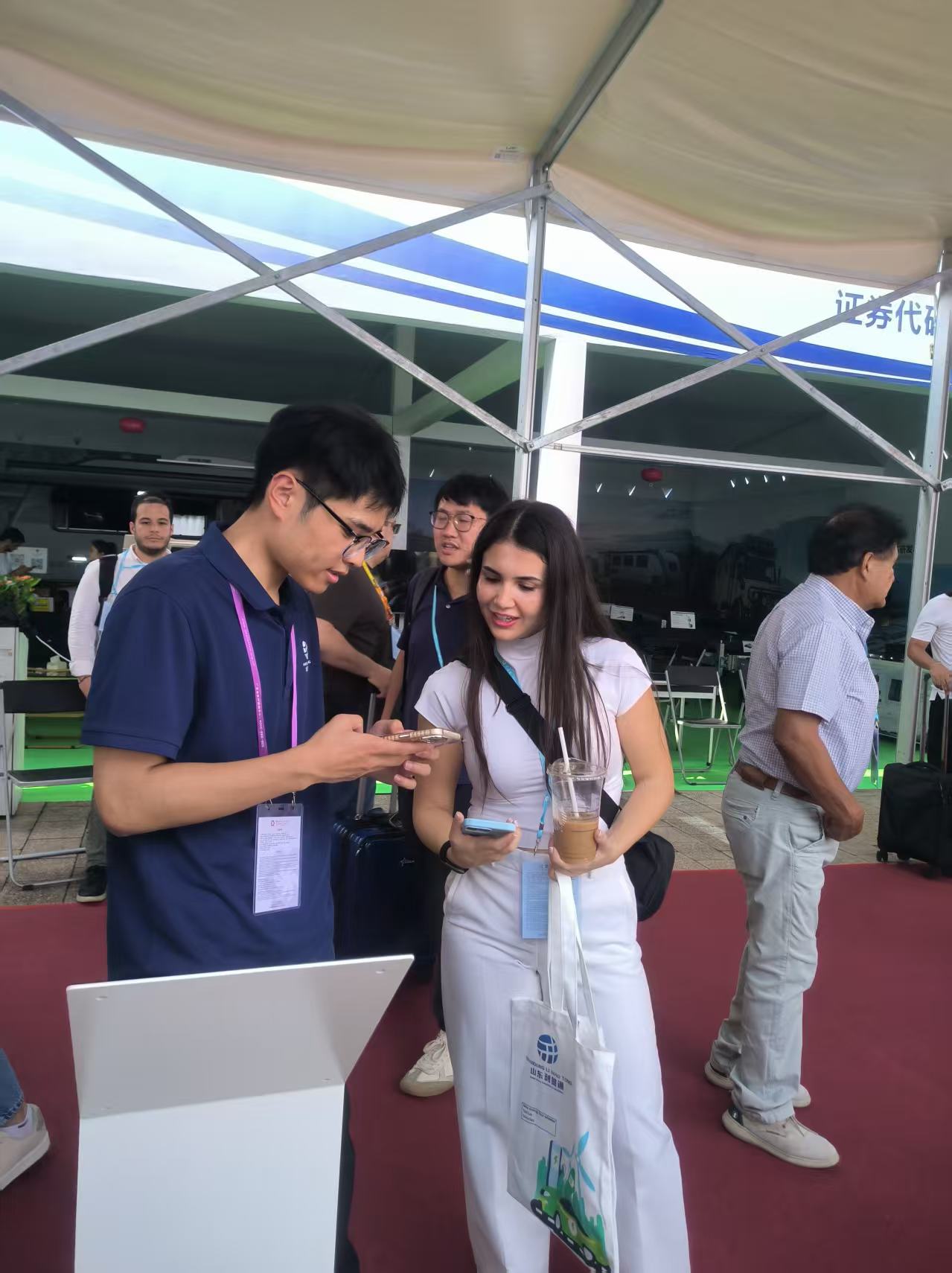
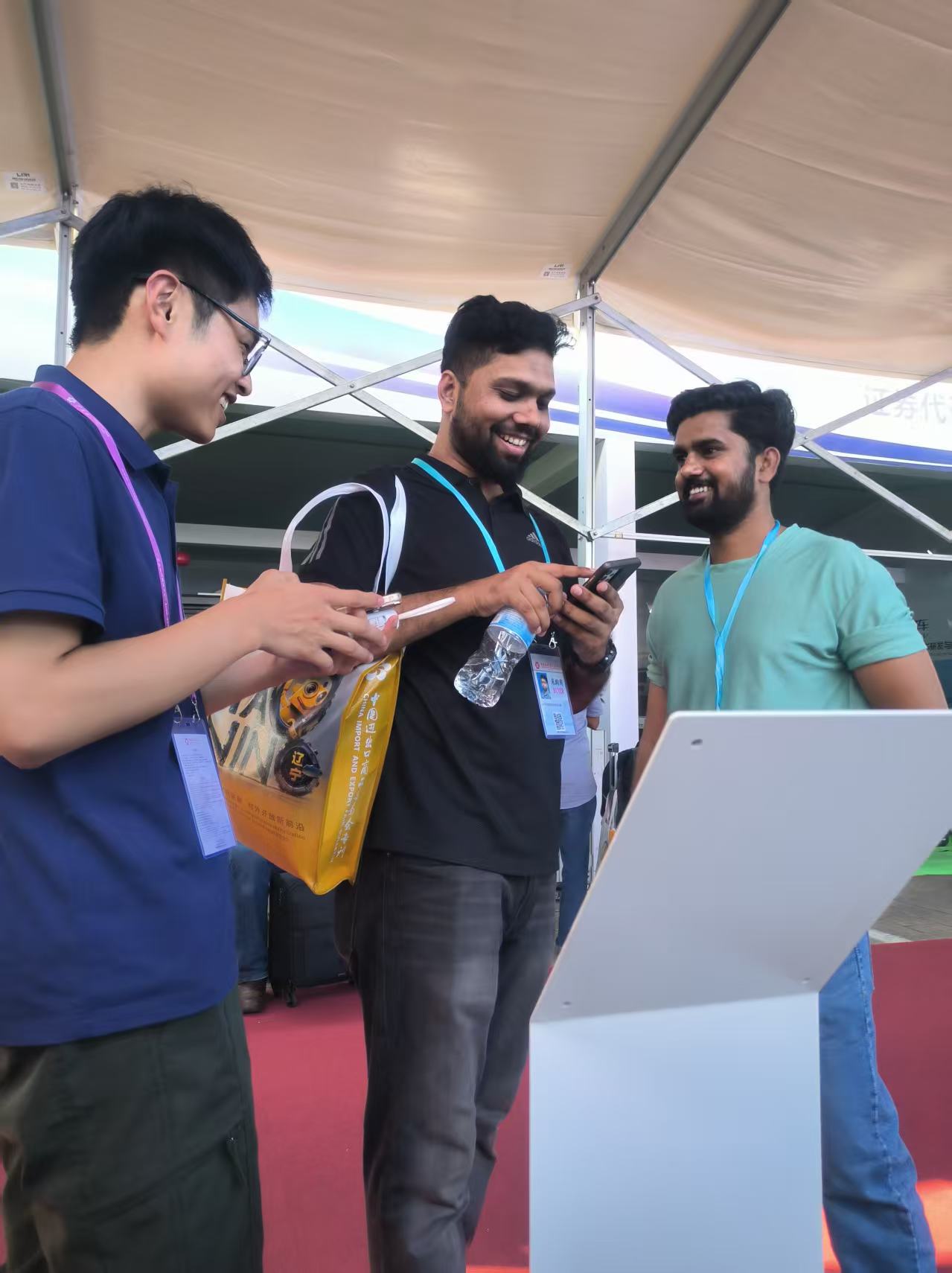
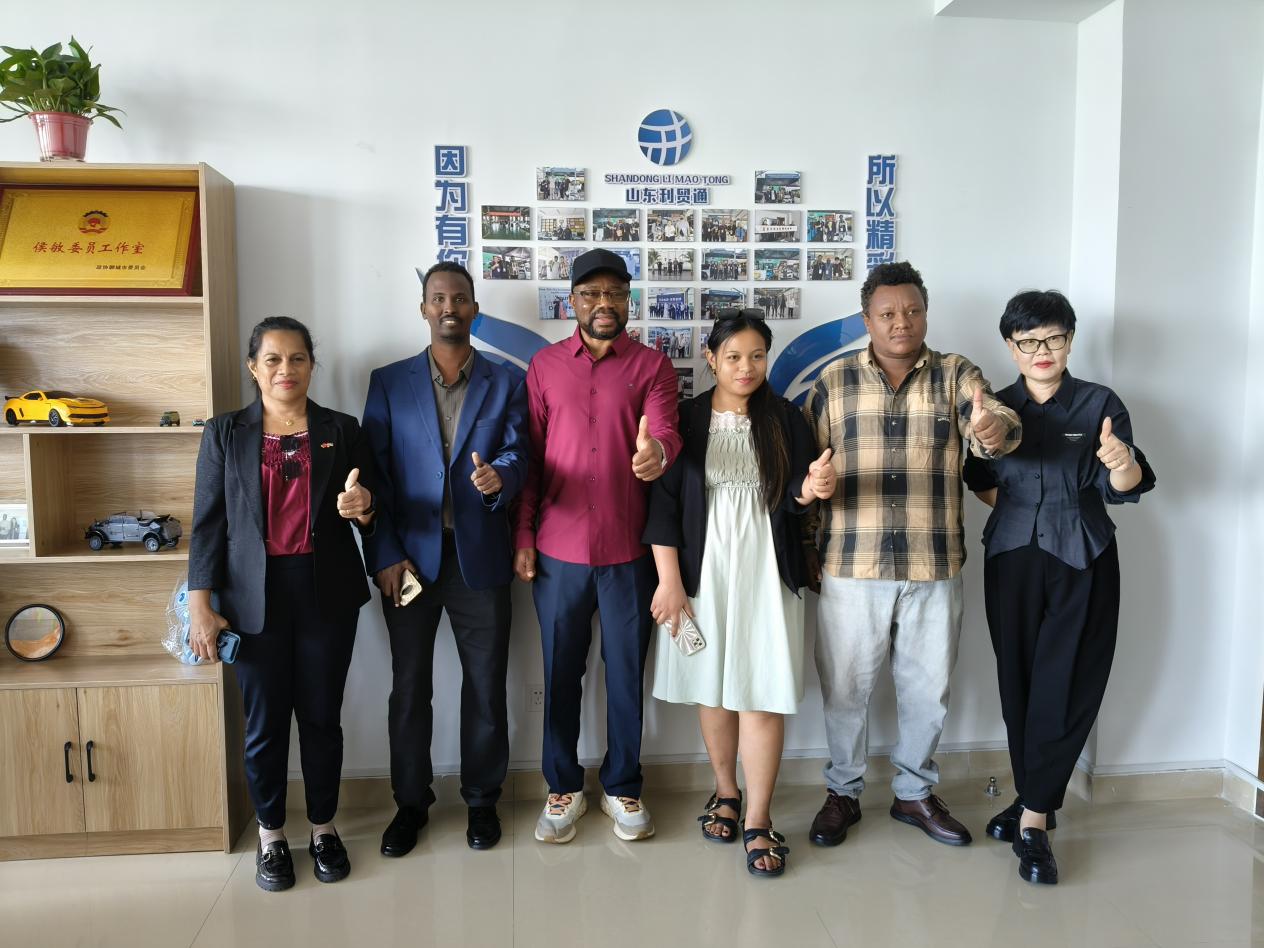
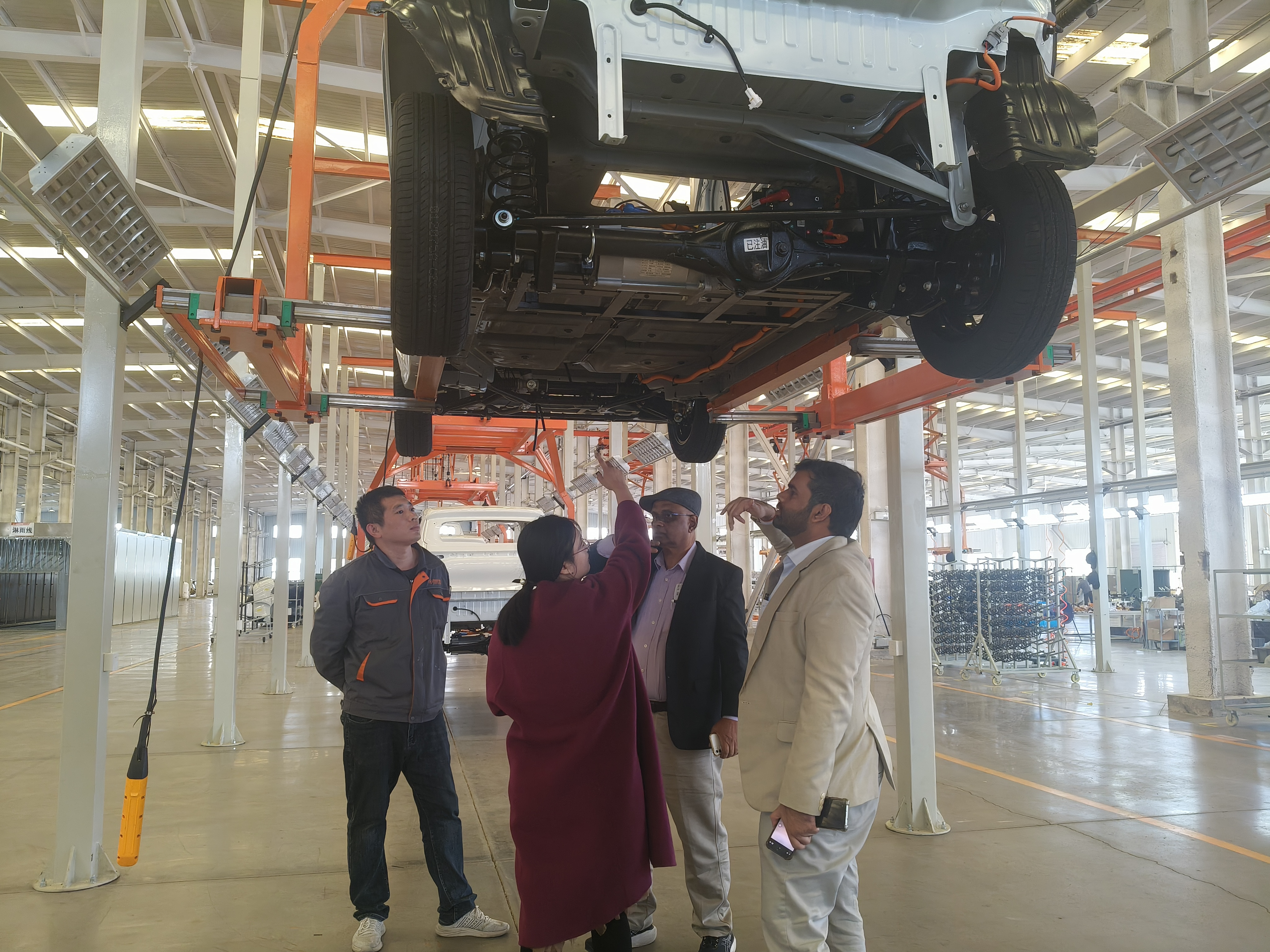
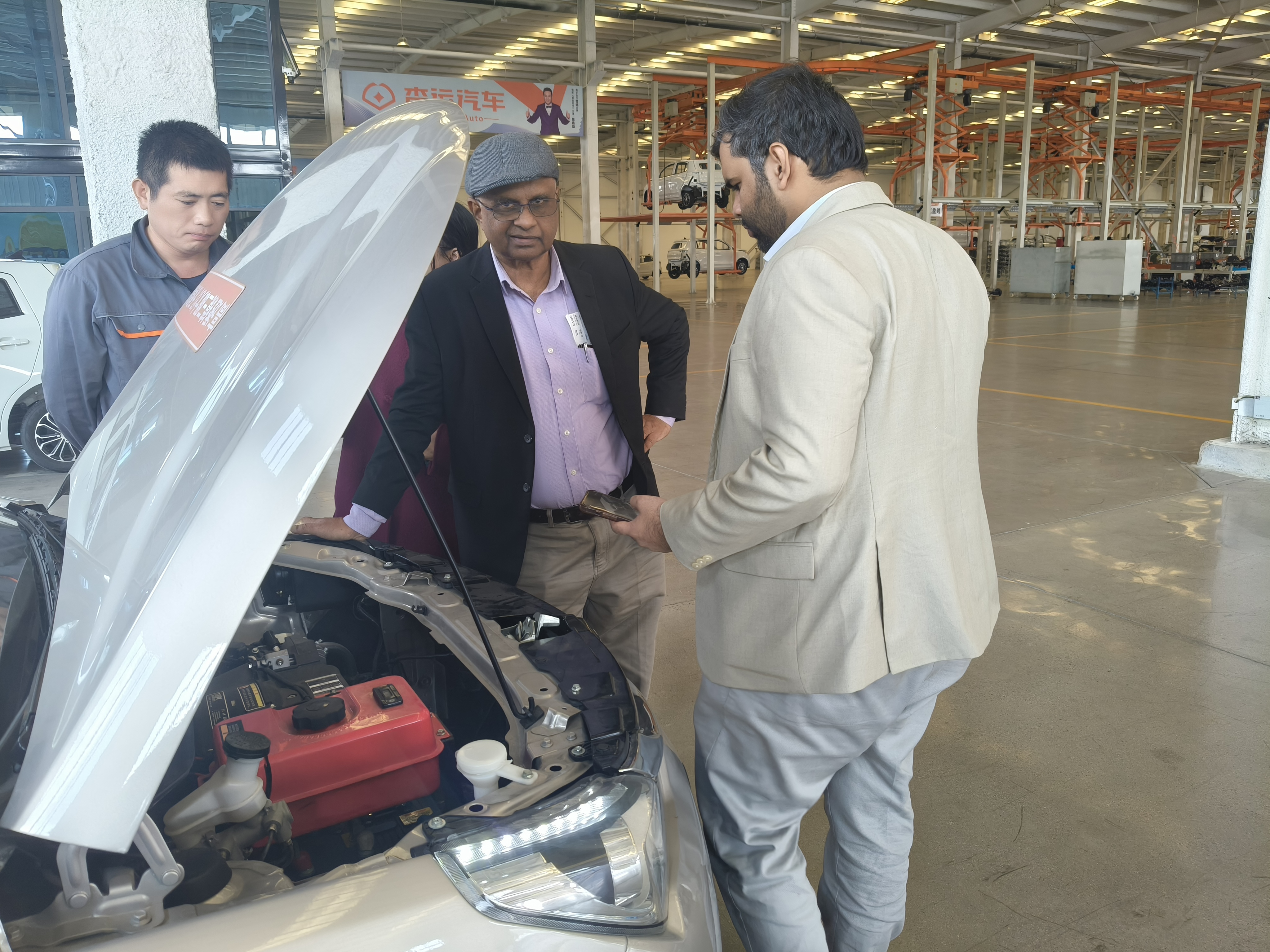
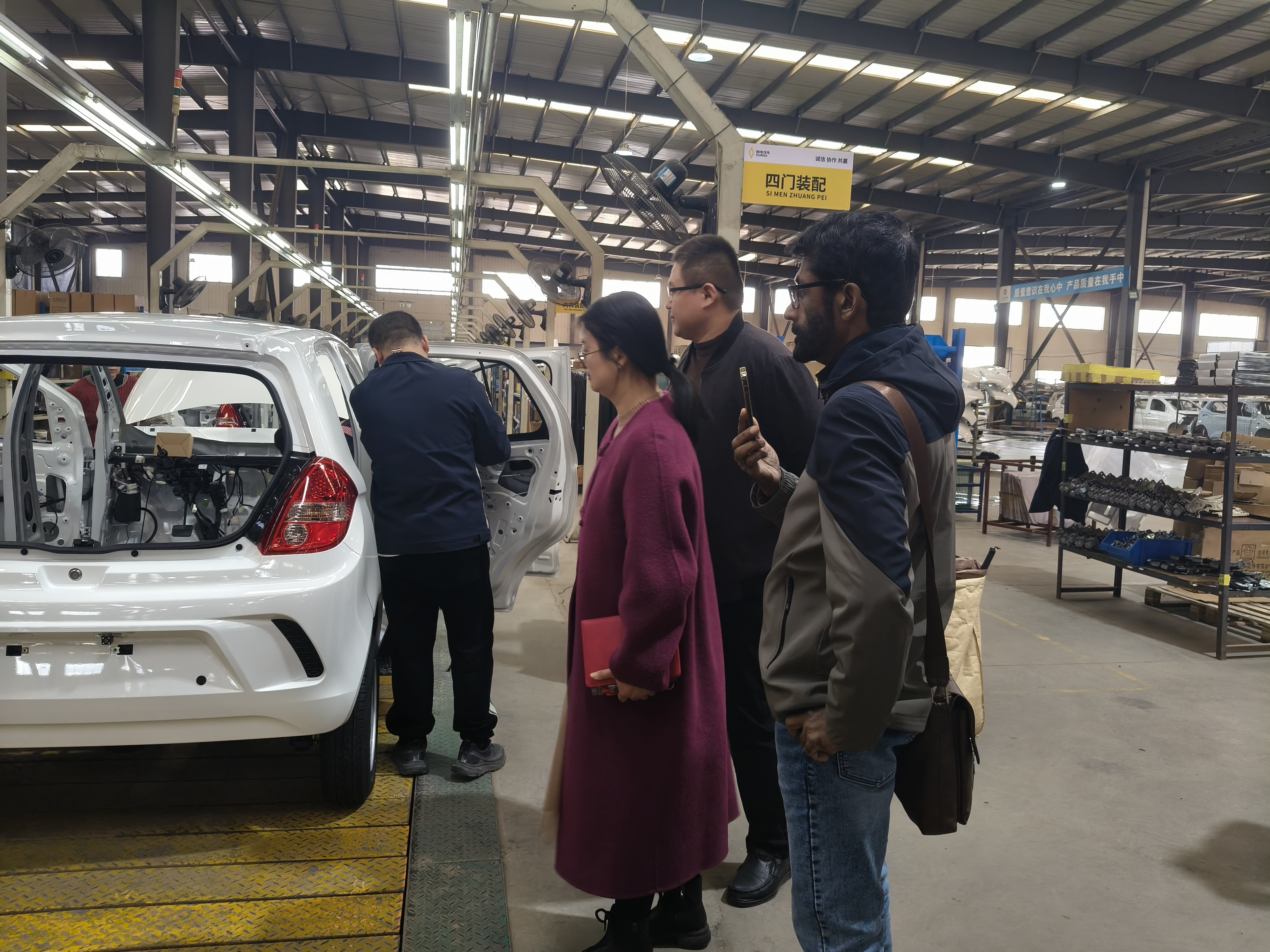
To ensure reliable vehicle quality, Shandong Li Mao Tong Group hosts regular factory audits for international procurement representatives. These visits allow buyers to review welding, painting, assembly, and testing procedures directly on the factory floor.
 Limaotong