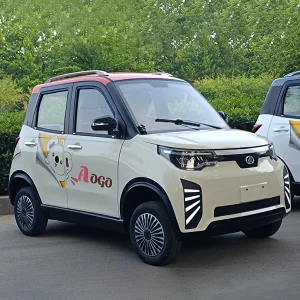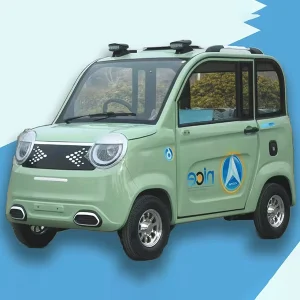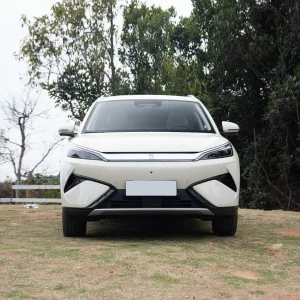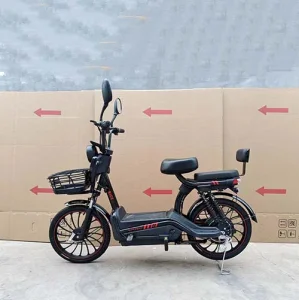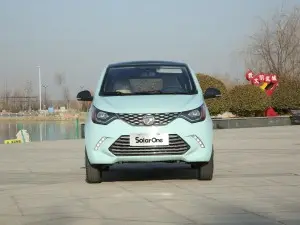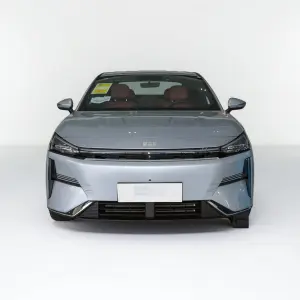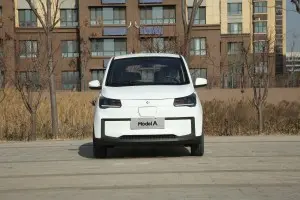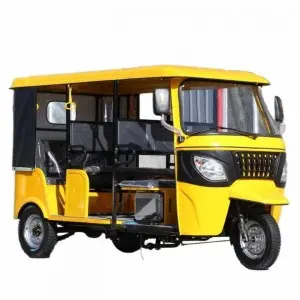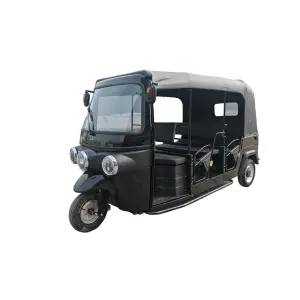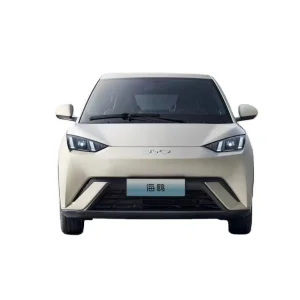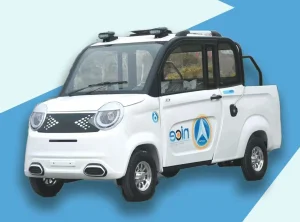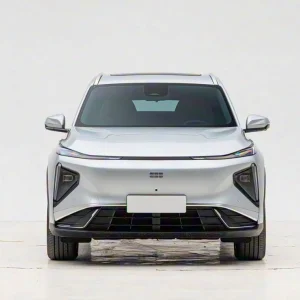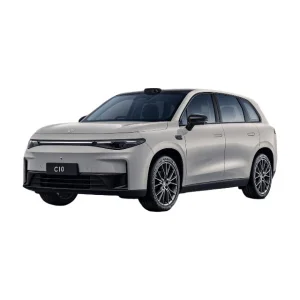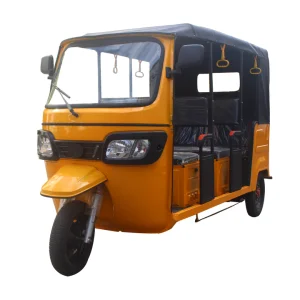
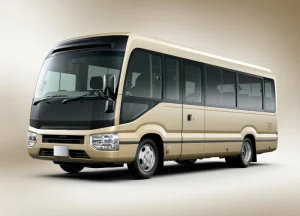
In the global quest for carbon neutrality, transportation acts as a core battleground. While electric passenger cars and electric buses attract major capital, a massive structural transition is taking place quietly in the micro-mobility sector. Three-wheeled electric Tuktuks, historically fueled by highly polluting two-stroke and four-stroke internal combustion engines, are shifting rapidly to high-voltage electric drivetrains. From a macro-environmental perspective, this shift eliminates tailpipe emissions in highly congested urban environments, directly mitigating PM2.5 and sound pollution levels.
For B2B fleet logistics, municipal public transit managers, and micro-entrepreneurs, the transition to 3-wheel electric vehicles represents a major upgrade in fleet economics. By replacing volatile fossil fuel expenses with highly predictable grid-based electricity or solar charging systems, fleet operators lower their operational costs by up to 65% per kilometer. This economic resilience makes the electric Tuktuk the ideal transport vehicle for developing economies in Southeast Asia, East Africa, Latin America, and Southern Europe.
Traditional Tuktuks run on gasoline or LPG, which are highly volatile and subject to national import tariffs. By using 48V to 72V LFP (Lithium Iron Phosphate) battery packs, electric Tuktuks connect local solar and wind grids directly to clean transport solutions, shielding fleet operators from regional energy price spikes.
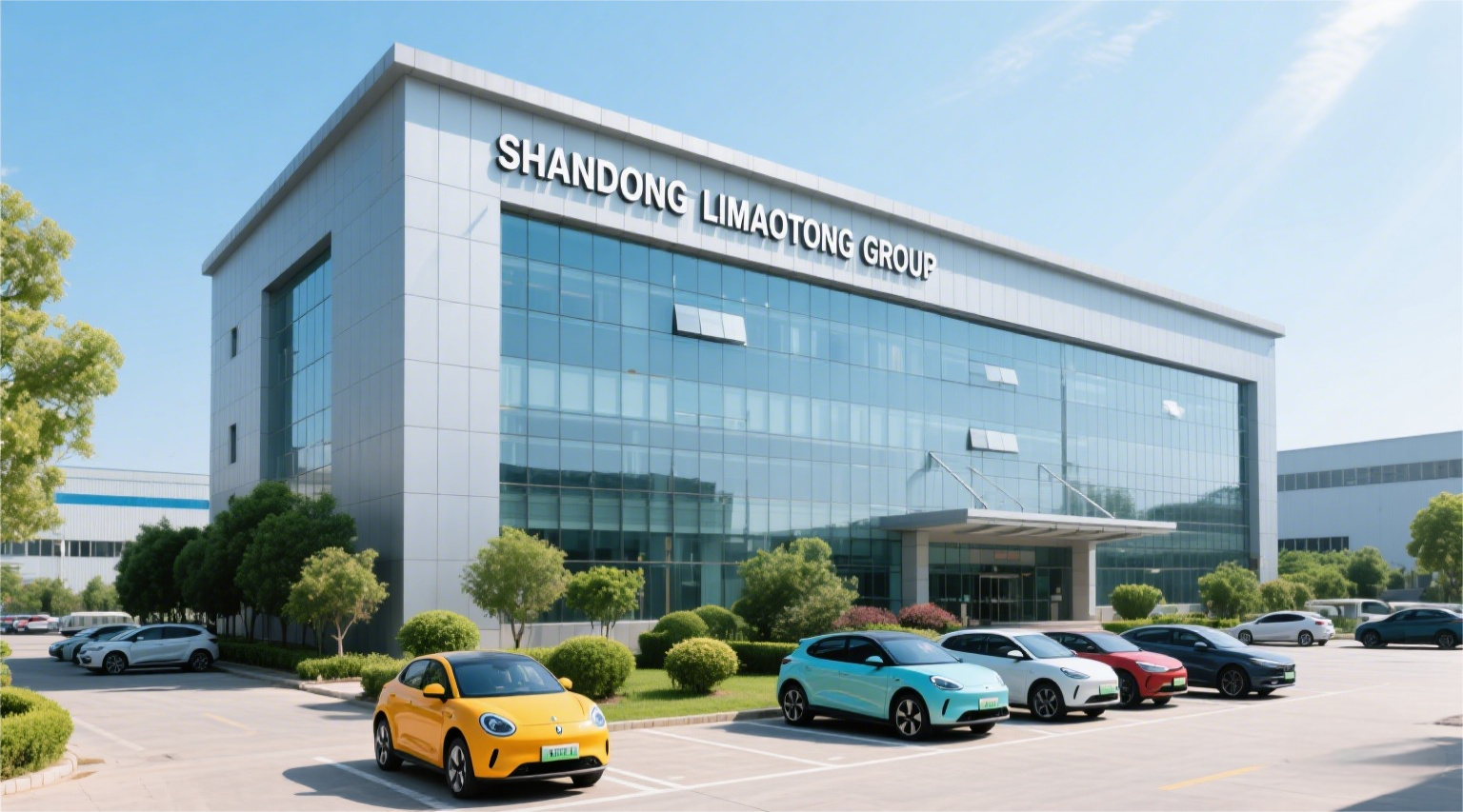
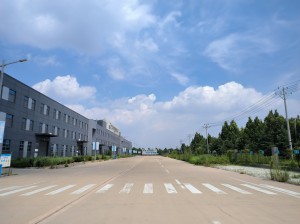
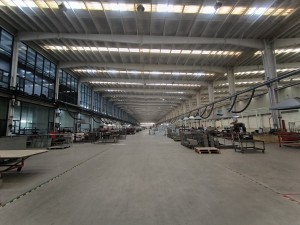
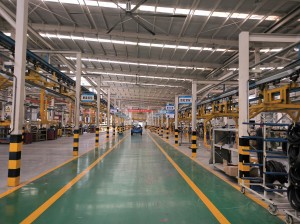
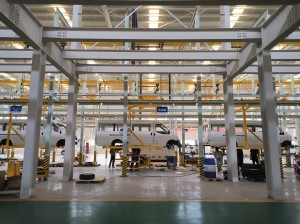
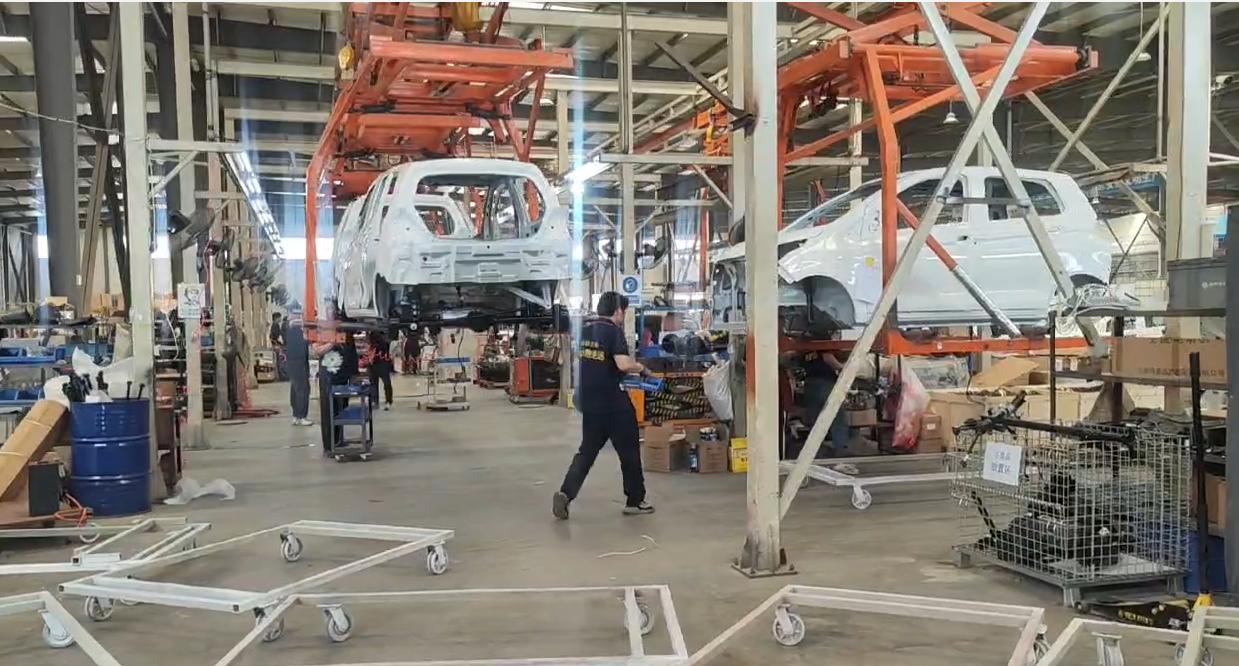
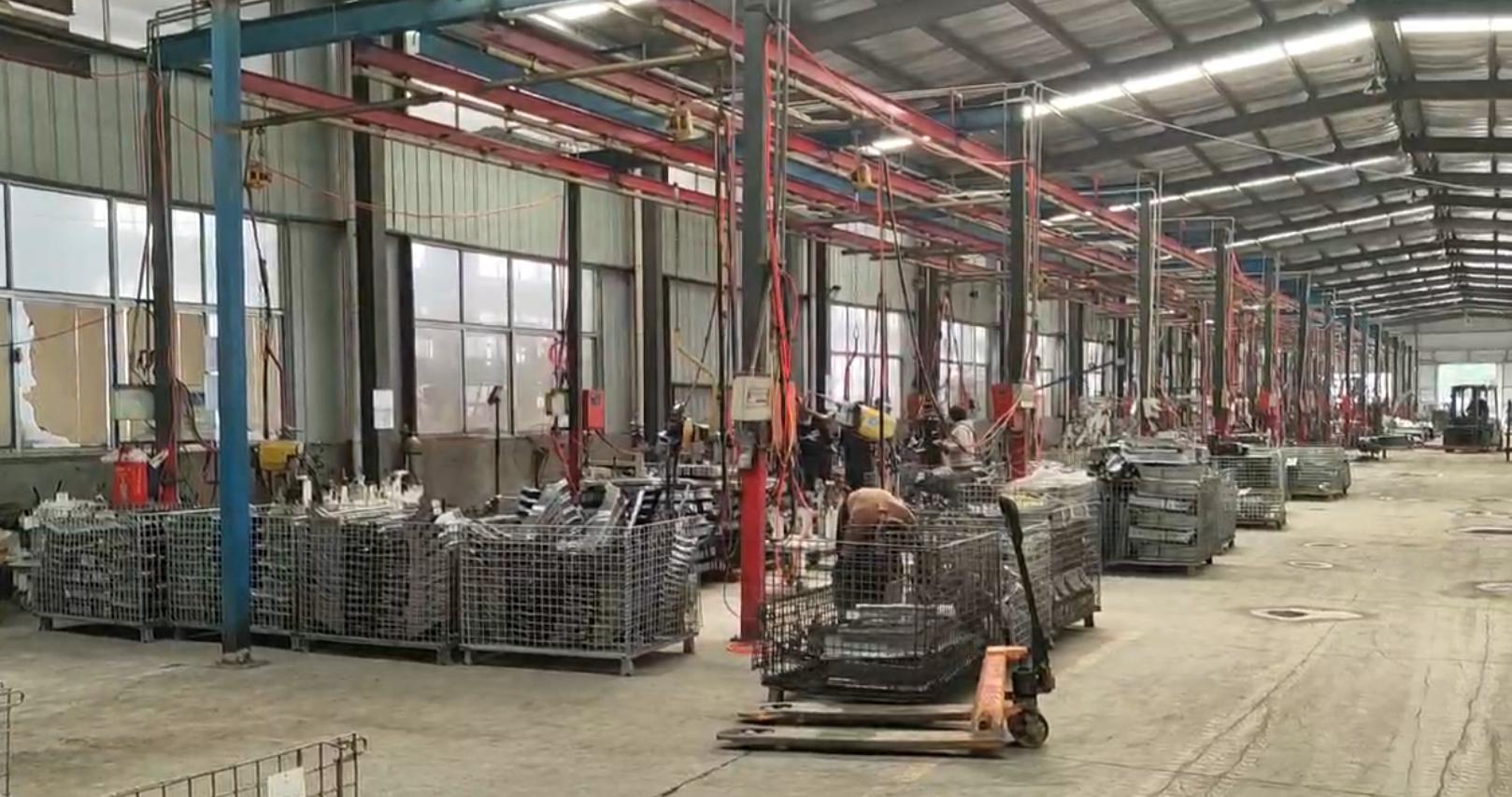
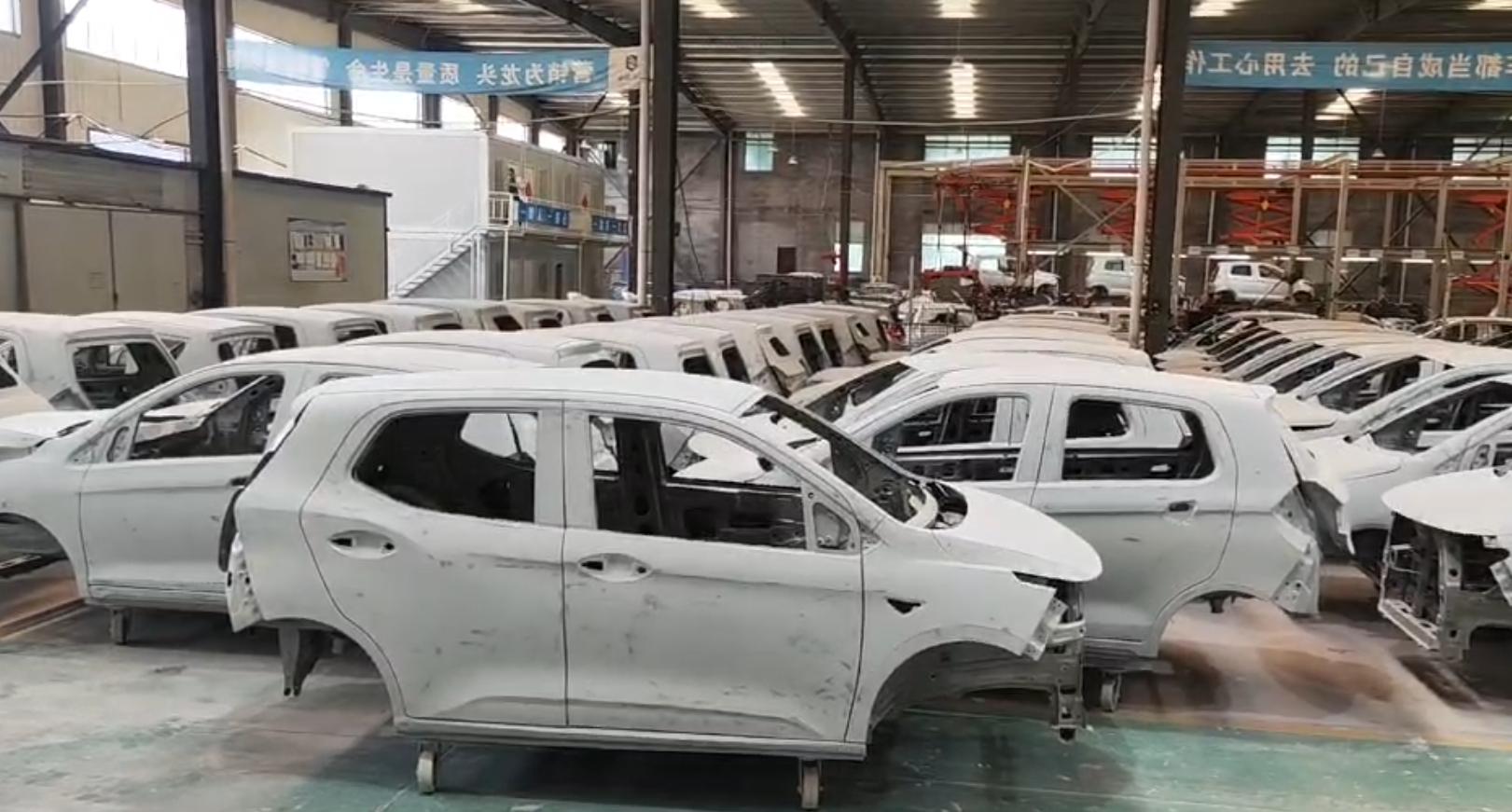
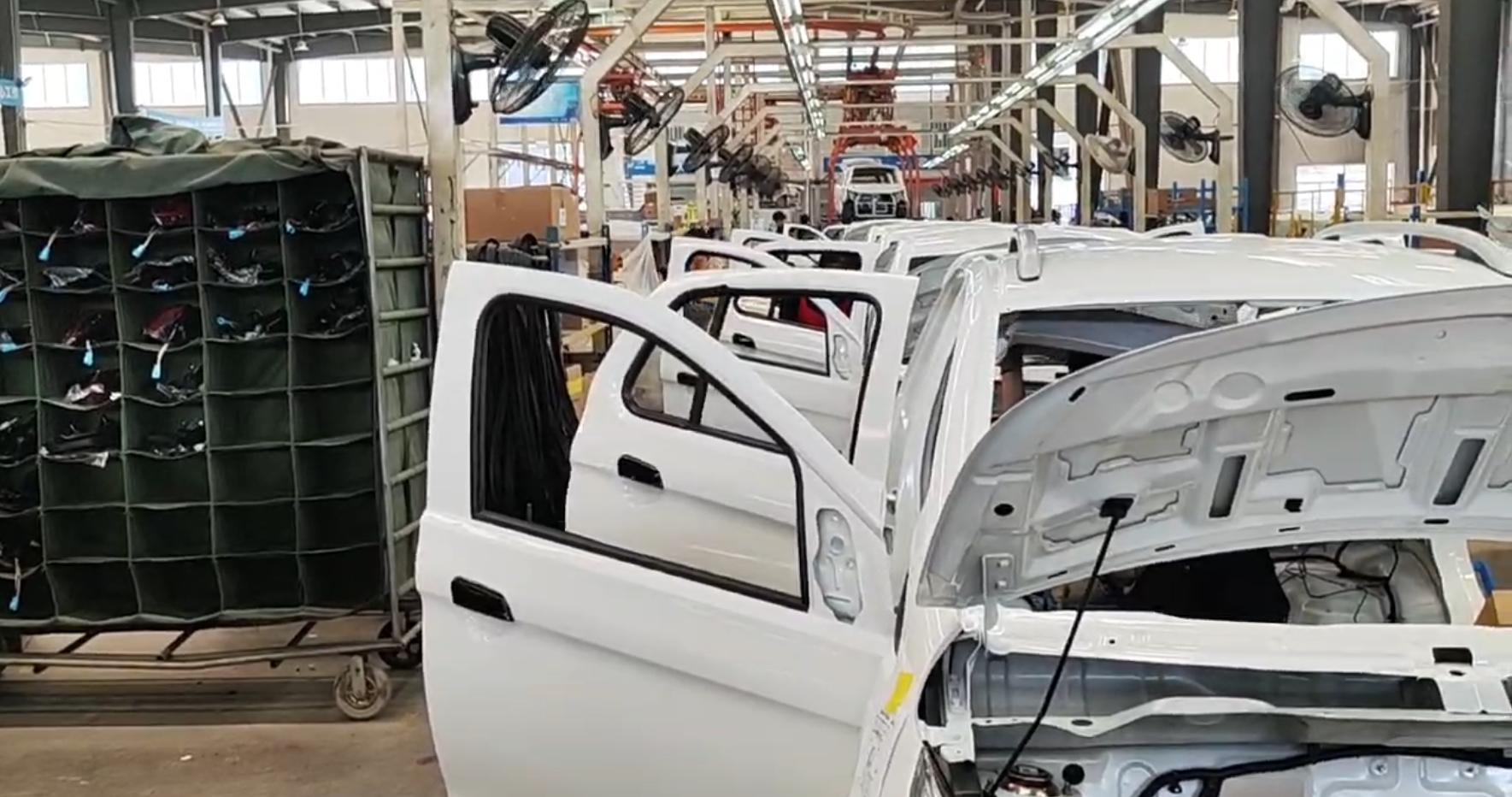
SHANDONG LI MAO TONG GROUP is a leading global supplier of clean energy micro-vehicles, operating a fully integrated industrial supply chain. We specialize in the research, precision manufacturing, and international sales of electric motor tricycles, heavy-duty cargo tricycles, and electric mini cars. Our modern manufacturing base features automated steel stamping, laser robotic cutting, and cleanroom paint coating lines designed to build vehicles that withstand extreme conditions.
Delivering reliable zero-emission passenger and cargo vehicles across the globe.
Localized manufacturing plants for fast distribution, customs ease, and local compliance.
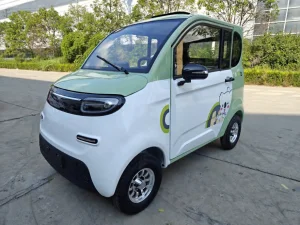
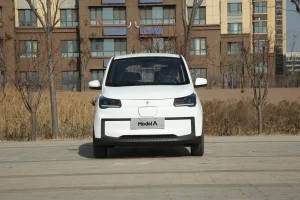
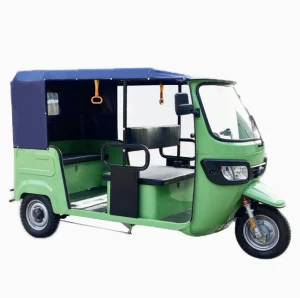
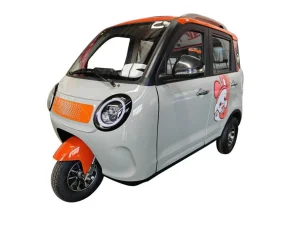
Our passenger tricycles provide clean, reliable daily transportation for millions.
In the booming wave of China's new energy vehicle industry, Limaotong emerged at the historic moment. Rooted in China and embracing the world, we strive to deliver an electric mobility experience that exceeds expectations for every user. Quality is our lifeline. We operate a modern intelligent manufacturing base, equipped with highly automated production lines and a stringent digital quality control system, ensuring every vehicle rolling off the line meets international standards of exquisite craftsmanship. Our relentless pursuit of safety permeates every aspect, with battery systems passing safety tests far exceeding national standards, and vehicle structural designs targeting the highest safety ratings to comprehensively protect user security.
Our core competitiveness stems from cutting-edge technology R&D and unremitting innovation. From one-piece stamped steel frames to millimeter-precision cutting; from fully automated robotic painting creating flawless finishes to precision-engineered assembly processes; every stage is safeguarded by dedicated technical teams. We dare to accept the laboratory level seven rainstorm test and face all kinds of extreme environmental challenges in the world. Our multi-series, multi-positioning, and multi-brand strategy, coupled with advantages in global delivery, full-process services, and all-terrain customization capabilities, has rapidly established us as a preferred manufacturer of "Chinese Magic Cars" among global customers. We conquer the world with quality and pave the path to success with craftsmanship. We look forward to collaborating with global partners to make Chinese manufacturing shine worldwide.
China's industrial supply chain offers unmatched advantages in metallurgy and component integration. The frames of our electric Tuktuks are built from unified stamped steel sheets, processed with CNC-controlled laser cutters rather than manual welding torches. This guarantees millimeter-level precision, which ensures structural balance and prevents frame warping under high payload conditions.
Furthermore, automated robotic painting centers apply an electrophoretic coating (E-coat) to both the outer body and interior framework. This multi-layered treatment provides superior rust and corrosion resistance, essential for vehicles operating in coastal regions with high humidity or tropical monsoon climates.
The performance of an electric 3-wheel vehicle is determined by its motor controller and rear-axle differential configuration. Shandong Li Mao Tong Group uses high-torque brushless DC (BLDC) and Permanent Magnet Synchronous Motors (PMSM), which deliver up to 92% operating efficiency. These powertrains are matched with smart sinusoidal wave vector controllers, enabling smooth acceleration and regenerative braking to recapture energy during descents.
Our battery packs include both high-density Lithium Iron Phosphate (LFP) and cycle-tested Lead-Acid configurations. They are governed by custom-engineered Battery Management Systems (BMS) that monitor cell temperatures, voltage balance, and charge levels, preventing thermal runaway and extending operational lifespans to over 3,000 charge cycles.
| Specification Parameter | High-Payload Cargo Variant | Passenger Tuk Tuk Variant | Solar Hybrid Urban Variant |
|---|---|---|---|
| Motor Power Rating | 2.2 kW - 4.0 kW PMSM Motor | 1.5 kW - 2.5 kW BLDC Motor | 1.2 kW - 2.0 kW Brushless Motor |
| Battery Pack Options | 72V 120Ah LFP (Lithium) | 60V 100Ah LFP or Lead-Acid | 60V 80Ah LFP + Integrated Solar Roof |
| Maximum Payload Capacity | 800 kg - 1200 kg | 450 kg (up to 6 passengers) | 350 kg (family use/taxi) |
| Max Speed & Range | 45 km/h | 110 km per charge | 35 km/h | 120 km per charge | 30 km/h | 150 km (Solar supplemented) |
| Chassis Construction | 1-piece Stamped Steel & Reinforcement | High-tensile tubular frame | Integrated ultra-light steel chassis |
E-commerce growth has surged demand for cost-effective last-mile delivery vehicles. Conventional diesel vans struggle with traffic congestion, narrow roads, and low-emission zone restrictions. Our enclosed and semi-enclosed electric cargo tricycles provide the perfect middle ground, offering a tight turning radius and high payload capacities for navigating crowded urban alleys.
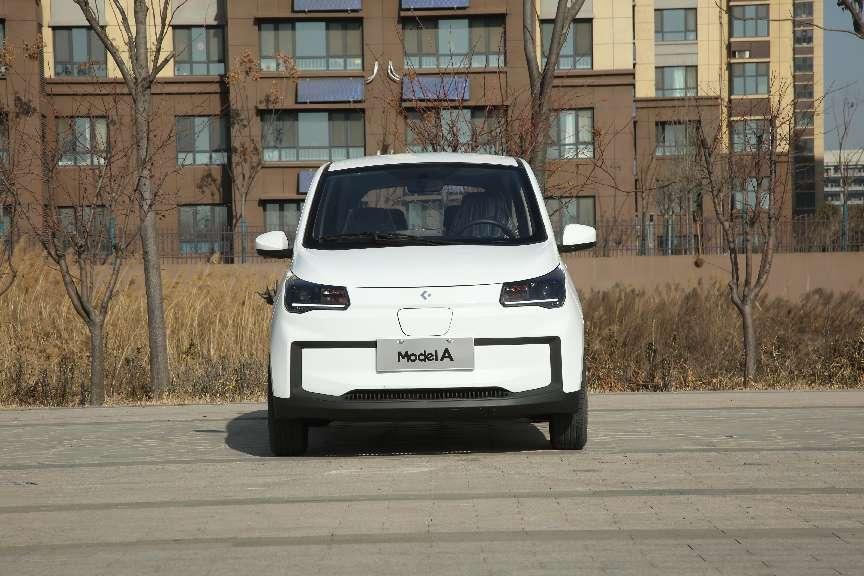
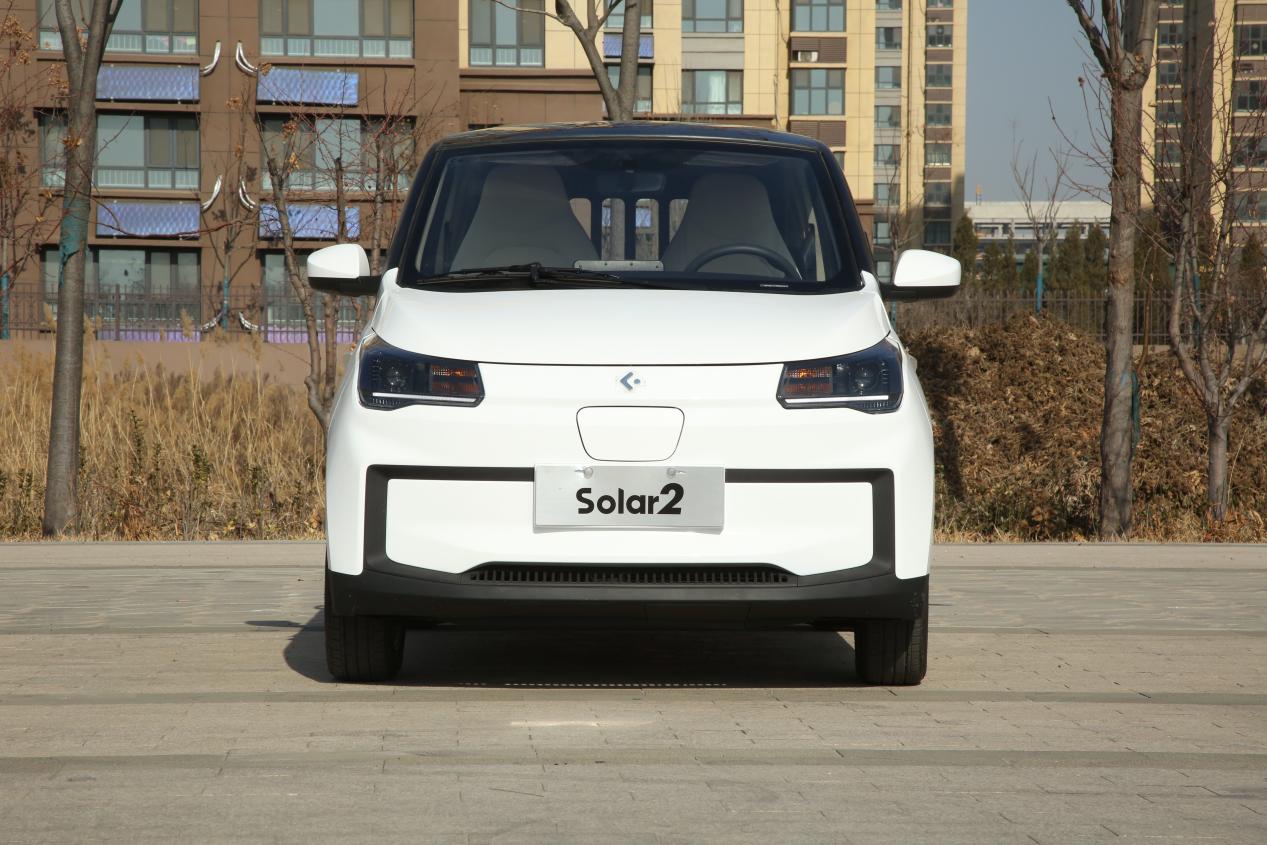
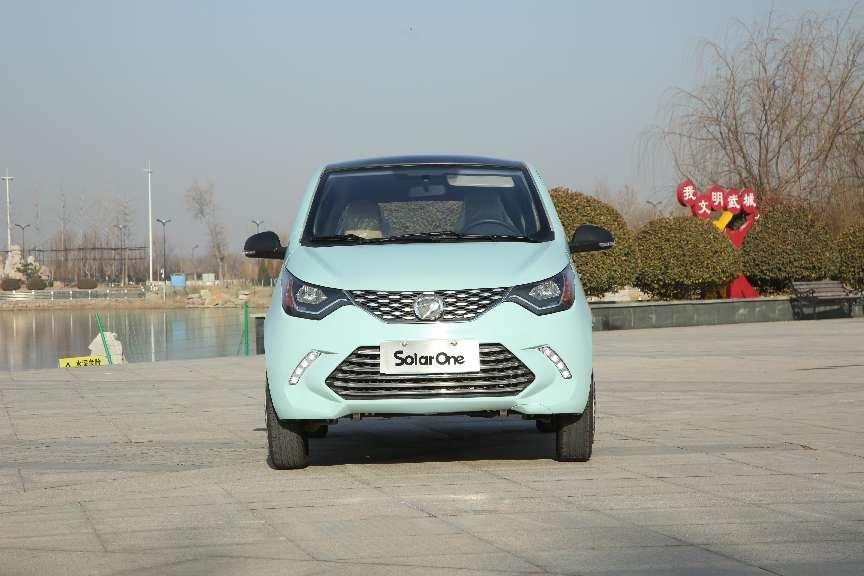
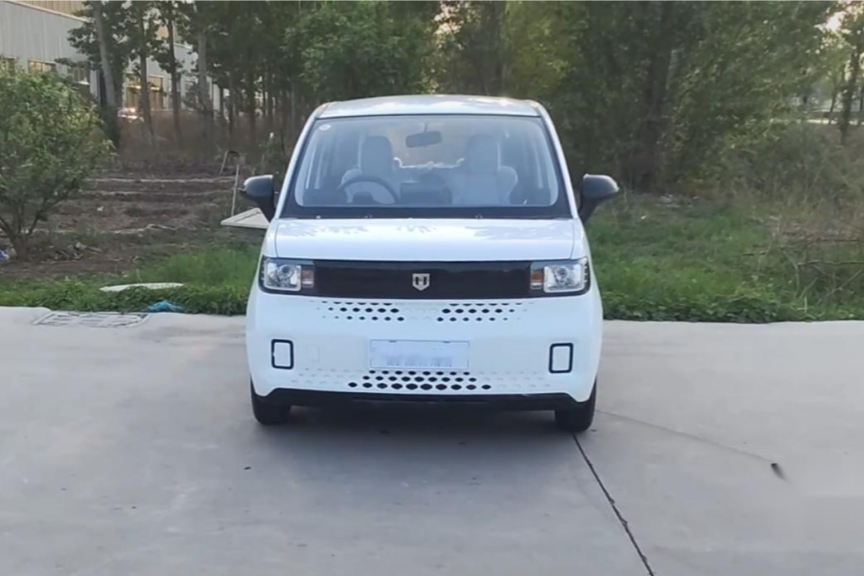
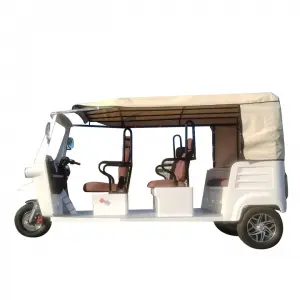
In developing regions, public transit systems often face challenges. Here, electric passenger Tuktuks (such as our S2 and S3 models) serve as vital, affordable transport links for daily commuters, students, and workers. These vehicles offer reliable transit options in areas underserved by municipal bus networks.
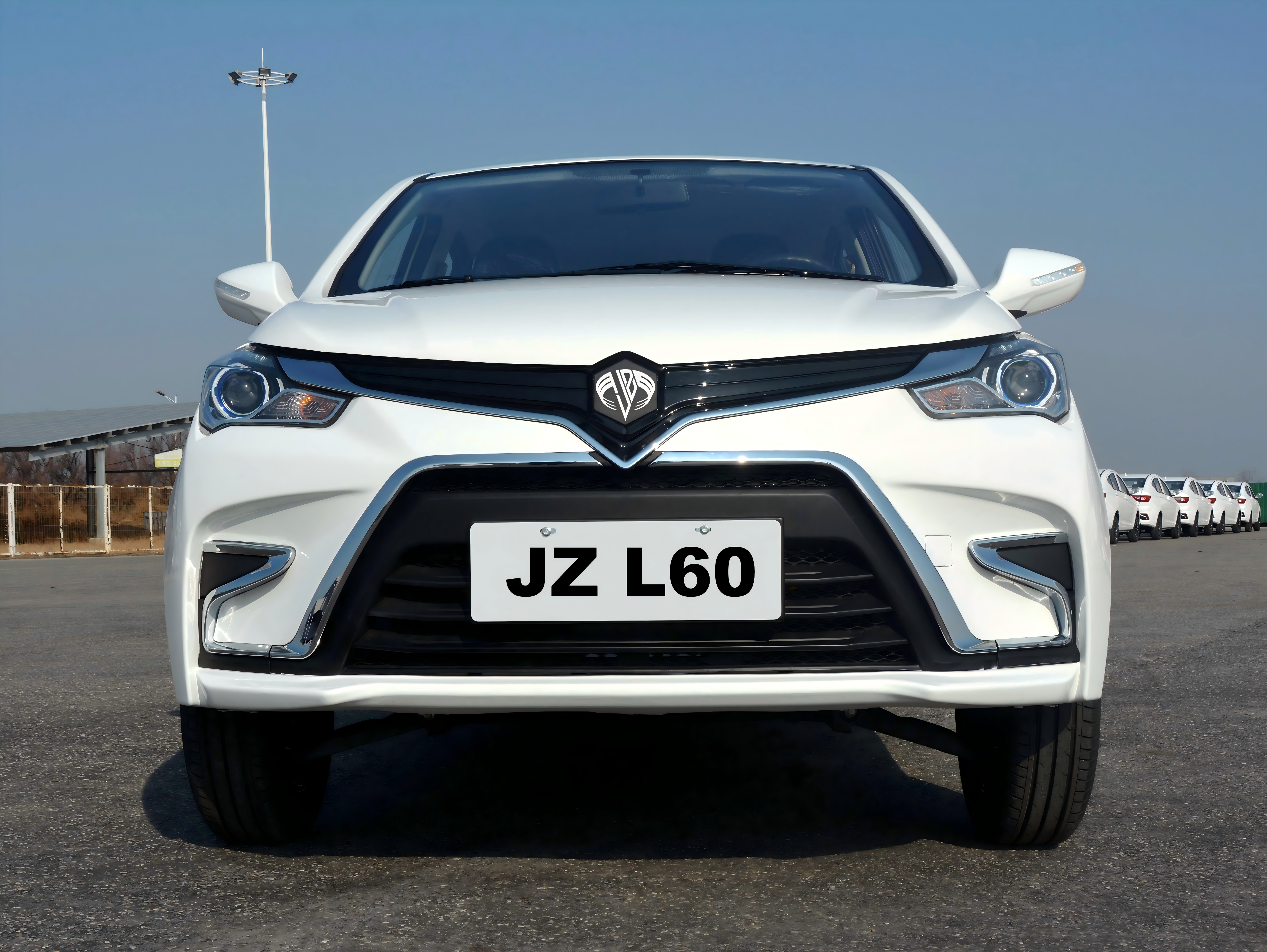
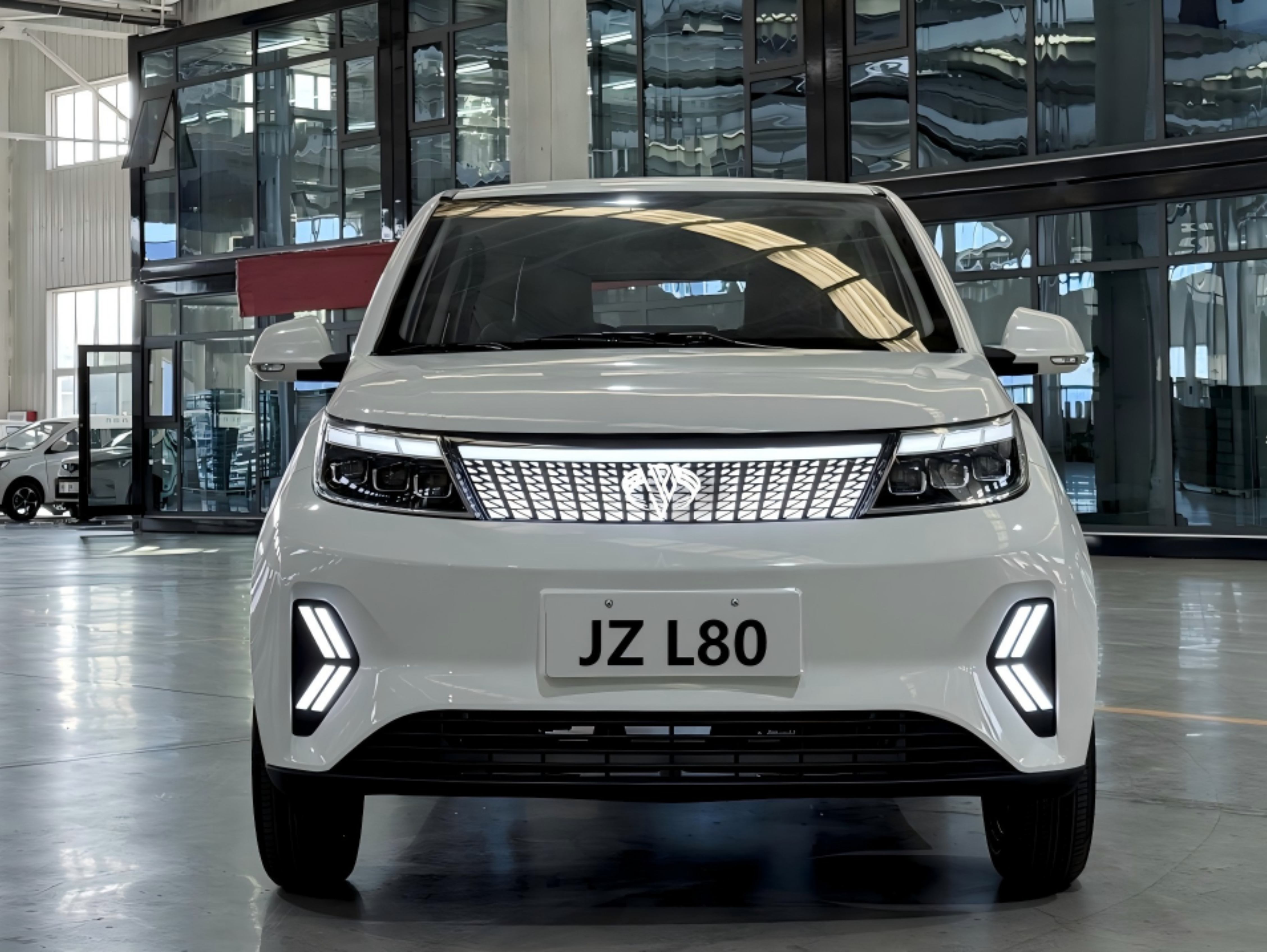
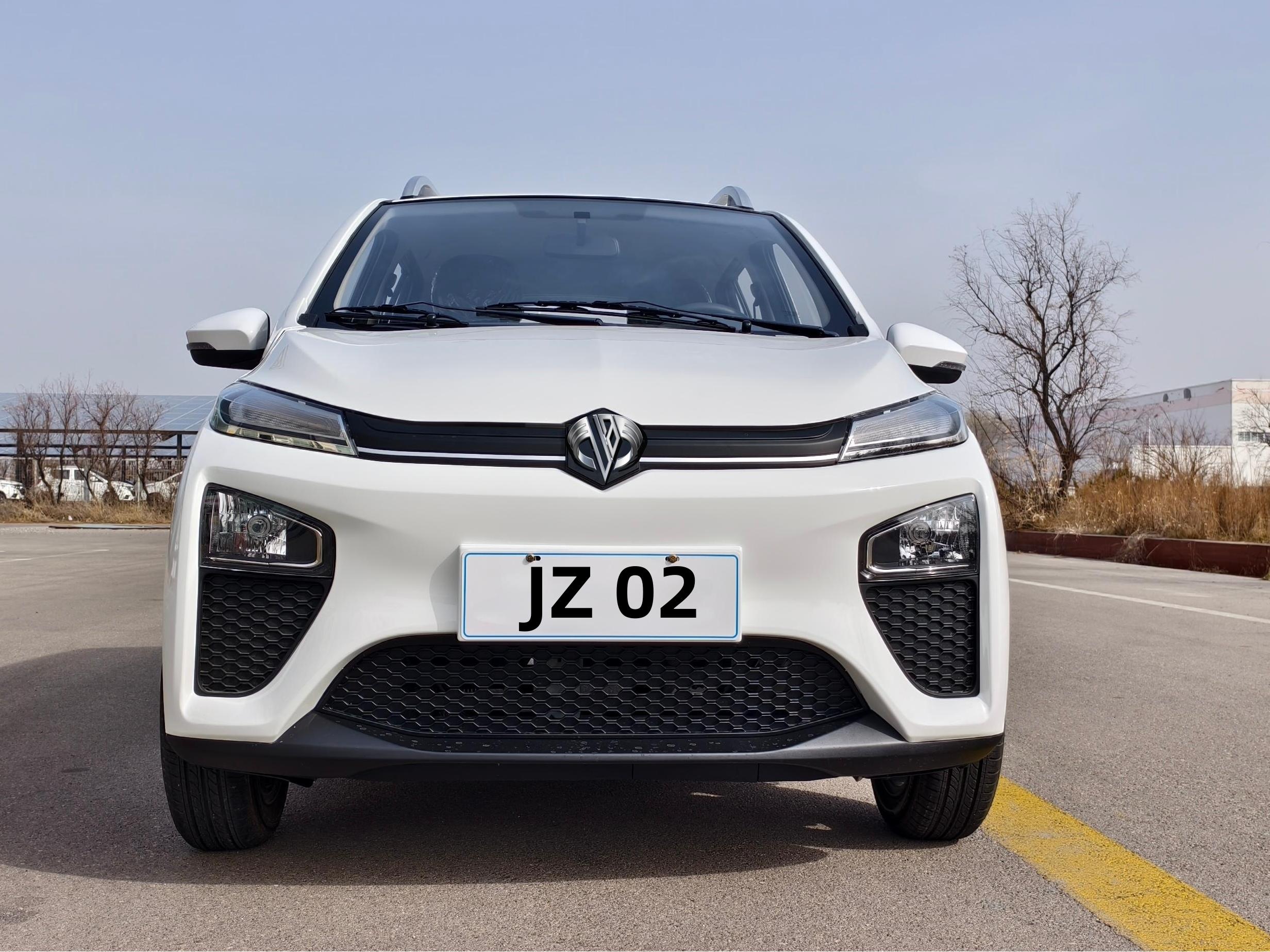
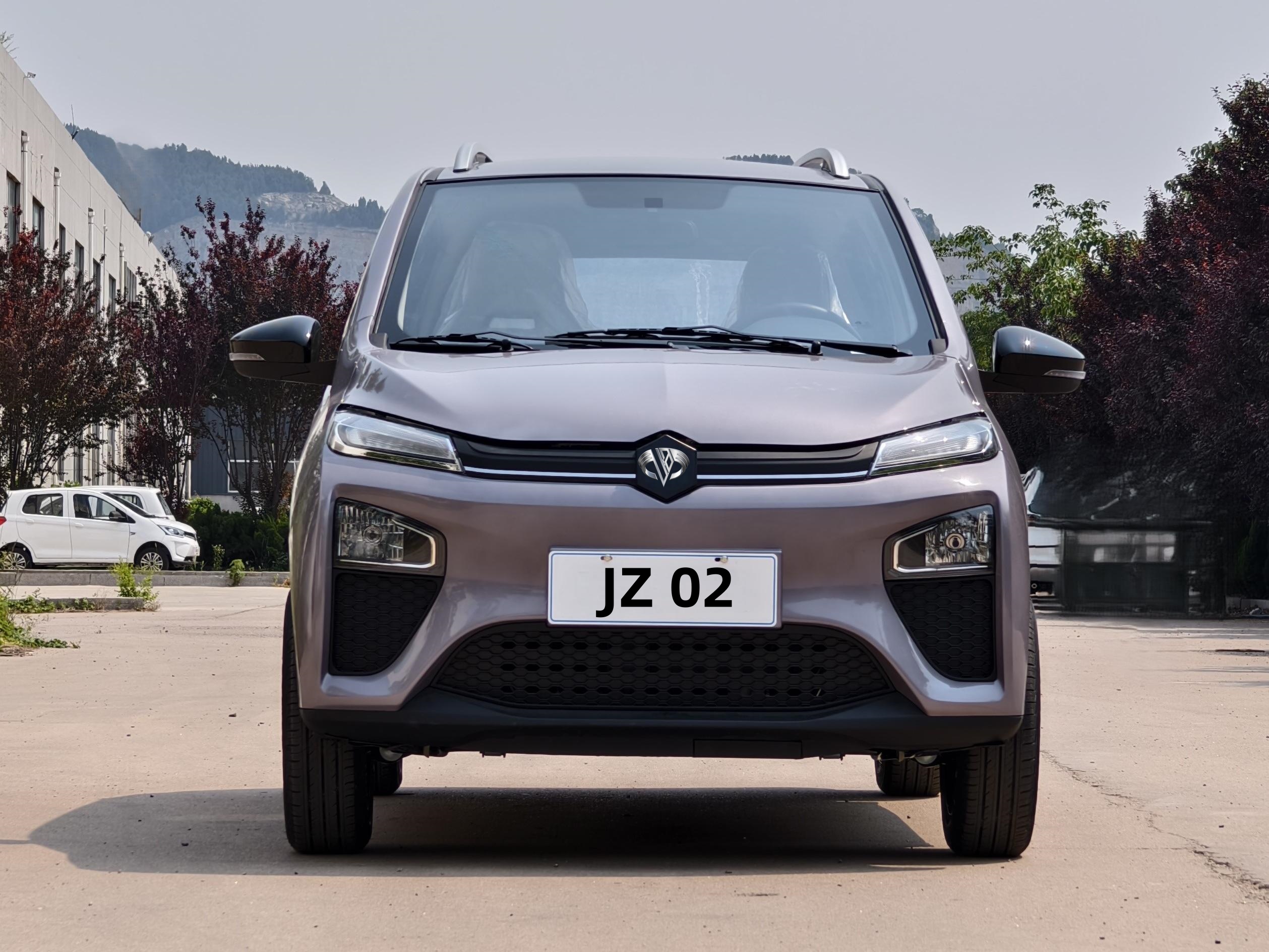
Shipping fully assembled 3-wheeled vehicles across oceans presents a major cargo bottleneck. The volume of a single built-up tricycle reduces the container's packing density, which dramatically spikes per-unit freight costs. To help partners optimize logistics, we offer Complete Knock-Down (CKD) and Semi Knock-Down (SKD) shipping models.
By shipping vehicles in modular component packages, we fit up to 300% more units into a standard 40HQ container. This approach reduces freight costs and enables importing businesses to benefit from lower customs duties on auto parts compared to fully built vehicles. We provide full technical documentation and assembly training, helping partners establish local assembly lines that create jobs and satisfy regional value-added manufacturing laws.
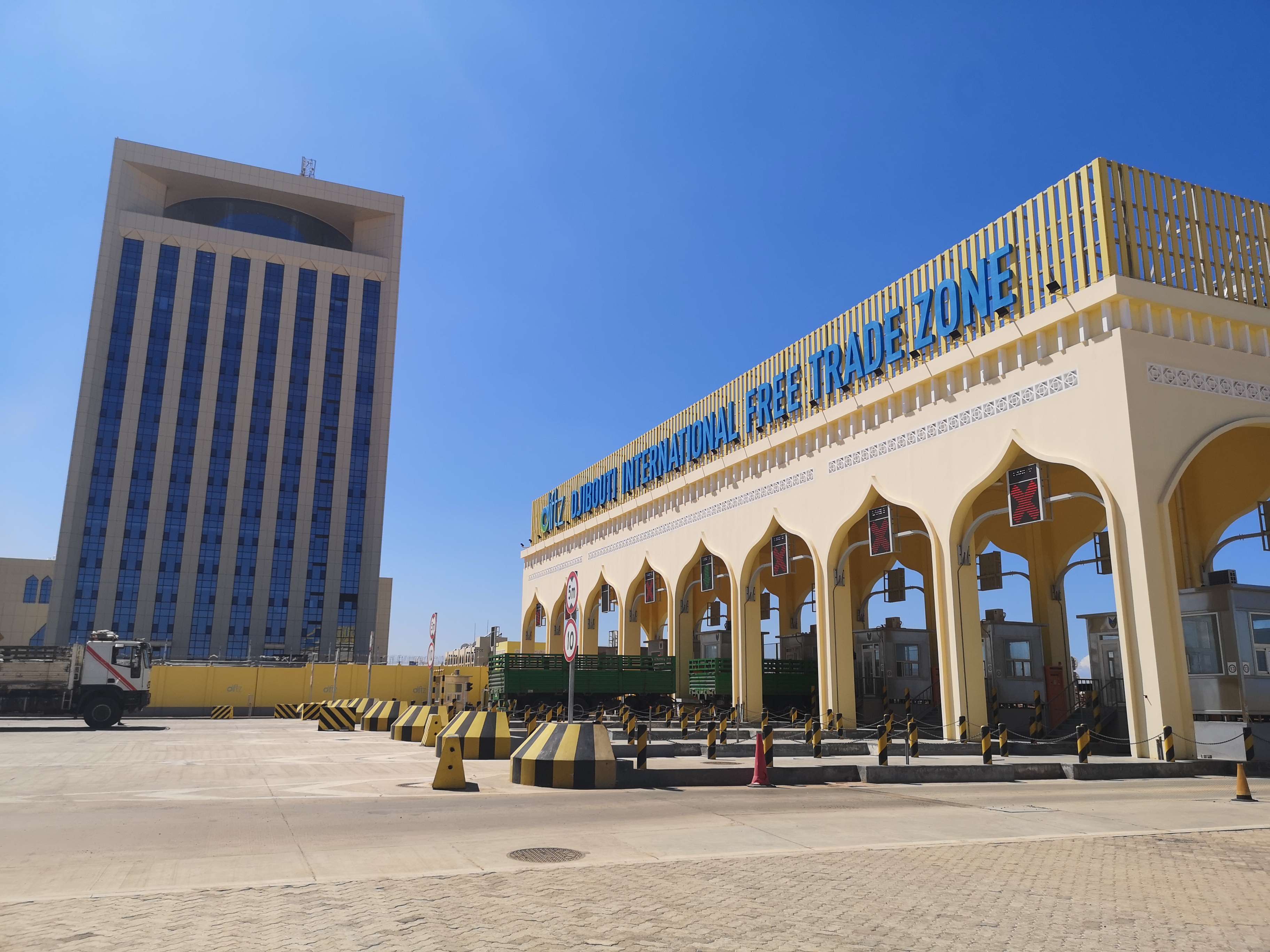
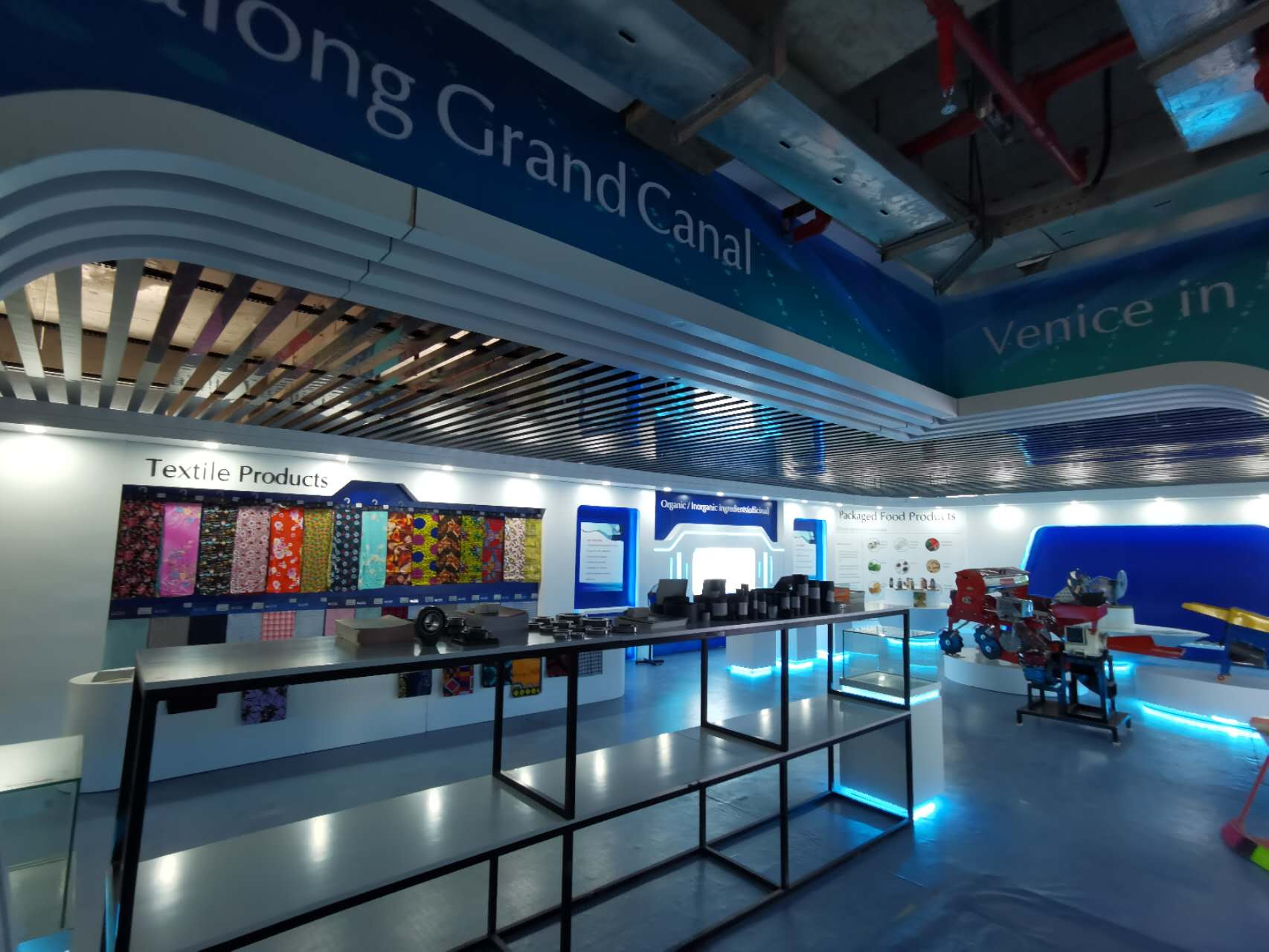
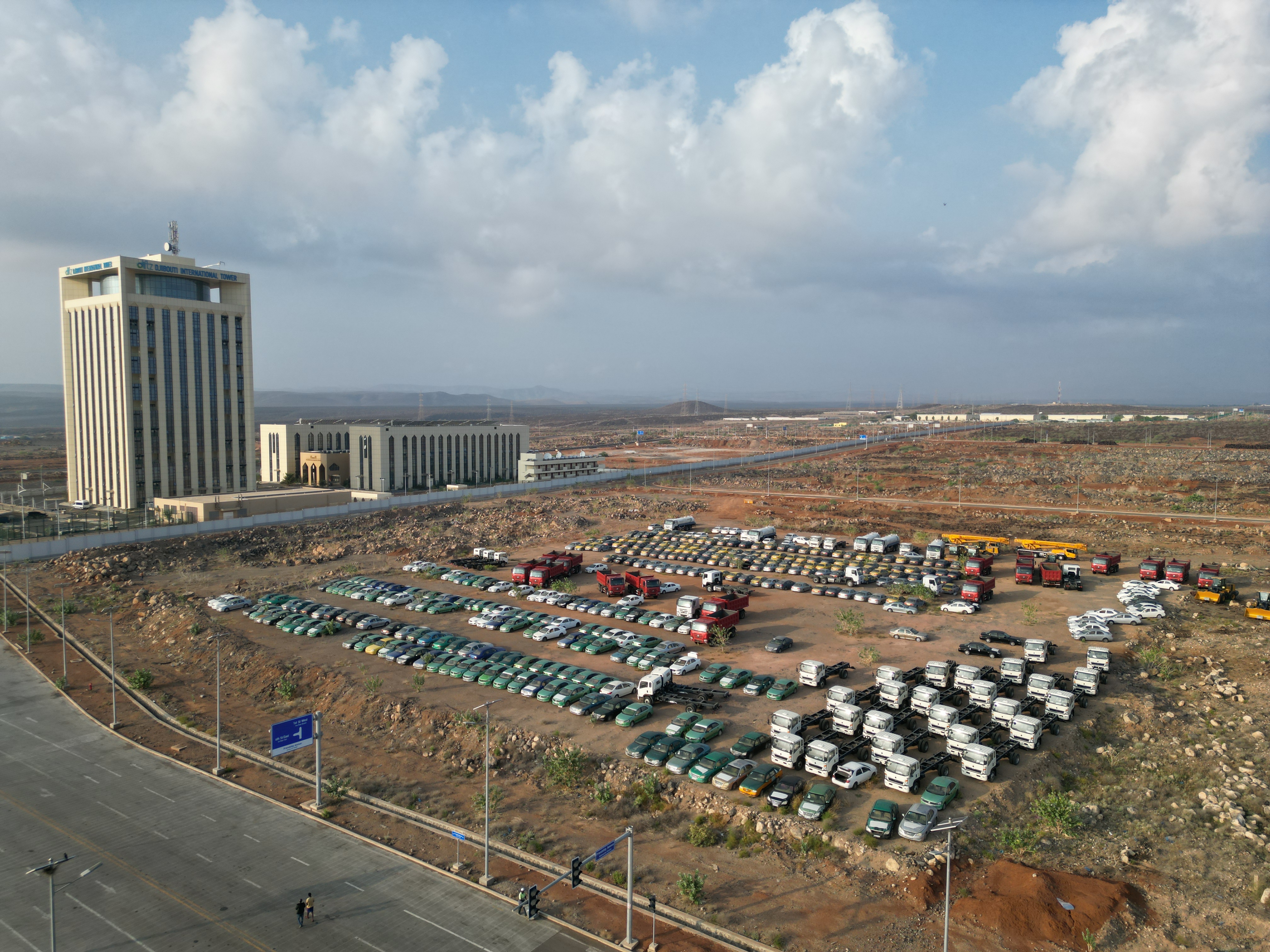
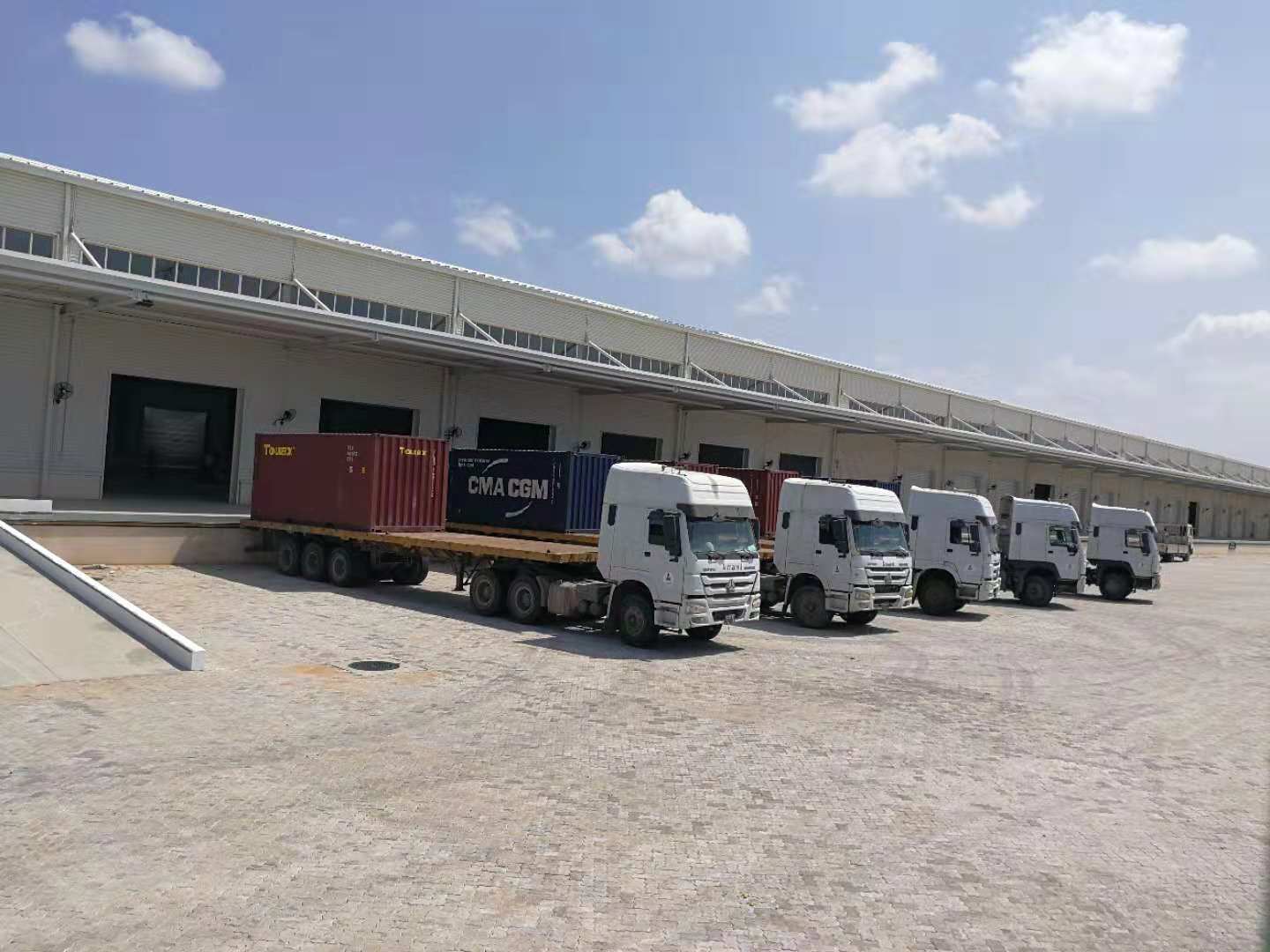
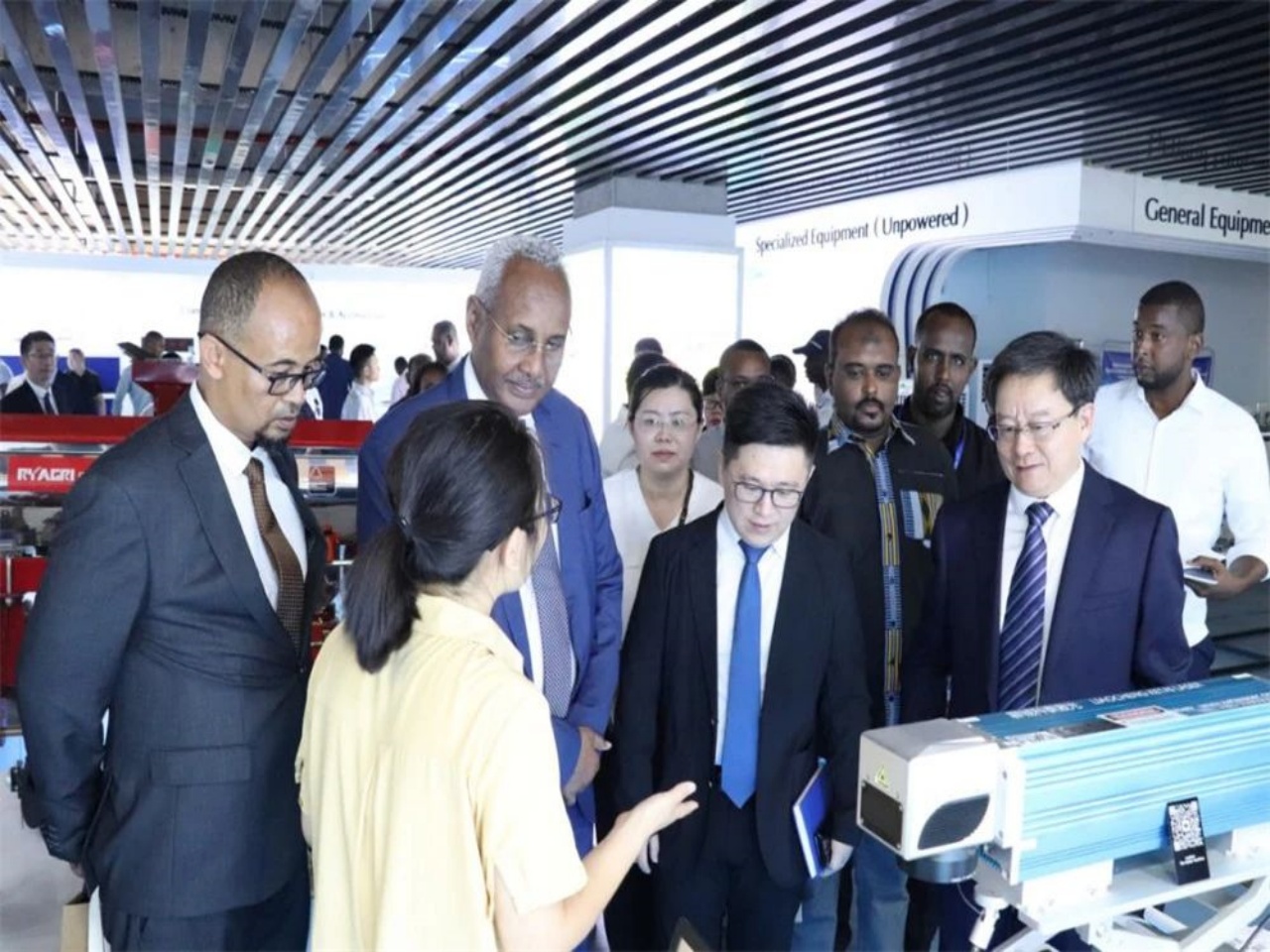
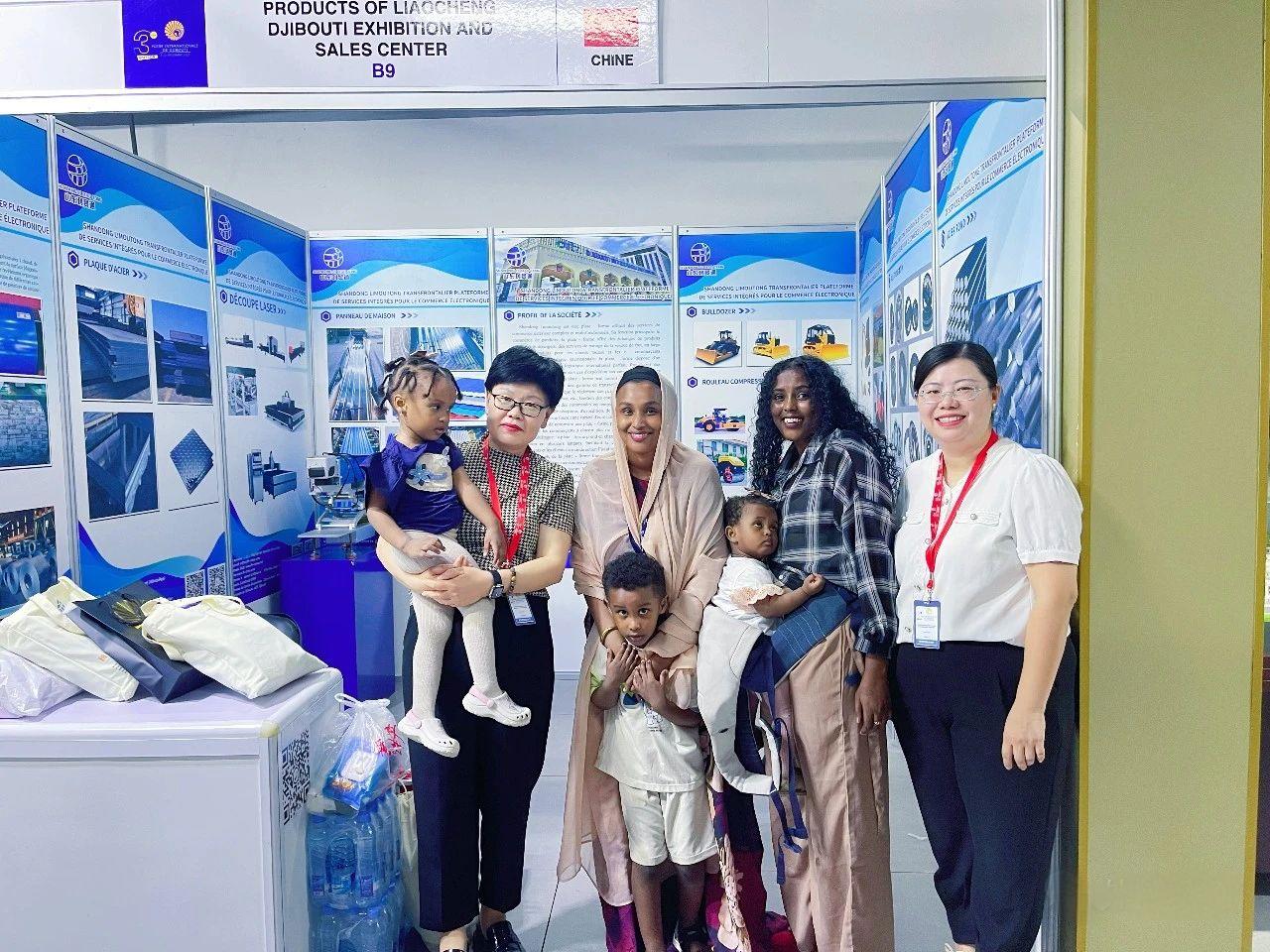
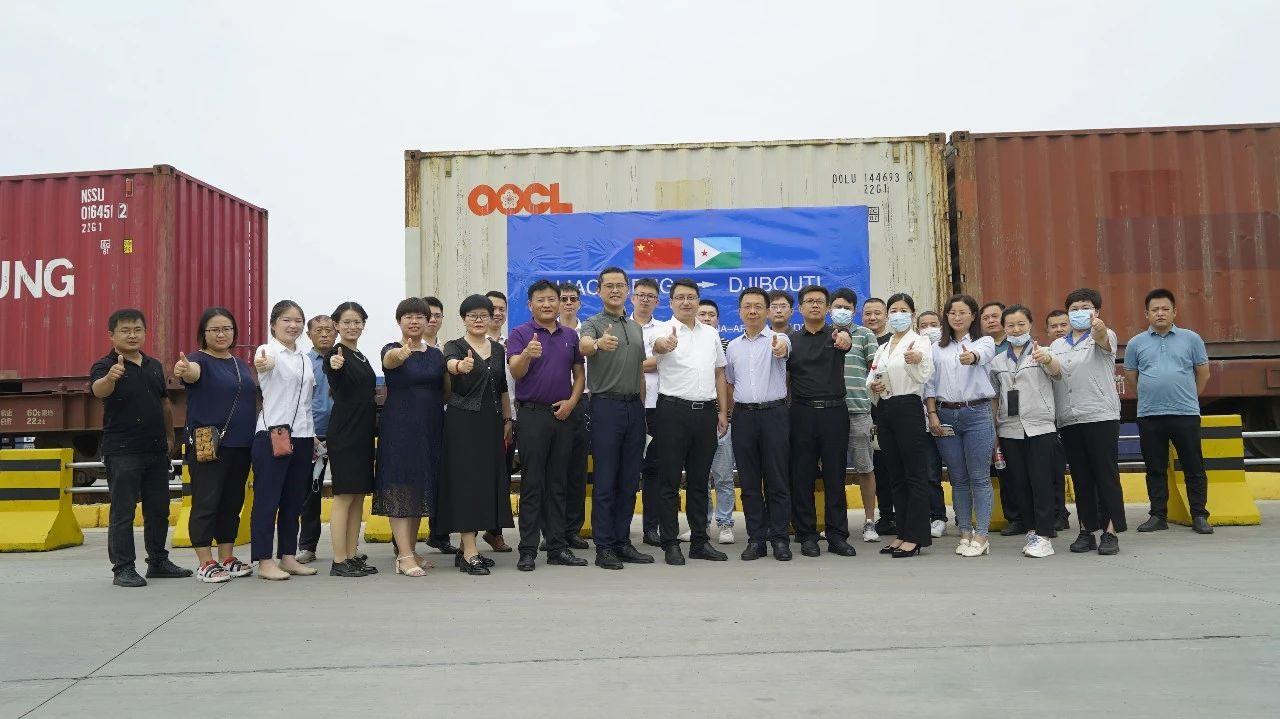
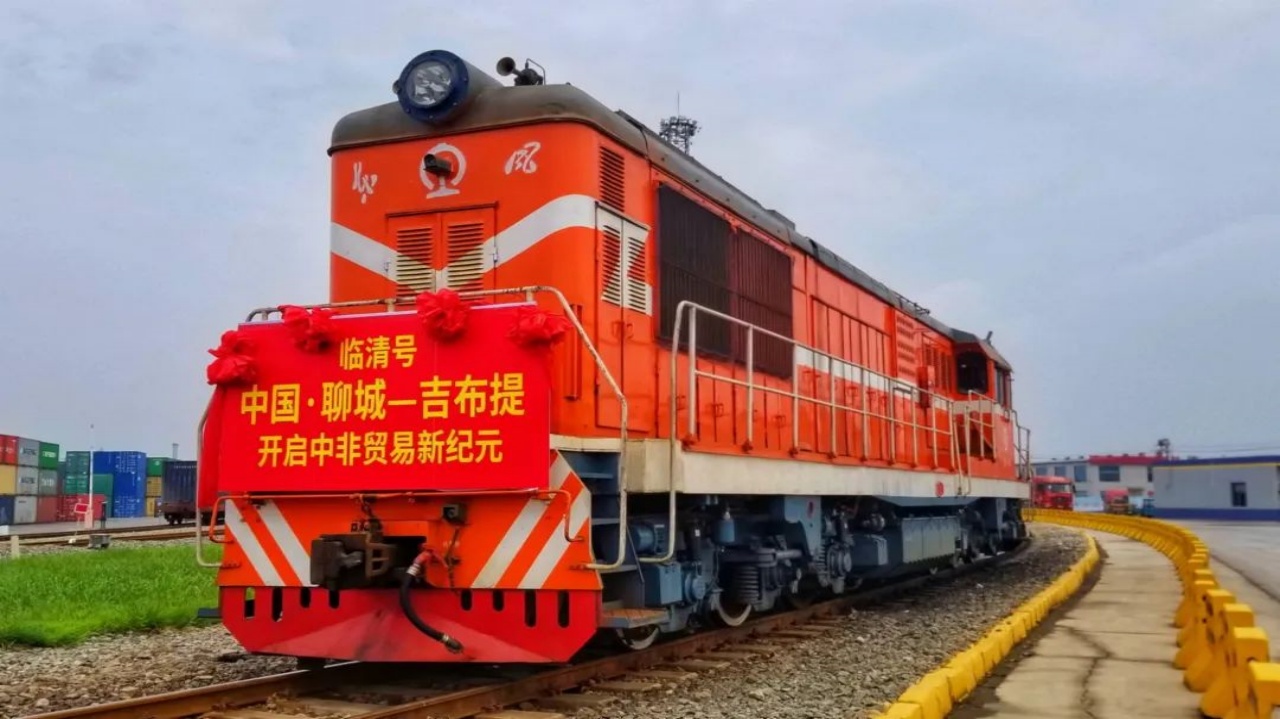
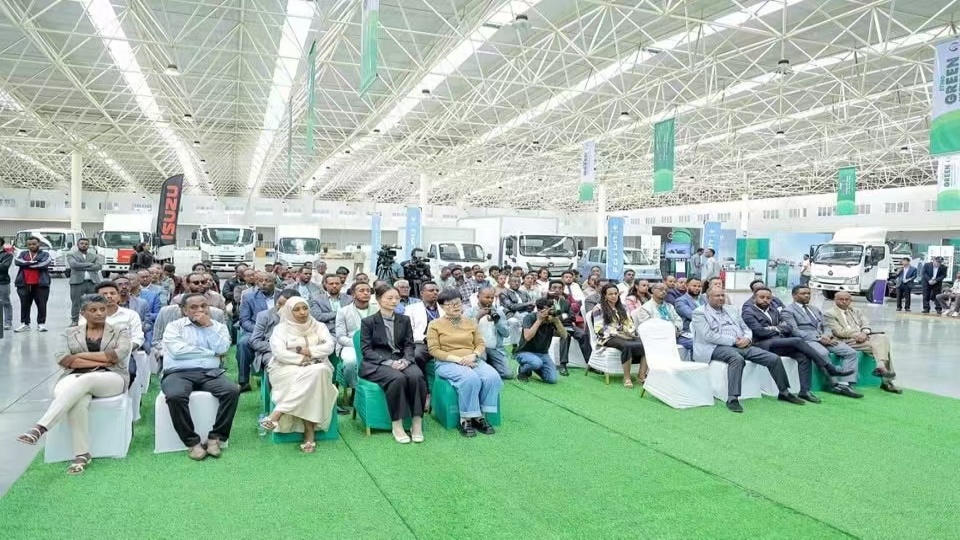
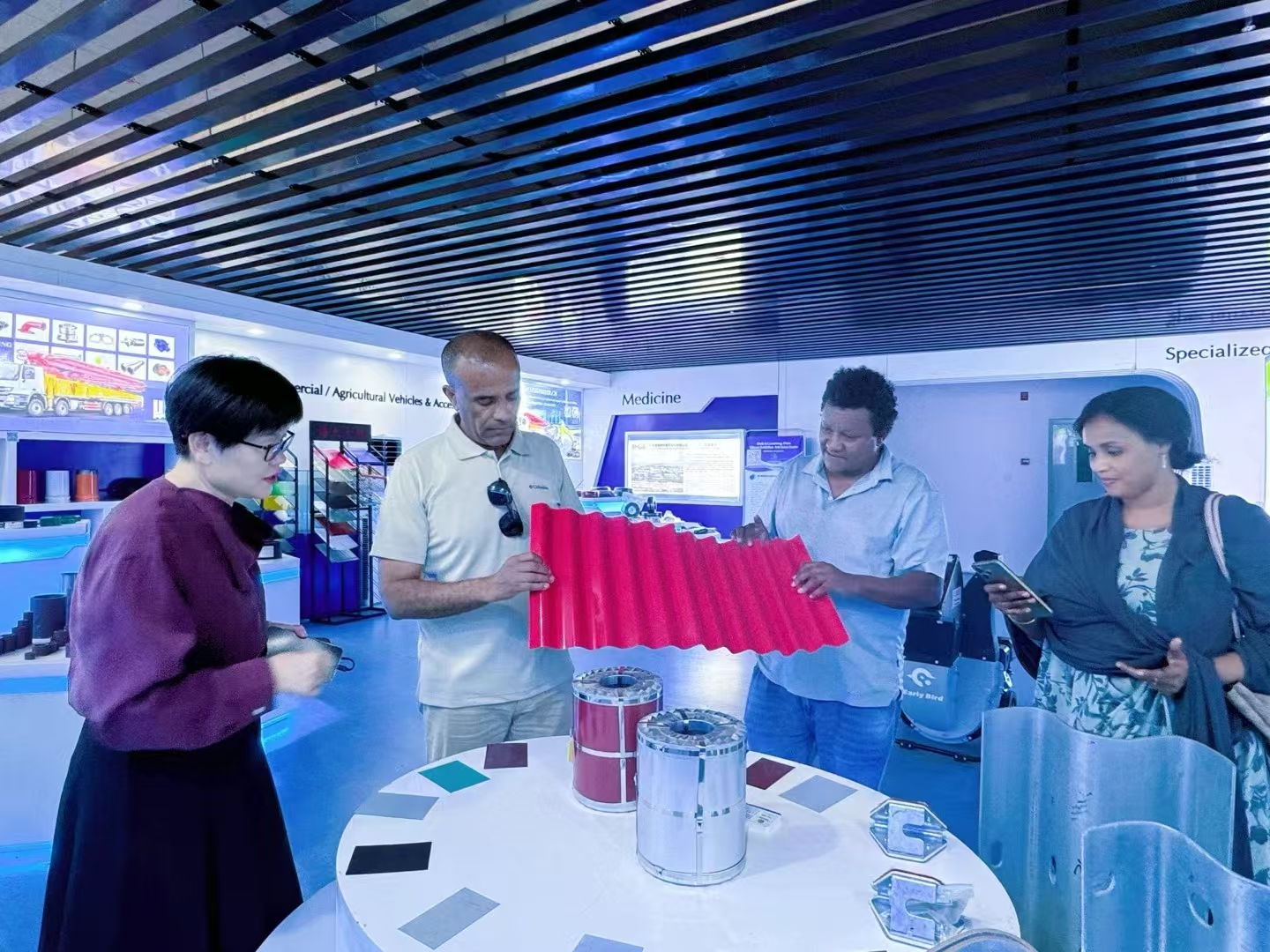
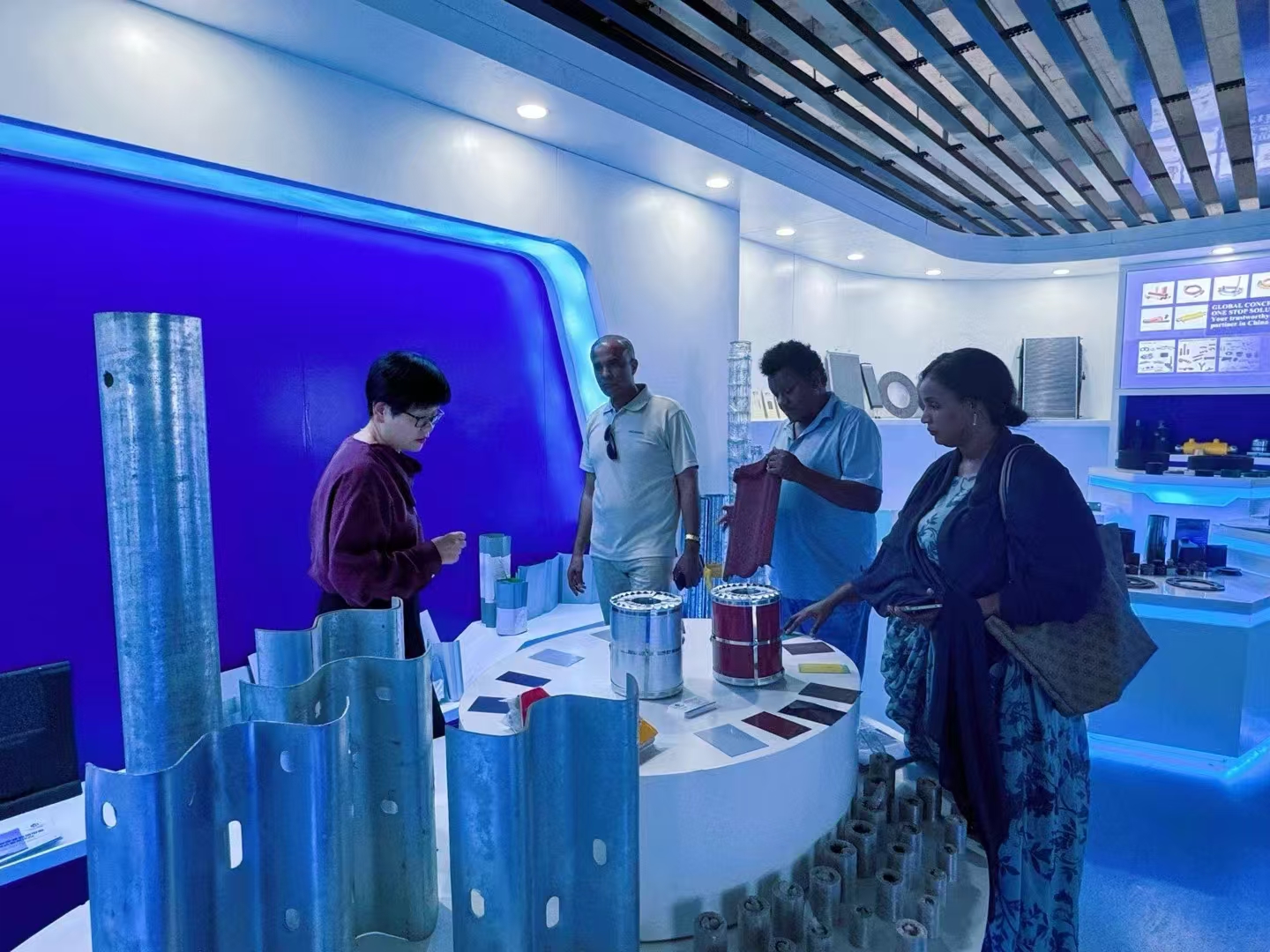
Established in 2023 inside the Djibouti International Free Trade Zone, our East African cross-border center integrates warehousing, customs clearing, product exhibitions, and technical after-sales support. This localized base cuts shipping lead times to East African nations by up to 25 days compared to direct shipping from East Asia ports.
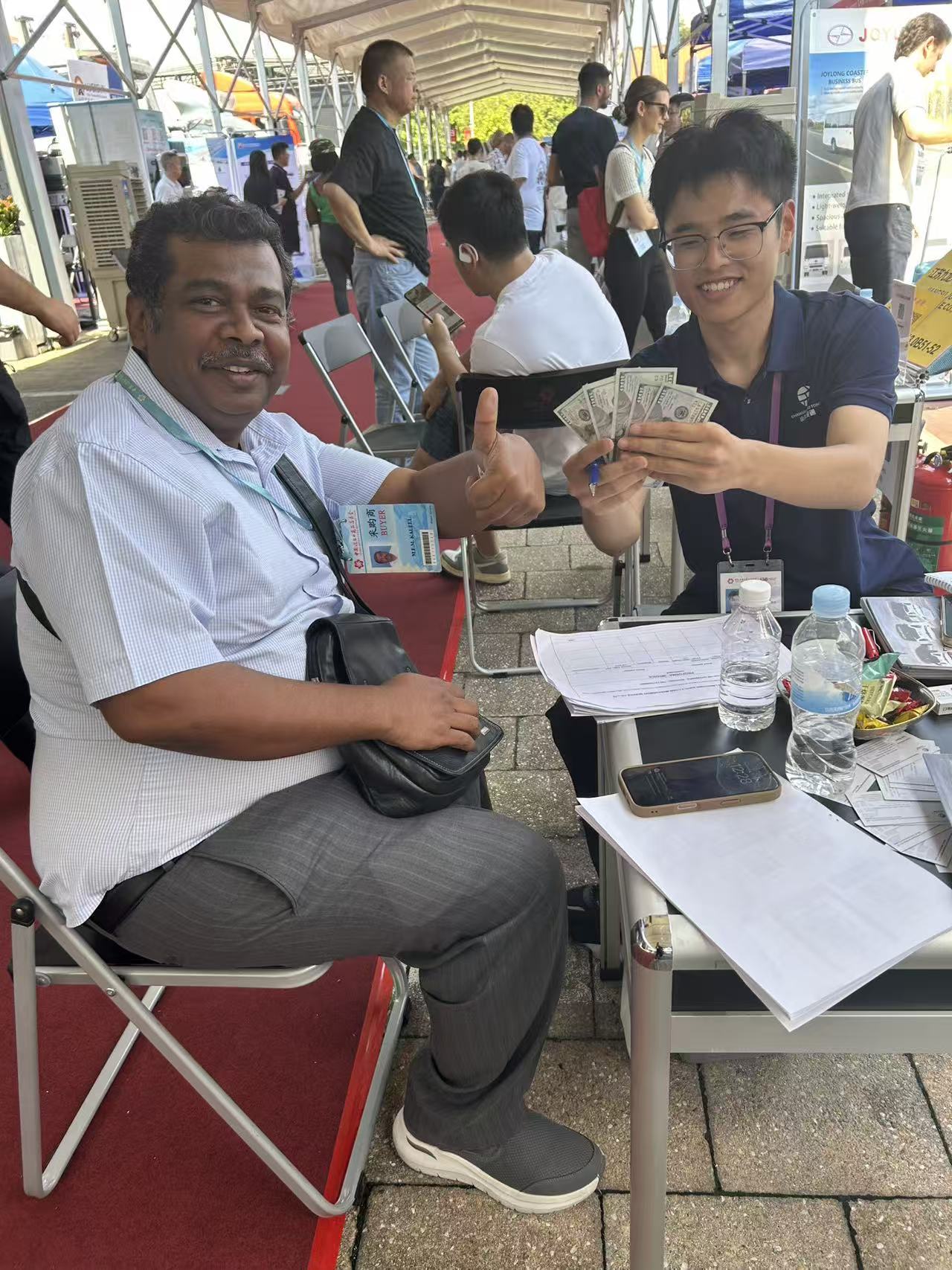
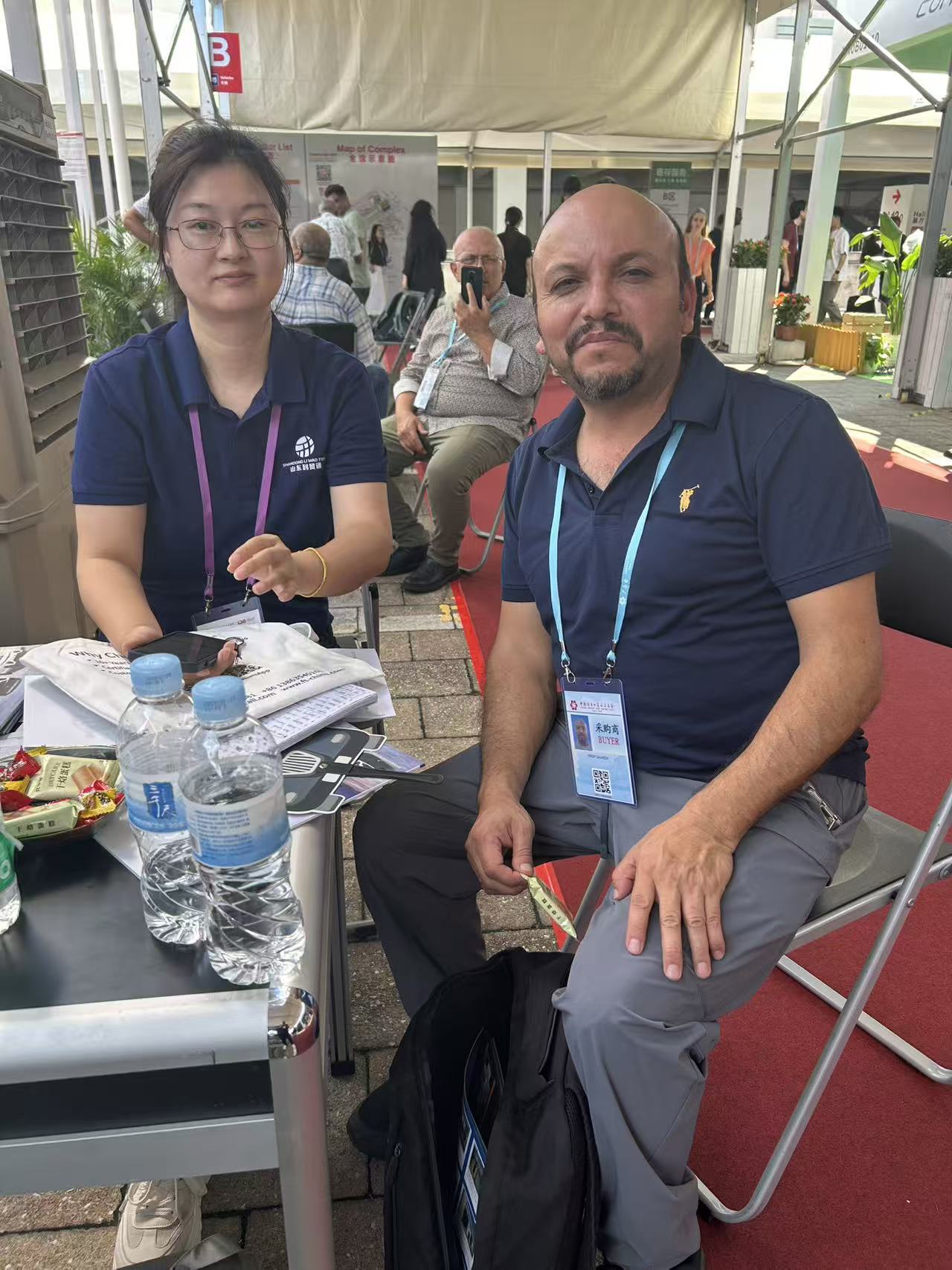
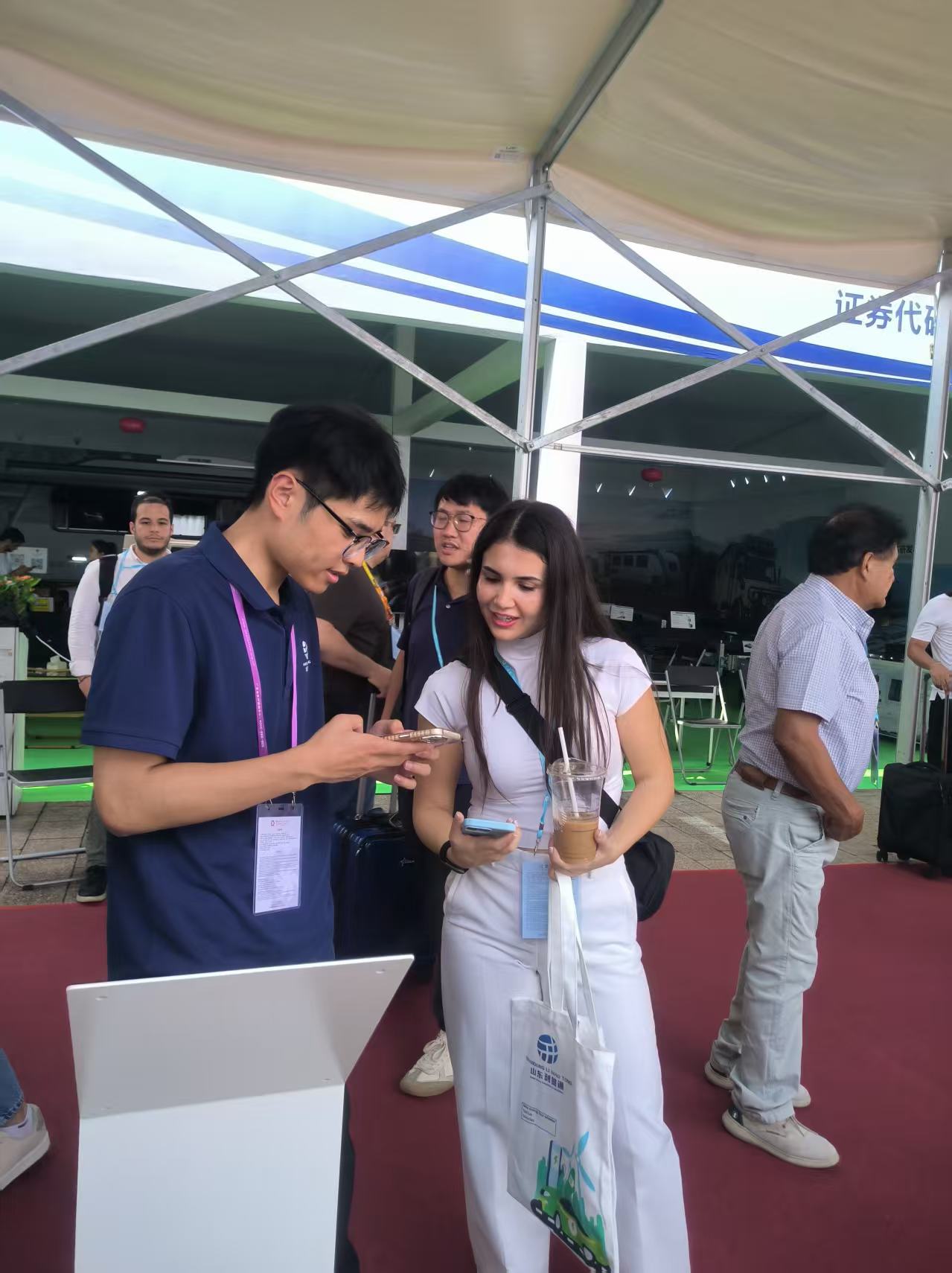
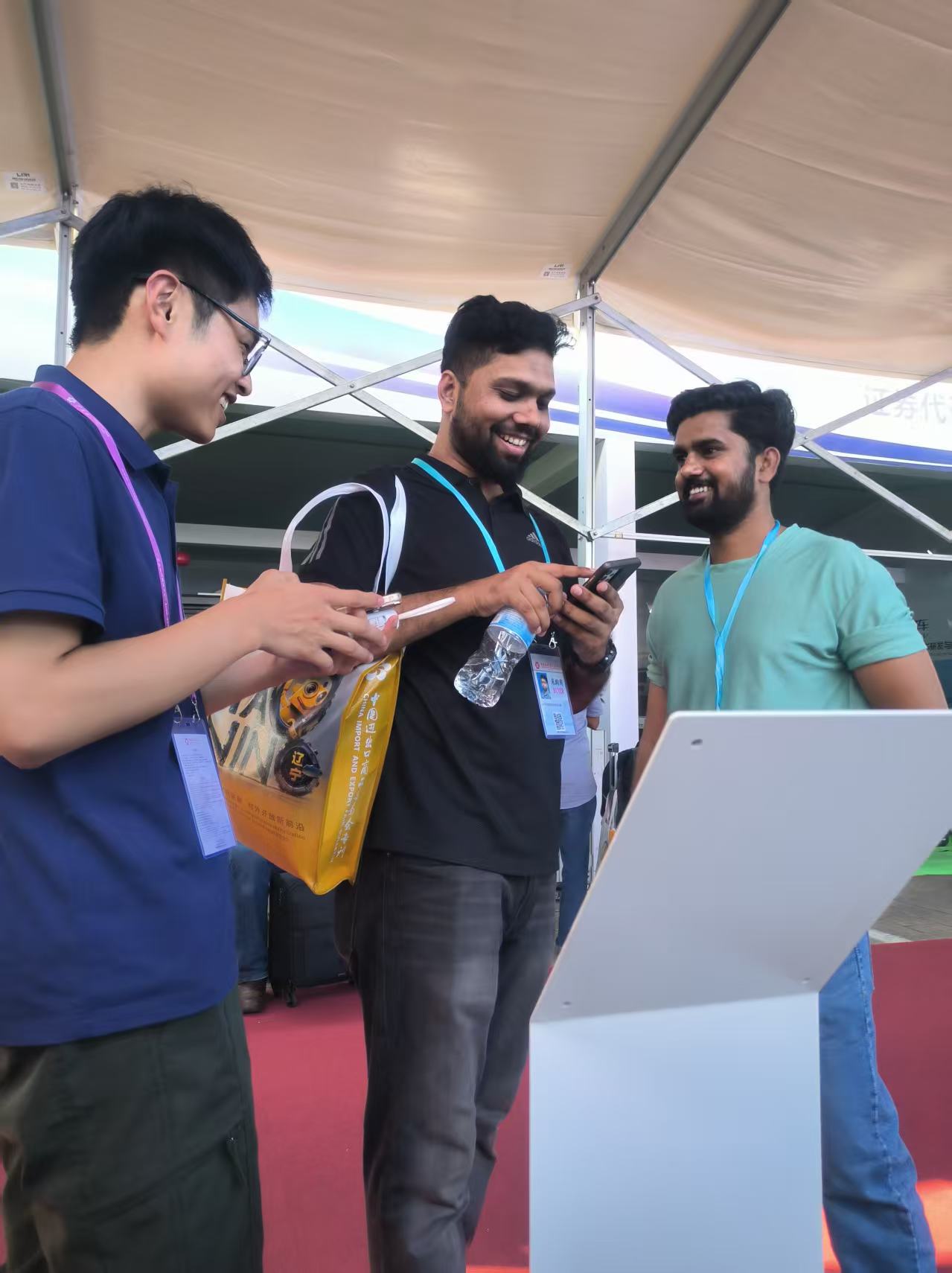
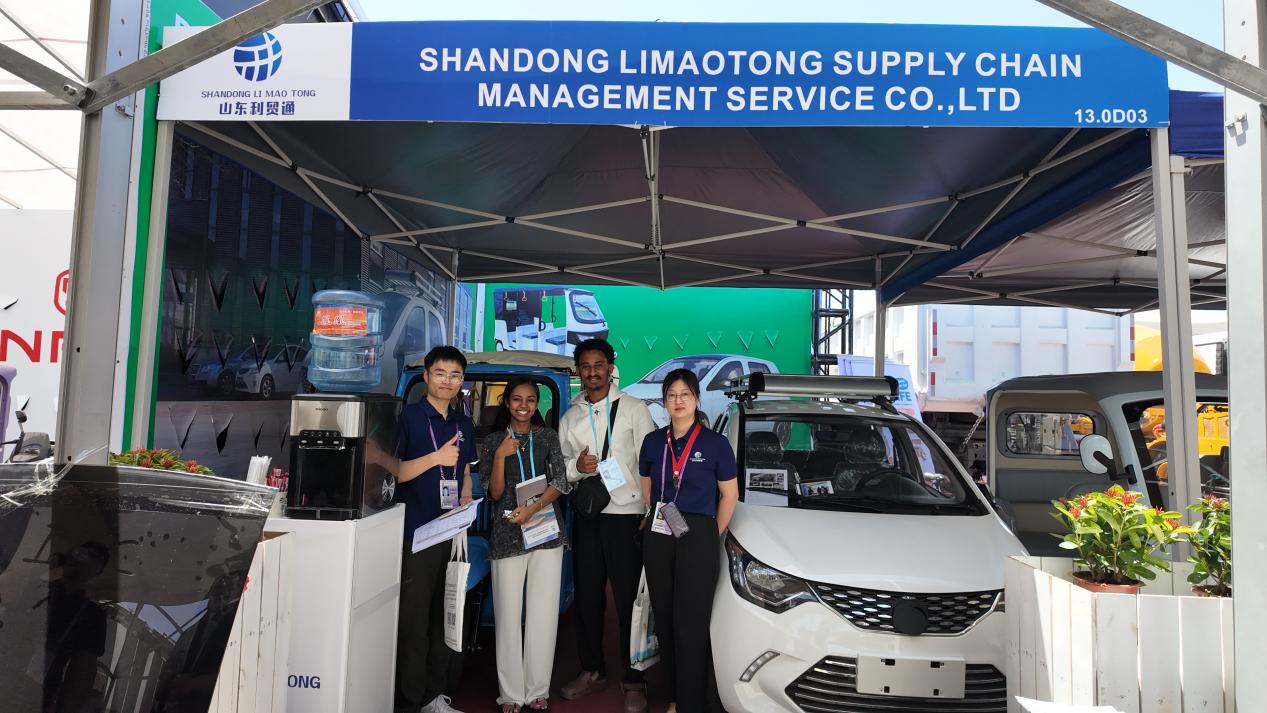
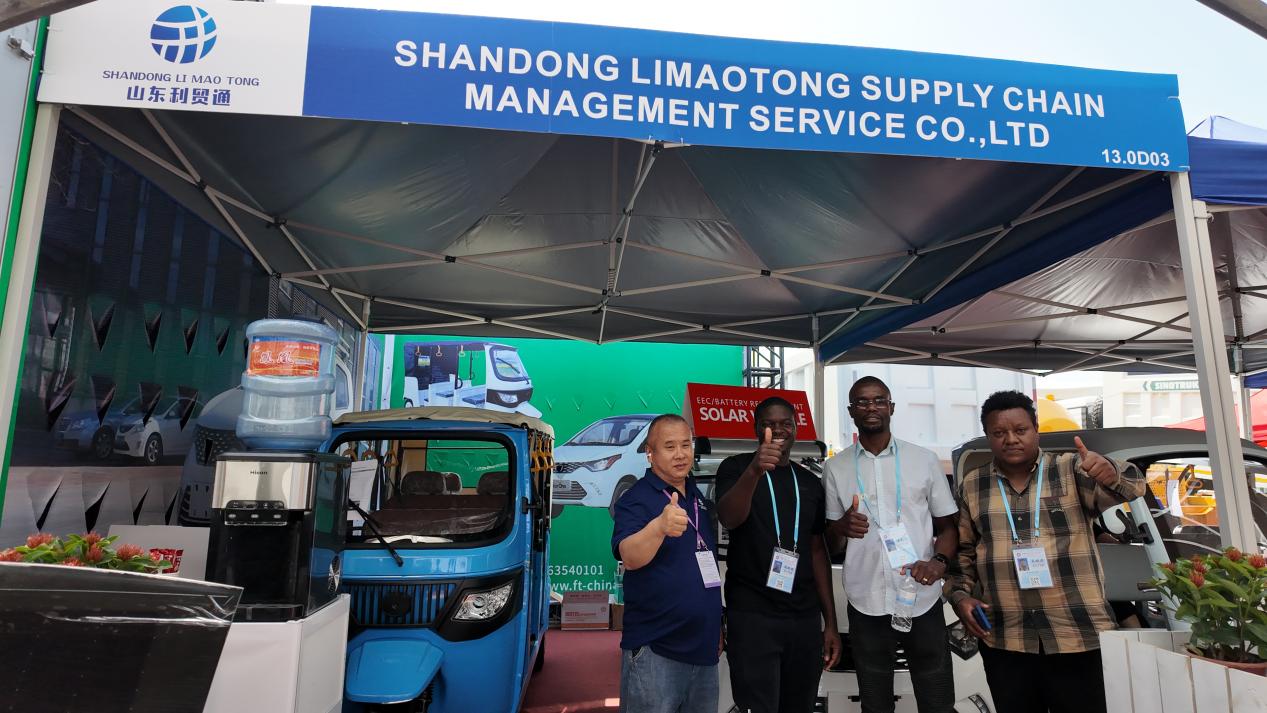
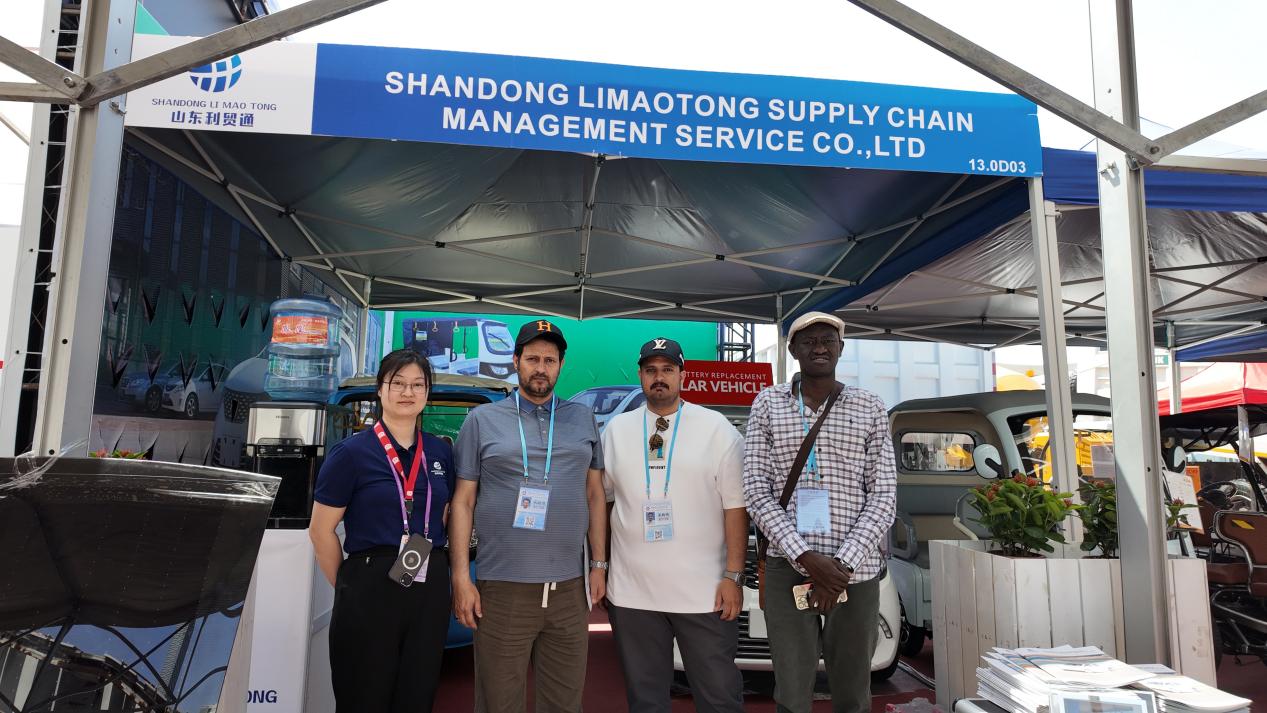
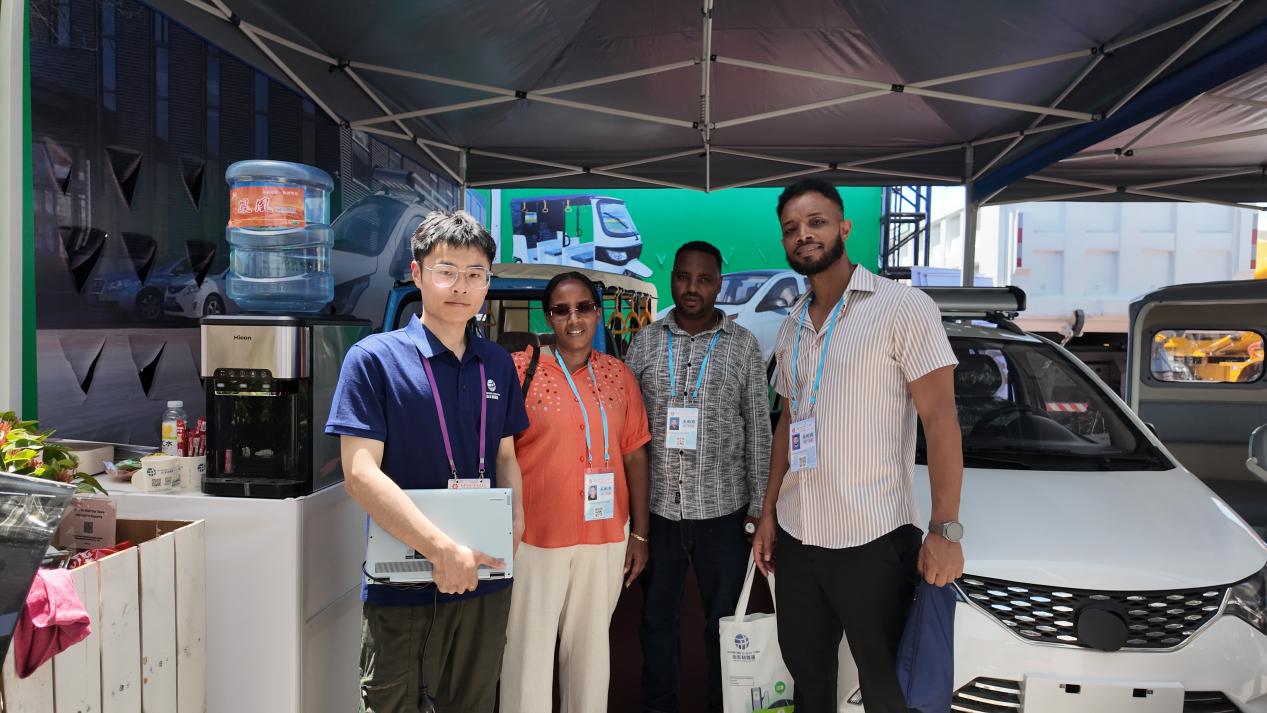
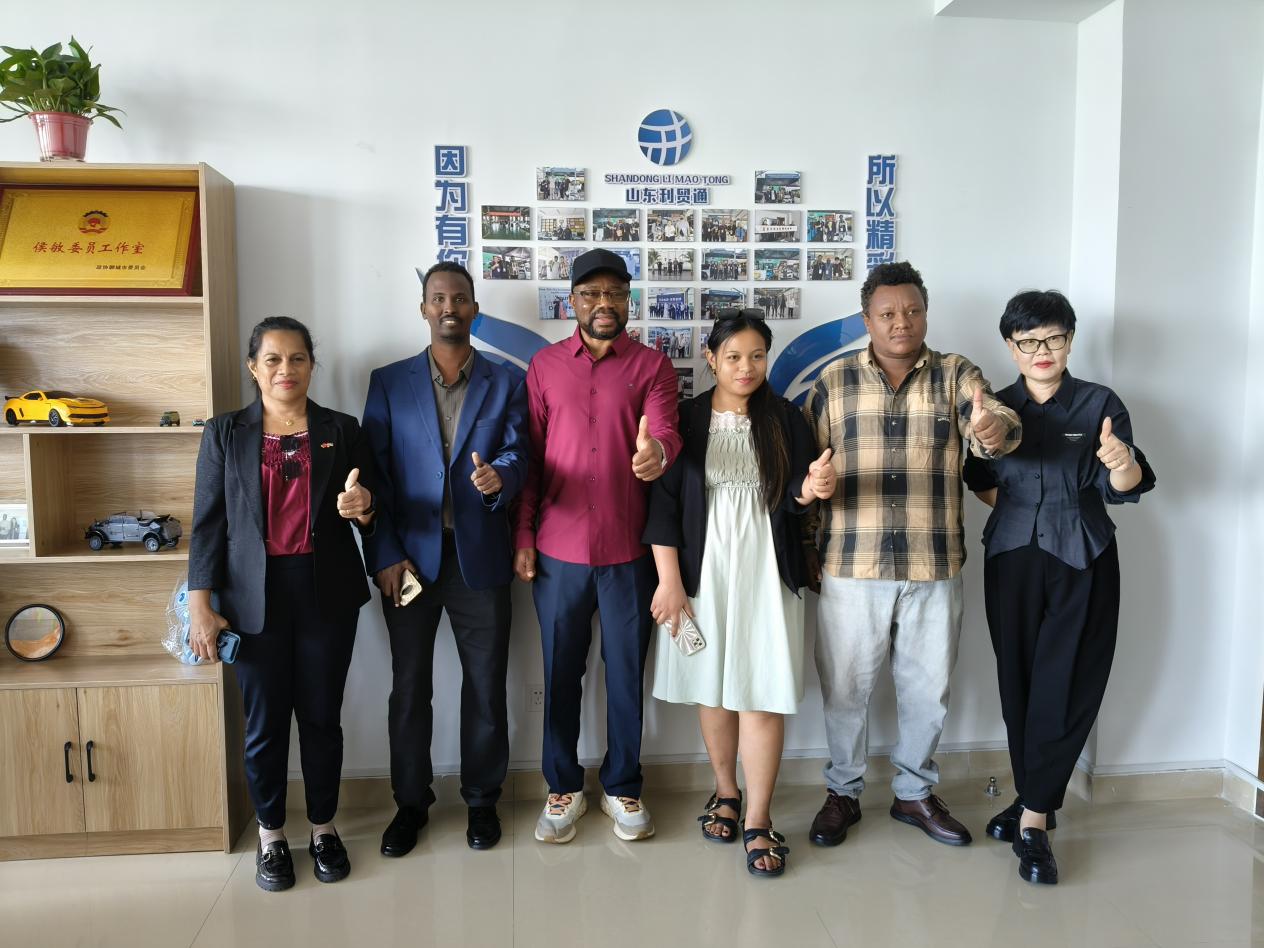
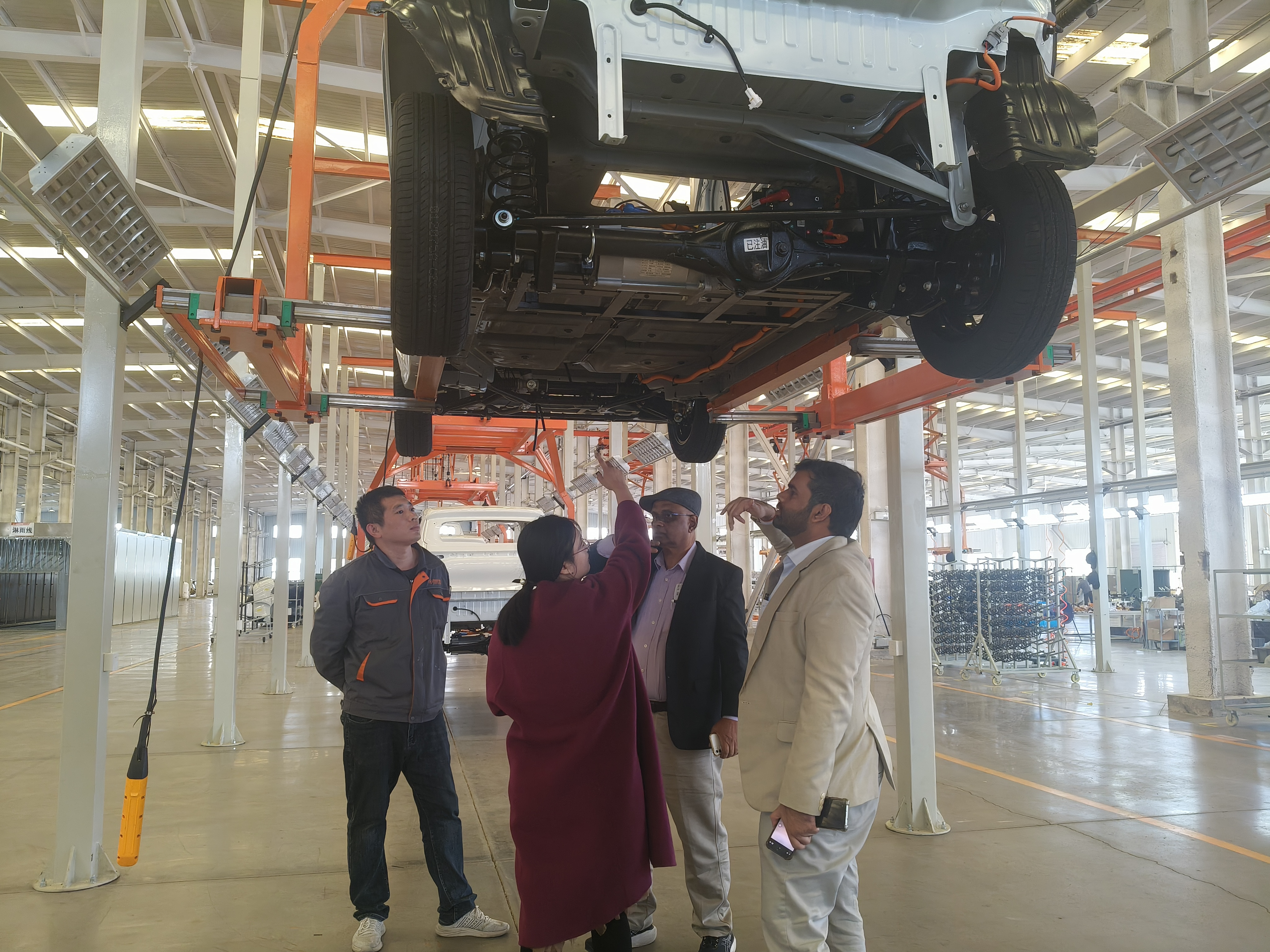
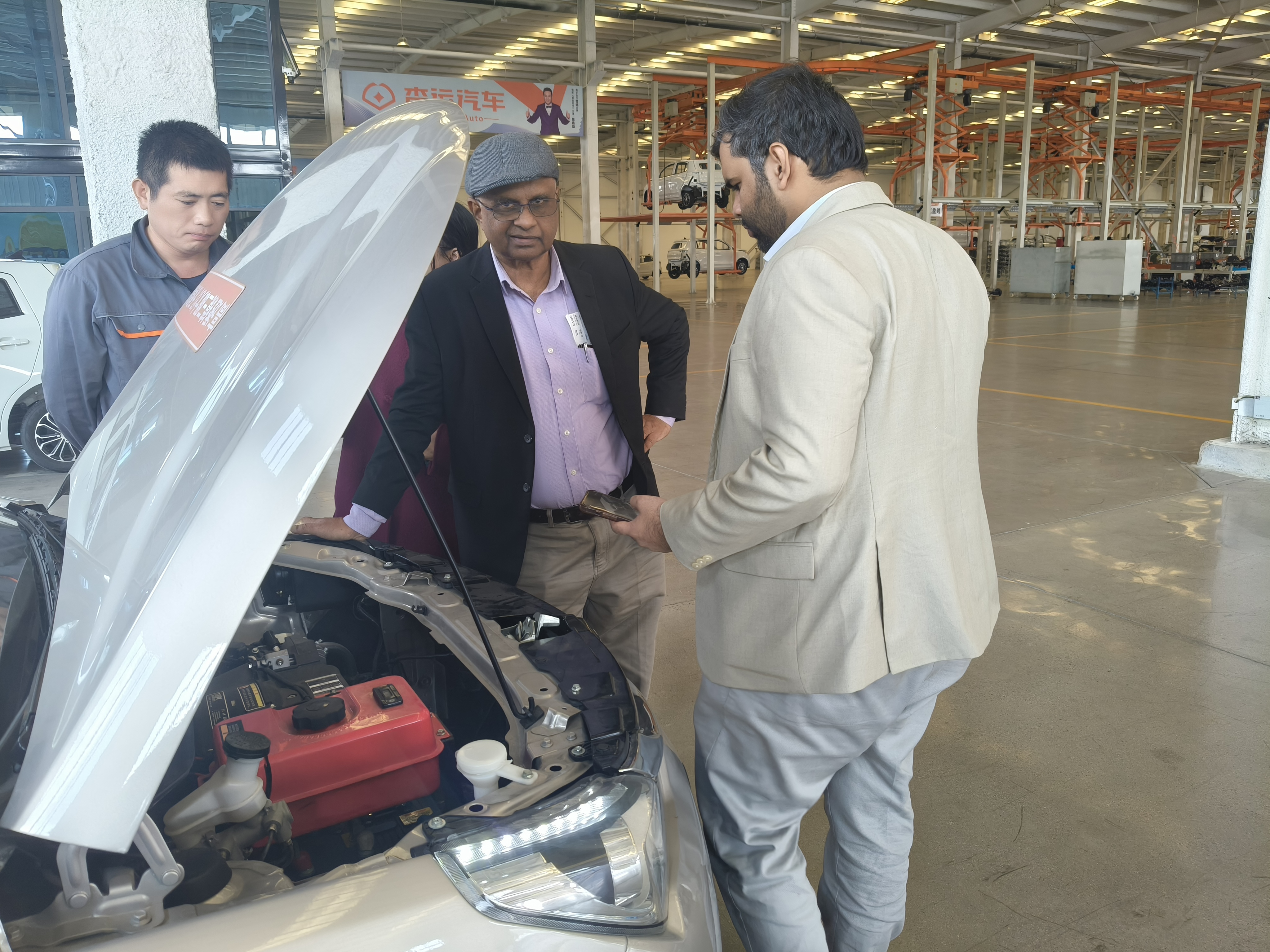
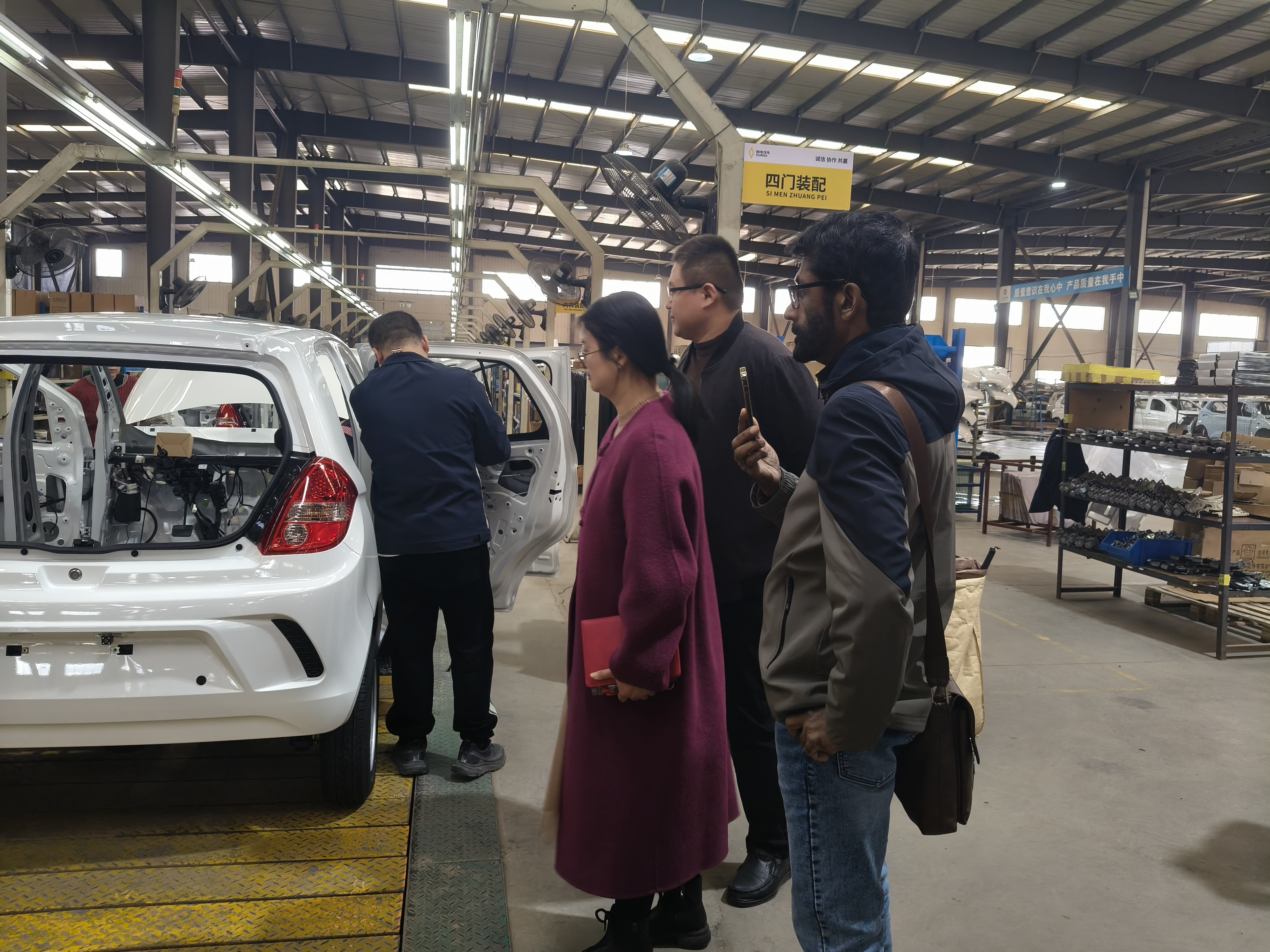
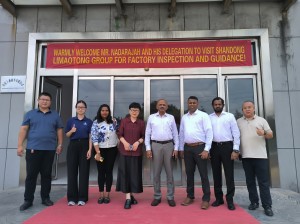
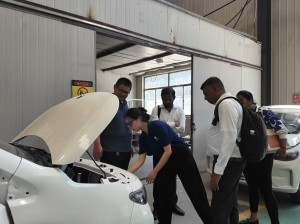

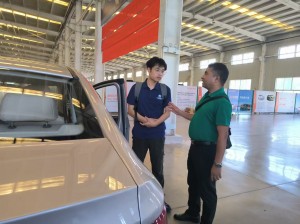
Djibouti (Overseas Warehouse) Cross-border E-commerce Exhibition and Sales Center was established in 2023. It is located in the Djibouti International Free Trade Zone in East Africa. With the help of the Djibouti Economic and Trade Co., Ltd. established in Africa, it has established a one-stop comprehensive service platform to provide enterprises with all-round housekeeper-style professional services such as sales, government affairs, customs affairs, and public services. Combining the online and offline linkage of cross-border trade business and independent station malls, we will build a "strong artery" of China-Africa economic and trade exchanges with the "cross-border trade + front-end warehouse" model and the African localized sales, customer service and logistics team, and help "China's intelligent manufacturing" go to the world and into Africa.
By positioning replacement parts and service technicians directly inside East Africa, Shandong Li Mao Tong Group resolves the classic pain point of overseas machinery sourcing: wait times for spare components. Whether it is battery cell diagnostics, controller recalibration, or mechanical chassis repair, the Djibouti Center ensures operational continuity for fleets across East Africa.


For tropical climates (with ambient temperatures above 40°C), we recommend Lithium Iron Phosphate (LiFePO4/LFP) chemistry over NMC (Nickel Manganese Cobalt) or lead-acid. LFP cells tolerate higher thermal levels without thermal runaway, deliver over 3,000 charge cycles, and include an active thermal management system within our custom BMS to ensure long lifespan and safety.
We offer three main packing options: Completely Knocked Down (CKD), Semi-Knocked Down (SKD), and Completely Built Up (CBU). CKD provides the highest container packing density, allowing up to 45 units to fit inside a single 40HQ container, lowering ocean freight costs by up to 60% per vehicle.
Yes. Many of our models are designed to meet EEC (European Economic Community) guidelines and include the Certificate of Conformity (COC). This ensures trouble-free vehicle registration, road compliance, and access to municipal green vehicle incentives throughout the European Union and associated countries.
A standard 60V/80Ah battery pack fully charges in 6 to 8 hours using a standard 110V/220V AC household outlet. With our optional fast-charging systems and intelligent chargers, you can reach 80% capacity in 2.5 to 3 hours under optimal conditions.
We ship a standard percentage of high-wear replacement parts (such as tires, brake pads, bulbs, and shock absorbers) with every container order. For ongoing operations, our regional distribution centers, including our hub in the Djibouti Free Trade Zone, maintain inventory of controllers, motors, and battery packs for rapid dispatch.
Our utility cargo and passenger vehicles feature a high-low speed climb gear system. This mechanical reduction gear, combined with our 3.0 kW PMSM motors, allows fully loaded vehicles to climb inclines of up to 25% (approximately 14 degrees) without overloading the motor or controller.
Every vehicle model must pass our laboratory level 7 rainstorm test. During this process, high-pressure water jets spray the vehicle from all angles for hours to verify the seals of critical electrical enclosures, including the motor housing, controller, dashboard assembly, and battery storage compartment.
Yes, we design solar-hybrid options for tropical environments. Our solar roofs feature monocrystalline silicon panels linked to solar controllers. These panels continuously trickle-charge the main battery, adding 15 to 25 km of clean range per day depending on local sunlight conditions.
 Limaotong