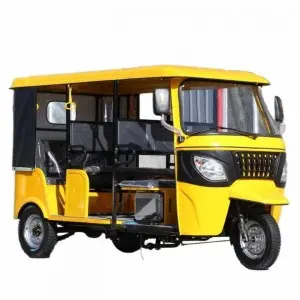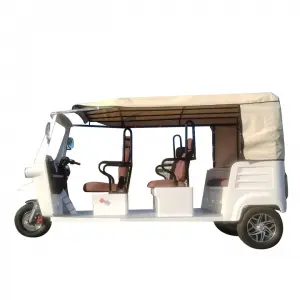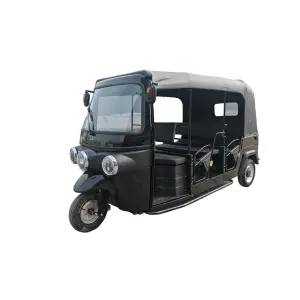
The global urban transit paradigm is witnessing an unprecedented shift. As dense metropolitan regions face increasing traffic congestion, strict carbon emission regulations, and the explosive growth of last-mile delivery services, three-wheel adult vehicles have transitioned from regional transit alternatives into critical global logistics assets.
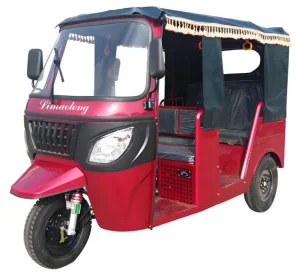
In mature markets such as North America and Western Europe, the demand for high-end electric passenger trikes and commercial cargo units is fueled by municipal carbon-neutral initiatives and the expansion of inner-city green zones. Meanwhile, across emerging economies in East Africa, Latin America, and Southeast Asia, electric passenger tricycles (commonly known as Tuk Tuks) and heavy-load cargo trikes form the backbone of both public transportation networks and local trade routes.
Industrial three-wheel vehicles present distinct architectural advantages over standard light utility trucks and traditional motorcycles. By incorporating structural stability through a triangular stance, these vehicles boast superior payload capabilities within narrow alleyways where conventional four-wheeled trucks cannot maneuver. Modern micro-mobility relies heavily on the low Total Cost of Ownership (TCO) and rapid charge turnaround times offered by electric trikes, making this sector one of the fastest-growing categories in alternative vehicle manufacturing globally.
Providing localized, heavy-duty cargo and passenger vehicle solutions across global supply networks.
Reliable, emission-free electric mobility designed for commuter comfort and business operations.
Strategically positioned manufacturing hubs offering tariff advantages and expedited delivery pipelines.
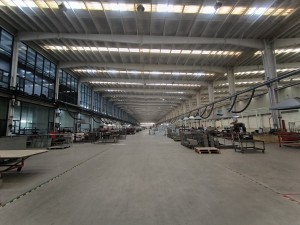
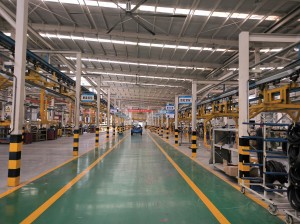
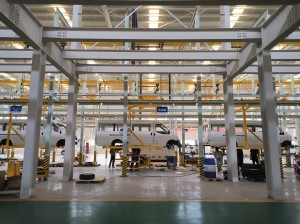
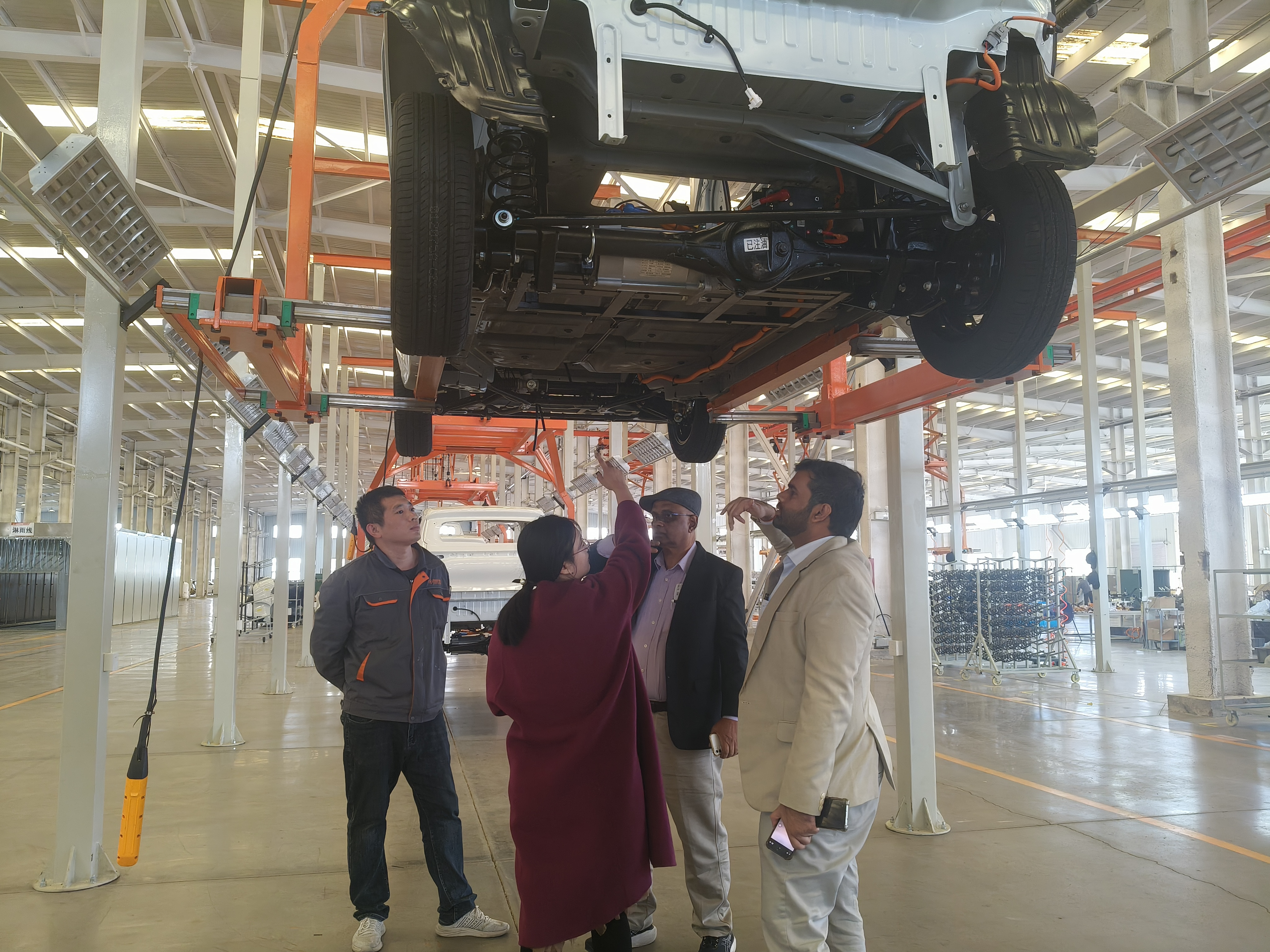
In the booming wave of China's new energy vehicle industry, Shandong Li Mao Tong Group emerged at the historic moment. Rooted in China and embracing the world, we strive to deliver an electric mobility experience that exceeds expectations for every user. Quality is our lifeline. We operate a modern intelligent manufacturing base equipped with highly automated production lines and a stringent digital quality control system, ensuring every vehicle rolling off the line meets international standards of exquisite craftsmanship.
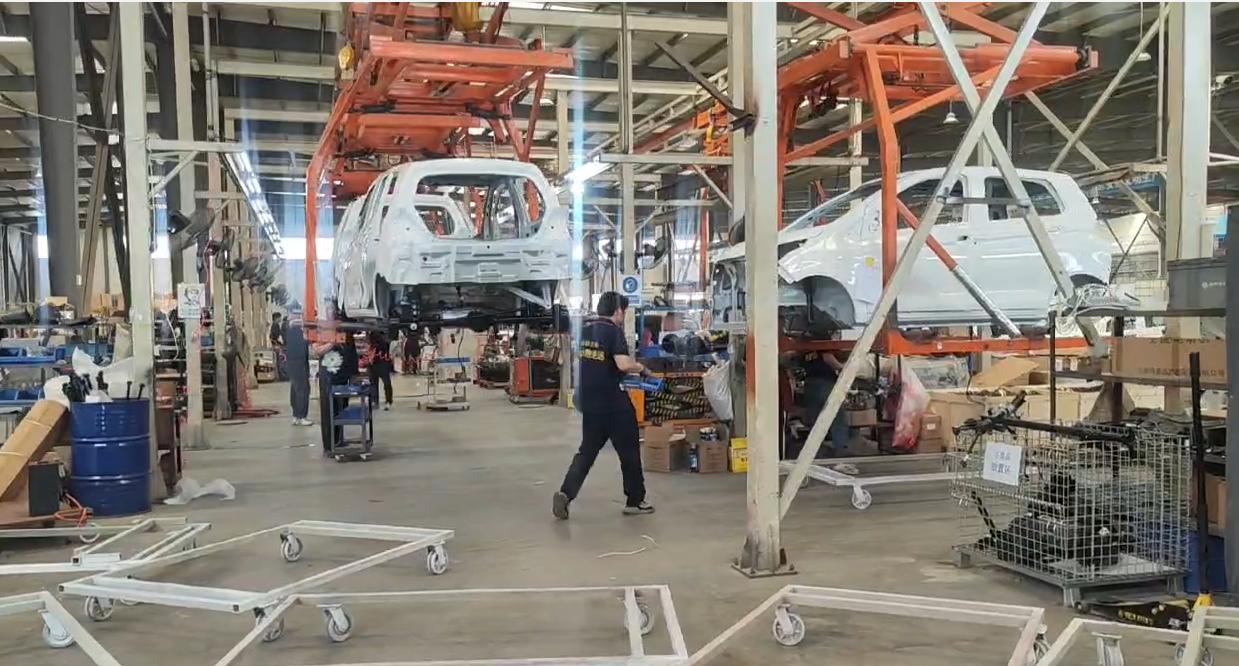
Our relentless pursuit of safety permeates every aspect, with battery systems passing safety tests far exceeding national standards, and vehicle structural designs targeting the highest safety ratings to comprehensively protect user security. Our core competitiveness stems from cutting-edge technology R&D and unremitting innovation. From one-piece stamped steel frames to millimeter-precision cutting; from fully automated robotic painting creating flawless finishes to precision-engineered assembly processes; every stage is safeguarded by dedicated technical teams.
We dare to accept the laboratory-level seven-rainstorm test and face all kinds of extreme environmental challenges in the world. Our multi-series, multi-positioning, and multi-brand strategy, coupled with advantages in global delivery, full-process services, and all-terrain customization capabilities, has rapidly established us as a preferred manufacturer of "Chinese Magic Cars" among global customers. We conquer the world with quality and pave the path to success with craftsmanship. We look forward to collaborating with global partners to make Chinese manufacturing shine worldwide.
The global leadership of Chinese factories in the production of three-wheel adult vehicles is not merely a product of labor optimization. It is the result of complete industrial cluster integration. Every stage of raw material refinement, structural stamping, drivetrain calibration, and digital inspection is situated within closely coupled industrial zones, slashing standard production times and component logistics costs.
At the core of this industrial supremacy is the standardization of modular chassis structures. Chinese factories leverage automated robotic welding lines and advanced cathodic electrophoresis dipping processes. Electrophoresis coating ensures that the chassis remains rust-free and structurally sound in humid tropical zones or coastal areas with high saline concentrations.

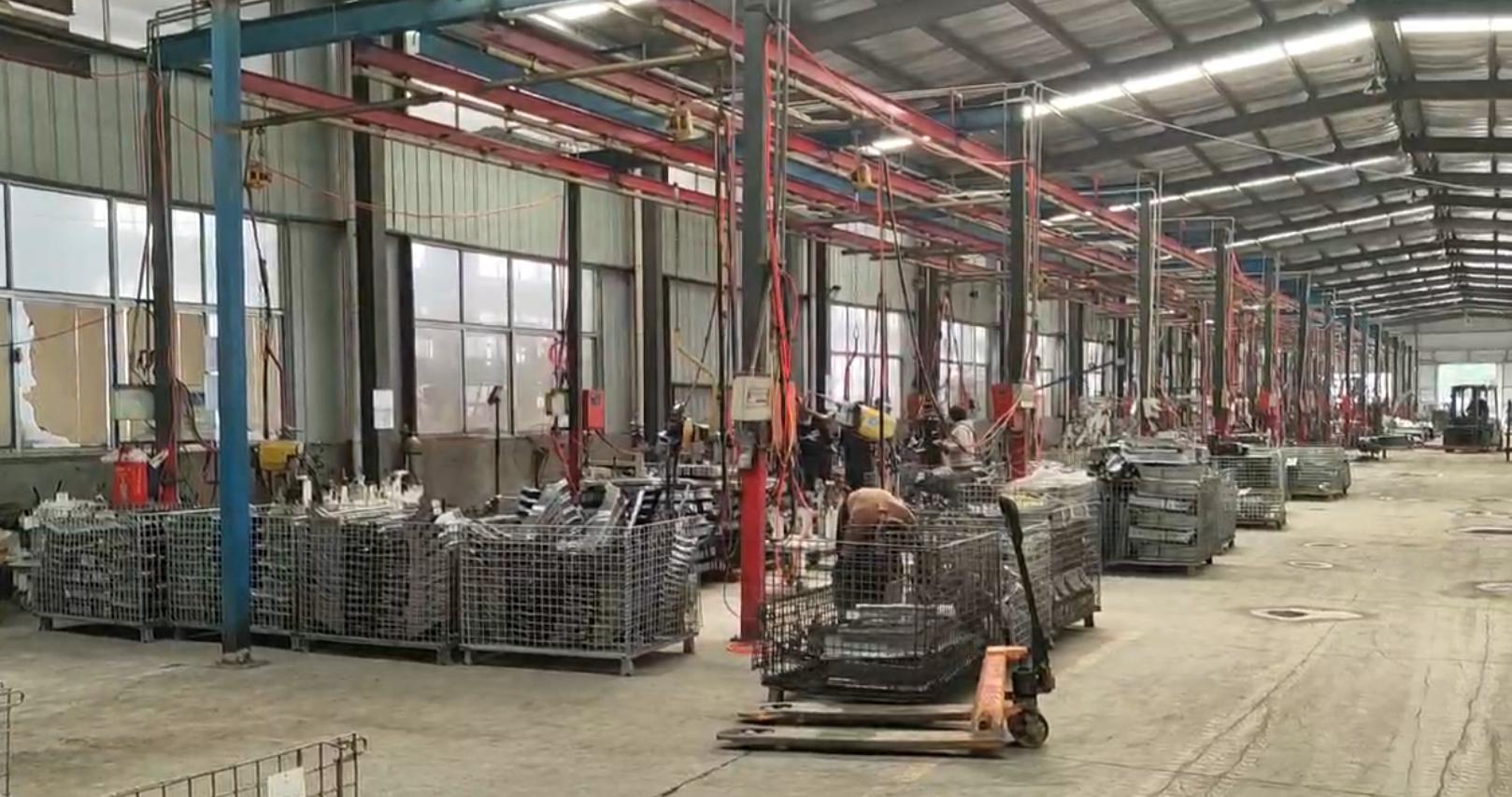
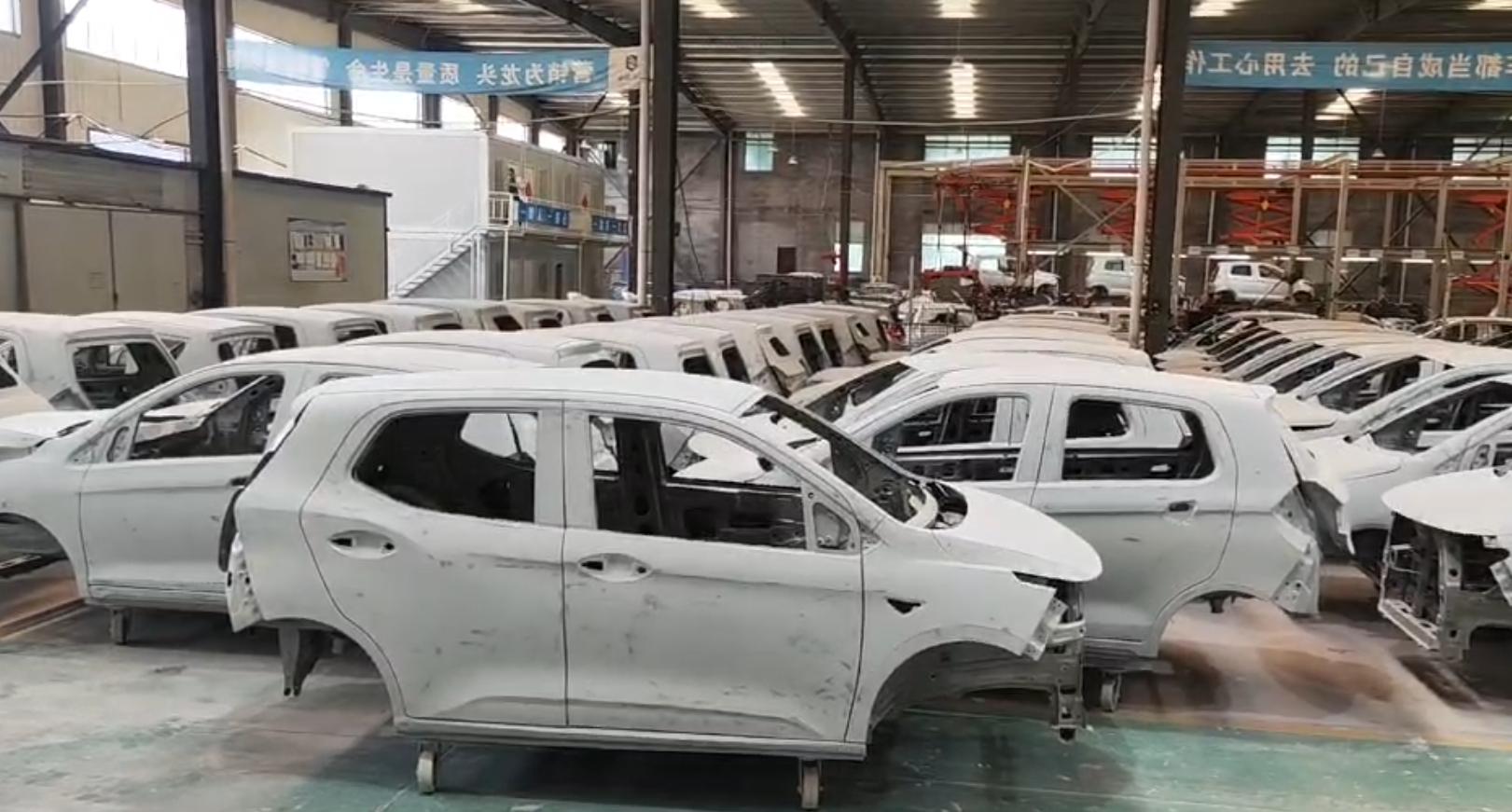
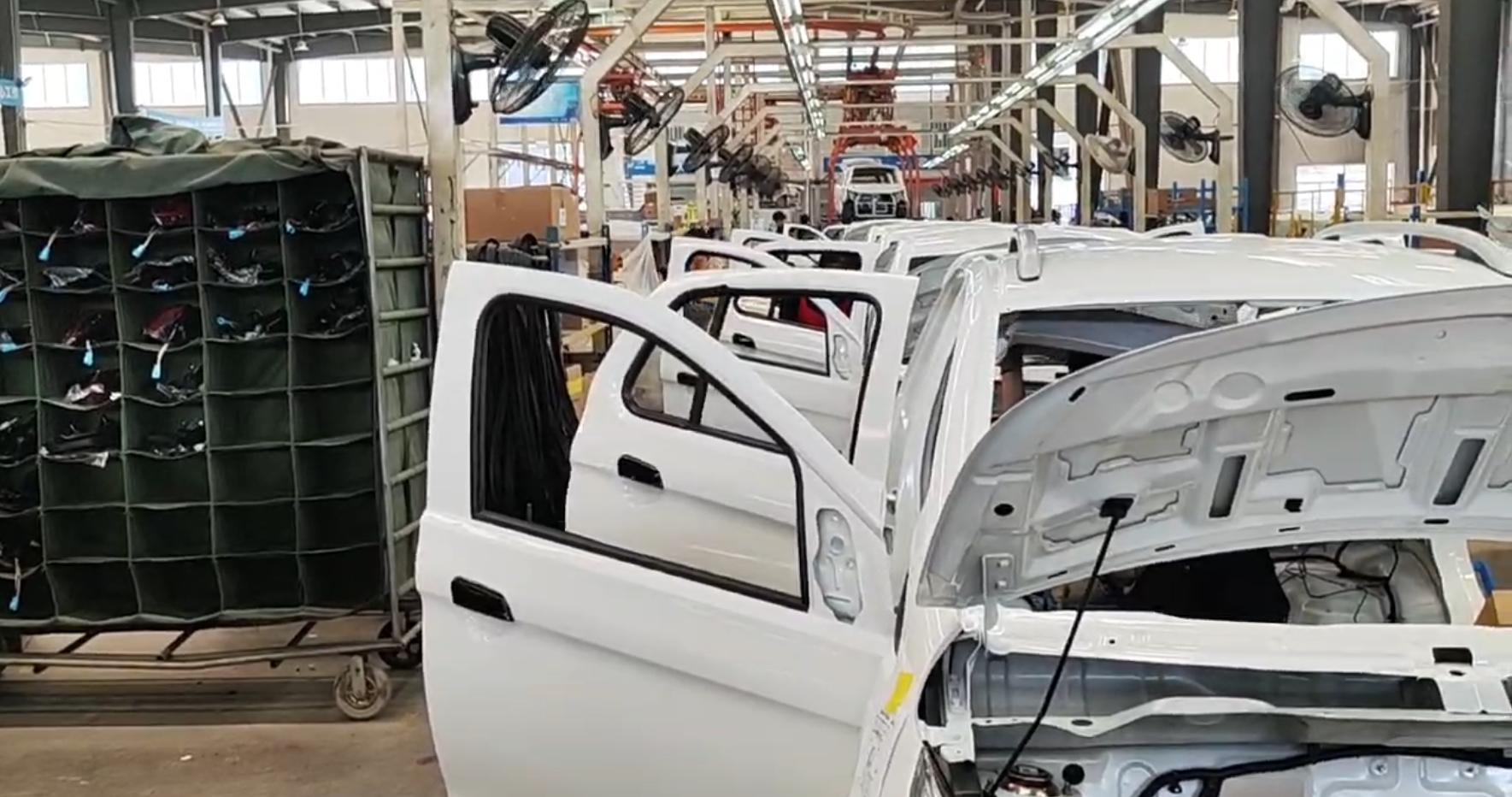
Understanding the micro-mobility sector requires dissecting where these vehicles operate. Unlike standard 4-wheel sedans, three-wheelers are precision tools tailored to high-density or resource-limited environments.
1. Last-Mile Logistics & Cold Chain Deliveries
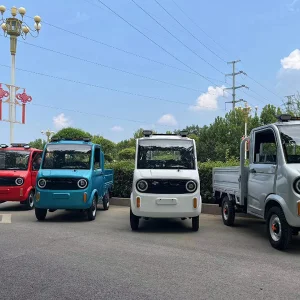
For urban logistics operators, high-capacity electric cargo tricycles (often boasting load capacities of up to 1,800 kg) are highly cost-efficient transport options. These vehicles bypass narrow city streets that pose challenges for delivery vans. In developing countries, integrated refrigerated boxes enable cold-chain transport for food and pharmaceuticals.
2. Suburban Passenger Commuting
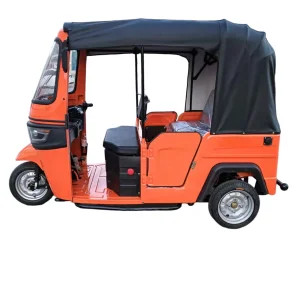
In residential sectors lacking extensive rapid transit, 6-seater and 7-seater electric passenger tricycles serve as local transit links. Operating costs are lower than those of internal combustion engines, providing taxi operators with higher daily net margins.
3. Heavy-Duty Agricultural & Industrial Logistics
Equipped with powerful auxiliary low-gear transmissions and reinforced hydraulic dumping structures, fuel and electric mini-dump trikes support agricultural operations, mining logistics, and construction site management.
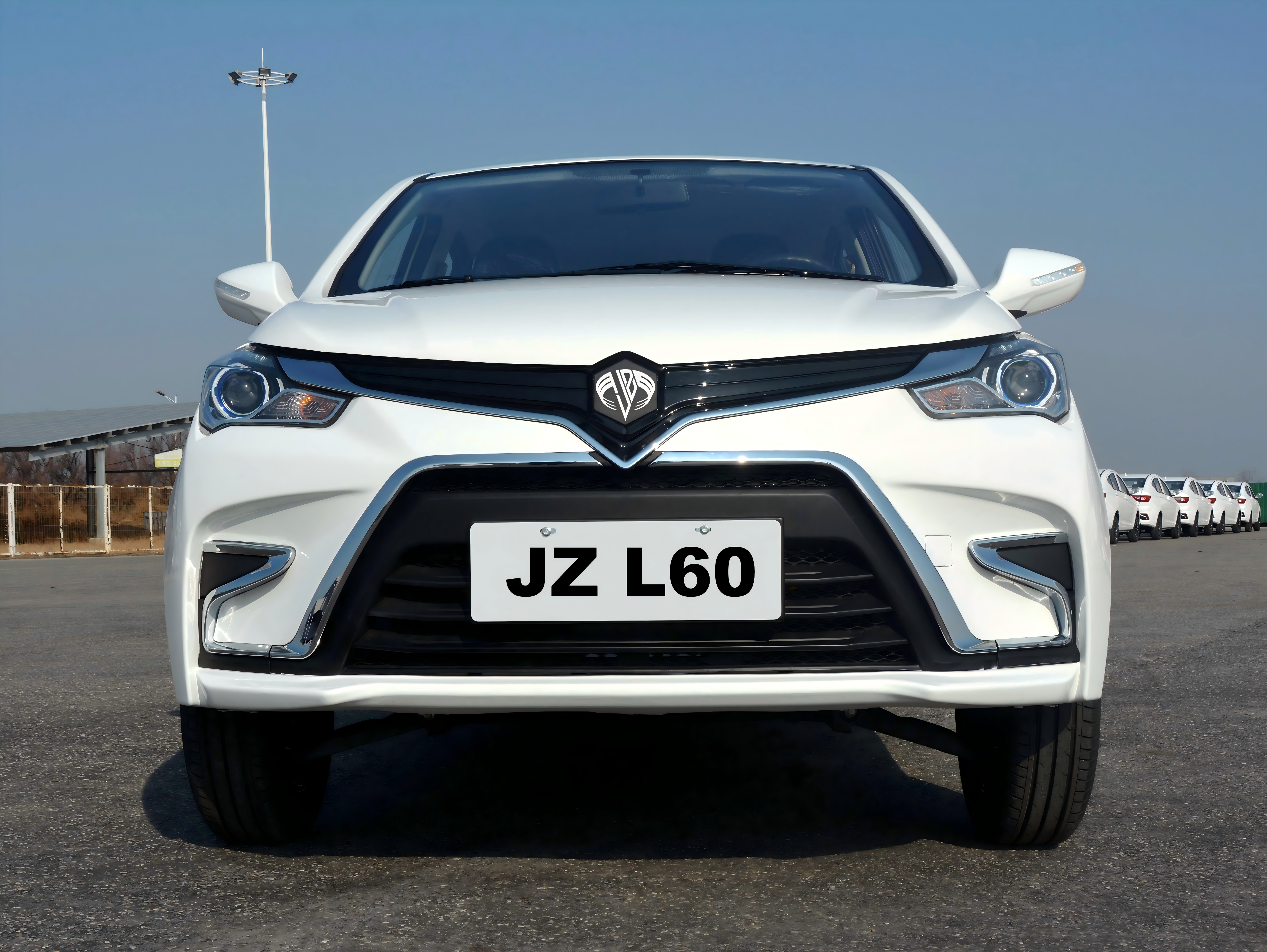
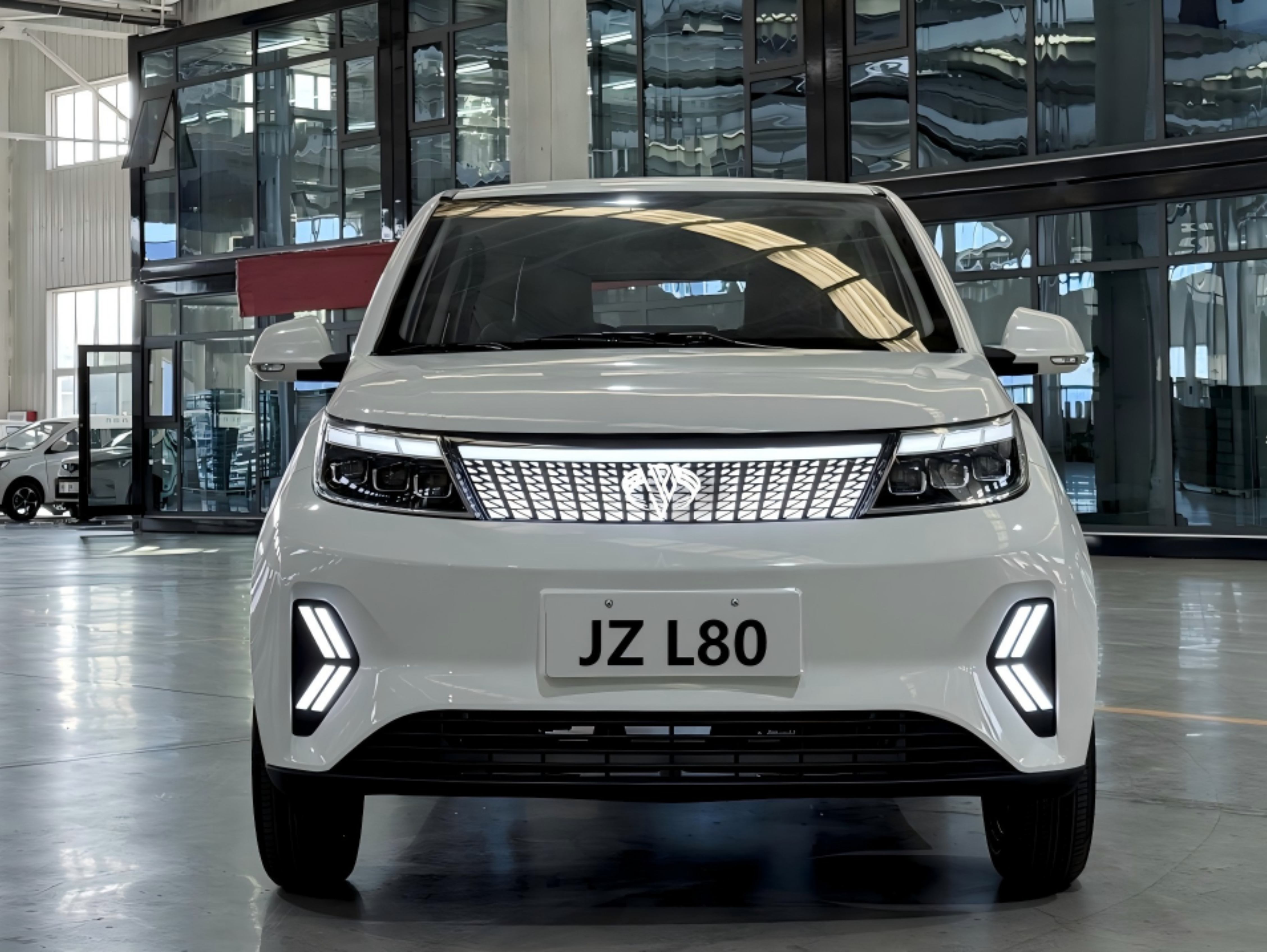
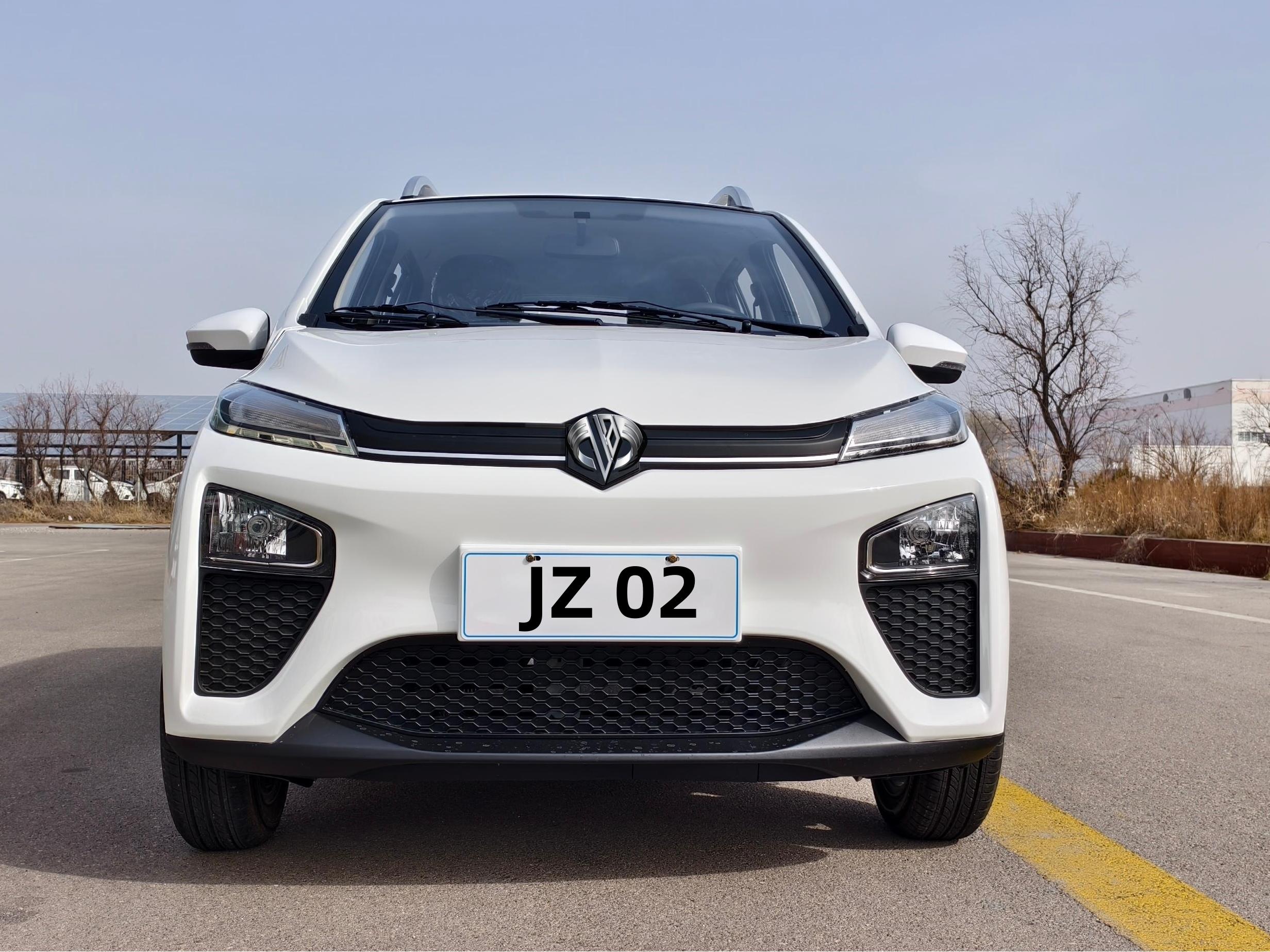
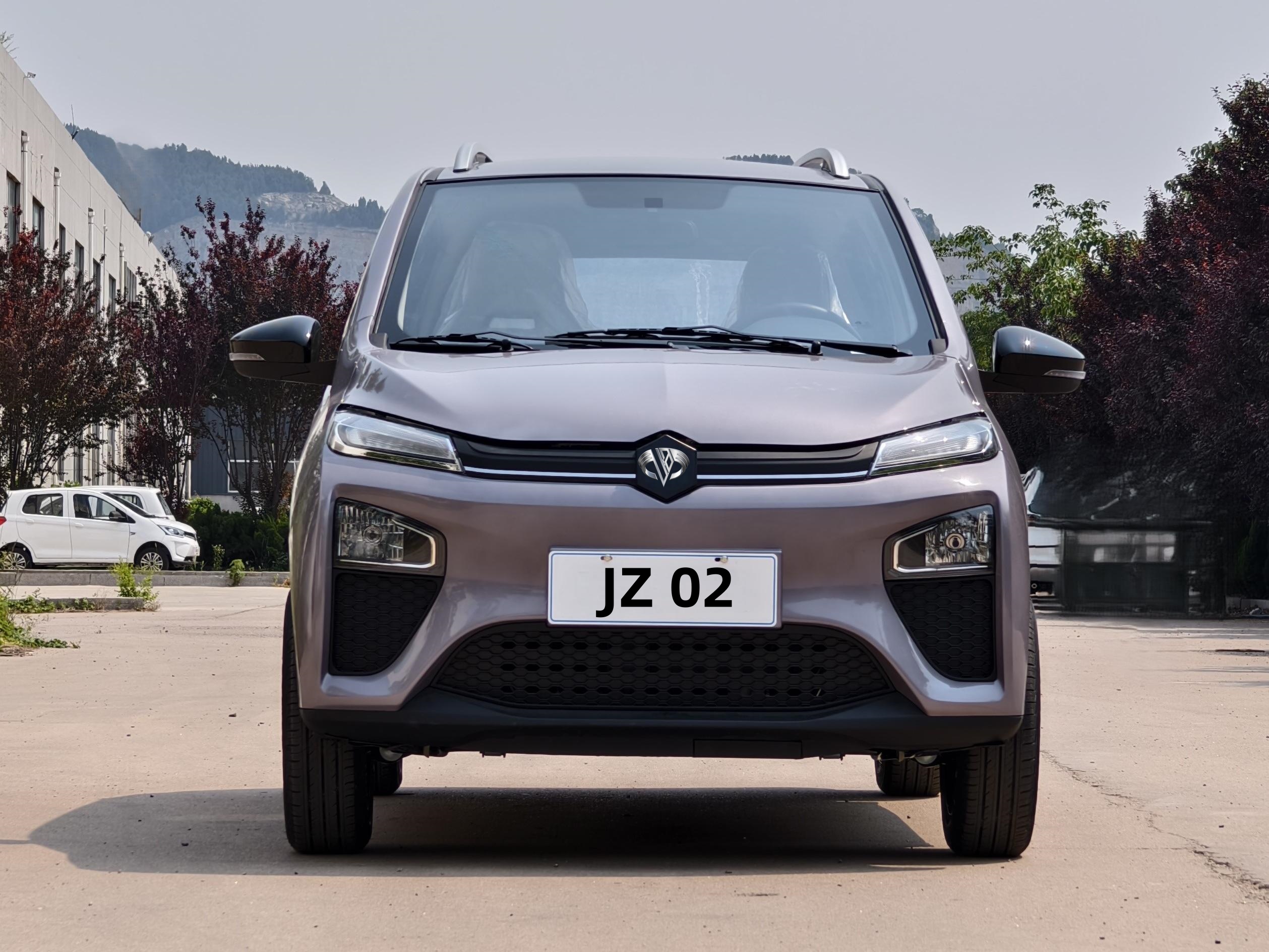

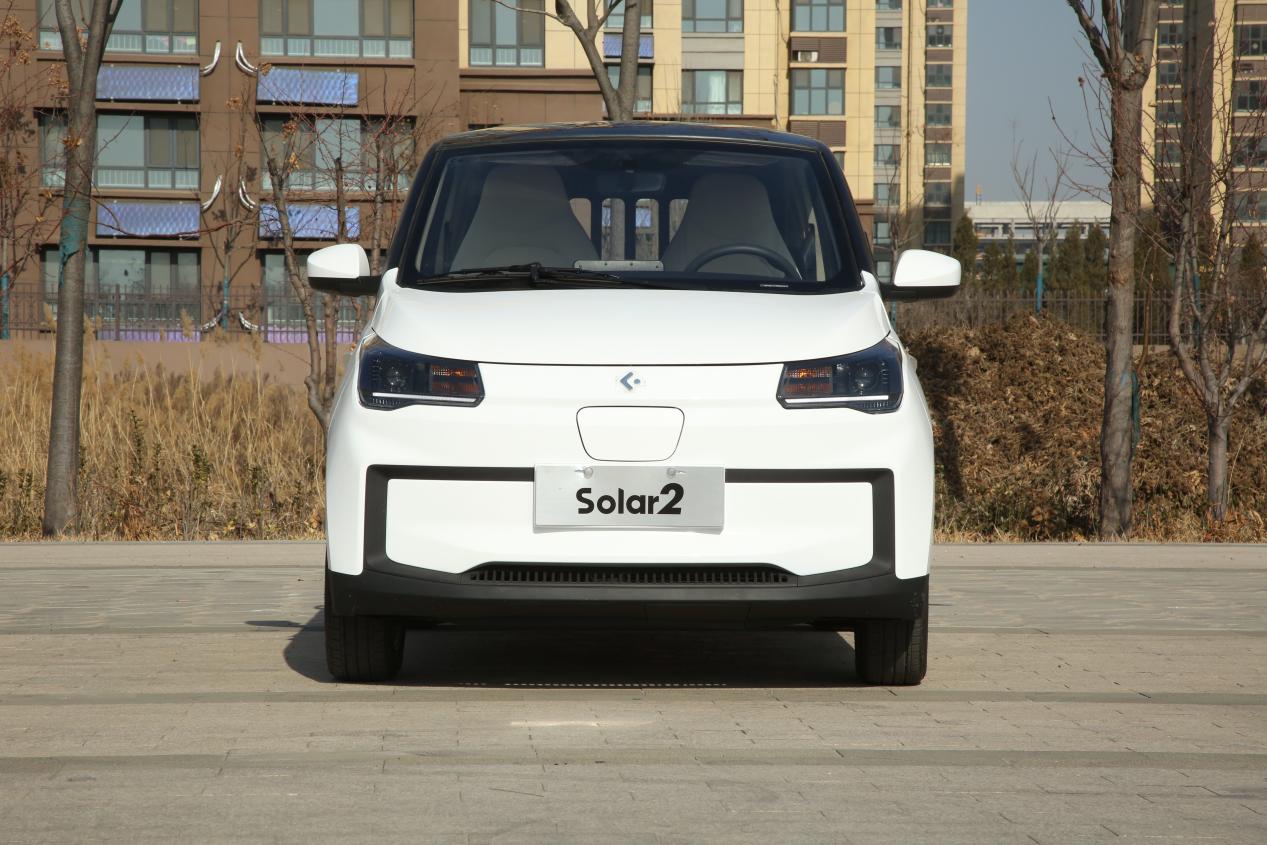
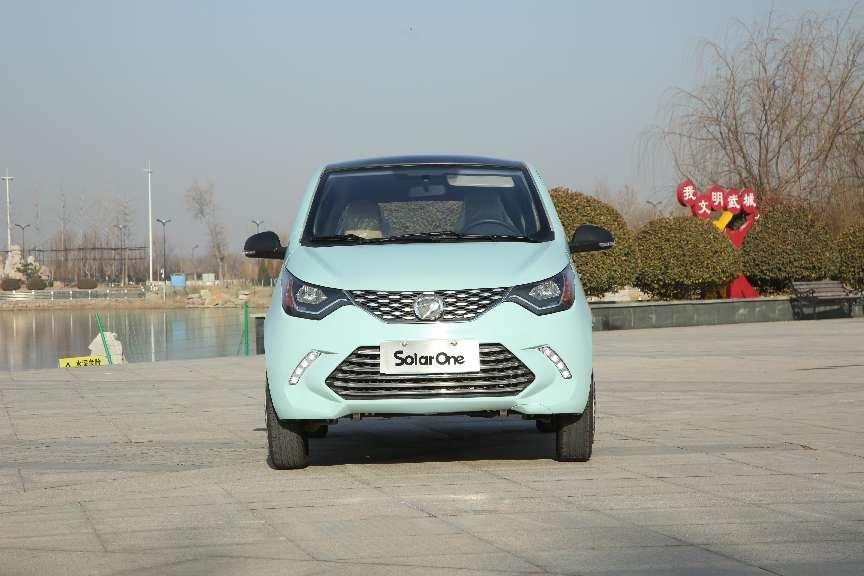
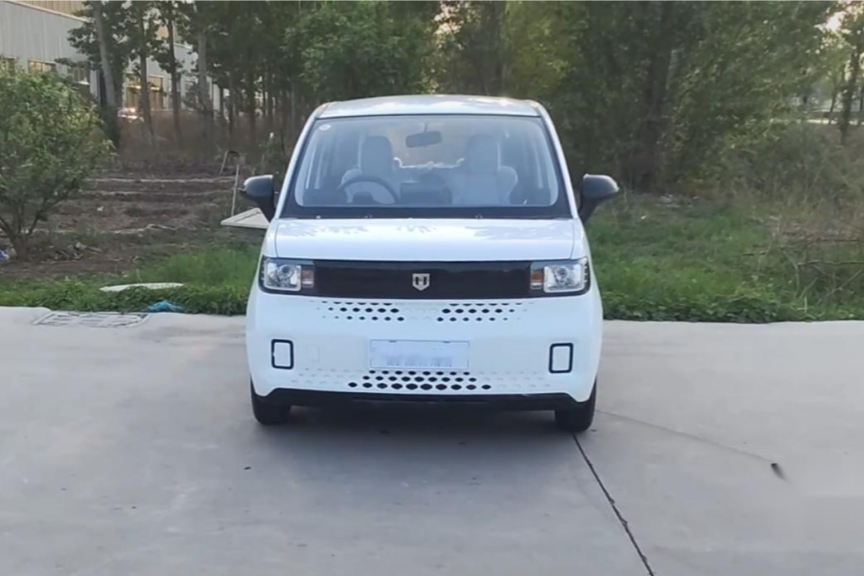
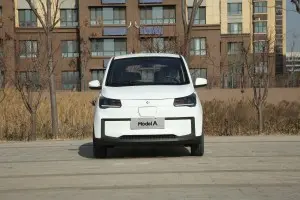
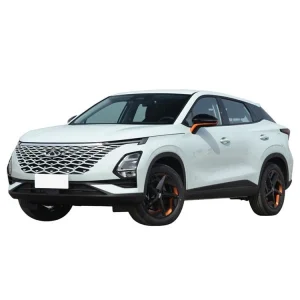
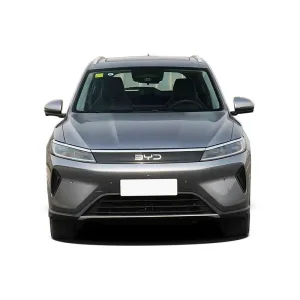
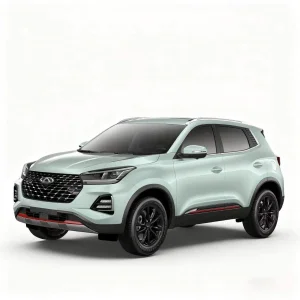
In addition to our proprietary three-wheel configurations, Shandong Li Mao Tong Group collaborates with major passenger EV manufacturers to support global multi-modal fleets.
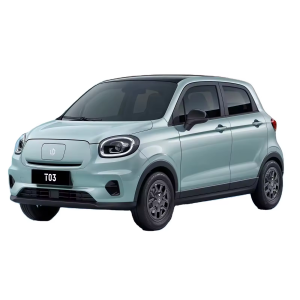
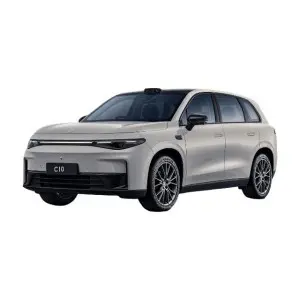
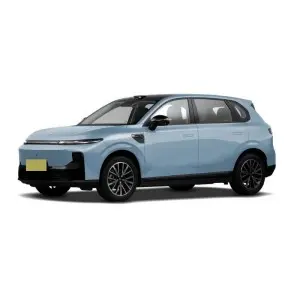
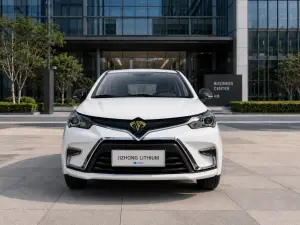
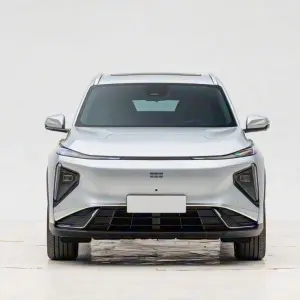
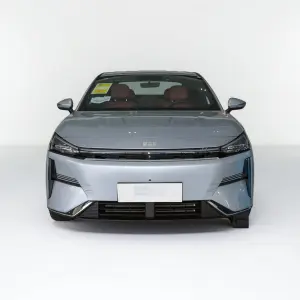
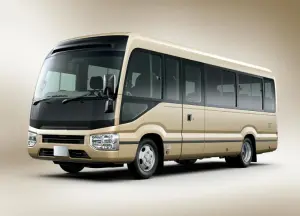
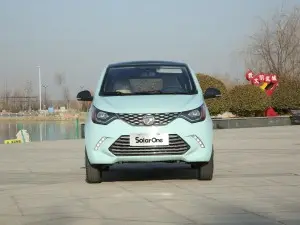




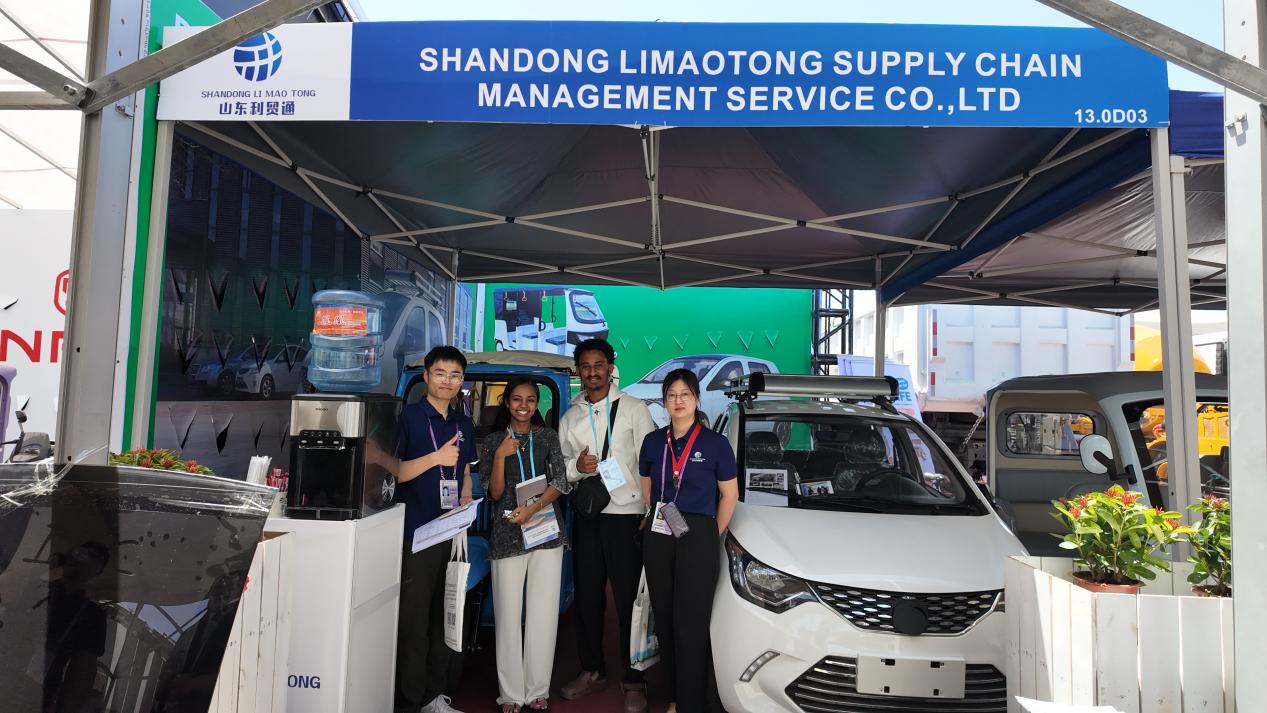
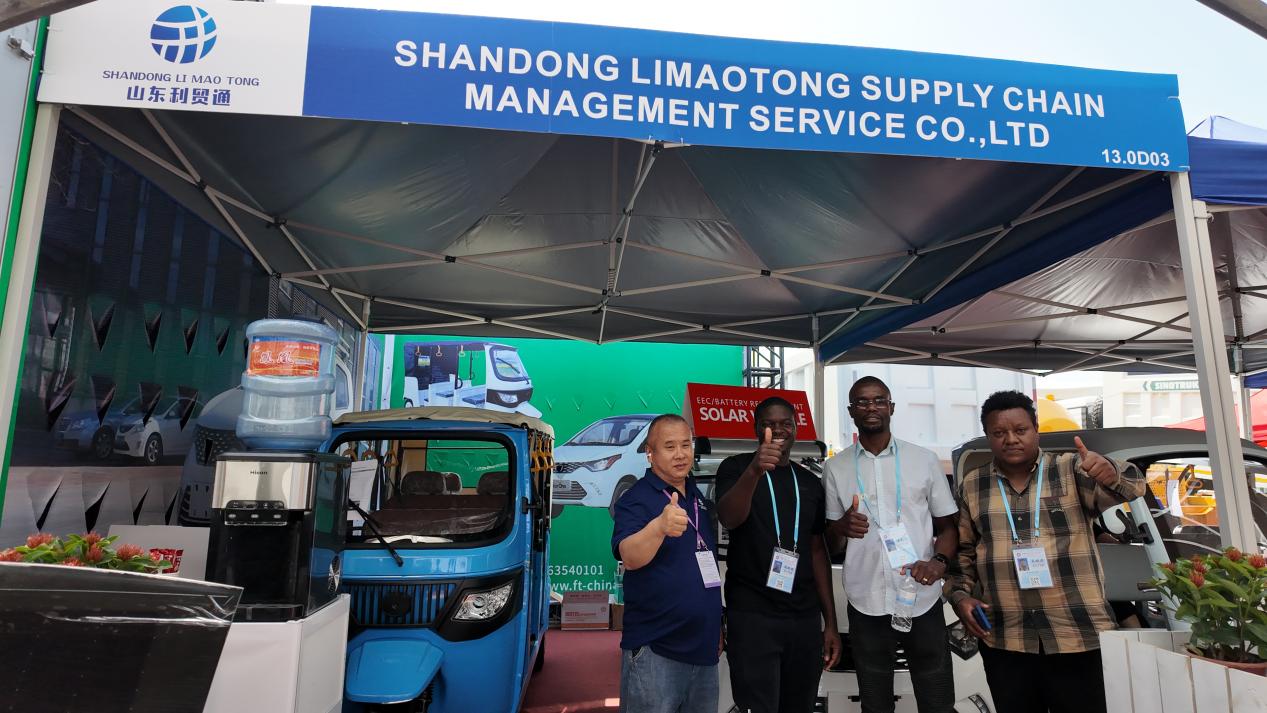
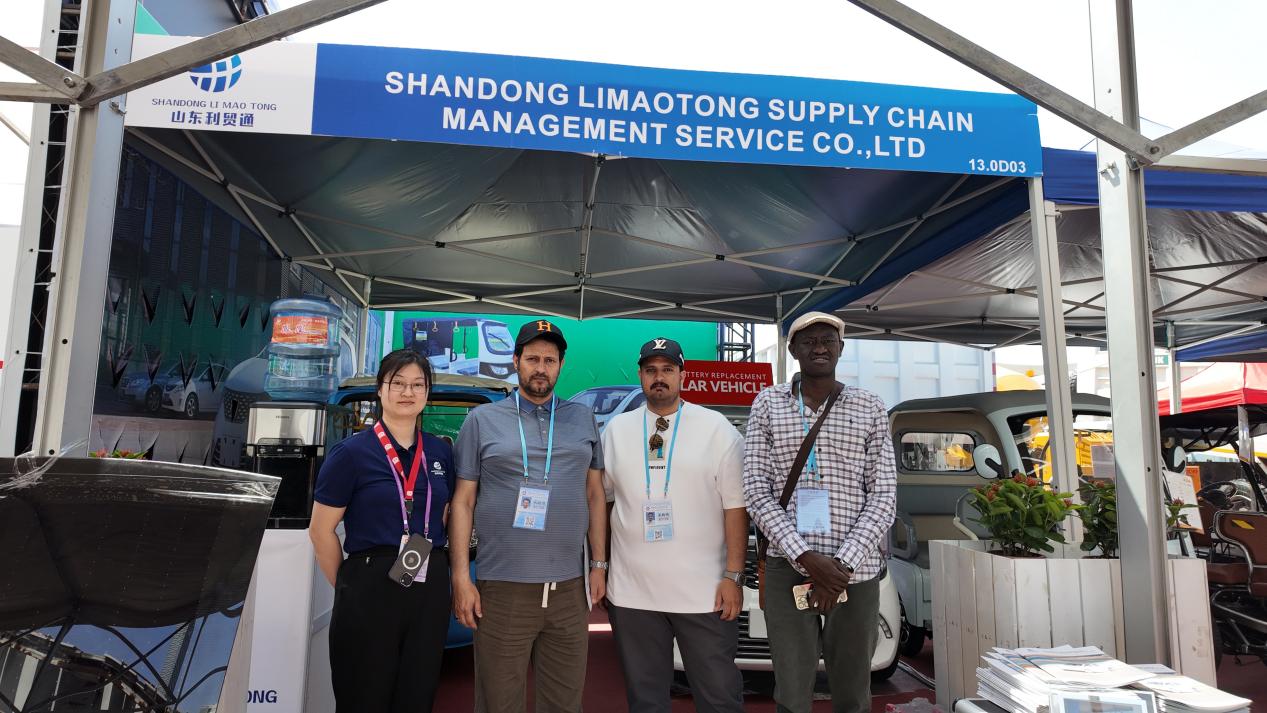
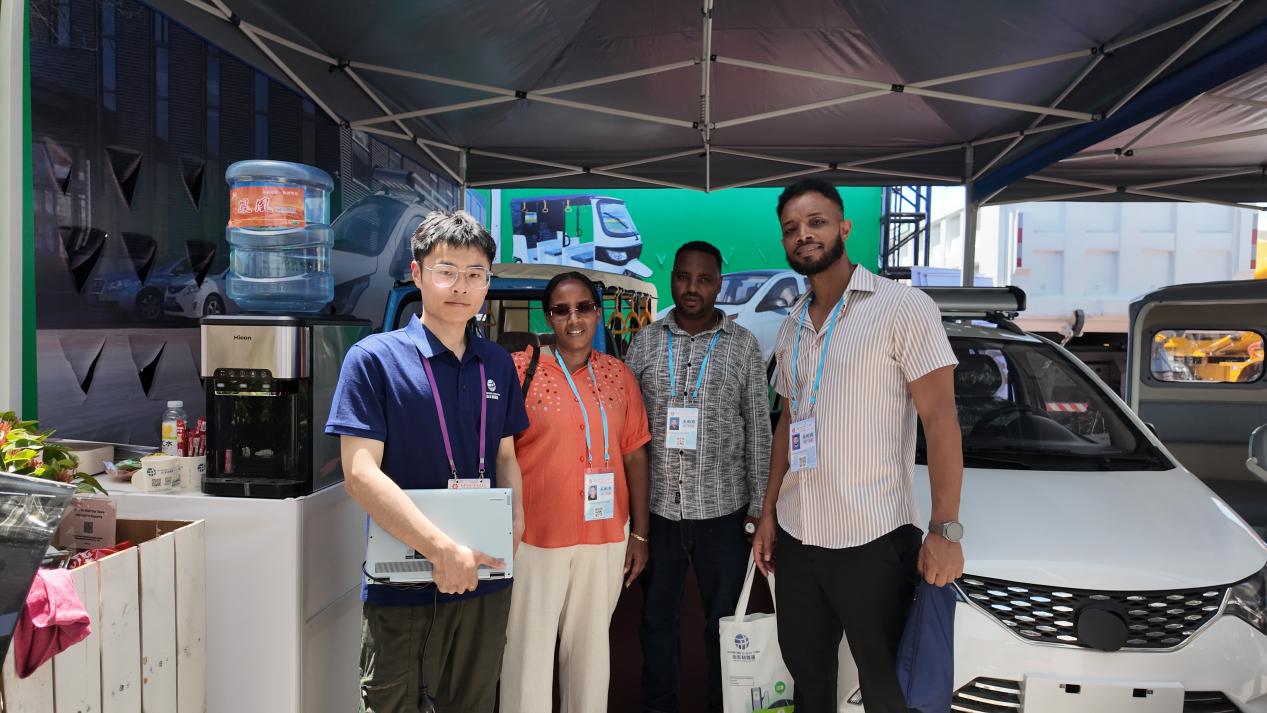
The micro-mobility sector is evolving beyond basic mechanical frame construction. Over the next decade, technology integration will dictate market viability. Prominent global development paths include:
Lithium LiFePO4 Transition: High-performance fleets are moving away from traditional lead-acid power cells. Lithium Iron Phosphate (LiFePO4) chemistries are becoming the industry standard due to their higher charge-cycle lifespans, lighter weight, and stability under thermal stress.
Integrated Telematics & Fleet Monitoring: Modern commercial cargo tricycles now incorporate IoT-connected telemetry units. Fleet operators can track vehicle coordinates in real-time, monitor operational battery temperatures, and optimize routes using AI pathing algorithms.
Solar Charging Integration: Solar PV cell integrations on roof structures are helping extend vehicle range by providing continuous trickle charges, reducing battery strain during daily operation.
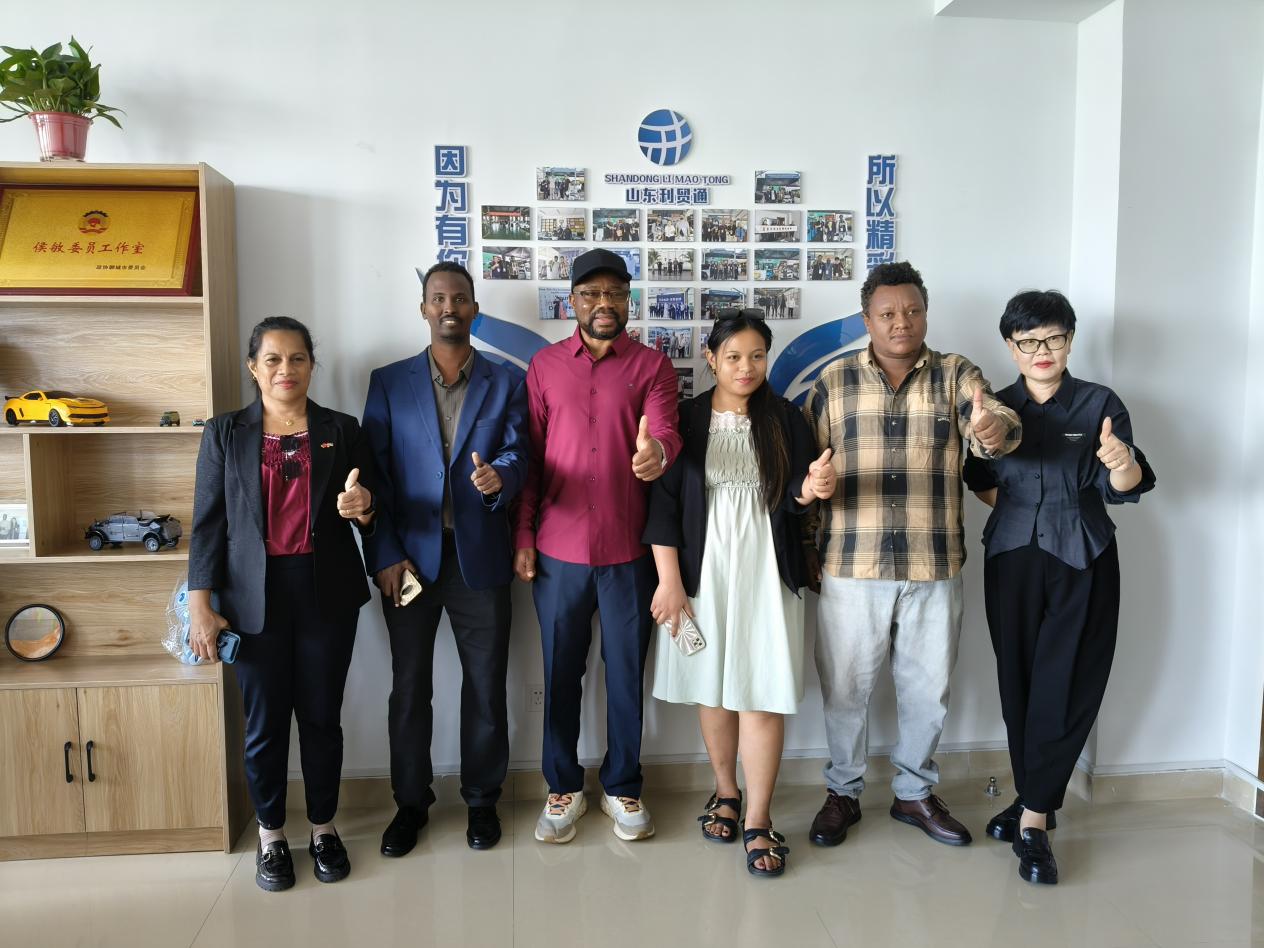
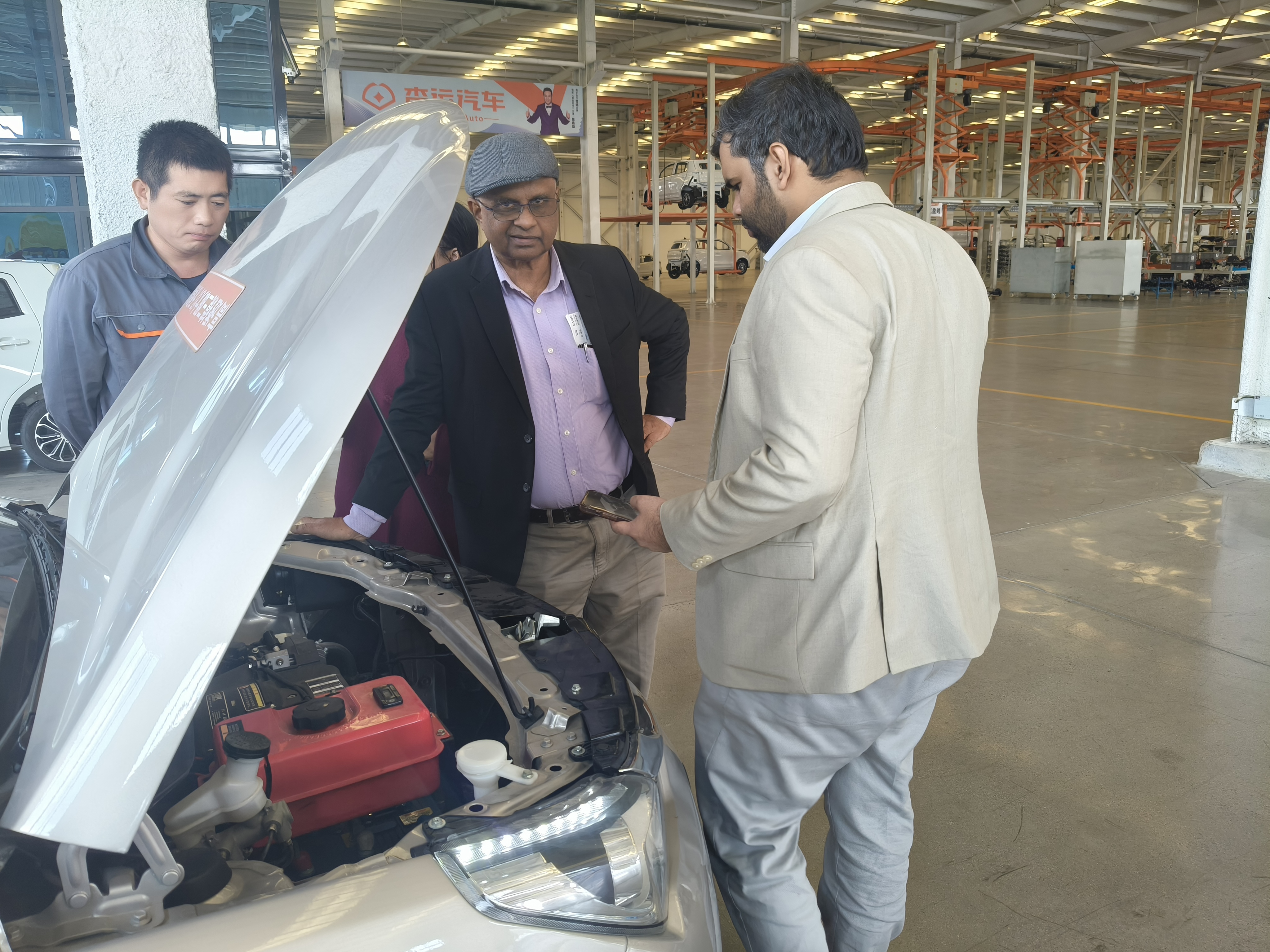
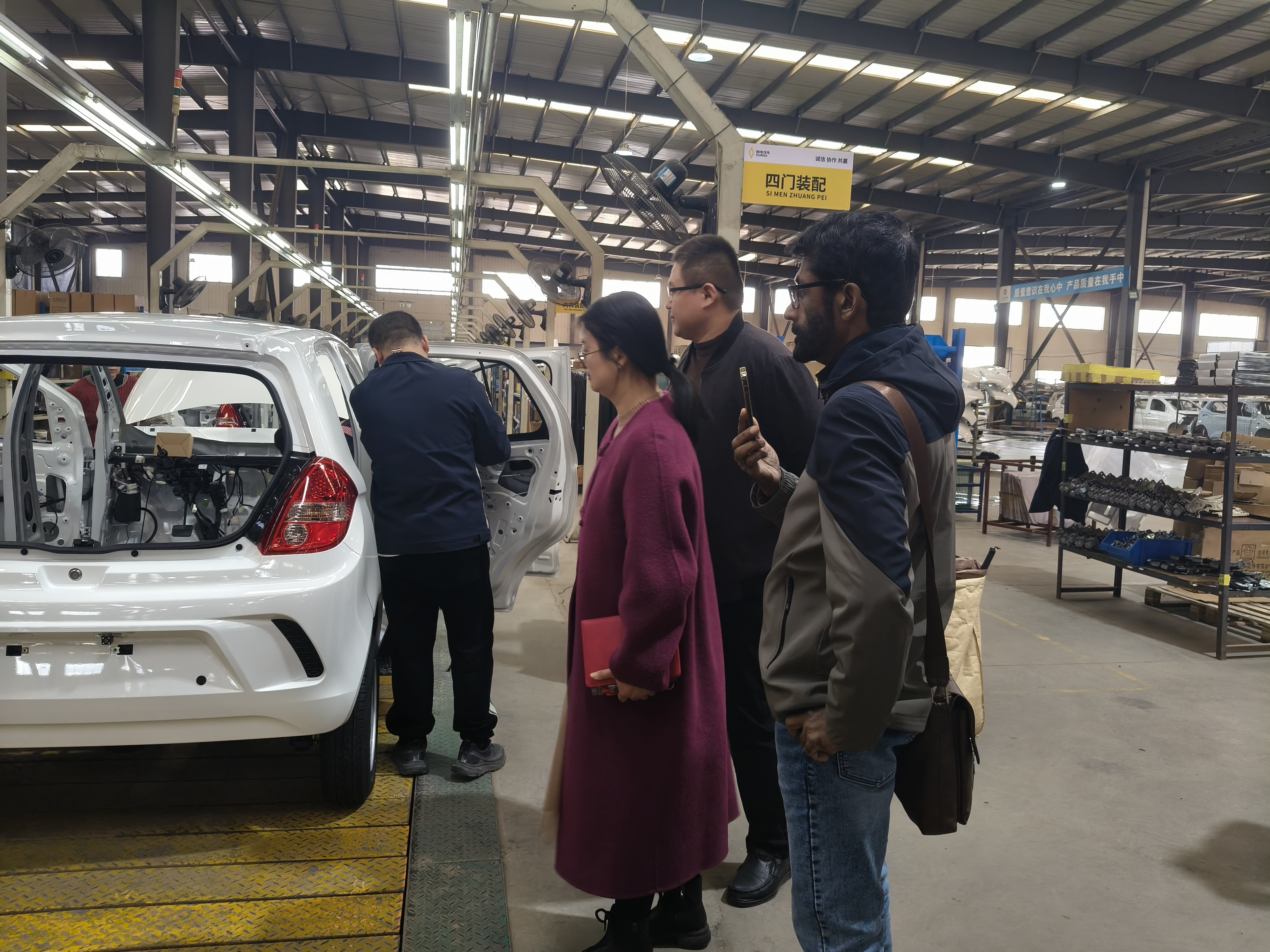
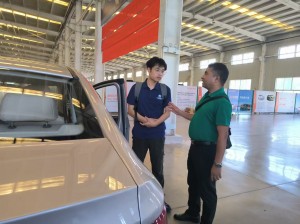
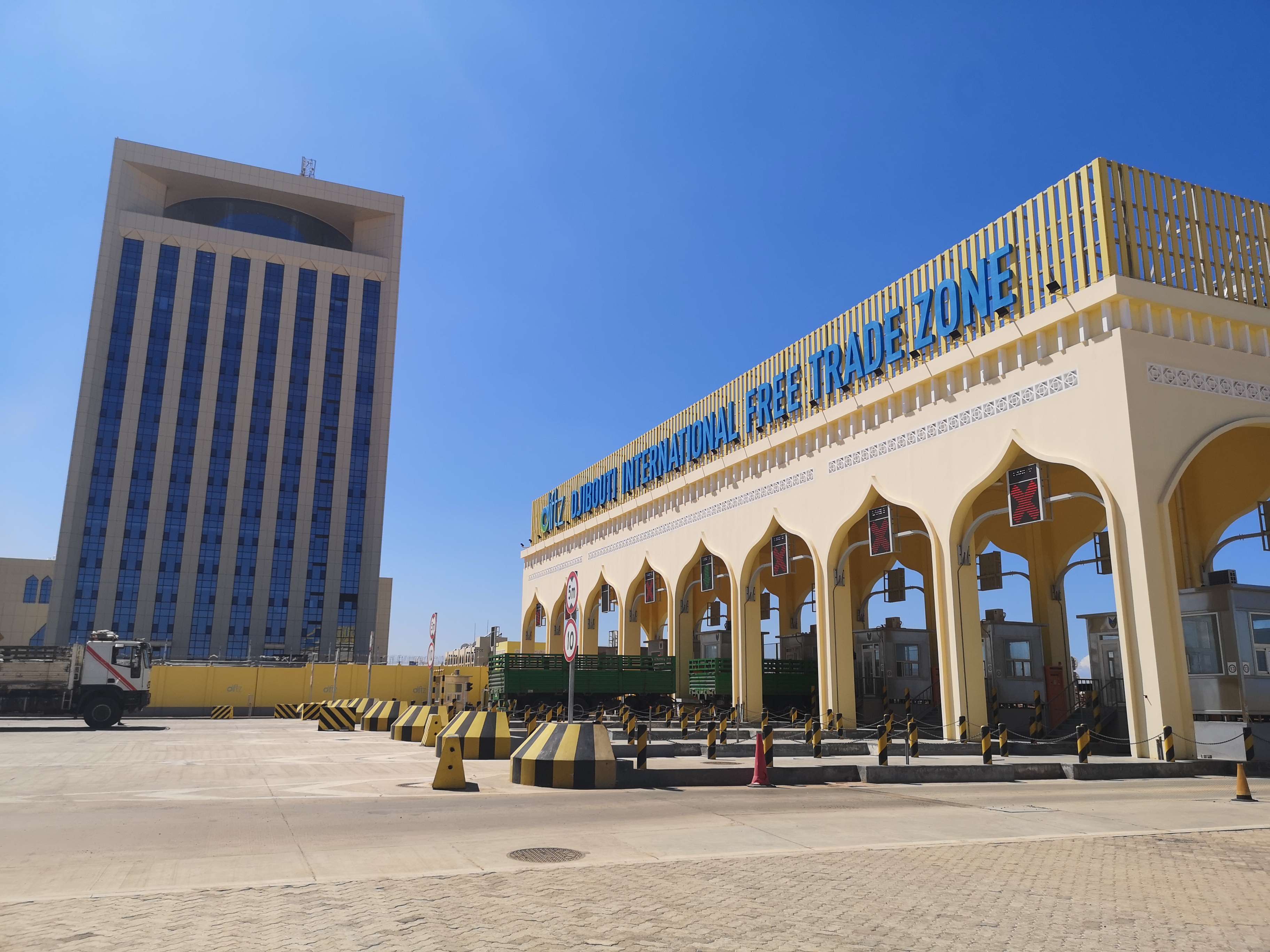
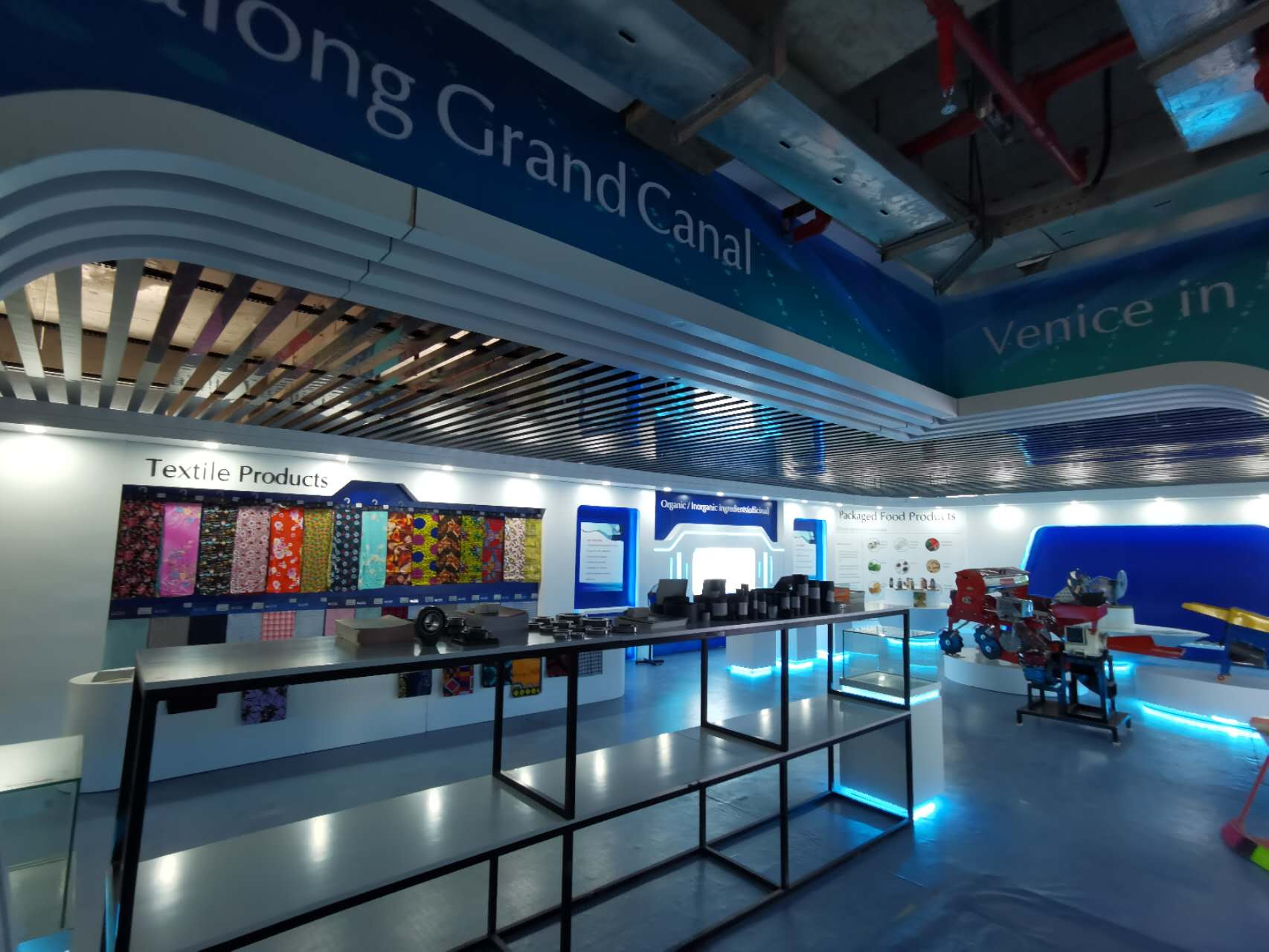
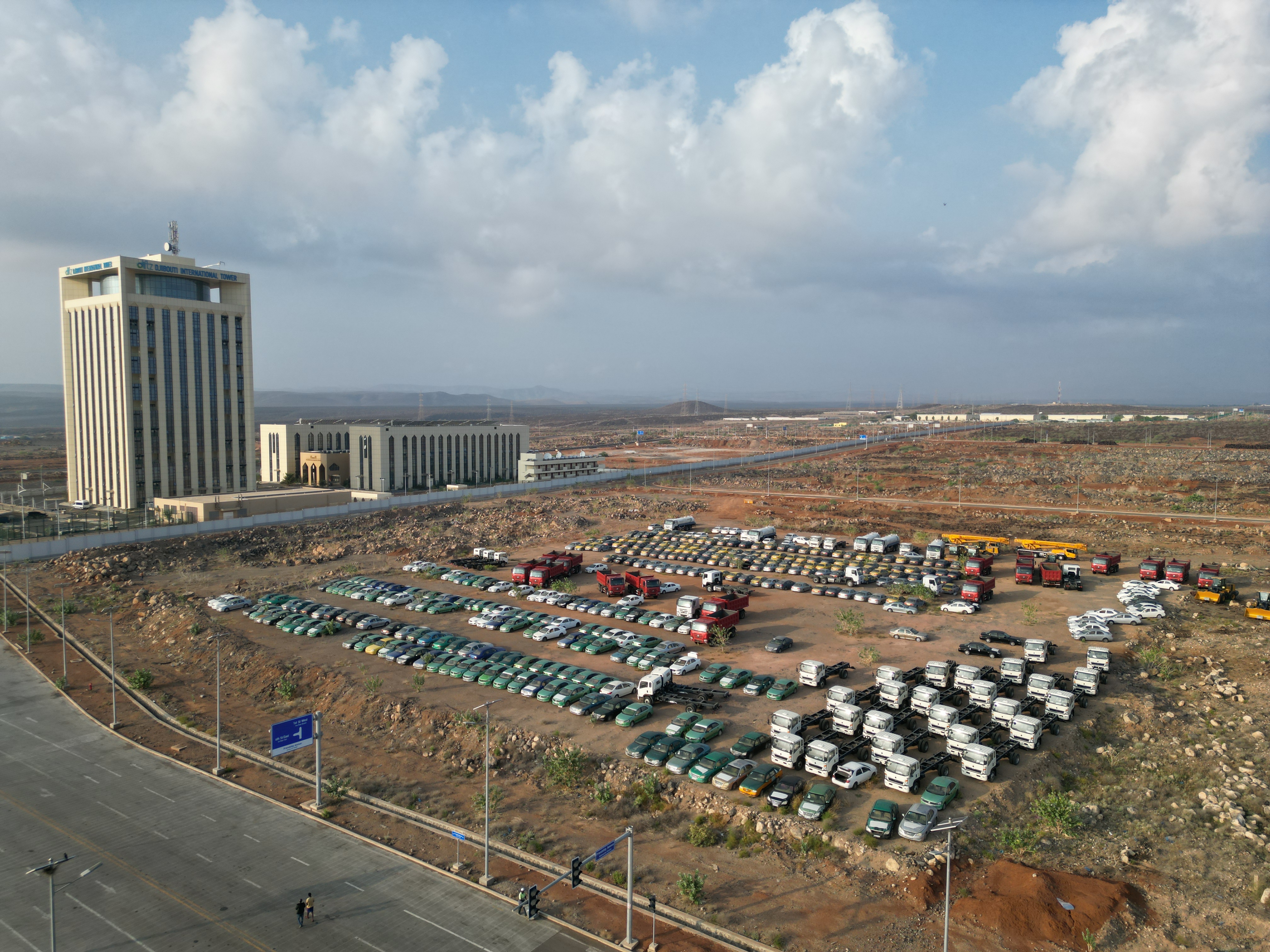
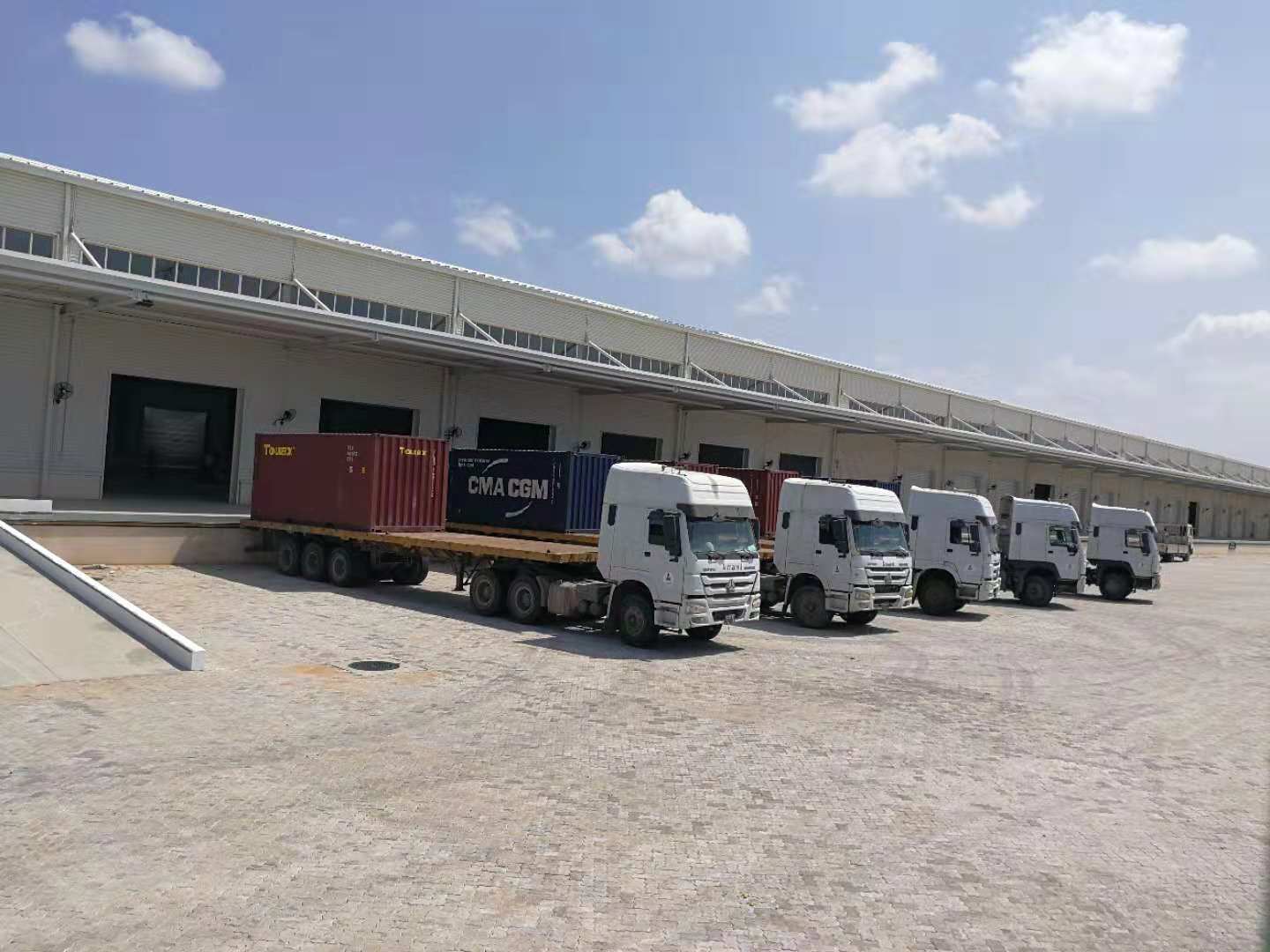
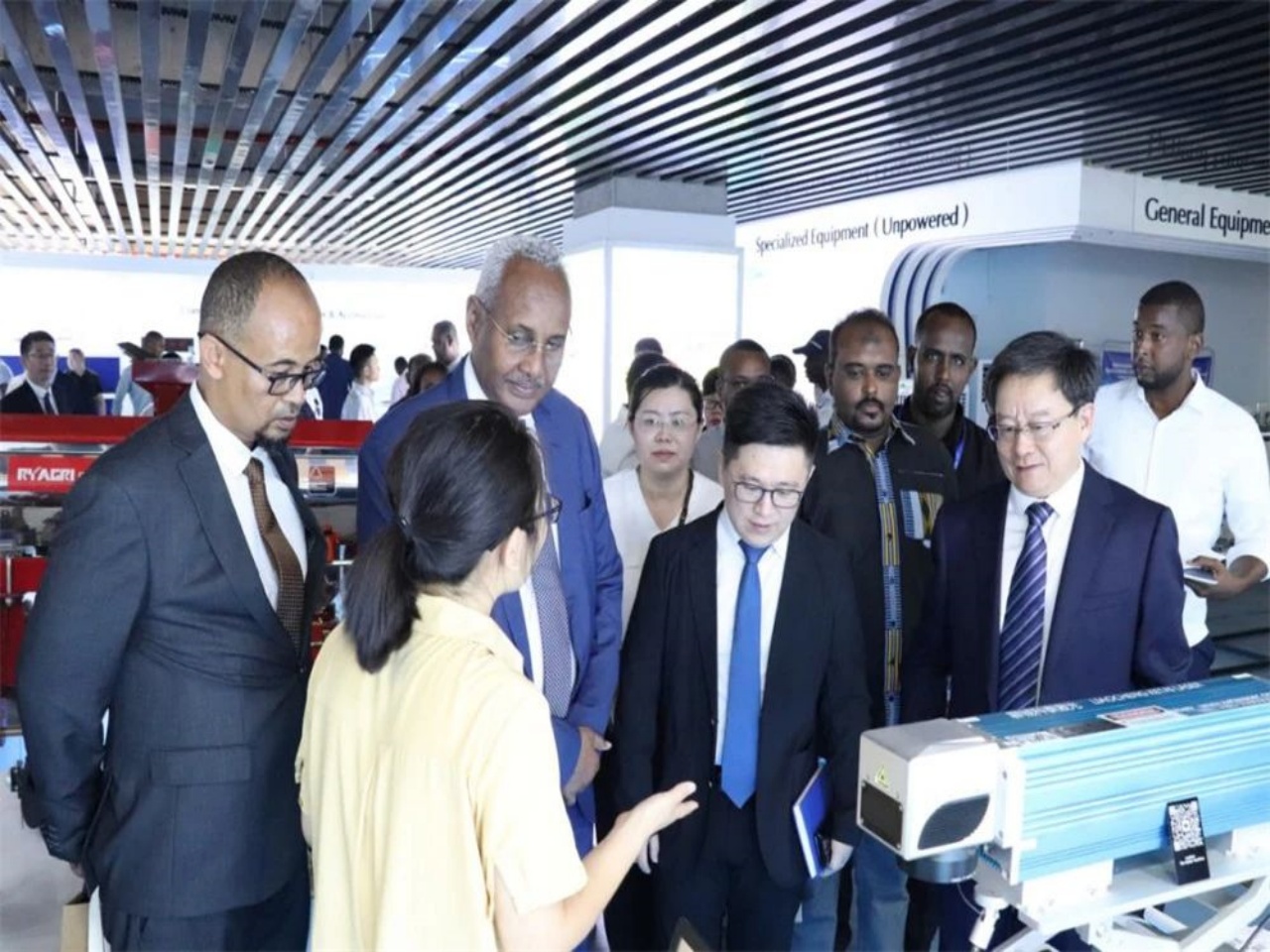
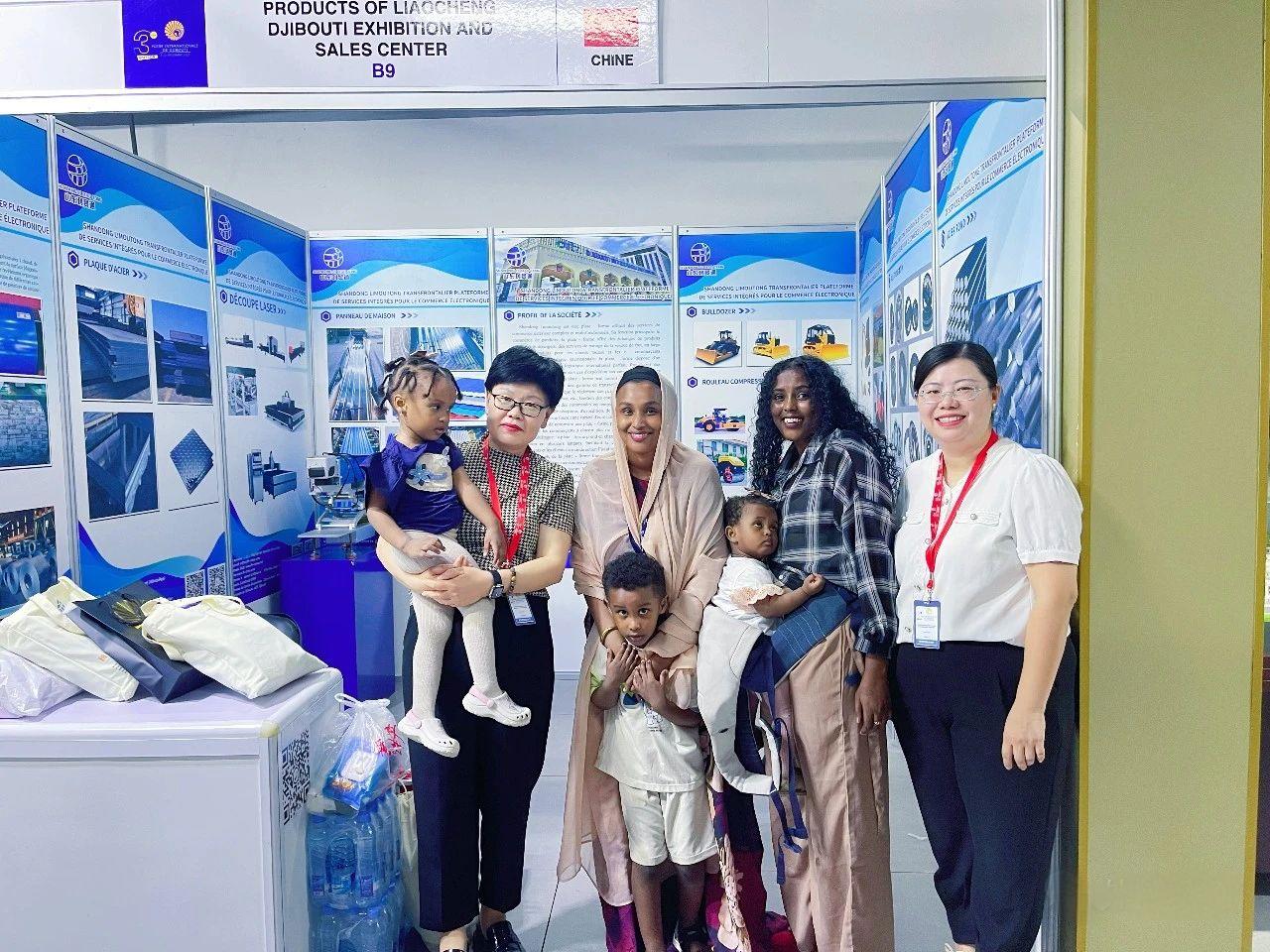
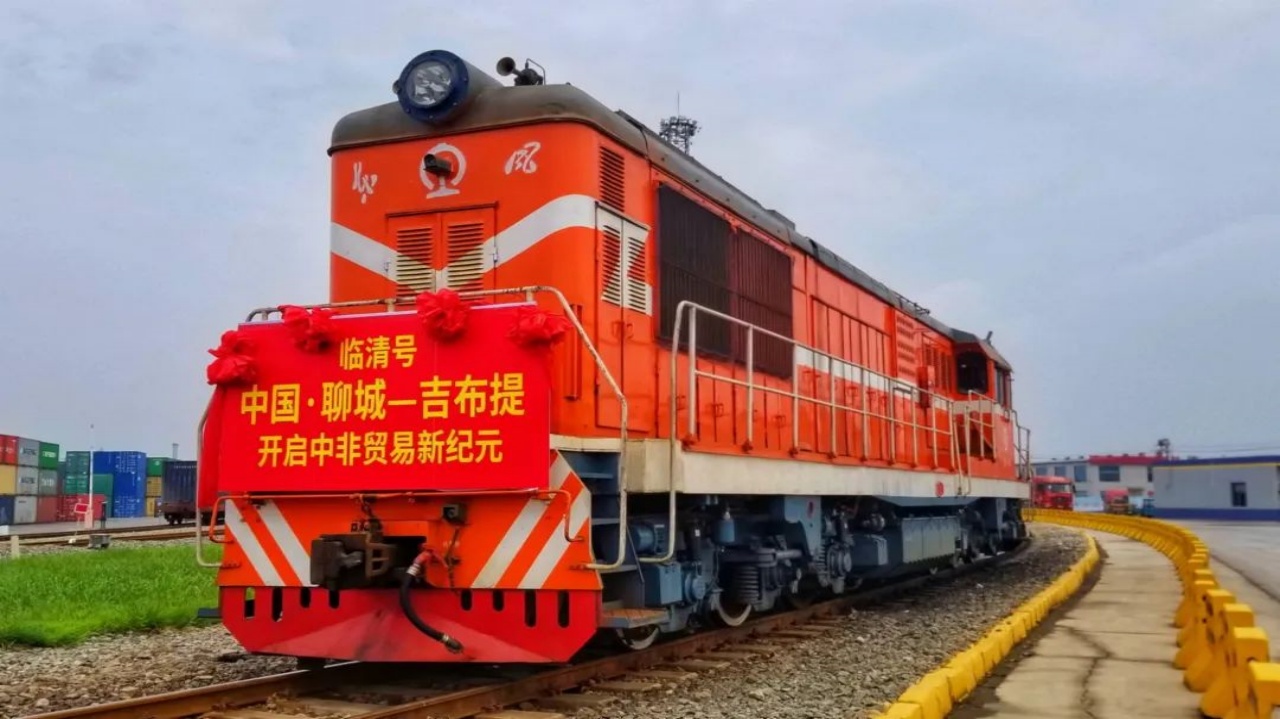
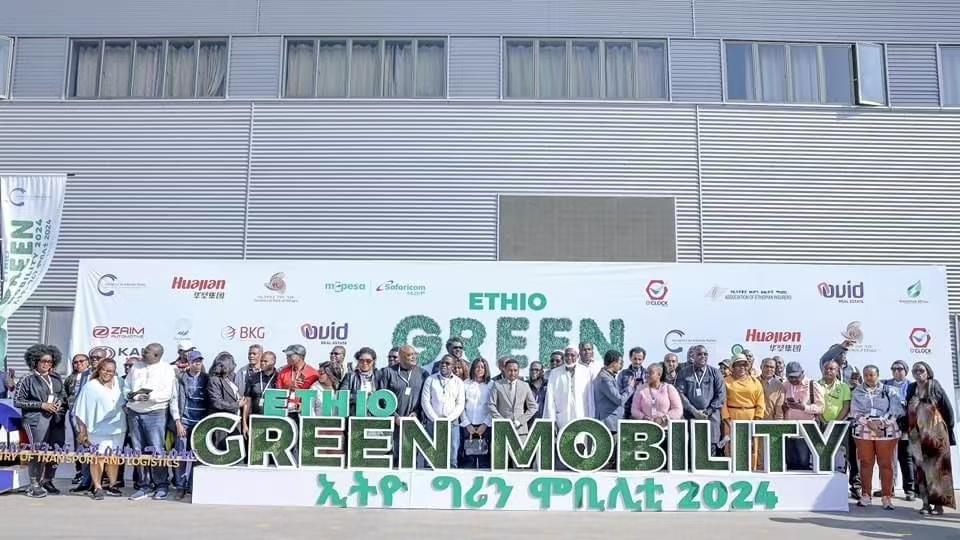
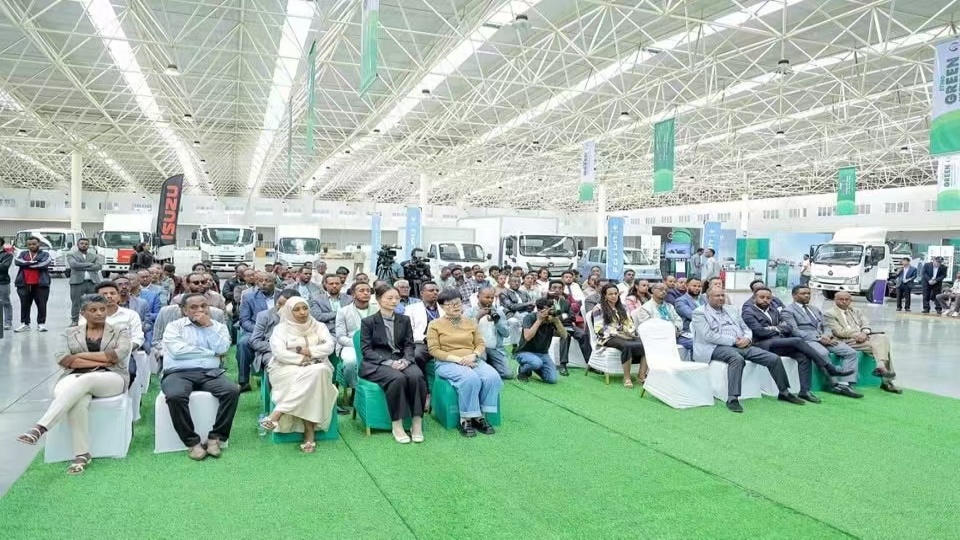
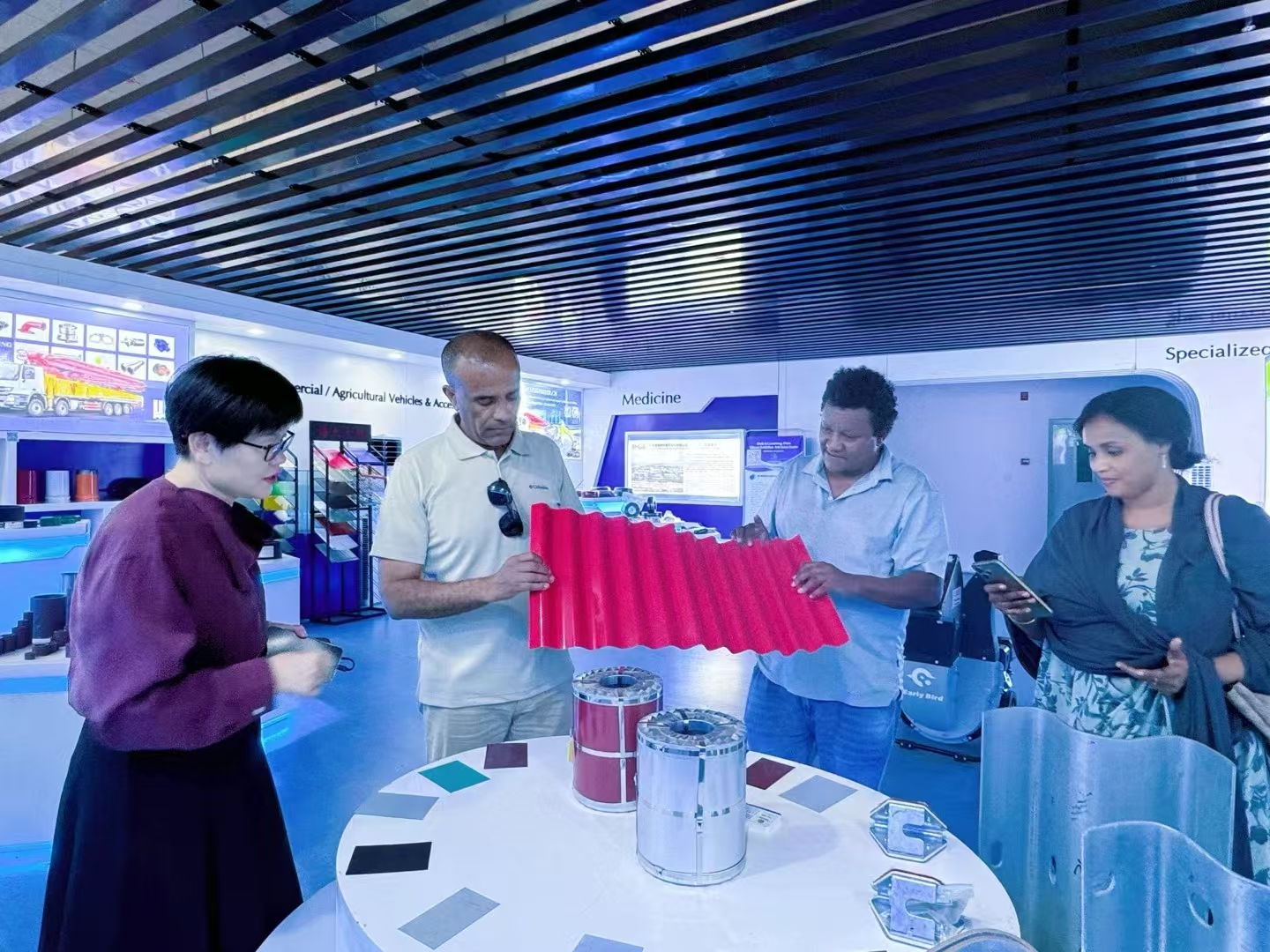
Established in 2023, the Djibouti (Overseas Warehouse) Cross-border E-commerce Exhibition and Sales Center is situated within the Djibouti International Free Trade Zone in East Africa.
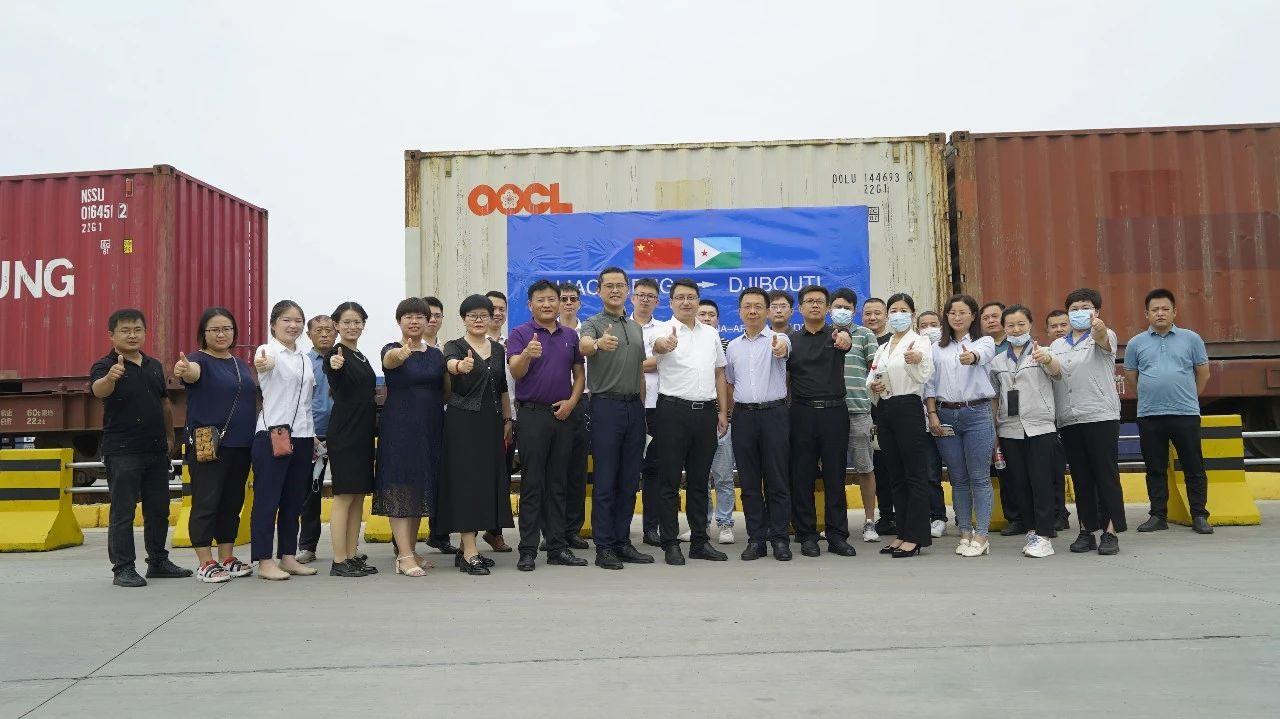
Operating in partnership with Djibouti Economic and Trade Co., Ltd., this facility provides global buyers with a comprehensive, one-stop service platform. By streamlining customs clearances, warehousing logistics, and localized vehicle support, we facilitate international transactions.
Leveraging our "Cross-Border Trade + Front-End Warehouse" approach, partners benefit from minimized shipping lead times, local product demonstrations, quick parts replenishment, and direct regional technical support.




When source-funding commercial three-wheel vehicles, international procurement directors should assess specific parameters to ensure operational compatibility and compliance:
1. Regulatory Compliance & Homologation
Importing vehicles requires adherence to local transit standards. Ensure potential manufacturers offer vehicles certified with EEC (Europe), DOT (USA), GCC (Middle East), or relevant regional documentation.
2. CKD vs. SKD Configurations
For optimal freight pricing, determine if your assembly facility supports Complete Knocked-Down (CKD) or Semi Knocked-Down (SKD) shipping formats. CKD configurations maximize shipping density but require specialized welding, paint, and assembly setups at the destination port.
3. After-Sales Operations & Component Pipelines
A low initial price can be offset by long lead times for replacement components. Selecting partners with established regional parts hubs—such as Shandong Li Mao Tong Group's East African logistics hub—helps safeguard fleet uptime.
Depending on chassis configuration, electric three-wheel cargo vehicles support payload capacities ranging from 400 kg up to 1,800 kg. Heavy-duty variants utilize reinforced leaf-spring suspensions, integrated high-power electric motors (typically 1500W to 3000W), and specialized gearboxes with auxiliary low-range climbing ratios.
Fuel-powered tricycles utilize internal combustion engines (typically ranging from 150cc to 300cc displacement) to provide continuous high torque, making them suited for remote regions lacking electrical charging grids. Electric models offer lower operational costs, require less maintenance, and run silently with zero emissions, making them ideal for urban centers.
SKD (Semi Knocked-Down) packaging ships the vehicle partially assembled, requiring minimal assembly labor at destination. CKD (Complete Knocked-Down) ships components individually, allowing more units to fit per shipping container and lower import tariffs in many regions. However, CKD requires localized assembly tools and quality checks.
Quality manufacturers provide certifications tailored to destination markets, including ISO9001 quality management certificates, CE markings for European standards, EEC homologations for road registrations, and custom COC certificates required for entry into African or Middle Eastern jurisdictions.
Our Djibouti hub maintains onsite inventory, reducing shipping times from months to days for East African clients. It offers vehicle servicing, hands-on buyer inspections, customs coordination, and direct access to original spare parts.
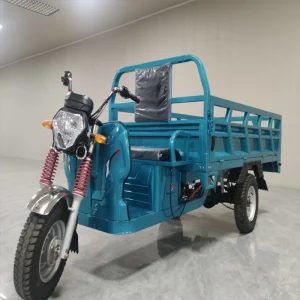
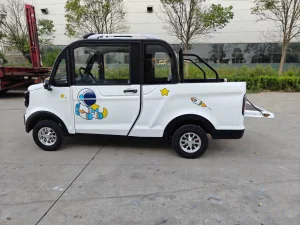
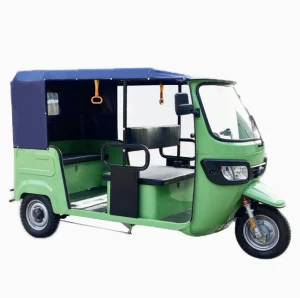
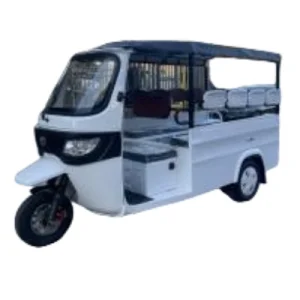
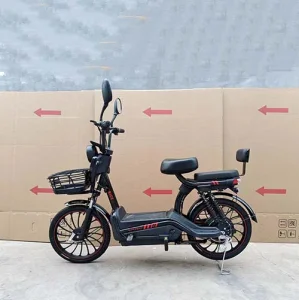
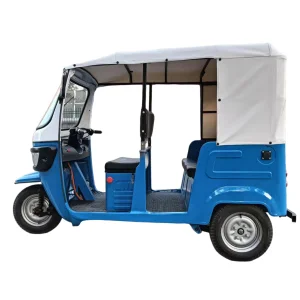
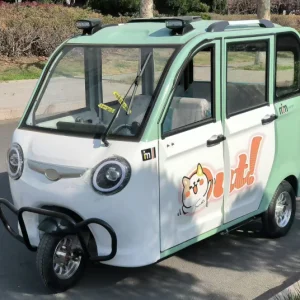
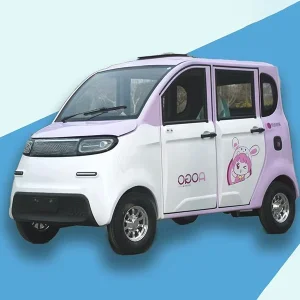
For commercial projects, review our comprehensive portfolio of alternative layouts, hybrid solar configurations, and localized passenger transport vehicles.
 Limaotong