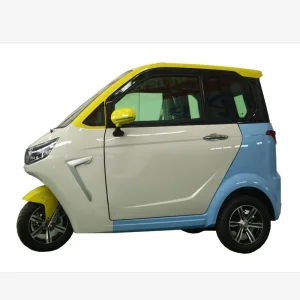
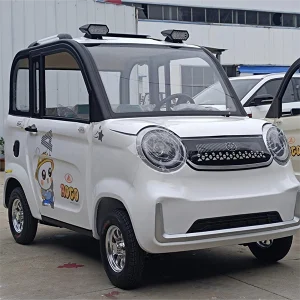
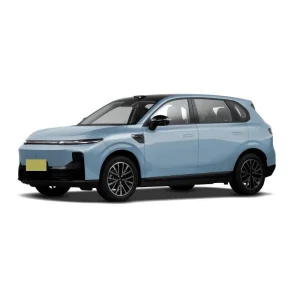
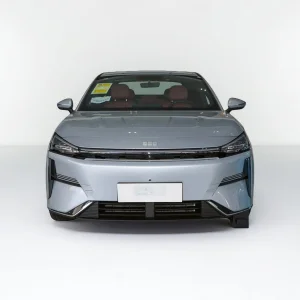
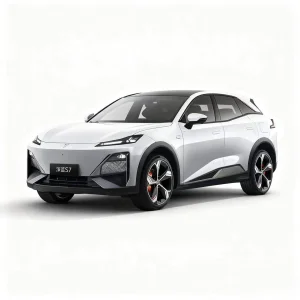
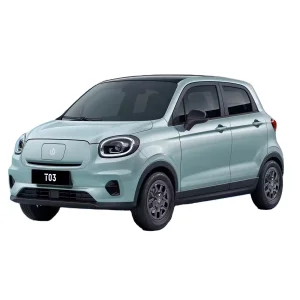
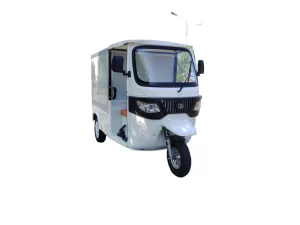
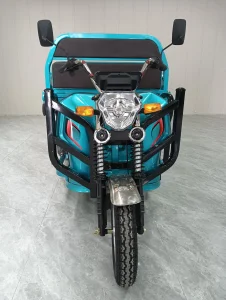
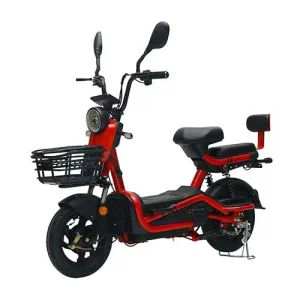
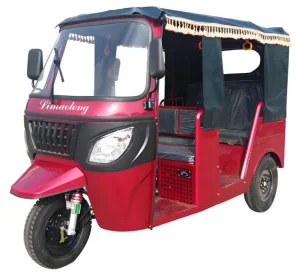
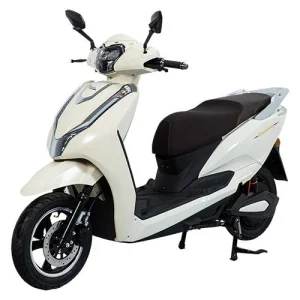
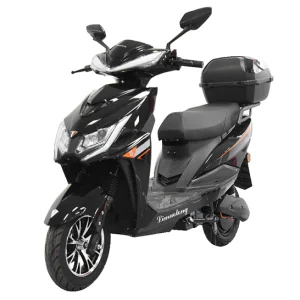
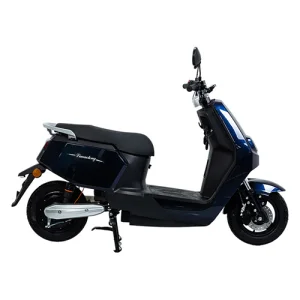
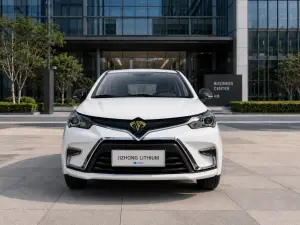
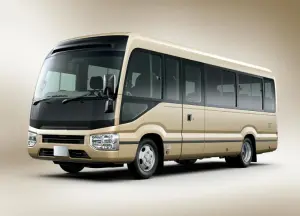
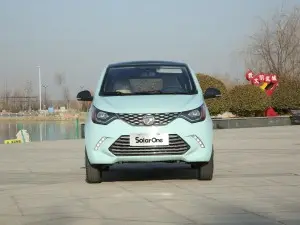
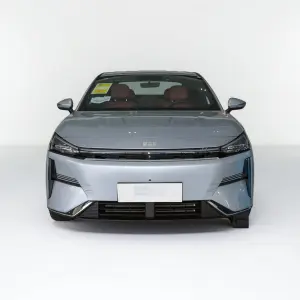
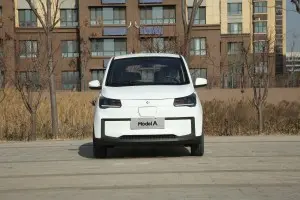
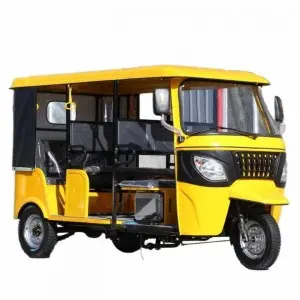
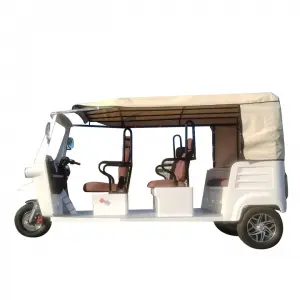
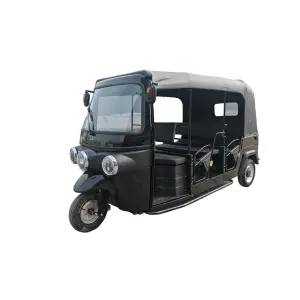
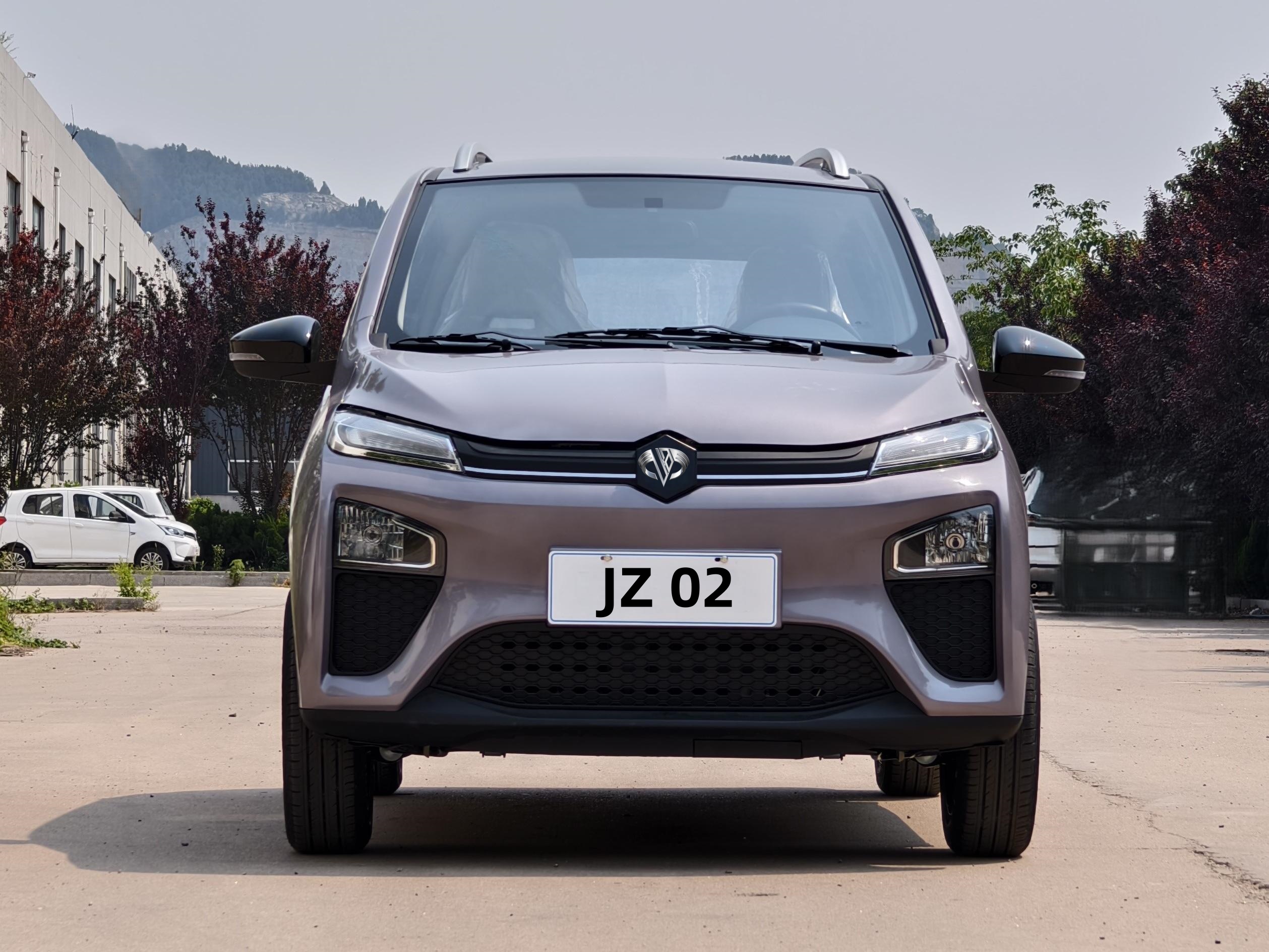
High-efficiency passenger and cargo electric vehicles optimized for commercial deployment, urban taxi fleets, and logistics operations.
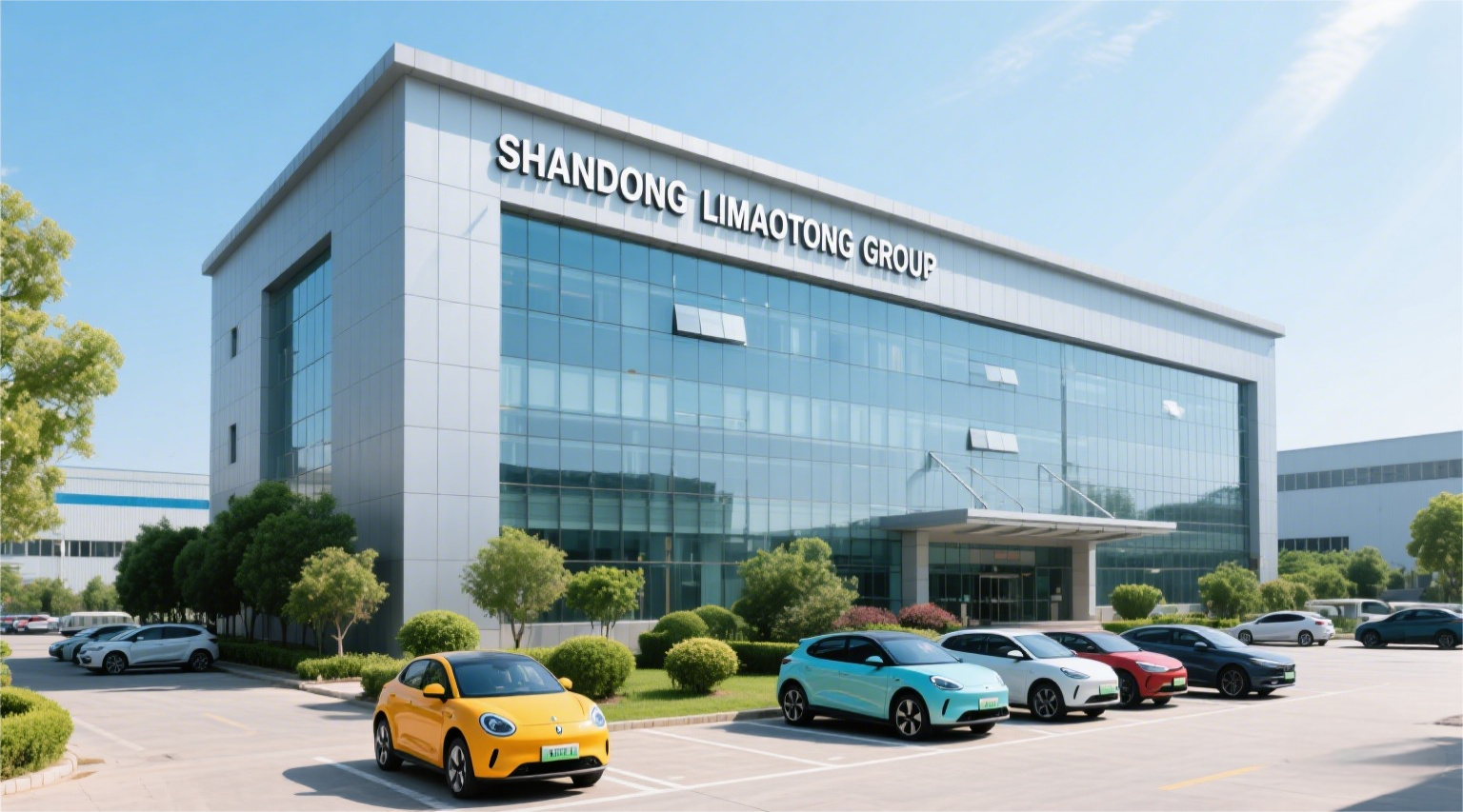
SHANDONG LI MAO TONG GROUP is a global supplier of high-quality products, with a complete industrial chain, specialized in research, manufacture and international sales of motor tricycles, cargo tricycles, and electric mini cars. Since its establishment, our vehicles have served over 120 countries and regions worldwide, with our brand reaching more than 20 million households globally. Supported by 8 overseas production bases, we provide comprehensive vehicle solutions to markets around the world. We attach great importance to after-sales service, and set up overseas warehouses in Djibouti and are equipped with a professional after-sales team and complete after-sales facilities. If you encounter any problems during use of the product, our after-sales team will respond immediately and provide you with timely and effective solutions.
Our vehicles empower transportation and elevate micro-mobility taxi frameworks worldwide.
MORE DETAILSLocalized manufacturing for efficient supply, direct assembly line integration, and customized solutions.
MORE DETAILSReliable, eco-friendly mobility solutions engineered to maximize business ROI and driver yields.
MORE DETAILSAnalyzing structural shifts in urban passenger transit and emerging fleet unit economics
The global urban passenger transit landscape is undergoing a monumental transition toward electrification. For public transport operators, municipal taxi planners, and private fleet investors, the traditional internal combustion engine (ICE) three-wheeler, or Tuktuk, represents a carbon-heavy, high-maintenance relic of the past. As cities in South Asia, East Africa, and Latin America implement stringent emission standards and vehicle zoning policies, the transition to Electric Passenger Tuktuks has evolved from an environmental initiative to a commercial necessity.
From an operations perspective, the business model of passenger transit hinges on minimizing operating expenditures (OPEX) while maximizing vehicle uptime. Electric Tuktuks offer a simplified drivetrain with approximately 60% fewer moving parts than traditional gasoline or diesel counterparts. This reduction translates directly into lowered maintenance requirements, negligible mechanical failure risks, and significantly reduced cost-per-kilometer metrics, enabling operators to achieve faster ROI.
Moreover, modern fleet operators prioritize the integration of telematics, route optimization, and vehicle-to-everything (V2X) connectivity. Integrated digital controllers in our electric three-wheelers enable continuous telemetry streaming, allowing operators to monitor battery health, thermal behavior, and driver efficiency in real time. This operational visibility facilitates preventive maintenance schedules and enhances vehicle fleet dispatch dynamics.
When evaluating Electric Tuktuk for Taxi Business Manufacturers & Suppliers, professional buyers look beyond structural specifications; they seek long-term supply chain partnerships capable of delivering standardized components, compliant mechanical platforms, and localized field support. This operational depth defines the strategic alignment Shandong Li Mao Tong Group delivers across global markets.
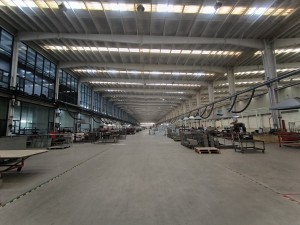
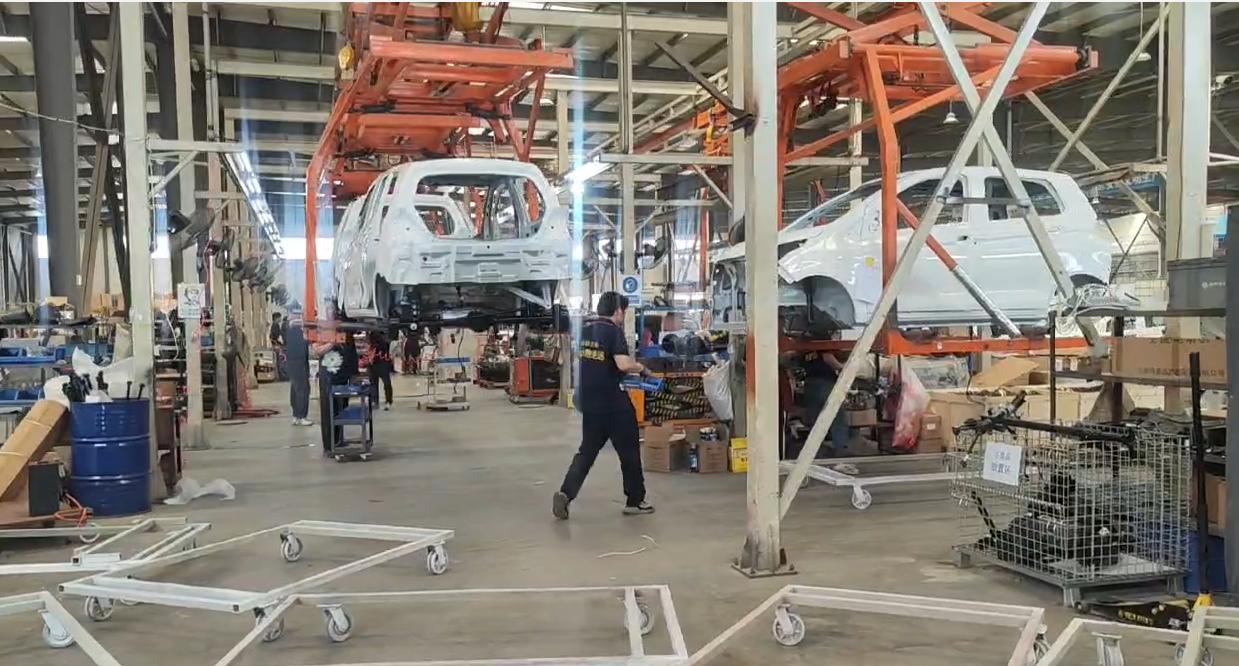
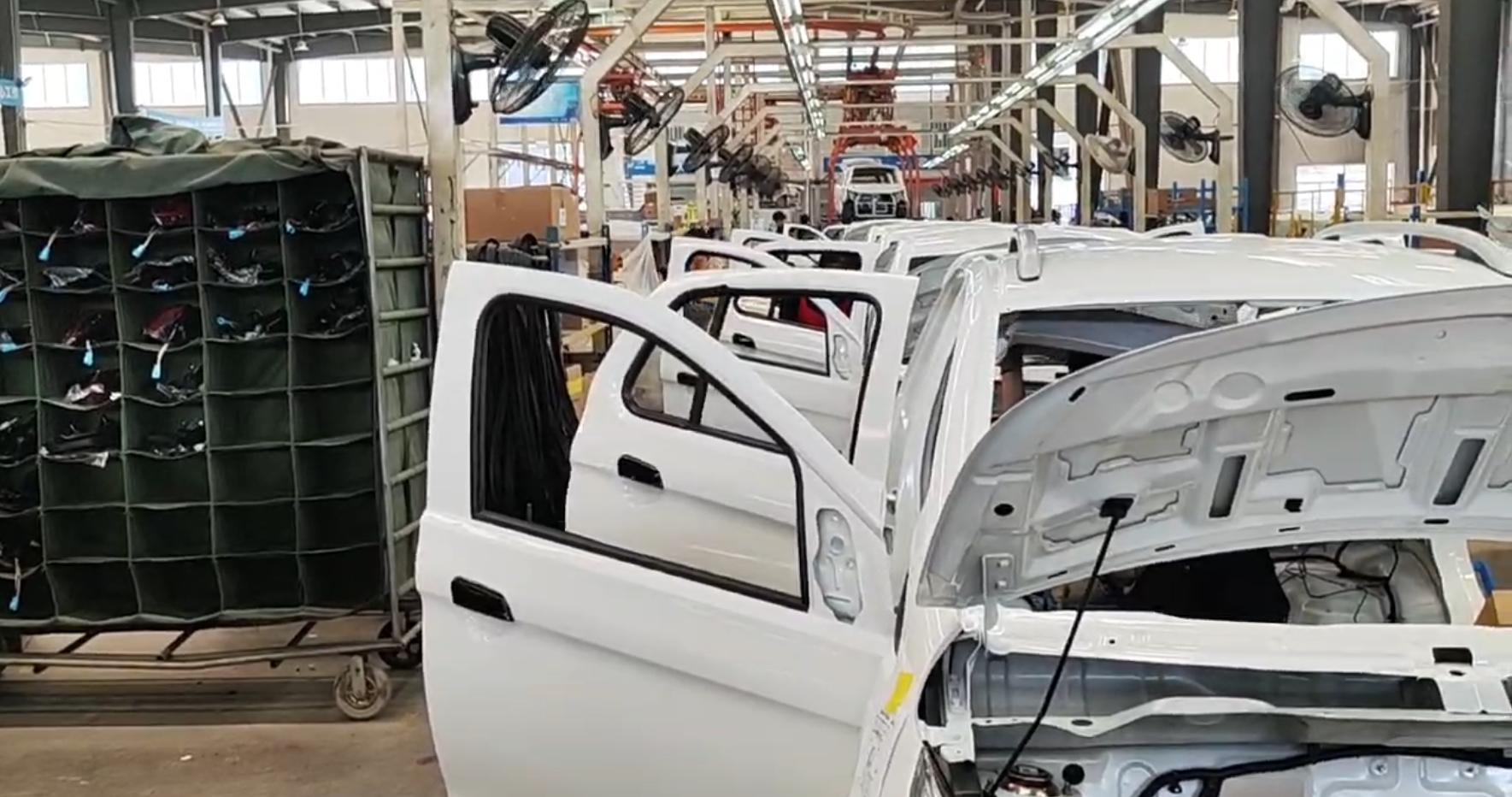
In the booming wave of China's new energy vehicle industry, Limaotong emerged at the historic moment. Rooted in China and embracing the world, We strive to deliver an electric mobility experience that exceeds expectations for every user. Quality is our lifeline. We operate a modern intelligent manufacturing base, equipped with highly automated production lines and a stringent digital quality control system, ensuring every vehicle rolling off the line meets international standards of exquisite craftsmanship. Our relentless pursuit of safety permeates every aspect, with battery systems passing safety tests far exceeding national standards, and vehicle structural designs targeting the highest safety ratings to comprehensively protect user security.
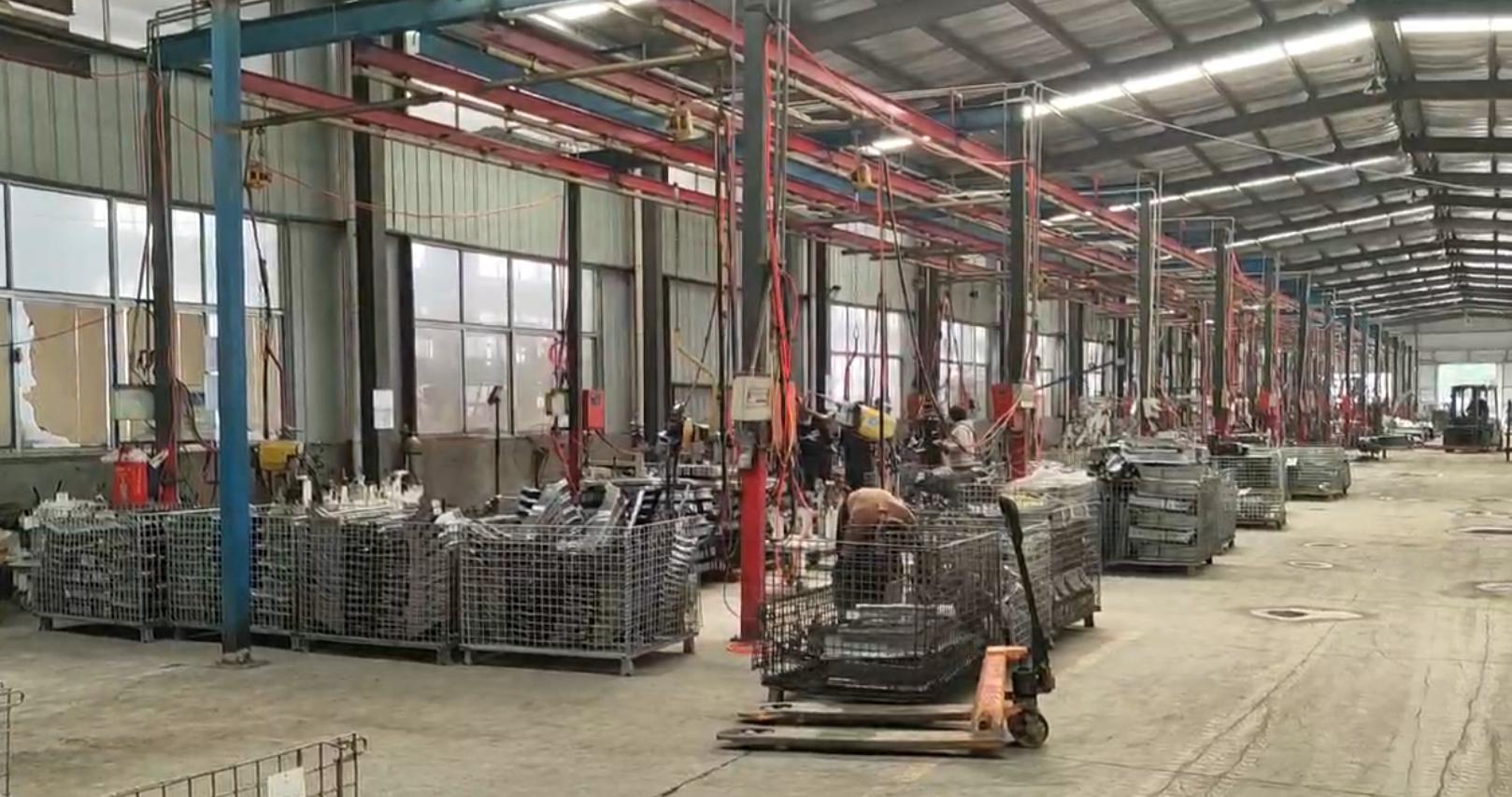
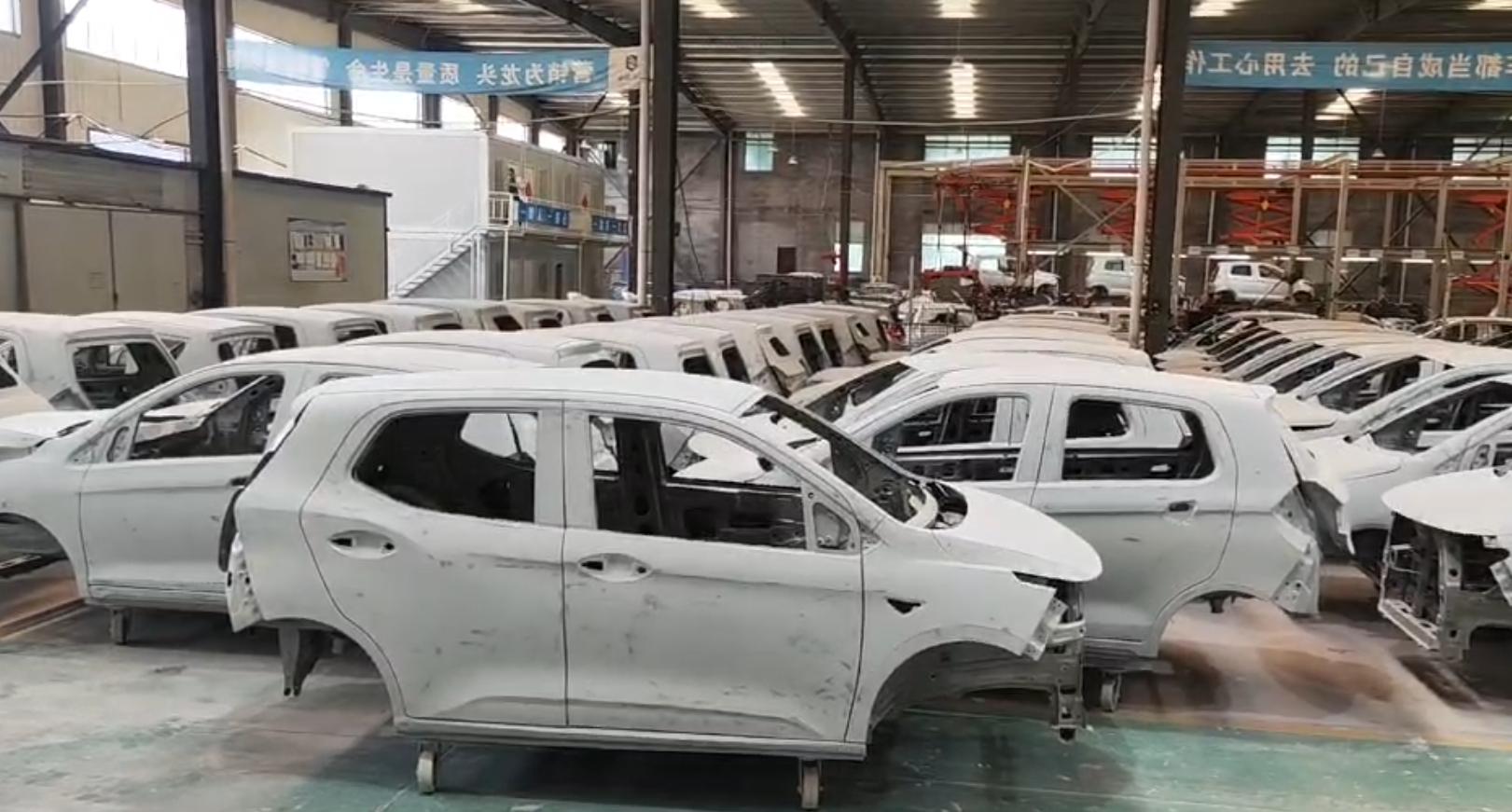
Our core competitiveness stems from cutting-edge technology R&D and unremitting innovation. From one-piece stamped steel frames to millimeter-precision cutting; from fully automated robotic painting creating flawless finishes to precision-engineered assembly processes; Every stage is safeguarded by dedicated technical teams. We dare to accept the laboratory level seven rainstorm test and face all kinds of extreme environmental challenges in the world.
View More Corporate MilestonesPioneering active safety systems, powertrain performance, and chassis durability
Our electric drivetrains feature high-torque Permanent Magnet Synchronous Motors (PMSM) paired with smart vector controllers.
We deploy high-density Lithium Iron Phosphate (LiFePO4) systems engineered for thermal stability and high cycle life.
Constructed with one-piece robotically stamped steel, designed to withstand rigorous daily payload stresses.
Every batch of passenger electric Tuktuks rolling off our assembly line undergoes a strict regime of quality assurance tests. These include high-impact chassis stress testing, battery compartment submersion evaluations, and our signature laboratory level seven rainstorm test.
This test simulates extreme monsoonal downpours to verify that our high-voltage wiring, digital instrument clusters, and cabin seals remain completely dry and insulated. For fleet operators, this ensures uninterrupted uptime in demanding tropical monsoon environments or muddy, unpaved urban secondary roads.
How Shandong Li Mao Tong Group customizes electric micro-mobility to distinct markets
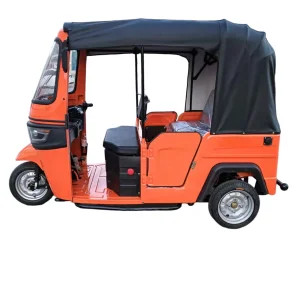
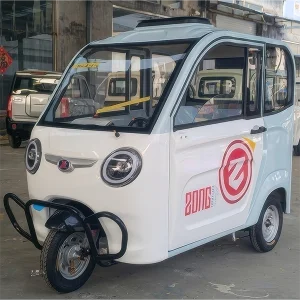
In rapid-growth markets like East Africa (Kenya, Tanzania, Djibouti), three-wheelers serve as vital connections between local communities and larger transit systems. High fuel costs impact driver profit margins. Our S3 Advanced Iron Frame 7-Seater and enclosed cabin series offer taxi operators an alternative to fossil fuels.
By setting up swap-station-compatible battery designs, local drivers can swap flat batteries for charged ones in under two minutes, eliminating charging downtimes and maximizing daily revenues.
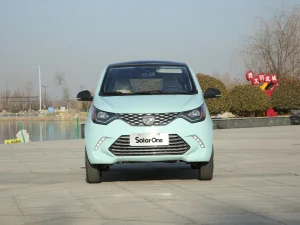
For regions characterized by abundant solar radiation but unstable power grids, our Solar Electric Vehicle (Solar One) integrates photovoltaic roof arrays. These monocrystalline silicon panels provide a continuous trickle charge to the main battery array.
This setup extends the daily range by an estimated 25-30 kilometers without grid connection, creating a highly self-sustaining micro-mobility option for remote rural routes, island resorts, and isolated communities.
Historical European town centers require low-noise, zero-emission transport options for visitors. Our enclosed luxury passenger models, like the V11E Electric Sightseeing Bus and the Audi Face Passenger Tricycle, offer comfortable, quiet transit solutions.
These vehicles feature ergonomic leather seating, clear panoramic roofs, and quiet electric drivetrains, fitting into restricted traffic zones (ZTL) while maintaining a minimal carbon footprint.
The rapid expansion of e-commerce delivery networks in high-density urban areas demands agile, high-capacity transport solutions. Our range of Closed Cargo Box Delivery Tricycles and heavy-duty cargo trikes, built from durable hemp steel, support the transportation of parcels, fresh produce, and commercial goods.
These vehicles navigate narrow residential alleyways that are inaccessible to standard delivery trucks, and operate at a fraction of the cost.
Demonstrating our end-to-end manufacturing process and quality verification facilities
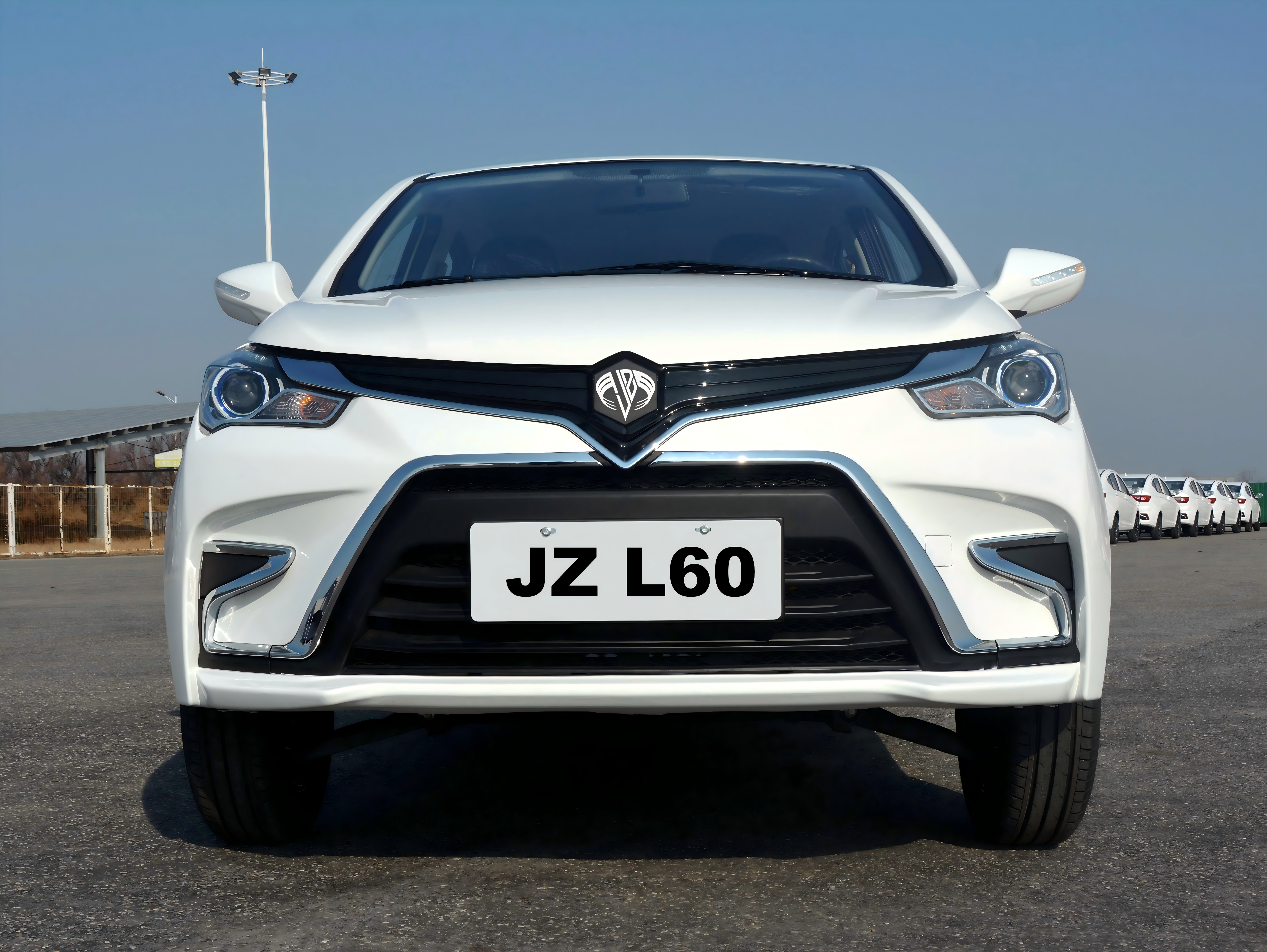
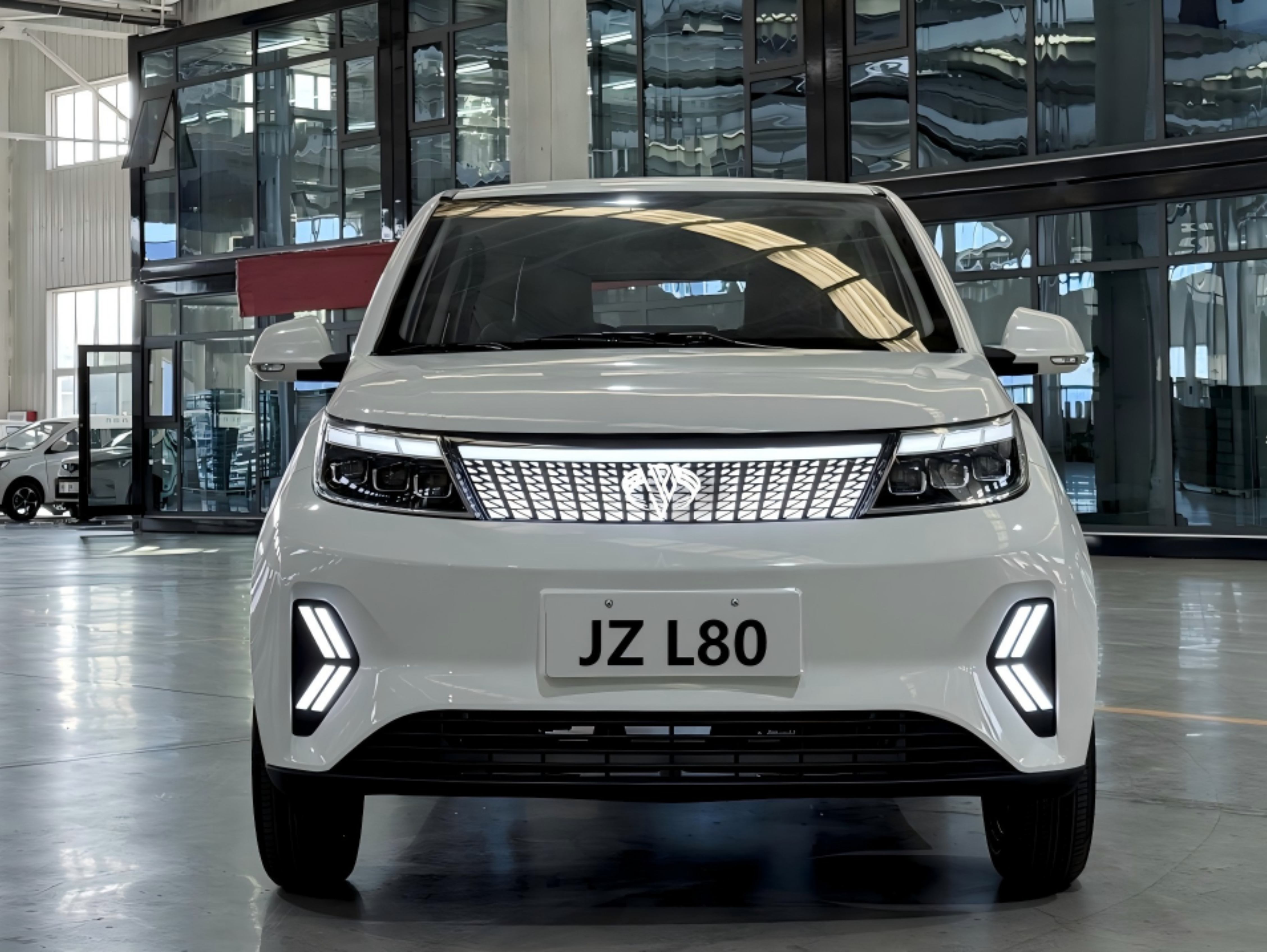
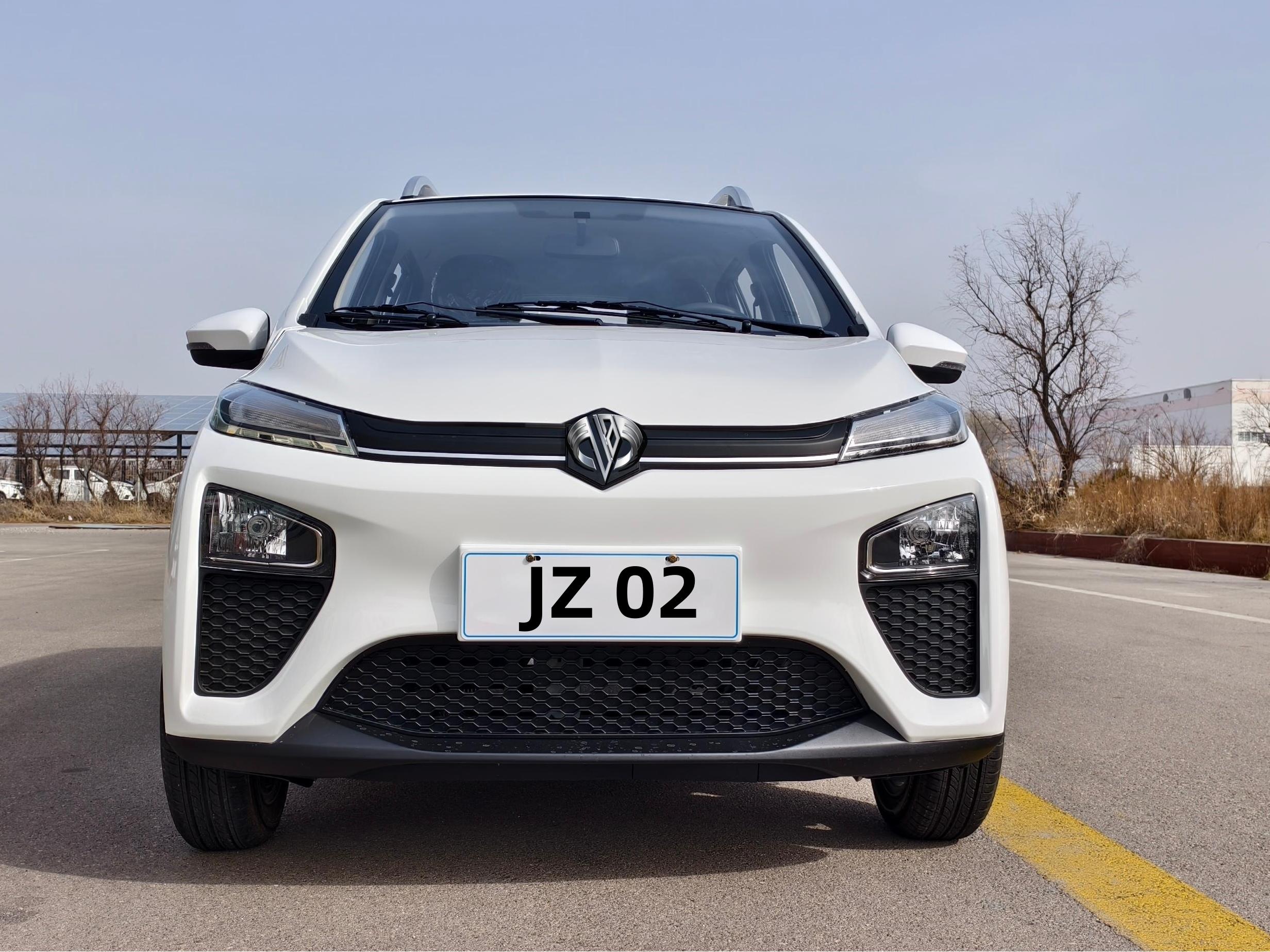
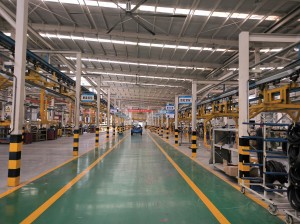
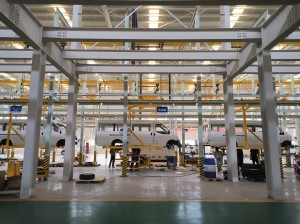
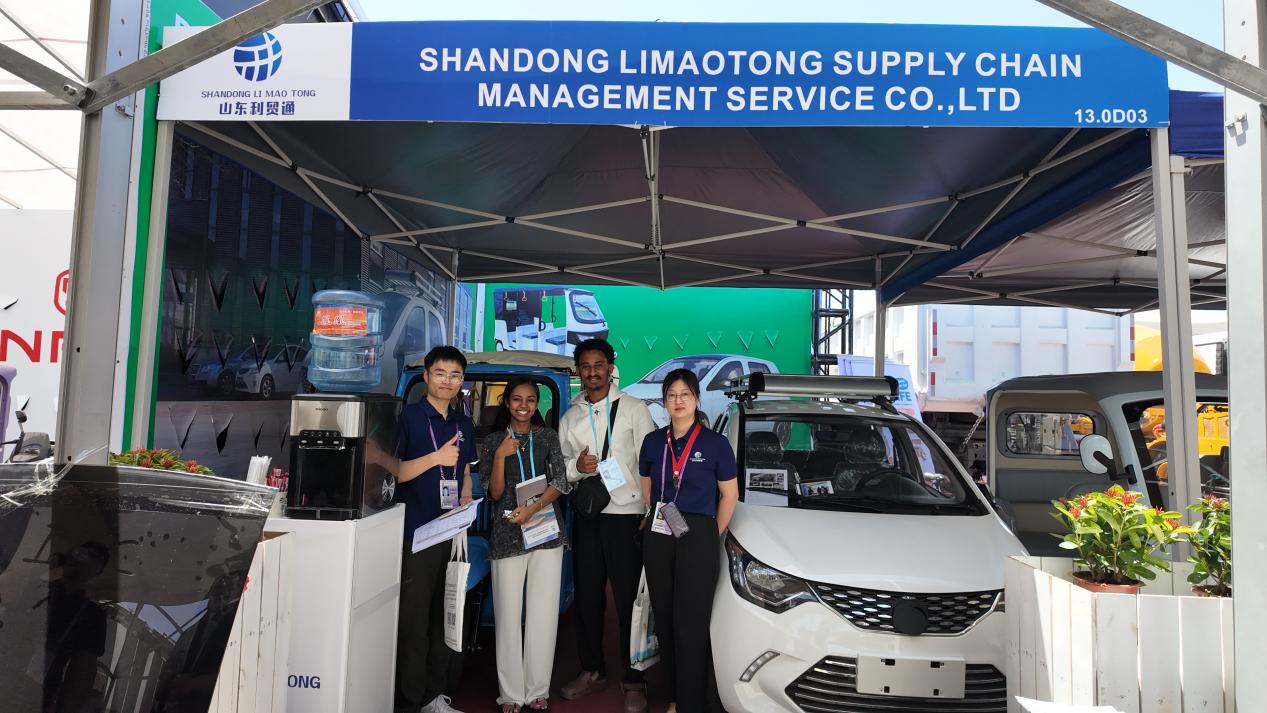
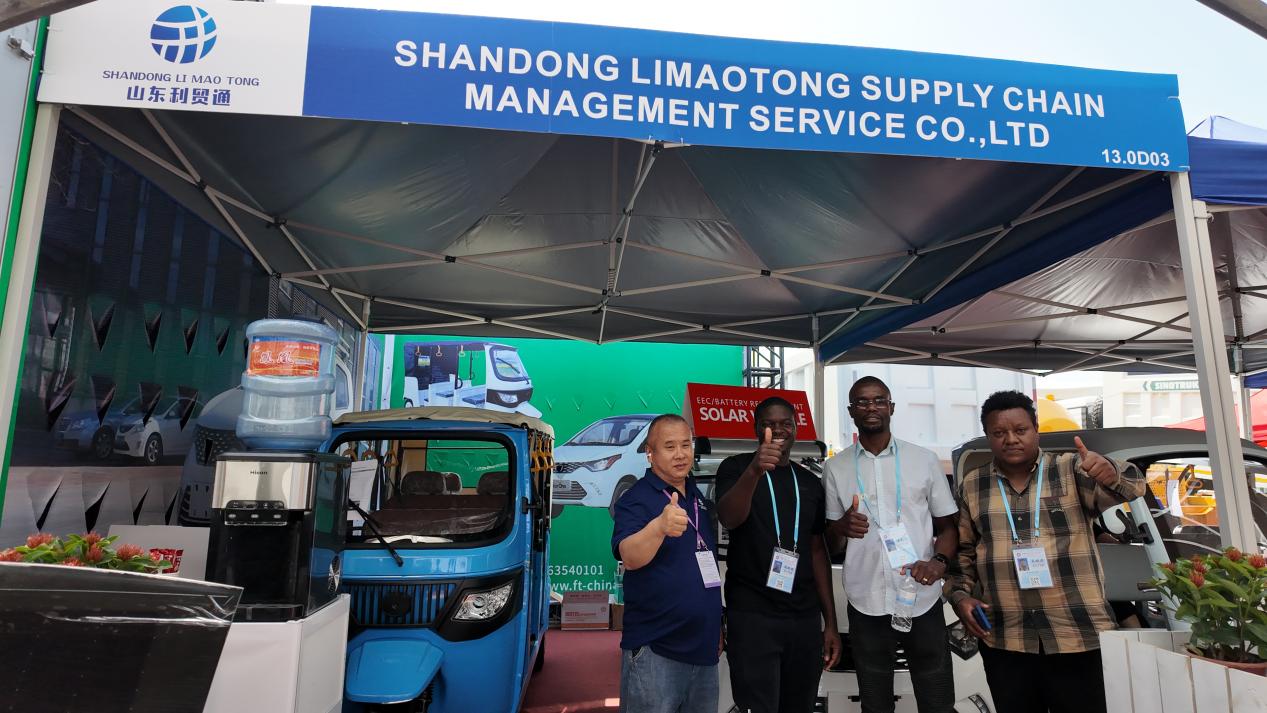
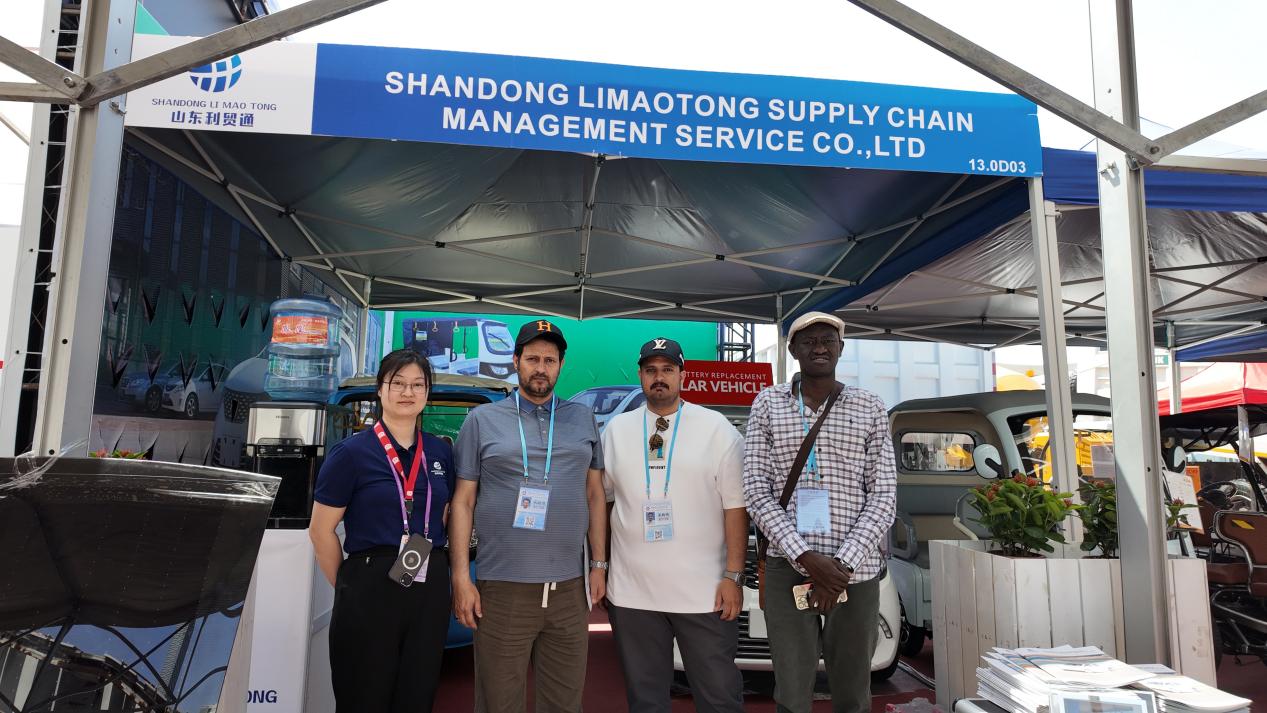
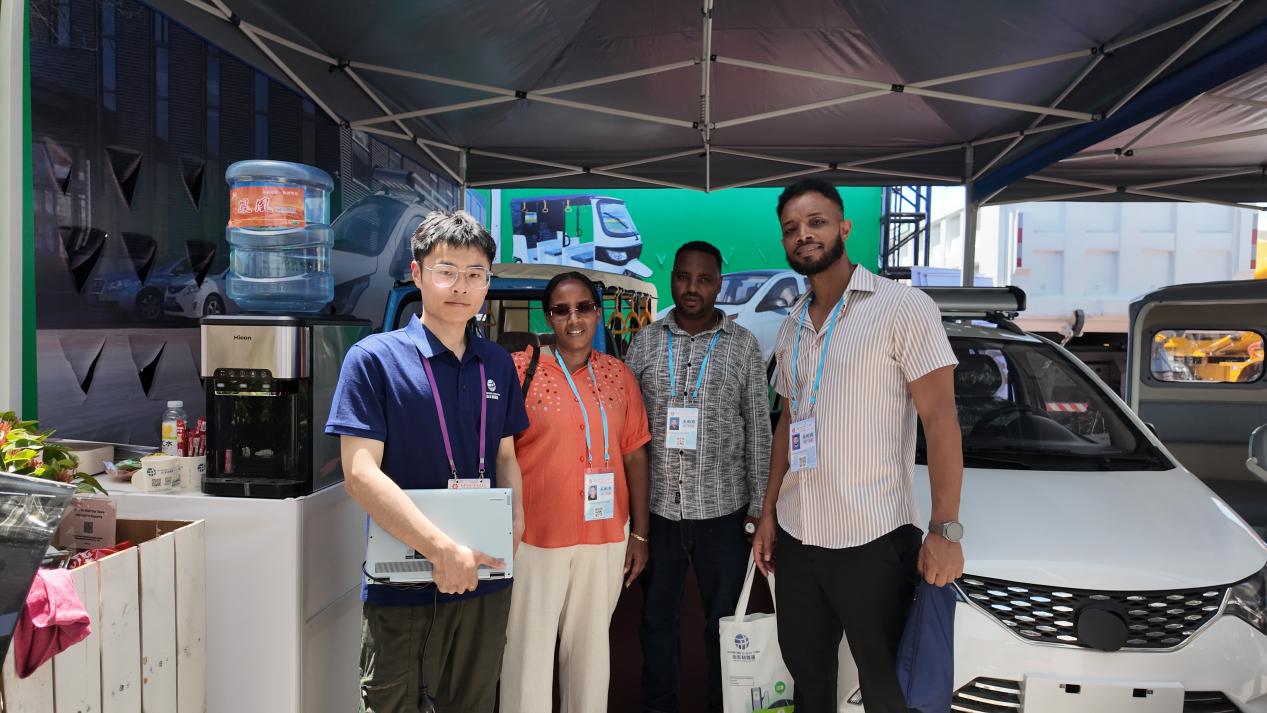
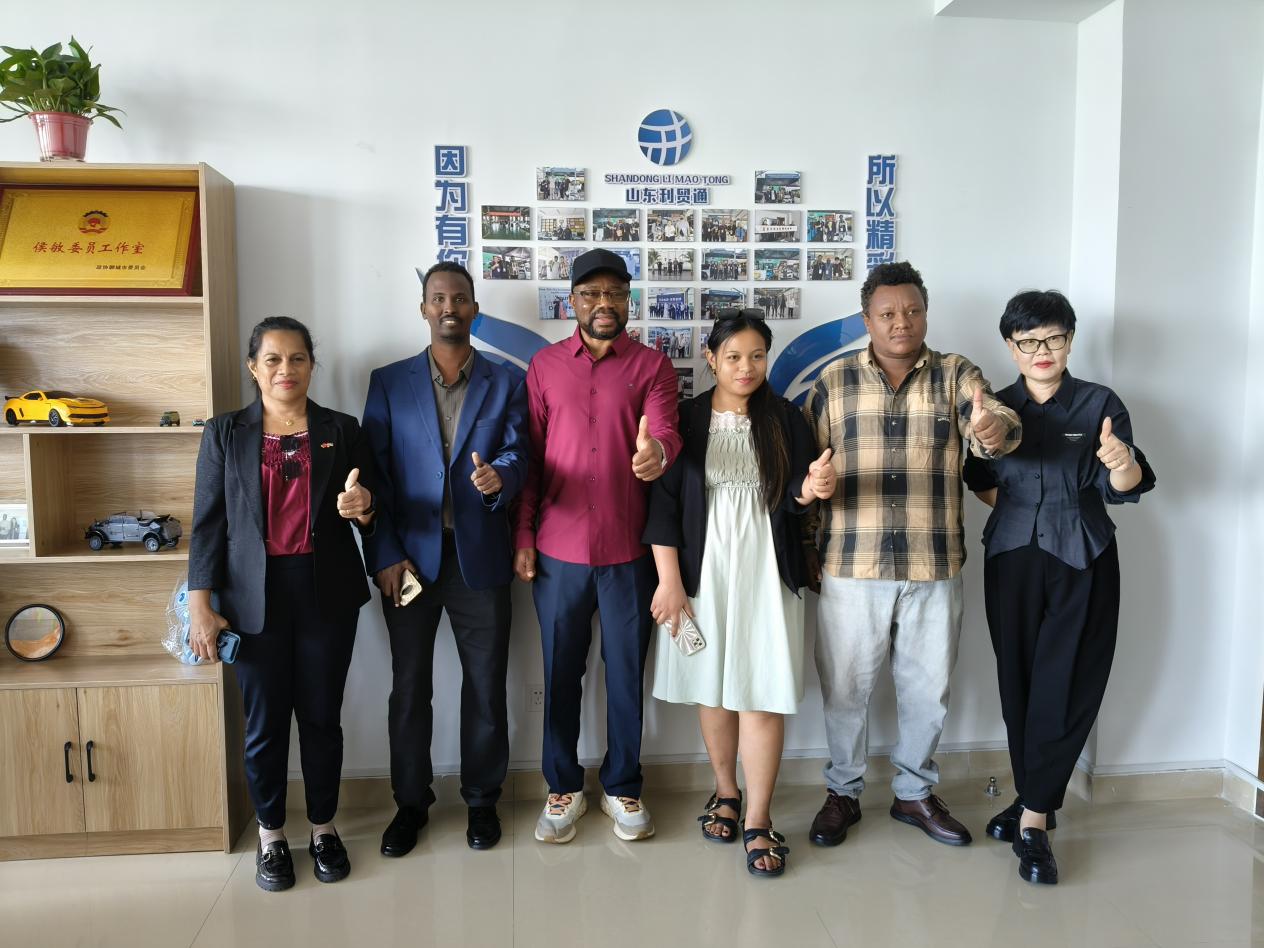
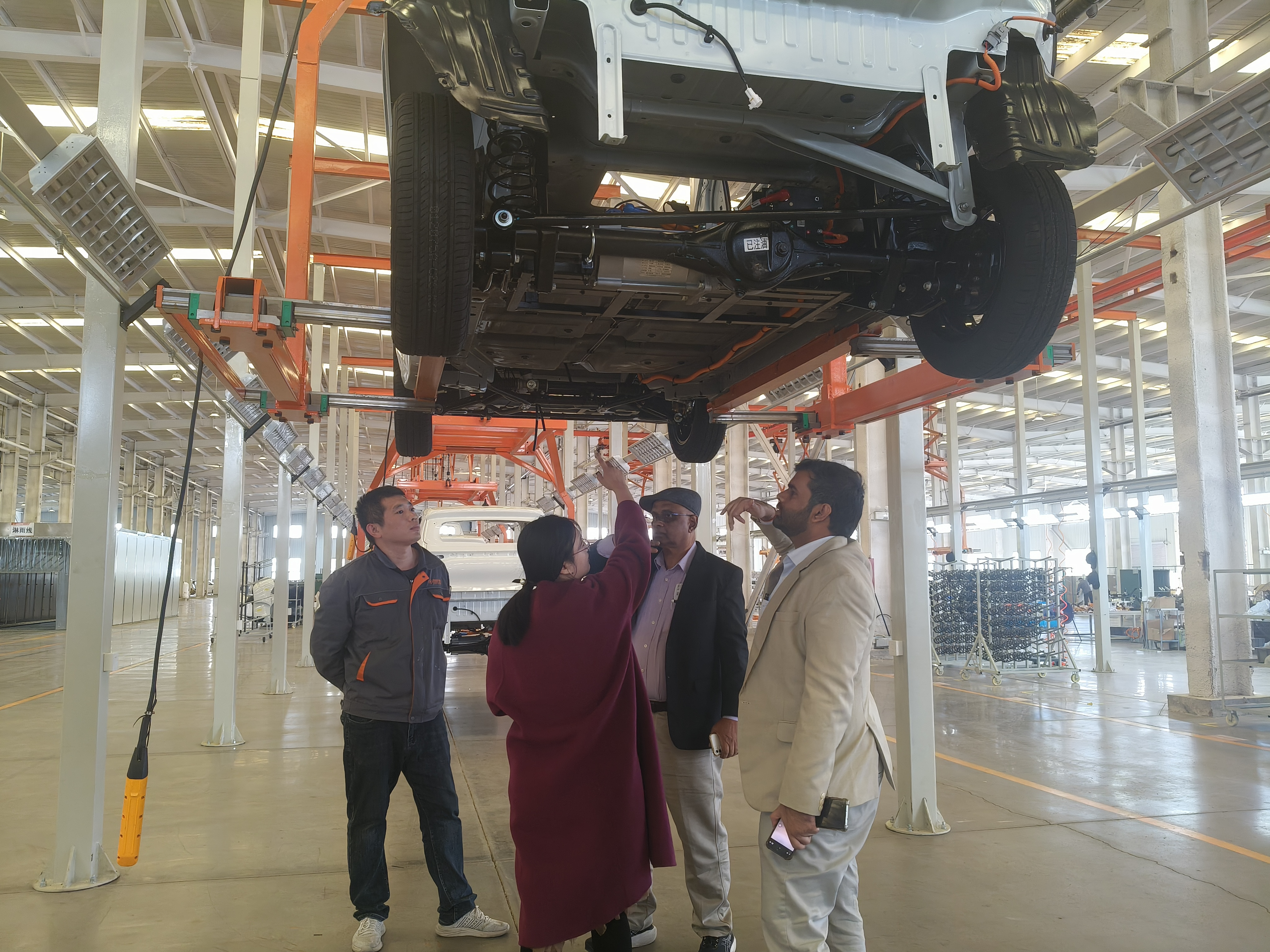
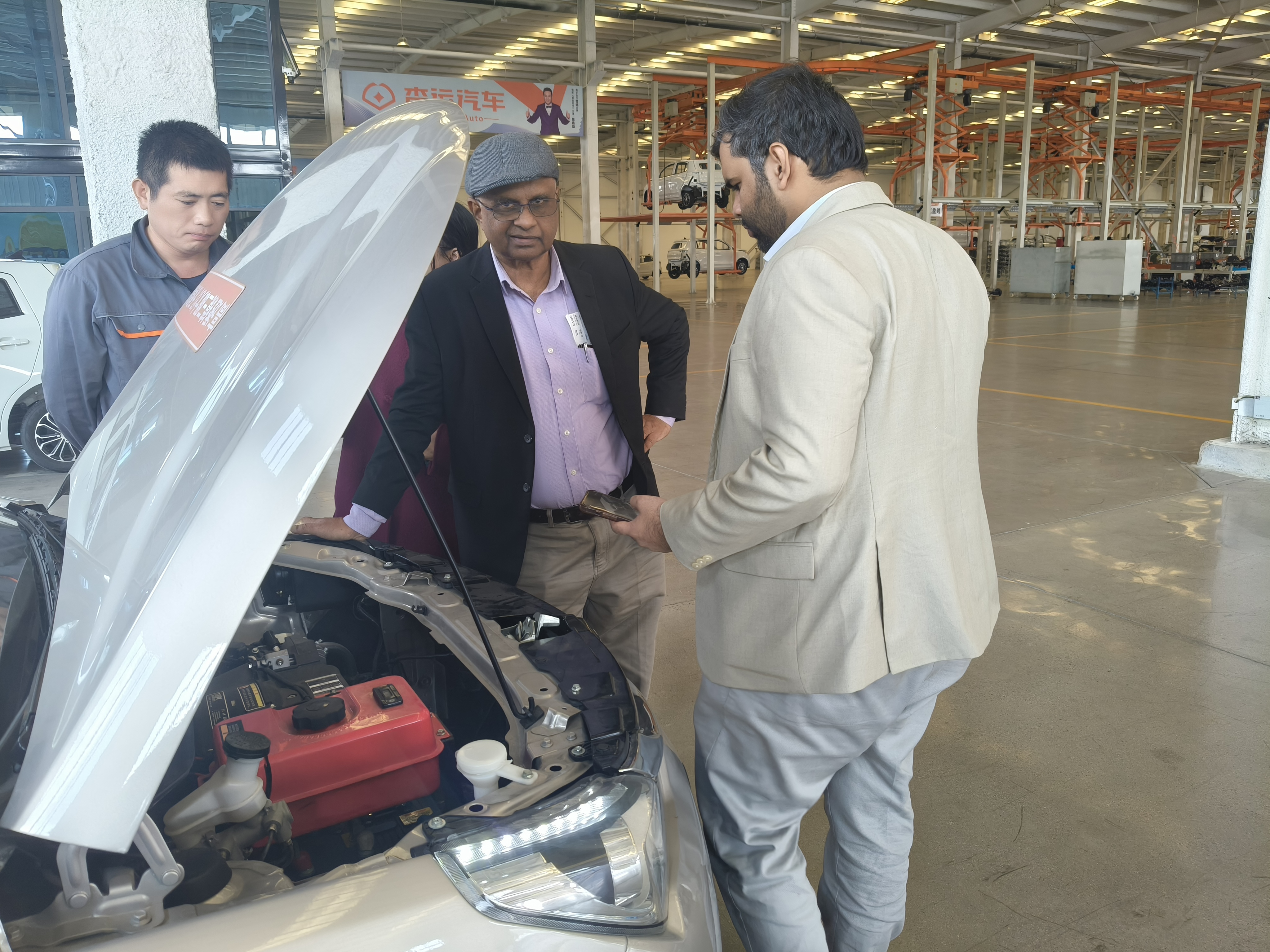
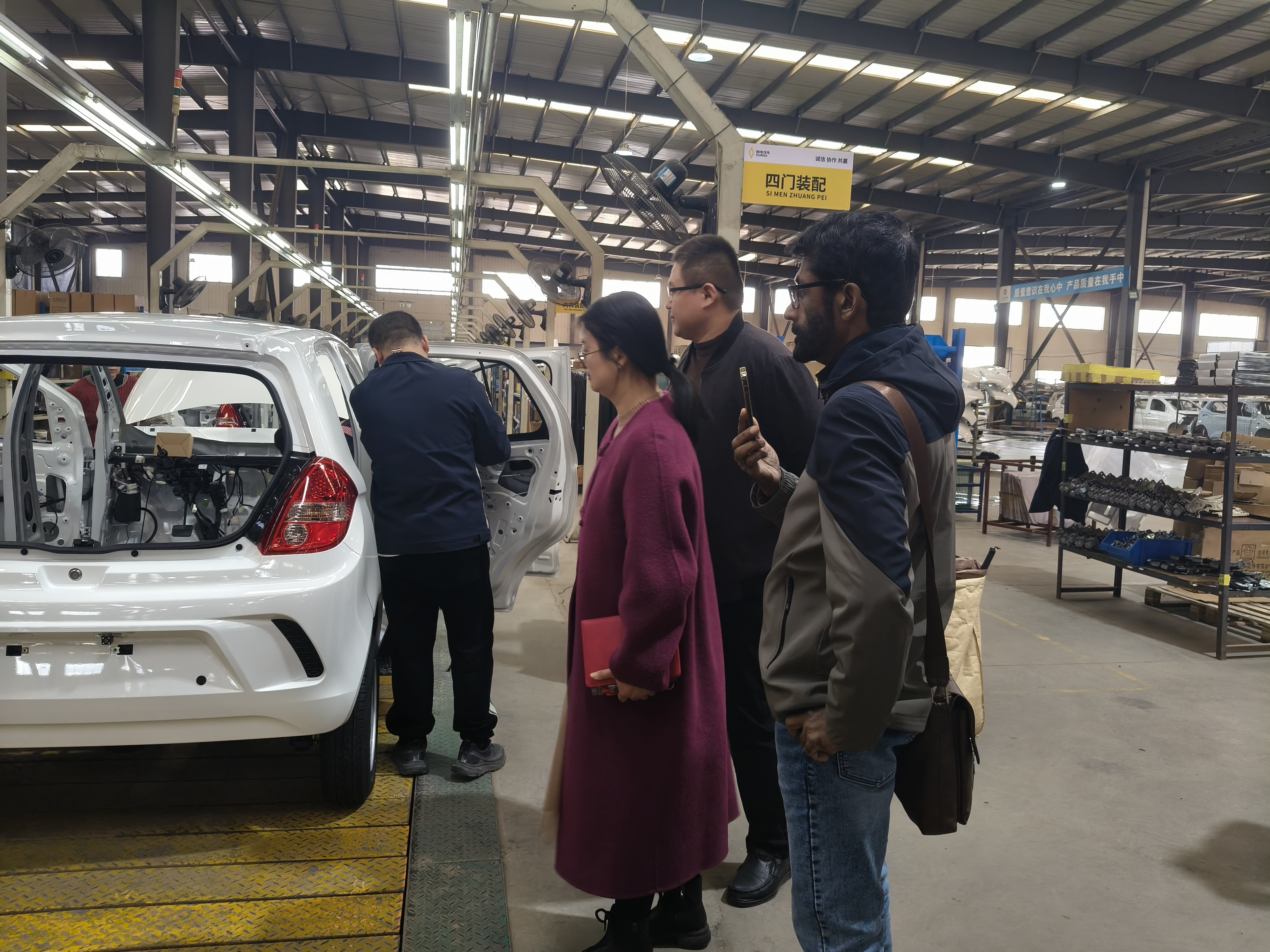
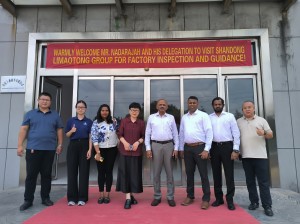
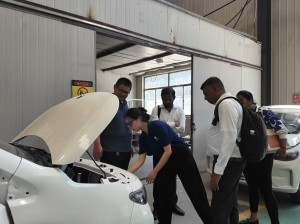

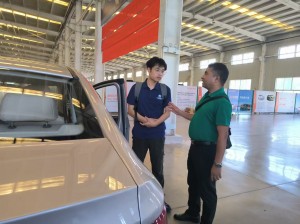
Leveraging automated manufacturing scale and vertical integration to secure global supply lines
In times of global supply chain volatility, fleet operators and distributors face risks from component shortages and transport delays. Shandong Li Mao Tong Group manages these challenges through deep vertical integration of our manufacturing lines. We process raw materials directly in our modern factories, utilizing high-precision laser cutters and one-piece stamped steel dies to control structural quality and reduce sub-assembly lead times.
Our automated painting facility features advanced cathodic electrophoresis, providing each vehicle with a uniform, multi-layered protective coating. This process ensures the body panels resist rust and mechanical scratching in coastal environments and humid tropical regions. This focus on finish durability protects the vehicle's appearance and residual market value over years of daily taxi service.
We also employ automated torque-monitoring robotic assembly tools. Every structural bolt and critical suspension fastener is tightened to computerized specifications, with values logged in our manufacturing quality database. This level of traceability ensures consistent build quality across production runs, minimizing mechanical issues upon arrival in destination ports.
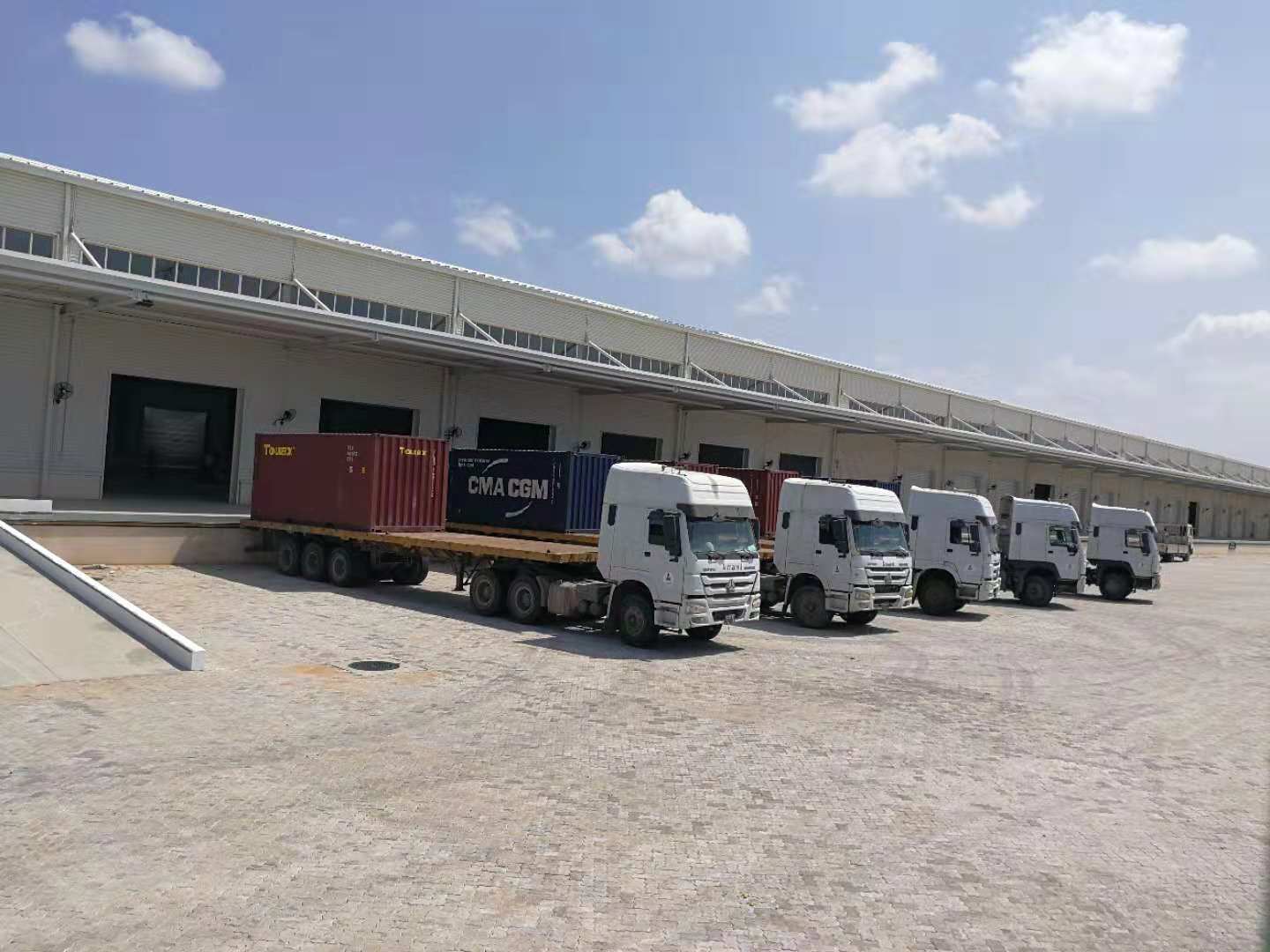
Our supply chain resilience is further supported by an extensive regional warehousing strategy. With localized spare parts hubs in major markets, we keep shipping times for replacement components short. This setup helps operators minimize vehicle downtime and maintain consistent fleet performance.
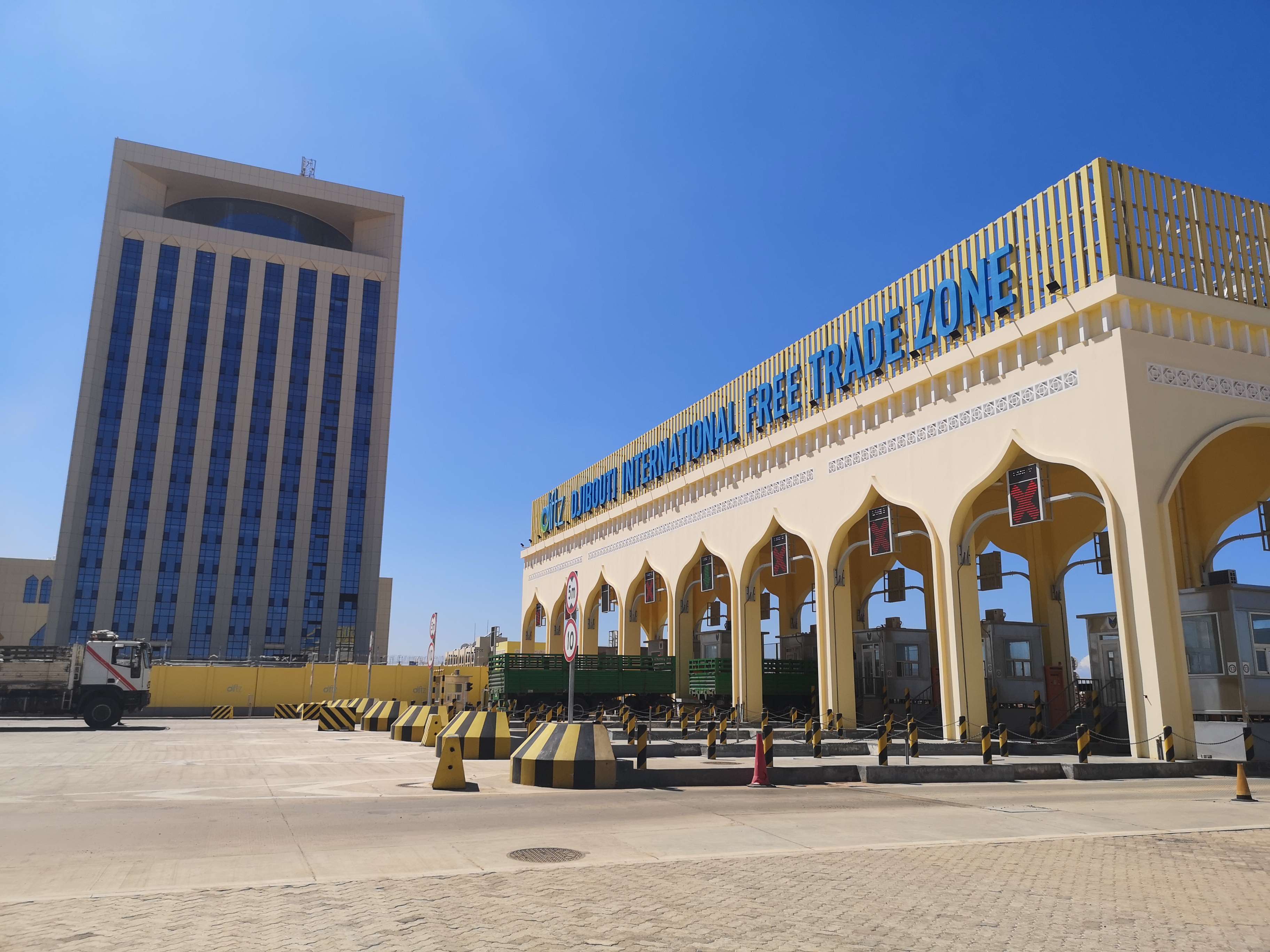
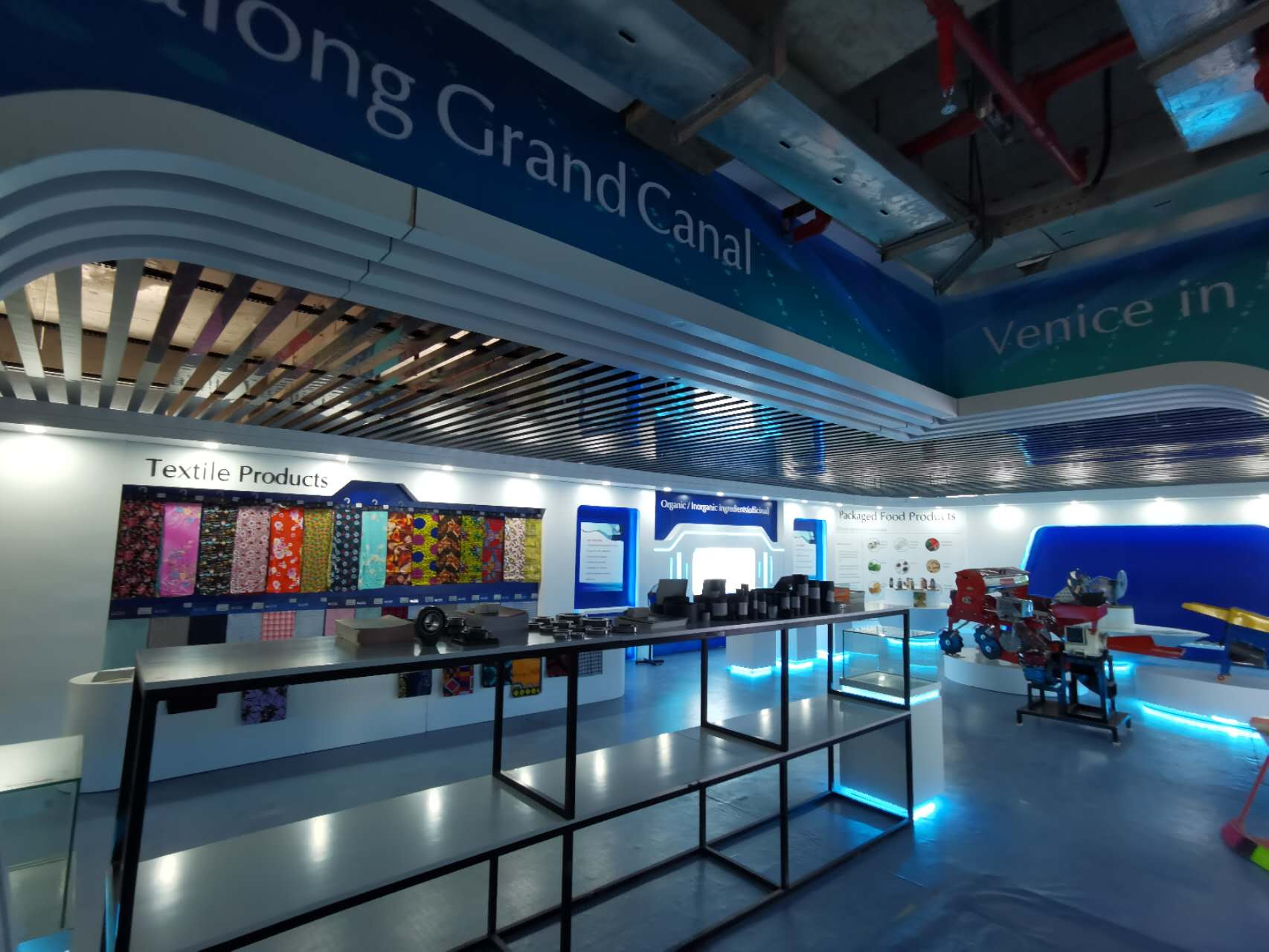
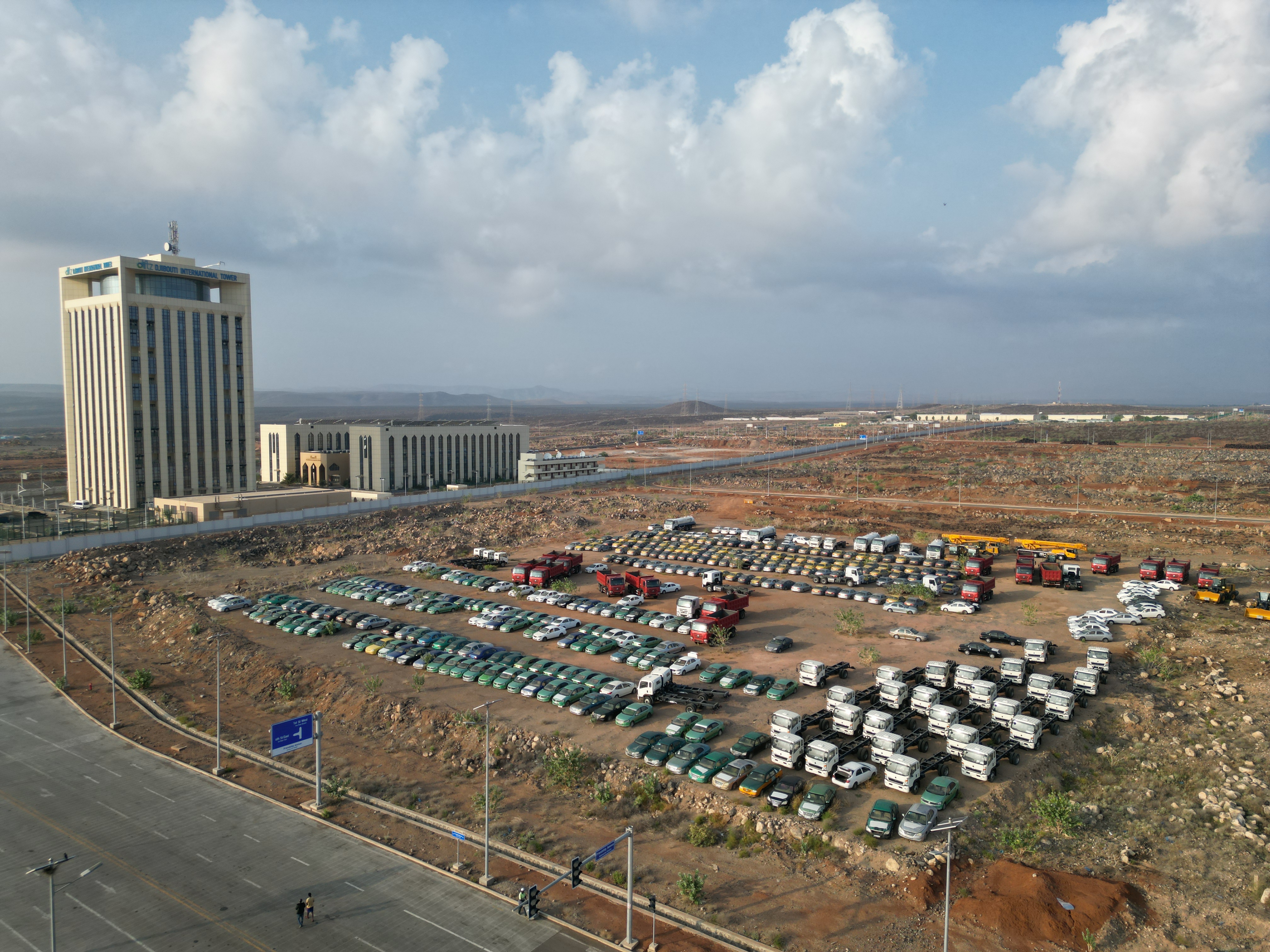
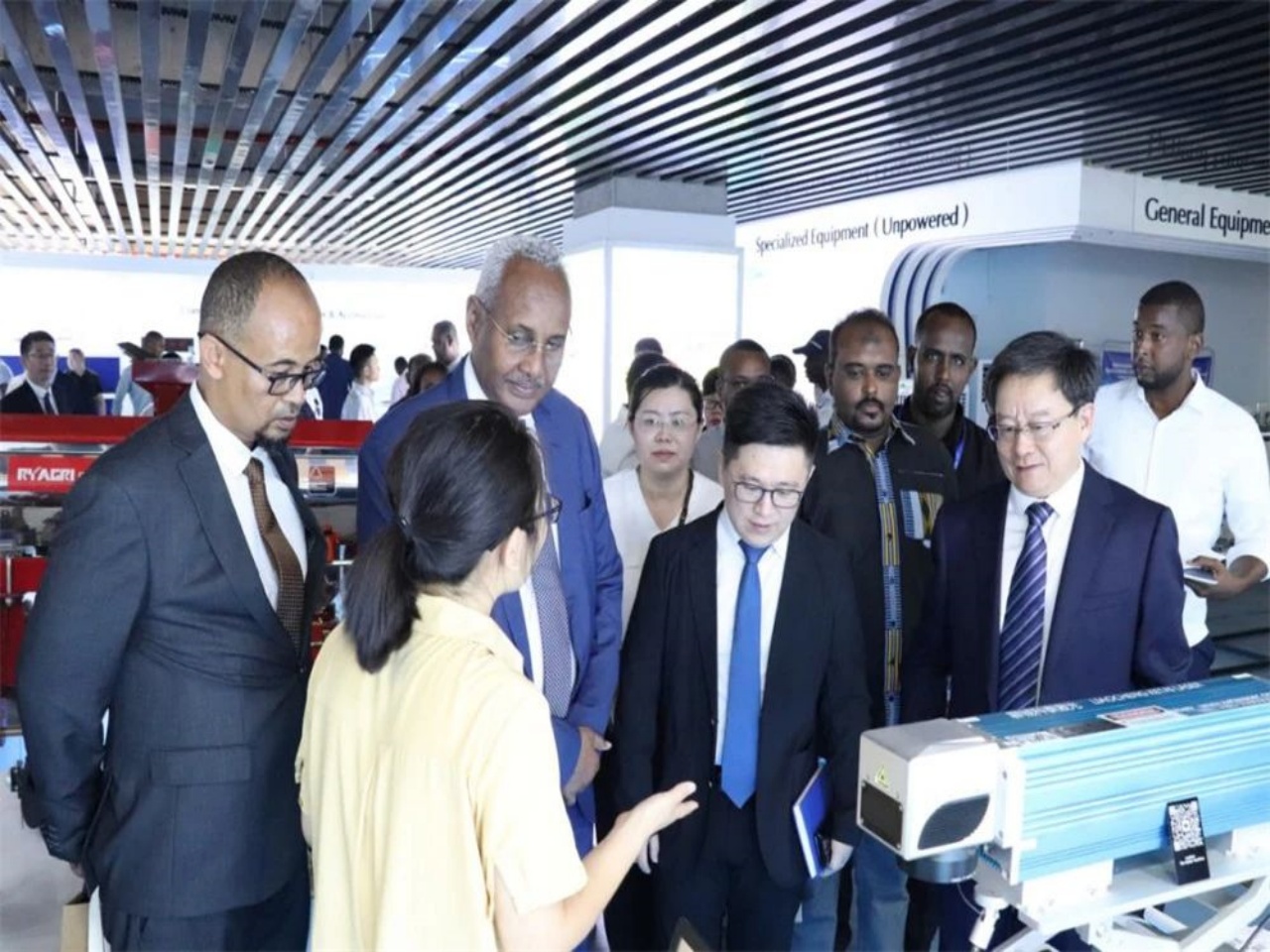
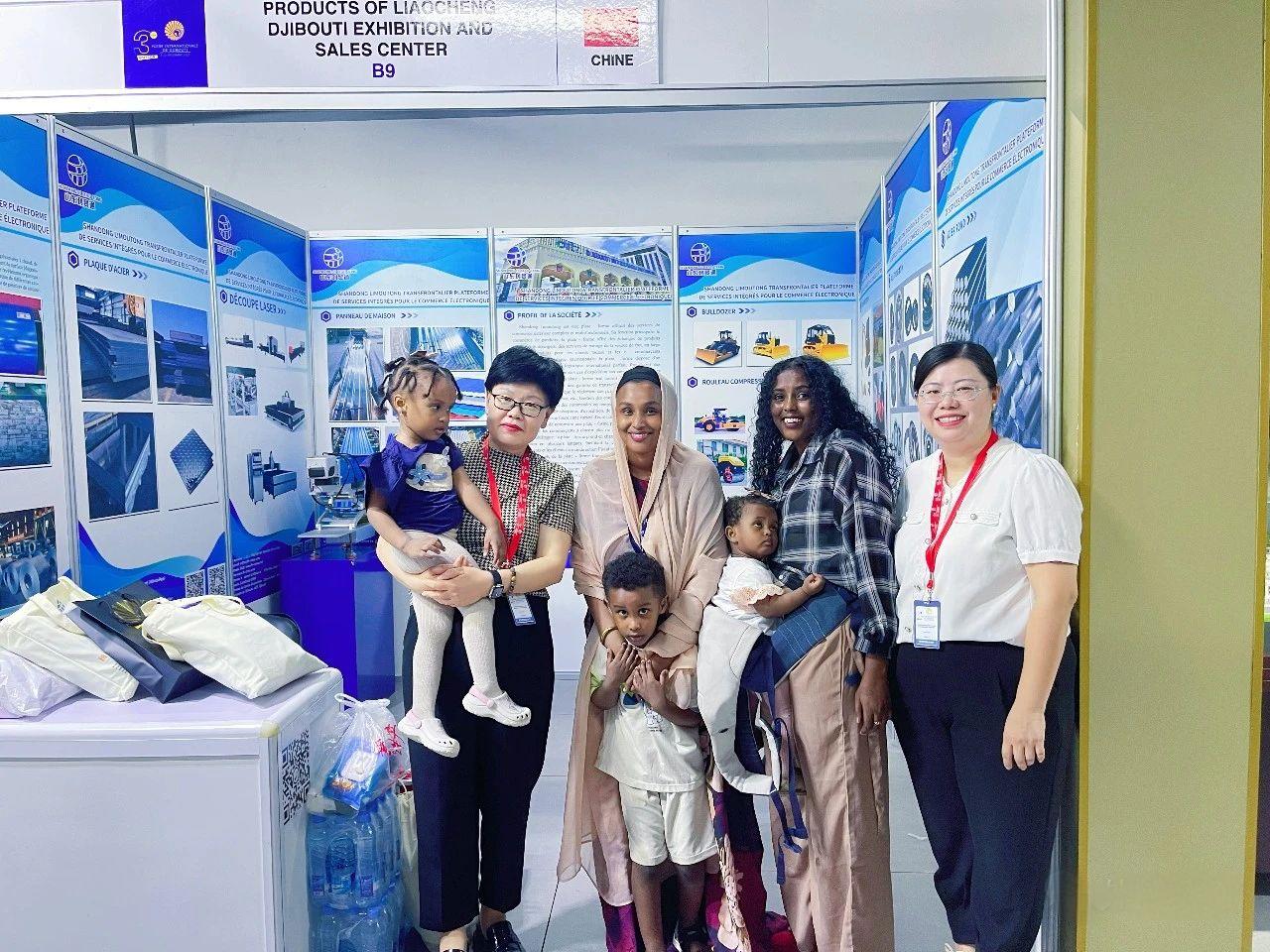
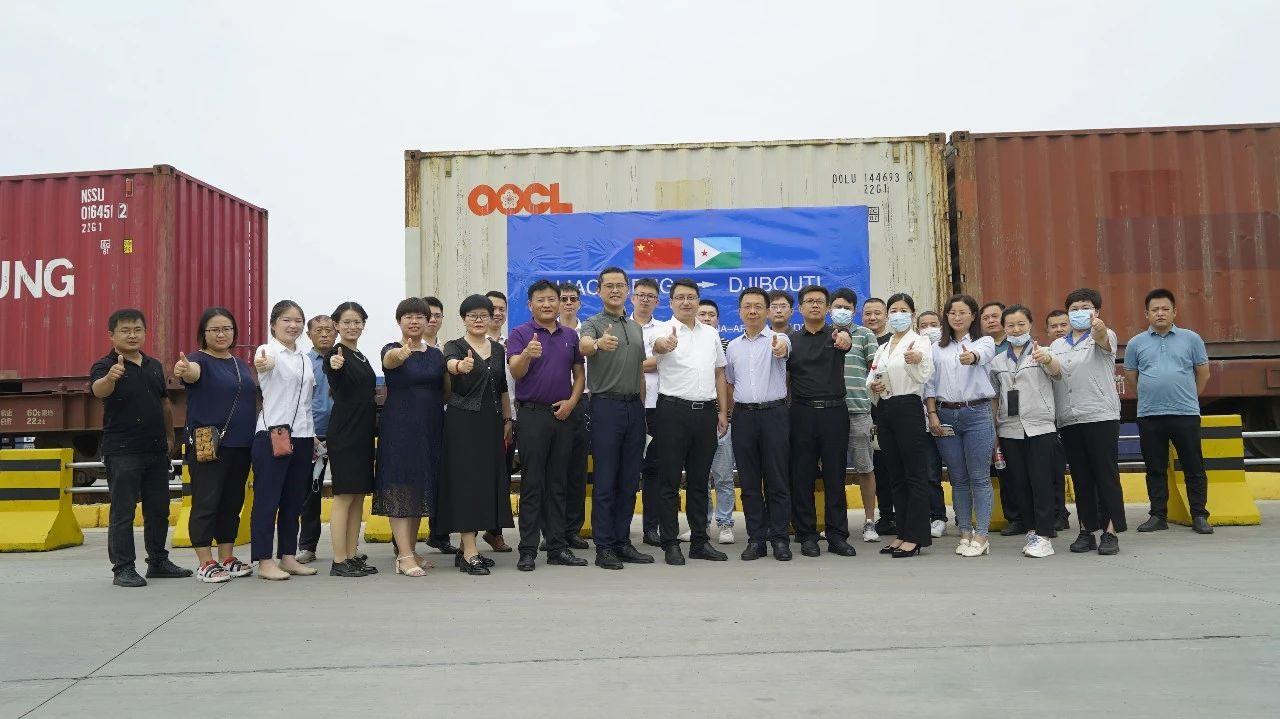
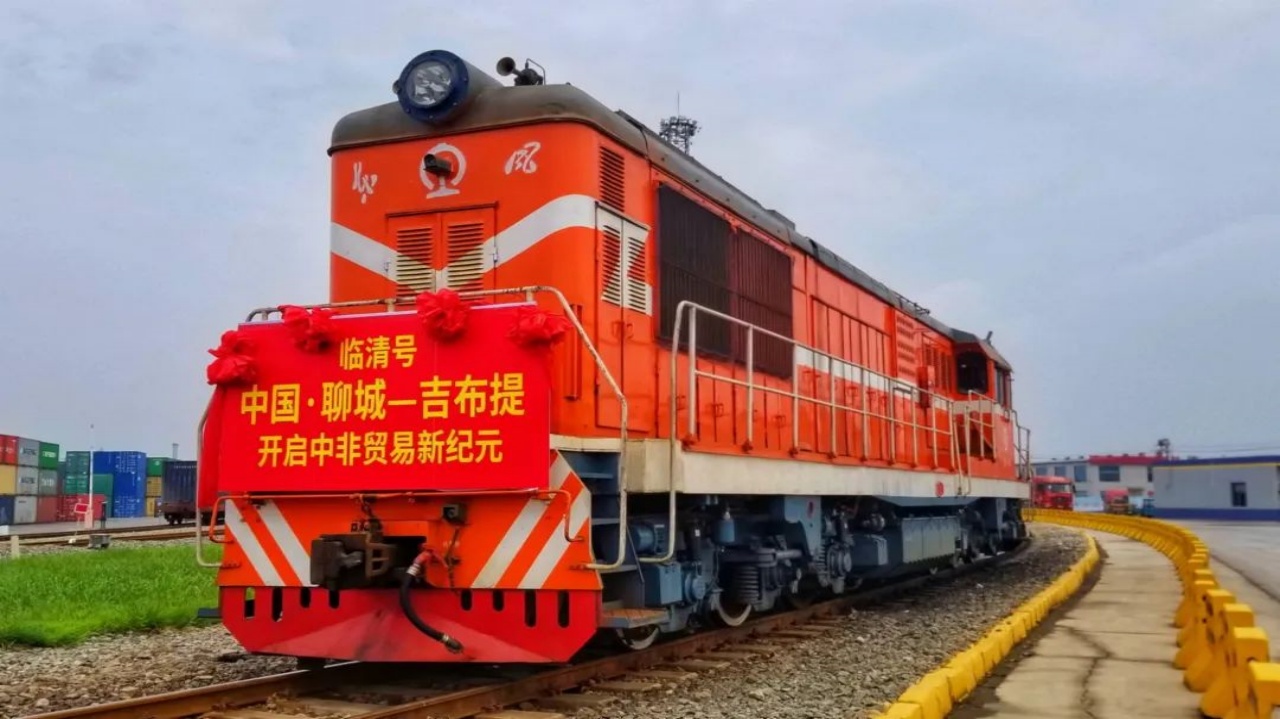
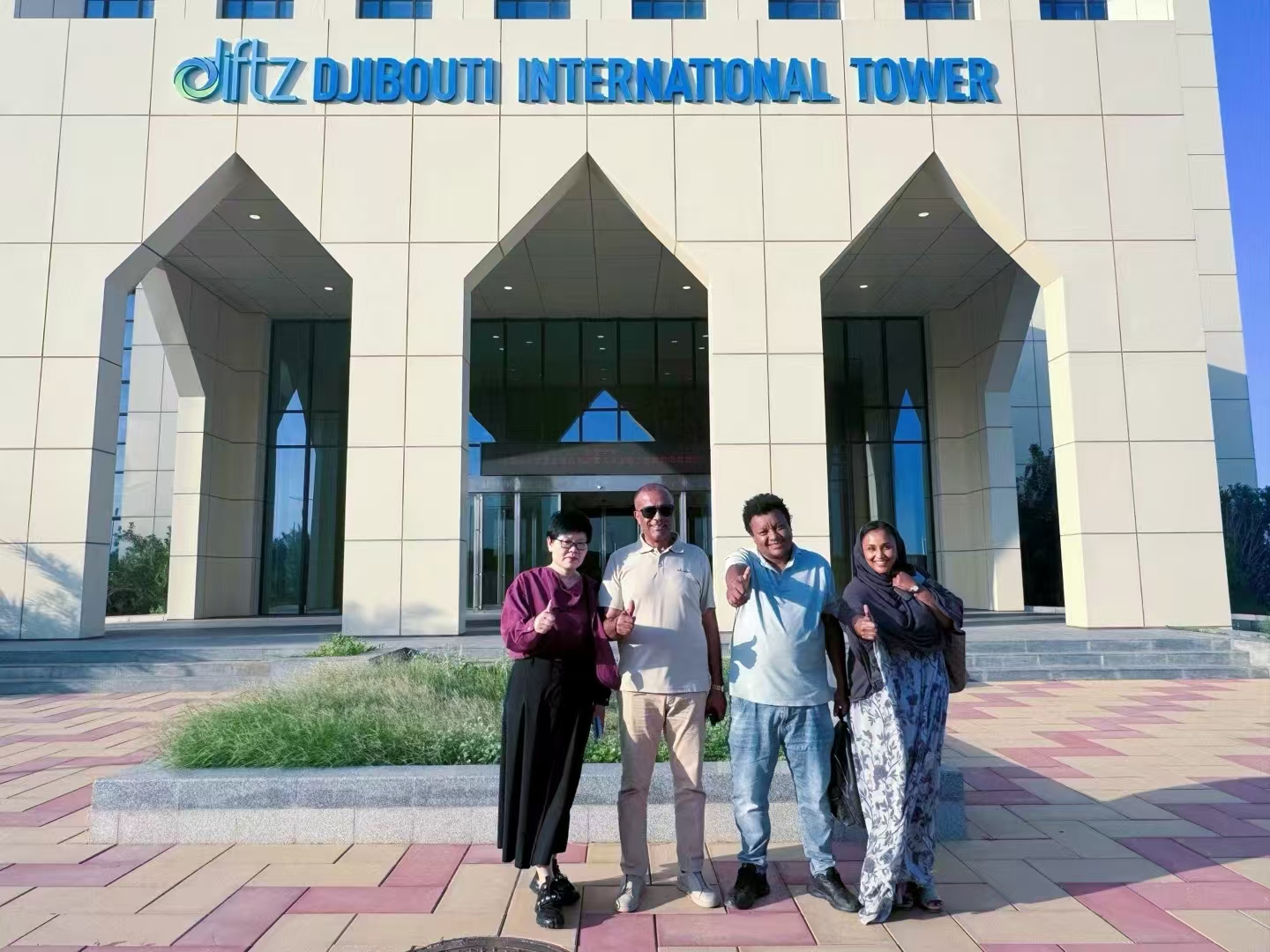
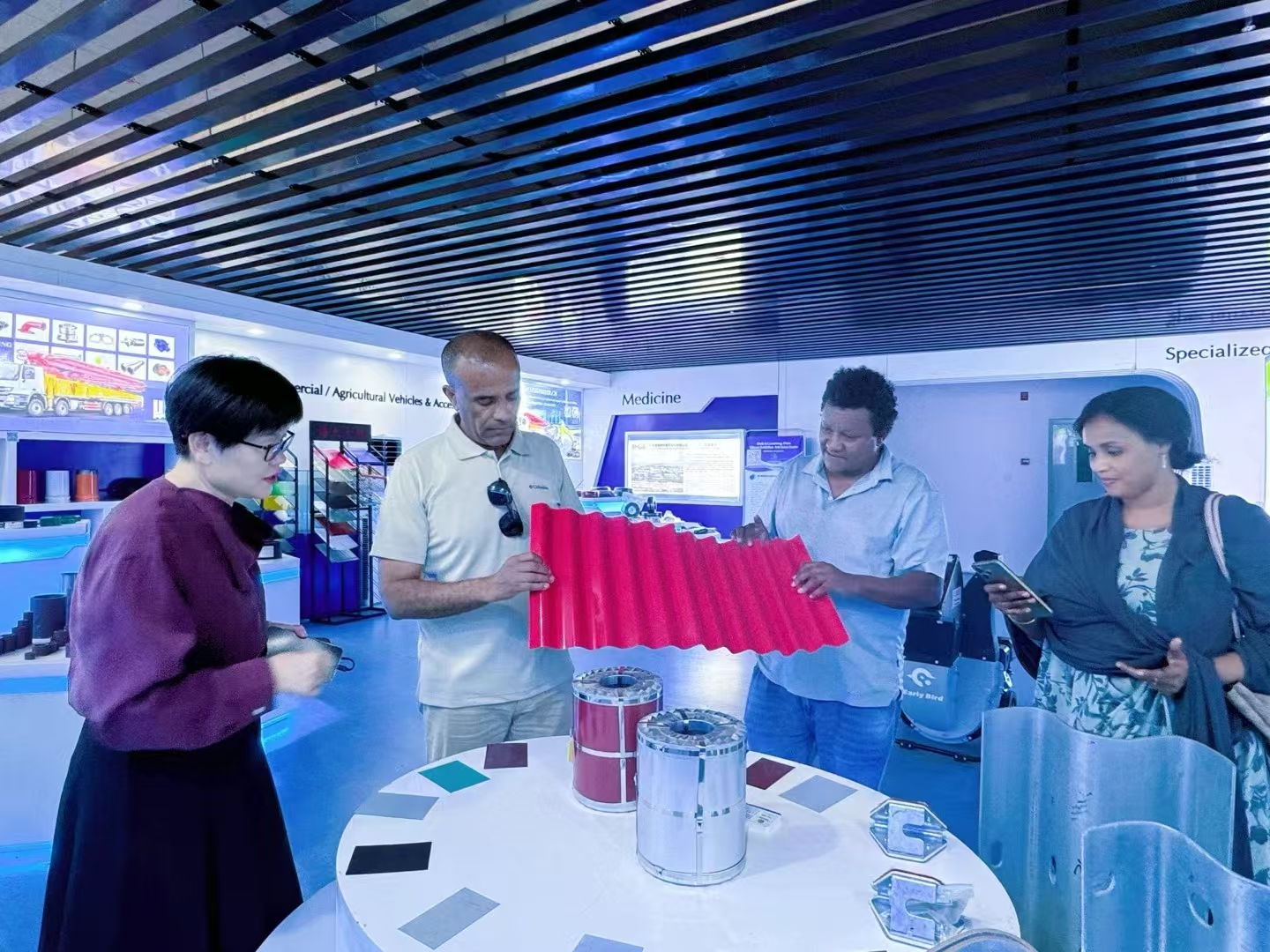
Established in 2023 inside the Djibouti International Free Trade Zone, this facility functions as our primary hub for East Africa. In partnership with Djibouti Economic and Trade Co., Ltd., it combines cross-border e-commerce, front-end warehousing, and local logistics support. For local commercial operators, this hub offers direct access to vehicles, import clearance assistance, and local technical service teams, simplifying fleet imports and ongoing operations.

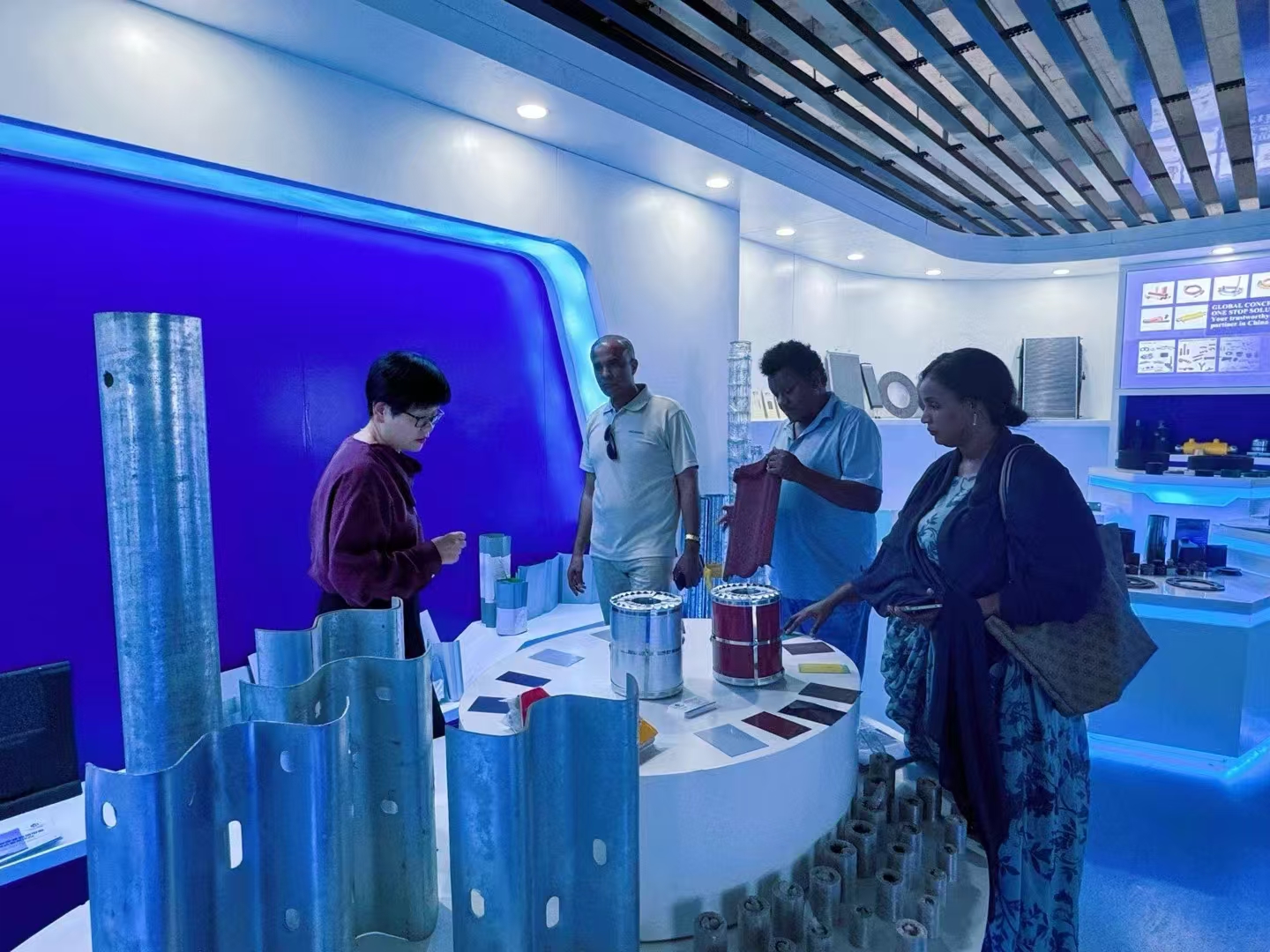
Answering key queries from professional buyers, fleet managers, and municipal coordinators
A broad portfolio of light electric vehicles, solar passenger trikes, and smart city commuters
 Limaotong