Review our top-tier manufacturing line, engineered to maximize operational range and load capability for B2B fleets.
The global commercial transport sector is undergoing a profound paradigm shift. Driven by municipal carbon-neutrality mandates, rising diesel overheads, and the exponential growth of e-commerce delivery networks, the demand for high-efficiency electric three-wheeled tuktuks has surged. Traditional combustion-powered tuktuks, historically dominant in regional transport hubs, are systematically being retired due to stringent air-quality policies.
Global logistics managers and municipal operators are turning to electric tricycles as a reliable, cost-effective substitute. Key technical advantages, including lower Total Cost of Ownership (TCO), reduced maintenance intervals, and silent operations, have positioned electric tuktuks at the forefront of the modern micro-mobility infrastructure.
Manufacturers are responding by developing platforms equipped with high-energy-density LFP (Lithium Iron Phosphate) batteries, integrated smart telematics, and heavy-duty frame configurations. This evolution enables rapid charging capabilities and longer duty cycles, meeting the intensive demands of global logistics fleets.
Urban delivery hubs face structural pressures to limit carbon footprints. Fleet electrification programs utilizing cargo trikes with structural configurations like our 1.6m standard cargo frames are proving critical in resolving these challenges.
Transitioning from internal combustion engines (ICE) to electric drietrains minimizes routine engine maintenance and delivers significant fuel-to-electricity energy cost savings.
Leveraging massive manufacturing scale, deep R&D engineering, and a comprehensive, globally integrated supply chain to support large-scale fleet deployments.
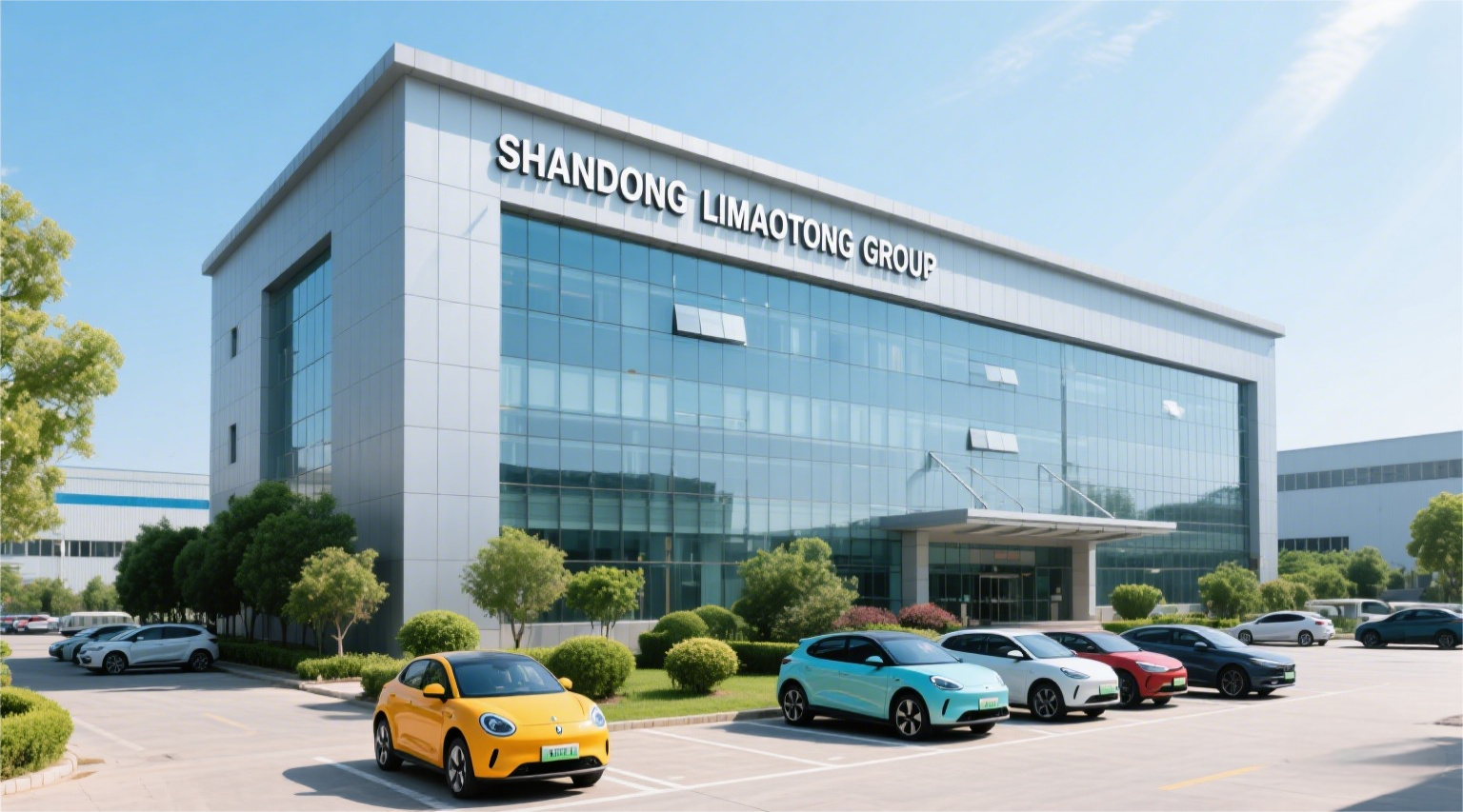
In the booming wave of China's new energy vehicle industry, Shandong Li Mao Tong Group emerged at the historic moment. Rooted in China and embracing the world, we strive to deliver an electric mobility experience that exceeds expectations for every user.
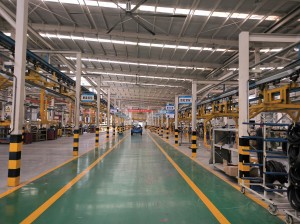
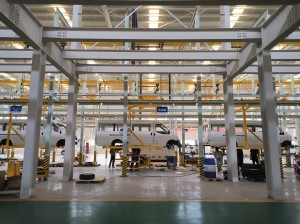
Quality is our lifeline. We operate a modern intelligent manufacturing base equipped with highly automated production lines and a stringent digital quality control system, ensuring every vehicle rolling off the line meets international standards of exquisite craftsmanship. Our relentless pursuit of safety permeates every aspect, with battery systems passing safety tests far exceeding national standards, and vehicle structural designs targeting the highest safety ratings to comprehensively protect user security.
Our core competitiveness stems from cutting-edge technology R&D and unremitting innovation. From one-piece stamped steel frames to millimeter-precision cutting; from fully automated robotic painting creating flawless finishes to precision-engineered assembly processes; every stage is safeguarded by dedicated technical teams.
Standard configurations for our primary passenger and cargo electric platforms.
| Vehicle Class | Chassis Construction | Nominal Motor Output | Battery Chemistry Options | Max Payload | Tested Waterproof Grade |
|---|---|---|---|---|---|
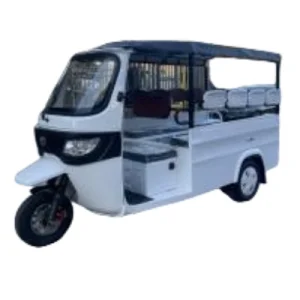
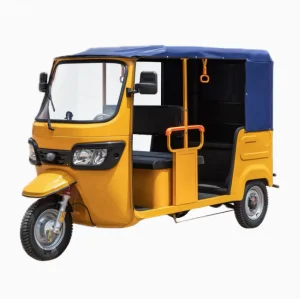
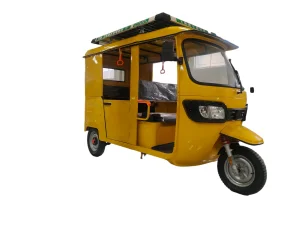
| Passenger Tricycle 7-Seater | S3 Advanced Reinforced Steel Frame | 1500W - 3000W AC Brushless | LFP (Lithium) / Heavy Duty Lead-Acid | 650 kg | IP65 (Full Electrical Enclosure) |
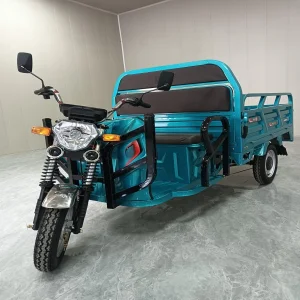
| Heavy Duty Cargo Trike | 1.6m Homemade Hemp Steel Platform | 2000W - 4000W High Torque | LFP (Lithium) / Tubular Lead-Acid | 1000 kg | IP66 Rated Components |
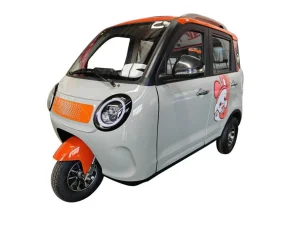
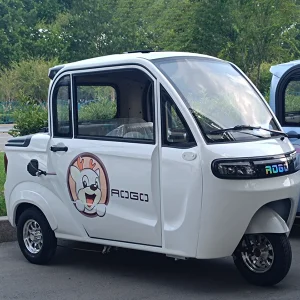
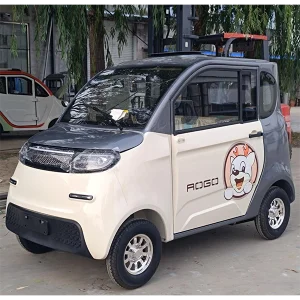
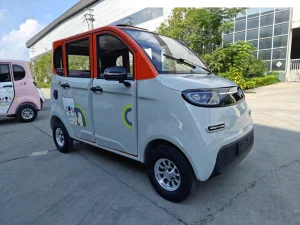
| Enclosed Family Trike (DK08) | Integrated Monocoque Steel Shell | 1200W - 2000W Integrated | Lead-Acid Gel / Lithium Ion | 450 kg | IP54 Sealed Cabin |
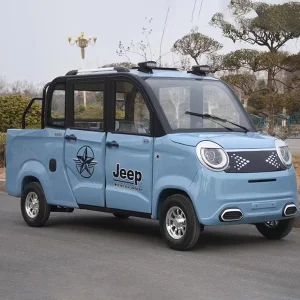
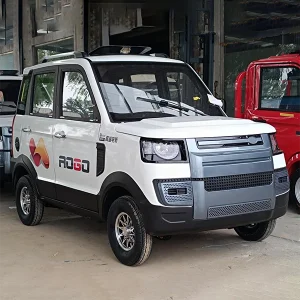
| Fudou 4-Door / 2-Door Pickups | Automotive Grade Monocoque | 3000W - 5000W Transaxle Drive | Lithium Iron Phosphate (LFP) | 800 kg | IP67 Sealed Powertrain |
Our heavy-duty three-wheeled electric vehicles are built on high-precision production lines utilizing advanced manufacturing techniques. Unlike standard commercial workshops, Shandong Li Mao Tong Group uses automated production steps to ensure structural consistency and frame strength.
Chassis components are fabricated using heavy stamping dies that shape sheets of raw steel into unified structural components. This process minimizes welded joints, reducing stress concentration points and enhancing structural integrity under maximum load conditions.
Critical structural assemblies, including the cargo box frames made of tough hemp steel, are welded using robotic arms. Millimeter-level precision ensures consistent weld quality and uniform load distribution across the entire frame.
Every frame undergoes a multi-stage chemical pretreatment, followed by cathodic electrophoresis coating and high-temperature curing. This process creates a corrosion-resistant barrier that protects structural steel from oxidation in coastal regions and humid environments.
Completed vehicles undergo strict testing protocols, including high-pressure spray chambers designed to simulate severe rainstorms. Electrical connections, battery compartments, and structural components are verified for seal integrity under extreme conditions before shipping.
Formed under high-tonnage hydraulic presses, avoiding typical weld seam failures common in low-cost manufacturing.
Complete liquid submersion ensures all internal cavities receive uniform anti-rust coverage, extending chassis lifespan to over 10 years.
Subjecting finished drivelines to continuous overhead and undercarriage water jets at 150 kPa pressure to prevent water ingress.
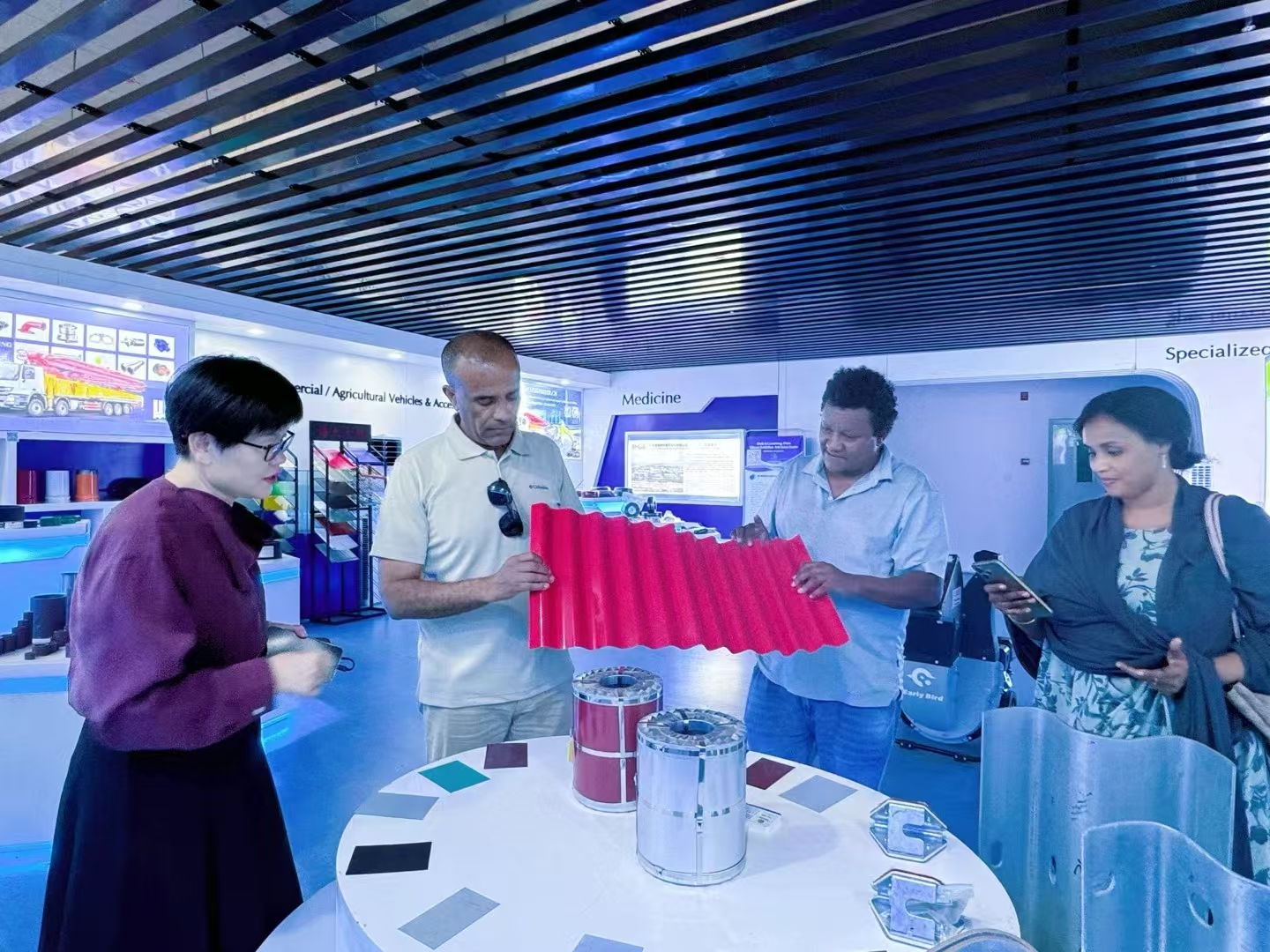
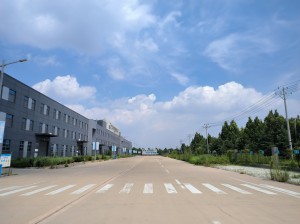
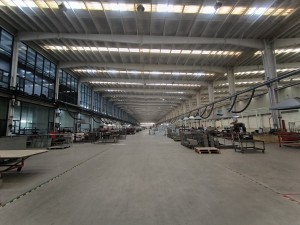
Take a virtual walkthrough of our production assembly lines, testing chambers, and raw material processing halls.
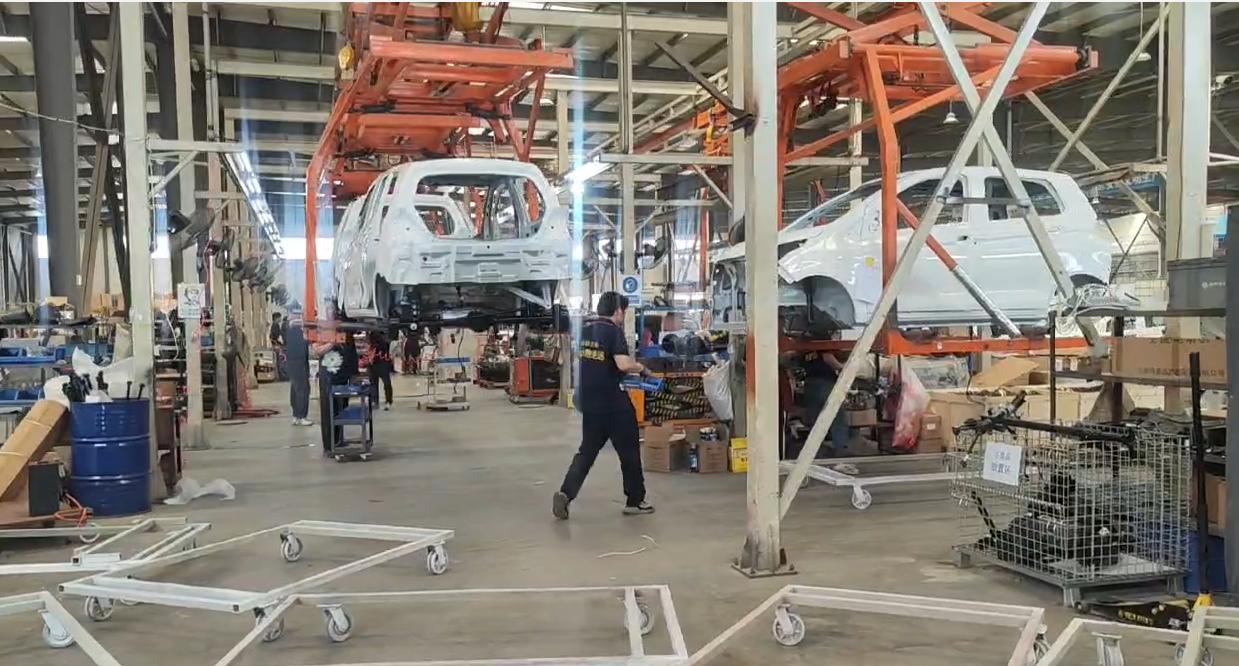
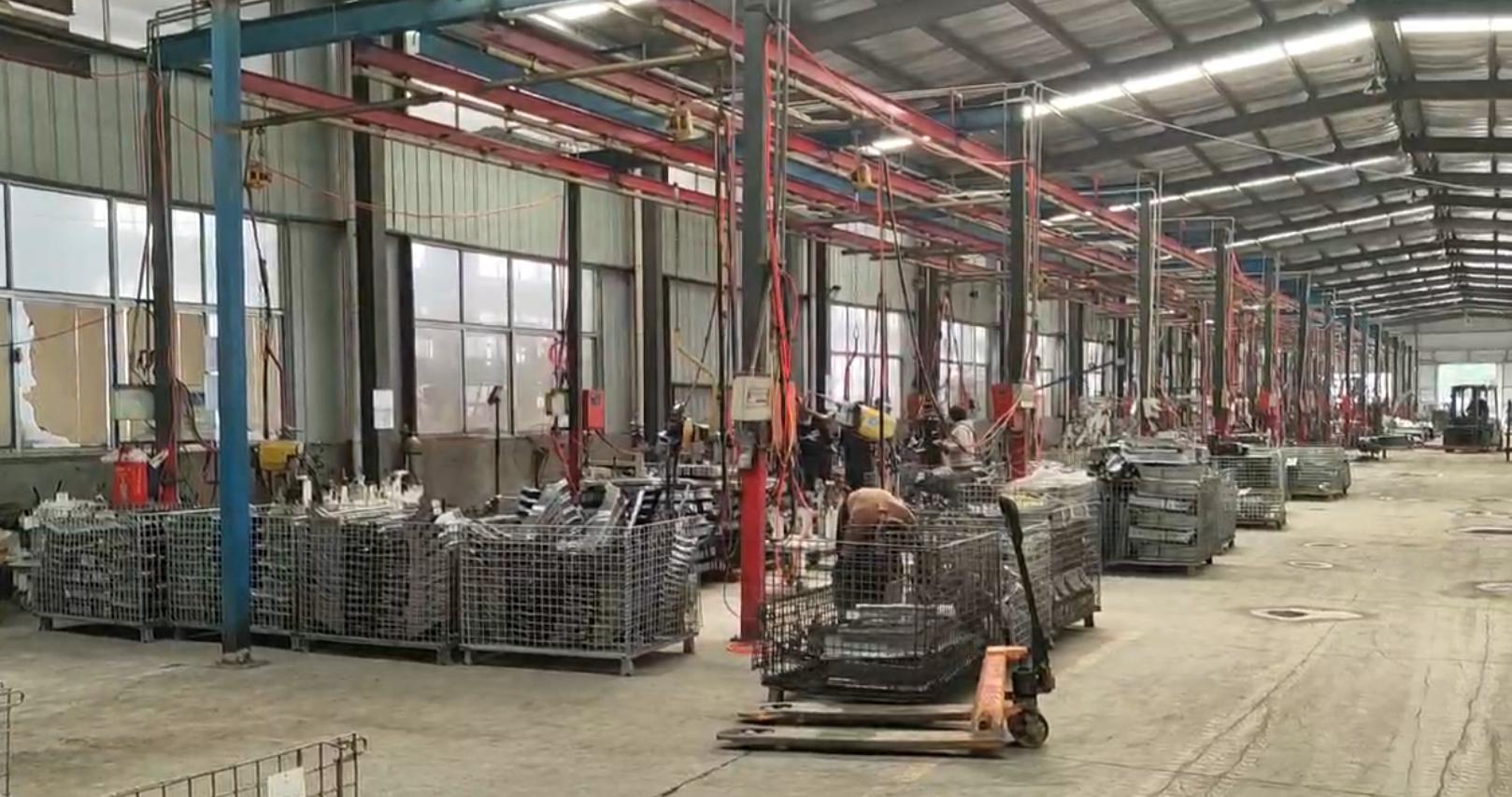
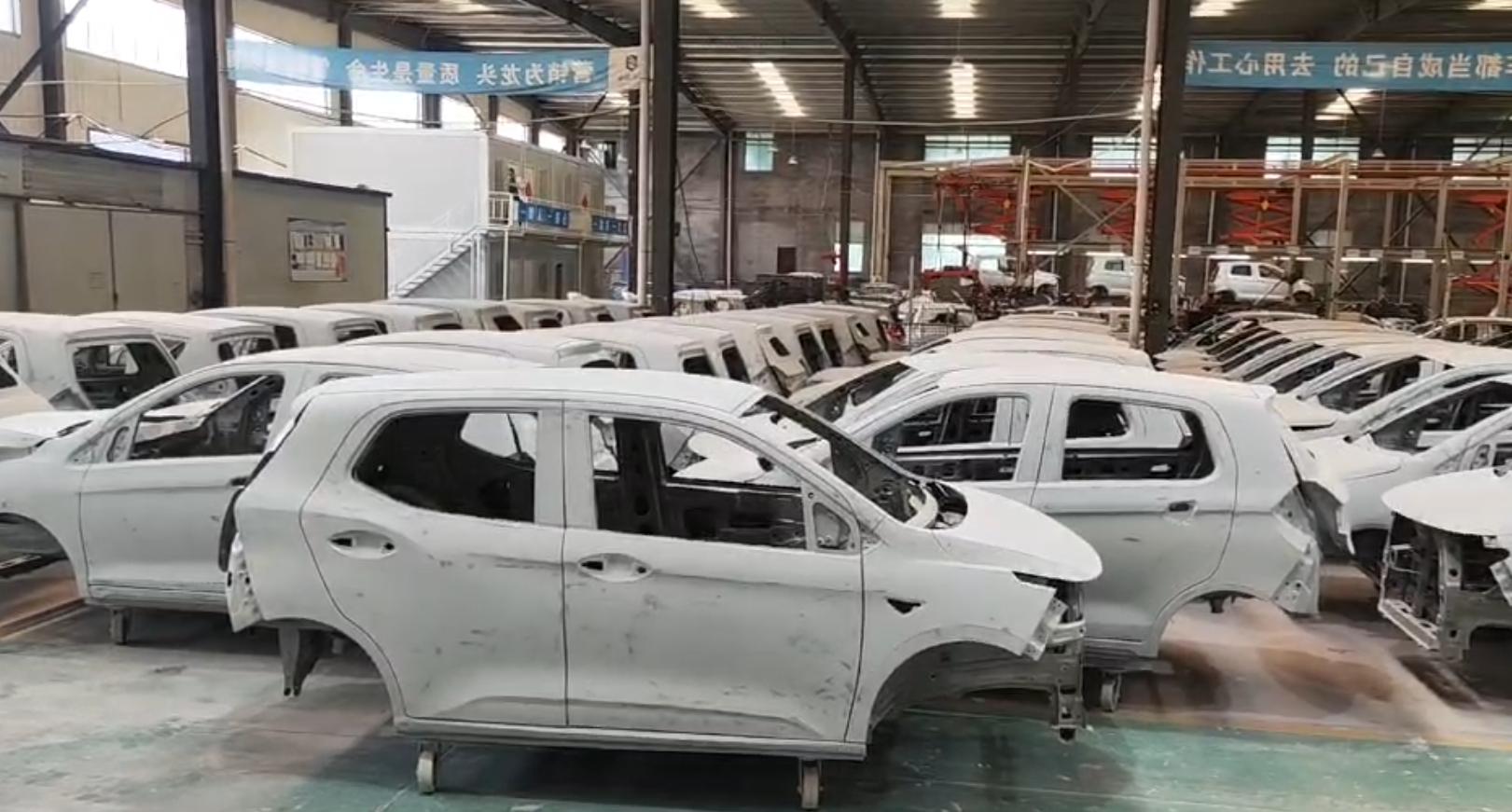
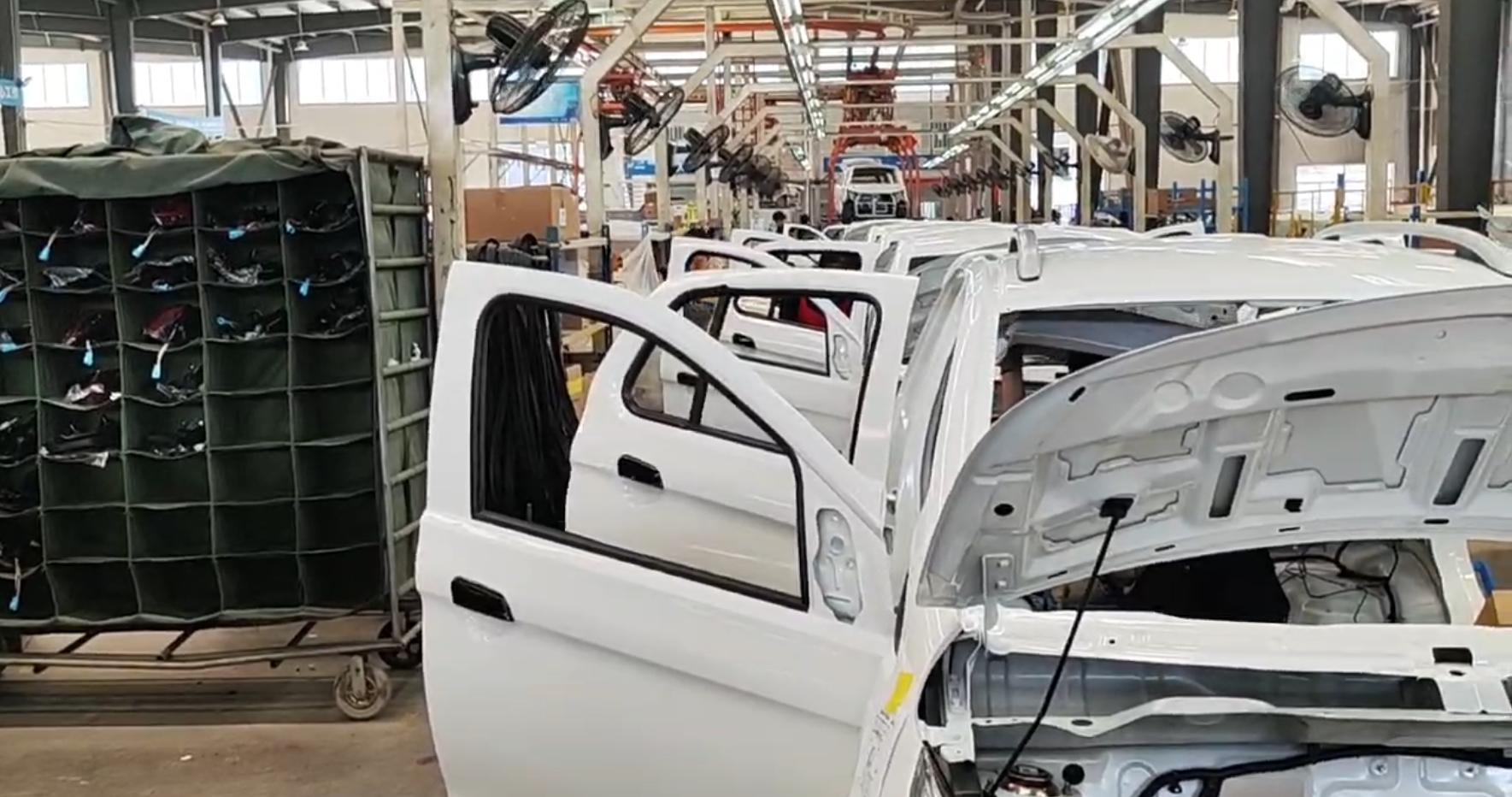
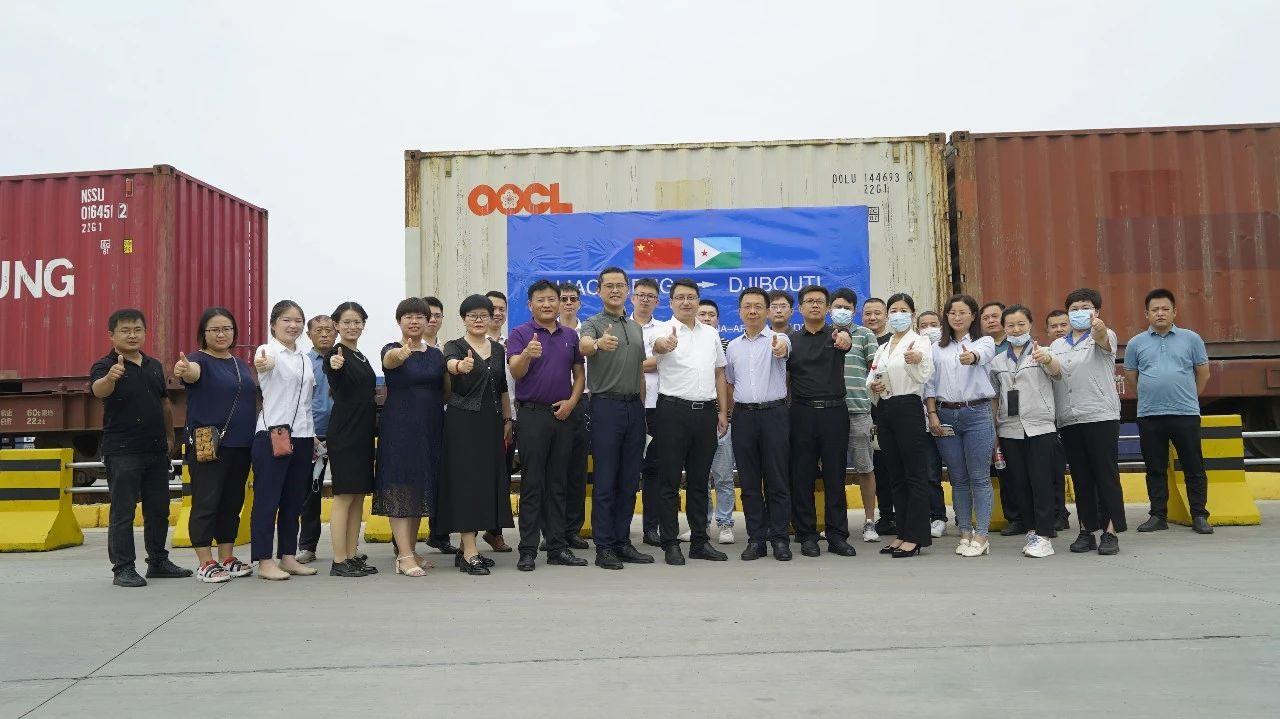
For global import buyers and large distributors, managing shipping space and import duties is a key part of fleet procurement. We provide optimized logistics packaging structures tailored to international transport channels:
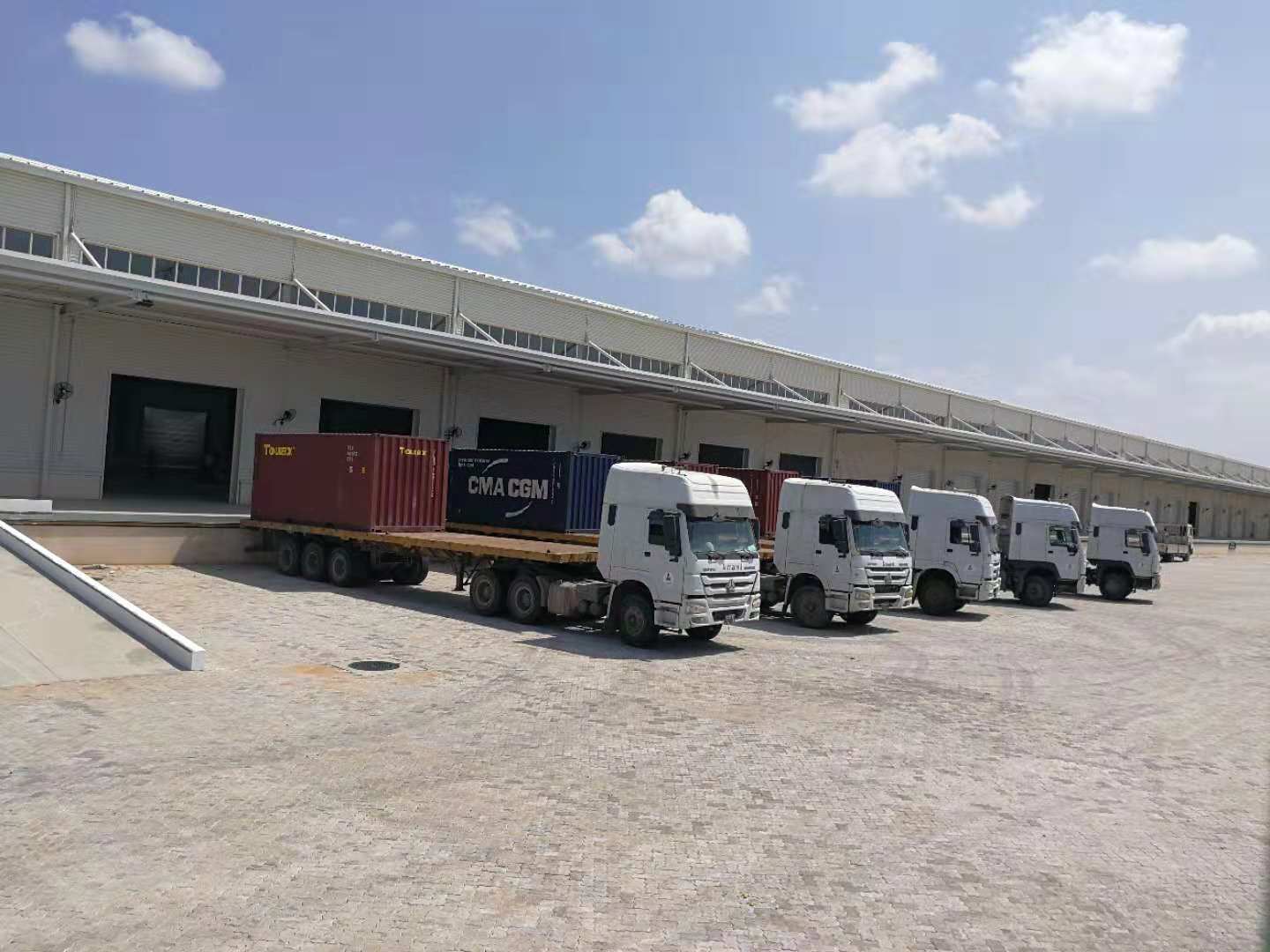
Chassis, drive axles, cargo frames, and cabin components are shipped disassembled to maximize container load factors. This reduces import duties in countries with high tariffs on completed vehicles and minimizes maritime shipping costs per unit.
For regions with limited assembly infrastructure, we ship pre-assembled core modules (chassis, engine mounts, and pre-wired control systems). This configuration allows local operators to complete assembly with basic tools and facilities.
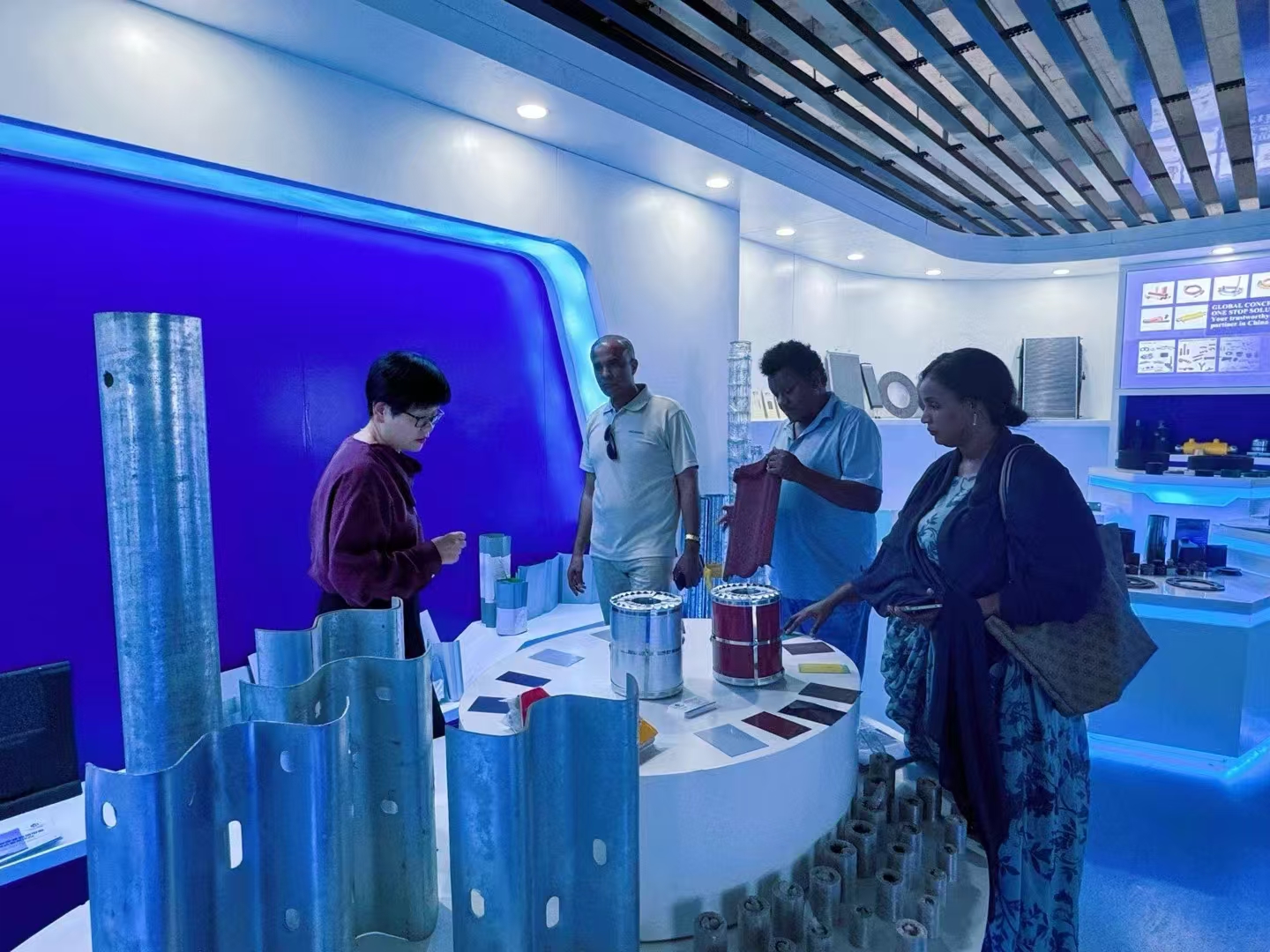
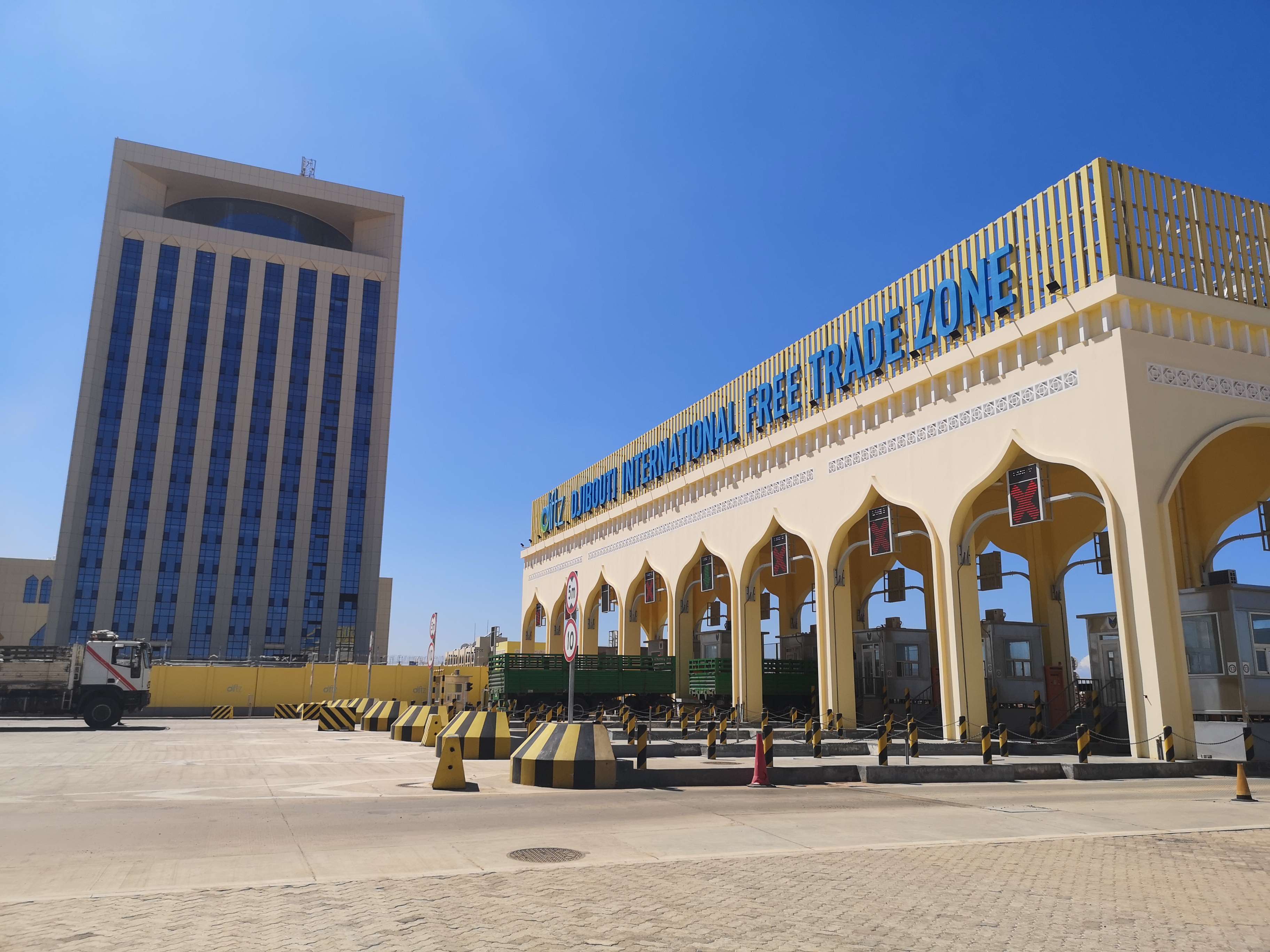
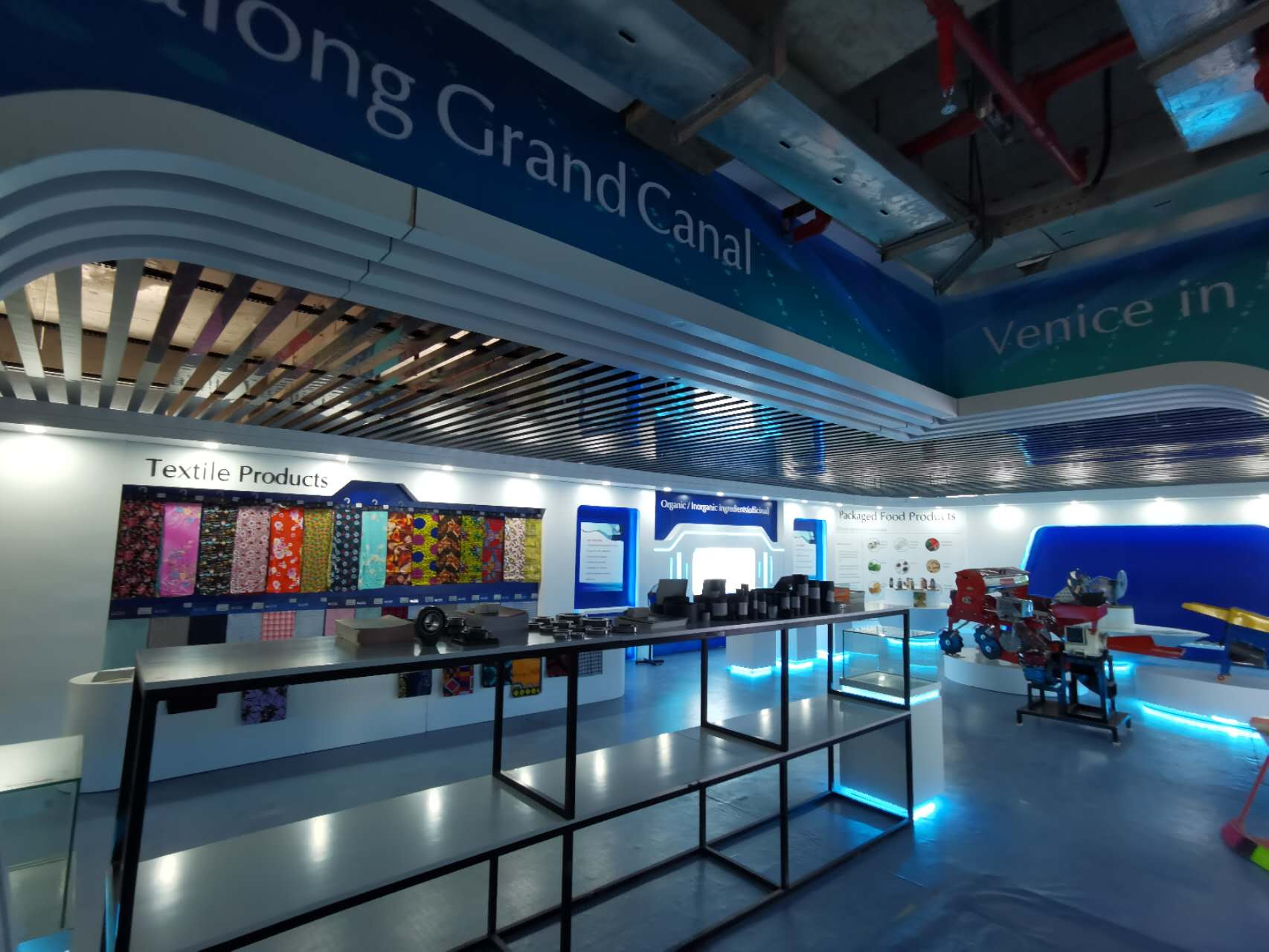
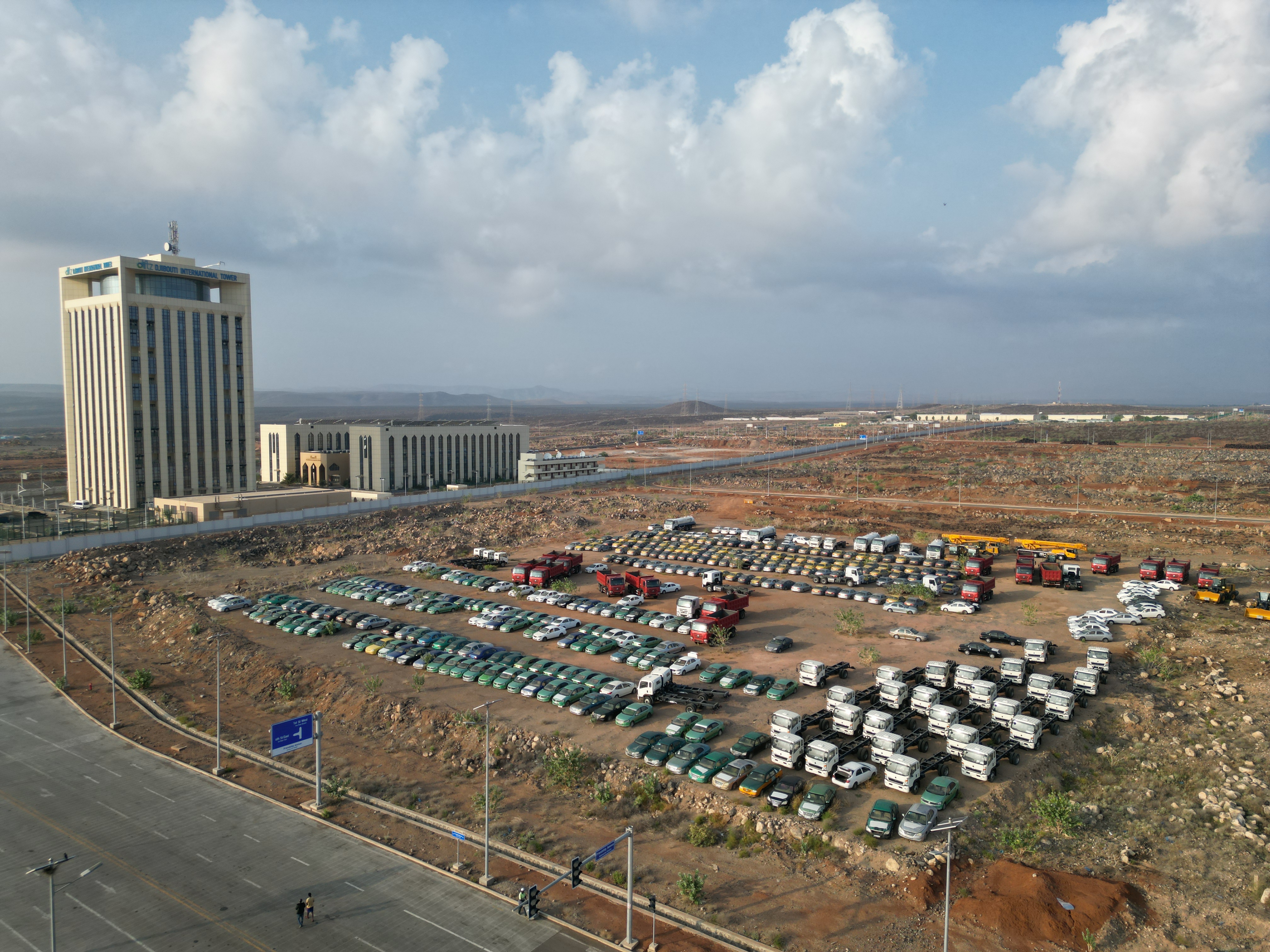
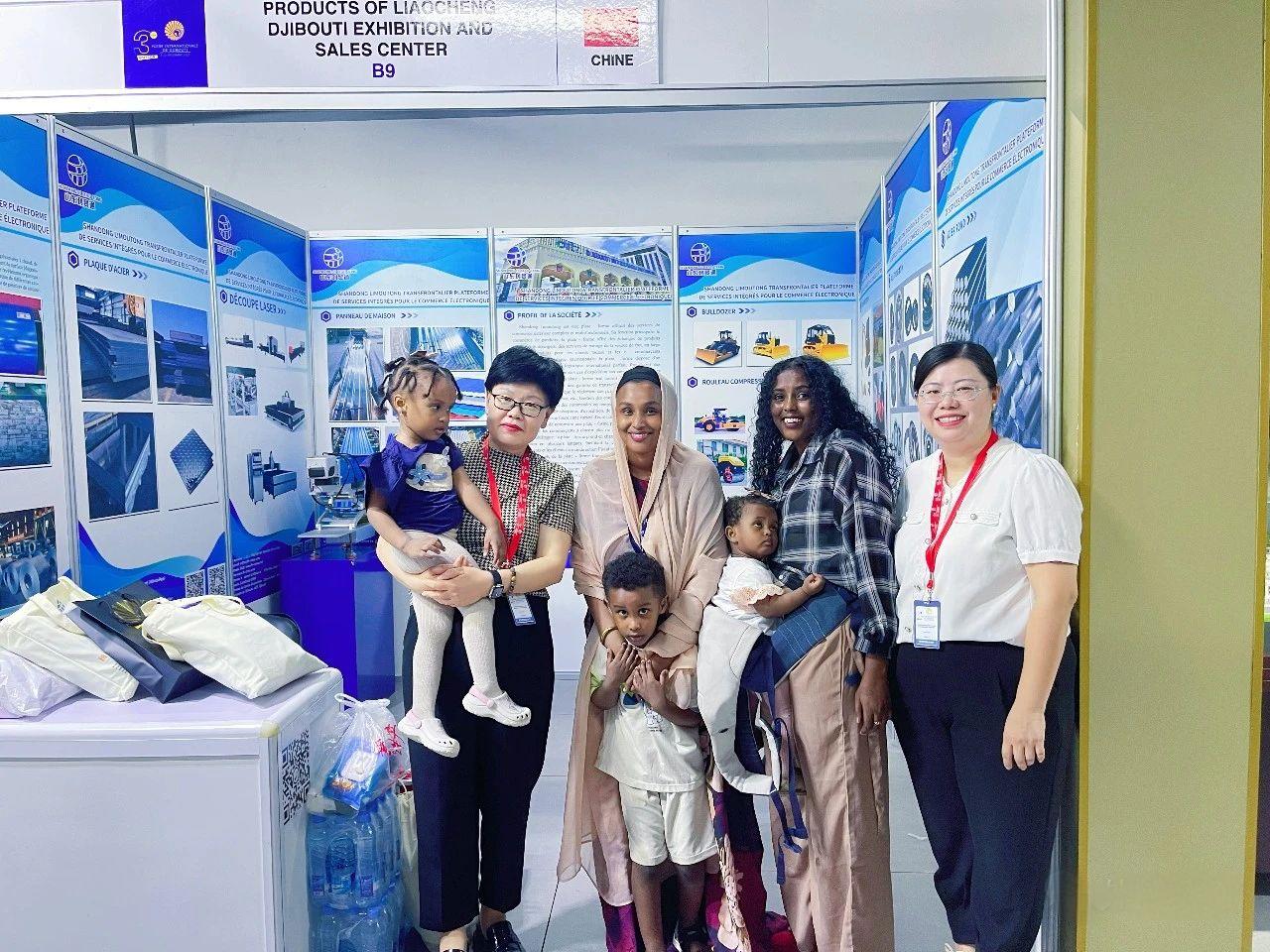
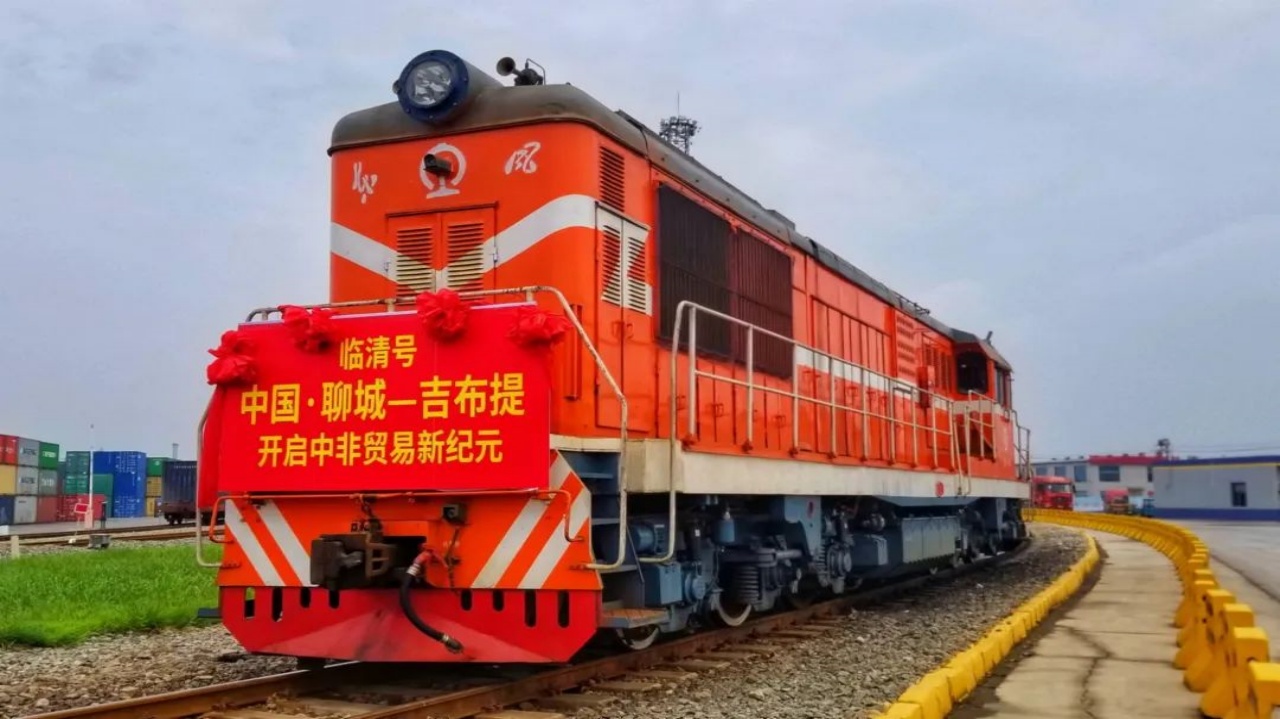
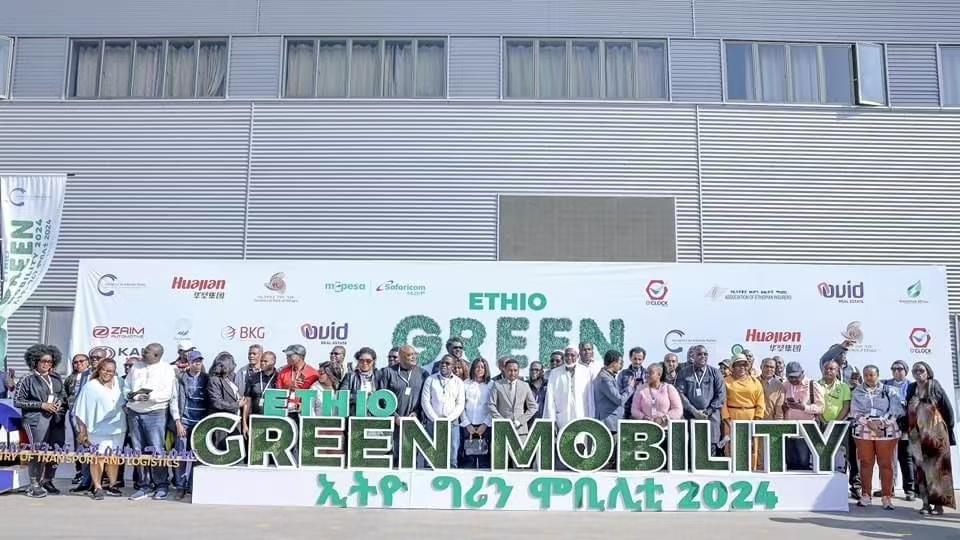
Our cross-border e-commerce exhibition and sales center, established in 2023 in the Djibouti International Free Trade Zone, operates on a "cross-border trade + front-end warehouse" model. This localized supply network allows us to provide rapid spare-parts distribution, local maintenance services, and simplified customs clearance processes for commercial operators across East Africa.
Operating in the East Africa region, this facility supports fleet managers with rapid logistics pipelines, local customer support, and direct access to replacement parts, minimizing down-time for active transport fleets.
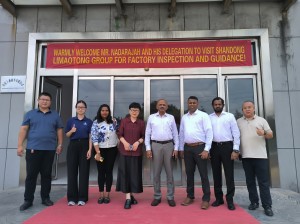
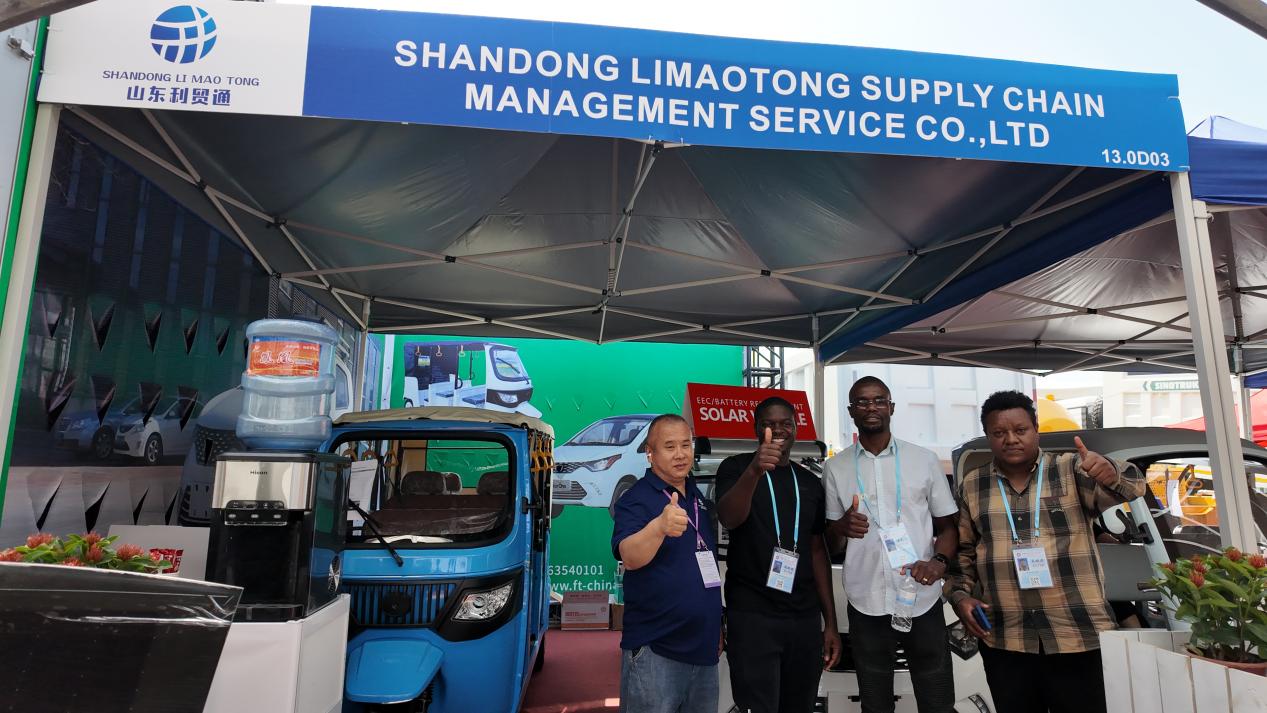
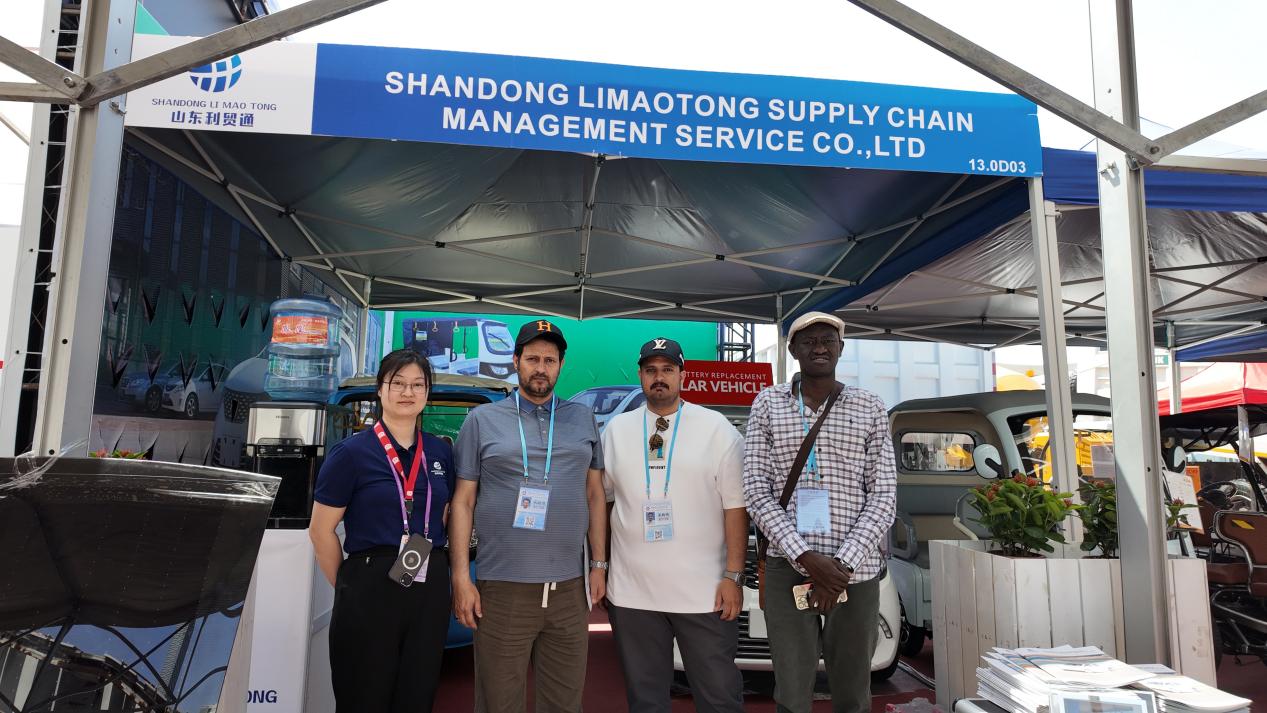
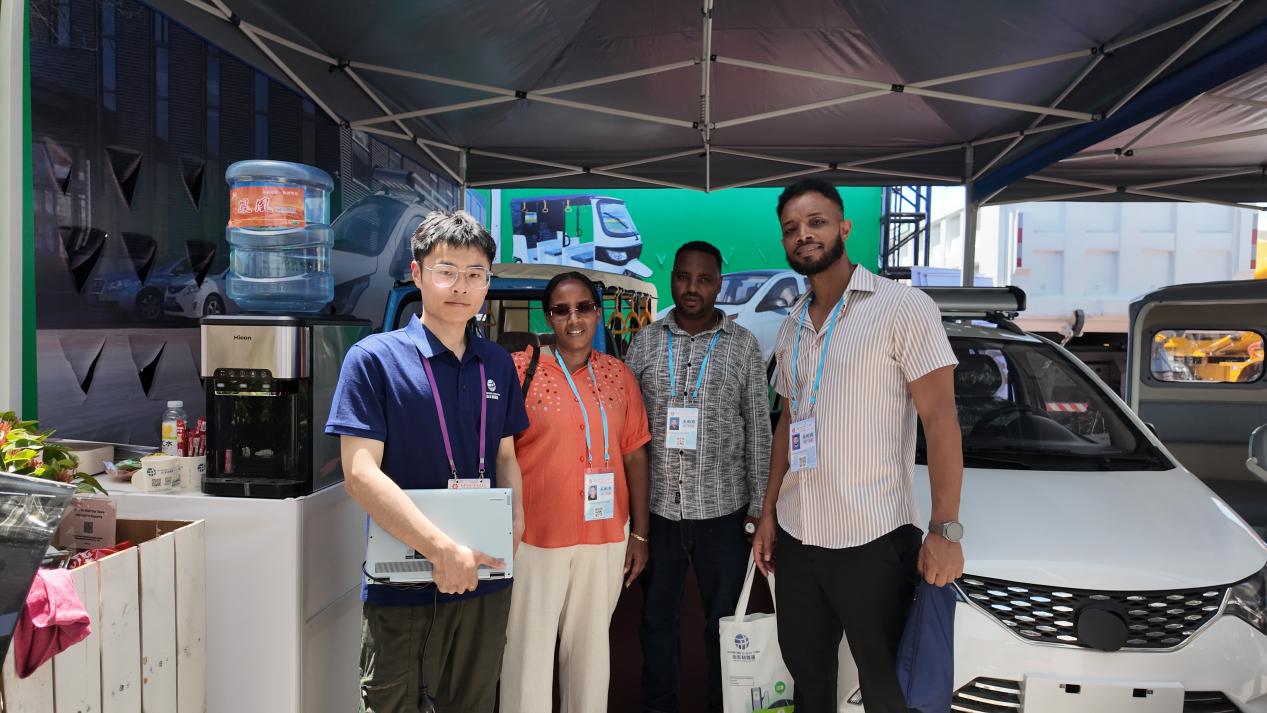
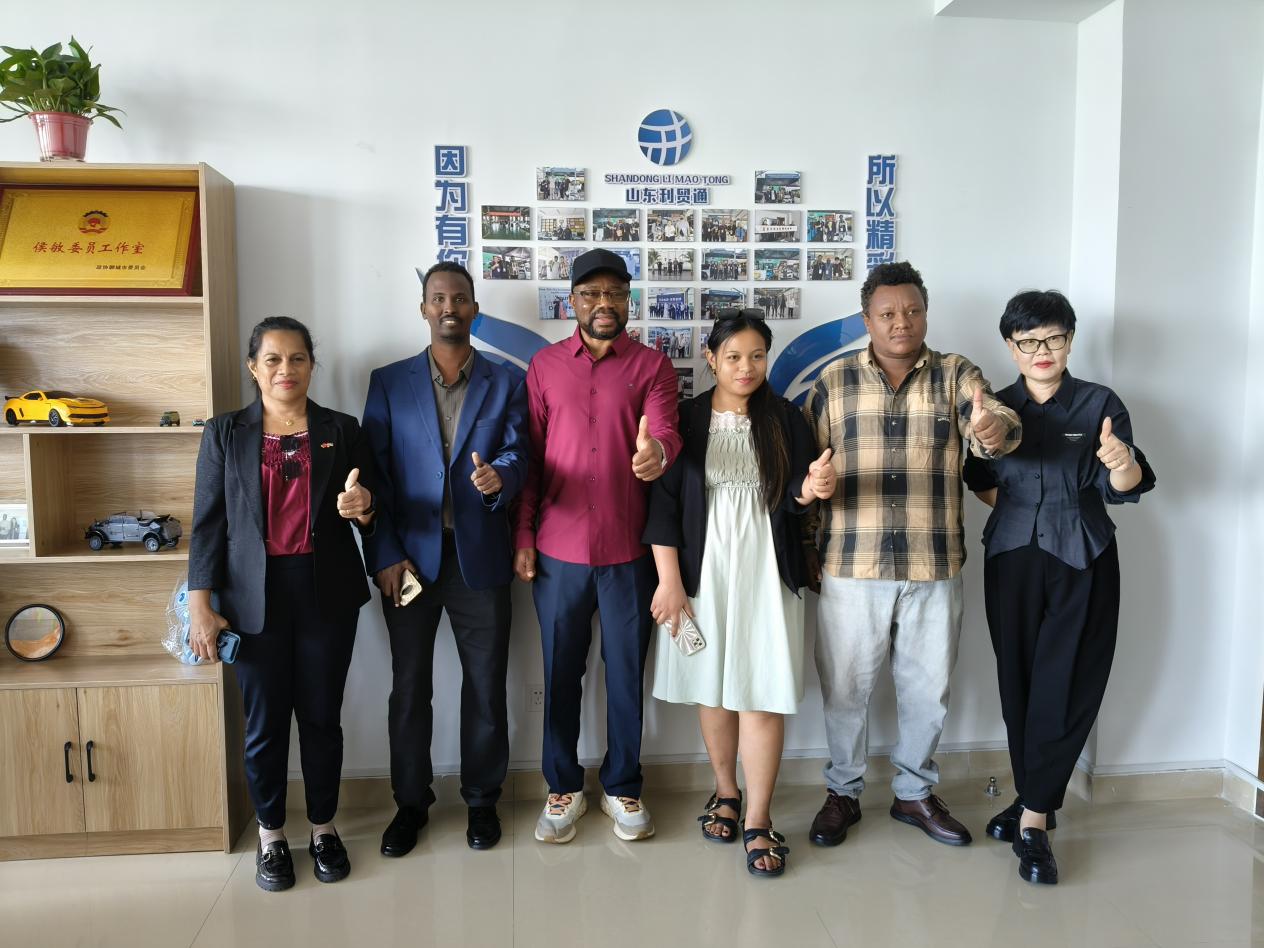
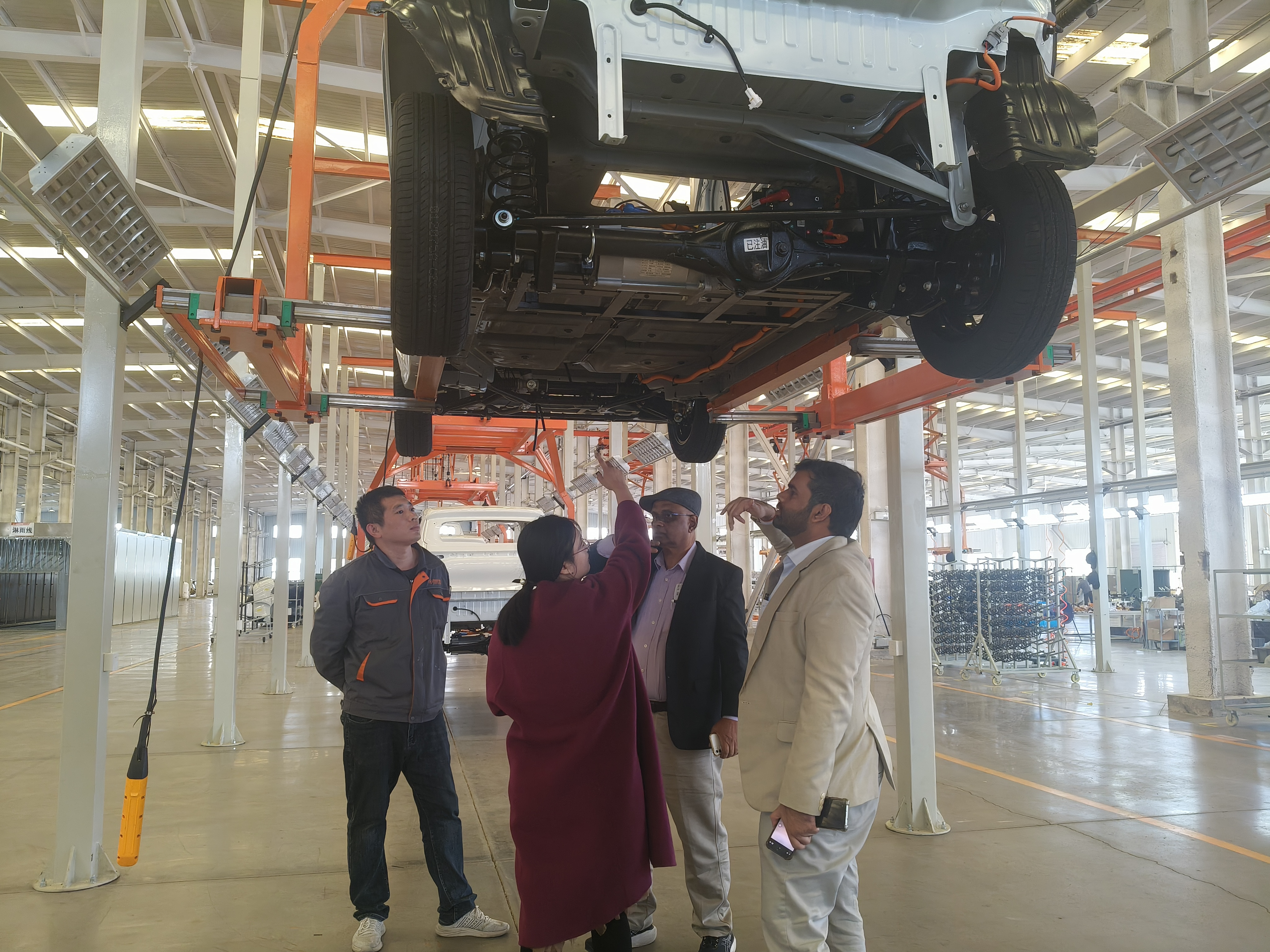
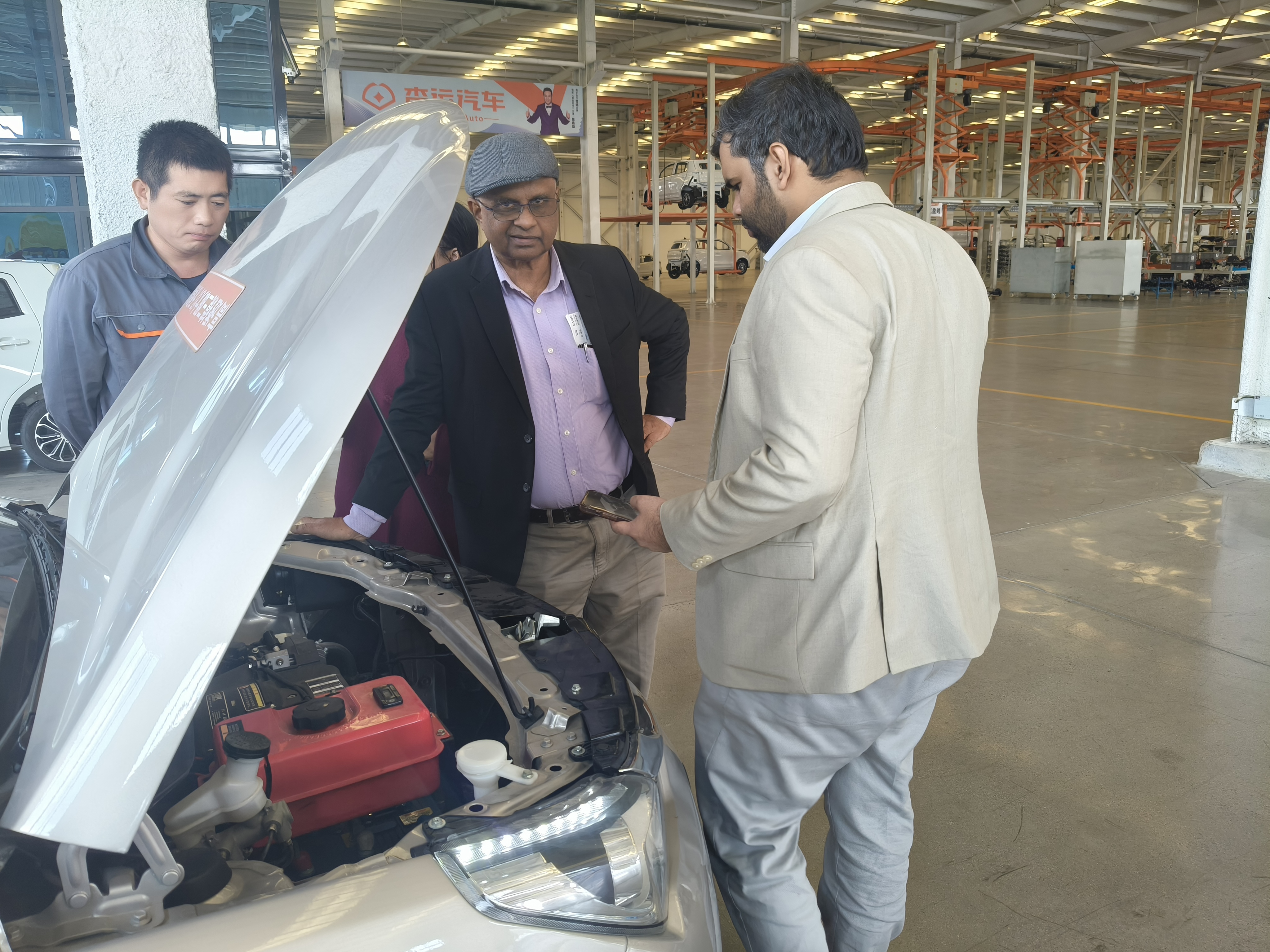
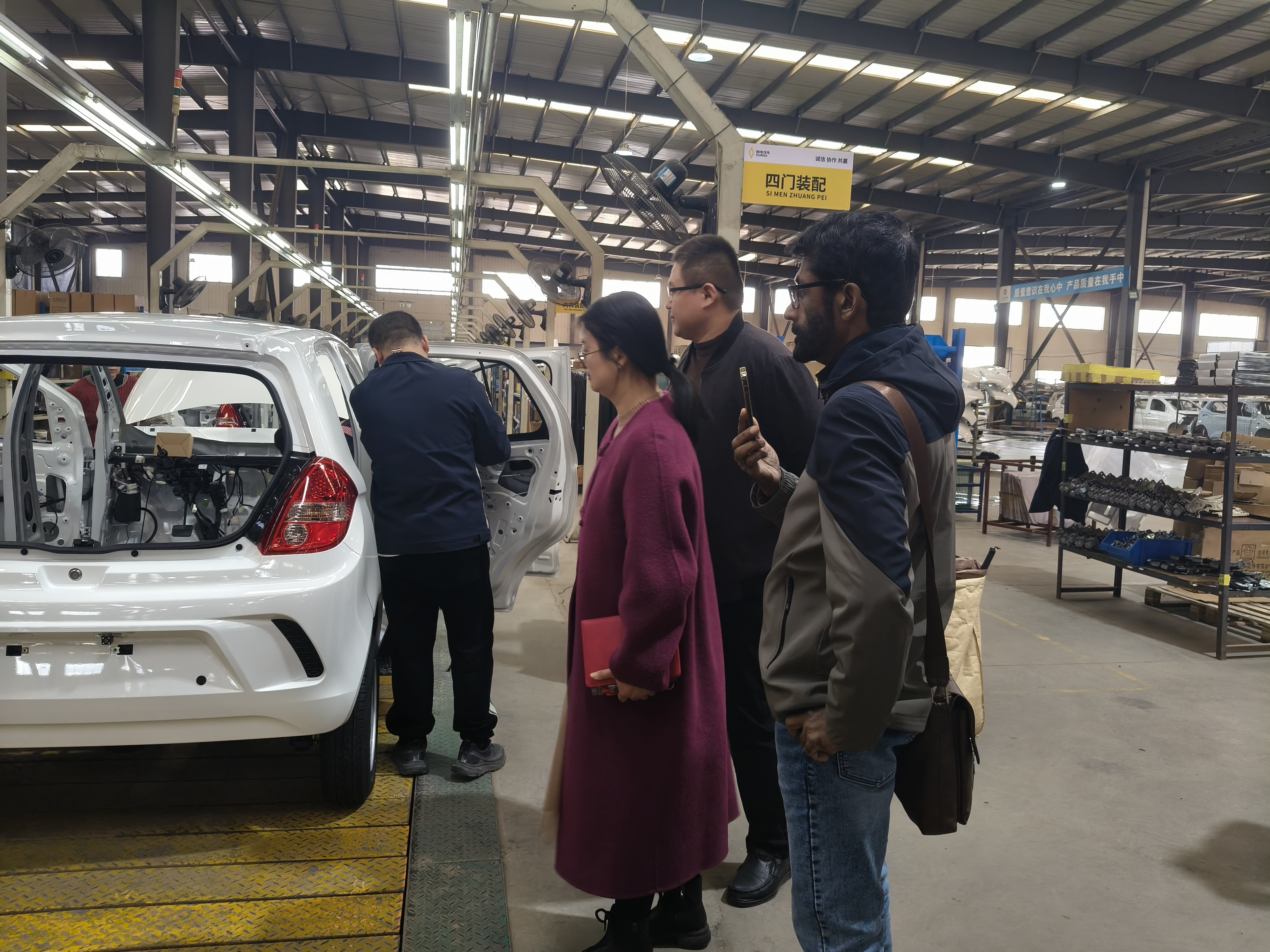
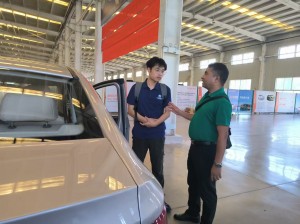
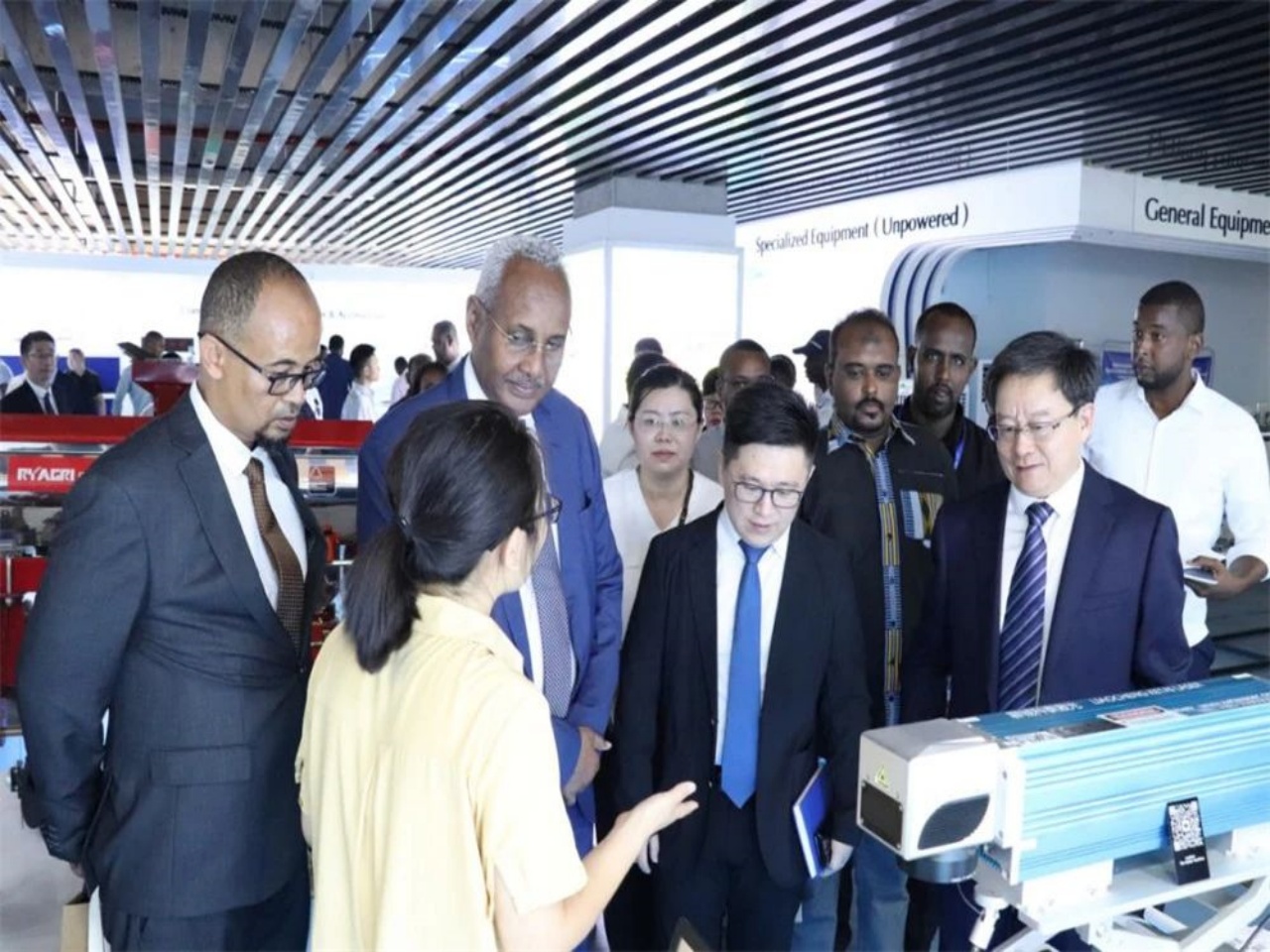
Transparency is a core value of our business. We host regular international client visits for comprehensive line inspections and process audits.




Electric three-wheeled vehicles are designed for diverse service applications, offering flexible configurations for different commercial scenarios:
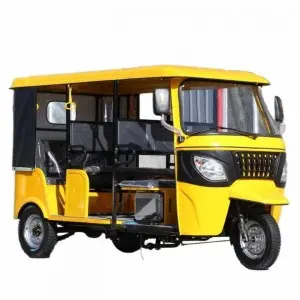
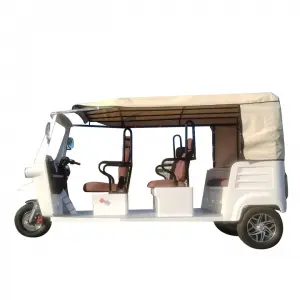
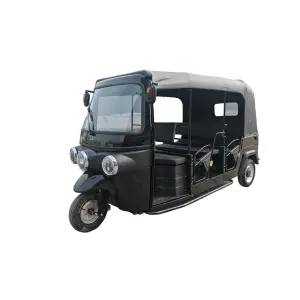
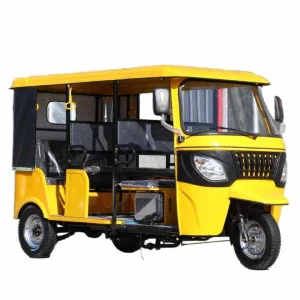
Our 6-seater and 7-seater vehicles (such as the S3 Advanced Iron Frame model and the Audi Face Tricycle) provide zero-emission transit options for taxi operators in high-density urban areas and tourism hubs.
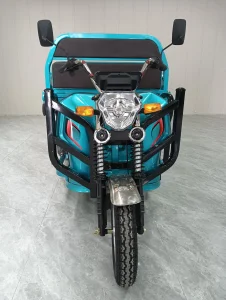
For heavy transport requirements, our 1.6-meter cargo electric tricycles handle up to 1000 kg payloads, supporting efficient last-mile logistics and industrial parcel distribution.
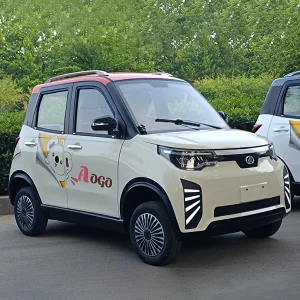
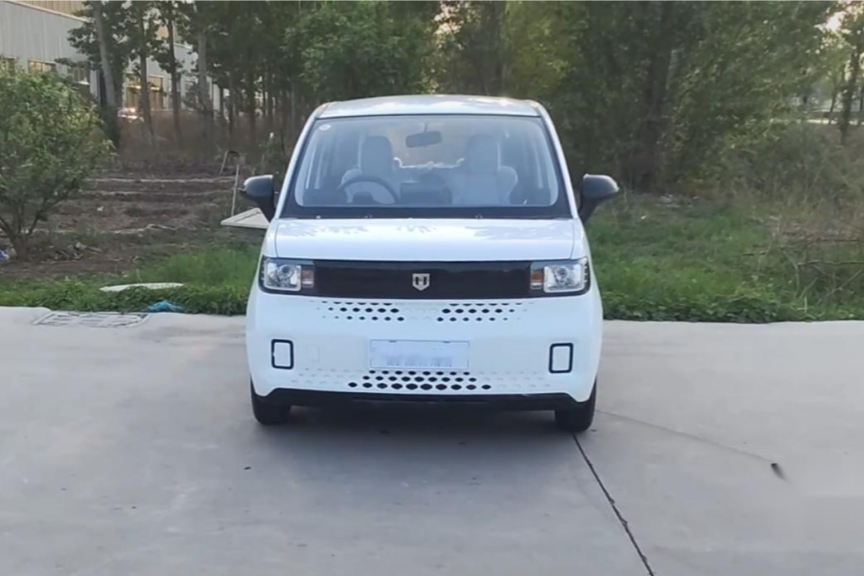
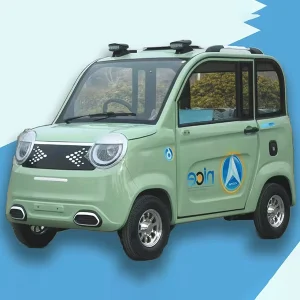
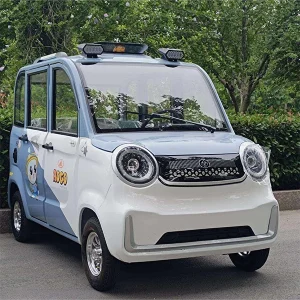
Fully enclosed micro-cars and three-wheelers (such as the DK08 and family-use passenger tricycles) offer weather-protected, safe urban mobility options for private use.
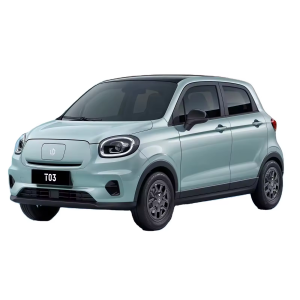
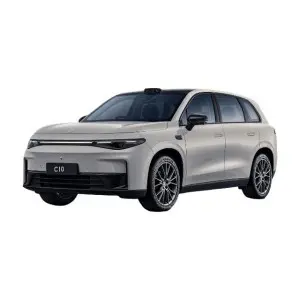
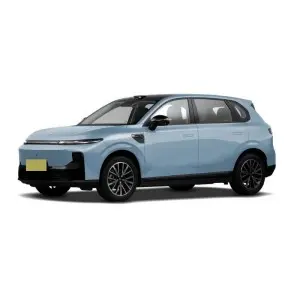
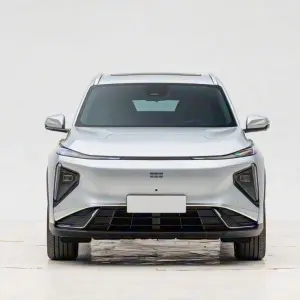
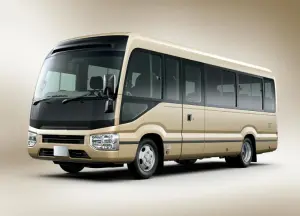
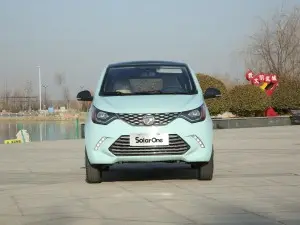
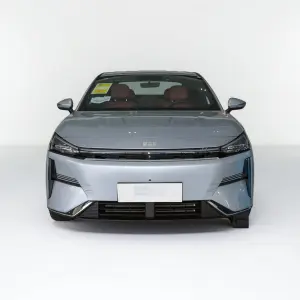
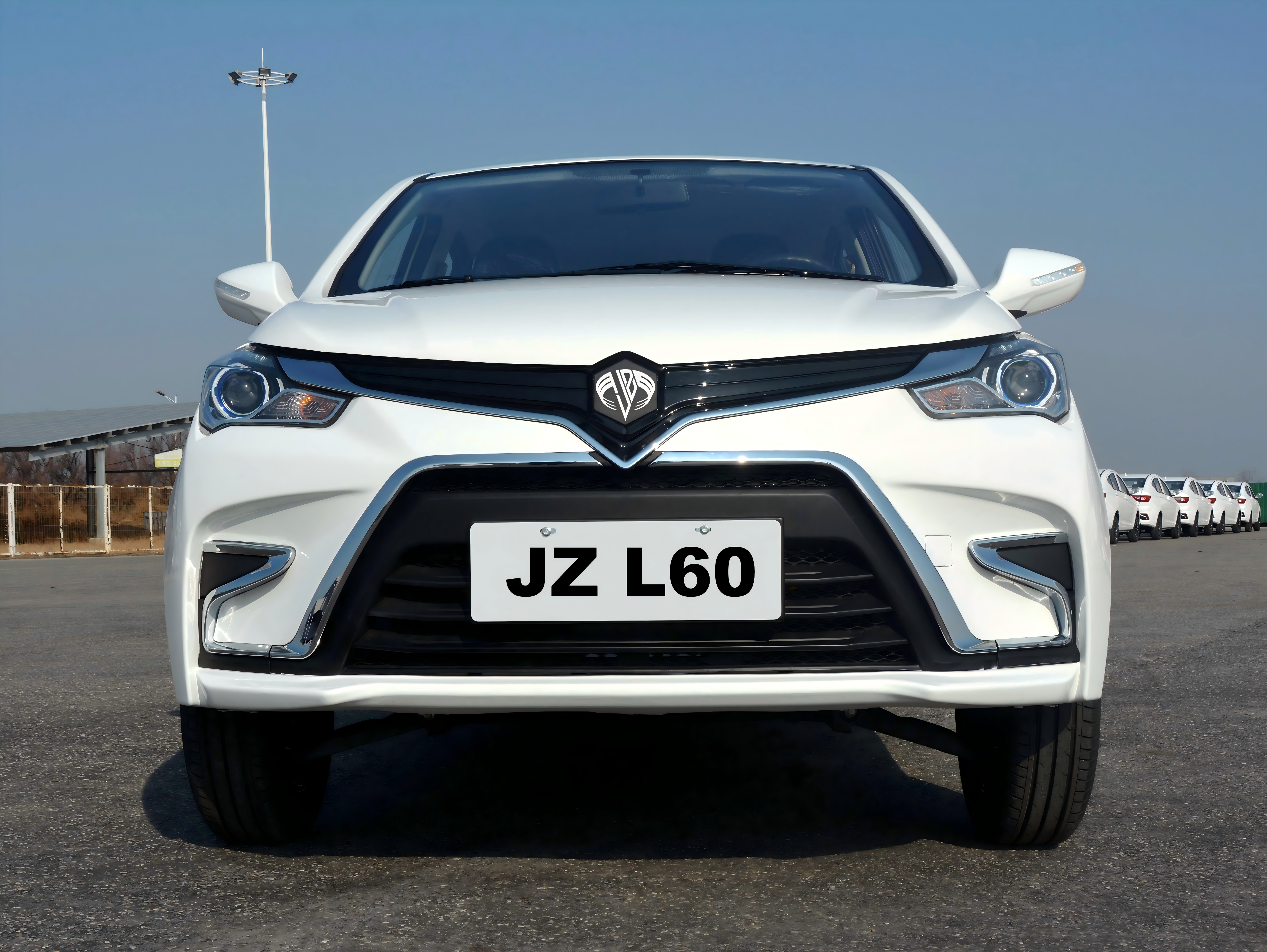
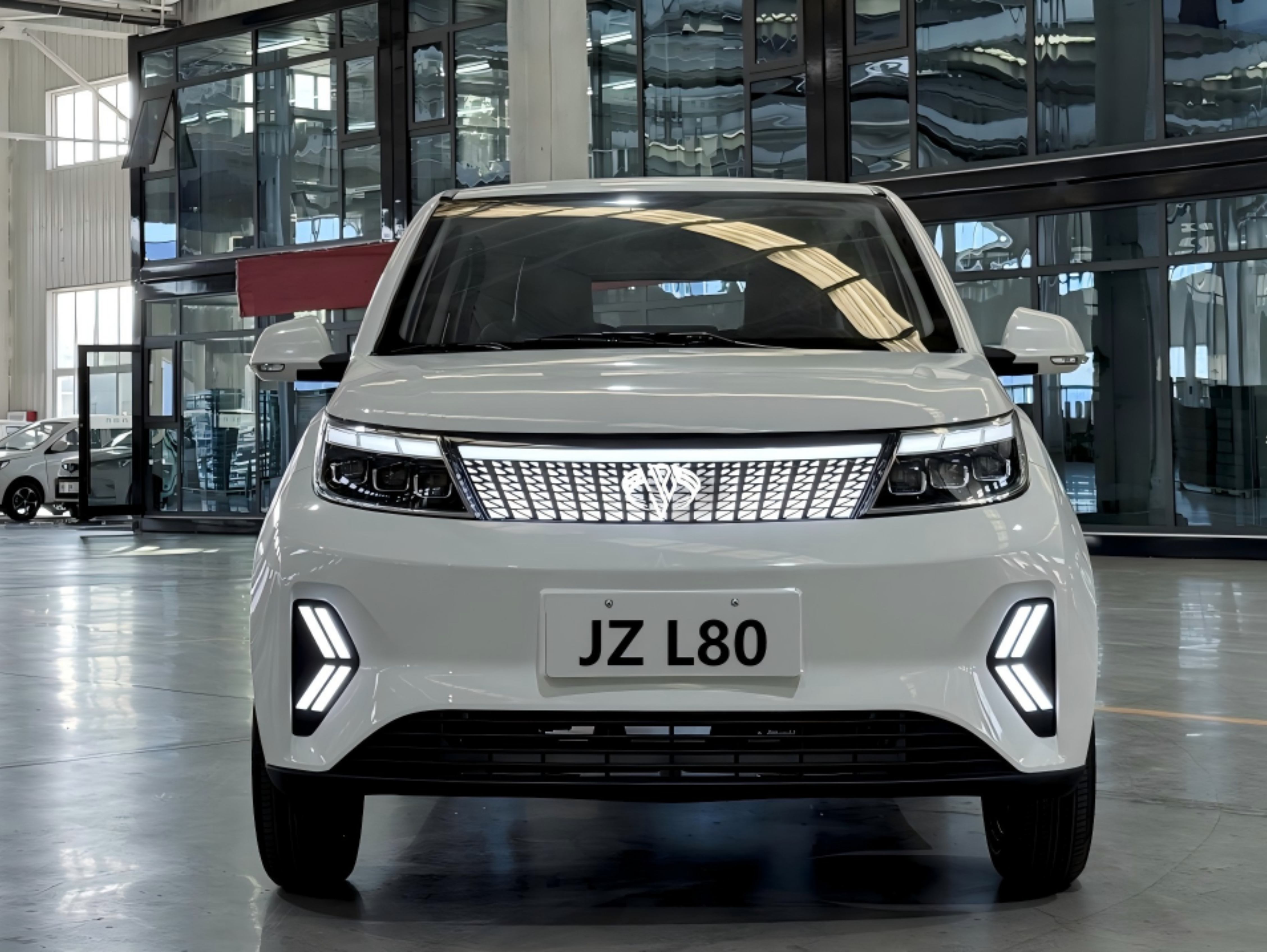
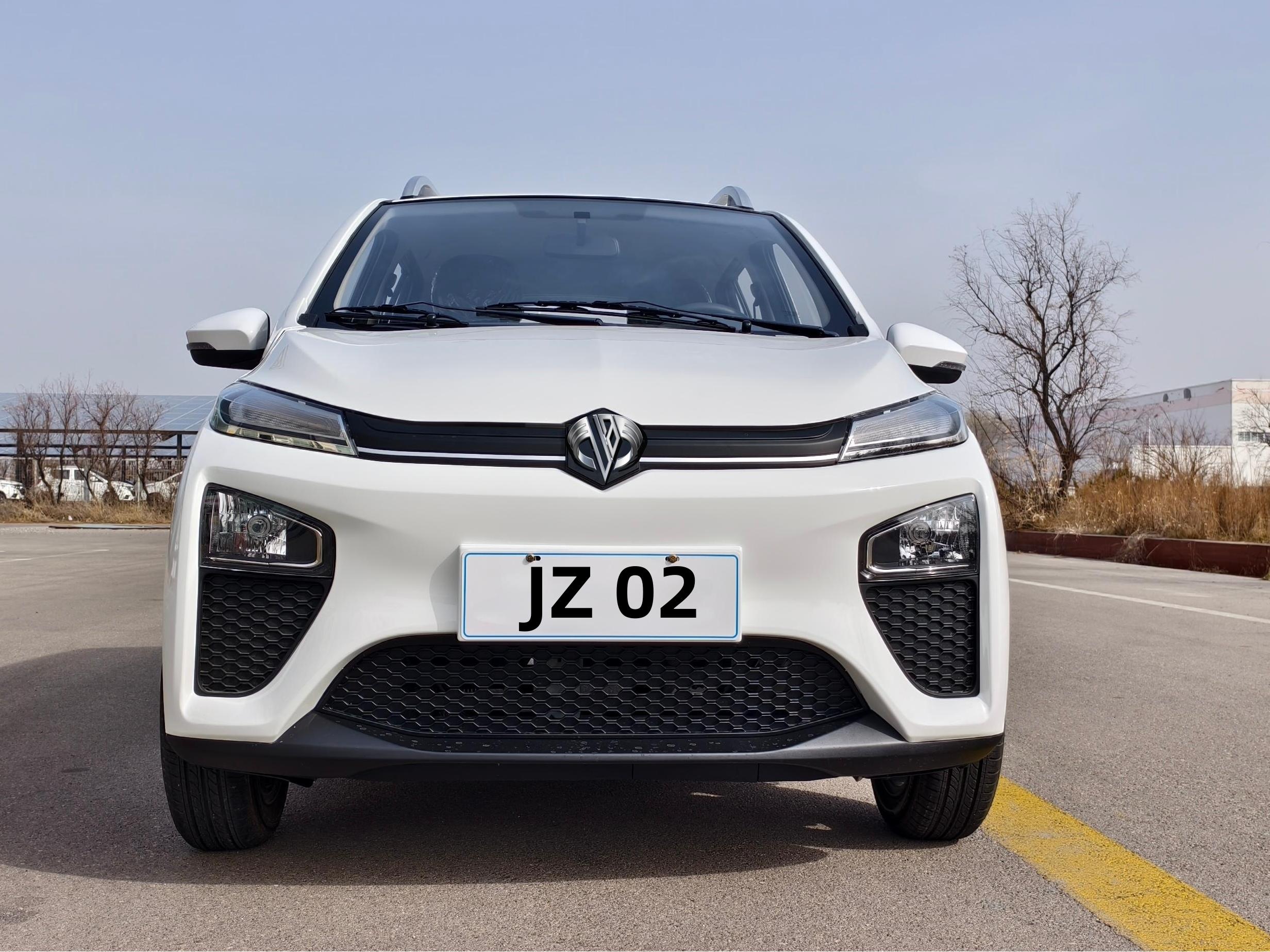
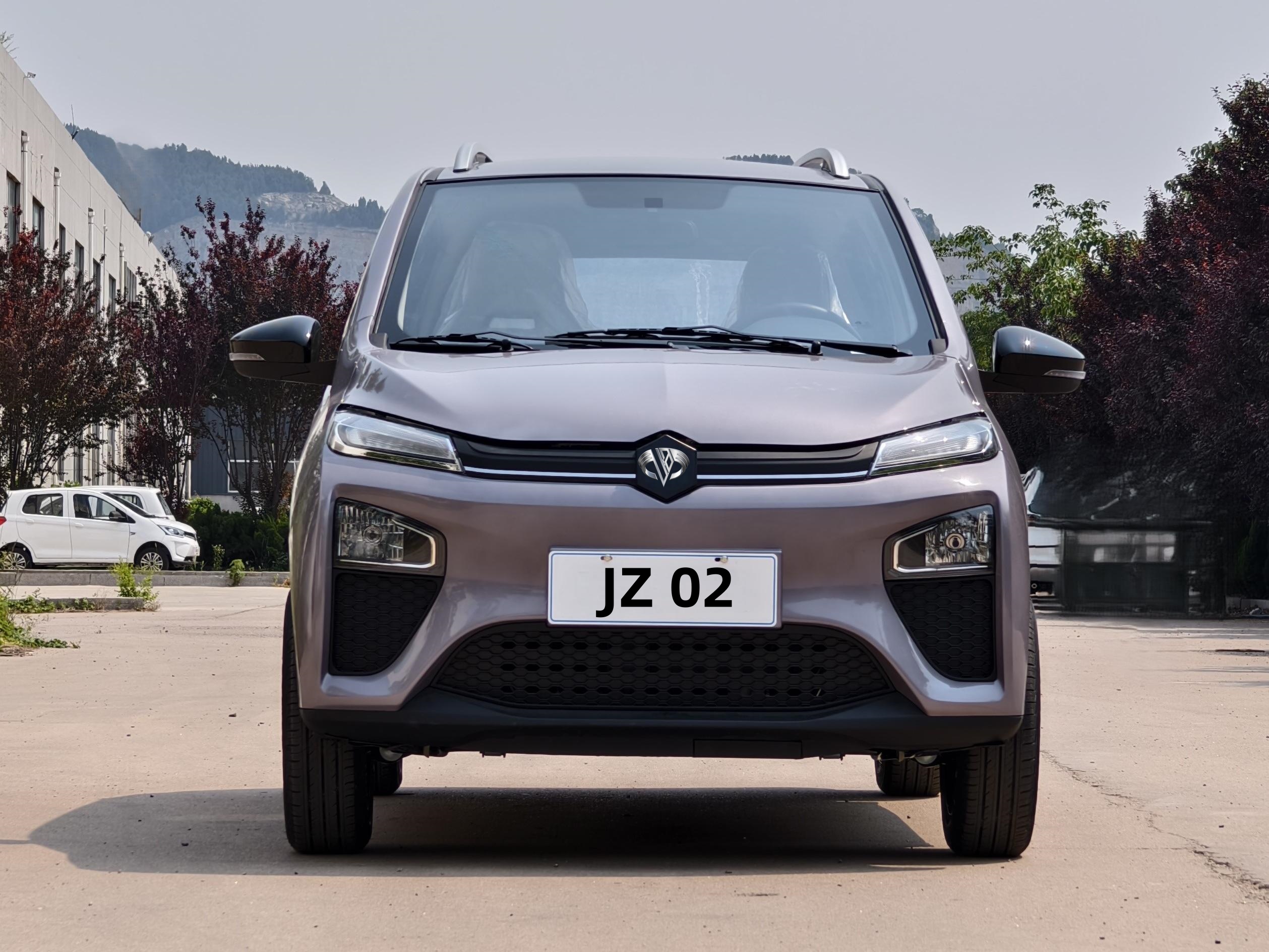
In addition to our three-wheeled tuktuks, we manufacture and distribute high-efficiency new energy vehicles for global fleet operators.
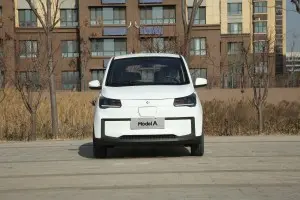
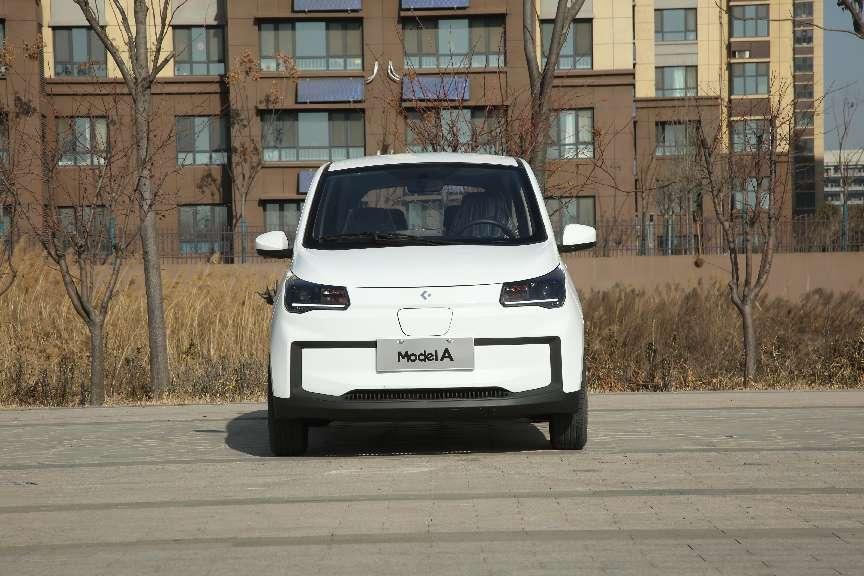
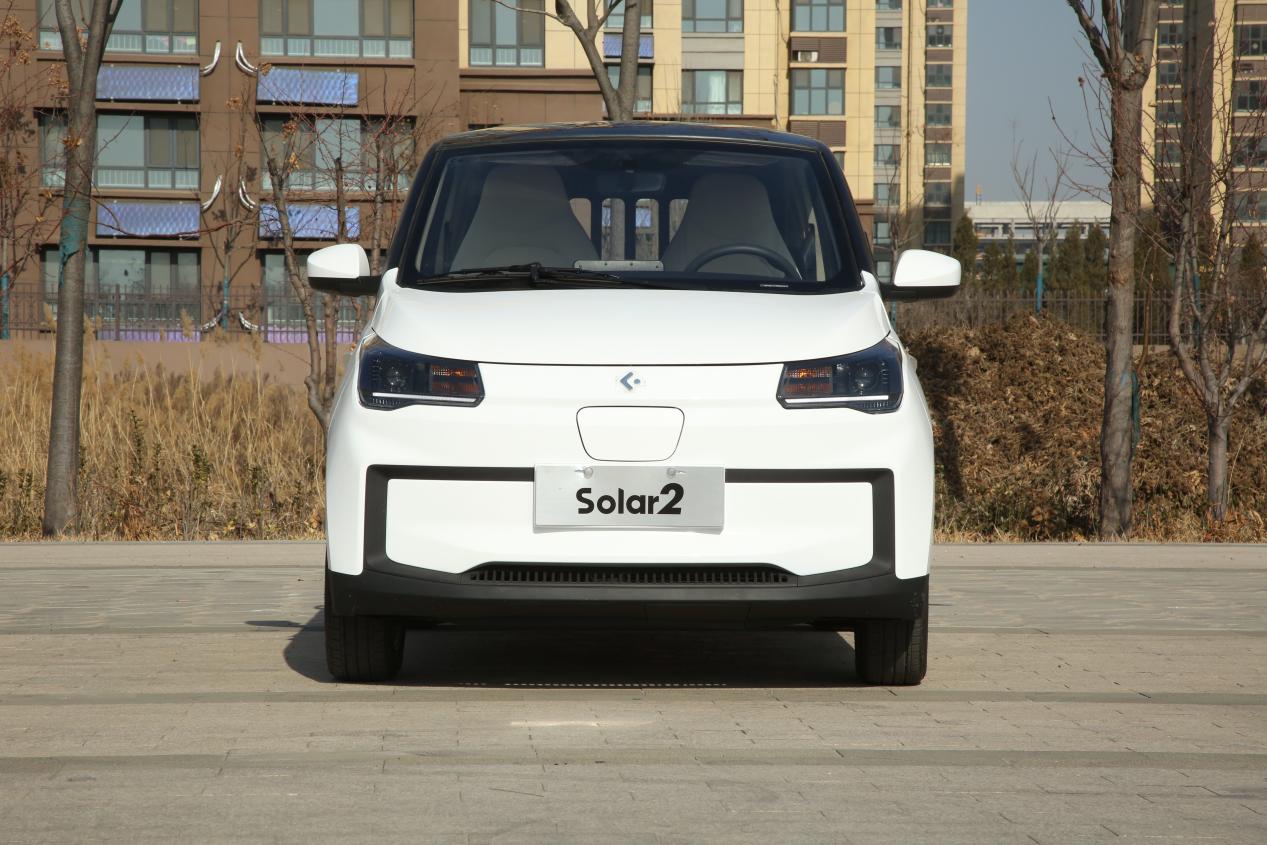
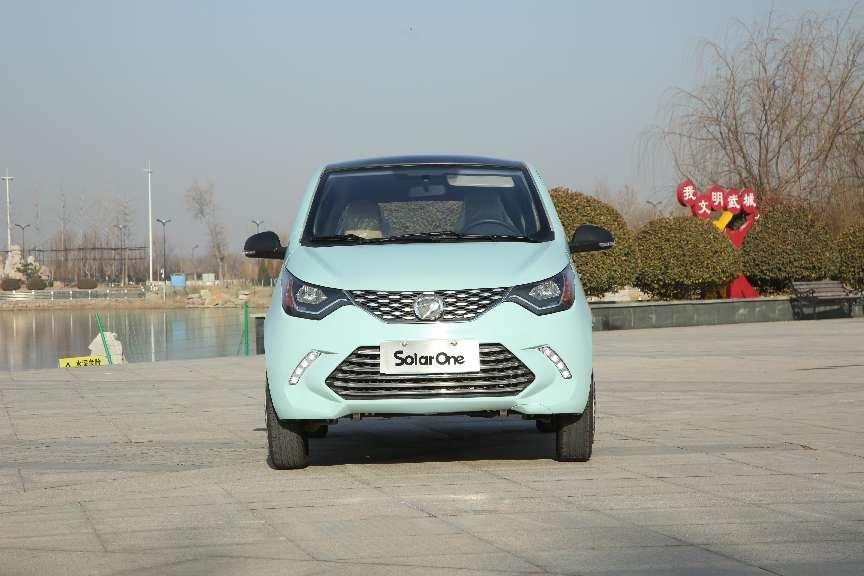
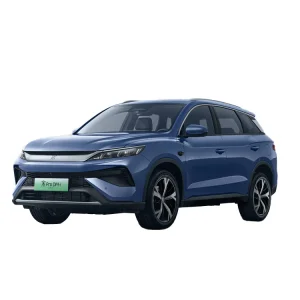
Our manufacturing range includes advanced electric solutions, such as the Jizhong 09 / Jizhong S9 Electric Car, Geely Galaxy L7 & L6 New Energy Vehicles, Electric Sightseeing Buses (V11E), and specialized Solar Electric Vehicles (Solar One & Model A) designed for regions with high levels of solar exposure.
Key regulatory and technical details for international buyers and fleet managers.
Our premium LFP (Lithium Iron Phosphate) battery options provide over 2,000 to 3,000 charge cycles at 80% Depth of Discharge (DoD), which translates to approximately 5 to 8 years of daily commercial operation. In comparison, standard lead-acid batteries typically offer 400 to 600 cycles, making them a cost-effective option for lighter duty cycles.
Our heavy-duty cargo platforms are equipped with dual-ratio transaxles and high-torque brushless motors. When carrying payloads up to 1000 kg, operators can engage low-gear configurations to double output torque, enabling climbing gradients of up to 20-25% without overloading electrical circuits.
CKD shipments can be adjusted based on your target assembly flow. A typical CKD pack includes nested metal frames, pre-wired main wire harnesses, shock absorber assemblies, motor-transaxle units, and cargo or passenger cabins packaged separately to optimize container space.
Yes, specific models within our vehicle portfolio can be customized to meet regional homologation standards, including EEC (European Economic Community) requirements and DOT (Department of Transportation) guidelines in North America. Please contact our technical team with your regional requirements to ensure compliant configurations.
Explore our range of enclosed models, designed to protect drivers and passengers from weather conditions while maintaining a compact footprint.
 Limaotong