E-Motorbike Technology Roadmap & Market Outlook
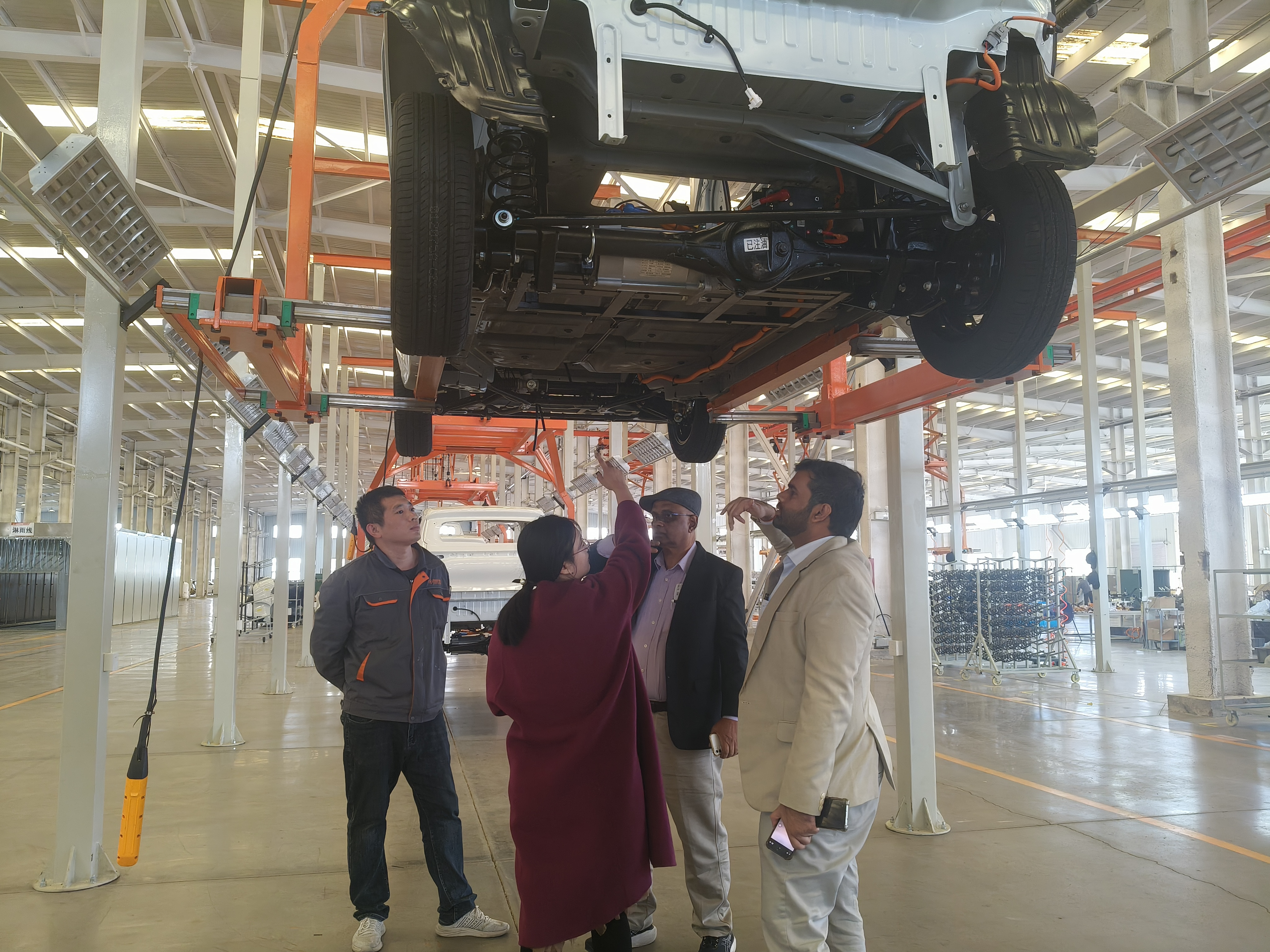
As global regulatory frameworks tighten regarding fossil fuel propulsion, the demand for light-duty electric transport vehicles has expanded beyond personal commuting into mission-critical commercial fleets. Modern E motorbike manufacturers must integrate battery safety, motor thermal efficiency, and vehicle structural integrity into their design practices to succeed in competitive markets.
Advanced Battery Systems
We leverage Lithium Iron Phosphate (LiFePO4) and high-density NCM chemistry platforms integrated with intelligent Battery Management Systems (BMS) for dual-channel protection, overcharge mitigation, and thermal control.
High-Efficiency Motors
Our powertrain designs focus on Brushless DC (BLDC) motors paired with intelligent vector controllers (FOC) to achieve energy conversion rates exceeding 90% and stable torque curves under heavy loads.
IoT Telemetry Integration
Real-time vehicle health diagnostics, GPS positioning, geo-fencing, and remote speed restrictions are supported through integrated telematics, optimizing fleet management for operators.
Macro-Industry Mobility Solutions
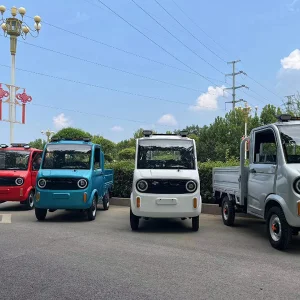
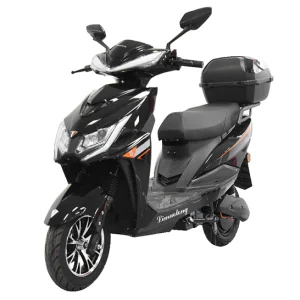
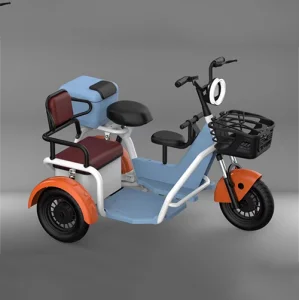
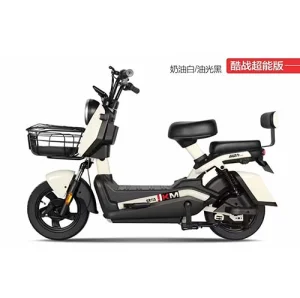
Industrial logistics require rugged vehicles designed for high up-time and predictable operating costs. Standard two-wheeled electric motorbikes provide speed and flexibility in congested metropolitan centers, while heavy-duty three-wheeled electric tricycles have become a cost-effective alternative for last-mile freight networks.
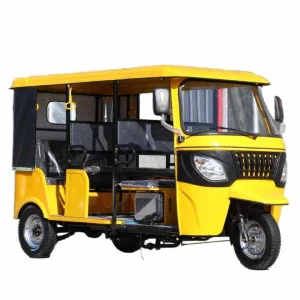
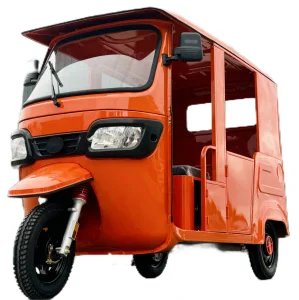
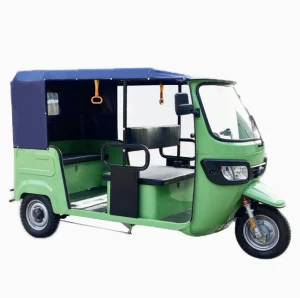
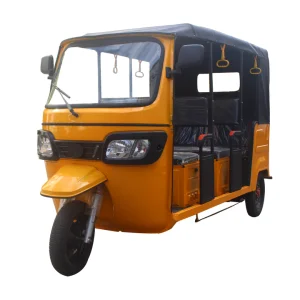
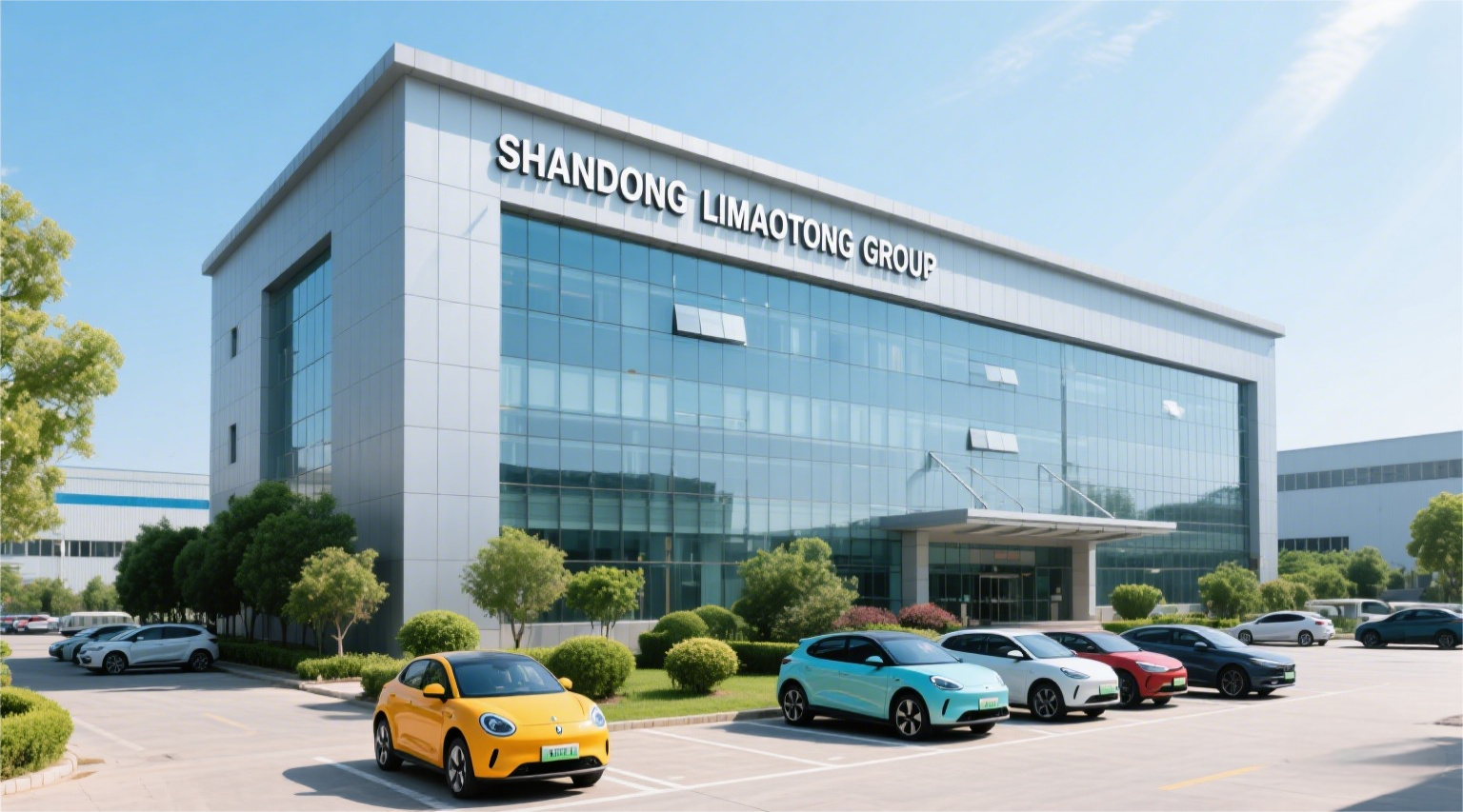
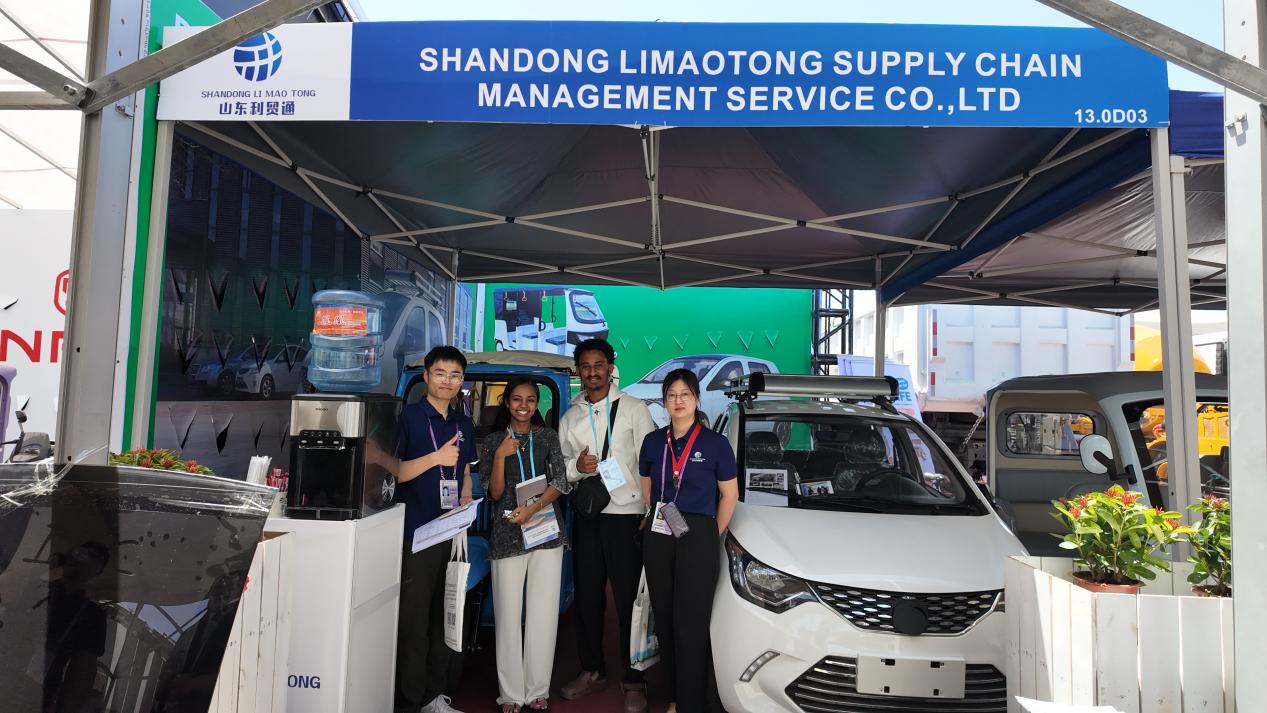
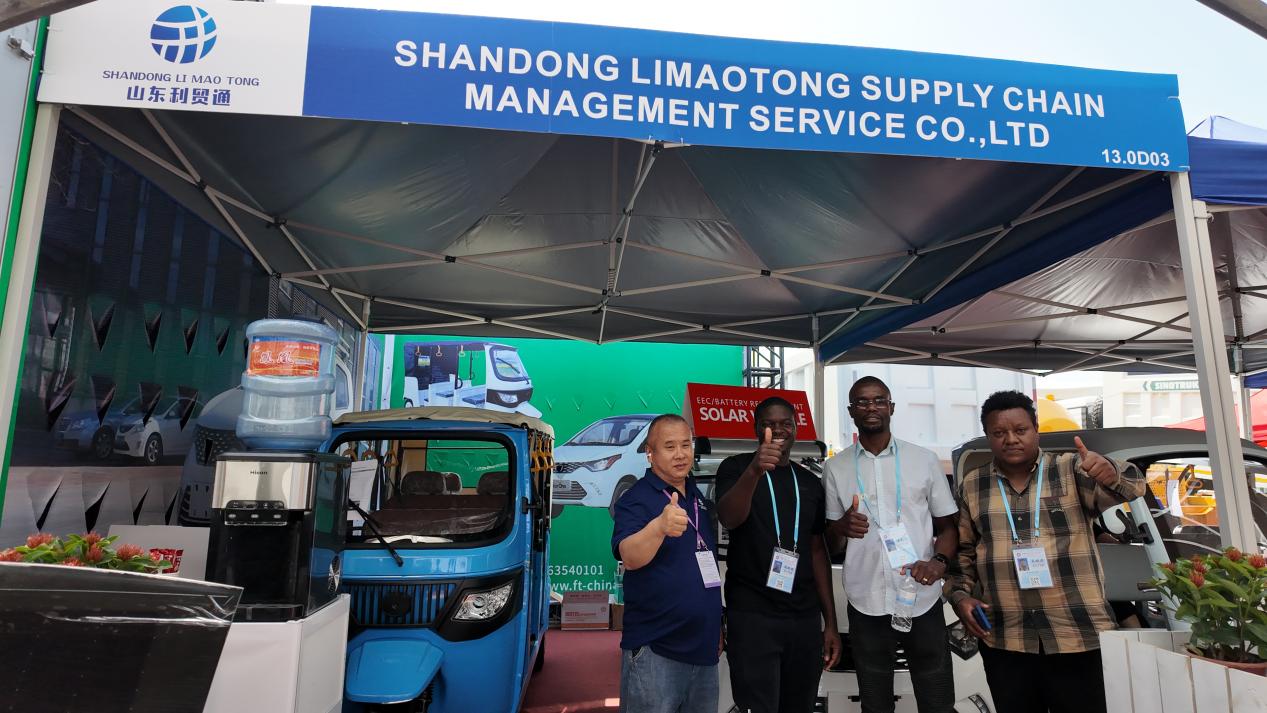
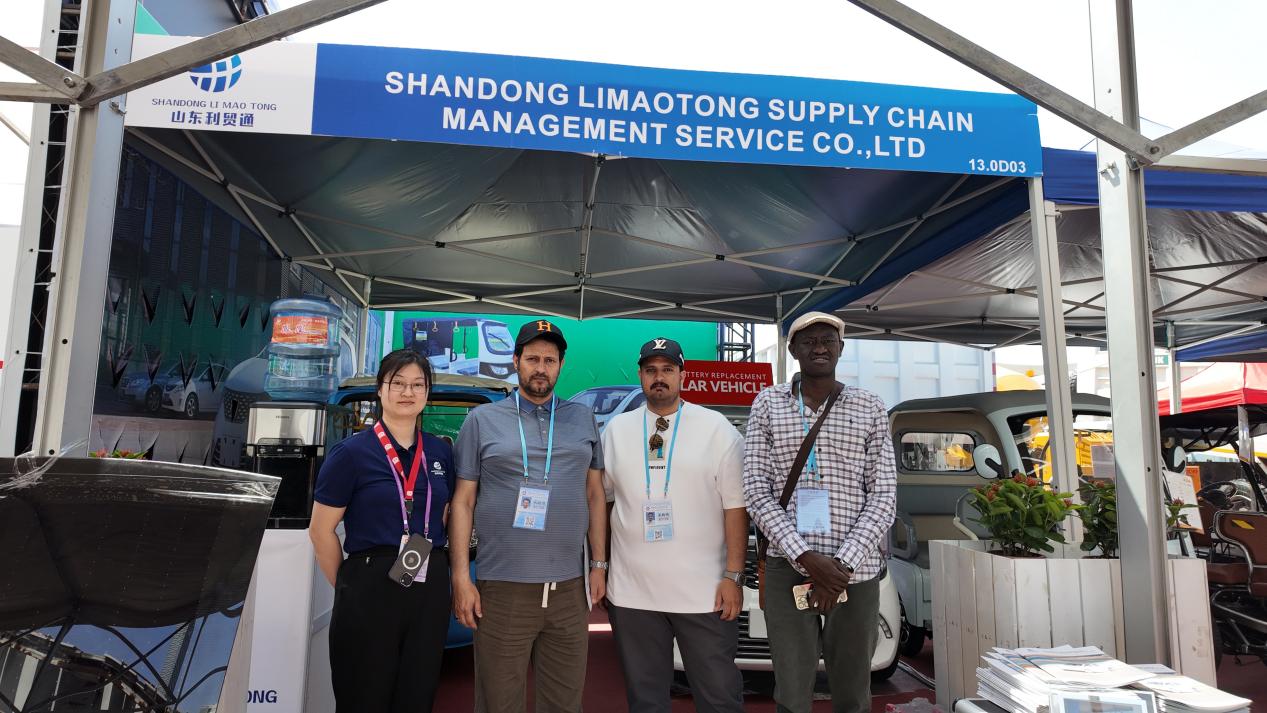
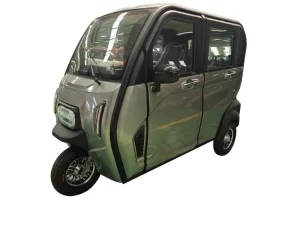
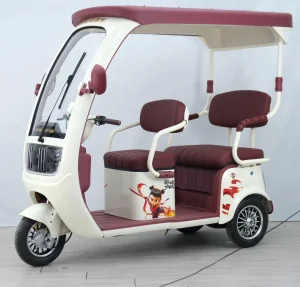
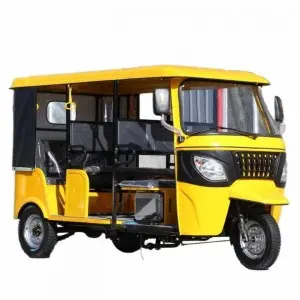
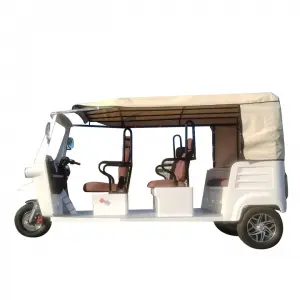
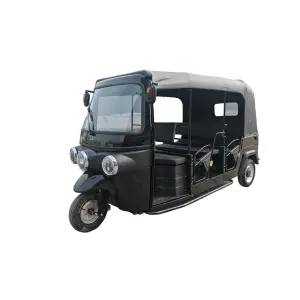
Shandong Li Mao Tong Group custom-builds vehicle models for global distributors to address regional infrastructure needs. Our high-torque passenger tricycles (such as the 7-seater S3 Advanced Iron Frame Tuk-Tuk) operate efficiently in emerging economies, providing high-occupancy public transit with minimal infrastructure overhead.
 Limaotong