Why Should Businesses Buy Electric Vehicles?

Time:2026-09-26 Author:Henry
0%

Businesses are no longer treating the Electric Vehicle as a distant experiment. It is becoming a practical fleet decision. The International Energy Agency’s Global EV Outlook 2024 reported nearly 14 million electric car sales worldwide in 2023. It also expects sales to exceed 17 million in 2024. That momentum changes purchasing conversations.

There are clear financial reasons to pay attention. Electric drivetrains use fewer moving parts, which can reduce routine maintenance. Electricity may also cost less than petrol or diesel per kilometre, depending on local prices and charging access. For delivery vans, taxis, and company cars, daily mileage can make these savings visible. A vehicle returning to a depot at 6 p.m. can charge overnight and start work again by morning. Simple, but not universal.

The business case still needs careful testing. Battery prices, charging installation, insurance, depreciation, and electricity tariffs can alter the final result. The International Council on Clean Transportation has found that battery-electric cars generally produce lower lifecycle emissions than combustion vehicles, especially with cleaner electricity. Results vary by model and region. That matters.

Fatih Birol, Executive Director of the IEA, described electric cars as “not only a climate solution, but also an industrial opportunity” in the Global EV Outlook 2024. His point extends beyond emissions. Companies can strengthen their sustainability reporting, reduce exposure to fuel-price volatility, and improve their public image. Yet image alone cannot justify a purchase. Businesses need route data, charging plans, and total-cost calculations. Some fleets will benefit immediately. Others may need hybrids, leasing, or more time. The smart question is not whether every business should switch today, but where an Electric Vehicle already makes operational sense.
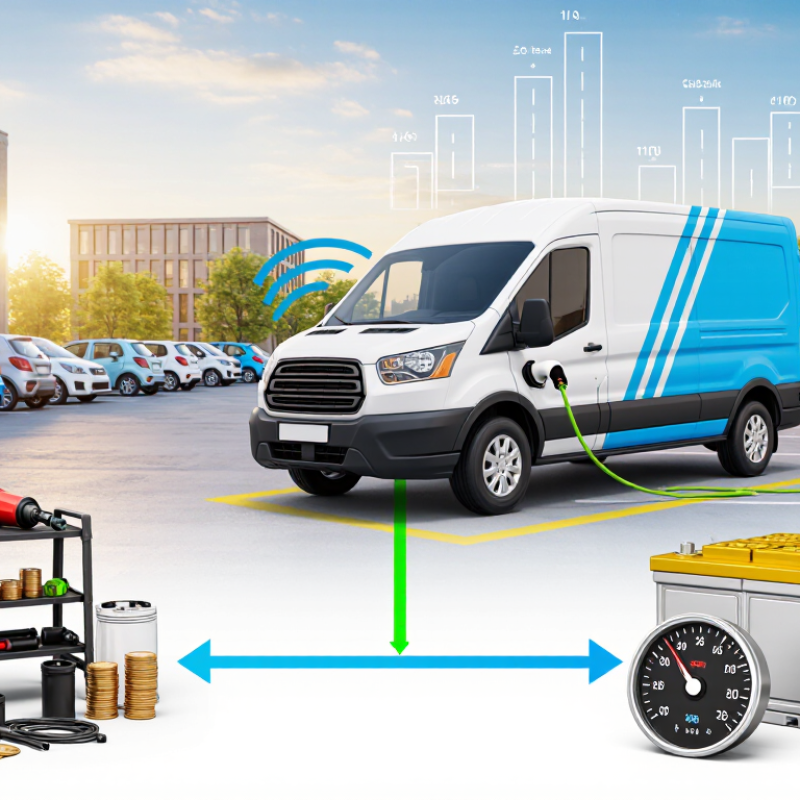
Why Should Businesses Buy Electric Vehicles?

Business Electric Vehicles: Types and Core Technologies

Business electric vehicles range from passenger cars and delivery vans to buses and heavy-duty trucks. Battery-electric vehicles (BEVs) run only on stored electricity; plug-in hybrids (PHEVs) combine a battery with an onboard engine. That distinction matters. Stop-and-go urban routes often suit BEVs, while uncertain distances may make PHEVs easier to operate. Still, hybrids add mechanical complexity. Fleet fit depends on payload, daily mileage, depot access, and weather—not just advertised range.

Core systems include a battery pack, inverter, electric motor, and thermal controls. The inverter manages electrical power, while cooling systems help regulate battery temperature during demanding use. AC charging is common at depots; DC fast charging can support tighter schedules, if grid capacity allows. Telematics can track energy use and charging patterns, though the data may be imperfect. The IEA’s Global EV Outlook 2025 reports that electric car sales exceeded 17 million in 2024, representing more than one-fifth of global new-car sales.

Tips: Compare vehicles against actual routes and payloads. Record a week of mileage, then check depot charging capacity before choosing a vehicle. Include winter range; it can disappoint.

Why Businesses Choose Electric Vehicles: Charging Technology

Typical charger power ratings illustrate how charging options can fit different fleet needs.

Workplace AC charging is well suited to vehicles parked for several hours, while DC fast charging can support quicker top-ups during the day. These are representative charger ratings; actual charging speed depends on the vehicle, charger, battery state, and conditions.

How Electric Vehicles Fit Different Business Operations

Electric vehicles fit business operations best when the vehicle’s daily work is clearly understood. A delivery van that follows a predictable city route may return to the same depot each evening, making overnight charging practical. A field-service vehicle may carry tools and parts, so usable cargo space and added battery weight deserve attention. The route matters. So does the load.

Different jobs create different charging patterns. Pool cars used for short local trips can often charge between shifts, while vehicles assigned to long or changing routes may need careful range planning.

A depot should have enough charging capacity for its busiest return window, not just an average day. Workplace chargers can also support employees who drive between sites. Small details count, such as whether a vehicle can fit beneath a parking structure or carry equipment through a narrow street.

Before switching, compare real shift schedules, mileage, payload, and time parked with vehicle specifications. Ask drivers to record route conditions, including cold mornings, traffic, and detours. Paper plans can look neat. Operations rarely are. Charging access may be limited at some sites, and installation costs or utility capacity can change the business case. A pilot with a few vehicles may reveal awkward gaps that a spreadsheet misses.

Purchase Costs, Incentives, and Long-Term Financial Effects

For businesses, an electric vehicle’s purchase price is only part of the calculation. Compare the full cost of ownership: financing, energy, maintenance, charging equipment, and resale value. The International Energy Agency’s Global EV Outlook 2024 reported that battery prices fell by 14% in 2023, helping ease pressure on vehicle costs. But lower battery prices do not guarantee a lower quote today.

Running costs can shift the balance over several years. Consumer Reports’ 2020 analysis estimated that lifetime maintenance and repair costs for battery-electric vehicles were about half those of comparable gasoline vehicles. That is an estimate, not a promise. A delivery van covering many miles may save substantially on fuel, while a lightly used vehicle may take longer to offset its upfront premium. Include local electricity rates, depot upgrades, downtime, and expected resale value in the same spreadsheet. Incentives may reduce purchase costs, but eligibility and availability vary by location and can change; confirm current details before budgeting.

Tips: Gather real mileage and fuel bills from your fleet. Ask your utility about charging costs, and price installation before signing. Leave room for imperfect estimates.

Environmental and Workplace Benefits of Fleet Electrification

Electric fleet vehicles can reduce tailpipe emissions at depots, delivery sites, and busy streets. That matters most where workers spend hours near idling vans. A quieter vehicle can also make early-morning loading areas less stressful. The benefit is practical, not magical. Battery production and electricity sources affect a vehicle’s overall footprint, so businesses should assess local energy use and operating patterns.

Tips: Map daily routes before choosing vehicles. Check where vehicles park overnight, how long they stay, and whether chargers can serve that schedule. Ask drivers and maintenance staff what may change in their routines. Their feedback can reveal overlooked issues, such as a cable crossing a busy walkway.

Workplace gains depend on thoughtful rollout. Less engine noise may make conversations easier in a yard, while fewer exhaust fumes can improve conditions around loading bays. Staff still need training on charging, range planning, and safe vehicle checks. Some routes may not suit electrification yet, and forcing a poor fit can create delays. A gradual trial gives managers real operating data, though it takes time and honest review.

Key Factors in Planning an Electric Vehicle Transition

An electric-vehicle transition works best when it starts with daily operations, not a purchase target. Map each vehicle’s route, distance, payload, and idle time. A delivery van returning to the depot at 5 p.m. has different charging needs from a service vehicle that moves all day. Check winter range, heating use, and steep routes against real duty cycles. A small pilot can reveal problems that a spreadsheet misses.

Plan charging before vehicles arrive. Review depot parking, electrical capacity, installation timelines, and who will move vehicles when chargers are occupied. Estimate total operating costs, including energy, maintenance, charging equipment, and downtime. Compare them with current costs over the vehicles’ expected service life. Electricity prices and available incentives vary, so verify local figures rather than relying on broad estimates. Ask drivers and maintenance staff for feedback; their concerns may uncover practical issues early. The first plan will probably need revision. That is useful, not failure.

Tips: Track actual mileage and charging time for several weeks. Assign clear responsibility for charging, and keep a backup plan for unusually long trips. Start with vehicles whose routes are predictable.

FAQS

What costs should businesses include when evaluating electric fleet vehicles?

Include purchase price, financing, electricity, maintenance, charging equipment, downtime, and resale value. The sticker price is incomplete. Use one spreadsheet for every cost.

Can lower battery prices guarantee a cheaper vehicle quote?

No. Battery prices may fall, but current vehicle quotes also depend on supply, equipment, financing, and local conditions. Prices remain uneven. Check actual offers before budgeting.

When can electric vehicles reduce operating costs?

High-mileage delivery vans may save more on fuel and maintenance over several years. Lightly used vehicles may need longer to recover their higher purchase price. Mileage changes everything.

How should a business estimate charging costs?

Review local electricity rates and daily mileage. Ask the utility about likely charging expenses and possible depot upgrades. Price installation before signing. Leave room for errors.

What fleet information should managers collect before purchasing?

Gather real mileage, fuel bills, parking locations, and route schedules. Record how long vehicles stay parked overnight. Small details matter.

What workplace benefits can electric fleet vehicles provide?

They can reduce exhaust fumes near loading bays, depots, delivery sites, and busy streets. Quieter vehicles may make early-morning conversations easier. The improvement is practical, not magical.

Does electrification always reduce a vehicle’s total environmental impact?

Not automatically. Battery production and local electricity sources affect the overall footprint. Businesses should compare energy use with actual operating patterns. Some assumptions may be wrong.

How can managers introduce electric vehicles without disrupting operations?

Start with a gradual trial on routes that match vehicle range and charging schedules. Train drivers and maintenance staff on charging, range planning, and safety checks. Ask staff about cable placement and walkway risks. Review the results honestly.

Conclusion

Businesses can benefit from electric vehicles by matching the right vehicle types and technologies to their daily operations. Passenger vehicles, vans, and heavier fleet options may serve different needs, while battery capacity, charging speed, and available charging infrastructure influence how effectively each vehicle can be used. Careful route and workload planning helps businesses identify where an Electric Vehicle can fit without disrupting service.

Although purchase prices and charging equipment require upfront investment, incentives and lower energy and maintenance costs may improve long-term financial outcomes. Fleet electrification can also reduce tailpipe emissions and create quieter, more comfortable workplaces. Before making the transition, businesses should assess vehicle requirements, driving distances, charging access, budgets, staff readiness, and future fleet plans. A phased approach can help organizations manage costs, learn from early deployments, and make informed decisions about expanding electric vehicles across their operations.


Henry

Henry

Henry is a dedicated marketing professional with a profound expertise in the company's offerings. With years of experience in the industry, he possesses an impressive understanding of the market dynamics and consumer behaviors that drive success. Henry is committed to sharing his insights through......