Electric Solo Car models are moving from niche experiments toward practical urban transport. Their appeal is easy to picture: one driver, a narrow body, a charging cable beside a small garage, and less unused cabin space. Yet global buyers need more than attractive specifications. They need reliable range, safe handling, weather protection, repair access, and charging compatibility.
The International Energy Agency reported that global electric car sales exceeded 14 million in 2023, representing about 18% of new car sales worldwide (IEA, Global EV Outlook 2024). BloombergNEF also identified falling battery costs and expanding charging networks as major forces supporting electric mobility (BNEF, Electric Vehicle Outlook 2024). These figures describe conventional electric cars, not every Electric Solo Car. That distinction matters. Solo vehicles remain poorly measured across markets, and available comparisons can be incomplete.
Fatih Birol, Executive Director of the IEA, said, “The global electric car market is experiencing exponential growth as sales are expected to continue increasing through 2024.” His observation supports strong momentum, but it does not guarantee that every compact model suits every country. Climate changes battery performance. Road design changes safety expectations. Import rules change ownership costs. Small details decide value.
This guide compares leading models through a practical lens. It considers range, charging time, dimensions, stability, comfort, service coverage, and real-world usability. Some claims will remain uncertain. Test drives are still essential. A clever design can feel limiting after one rainy commute. The best Electric Solo Car is not always the smallest or cheapest option. It is the model that fits a buyer’s roads, habits, budget, and local support network.
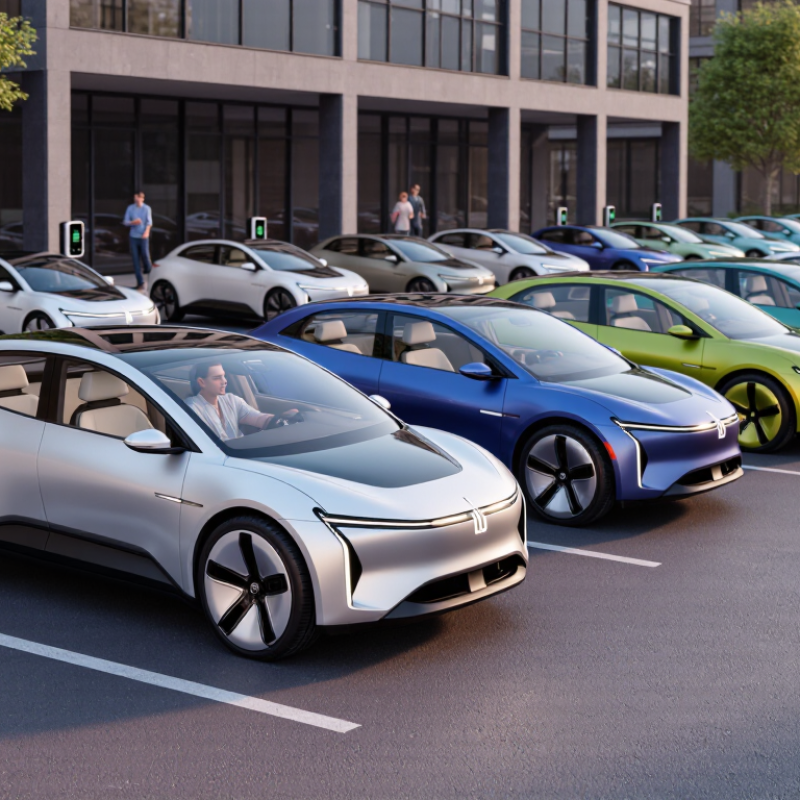
Defining Electric Solo Cars and Their Main Uses
Top Electric Solo Car Models for Global Buyers?
An electric solo car is a compact battery vehicle designed mainly for one occupant. Some models include a narrow second seat or limited cargo space. Their focus is clear: short urban trips, easy parking, and low operating energy. They are not smaller versions of family cars. They serve a different daily need.
The International Energy Agency reported over 14 million electric car sales worldwide in 2023, representing nearly 18% of new car sales. However, its Global EV Outlook does not separate solo cars from larger electric vehicles. That gap matters. Buyers should examine usable battery capacity, charging access, safety certification, and local speed limits. A 6–10 kWh battery may suit a short commute, but winter heating can reduce real-world range. Test conditions are not everyday traffic.
Solo electric cars work well around dense neighborhoods, campuses, airports, and delivery zones with predictable routes. A narrow body can fit beside a curbside bicycle lane, where a conventional car feels unnecessarily wide. The European Environment Agency reports that passenger cars remain a major source of transport emissions, although results vary by electricity generation and vehicle production. Smaller vehicles usually need fewer materials and less energy to move. Still, “zero tailpipe emissions” does not mean zero environmental impact. Tire wear, battery manufacturing, and electricity sources deserve attention. The honest answer is less exciting: one-person travel often needs a different vehicle, but many buyers still choose too much car.
Key Features to Compare Across Global Models
Top Electric Solo Car Models for Global Buyers
A useful comparison begins with the vehicle’s real purpose. Is it for short urban trips, or daily commuting across wider districts? Check the tested range, not only the advertised figure. Cold weather, steep roads, air conditioning, and heavy traffic can reduce available distance. A compact model may travel 120 miles in mild conditions but deliver less during winter use. That difference matters.
Charging access deserves equal attention. Compare home charging speed, public charging compatibility, cable availability, and battery warranty terms. A small battery can suit city drivers, yet frequent fast charging may increase practical inconvenience. Check cabin width, entry height, storage space, visibility, and turning radius. These details become obvious in narrow streets and crowded parking areas. Safety certification should match the destination market, since requirements differ between regions. Look for tested crash protection, effective driver assistance, and clear emergency controls. Software updates are useful, but dependable physical controls still matter.
Operating costs also deserve careful review. Compare electricity use per mile, insurance estimates, tire sizes, service coverage, and replacement-part access. A low purchase price can become less attractive when support is distant. I would not trust range claims without checking local test methods. Numbers can look precise and still mislead. Weather records, charging habits, and road conditions should shape the final choice. Try the driving position before buying. Small discomforts become large on repeated journeys.
This comparison uses representative electric vehicles sold in multiple global markets. Driving range is based on published WLTP figures, while battery capacity and rapid-charging time are typical published specifications. Actual results vary by market, wheels, weather, speed, and charging conditions.
Top Electric Solo Car Models by Range and Performance
Top Electric Solo Car Models for Global Buyers?
Top Electric Solo Car Models by Range and Performance
For solo commuters, the best electric car balances usable range, easy parking, and predictable charging. A small city hatchback suits dense streets and short daily journeys. Its 250–320 kilometer range can cover several workdays between charges. However, cold weather, steep roads, and heating can reduce that figure sharply. Real weather matters.
A compact electric sedan offers a stronger range advantage, often reaching 400–550 kilometers under laboratory conditions. Its lower body improves highway efficiency and reduces wind noise. For drivers who enjoy quicker acceleration, a performance-focused liftback can deliver brisk overtaking and stable cornering. That speed usually increases tire wear and energy consumption. Fast driving is expensive.
An electric crossover provides a higher seating position and useful luggage space. It may suit buyers carrying equipment, groceries, or two passengers regularly. Yet, its larger wheels and taller shape can limit efficiency compared with a sedan. Check the charging curve, not only the advertised battery size. A vehicle that maintains high charging power after 60 percent can save meaningful time on long trips.
Independent road tests, warranty terms, battery temperature controls, and local charging access deserve equal attention. I would compare winter range, rear-seat comfort, and repair support before trusting a headline number. Some specifications look impressive on paper but feel ordinary in daily traffic. The right choice depends on climate, parking access, and driving habits.
Safety, Charging, and Legal Factors in Different Markets
Top Electric Solo Car Models for Global Buyers?
Safety, Charging, and Legal Factors in Different Markets
A solo electric car should fit local safety rules, not just look efficient. Check independent crash-test results and battery protection ratings before comparing performance. Driver-assistance features may differ between countries, even on similar vehicle versions. Confirm pedestrian alerts, emergency braking, lighting, and child-restraint compatibility. Small details matter.
Charging access can shape daily ownership more than advertised range. A home charger needs a qualified installer, suitable wiring, and approval from local authorities where required. Public plugs may use different connectors, payment systems, or charging speeds. Cold weather, heavy rain, and steep roads can reduce range. Winter changes everything. A practical test drive should include ordinary traffic, parking, and a realistic charging stop.
Legal checks deserve equal attention. Vehicle approval, insurance categories, import duties, road taxes, and warranty coverage vary widely. Some regions require specific safety equipment or restrict certain automated-driving functions. Data handling also matters when the car uses navigation, cameras, or connected services. Ask whether personal information is stored locally or transferred overseas. Keep written records from the seller and regulator, because verbal promises can be difficult to enforce. Even careful research has gaps; rules can change, and charging maps may be outdated. Check twice.
How to Choose the Right Electric Solo Car for Your Needs
Choosing the right electric solo car starts with your daily routine, not its headline range. A one-person commuter may suit narrow streets, short trips, and limited parking. Measure your usual route, including hills, traffic, and winter temperatures. Cold weather can reduce practical range more than many sales pages suggest.
I once preferred the smallest vehicle because it looked efficient. That choice ignored my weekly grocery trip. Check the cabin width, seat adjustment, storage space, and entry height in person. Place a typical backpack inside. Try the controls while wearing gloves. A test drive can reveal poor visibility or a harsh ride within minutes.
Charging access matters just as much. Confirm whether home charging is possible, then inspect the cable length and charging time. Apartment residents should verify public charger availability before buying. Compare battery warranties, repair support, safety testing, and local registration requirements. These details provide stronger evidence than attractive specifications. Ask for measured range data, not only laboratory figures. No checklist is perfect. Your priorities may change after one rainy commute. A slightly larger model could be wiser if it offers better stability, weather protection, or safer braking. Conversely, extra features may add cost without improving your actual journey. Keep a simple two-week driving log before deciding. Note distance, charging opportunities, passengers, and cargo needs. That record turns a tempting purchase into a more reliable match.
Top Electric Solo Car Models for Global Buyers? - How to Choose the Right Electric Solo Car for Your Needs
| Vehicle Profile |
Typical Seating |
Battery Capacity |
Real-World Driving Range |
Maximum Speed |
AC Charging Time |
Best Use Case |
Key Buying Consideration |
| Ultra-Compact Neighborhood EV |
1–2 people |
5–15 kWh |
50–120 km |
45–80 km/h |
3–6 hours |
Short urban trips, campuses, gated communities and local errands |
Check local road-access rules, crash protection and weather sealing |
| Light Electric Quadricycle |
1–2 people |
6–15 kWh |
60–130 km |
45–90 km/h |
3–8 hours |
Dense city travel where compact dimensions and easy parking matter |
Confirm licensing category, safety equipment and passenger regulations |
| Small City Electric Car |
2–4 people |
20–35 kWh |
140–240 km |
100–140 km/h |
4–7 hours |
Daily commuting, shopping and mixed urban-suburban driving |
Compare winter-range performance, boot space and home-charging access |
| Compact Electric Hatchback |
4–5 people |
35–55 kWh |
220–360 km |
130–170 km/h |
5–9 hours |
Regular commuting, family use and occasional intercity travel |
Evaluate DC fast-charging speed, rear-seat room and service coverage |
| Long-Range Electric Sedan |
5 people |
60–100 kWh |
350–600 km |
160–220 km/h |
7–12 hours |
Frequent highway travel and buyers who need substantial range |
Prioritize charging-network availability, efficiency and battery warranty |
Notes: Specifications are representative market ranges for comparable electric vehicle categories. Actual range varies with temperature, speed, payload, terrain, tire choice and heating or air-conditioning use. Charging times assume an appropriate household AC supply and may differ by country.
FAQS
A compact model may cover about 120 miles in mild conditions. Cold weather, hills, heating, and traffic can reduce that distance. Real conditions matter.
A small hatchback works well on narrow streets and crowded parking areas. A sedan may offer better highway efficiency and longer range. A crossover provides more luggage space and a higher seating position.
Treat it as a reference, not a promise. Check independent road tests and local testing methods. A precise number can still mislead.
Check home charging speed, cable length, public compatibility, and charging time. Apartment residents should confirm nearby charger access before buying. Charging access can matter more than battery size.
Not necessarily. Frequent fast charging may create practical inconvenience. Check the charging curve, especially after the battery passes 60 percent.
Check cabin width, seat adjustment, entry height, storage, visibility, and turning radius. Place a typical backpack inside. Try the controls while wearing gloves.
Heating can reduce available range during winter journeys. Steep roads and heavy traffic may reduce it further. Record your route during cold days if possible.
Check safety testing for your destination market. Review crash protection, driver assistance, and emergency controls. Reliable physical controls still matter when software updates fail.
Compare electricity use, insurance, tire sizes, service coverage, and replacement-part access. A lower purchase price may lose appeal when support is distant. I would check local repair options before deciding.
Conclusion
An Electric Solo Car is a compact, energy-efficient vehicle designed mainly for one person’s daily travel, including commuting, campus trips, urban errands, and short-distance delivery work. This article explains how these vehicles differ from conventional cars and highlights the features global buyers should compare, such as driving range, acceleration, battery capacity, charging time, cabin comfort, storage space, connectivity, weather resistance, and overall operating cost.
It also reviews leading types of Electric Solo Car models by range and performance without focusing on specific brands. Readers will learn how safety systems, charging access, climate conditions, road standards, registration requirements, and local driving rules can affect ownership in different markets. Finally, the guide offers a practical way to choose the right model by considering travel distance, budget, parking availability, charging habits, passenger needs, terrain, and long-term maintenance expectations.

 Limaotong