What Are the Top Electric Motorbike Types in 2026?

Time:2026-11-18 Author:Henry
0%

Electric Motorbike choices in 2026 span quiet city commuters, quick naked bikes, full-faired sport models, rugged adventure machines, and lightweight off-road options. Each serves a different ride. A short daily route rewards easy charging and a manageable seat height. A weekend journey may demand greater range, weather protection, and fast charging. These differences matter more than a bold speed claim.

Electric-vehicle entrepreneur Elon Musk has summed up the wider shift with the phrase, “The future is electric.” That view is compelling, but it does not answer which bike fits a particular rider. Battery size, motor output, weight, charging access, and real-world range still deserve careful comparison. Published range figures can change with speed, temperature, hills, and rider load. A brochure cannot show every commute.

This guide compares the leading Electric Motorbike types expected to matter in 2026, explaining their strengths, trade-offs, and likely users. Sport models promise sharp acceleration. Commuters prioritize ease. Adventure bikes invite longer routes, yet added battery capacity can mean more weight and cost. Off-road models face a different test: loose soil, steep climbs, and limited charging nearby. The categories overlap, too. That makes neat rankings imperfect, and worth questioning. By looking beyond labels, readers can match a bike to their roads, budget, charging routine, and actual riding habits.
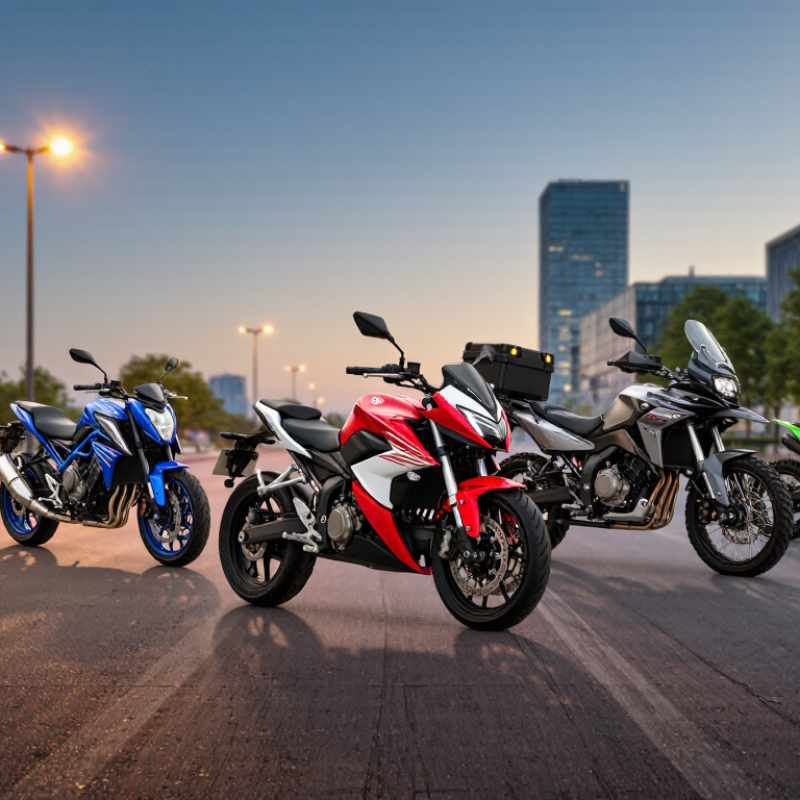
What Are the Top Electric Motorbike Types in 2026?

How Electric Motorbikes Are Classified in 2026

In 2026, electric motorbikes are best classified by role, chassis, and performance—not appearance alone. Commuter scooters prioritize step-through frames, weather protection, and storage. Standard and naked bikes use upright seating for city and road travel. Sport models emphasize forward-leaning posture and acceleration, while adventure and utility designs add longer suspension, sturdy racks, or cargo space. Categories overlap. That matters.

Another useful split is drivetrain and battery layout: hub motor or mid-drive, removable pack or fixed pack. Hub motors keep the mechanical setup simple; mid-drive designs can suit varied terrain. Removable batteries help riders who charge indoors, though carrying a heavy pack upstairs is no small issue. The IEA’s Global EV Outlook 2024 reported roughly 10 million electric two- and three-wheelers sold worldwide in 2023. That is no niche.

Performance classes also depend on top speed, continuous motor output, range, and braking equipment. Peak power alone can mislead. Compare battery capacity in kilowatt-hours, charging time, vehicle weight, and range under stated test conditions. BloombergNEF’s 2023 Battery Price Survey put average lithium-ion pack prices at $139 per kilowatt-hour, down 14% year on year. Yet pack design and cell quality still affect cost. These labels are useful, not perfect: one bike may serve commuting, touring, or delivery with a different setup.

Electric Commuter Motorbikes for Everyday Urban Travel

Electric commuter motorbikes are built for repeated short trips, not weekend touring. Their useful features are often ordinary: a stable upright seat, predictable brakes, lights that remain visible in traffic, and enough battery for the daily route plus a detour. The International Energy Agency’s Global EV Outlook 2024 reports that electric two- and three-wheelers reached about 10 million sales worldwide in 2023, roughly 15% of total sales in those categories. Urban commuting is already a major use case.

Range claims need context. Cold mornings, hills, frequent stops, and a heavy bag can all reduce distance between charges. Choose a model whose real-world range comfortably exceeds your round trip, and check whether its battery can be removed for indoor charging. Small detail. It matters on the fourth floor. In the United States, the Census Bureau’s 2023 American Community Survey put average one-way commute time at 26.8 minutes. That figure is not a motorbike range target, but it shows why comfort, dependable charging, and traffic-ready controls matter every weekday.

Before buying, test the seat height with both feet near the ground and try turning slowly in a tight space. A lighter motorbike can feel easier to park and maneuver, while larger batteries may add weight. I would not treat maximum speed or advertised range as the whole decision. A practical commuter should fit your route, storage, charging access, and tolerance for rain—and those needs can be easy to underestimate.

Electric Sport and Naked Motorbikes for Road Performance

Electric sport and naked electric motorbikes are built for riders who care about road performance, not just quiet acceleration. Sport models use a forward-leaning posture and bodywork to feel composed at speed. Naked models leave more of the machine exposed and usually offer a more upright riding position. That changes the ride. On a winding road, a responsive throttle and predictable braking can matter more than headline power.

Electric motors deliver strong drive from low speeds, which makes corner exits feel lively. Yet weight, tire choice, suspension setup, and battery temperature all shape how a bike handles. A tight turn reveals more than a straight-line sprint. Regenerative braking can help manage speed, but its feel varies between models and settings. Riders should test it before relying on it in traffic.

For daily road use, compare seat comfort, steering effort, wind protection, and how easily you can place the bike at low speed. Sport bodywork may reduce wind pressure, but the crouched posture can tire wrists and shoulders. Naked bikes are easier to sit upright on, though open-road wind can become tiring. There is no perfect setup. Range also shifts with pace, hills, temperature, and passenger weight, so treat published figures as estimates. A careful test ride often exposes compromises a specification sheet misses.

What Are the Top Electric Motorbike Types in 2026?

Electric Sport and Naked Motorbikes for Road Performance

Sport-focused electric motorbikes prioritize higher top speeds, while naked models pair strong road performance with an upright riding position. The figures are representative published specifications, not class averages; specifications vary by model, version, and market.

Electric Dirt, Enduro, and Adventure Motorbikes for Off-Road Use

Electric dirt, enduro, and adventure motorbikes suit different off-road days. Dirt models prioritize low weight and quick handling on marked trails. Enduro bikes usually add stronger suspension and equipment for longer, rougher routes. Adventure models favor range, comfort, and luggage capacity, but their extra weight can feel awkward in deep sand or tight turns.

The International Energy Agency’s Global EV Outlook 2024 reports roughly 10 million electric two- and three-wheelers sold worldwide in 2023, close to one-fifth of sales in that broad category. That figure is not specific to off-road bikes, but it shows how rapidly electric two-wheel transport is growing. For trail use, compare usable battery capacity, charging access, ground clearance, and replacement-part support. Short, steep climbs can drain a battery faster than a steady ride. Range figures alone can mislead.

Tips: Match the bike to your route, not its advertised top speed. Check the terrain, ride duration, and charging options before setting out. Keep some battery in reserve for the return trip. I would not assume the lightest bike is always easiest; loose rock and fatigue can change that quickly.

What Are the Top Electric Motorbike Types in 2026? — Electric Dirt, Enduro, and Adventure Motorbikes for Off-Road Use

Motorbike Type Best Suited For Typical Terrain Common Wheel Setup Typical Suspension Travel Typical Weight Class Road Use Key Trade-Off
Electric Dirt Bike Short, active off-road rides, practice sessions, and trail riding where low weight and quick response matter. Motocross tracks, sand, open trails, and other unpaved routes. Often 21-inch front and 18- or 19-inch rear wheels; smaller bikes may use smaller wheels. About 200–300 mm, depending on bike size and intended use. Generally the lightest category; many full-size models are around 80–120 kg. Usually off-road only unless specifically equipped and approved for public roads. Agile and easy to handle off-road, but commonly offers less range and carrying capacity than an adventure bike.
Electric Enduro Bike Longer or more technical trail rides that combine climbing, obstacles, and varied terrain. Single-track trails, rocky paths, steep climbs, and forest routes. Commonly 21-inch front and 18-inch rear wheels. Often about 250–300 mm on full-size off-road designs. Typically light to mid-weight; many full-size models are roughly 90–140 kg. Some are road-legal; registration and equipment requirements vary by model and location. Balances trail capability and ride duration, but added equipment or battery capacity can increase weight.
Electric Adventure Bike Mixed-surface journeys, touring, and riders who need road capability alongside off-road ability. Paved roads, gravel, maintained dirt roads, and moderate trails. Often 19-inch front and 17-inch rear wheels; some more off-road-focused designs use a 21-inch front wheel. Commonly about 180–240 mm, with variation between road- and off-road-focused designs. Usually the heaviest category; many full-size models are approximately 150–250 kg. Often designed for road use, subject to local approval, registration, and licensing rules. Better suited to travel and carrying luggage, but heavier and less nimble on tight or technical trails.

Note: Figures are broad category-level estimates, not specifications for a particular model. Actual weight, suspension travel, wheel sizes, range, and road legality vary by design, rider, terrain, and local regulations.

How Range, Power, and Riding Conditions Distinguish Each Type

In 2026, electric motorbikes are easier to compare by matching their range and power to real rides. Compact commuter models suit short urban trips, frequent stops, and tight parking. Their moderate power can feel responsive at traffic lights without adding unnecessary weight. A practical check: can the bike cover your daily route and still leave a reserve for detours? Published range is a guide, not a promise. Cold weather, hills, speed, and rider weight can reduce it.

Moped-style models usually favor comfort and easy handling over high speed. They work well on neighborhood streets, where a flat seat and step-through frame make quick errands less tiring. For longer road journeys, touring-oriented electric bikes offer stronger motors and larger batteries. That extra capacity helps on open roads, but sustained speed can drain a battery faster than stop-and-go riding. Charging access matters. A route with reliable charging may be more useful than a larger quoted range.

Trail-focused electric motorbikes need controllable power, sturdy suspension, and tires suited to loose ground. Their range can fall quickly when climbs and soft dirt demand repeated bursts of power. A tidy category chart can still mislead: two bikes labeled for the same use may behave differently under load. Check the battery size, motor output, riding modes, and your usual terrain. Then consider whether the bike remains comfortable after an hour, not just during a quick test ride.

FAQS

What makes an electric motorbike practical for daily commuting?

An upright seat, predictable brakes, visible lights, and enough battery for your usual route help. Small details matter.

How much range should I look for?

Choose real-world range that comfortably exceeds your round trip. Hills, cold mornings, frequent stops, and a heavy bag can reduce it.

Is a removable battery useful for apartment living?

Yes. You can carry it indoors for charging when there is no convenient outlet near your parking spot. It may still feel heavy.

What should I test before buying a commuter motorbike?

Check whether both feet can reach near the ground. Try slow turns in a tight space, too.

How do electric dirt, enduro, and adventure bikes differ?

Dirt bikes favor low weight and quick handling. Enduro bikes suit rougher, longer routes. Adventure models emphasize range, comfort, and luggage space.

Why can an adventure bike feel difficult on narrow trails?

Its extra weight may feel awkward in deep sand or tight turns. Loose rock and fatigue can change what feels manageable.

What should I check before an off-road ride?

Consider terrain, ride duration, usable battery capacity, ground clearance, and charging access. Keep battery in reserve for the return trip.

Is advertised top speed the best way to choose a bike?

Not by itself. Match the bike to your route and storage needs. I might still underestimate how tiring rough ground feels.

Conclusion

In 2026, electric motorbikes can be grouped by how and where they are designed to ride. Commuter models prioritize comfort, practicality, and efficient performance for everyday urban journeys. Sport and naked motorbikes put greater emphasis on responsive power, agile handling, and an engaging road experience, while dirt, enduro, and adventure types are built to handle rougher surfaces and varied terrain.

Choosing an Electric Motorbike means balancing range, power, riding conditions, and personal needs. A city rider may value easy handling and dependable range for regular trips, whereas longer road rides or off-road routes call for different performance characteristics. Understanding these categories helps riders compare what each type offers and select a motorbike suited to their routes, preferred riding style, and expectations.


Henry

Henry

Henry is a dedicated marketing professional with a profound expertise in the company's offerings. With years of experience in the industry, he possesses an impressive understanding of the market dynamics and consumer behaviors that drive success. Henry is committed to sharing his insights through......