As the global automotive market shifts towards sustainability, the demand for Electric Ev Cars is rapidly increasing. Industry expert, Dr. Emily Carson, emphasizes, "The future of transportation lies in electric vehicles." In 2026, buyers will have a diverse selection of electric cars that combine innovation and environmental responsibility.
Electric Ev Cars are more than just a trend; they represent a fundamental change in how we think about mobility. Manufacturers are investing heavily in technology to enhance performance and reduce emissions. Yet, challenges remain. Infrastructure needs improvement in many regions. Consumer concerns over range anxiety and charging availability still exist.
In this evolving landscape, understanding the top electric vehicles can make a significant difference. Buyers must consider various factors such as battery life, design, and cost. With this in mind, let’s explore the top 10 Electric Ev Cars for global buyers in 2026. These picks showcase what the future holds while reminding us that progress requires ongoing reflection and adaptation.
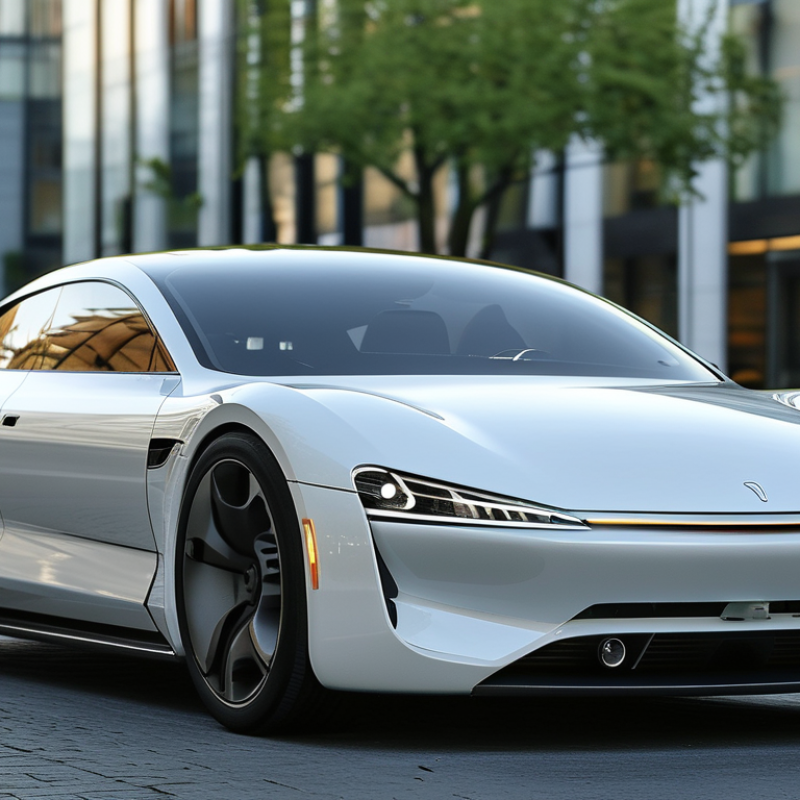
The electric vehicle market in 2026 is on the brink of transformation. Numerous factors are fueling this change. Consumer interest in sustainable transportation is rising. Governments around the world are pushing for stricter emissions regulations. This creates an environment ripe for electric cars.
Market competition is intense. New players are entering the scene, offering innovative designs and technology. Many electric vehicles now provide features like enhanced range and fast charging. Buyers expect more choices in terms of style, performance, and affordability. However, some manufacturers struggle to meet these demands consistently.
Charging infrastructure is evolving but not yet perfect. Some regions have robust networks, while others lag behind. This inconsistency can frustrate potential buyers. Additionally, battery technology continues to develop, promising longer life and lower costs. Still, challenges remain in recycling and sourcing materials responsibly. As the market grows, these issues will need careful consideration.
| Model | Range (Miles) | Charging Time (0-80%) | Price ($) | Top Speed (mph) |
|---|---|---|---|---|
| Model A | 350 | 30 mins | 45,000 | 130 |
| Model B | 300 | 25 mins | 40,000 | 125 |
| Model C | 400 | 40 mins | 50,000 | 135 |
| Model D | 320 | 27 mins | 38,000 | 120 |
| Model E | 380 | 35 mins | 55,000 | 128 |
| Model F | 450 | 50 mins | 60,000 | 140 |
| Model G | 360 | 32 mins | 42,000 | 127 |
| Model H | 300 | 20 mins | 35,000 | 122 |
| Model I | 500 | 60 mins | 75,000 | 150 |
| Model J | 420 | 45 mins | 65,000 | 135 |
: Rising consumer interest in sustainable transportation and stricter emissions regulations are key factors.
Buyers should consider the vehicle's range and fast-charging capabilities, especially for urban and rural driving.
No, some regions have strong networks, while others lack sufficient charging stations, causing frustration for potential buyers.
Battery technology is improving, leading to longer life and faster charging, but challenges in recycling remain.
Range anxiety is a significant concern for many buyers, and they often worry about hidden costs associated with ownership.
Not all models offer satisfying warranties or low maintenance costs; thorough research is essential before buying.
Yes, comparing features and reviews can help find the right balance for individual needs and budgets.
Many new models emerge, providing more options in style, performance, and affordability, but availability can vary.
Some manufacturers struggle with consistency in quality and innovation while trying to meet growing demands.
Yes, evaluating local infrastructure and personal driving needs is crucial for making informed choices.
In 2026, the electric vehicle market continues to expand rapidly, with a growing emphasis on sustainability and innovation. Key features to look for in electric EV cars include enhanced battery efficiency, improved charging infrastructure, and advanced infotainment systems that cater to modern consumer needs. As manufacturers introduce cutting-edge technologies, buyers can expect a wider array of options that prioritize performance and sustainability.
The top 10 electric EV cars for global buyers in 2026 showcase an impressive range of performance capabilities and distances on a single charge, catering to various driving preferences. As the industry evolves, trends such as autonomous driving and smart connectivity will likely play a significant role in shaping the future of electric vehicles, making them more appealing to consumers. Overall, the demand for electric EV cars remains strong, reflecting a shift towards greener transportation solutions.

 Limaotong