An Electric Cycle looks familiar: two wheels, pedals, a frame, and a handlebar. Yet a compact motor changes how human effort reaches the road. The battery stores electrical energy, while a controller regulates power sent to the motor. Sensors measure pedaling speed, torque, or wheel movement. The system then adds assistance when the rider pushes the pedals. Some models also include a throttle, although its availability depends on local regulations.
The International Energy Agency’s Global EV Outlook 2024 identifies electric two- and three-wheelers as the largest electrified road-transport segment by unit sales. That finding matters because electric cycles are not merely recreational products. They support commuting, deliveries, and short urban trips, where heavy traffic makes a quiet motor surprisingly useful. A rider may feel the difference on a steep street: instead of stopping, the motor supplies a steady push while the battery gradually loses charge.
Small details affect real performance. Battery capacity, rider weight, tire pressure, temperature, and hills all influence range. Marketing figures can look generous. Real journeys are less tidy. Standards also differ between countries, so “electric cycle” does not always describe one identical vehicle. European EPAC requirements, including EN 15194, provide one useful technical reference, while other markets apply different classifications. Industry research from Deloitte’s 2024 Global Automotive Consumer Study also shows that buyers remain sensitive to charging access, cost, and reliability across electric mobility. This guide explains the hardware, energy flow, riding experience, and practical limits behind an Electric Cycle. It also questions the easy assumptions. More power is not always better. A lighter battery may be more useful than a larger one for daily travel.
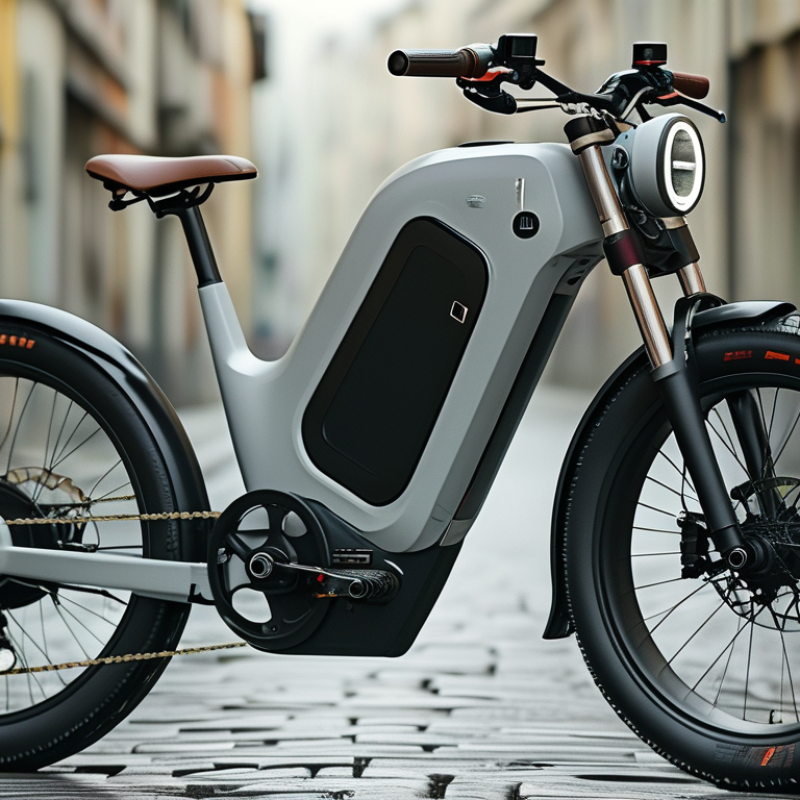
An electric cycle is a bicycle supported by an electric motor and rechargeable battery. It still uses pedals, but the motor reduces the effort needed on hills, against wind, or during longer rides. A sensor detects pedaling and signals the controller to deliver assistance. Some designs also include a throttle, though its use depends on local regulations.
Core features usually include a frame, motor, battery, controller, brakes, and a control display. The battery stores energy, while the controller manages how much power reaches the motor. Pedal-assist systems feel smoother when their sensors respond quickly. Good brakes are essential because electric cycles can be heavier and faster than ordinary bicycles. The boundary between an electric cycle and other small electric vehicles is not always perfectly clear. Local definitions matter.
Tips: Check the battery mount before riding. It should feel secure, not loose. Test both brakes at low speed, especially after rain. Keep tires properly inflated, and avoid leaving the battery in extreme heat. A short test ride can reveal awkward steering, delayed assistance, or a display that is difficult to read. These details are easy to overlook. Examine them anyway.
| Feature | Typical Value | How It Works | Practical Note |
|---|---|---|---|
| Definition | A bicycle equipped with an electric motor, rechargeable battery, controller, and rider controls. | The motor supplies additional power while the rider pedals or, on some models, uses a throttle. | An electric cycle still operates as a bicycle and can usually be pedaled without motor assistance. |
| Motor Type | Hub motor or mid-drive motor. | A hub motor drives the front or rear wheel directly. A mid-drive motor applies power through the bicycle’s crank and drivetrain. | Hub motors are mechanically simple; mid-drive systems can provide balanced weight distribution and efficient hill climbing. |
| Motor Power | Approximately 250–750 watts for common consumer models. | Electrical energy is converted into rotational force at the motor. Actual output may be limited by software, temperature, and battery capacity. | Legal power limits differ by country, state, and vehicle classification. |
| Battery Capacity | Approximately 300–700 watt-hours (Wh). | The battery stores energy chemically and releases direct current to the motor controller when assistance is requested. | A higher Wh rating generally supports longer riding time, but also adds weight and cost. |
| Battery Voltage | Common systems use approximately 36 V or 48 V; some use 52 V. | Voltage describes the electrical potential available to the motor and controller. The battery, controller, and motor must be electrically compatible. | Voltage alone does not determine range; battery capacity in Wh is more useful for estimating stored energy. |
| Pedal-Assist Sensor | Cadence sensor or torque sensor. | A cadence sensor detects crank movement, while a torque sensor measures how strongly the rider pushes the pedals and adjusts assistance accordingly. | Torque sensing generally provides smoother, more natural assistance. |
| Throttle Control | Optional; commonly operated by thumb or twist control. | The throttle sends a command to the controller, which activates the motor without requiring continuous pedaling, where permitted. | Throttle availability and permitted use vary according to local regulations and vehicle class. |
| Assisted Speed | Common regulated limits include 25 km/h or 32 km/h; faster classes may reach about 45 km/h. | The controller reduces or stops motor assistance when the programmed speed threshold is reached. | The bicycle may continue moving faster through pedaling or downhill momentum after assistance ends. |
| Estimated Riding Range | Approximately 25–100 km per charge under varied conditions. | Range depends on battery capacity, assistance level, rider weight, terrain, wind, tire pressure, temperature, and riding speed. | Manufacturer or laboratory range figures may differ substantially from real-world use. |
| Charging Time | Approximately 3–8 hours using a standard charger. | A charger converts household alternating current into controlled direct current suitable for the battery management system. | Charging time depends on battery size, charger output, battery temperature, and state of charge. |
| Battery Management System | Standard safety component in modern lithium-ion battery packs. | The system monitors voltage, current, temperature, charging, and discharging to help prevent overcharging and excessive battery drain. | Use the designated charger and keep the battery away from extreme heat, water damage, and physical impact. |
| Regenerative Braking | Uncommon on conventional bicycle-style electric cycles. | When available, the motor operates as a generator during deceleration and sends a small amount of energy back to the battery. | The benefit is usually limited because bicycles are lightweight and have relatively little braking energy to recover. |
| Typical Vehicle Weight | Approximately 18–30 kg for many equipped models. | The motor, battery, reinforced frame, wiring, and control hardware add weight compared with a conventional bicycle. | Frame design, battery size, suspension, and accessories can significantly change total weight. |
| Braking System | Mechanical or hydraulic disc brakes are common; rim brakes are also used. | The brake system converts motion into heat through friction and may also send a cutoff signal to the motor controller. | Brakes should be inspected regularly because electric cycles are often heavier and travel faster than standard bicycles. |
| Main Energy Efficiency Factors | Tire pressure, rider input, terrain, speed, wind, load, and assistance level. | Lower rolling resistance and moderate speeds reduce the electrical power required to maintain motion. | Pedaling actively and using the lowest comfortable assistance level can extend range. |
Note: Values shown are typical industry ranges for general-purpose electric cycles and are not universal specifications. Local laws may define electric-cycle categories, speed limits, motor-power limits, equipment requirements, and licensing rules differently.
: It is a bicycle with a rechargeable battery and electric motor. You still pedal. The motor reduces effort on hills, during headwinds, and on longer rides.
A sensor detects pedal movement or pressure. The controller then sends power to the motor. Cadence sensors detect movement, while torque sensors measure pedaling force.
Torque sensors usually provide more natural assistance. They respond to how firmly you pedal. Cadence sensors can feel abrupt when starting. Cost can influence the choice.
Important parts include the frame, motor, battery, controller, brakes, sensors, and display. The battery stores energy. The controller manages motor power. The display shows speed, battery level, and assistance mode.
Range depends on hills, rider weight, tire pressure, temperature, and assistance level. High assistance uses more energy. Boost mode can shorten the ride. Range estimates are not always precise.
Eco mode suits flat roads and saves energy. Normal mode works well for everyday travel. Boost mode helps on steep slopes. I sometimes choose Boost too quickly. That habit needs reconsideration.
Test both brakes at low speed. Check tire pressure and inspect brake pads. Confirm the battery mount feels secure. Keep charging connections dry. Check lighting before riding near traffic.
Yes, excessive heat can stress battery cells. Store the battery in a cool, dry place. Avoid leaving it inside a hot vehicle. Stop using it if swelling, unusual heat, or damage appears.
Try a small hill, a sharp turn, and a controlled stop. Watch for delayed assistance or awkward steering. Read the display while stationary. Small problems can hide in a showroom.
An Electric Cycle is a bicycle equipped with an electric motor, rechargeable battery, controller, and sensors that assist the rider while pedaling. Its main components work together: the battery stores energy, the motor provides extra power, the controller manages electrical flow, and the display or control panel allows riders to monitor speed, battery level, and assistance settings. Brakes, lights, and other safety features help improve control and visibility during everyday travel.
When the rider pedals, sensors detect movement and send signals to the controller, which regulates power from the battery to the motor. This assistance is converted into forward motion, making hills and longer journeys easier. Charging time, riding conditions, rider weight, terrain, and assistance level all influence energy use and travel range. Many electric cycles offer several riding modes, such as low assistance for conserving power or higher assistance for demanding routes. Safe riding also depends on responsible speed control, effective braking, proper battery care, and the use of suitable protective equipment.

 Limaotong