Choosing an Electric E Trike in 2026 requires more than comparing prices, motors, and glossy range claims. The right model must fit your streets, body, cargo, climate, and charging routine. Industry data shows why this decision matters. The International Energy Agency’s Global EV Outlook 2025 reports that worldwide electric car sales exceeded 17 million in 2024, passing one-fifth of total car sales. Although electric trikes are a smaller category, the same transition is reshaping batteries, controllers, service networks, and safety expectations.
The numbers are useful. They are not enough. Reports from Grand View Research and Research and Markets indicate continued growth in the global electric tricycle market, driven by urban delivery, mobility needs, and short-distance commuting. However, market estimates differ because companies define “electric tricycle” differently. Some include mobility scooters. Others count cargo models and recreational vehicles together. That inconsistency deserves attention.
A practical evaluation should begin with the rider’s daily route. Picture a narrow apartment entrance, a wet supermarket ramp, or a steep street after sunset. Check the trike’s turning width, braking performance, battery removal, payload rating, and real-world range. A 500-watt motor may feel strong on flat roads, yet struggle with heavy cargo and hills. Tire width, differential drive, suspension, and seat adjustment can matter more than headline power.
Safety certification and local requirements also need verification. The U.S. Consumer Product Safety Commission has repeatedly highlighted battery fire risks across micromobility products, making certified batteries, protected charging systems, and reputable after-sales support essential. Standards vary by country. No single report answers every question. Your route does. A careful test ride may reveal more than a polished brochure.
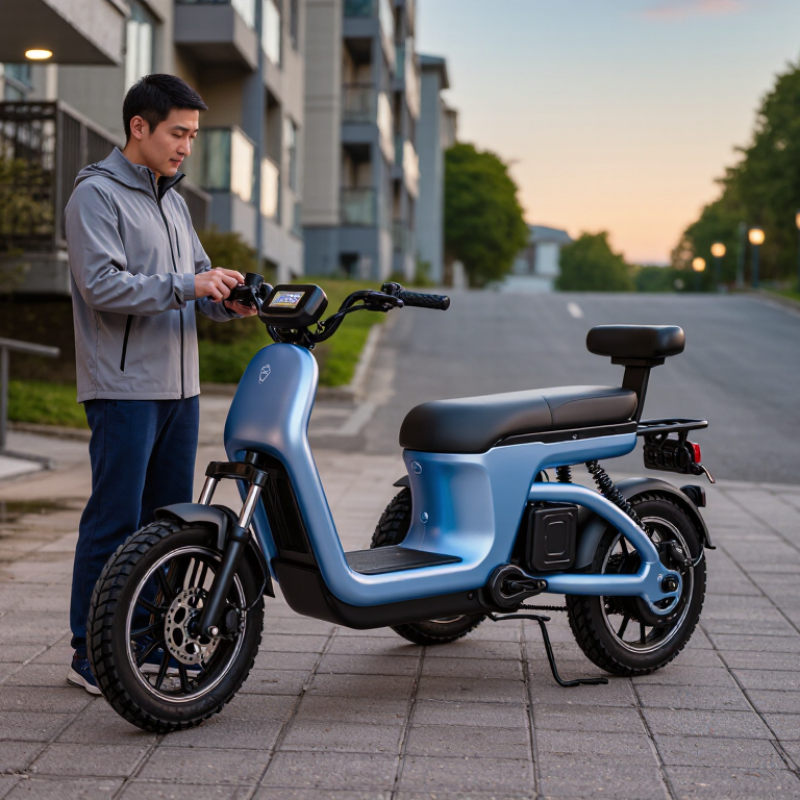
An electric e trike combines three-wheel stability with battery-assisted pedaling. Most models use a rechargeable battery, an electric motor, pedal assistance, and sometimes a throttle. The motor may drive the front or rear wheel. That choice affects traction, steering feel, and hill performance. A low step-through frame can make daily riding easier, especially with groceries or limited mobility. Fit matters. Check the seat height, handlebar reach, and available legroom before judging appearance.
Battery capacity is important, but advertised range is only an estimate. Rider weight, hills, wind, tire pressure, assist level, and cargo can reduce distance noticeably. Range is conditional. Look for a removable battery, clear charging information, and a reliable battery management system. Brakes deserve close attention. Mechanical brakes are easier to service, while hydraulic brakes usually offer smoother stopping power. Test the brake levers, especially when carrying a full load. Lights, reflectors, fenders, and a strong rear rack also improve practical safety.
Handling requires more attention than many buyers expect. A wide rear axle can feel stable, yet tight turns may need extra space. Practice slowly in an empty area. Measure your storage doorway and turning path at home. Check the trike’s weight, payload limit, tire size, suspension, and warranty terms. A heavier frame may feel solid but become difficult to lift. I would not trust a long range claim without checking its testing conditions. There is no perfect setup; comfort, carrying ability, speed, and portability often compete.
Matching an electric trike to your riding needs starts with an honest daily routine. Will you carry groceries, transport tools, or simply enjoy slow neighborhood rides? Measure your usual load, not an imagined one. A wide rear basket helps, but extra weight affects braking, range, and hill performance. If your route includes steep streets, choose a motor with strong climbing support and a battery suited to longer distances.
Comfort matters as much as power. Check whether the seat supports your back and whether the handlebars keep your wrists relaxed. Your feet should touch the ground easily when stopped. Test the turning radius in a quiet parking area. Tight corners can feel surprisingly awkward. I once focused too much on battery capacity and overlooked the seat angle. After thirty minutes, my lower back complained.
Think about storage, charging, and maintenance before buying. Confirm that the trike fits through your doorway or into its storage space. A removable battery may help apartment users, while a fixed battery can offer simpler protection from weather. Ask about replacement parts, brake adjustment, tire availability, and service support. Keep a small margin in the advertised range, because cold weather, hills, heavy cargo, and frequent starts reduce real-world distance. A short test ride is useful, but a longer ride reveals more. Don’t rush it.
How to Choose an Electric E Trike in 2026?
Battery range starts with watt-hours, not marketing claims. Multiply voltage by amp-hours to estimate battery capacity. A 48-volt, 20Ah battery stores about 960Wh. Real range depends on rider weight, hills, tire pressure, wind, and cargo. A practical planning figure is 15–25 watt-hours per mile for moderate riding. Therefore, a 960Wh battery may deliver roughly 38–64 miles. That estimate is imperfect. Cold weather and repeated hill climbs can reduce it sharply. The International Energy Agency’s Global EV Outlook 2024 also highlights how temperature and charging access influence electric vehicle usability.
Motor power needs careful interpretation. Continuous power matters more than a brief peak number. For flat streets, 500–750 watts may feel adequate. Heavy cargo or steep roads demand stronger torque and better heat control. Test the trike slowly on a familiar incline. Notice whether acceleration fades after several minutes. I would not choose solely from the largest advertised motor figure.
Charging requirements can decide daily convenience. The U.S. Department of Energy’s Alternative Fuels Data Center lists household Level 1 charging around 1.4–1.9 kilowatts. A 1kWh battery may need several hours after charging losses. Check the charger’s output, battery connector, ventilation needs, and weather protection. A timer helps avoid forgotten overnight charging. Keep a charging buffer. Ten miles remaining may not equal ten usable miles.
Choosing an electric e-trike in 2026 should begin with your daily movement, not its advertised range. A low step-through frame can make mounting easier for riders with stiff hips or knees. Wide, adjustable handlebars help maintain control without straining the shoulders. Check whether the seat supports your lower back and remains comfortable after thirty minutes. Short test rides can hide pressure points.
Stability depends on more than three wheels. A broad rear axle, balanced battery placement, and predictable steering can reduce unwanted tipping. Test the trike slowly around a corner, then brake on a gentle slope. The controls should remain reachable without releasing the handlebar. Bright lights, reflectors, a horn, and strong brakes improve visibility in busy streets. I once focused too much on motor power and overlooked the brake lever’s small reach. That was an avoidable mistake.
Accessibility also includes storage and charging. Confirm that the trike fits through your doorway, elevator, or storage gate. The battery should be removable if stairs or indoor charging are unavoidable. A clear display with large characters helps riders with limited vision. Ask about service support, replacement parts, and load limits before purchasing. Manufacturer claims still need practical checking. If possible, ride over uneven pavement and stop several times. Your body will notice details that a specification sheet cannot.
| Decision Area | Recommended Target | Why It Matters | What to Check Before Buying | Priority | Best For |
|---|---|---|---|---|---|
| Braking System | Two independent braking controls; strong, progressive braking | Electric trikes are heavier than conventional bicycles, so dependable braking is essential, especially on slopes or with cargo. | Confirm that the front and rear brakes work independently, the levers are easy to reach, and the system stops the loaded trike smoothly without excessive handlebar movement. | Essential | Every rider |
| Parking Brake | A positive-lock parking brake or wheel-lock mechanism | A parked trike can roll away if it is left on an incline or while the rider is mounting. | Test whether the brake remains engaged without constant hand pressure and whether it can be operated while seated. | Essential | Sloped areas; mobility-limited riders |
| Low-Step Accessibility | Low step-through frame with no high top tube | A low entry height reduces the need to lift a leg high and makes mounting and dismounting safer. | Measure the step-over height, check for a wide opening, and confirm that the rider can place both feet securely on the ground when stopped. | Essential | Older adults; limited mobility |
| Seat and Handlebar Fit | Adjustable seat height and reach; upright riding position | Correct fit improves control, reduces strain, and helps the rider maintain a clear view of traffic and surroundings. | At the lowest comfortable seat position, the rider should be able to touch the ground confidently while maintaining a slight knee bend when the pedal is at its lowest point. | Essential | Daily riders |
| Stability and Wheelbase | Wide rear track, low center of gravity, and predictable steering | Three wheels provide static stability, but a trike can still feel unstable during sharp turns or on uneven surfaces. | Ride slowly through turns, avoid abrupt steering, and check whether the frame remains composed when one wheel crosses a small surface irregularity. | Essential | New trike riders; cargo users |
| Turning Safety | Controlled cornering at low speed; no excessive body lean required | Some non-tilting trikes can lift an inside wheel if cornered quickly or sharply, particularly when carrying a high or uneven load. | Practice wide, slow turns in an open area. Keep the load low and centered, and confirm that steering remains manageable at walking speed. | Essential | Urban riding; cargo transport |
| Motor Assistance | Smooth, predictable assistance with several selectable levels | Gradual power delivery is easier to control when starting, turning, maneuvering, or riding near pedestrians. | Test the lowest assistance level, start-up behavior, throttle response if fitted, and whether assistance cuts off when braking. | Important | Mixed terrain; cautious riders |
| Motor Placement | A configuration matched to terrain, load, and rider strength | Different motor layouts affect traction, steering feel, maintenance, and hill performance. | For frequent hills or heavy loads, evaluate low-speed climbing performance. For flat routes, prioritize smooth control and easy handling over maximum output. | Important | Hilly routes; cargo riders |
| Battery and Range | A removable battery and enough capacity for the intended route plus reserve | Real-world range varies with rider weight, cargo, hills, temperature, tire pressure, assistance level, and stop-and-go riding. | Compare the manufacturer’s test conditions with the planned route. Leave a practical reserve rather than relying on the maximum advertised range. | Important | Commuters; long-distance riders |
| Battery Charging | A charging location that is dry, ventilated, secure, and easy to access | Battery weight and charging frequency can affect everyday usability, particularly for riders with limited lifting ability. | Check battery weight, charging time, connector placement, storage temperature guidance, and whether the battery can be removed without bending or excessive force. | Essential | Apartment users; accessibility-focused riders |
| Lighting and Visibility | Front and rear lights, reflectors, and high-visibility surfaces | A wider and slower vehicle needs to be noticed clearly by motorists, cyclists, and pedestrians. | Confirm that lights are powered by the main electrical system or have a dependable independent power source. Check side visibility and reflector placement. | Essential | Road users; evening riders |
| Reflectors and Indicators | Reflectors on all required sides; indicators where legally permitted and useful | Reflective elements improve visibility when lights are not directly facing other road users. | Check local road regulations and ensure that indicators, if fitted, are visible from normal following and side angles. | Important | Traffic-area riders |
| Tire and Wheel Protection | Correct load-rated tires with adequate tread and full inflation | Proper tires support braking, stability, rolling efficiency, and resistance to punctures. | Verify the maximum tire pressure, load rating, replacement availability, and clearance from mudguards or frame parts. | Important | All-weather users; cargo riders |
| Load Capacity | A total rated capacity comfortably above rider and cargo weight | Overloading can lengthen stopping distances, reduce range, affect steering, and compromise frame or component durability. | Add the rider, passengers, accessories, and cargo together. Keep heavy items low, secure, and centered within the specified limits. | Essential | Shopping; delivery; family use |
| Cargo Design | Low, stable cargo platform with secure tie-down points | A low and restrained load reduces unwanted weight transfer and prevents items from shifting during turns or braking. | Inspect the basket or rack attachment, usable dimensions, tie-down points, waterproofing, and whether the cargo obstructs lights or reflectors. | Important | Errands; utility riding |
| Rider Comfort | Supportive saddle, ergonomic grips, usable pedals, and vibration control | Comfort encourages safer, more consistent riding and reduces fatigue on longer trips. | Check saddle width, padding, pedal grip, grip diameter, suspension if fitted, and whether the riding position allows relaxed shoulders and wrists. | Important | Frequent riders |
| Weather Protection | Full mudguards and practical rain-cover compatibility | Mudguards help protect the rider and electrical components from spray, while a cover can extend seasonal usability. | Check mudguard coverage, clearance for wet-road debris, drainage, and whether accessories interfere with visibility or steering. | Helpful | Wet climates; year-round users |
| Controls and Display | Large, readable controls with simple symbols and tactile buttons | Clear controls reduce distraction and are easier to use for riders with reduced vision or hand dexterity. | Test readability in sunlight, button size, menu simplicity, battery indication, assistance selection, and ease of operation while wearing gloves. | Important | Older adults; low-vision riders |
| Reverse or Walk Assistance | Low-speed maneuvering support, if needed and legally compliant | A loaded trike can be difficult to push or turn manually in tight spaces. | Test control placement, speed, stopping behavior, and whether the feature works safely on the intended surfaces. It should not replace careful manual handling. | Helpful | Heavy trikes; limited-strength riders |
| Folding and Storage | A storage footprint compatible with the home, elevator, vehicle, or shed | Many electric trikes are wider and heavier than bicycles, which can make storage and transport challenging. | Measure doorways, elevator entrances, storage spaces, and vehicle loading height. Confirm folded dimensions and lifting points where applicable. | Important | Small homes; car transport |
| Maintenance Access | Accessible tires, brakes, chain or belt, and electrical connectors | Routine inspection helps preserve braking, tire grip, range, and reliability. | Ask about service intervals, replacement parts, diagnostic support, brake adjustment, drivetrain cleaning, and local repair availability. | Important | Long-term owners |
| Safety Certification | Compliance with applicable electrical, battery, and bicycle safety requirements | Verified compliance can reduce electrical and battery-related risks and supports safer use. | Look for documentation relevant to the country or region of use. Confirm that the charger is intended for the battery system and avoid damaged or modified batteries. | Essential | Every buyer |
| Test Ride | A supervised ride with the actual rider and a realistic load | Specifications cannot fully show how a trike accelerates, turns, brakes, fits, or feels at low speed. | Practice starting, stopping, tight turns, reversing, mounting, dismounting, hill starts, and emergency braking in a safe open area. | Essential | Every buyer |
Practical rule: prioritize fit, braking, visibility, stability, and accessibility before speed or extra features. Always follow local traffic regulations and the operating instructions supplied with the electric trike.
Price, Maintenance, and Long-Term Ownership Factors
A low purchase price does not always mean lower ownership cost. Compare the complete package, including the battery, charger, assembly, delivery, and warranty coverage. A suitable electric trike may cost more initially but offer stronger brakes, a sturdier frame, and easier servicing. Check the battery capacity and replacement price before buying. Battery replacement can become a major expense after several years.
Maintenance should fit your daily routine. Inspect tire pressure, brake pads, chain tension, cables, and lighting regularly. These tasks are simple, but they are easy to forget. Ask whether local repair shops can source compatible parts. A custom component may cause long delays. During a test ride, listen for motor noise and feel for loose steering. Small problems often become expensive when ignored.
Long-term comfort matters as much as technical specifications. Measure your storage space and check whether the trike fits through doors or into a lift. Estimate charging costs using your local electricity rate. Leave room in your budget for punctures, annual adjustments, and occasional transport. I would not trust a seller’s range figure without testing hills, cold weather, and extra cargo. Real conditions are less forgiving. A careful ownership plan may expose an uncomfortable truth: the cheapest model can demand the most patience.
List your real trips, cargo, hills, and storage limits. Carrying groceries needs more capacity than relaxed neighborhood riding. Measure your usual load. Do not plan around an imaginary one.
Estimate battery capacity by multiplying voltage by amp-hours. A 48-volt, 20Ah battery stores about 960 watt-hours. Moderate riding may use 15–25 watt-hours per mile. Hills, cold weather, wind, low tire pressure, and cargo reduce range. That estimate can fail.
Flat streets may work well with 500–750 watts. Steep roads and heavy loads need stronger climbing support and sustained torque. Test a familiar incline slowly. Notice whether acceleration weakens after several minutes. Bigger numbers alone prove little.
Check back support, seat angle, handlebar position, and wrist comfort. Your feet should reach the ground when stopped. Test the turning radius in an empty parking area. Tight corners can feel awkward. My battery-focused choice once caused back pain after thirty minutes.
Measure doorways, storage areas, lifts, and turning space. Confirm the trike can pass through without scraping walls. A removable battery helps some apartment users. A fixed battery may offer simpler weather protection. Measure twice.
Check charger output, connector type, ventilation, and weather protection. A 1kWh battery may need several hours after charging losses. A timer can prevent forgotten overnight charging. Keep extra range for unexpected hills. Ten miles remaining may not equal ten usable miles.
Inspect tire pressure, brake pads, chain tension, cables, lights, and steering. Listen for unusual motor noise during a test ride. Ask whether nearby repair shops can obtain compatible parts. Small issues grow. Ignored adjustments can become expensive.
Include the battery, charger, assembly, delivery, warranty, electricity, repairs, punctures, and transport. Check the future battery replacement price. A cheaper trike may have weaker brakes or harder-to-find parts. That is uncomfortable, but important.
Take more than a brief ride if possible. Try hills, turns, braking, cargo, and normal stopping positions. Test it with realistic weight, not an empty basket. Cold-weather performance remains uncertain unless you ride in those conditions. Don’t rush it.
Choosing an Electric E Trike in 2026 starts with understanding its basic design, including the motor, battery, frame, cargo capacity, controls, and braking system. Consider how you plan to ride: daily commuting, shopping, family transport, leisure trips, or use on hills and uneven paths. Battery capacity and real-world range should match your usual distance, while motor power should support your weight, cargo, terrain, and desired speed. Also check charging time, battery access, and whether your home has a convenient charging location.
Safety, comfort, stability, and accessibility are equally important. Look for a balanced frame, reliable brakes, visible lighting, comfortable seating, easy-to-use controls, and practical step-through access. Before buying, compare the total ownership cost, including the purchase price, maintenance, replacement parts, battery life, storage, and insurance requirements where applicable. A well-chosen Electric E Trike should provide dependable performance, simple upkeep, and a comfortable riding experience that suits your needs for years.

Limaotong