A Used Electric Suv can make electric driving more accessible, but choosing one takes more than comparing range figures. Battery condition, charging speed, cabin space, and local service access all matter. So does the climate: cold mornings can reduce driving range, while a family’s actual route may be far shorter than the advertised maximum.
The International Energy Agency’s Global EV Outlook 2024 reports that nearly 14 million electric cars were sold worldwide in 2023, representing about 18% of new-car sales. That figure describes new vehicles, not the used market. Still, it shows how quickly the pool of future pre-owned electric cars is expanding. The IEA’s 2024 report also projected electric-car sales would reach around 17 million that year. Momentum is real. Used-car choices remain uneven between regions.
IEA Executive Director Fatih Birol said, “The growth in electric car sales is unstoppable.” His comment concerns electric cars broadly, not used SUVs specifically, so buyers should not treat it as a guarantee of value. In this guide, we compare ten used electric SUVs through practical checks: usable range, charging convenience, safety equipment, and ownership costs. A glossy screen cannot tell you the battery’s history. Nor can one ranking fit every buyer. Check the vehicle’s records, verify battery-health information where available, and compare local charging options before deciding.
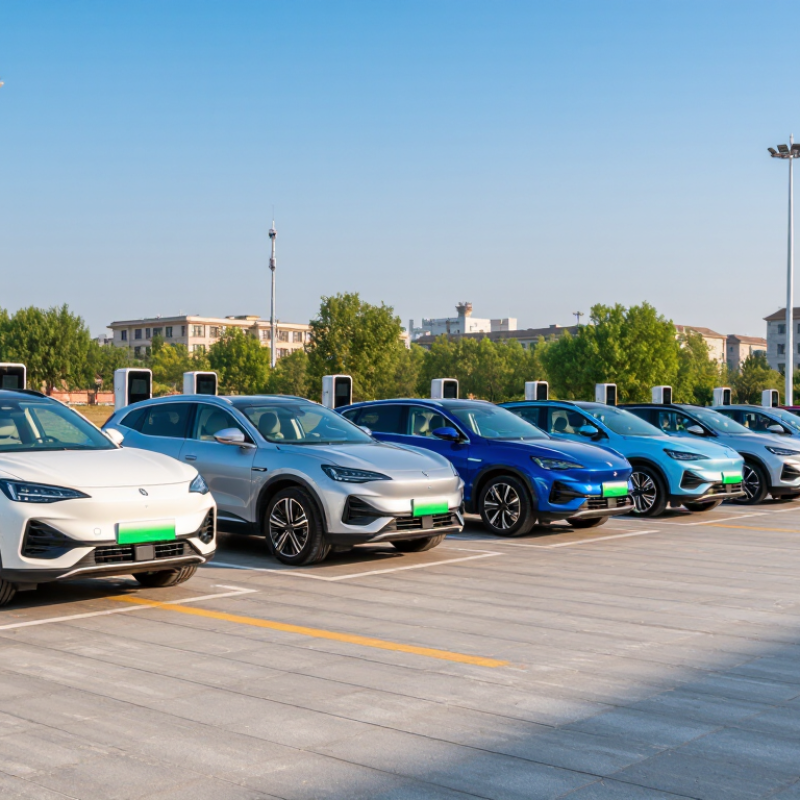
A used electric SUV for global buyers is more than a high-riding vehicle with a battery. It should fit local driving habits, charging access, climate, and road conditions. Check battery health through a written diagnostic report, not a dashboard estimate alone. Inspect the charging port and confirm that nearby public chargers use a compatible connection. Small details matter.
Range varies with speed, temperature, hills, and cabin heating. A vehicle that suits short city trips may feel limiting on long rural routes. Review service records for battery or charging-system repairs, and ask whether replacement parts and trained technicians are available in your area. Ground clearance, rear-seat space, and cargo capacity also deserve a real-world check. I would not rely on one test drive; it can hide a lot.
Tips: Charge the vehicle, then compare its displayed range with your usual weekly mileage. Test the heating or cooling system while parked, and listen for unusual noises on rough pavement. Keep some range in reserve. That is easy to forget.
A used electric SUV’s displayed range is only a starting point. Compare it with the original estimate, then consider temperature, speed, tires, and recent driving. A cold morning can shrink the figure before you leave the driveway. Check the battery’s state of health through a diagnostic report, not just the dashboard. Geotab’s 2024 EV Battery Health Study found average degradation of about 1.8% per year across more than 10,000 vehicles. That is a fleet average, not a promise about one SUV. Ask for service records and investigate sudden drops in reported range.
Charging compatibility can matter as much as range, especially when buying across borders. Confirm the vehicle’s connector, supported charging standards, and maximum AC and DC charging rates. Then check whether local public chargers support them. The International Energy Agency’s Global EV Outlook 2024 reported that public charging points grew by 40% worldwide in 2023, but access remains uneven. A nearby fast charger may still be incompatible or occupied. Check in person.
On a test drive, note the starting charge, distance, weather, and energy use. Repeat the route if possible. A seller’s single range estimate can be misleading, and a battery-health score may hide uneven cell wear. Ask an independent technician to review the diagnostic data before purchase. The extra check costs time. It can prevent expensive surprises.
EPA-rated range for selected 2021 model-year configurations. Vehicle labels are anonymized; actual range varies by configuration.
These figures are new-vehicle EPA estimates, not a promise of today’s used range. Check battery state of health with a diagnostic report, then account for age, climate, driving conditions, and charging history. Confirm the vehicle’s connector, charging-network access, and DC fast-charging capability before buying; range alone does not establish charging compatibility.
Source: U.S. EPA fuel-economy ratings for the corresponding 2021 configurations; labels anonymized.
Comparing used electric SUVs across markets means looking beyond advertised range. Battery health matters more. Ask for a recent battery-health report, service records, and a test drive with the climate control running. A smooth dashboard reading is not proof of a healthy pack.
The International Energy Agency’s Global EV Outlook 2024 reported nearly four million public charging points worldwide in 2023, but access varies sharply by region. Check whether the vehicle’s charging connector and charging speed suit the stations near your home and regular routes. Small mismatches can become daily frustrations.
Climate and driving habits also shape real-world range. Cold weather, hills, highway speeds, and cabin heating can reduce distance between charges. Compare the vehicle’s original range with what the seller can demonstrate, rather than relying on one number. Geotab’s 2024 battery study estimated average battery degradation at about 1.8% per year across its analyzed fleet. That is a useful reference, not a prediction for every vehicle; age, heat, charging patterns, and maintenance all matter. I would leave some uncertainty in any estimate.
Tips: Request an independent battery check. Confirm charging compatibility, available repair support, and warranty transfer terms in your market. Then test the SUV on a familiar route. A little caution helps.
Used electric SUVs differ more by purpose than by badge. The International Energy Agency’s Global EV Outlook 2024 reports nearly 14 million electric-car sales worldwide in 2023, expanding the pool of future used vehicles. Availability and charging access still vary by region.
Battery condition matters more than a glossy range estimate. Geotab’s 2024 fleet analysis found average battery degradation of about 1.8% per year, but individual results vary with heat, use, and charging habits. Ask for a battery-health report and test charging before purchase. Range figures can flatter a spreadsheet; cold mornings and fast roads often tell a less tidy story.
A used electric SUV is a local-market purchase, not just a model comparison. The IEA’s Global EV Outlook 2025 reports that electric-car sales exceeded 17 million worldwide in 2024, topping 20% of new-car sales. That growth should expand future used supply, but inventory, prices, and charging access still vary sharply by region. It varies.
Ownership costs can be lower, but the charging bill depends on local electricity tariffs and access to home charging. Consumer Reports’ 2020 analysis estimated electric-car maintenance and repair costs at about three cents per mile, versus six cents for comparable gasoline cars. That is useful context, not a promise for every used SUV. A battery-health report, service history, and a real-world range check matter; a dashboard estimate alone can mislead.
Regional details can change the deal. Check whether the vehicle’s charging connector suits local public networks, whether its warranty transfers, and whether independent repairs are available nearby. Import duties, incentives, and winter or hot-climate range also affect value. Look for a charging point on your actual commute, not merely on a map. Small inconvenience, repeated daily.
It should match your roads, climate, driving habits, and charging access. Check rear-seat space, cargo room, and ground clearance in person.
Ask for a written battery diagnostic report. A dashboard range estimate alone can be misleading. Review service records for battery or charging-system repairs.
Compare the displayed range after charging with your usual weekly mileage. Speed, hills, temperature, and cabin heating can reduce range. Keep some in reserve.
Not always. Drive on rough pavement, test heating or cooling while parked, and listen for unusual noises. One short trip can hide problems.
Confirm the connector works with nearby public chargers. Check for a charger on your actual commute, not just on a map. That detail matters.
Charging costs depend on local electricity prices and home-charging access. One 2020 analysis estimated lower maintenance and repair costs for electric cars, but that is not a promise for every used SUV.
Check warranty transfer, local repair options, import duties, incentives, and climate-related range changes. Inventory and charging access vary by region. It varies.
Ask whether replacement parts and trained technicians are available nearby. I might focus too much on range, but repair access deserves equal attention.
This guide explains what makes a Used Electric Suv a practical choice for buyers in different parts of the world, from everyday passenger space to dependable electric performance. It outlines how to assess battery condition, estimate real-world driving range, and check whether charging connectors and charging speeds suit local infrastructure. Buyers are also encouraged to compare vehicles by age, mileage, safety features, cargo capacity, and the availability of service and replacement parts.
The guide then presents ten leading categories of used electric SUVs and the strengths that may make each appealing, such as efficiency, comfort, versatility, or longer range. It also considers the full cost of ownership, including purchase price, charging, maintenance, insurance, and potential battery-related expenses. Because vehicle supply, climate, charging networks, and import requirements vary by region, the best choice depends on local conditions as well as personal driving needs.

Limaotong