Choosing the best Electric Smart Car in 2026 is less about chasing the longest range figure and more about matching a car to everyday life. A short commute, a cold winter, and an apartment parking garage can change what “best” means. So can the location of dependable chargers. The right choice should fit your routine, not just look impressive on a specification sheet.
Tesla co-founder Elon Musk wrote in Tesla’s 2006 master plan that the company aimed to “help expedite the move from a mine-and-burn hydrocarbon economy towards a solar electric economy.” That ambition helps explain the appeal of electric vehicles, but it does not settle which model is right for you. Buyers still need to compare real-world range, charging speed, safety features, cabin space, software support, warranty terms, and total ownership costs. Details can vary by trim and market, so current manufacturer information matters.
Small details count. Can a child’s car seat fit behind the driver? Is there room for groceries beneath the rear hatch? These are not glamorous questions, yet they can decide whether a car feels smart after the first week. No single winner. This guide weighs practical strengths and trade-offs, while treating advertised range and clever technology with healthy skepticism. A polished screen cannot make a poor charging routine convenient. The best Electric Smart Car is the one that works reliably for your actual journeys—and still makes sense when the novelty wears off.
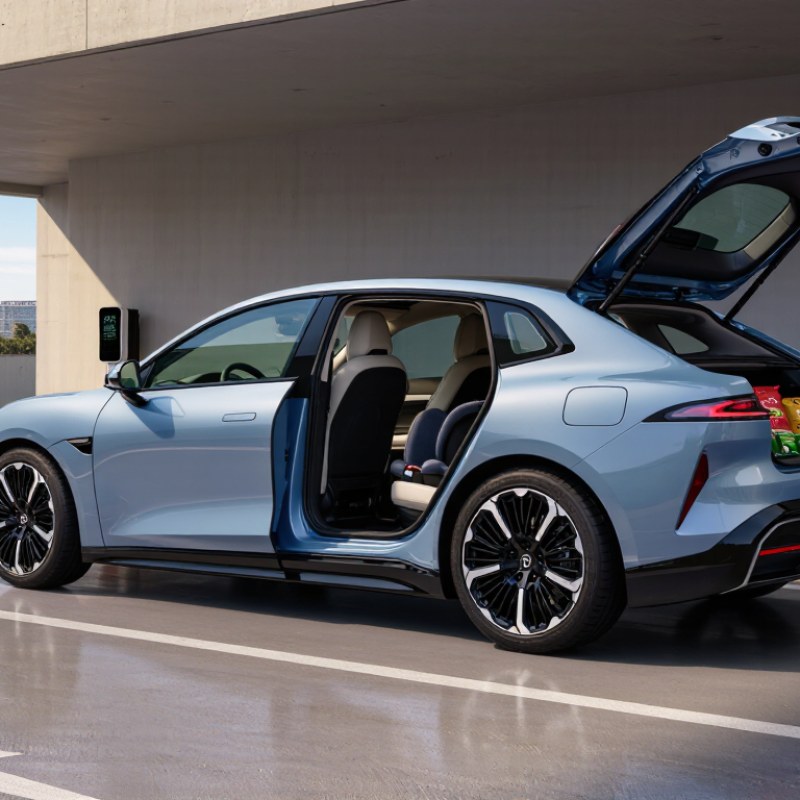
What counts as an electric smart car in 2026? The phrase has no single technical definition. It usually describes a battery-powered car designed for urban use, with connected features that make daily driving easier. A small footprint helps with narrow streets and tight parking spaces. An electric drivetrain means the car moves using stored battery energy rather than a gasoline engine.
“Smart” should mean more than a large touchscreen. Look for clear battery-range estimates, route planning that includes charging stops, and reliable phone connectivity. Helpful driver-assistance features can reduce stress, but they do not replace attention behind the wheel. Check whether the controls feel simple while parked and easy to understand on the road. Software can improve a car, though updates and menus may sometimes frustrate owners. That part is easy to overlook.
Tips: Compare usable range with your real routine, not an ideal trip. Check charging access at home or nearby. Test the rear seat, cargo space, and visibility in person. Ask how long common charging takes, and read the warranty terms carefully. A compact car may feel perfect downtown but cramped with passengers or bulky shopping. The “smart” label can be fuzzy. Your daily needs are not.
A useful comparison starts with the places you actually drive. Measure the car’s width against your parking space, then check whether its turning circle suits narrow streets. Small dimensions matter more than a flashy screen when parallel parking beside a delivery van. Sit in the rear seat, too. A compact car can feel roomy up front and cramped behind. Small details count.
Range should be judged against your regular route, not a headline figure. Compare expected energy use in cold weather, highway traffic, and stop-and-go commutes. Then check charging options at home and near work, including connector type and typical charging time. Safety features deserve a practical check: can you adjust alerts easily, and do cameras remain clear in rain? Review warranty terms, service access, and insurance estimates before comparing prices. A low purchase price may not mean low ownership costs. I may give cabin technology too much weight; a calm test drive can expose that bias. Try the controls while parked, and notice whether essential settings take several taps. Feel the difference.
For an electric smart car, advertised range is only a starting point. Compare the estimated distance with your regular commute, then leave room for cold weather, highway speeds, and cabin heating. A 40-mile round trip may feel easy in mild weather but tighter on a frosty morning. Check independent range tests where available, not just the dashboard estimate. Real use varies.
Charging convenience can matter more than a headline range figure. Look for the car’s maximum charging speed, compatible public charging options, and a clear route planner. If you can charge at home, note how long a typical overnight session takes with your electrical setup. Without home charging, map reliable stations near work and errands. A fast charger is less useful when it is often occupied or out of service.
Safety deserves careful checking. Review recent independent crash-test results, then examine whether emergency braking, blind-spot alerts, and lane assistance are standard or optional. Smart features should make ordinary tasks simpler, not distract the driver. Try voice controls, phone pairing, and navigation before buying; menus can look polished yet feel clumsy on the road. Ask how long software updates are expected and what data connected services collect. I would not choose on screen size alone. A quiet cabin and clear controls count.
The best electric smart car is not necessarily the one with the lowest purchase price. Compare the full cost, including financing, insurance, home-charging equipment, and expected resale value. Ask for written quotes; monthly payments can hide a costly deal. That matters.
Running costs depend on where and when you charge. Home charging is often convenient, but electricity rates vary, and public rapid charging can cost more. Check the vehicle’s efficiency figures, then compare them with your local tariffs. Treat official range as an estimate, not a promise: cold weather, heating, speed, and short trips can change real-world results. I would keep a small buffer in the budget for tires and repairs, too. Those costs are easy to overlook.
Everyday practicality is personal. Measure the parking space, check whether a child seat fits, and try loading the groceries you actually buy. A compact car may feel nimble on narrow streets, yet its rear seats or luggage area could become frustrating on weekends. Take a familiar route before deciding, including a stretch of faster road. A quiet cabin is pleasant. A charging stop at the wrong time is not. I might still choose a less convenient option for a lower price, but that trade-off deserves an honest look.
| Vehicle profile | Indicative new-car price (USD) | Approx. EPA range | Estimated annual charging cost | Everyday practicality | Best suited to |
|---|---|---|---|---|---|
| Small electric hatchback | $29,000–$35,000 | 150–220 miles | $480–$640 | Usually seats five; compact footprint makes parking easy. Cargo space is more limited than in a crossover. | City and suburban drivers with home charging and mostly short daily trips. |
| Compact electric crossover Best all-around balance |
$34,000–$40,000 | 250–320 miles | $520–$620 | More flexible cargo space and easier entry than a hatchback, while remaining manageable for daily use. | Most households wanting one practical car for commuting, errands, and occasional longer trips. |
| Efficient electric sedan | $38,000–$46,000 | 300–350 miles | $460–$510 | Strong highway range and low energy use; the lower roofline and trunk opening may be less convenient for bulky loads. | Commuters who drive longer distances and prioritize range and energy efficiency. |
| Premium compact electric crossover | $42,000–$52,000 | 280–330 miles | $565–$685 | Typically offers a more upscale cabin and additional comfort features, but costs more to buy and may use more electricity. | Drivers who value cabin refinement and equipment over the lowest ownership cost. |
| Small electric city car | $25,000–$32,000 | 100–160 miles | $640–$800 | Very easy to park and maneuver; limited range, passenger room, and cargo capacity make it less versatile. | Urban drivers with predictable routes, convenient charging, and access to another car for longer trips. |
The best electric smart car in 2026 depends less on a headline range figure than on your daily routine. For a solo commuter, a compact cabin and easy parking may matter more than rear-seat space. Check whether the car fits your usual parking spot, then test its visibility on narrow streets. Short trips make modest range practical. Long highway drives call for more reserve, because speed, cold weather, and heating can reduce real-world distance. Numbers on a screen are only a starting point.
Families should sit in the back and load their regular bags before deciding. Bring the stroller. A small cargo opening can make an otherwise clever car frustrating. Apartment residents should confirm where they can charge, and how often, before buying. Home charging is convenient, but public charging plans deserve a realistic trial. Drivers in colder regions should ask about winter range and cabin preconditioning. A test drive should include rough pavement, tight turns, and a quiet stretch of road. Pay attention to seat comfort and controls, not just acceleration. I would be cautious about choosing the smallest option purely to save money. It may suit today’s commute, but life changes—and that is easy to underestimate.
Matching electric cars to different drivers starts with choosing a range that fits your daily travel and charging access.
How to read this: These approximate EPA-rated range bands represent broad vehicle-use categories in the U.S. market, not guarantees for a specific 2026 model. Cold weather, speed, terrain, and climate control can reduce real-world range. City drivers may be comfortable with a shorter range; frequent highway travelers may prefer more buffer.
Compare it with your usual trips, then allow extra distance for cold mornings, highway speeds, and cabin heating. A 40-mile commute may feel different in winter. Real-world range varies.
Check charging speed, compatible stations, and route-planning tools. Look for reliable chargers near work and errands. A fast charger is less helpful when it is occupied.
No, but it can make daily charging easier. Check how long an overnight charge takes with your home electrical setup. Without home charging, plan around nearby stations.
Review recent independent crash-test results. Check whether emergency braking, blind-spot alerts, and lane assistance are included or optional. Try the controls, too.
They can help with navigation, phone pairing, and voice controls. Test them while parked before deciding. A polished screen can still feel awkward to use.
Compare financing, insurance, charging equipment, and expected resale value. Ask for written quotes; monthly payments can hide the total cost. Leave room for tires and repairs.
Compare the car’s efficiency with local electricity rates. Home charging is often convenient, while public rapid charging may cost more. Official range is not a promise.
Measure your parking space, test a child seat, and load your usual groceries. Drive a familiar route, including faster roads. I might still choose a smaller car, but weekend luggage could become a problem.
Choosing the best Electric Smart Car in 2026 depends on how well it fits your daily needs, not just its headline specifications. A useful comparison starts by considering what makes a car electric and smart, then weighing driving range, charging options, safety systems, and connected features. Look at how the car is likely to perform on your usual routes and whether charging access suits your home, workplace, or other regular destinations.
Price is only part of the decision: compare expected running costs, cabin and cargo space, comfort, and ease of everyday use as well. Drivers with short commutes may prioritize affordability and convenient charging, while frequent travelers may value longer range and flexible charging. Families or people carrying equipment may need more room and practical features. The best choice is the one that balances capability, cost, and comfort for the way you actually drive.

Limaotong