The electric auto market in China is rapidly evolving, capturing global attention. Experts predict significant growth in the coming years, especially for international buyers. Renowned automotive analyst Dr. Li Wei states, "China is leading the electric auto revolution with innovative designs and advanced technology."
As we look toward 2026, many global buyers are eager to explore which electric autos will define the market. Electric vehicles in China are not just about eco-friendliness; they represent a fusion of cutting-edge technology and consumer demands. Chinese manufacturers are adopting strategies that could redefine global standards.
However, challenges exist. Competition is fierce, and not every manufacturer will succeed. Buyers should remain discerning. The landscape is exciting, yet uncertain. An informed choice will be crucial for those wanting to invest in China’s electric auto industry. The future looks bright, yet reflection on how these vehicles will fit into the global market is necessary.
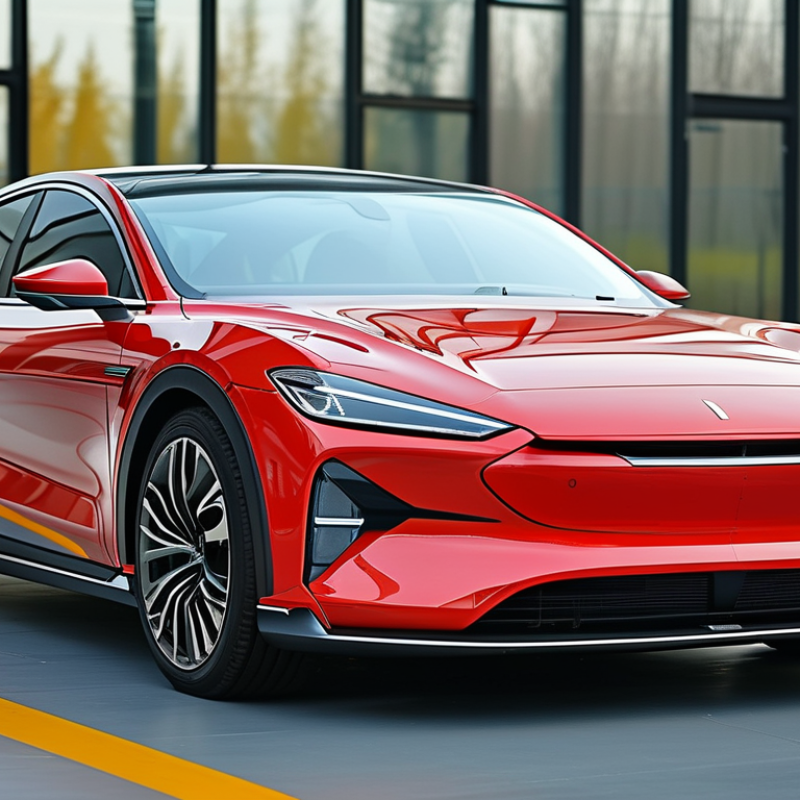
Overview of the Electric Vehicle Market in China for 2026
In 2026, the electric vehicle (EV) market in China is set to become a dynamic landscape for global buyers. Innovation is at the forefront, with a diverse range of models catering to various consumer needs. The adoption rate of electric vehicles continues to rise sharply, reflecting a growing environmental consciousness among Chinese consumers and authorities. Additionally, advancements in battery technology are enhancing vehicle performance and reducing charging times.
However, challenges remain. Infrastructure for charging stations is expanding but still unevenly distributed across urban and rural areas. There are concerns regarding battery lifecycle management as well. The market faces potential oversaturation with numerous new entrants competing for consumer attention. Understanding which vehicles or brands are truly reliable can be daunting for international buyers.
Despite these hurdles, China's EV market showcases opportunities for well-informed consumers. By analyzing trends and consumer feedback, global buyers can navigate this vibrant landscape. Resources and community forums may offer insights, but the learning curve can be steep. It is essential to stay updated on evolving regulations and technological advancements.
Best Electric Autos in China for Global Buyers 2026
| Model |
Range (km) |
Battery Capacity (kWh) |
Charging Time (hours) |
Price (USD) |
Safety Rating |
| Model A |
650 |
75 |
1.5 |
35,000 |
5 Stars |
| Model B |
500 |
65 |
1.2 |
30,000 |
4 Stars |
| Model C |
700 |
80 |
1.8 |
40,000 |
5 Stars |
| Model D |
300 |
50 |
0.8 |
25,000 |
3 Stars |
| Model E |
400 |
55 |
1 |
28,000 |
4 Stars |
Top Electric Auto Brands in China: A Global Perspective
As the electric vehicle (EV) market in China continues to expand, global buyers are finding a wealth of options. According to recent industry reports, China's EV sales surged by over 50% in 2022, accounting for more than 55% of the global total. This represents a significant shift, positioning China as a leader in the electric auto sector. The nation's commitment to reducing carbon emissions and promoting sustainable transport fuels innovation within the industry.
Several Chinese brands have emerged as key players, focusing on advanced technology and affordability. In a market where price sensitivity remains high, many consumers are searching for reliable electric autos that offer value for money. Data indicates that approximately 45% of international buyers prioritize cost-effectiveness when choosing EVs. While many electric models boast impressive ranges, some suffer from inconsistent charging infrastructure, which remains a significant barrier. Buyers are often torn between performance and practicality, highlighting the need for further development in charging networks nationwide.
Diversity in design and functionality also catches buyers' attention. From compact city cars to larger family models, options are abundant. However, challenges persist. Quality assurance, longevity, and after-sales support can vary significantly among brands. Continuous consumer feedback underscores the discrepancies in buyer experiences, prompting discussions about the need for standardization and regulatory oversight. As the market matures, addressing these concerns becomes essential for fostering global confidence in Chinese electric vehicles.
Key Features and Innovations in China's Electric Autos
China's electric vehicle market is rapidly evolving, driven by innovation and consumer demand. In 2023, the sales of electric autos surged by over 50%, indicating a robust market that global buyers can't ignore. A key feature of these vehicles is impressive battery technology. Many models now offer a range of over 500 kilometers on a single charge. This performance reflects advancements in lithium-ion and solid-state batteries.
Charging infrastructure is another crucial innovation. By 2026, China aims to expand its network to 2 million charging stations. This growth will enhance the convenience of owning an electric vehicle, making it more appealing to global buyers. Furthermore, vehicles are increasingly equipped with smart technology, from autonomous driving features to comprehensive infotainment systems. Reports suggest that nearly 30% of electric vehicles sold in China are equipped with advanced driver-assistance systems, elevating safety and user experience.
Despite the rapid advancements, challenges remain. Not all regions have equal access to charging solutions. This inconsistency may deter potential buyers. Additionally, quality control issues have arisen, leading to recalls and repairs. Addressing these concerns is vital for sustaining consumer trust and market growth. As the industry continues to evolve, these reflections on current innovations will shape the future of electric autos in China and beyond.
Comparison of Prices and Performance for Global Buyers
As global buyers look towards the future, electric vehicles (EVs) from China are more appealing than ever. The competition is fierce among manufacturers, driving prices down while enhancing performance. This dynamic landscape presents a range of options, catering to different budgets and preferences.
Performance metrics vary widely, with some vehicles achieving impressive ranges and rapid charging capabilities. Buyers should closely examine these aspects, as they impact daily usability.
Price is a crucial element in evaluating electric autos. While entry-level models may seem budget-friendly, mid-range vehicles offer advanced features and enhanced performance. The gap in price often reflects differences in battery technology and included amenities.
Not all options guarantee reliability; potential buyers must assess reviews and user feedback. Exploring online forums can reveal common issues faced by owners, especially with less established brands.
Investing in an electric vehicle demands thoughtful consideration. Newer models may promise cutting-edge tech but can also have untested performance reliability. Understanding the long-term costs, including maintenance and charging, is necessary for informed decision-making. Global buyers must weigh their options meticulously, balancing price, performance, and the evolving nature of electric vehicle technology.
Future Trends in China's Electric Vehicle Industry for International Consumers
China's electric vehicle (EV) industry is rapidly evolving. The global demand for eco-friendly autos is driving innovations here. Consumers can anticipate advanced technologies in areas like battery efficiency and autonomous driving. These developments cater well to the needs of international buyers.
One emerging trend is the integration of smart features. These features enhance user experience and increase safety standards. For instance, many models now offer real-time data analytics. This helps drivers monitor vehicle performance and usage patterns. As features become more sophisticated, the challenge remains to ensure reliability. Testing protocols must adapt to avoid potential malfunctions in real-world conditions.
Buyers should consider exploring models with versatile charging options. Fast-charging capabilities are becoming crucial. They greatly improve convenience. Users should research the range capabilities carefully too. Some models may promise high range but deliver less in practical scenarios. Always look for user reviews to understand the actual performance. Remember, in the fast-changing EV market, staying informed is essential for making smart decisions.
FAQS
: Buyers should evaluate price, performance, and reliability. They need to assess features and user feedback carefully.
Yes, fierce competition among manufacturers is driving prices down. There are options for various budgets and preferences.
Charging infrastructure is uneven across urban and rural areas. Battery lifecycle management also poses concerns for consumers.
Buyers should read reviews and explore online forums. This can reveal potential common issues with less established brands.
Long-term costs include maintenance and charging. These factors greatly impact the overall value of the electric vehicle.
Advances in battery technology are enhancing performance and reducing charging times. This contributes to a better user experience.
Analyzing trends and consumer feedback is essential. Staying updated on evolving regulations can also help in decision-making.
Not all entry-level models guarantee reliability. Mid-range options often offer better features and performance.
Buyers may focus too much on the initial price rather than long-term performance and costs. This can lead to regret later.
Yes, numerous new entrants may make choosing the right vehicle daunting for consumers. Competition is intense in this market.
Conclusion
The electric vehicle market in China is rapidly evolving, positioning itself as a focal point for global buyers by 2026. This landscape is characterized by a diverse range of electric autos that incorporate cutting-edge features and innovative technologies, catering to the increasing demand for sustainable transportation options. As consumers seek reliable and efficient electric autos, the market showcases significant advancements in battery performance, smart connectivity, and safety features that enhance overall driving experiences.
For international consumers, a comprehensive comparison of prices and performance reveals a competitive edge within China’s electric auto offerings. The industry is poised for future trends, such as the integration of autonomous driving capabilities and improved charging infrastructure, further solidifying China's role in the global electric vehicle market. As international buyers assess their options, understanding these dynamics will be key in making informed decisions in the burgeoning electric auto sector.

 Limaotong