What Is the Best China Electric Mini Car for Global Buyers?

Time:2026-10-21 Author:Isabella
0%

Choosing the best Electric Mini Car for global buyers requires more than comparing prices and advertised range. A small body may suit crowded streets, narrow parking spaces, and short urban commutes. However, buyers must examine battery chemistry, charging time, cabin protection, software support, and after-sales service. Real-world details matter. Can the car climb a steep garage ramp? Does the heater reduce winter range sharply? These questions often reveal more than a polished brochure.

This guide evaluates Electric Mini Car options through practical ownership experience and verifiable technical information. It considers driving range under realistic conditions, battery warranty terms, crash-test evidence, spare-parts availability, and charging compatibility. Market access also matters. A vehicle designed for one country may need different safety equipment, lighting, connectors, or certification elsewhere. Local regulations should always be checked before purchase. Import costs can also change the final value significantly.

No shortlist is perfect. Specifications can mislead. A claimed 300-kilometre range may feel much lower in cold weather, heavy traffic, or frequent uphill driving. A low purchase price may conceal limited service coverage or expensive replacement parts. Buyers should request clear documentation and compare independent inspections whenever possible. This approach helps separate a genuinely practical city car from a tempting but difficult import. The best choice is not always the fastest or cheapest model. It is the one that fits daily travel, local infrastructure, safety expectations, and long-term ownership needs. Real roads decide.
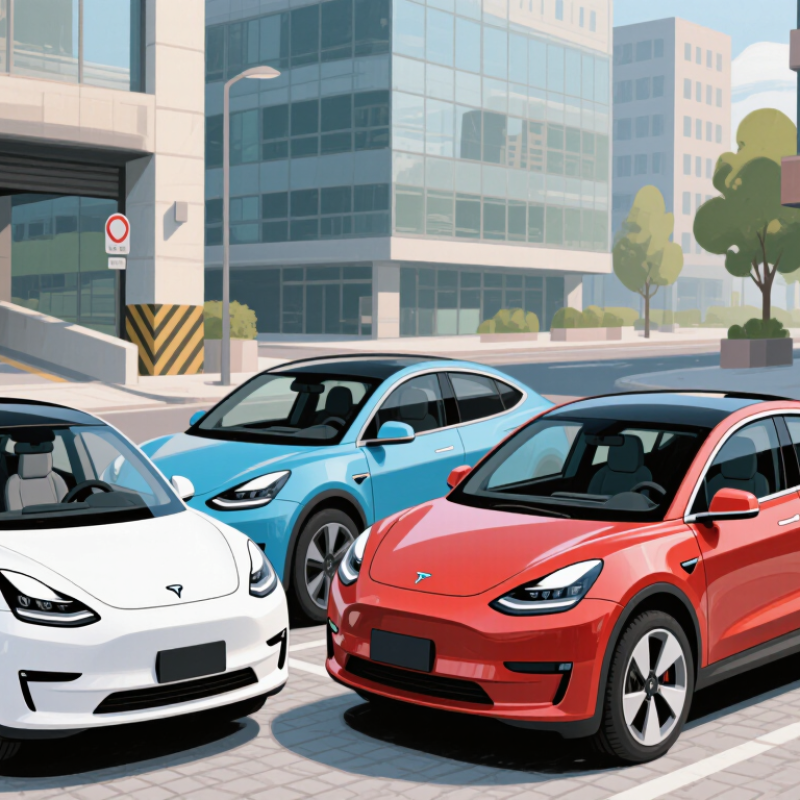
What Is the Best China Electric Mini Car for Global Buyers?

What Defines a China Electric Mini Car for Global Buyers?

What Is the Best China Electric Mini Car for Global Buyers?

What Defines a China Electric Mini Car for Global Buyers?

A China electric mini car is more than a small vehicle with a battery. It must fit narrow streets, limited parking, and short daily commutes. Many models use compact bodies, modest power, and batteries below 30 kWh. That design can reduce weight and energy use. It can also limit highway range.

The International Energy Agency reported nearly 14 million electric car sales worldwide in 2023. China accounted for about 60% of those sales. This scale supports competitive battery and production costs. BloombergNEF reported average lithium-ion battery prices of 115 dollars per kWh in 2023. However, a low purchase price does not guarantee global value. Buyers should check charging compatibility, battery warranty, spare-part access, and repair training.

Safety and approval define a serious export vehicle. Global buyers should look for documented crash testing, battery protection, electromagnetic compatibility, and local type approval. A vehicle approved for one market may not satisfy another market’s rules. The United Nations Economic Commission for Europe provides technical frameworks covering several vehicle systems. Yet paperwork alone is not enough. Door seals, cabin heating, and corrosion protection matter in daily use. I have seen compact vehicles promise easy ownership, but service networks remained unclear. That gap deserves honest attention. Range figures also need caution, because cold weather, passengers, and heating can reduce practical distance.

What Defines a China Electric Mini Car for Global Buyers?

For global buyers, the most important benchmark is practical driving range. China electric mini cars commonly target urban use, while export-oriented models generally offer larger batteries, higher speeds, stronger safety equipment, and better suitability for regional travel.

The figures represent typical category-level advertised range bands for electric mini cars and related small EVs. Actual range varies according to testing standard, battery size, speed, temperature, payload, and road conditions.

How China Electric Mini Cars Differ in Size, Range, and Performance

Choosing the best China electric mini car starts with its real dimensions, not its marketing label. “Mini” can describe very different vehicles. Some are under 2.6 meters long, while others approach 3.3 meters. That difference affects parking, cabin space, and stability on faster roads. A short wheelbase makes tight city turns easy, but it can reduce rear-seat comfort. Measure your usual parking space and check door clearance carefully. Small details matter.

Range also changes with battery size, temperature, speed, and passenger weight. A model claiming 200 kilometers may deliver less during winter traffic or sustained highway driving. Weather changes everything. Buyers should compare tested range figures under similar conditions, rather than trusting one headline number. Charging speed deserves equal attention. A smaller battery may charge cheaply and quickly, but frequent long trips can become inconvenient. Performance is usually designed for urban use, with modest acceleration and controlled top speeds. That can feel calm in crowded streets, yet underpowered on steep roads or highways. I once underestimated this trade-off; a smooth test drive did not reveal how slowly a small motor climbed with four passengers. Verify hill performance, braking response, battery warranty, safety equipment, and local compliance before purchase. Specification sheets can be incomplete.

Which Safety and Charging Features Should Buyers Evaluate?

What Is the Best China Electric Mini Car for Global Buyers?

Safety should be assessed before range or styling. The IEA’s Global EV Outlook 2024 reports that China sold about eight million electric cars in 2023. That scale is impressive, but it does not guarantee equal safety performance across every mini car. Buyers should request independent crash-test results, not only laboratory brochures. Check for airbags, electronic stability control, seat-belt pretensioners, child-seat anchors, and strong passenger-cell construction. Battery protection also matters. Ask whether the pack has thermal-propagation testing, cell monitoring, underside shielding, and a documented emergency response procedure. Small dimensions can help urban parking. They can also reduce impact protection.

Charging details deserve equal attention. Confirm the connector standard, onboard charger rating, voltage range, and compatibility with local public chargers. IEC 62196 and IEC 61851 references can clarify connector and charging-system compliance. A 20 kWh battery with a 6.6 kW AC charger may need roughly three to four hours, excluding charging losses. DC charging is useful, but only when local infrastructure supports the vehicle’s connector and voltage. The IEA notes that China has built a very large public charging network, yet network design differs significantly between countries. Buyers should also examine battery-warranty terms, software-update support, waterproofing, and charging protection against overheating. Numbers can mislead. Some specifications remain unclear until tested in cold weather, heavy rain, or crowded city traffic.

What Is the Best China Electric Mini Car for Global Buyers? - Which Safety and Charging Features Should Buyers Evaluate?
Evaluation Dimension Verified Technical Reference What Global Buyers Should Check Why It Matters
Vehicle Homologation Electric vehicles may need to comply with the destination market's vehicle type-approval rules, including requirements for lighting, braking, crash protection, electromagnetic compatibility and electrical safety. Request the applicable approval documents, conformity records and VIN-related information before purchase or import. A vehicle designed for one market may not be legal or registrable in another market.
Crash-Test Evidence Independent crash-test programs evaluate occupant protection, child protection and vulnerable-road-user protection. Results are not automatically transferable between vehicle versions or markets. Check whether the exact body style, battery version and model year have been independently tested. Small dimensions do not by themselves indicate adequate crash protection.
Passive Safety Structure Important features include a reinforced passenger cell, front and side impact protection, load paths, airbags and three-point seat belts. Confirm the number and location of airbags, seat-belt pretensioners, load limiters and ISOFIX child-seat anchors. Structural protection and restraint systems help reduce injury severity during a collision.
Electronic Stability Control Electronic stability control helps correct understeer or oversteer by selectively applying the brakes and managing drive torque. Verify that stability control, traction control and anti-lock braking are fitted as standard rather than optional equipment. These systems are particularly useful on wet, icy or uneven roads.
Battery Safety High-voltage battery safety involves cell monitoring, temperature sensors, isolation monitoring, over-current protection and a battery management system. Ask for battery test documentation, warranty conditions, thermal-event protection information and details of the battery-management system. Battery monitoring and isolation protection help reduce electrical, overheating and fire-related risks.
Battery Chemistry Lithium iron phosphate batteries are commonly valued for thermal stability and cycle durability, while other lithium-ion chemistries can provide higher energy density. Compare usable capacity, warranty limits, temperature performance, charging restrictions and replacement cost instead of judging chemistry alone. Usable range, service life, weight and safety depend on the complete battery design.
Water and Dust Protection IP ratings defined under IEC 60529 describe protection against solids and water for a specific component or enclosure; they do not automatically describe the entire vehicle. Look for the stated IP rating of the battery pack, charging inlet and high-voltage components, and check the conditions under which it applies. Clear protection ratings are important for rain, flooding, washing and humid climates.
Charging Connector AC charging connectors differ by region. Type 2 is widely used in Europe and many other markets, while other regions may use different AC or DC connector standards. Confirm connector compatibility with local public chargers and home charging equipment before ordering. An incompatible inlet can make public charging difficult or require an additional certified adapter.
AC Charging AC charging power depends on the vehicle's onboard charger, the supply circuit and the charging station. Single-phase and three-phase systems have different power capabilities. Check the maximum AC input in kW, charging voltage, phase requirements and whether a portable charging cable is included. AC charging is often the most practical and affordable method for overnight home charging.
DC Fast Charging DC fast charging sends direct current to the battery through external charging equipment. Actual power normally varies with battery temperature, state of charge and charger capacity. Verify whether DC charging is supported, the maximum DC power, the connector type and the stated charging curve rather than only a peak value. DC charging can improve long-distance usability, but it may be unavailable on lower-cost mini cars.
Charging Time Approximate charging time is influenced by battery capacity, charging power, charging losses, temperature and the starting state of charge. Compare real-world time from a defined battery percentage, such as 20% to 80%, and distinguish AC time from DC time. A quoted “fast charge” time is not meaningful without the charging range and test conditions.
Home Charging Protection Home charging should use a correctly rated circuit with appropriate protective devices, grounding and residual-current protection. Have a qualified electrician check the local installation and confirm compatibility with the vehicle's supplied charging equipment. Improper wiring, overloaded sockets or inadequate protection can create electrical and fire hazards.
Range Transparency Official range figures are obtained under a specified test cycle and can differ substantially from practical range because of speed, temperature, payload, heating and air conditioning. Compare the test standard used, usable battery capacity and expected range in the buyer's climate and traffic conditions. Transparent range data prevents unrealistic expectations, especially in cold or hot weather.
Cold- and Hot-Weather Performance Low temperatures can reduce available power and regenerative braking, while high temperatures can increase cooling demand and charging limitations. Check whether the battery has active thermal management, pre-conditioning and charging limits for the intended climate. Climate control and battery temperature management affect safety, range and charging consistency.
Regenerative Braking Regenerative braking converts part of the vehicle's kinetic energy into electrical energy, but its strength can be limited by battery temperature or high state of charge. Evaluate whether the vehicle offers adjustable regeneration, predictable brake blending and a conventional friction-braking backup. Consistent braking behavior is more important than maximum regeneration strength.
Advanced Driver Assistance Systems such as automatic emergency braking, lane-departure warning, blind-spot monitoring and parking sensors may be available depending on the vehicle specification. Confirm the exact functions, operating speeds, sensor types and whether they are standard in the destination-market version. Marketing terms can describe different levels of assistance; drivers remain responsible for controlling the vehicle.
Software and Connectivity Connected features may rely on regional mobile networks, cloud services, smartphone applications and data permissions. Check whether remote charging control, software updates, navigation and emergency services work in the destination country. A feature can become unavailable if the vehicle's communication system is region-locked.
Warranty and Battery Support Vehicle and high-voltage battery warranties can have different time, mileage, capacity-retention and geographic conditions. Review the battery warranty, service location, permitted repair procedures, coverage exclusions and transferability. Local support and documented battery coverage can affect total ownership cost more than the initial price.
Replacement Parts and Repairs High-voltage systems require trained technicians, insulated tools and approved diagnostic procedures. Confirm access to parts, repair manuals, diagnostic support and qualified service providers in the buyer's region. Limited service capability can increase downtime and repair costs after a minor accident or battery fault.
Payload and Road Use Usable payload includes occupants, luggage and accessories. Speed limits, vehicle classification and road access rules vary by country. Check the certified gross vehicle weight, seating capacity, maximum speed, tire specification and local road-use classification. A mini car suitable for urban trips may not be appropriate for motorways, steep terrain or heavy loads.
Note: Buyers should verify the exact specification, certification and charging compatibility of the vehicle version intended for their destination market.

How Price, Regulations, and After-Sales Support Affect Buying Decisions

For global buyers, the best China electric mini car is not always the cheapest option. A low factory price can hide shipping, insurance, import duties, testing fees, and registration costs. Buyers should request a complete landed-cost estimate before comparing vehicles. Include the charger, spare tire, connector type, and battery warranty. A difference of several hundred dollars may disappear after delivery.

Regulations can change the decision completely. A vehicle approved for one market may not qualify for road use elsewhere. Check speed limits, lighting standards, crash requirements, battery documentation, and left- or right-hand traffic rules. Confirm whether the vehicle needs individual inspection. Local authorities should verify these details before payment. Product pages are not legal approval.

After-sales support deserves equal attention. Ask whether replacement batteries, controllers, brake parts, and glass are available locally. Request warranty terms in writing, including labor coverage and shipping responsibility. A remote technician may solve a software fault, but not a damaged charging port. Response time matters when the car supports daily commuting. A useful question is: who repairs it after the first year? Some buyers focus heavily on purchase price and overlook downtime. I would also request service records from existing customers, although independent evidence can be difficult to obtain. Practical support may matter more than a glossy specification sheet.

How to Choose the Best China Electric Mini Car for Your Market

Choosing the best China electric mini car starts with your market, not the lowest factory quote. The IEA’s Global EV Outlook 2024 reported more than 14 million electric car sales worldwide in 2023. China accounted for nearly 8 million of them. That scale creates attractive prices, but specifications still vary sharply.

Check local approval rules, crash requirements, charging plugs, and warranty obligations before comparing range. A vehicle rated under China’s CLTC cycle may achieve less in colder weather or on motorways. Ask for independent testing, battery warranty terms, repair manuals, and spare-parts lead times. Important details matter. A 20-minute charging claim is useless if your market lacks compatible high-power stations.

Battery chemistry also deserves attention. BloombergNEF reported an average global lithium-ion battery pack price of 139 US dollars per kWh in 2023. Lower costs can improve affordability, but they may hide compromises in thermal protection, cabin insulation, or suspension tuning. Review total ownership cost, including shipping, tariffs, certification, insurance, servicing, and software support. In fleet trials, measure winter range, turning radius, door durability, and payload with real equipment. Do not trust brochure range alone.

The smallest car may not be the best fit. A narrow body suits dense streets, yet poor seat adjustment can frustrate taller drivers. A simple cabin can reduce faults, though weak ventilation may fail in humid climates. I would also request a small pilot shipment before committing. It costs more initially, but assumptions often cost more later. Use independent reports, local technicians, and customer feedback together; no single data sheet tells the whole story.

FAQS

What defines a China electric mini car for global buyers?

It usually has a compact body, modest power, and a battery below 30 kWh.

How small are these electric mini cars?

Some measure under 2.6 meters long, while others approach 3.3 meters.

What real-world range should buyers expect?

Claimed range can fall with cold weather, heating, passengers, and highway speeds.

How does battery size affect daily use?

Smaller batteries can reduce weight, energy use, and charging costs.

Which charging details should buyers verify?

Check the connector, voltage range, onboard charger, and local public-charger compatibility.

What safety equipment deserves close attention?

Request independent crash-test results instead of relying only on product brochures.

Can these cars handle hills and highways?

Many are designed for urban speeds and controlled acceleration.

What ownership support should global buyers investigate?

Confirm battery-warranty length, spare-part access, repair training, and software-update support.

Which approval documents are important for export markets?

Verify local type approval, crash testing, electromagnetic compatibility, and battery safety documentation.

Conclusion

Choosing the best China Electric Mini Car for global buyers requires more than comparing purchase prices. These compact electric vehicles are defined by their small dimensions, efficient urban design, simple operation, and suitability for short daily trips. Buyers should compare battery capacity, driving range, charging time, acceleration, passenger space, and cargo flexibility to match local travel needs. Safety should also be a priority, including structural protection, braking performance, lighting, seat belts, visibility, and available driver-assistance features. Charging compatibility with local electrical standards and access to dependable charging facilities can strongly affect everyday convenience.

Price is only one part of the decision. Import duties, registration requirements, certification standards, warranty coverage, spare-parts availability, maintenance networks, and technical support may significantly influence the total ownership cost. The best choice will depend on the target market’s climate, road conditions, traffic patterns, regulations, and customer expectations. By evaluating performance, safety, charging practicality, compliance, and after-sales support together, buyers can select an Electric Mini Car that offers reliable value and long-term usability.


Isabella

Isabella

Isabella is a dedicated marketing professional with a sharp focus on driving brand growth and engagement through strategic content creation. With an extensive background in digital marketing, she combines her passion for storytelling with her keen understanding of industry trends to deliver......